Cleaning Around a Great Dane’s Loose Eyelids
The majestic Great Dane, often dubbed the "Apollo of Dogs," carries an undeniable presence. But for all their regal bearing, many Great Dane owners find themselves facing a rather un-regal problem: managing those wonderfully expressive, yet sometimes prone-to-looseness, eyelids. It’s a common frustration, dealing with the persistent weeping, crusting, and irritation that can plague our gentle giants. This guide aims to walk you through understanding why this happens and, more importantly, how to keep your Dane's eyes clean and comfortable, ensuring their vision remains bright and their big, beautiful eyes stay healthy.
Understanding Why Great Danes Have "Loose" Eyelids
When you look at a Great Dane's face, you often see those soulful eyes with a bit of a relaxed, almost melancholic, expression. This can be part of their charm, but anatomically, that relaxation can lead to what we call "loose eyelids." It’s not just about aesthetics; it’s about how their unique facial structure can sometimes predispose them to certain eye conditions that require a little extra care from us.
The Anatomy of a Great Dane's Eyes and Lids
A Great Dane's head is magnificent, long and rectangular, with a pronounced stop and a deep muzzle. Their eyes are typically medium-sized, deep-set, and almond-shaped. The eyelids themselves are designed to protect the eye, sweeping away debris with each blink and providing a barrier against the elements. However, in some Great Danes, especially those with particularly prominent brows or a more relaxed facial conformation, the eyelids might not sit quite as snugly against the eyeball as they should.
This isn't always a flaw; sometimes, it's just a variation within the breed that owners need to be aware of. Think of it like how some people have naturally droopier lower eyelids. For a Great Dane, their sheer size and the weight of their skin can play a role. When the eyelids don't make perfect contact, tiny gaps can form, creating little pockets where dust, pollen, or even just regular tears can accumulate and become a breeding ground for irritation. This is why paying attention to their eyes from a young age is so important. You’ll want to be familiar with what A Red Lump in a Great Dane Puppy's Eye Corner might look like, or just generally how healthy eyes should appear.
Common Eyelid Conditions: Ectropion and Entropion
These two terms are the ones you'll most often hear when discussing "loose eyelids" in Great Danes, and they're essentially opposites. Both can lead to discomfort and require proactive management.
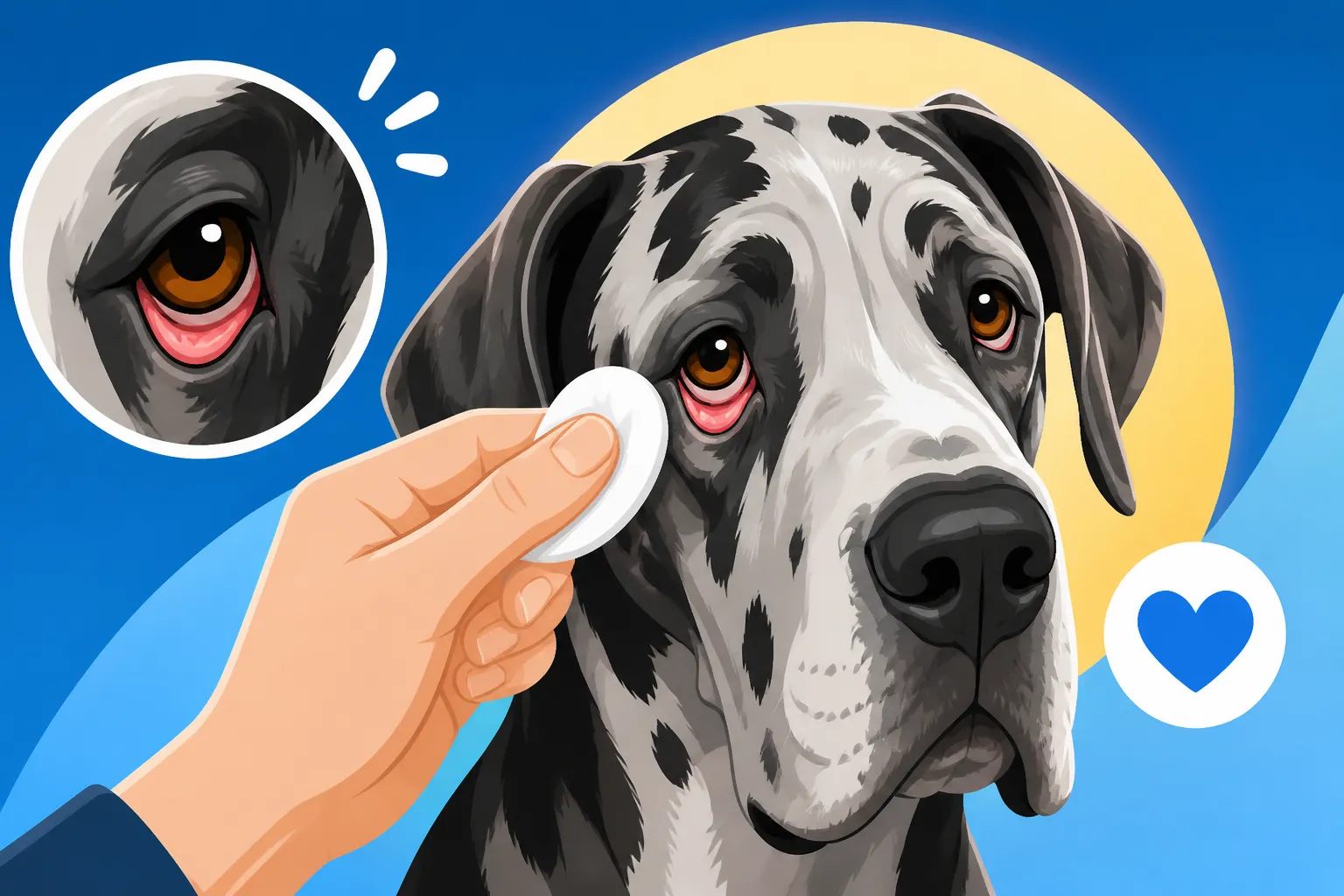
Ectropion: Imagine the lower eyelid rolling outwards, away from the eyeball. That's ectropion. It leaves the delicate inner lining of the lid (the conjunctiva) exposed to air, dust, and other irritants. This exposure can lead to chronic dryness, inflammation, and infections. You might see your Dane’s lower lid looking red, thickened, and a little "saggy." The exposed tissue weeps more, and tears can spill over the lower lid, staining the fur beneath the eye. This creates a perpetually damp area that can then become irritated itself, leading to a vicious cycle of discomfort. It's like having a constantly watery eye, but instead of the tears doing their job of lubricating, they're just running down the face and making things worse.
Entropion: This is the opposite problem – the eyelid rolls inwards, towards the eyeball. The real issue here is that the eyelashes and the hair on the eyelid then rub directly against the cornea (the clear front surface of the eye). Ouch! This constant friction is incredibly painful and can lead to corneal ulcers, scarring, and even vision impairment if left untreated. With entropion, you might notice your Dane squinting, blinking excessively, or pawing at their eyes. There might be a clear, watery discharge at first, which can progress to thicker, pus-like discharge if an infection sets in. It’s a condition that definitely demands prompt veterinary attention, as the damage can escalate quickly.
It's important to remember that neither of these conditions is necessarily your fault. They are often genetic or a result of the breed's conformation. What is in your control is recognizing the signs and seeking appropriate care.
Identifying the Signs That Your Great Dane's Eyelids Need Attention
Our Great Danes can’t tell us directly when their eyes are bothering them, so it's up to us, their devoted companions, to be vigilant. Knowing what to look for can make all the difference between a minor irritation and a more serious problem.
Visual Cues and What They Mean
Paying close attention to your Great Dane's eyes during your daily interactions and grooming sessions is key. Here are some of the most common signs that their eyelids or eyes might need a little extra TLC:
- Excessive Tearing or "Watery Eyes": This is often one of the first things owners notice. If your Dane's eyes seem constantly wet, or you see tear stains on the fur below their eyes (especially noticeable on lighter coats), it's a red flag. This can be due to poor drainage caused by loose eyelids, or simply the eye trying to flush out an irritant.
- Redness or Inflammation: The pink tissue around the eye (the conjunctiva) might look noticeably redder than usual. This is a clear sign of irritation or inflammation, whether from exposure, allergies, or an infection. Sometimes the whites of their eyes might also appear bloodshot.
- Crusting or Discharge: You might see crusty build-up in the corners of their eyes, especially after they've been sleeping. While a little bit of "sleep crust" is normal, excessive amounts, or discharge that is yellow, green, thick, or sticky, is concerning. This often indicates infection.
- Frequent Pawing or Rubbing: If your Great Dane is repeatedly pawing at their face, rubbing their head on furniture or the carpet, or constantly trying to scratch their eyes, it's a strong indicator of discomfort or itchiness. They're trying to relieve the irritation themselves.
- Squinting or Excessive Blinking: This is often a sign of pain or light sensitivity. If your Dane is struggling to keep their eyes fully open or is blinking much more than usual, it's time to investigate.
- Visible Inversion or Eversion of the Eyelid Margin: This is when you can actually see the eyelid turning in or out. For ectropion, you might clearly see the reddish inner lining of the lower lid. For entropion, you might struggle to see the lower lid margin at all, as it's rolled inward.
- Dullness, Cloudiness, or Change in Eye Appearance: Any sudden change in the appearance of the eyeball itself – cloudiness, a blue tint, visible scratches, or an opaque look – is an emergency and needs immediate vet attention.
Regular checks are vital. Make it a habit to look closely at your Dane's eyes when you brush them or during cuddle time. Early detection of these signs can prevent minor issues from becoming major problems. You'll want to avoid A Great Dane That Limps Without an Injury, and similarly, you’ll want to prevent eye injuries from snowballing into something worse.
When to Call the Vet vs. When to Clean at Home
This distinction is crucial, as some eye problems can escalate rapidly.
Call the Vet Immediately if You Observe:
- Pain or Discomfort: If your Dane is squinting, constantly pawing, crying, or showing any signs of being in pain.
- Sudden Onset or Rapid Worsening: If symptoms appear suddenly or get worse quickly.
- Thick, Yellow, or Green Discharge: This almost always indicates a bacterial infection requiring antibiotics.
- Change in Eye Appearance: Cloudiness, a visible scratch, a blue haze, or anything that affects the clarity or shape of the eyeball itself.
- Redness that doesn't improve with gentle cleaning: Persistent, intense redness of the conjunctiva.
- Visible Entropion: If you can see the eyelashes or fur rubbing against the eye, this needs a vet's intervention to prevent corneal damage.
- Trauma: Any injury to the eye or surrounding area.
When Home Cleaning is Appropriate (Always After Consulting Your Vet for the Initial Diagnosis):
- Minor Debris: If your Dane simply has a bit of dust, a loose hair, or a small amount of non-irritating discharge.
- Light Tearing/Staining: For ongoing management of tear stains associated with mild ectropion, after a vet has confirmed no underlying infection or severe issue.
- Post-Diagnosis Maintenance: If your vet has diagnosed a mild condition (like mild ectropion) and prescribed specific cleaning protocols or lubricants. This becomes part of your routine care, similar to maintaining Dental Work on a Great Dane or keeping their overall hygiene in check.
Never try to self-diagnose severe eye conditions. A vet can properly assess the situation, rule out serious issues like ulcers, and recommend the correct course of action, which might include medicated drops or, in some cases, even surgery to correct severe ectropion or entropion.
Practical Steps for Cleaning Your Great Dane's Eyelids Safely
Once you've determined that home cleaning is appropriate (or part of your vet-prescribed routine), having a systematic approach will make the process much easier for both you and your Great Dane. Remember, patience and a gentle touch are your best friends here.
Gathering Your Tools and Creating a Calm Environment
Before you even approach your Great Dane, get everything ready. Fumbling for supplies mid-clean will only make your Dane more restless.
What you'll need:
- Sterile Saline Solution: This is your go-to. Look for sterile saline eye wash designed specifically for pets, available at pet supply stores like Chewy or on Amazon. Human contact lens saline solution can work in a pinch, provided it's preservative-free and sterile, but always check with your vet first. Avoid anything with medications, redness relievers, or harsh chemicals. Plain warm water (boiled and cooled to lukewarm) can also be used.
- Soft Cotton Pads or Gauze Squares: These are much better than cotton balls, which can leave irritating fibers behind. Sterile gauze pads are ideal. Make sure you have plenty, as you'll want to use a fresh one for each wipe and for each eye.
- Treats! Absolutely essential for positive reinforcement. Great Danes respond wonderfully to praise and food rewards.
- A Comfortable Spot: Choose a quiet area where your Dane feels relaxed. For smaller Danes or puppies, you might be able to sit them on a sofa or the floor next to you. For larger adults, you'll probably be kneeling or sitting on the floor with them. The goal is to make it as low-stress as possible. You've taught them Teaching a Great Dane to Sit Before It Weighs Eighty Pounds, and now that training will come in handy!
Creating the Right Atmosphere:
Speak in a calm, soothing voice. Keep your movements slow and deliberate. If your Great Dane is anxious, start with just handling their face and rewarding them, building up to the actual cleaning over a few sessions. This isn't a race; it's about building trust and comfort.
Step-by-Step Eyelid Cleaning Technique
Here’s how to safely and effectively clean your Great Dane’s eyelids:
- Positioning: Have your Great Dane sit or lie down comfortably. If they're standing, stand beside them or kneel in front, so you’re at eye level. One hand can gently support their head.
- Initial Wipe (External Debris): Take a fresh, dry cotton pad or gauze. Gently wipe away any visible crust, discharge, or debris from the fur around the eye, moving away from the eye itself. This prevents pushing anything into the eye. Dispose of the pad.
- Moisten and Clean: Take a fresh cotton pad and saturate it with your sterile saline solution (or cooled boiled water). It should be damp, not dripping.
- Cleaning the Eyelids:
- For Ectropion (outward rolling lid): Gently hold the skin above or below the eye to stretch the eyelid slightly, exposing the inner surface of the lid. Using the moistened pad, gently wipe the exposed conjunctiva (the pink tissue) and the folds, moving from the inner corner of the eye outwards. Be very careful not to press on the eyeball itself.
- For Entropion (inward rolling lid – for maintenance after vet diagnosis and instruction): Very gently, with your thumb and forefinger, roll the lower eyelid outwards to momentarily expose the inner surface. Quickly wipe along the lid margin with a moistened pad, again moving from the inner corner outwards. This is not a treatment for entropion, merely a way to clean any trapped debris or discharge that might have accumulated. If you suspect active entropion causing pain, stop and see your vet.
- General Cleaning: For eyes without a specific diagnosis but that accumulate normal sleep gunk, gently wipe the lid margins and the area immediately surrounding the eye. Always wipe from the inner corner (near the nose) outwards, in one smooth motion.
- Repeat as Needed: Use a fresh, moistened pad for each wipe to avoid reintroducing bacteria. If both eyes need cleaning, use entirely separate pads for each eye to prevent cross-contamination.
- Dry (Gently): If the area is very wet, you can very gently dab the surrounding fur dry with a clean, soft cloth. Avoid rubbing, especially near the eye itself.
- Reward: Lavishly praise and treat your Great Dane! Make it a positive experience every time.
Frequency: For general maintenance or mild staining, daily or every other day might be sufficient. If prescribed by your vet for a specific condition, follow their instructions for frequency.
Preventing Future Irritation and Promoting Eye Health
Prevention is always better than cure, especially with our big, beautiful Danes. There are several things you can do to minimize future eye irritation.
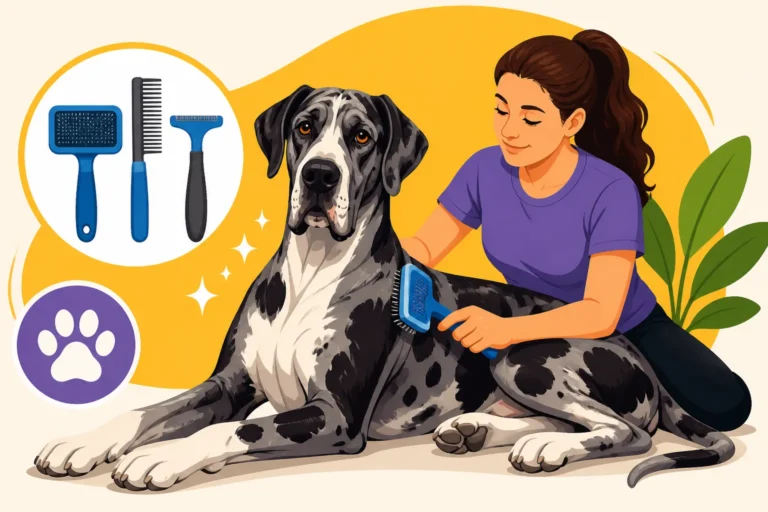
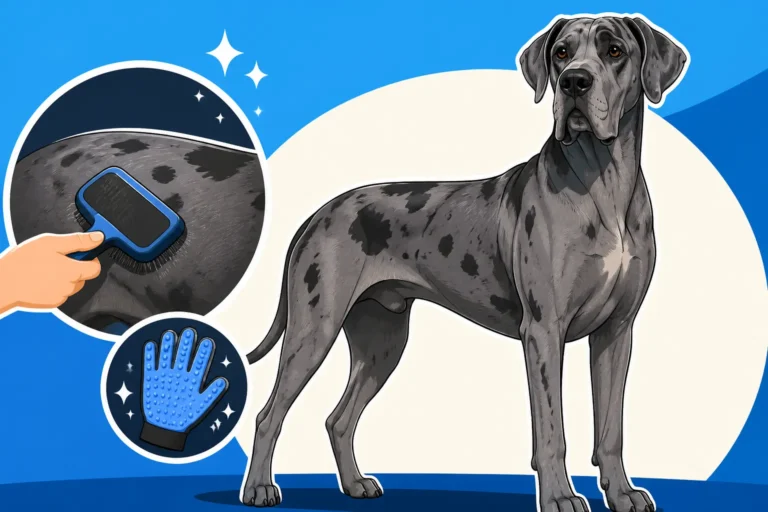
- Regular Grooming: Keep the fur around your Great Dane's eyes trimmed short, especially if they have longer facial hair. This prevents hairs from rubbing the eye or trapping moisture and debris. A quick trim with blunt-nosed scissors (being extremely careful) or a visit to a groomer can make a big difference.
- Environmental Factors: Be mindful of dust, pollen, and other airborne irritants. If your Dane spends a lot of time outside, check their eyes after walks, especially if they’ve been running through tall grass or dusty areas. Certain cleaning products or air fresheners indoors can also be irritants.
- Outdoor Activities: If your Great Dane loves to stick their head out the car window (and whose doesn't?), consider getting them "Doggles" (dog goggles) to protect their eyes from wind, debris, and UV rays. This might sound silly, but it's a real solution for protecting their peepers! You'll also want to consider how A Great Dane That Can Not Finish a Walk might have underlying issues, and if their eyes are consistently bothering them, shorter, safer walks might be in order.
- Bedding: Ensure your Great Dane has soft, clean bedding. Dust mites and dirt from bedding can contribute to eye irritation. Regularly wash their blankets and consider orthopedic beds with easily washable covers. This also ties into Bedding That Prevents Great Dane Hygromas, as good bedding helps overall comfort and hygiene.
- Regular Vet Check-ups: Don't underestimate the importance of routine veterinary visits. Your vet will always include an eye check in their examination. This proactive approach is part of The Health Testing a Great Dane Breeder Owes You that ideally started before you even brought your puppy home.
By being proactive and observant, you can keep those gorgeous Great Dane eyes sparkling and comfortable.
Long-Term Management and Advanced Care for Eyelid Conditions
While regular cleaning and diligent observation are critical, some Great Dane eyelid conditions require more than just home care. Understanding the long-term options and knowing when to escalate your concerns to a specialist is vital for your Dane's lasting comfort and eye health.
Regular Veterinary Check-ups and Monitoring
Even if your Great Dane only has mild, managed ectropion or a tendency for watery eyes, consistent veterinary oversight is incredibly important. Think of your vet as your co-pilot in maintaining your Dane's eye health.
During routine visits, your veterinarian will perform a thorough eye exam, which might include:
- Visual Inspection: Looking at the eyelids, eyelashes, and general eye appearance.
- Fluorescein Stain Test: To check for corneal abrasions or ulcers, especially crucial if entropion is suspected.
- Schirmer Tear Test: To measure tear production if dry eye is a concern.
- Tonometry: To measure intraocular pressure, checking for glaucoma.
These regular checks help to catch any progressive issues early. For instance, sometimes a mild ectropion can worsen with age, or a seemingly insignificant irritation could mask the early stages of a more serious problem. Your vet can also guide you on specific products, like tear stain removers or lubricants, and advise if any changes in diet might indirectly impact eye health, although diet's direct link to eyelid problems is rare. You'll want to ensure you're doing everything you can, much like ensuring you know Whether a Great Dane Needs an Eye Exam as part of their overall wellness.
When Surgical Correction Might Be Necessary
For moderate to severe cases of ectropion or entropion, especially when conservative cleaning and medication aren't enough, surgical correction often becomes the best, and sometimes only, solution to prevent chronic pain, infection, and potential vision loss.
Here's a brief overview of what surgical options entail:
- For Entropion: Surgeons can perform various procedures to tighten the eyelid or tack it into a more natural position, preventing the eyelashes from rubbing the cornea. One common technique involves removing a small wedge of skin and muscle from below the eyelid, which pulls the lid margin outwards.
- For Ectropion: Surgery for ectropion aims to tighten the loose eyelid, allowing it to sit more snugly against the eyeball. This can involve removing a small portion of the lid or surgically shortening it to reduce the sag.
The decision for surgery is a significant one and will be made in consultation with your veterinarian, and potentially a veterinary ophthalmologist (a specialist in animal eye care). They will consider your Dane's age, overall health, the severity of the condition, and the impact on their quality of life. While the thought of surgery is daunting, especially for a beloved pet, the relief it can bring from chronic pain and irritation is immense. It's an investment in your Dane's comfort and long-term health, and while costs vary, specialized surgeries are never cheap – similar to facing What a Great Dane Cardiac Workup Costs or other significant medical procedures.
| Condition | Primary Issue | Common Symptoms | Cleaning Role | When to See Vet Immediately |
|---|---|---|---|---|
| Ectropion | Eyelid rolls outward, exposing conjunctiva. | Redness, tearing, dry eyes, discharge, visible sagging. | Regular cleaning to manage discharge and prevent irritation. | Significant pain, thick discharge, worsening redness. |
| Entropion | Eyelid rolls inward, lashes rub cornea. | Squinting, excessive blinking, watery eyes, pain, ulcers. | Minor cleaning of surrounding area (only if advised). | Any suspicion of entropion, pain, corneal signs. |
| General | Minor debris, environmental irritants. | Mild tearing, occasional crust. | Routine cleaning as part of grooming. | Persistent symptoms, discharge, pawing, change in eye. |
Lifestyle Adjustments for a Dane with Chronic Eye Issues
Living with a Great Dane prone to eye issues might mean making a few ongoing adjustments to their routine and environment to keep them as comfortable as possible.
- Eye Lubricants and Ointments: If your vet prescribes them, faithfully administer eye lubricants or artificial tears. These can be crucial for Danes with ectropion to prevent chronic dryness and irritation of the exposed conjunctiva. Make sure you know how to apply them without causing further stress.
- Activity Modification: During dusty or windy weather, or when walking in areas with tall grasses and pollens, consider shorter walks or choosing different routes. A dog park, for example, might be too dusty for a Dane with sensitive eyes.
- Home Environment: Keep your home as free from dust and allergens as possible. Regular vacuuming, air purifiers, and avoiding strong scents from cleaning products or air fresheners can help reduce environmental irritants.
- Patience and Consistency: Dealing with chronic conditions requires ongoing effort. Consistent cleaning, medication administration, and monitoring will be part of your routine. Remember that your Great Dane relies on you to manage their discomfort. And as our Danes get older, these issues can sometimes become more prevalent. Caring for a Great Dane Past Six often means increasing our vigilance for subtle health changes, including those affecting their eyes.
By understanding these conditions, being proactive with cleaning, and maintaining a close relationship with your vet, you can help ensure your Great Dane enjoys a life with bright, healthy, and comfortable eyes.
Disclaimer
This article is for general informational purposes only and does not constitute professional advice. Laws, prices and regulations vary by location and change over time. Consult a qualified professional for guidance on your specific situation.