What a Great Dane Litter Eats at Five Weeks
Bringing a litter of Great Dane puppies to the five-week mark is an absolute joy, but it also comes with a unique set of challenges, particularly when it comes to feeding. Many new breeders or those fostering a young litter find themselves a bit overwhelmed, wondering if they're doing it right for these rapidly growing giants. This guide will walk you through exactly what a Great Dane litter should be eating at five weeks old, helping you navigate this crucial weaning stage with confidence and ensure your pups get the best possible start for healthy, steady growth.
The Crucial Transition: Weaning a Five-Week-Old Great Dane Litter
At five weeks old, a Great Dane litter is right in the thick of a significant developmental milestone: weaning. It's a messy, adorable, and incredibly important stage that sets the foundation for their future health. You'll notice the puppies are more active, more curious, and their demand for nutrition is soaring, sometimes beyond what their patient mom can provide solo.
Why Five Weeks is a Milestone for Great Dane Puppies
By five weeks, those tiny shark teeth have started to come in, making nursing a less comfortable experience for the dam. She'll naturally begin to push them away more often, creating a perfect window for you to introduce solid foods. Mother's milk, while incredibly nourishing, simply can't keep up with the explosive growth rate and energy demands of a Great Dane puppy at this age. They need more calories, more protein, and a broader spectrum of nutrients than milk alone can deliver. This isn't just about satisfying hunger; it's about providing the building blocks for their massive frames.
It’s truly a balancing act. You want them to grow, but you absolutely do not want them to grow too fast. For giant breeds like Great Danes, rapid growth is often linked to future orthopedic problems. This means the food choices you make now are critical for supporting their large bone structures without encouraging uncontrolled, speedy development. This slow and steady approach is a cornerstone of responsible Great Dane puppy rearing, a stark contrast to how many smaller breeds might be fed. For a deeper dive into their unique nutritional needs, you might want to read Why Great Dane Puppy Food Is Different.
Understanding the Specific Needs of Giant Breed Puppies
Great Dane puppies are not just bigger versions of smaller puppies; their nutritional requirements are fundamentally different. Where a small breed puppy might thrive on a high-calorie, high-protein diet designed for fast growth, this approach can be detrimental to a Great Dane. Their bones and joints need to develop at a controlled pace to avoid stress and malformation. This means you need to be particularly mindful of calorie intake, but most critically, the calcium and phosphorus ratios in their food. Too much calcium, in particular, can be just as harmful as too little, leading to serious skeletal issues.
Many people think more food or extra supplements will make their giant breed puppy stronger, but with Great Danes, this often backfires. Their growth plates are particularly vulnerable during this rapid development phase. Overfeeding or supplementing incorrectly can lead to conditions like Hypertrophic Osteodystrophy (HOD) or Panosteitis (Pano), which are painful and can have long-term consequences. Understanding these specific needs is paramount to giving them the best chance at a healthy life. We've actually explored the crucial role of minerals in Calcium and Phosphorus in a Great Dane Puppy Bowl, which highlights why balance is key.
Crafting the Perfect First Meal for Dane Puppies
Okay, so you know why you need to start weaning, but how do you actually do it? It’s not about tossing dry kibble into a bowl and hoping for the best. The first solid meals for a five-week-old Great Dane litter need to be soft, appealing, and easy to digest. Think of it as a bridge from mother's milk to solid food.
Choosing the Right Food Base
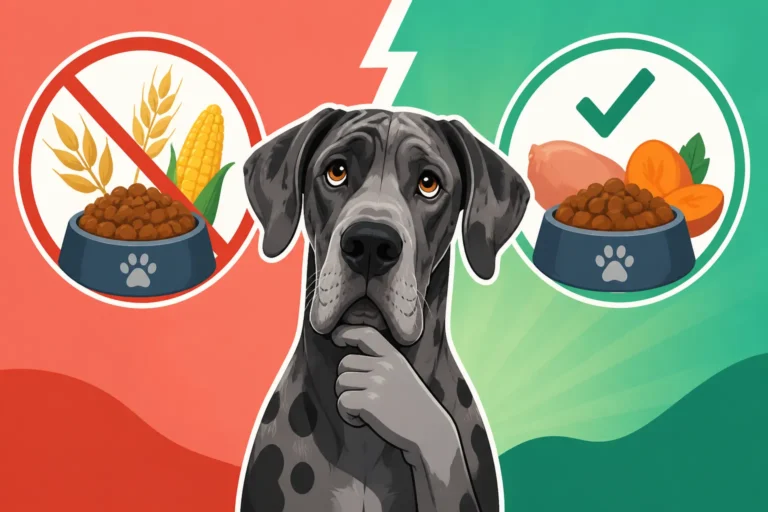
The foundation of their first solid meals should always be a high-quality, large-breed puppy kibble. This isn't just marketing; these formulas are specifically designed with controlled growth in mind, often featuring appropriate protein levels, moderate fat, and, crucially, carefully balanced calcium and phosphorus levels that support skeletal development without promoting excessive growth. Look for brands that explicitly state they are formulated for "large breed puppies" or "giant breed puppies."
When you're scrutinizing the bag (and you should scrutinize the bag!), pay close attention to the guaranteed analysis. You want protein content generally in the mid-20s (e.g., 23-26%) and fat in the mid-teens (e.g., 12-15%). The calcium content is paramount, ideally around 1.0-1.5%, with a calcium-to-phosphorus ratio between 1.1:1 and 1.5:1. Avoid generic "all life stages" foods or those meant for small and medium breeds, as they often have higher caloric density and calcium levels unsuitable for Great Danes. For more detailed guidance on labels, check out What to Look For on a Great Dane Puppy Food Bag.
While the core will be kibble, you might consider adding a small amount of a high-quality, fresh-cooked food for palatability. Brands like Ollie offer human-grade fresh food options that can be a great addition to the gruel, providing a boost of moisture and flavor. You can find a wide selection of suitable kibble and other puppy supplies from online retailers like Chewy or Amazon, making it convenient to compare ingredients and prices from home.
The Art of the Gruel: Mixing and Consistency
Now for the fun (and messy!) part: making the gruel. This is where you transform that dry, crunchy kibble into something appetizing and manageable for tiny, developing mouths.
Here’s a simple step-by-step:
- Gather your ingredients: Your chosen large-breed puppy kibble, warm water (or a high-quality puppy milk replacer for extra calories if needed, but water is usually sufficient), and possibly a tablespoon or two of plain, unsweetened canned pumpkin or plain fresh dog food for palatability.
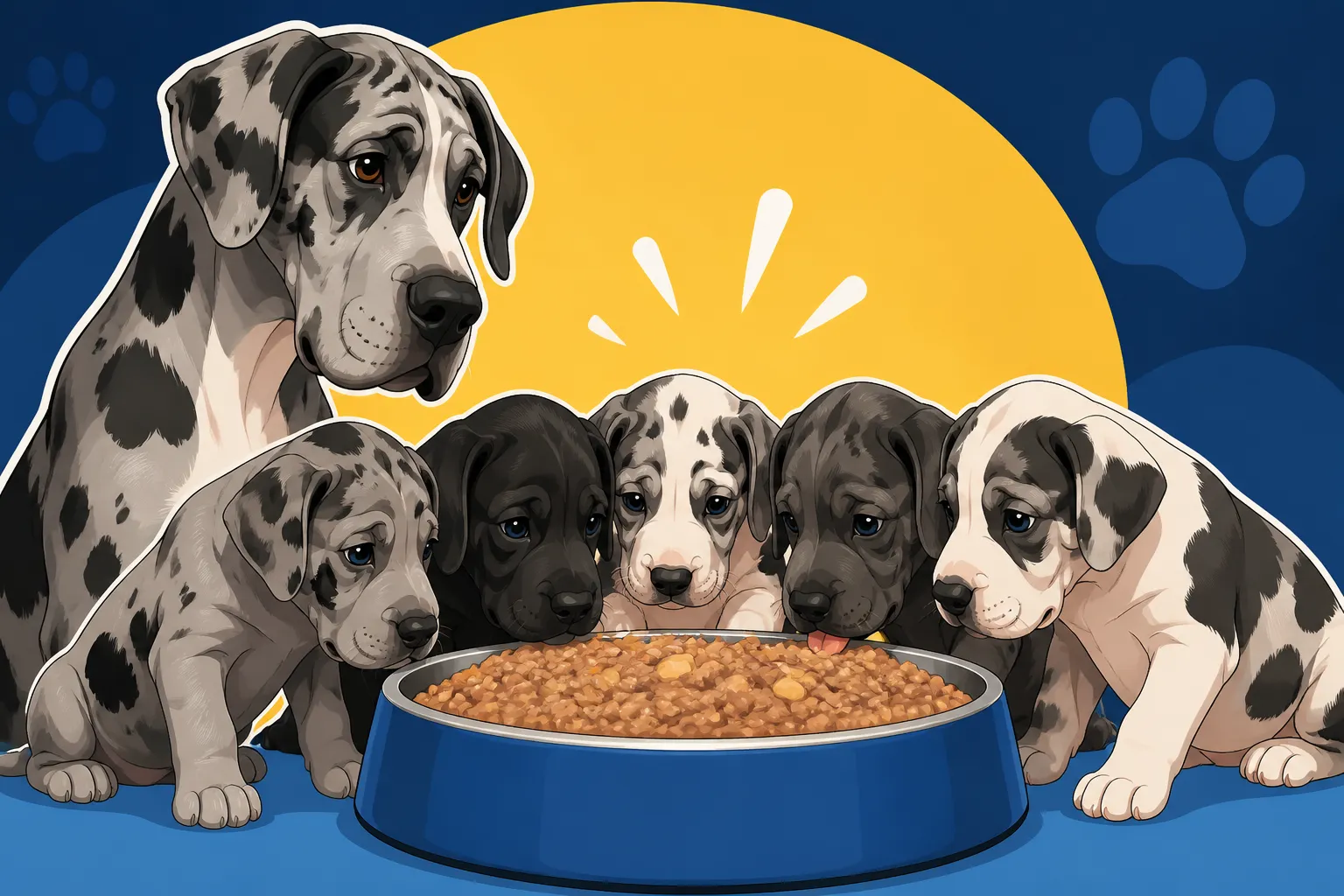
- Soak the kibble: Place a measured amount of kibble (start with about 1/4 to 1/2 cup per puppy per meal) into a large, shallow bowl. Pour enough warm water over it to fully submerge the kibble, plus a little extra. Let it sit for 15-20 minutes, or until the kibble is thoroughly softened.
- Mash it up: Once softened, use a fork or potato masher to break down the kibble into a thick, oatmeal-like consistency. You want it to be soft and easy to lap up, but not so soupy that they can drink it without any chewing action. There should still be some texture. If it's too thick, add a little more warm water; if too thin, let it sit longer or add a tiny bit more dry kibble to soak.
- Check the temperature: Always ensure the gruel is lukewarm, never hot. Just like baby food, it should be comfortable to the touch on your wrist.
- Serve: Divide the gruel into several shallow, wide dishes to allow multiple puppies to eat comfortably side-by-side without too much competition.
At five weeks, you’ll likely be offering this gruel 3-4 times a day. Consistency is key, both in the gruel itself and in your feeding schedule.
Introducing the Mealtime Routine
Mealtime with a litter of five-week-old Great Dane puppies is an event, to say the least! Be prepared for adorable chaos and a lot of mess.
- Set up your feeding station: Choose an area that's easy to clean – a tiled floor, a large tarp, or even outside if the weather permits. Use shallow, wide bowls or even pie plates. You want them to be able to access the food easily without having to climb into it, though some will inevitably try!
- Managing the mob: When you first put the bowls down, there will be a flurry of excitement. Some puppies will dive right in, others might be a bit more hesitant. Encourage the reluctant eaters by gently dabbing a bit of gruel on their nose or tongue to pique their interest. Don't worry if they walk through it, play with it, or wear more than they eat initially – it's all part of the learning process.
- Clean-up is mandatory: As soon as they're done (or as done as they're going to get), remove the bowls. Clean up any spilled gruel immediately. Crucially, gently wipe down each puppy's face, paws, and belly to remove any food residue. Not only does this keep them clean, but it also prevents skin irritation and discomfort. This early handling also helps socialize them to being touched and cleaned, which is a huge bonus for giant breeds.
Monitoring Progress and Avoiding Common Pitfalls
Weaning is a dynamic process. You can't just set it and forget it. Constant observation and adjustment are vital to ensure your Great Dane puppies are thriving without falling into common traps that can harm their long-term health.
Observing Puppy Health and Weight Gain
One of the most important things you can do is monitor each puppy individually. While growth charts exist, what you're truly looking for is steady, not explosive, weight gain. Each puppy should feel robust and well-fed, but not overly plump. You should be able to feel their ribs easily, but they shouldn't be visibly protruding. If you're tracking their progress, you'll see a gradual, consistent increase in size and weight. Knowing What a Great Dane Puppy Should Weigh at Four Months can help set expectations, though individual puppies will vary.
Beyond weight, pay close attention to their stool consistency. It should be formed but soft, indicating good digestion. Diarrhea, especially frequent or watery stools, is a red flag and could indicate digestive upset, parasites, or an intolerance to the new food. Vomiting is another serious sign that requires immediate attention. Any concerns should prompt a call to your veterinarian. Remember, puppies can dehydrate quickly. Their activity levels, coat condition, and general demeanor are also excellent indicators of overall health. A happy, playful, energetic puppy with a shiny coat is usually a healthy puppy.
The Dangers of Overfeeding and Supplementation
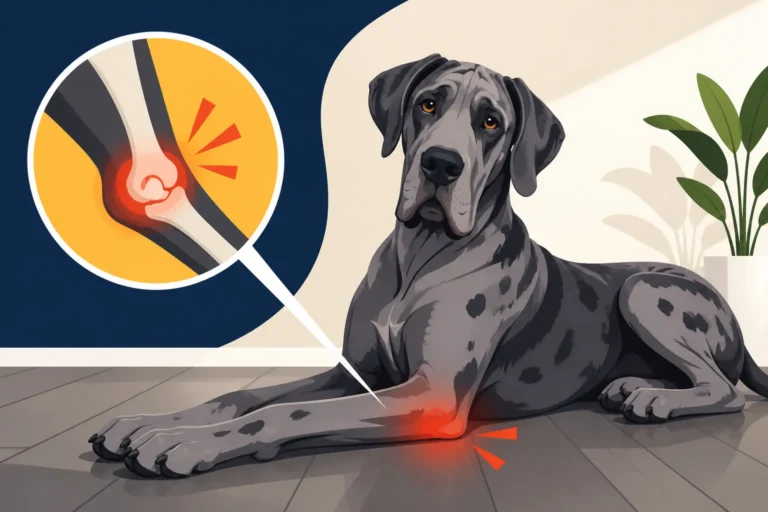
This cannot be stressed enough: for Great Danes, more is not better. Overfeeding, especially with diets not specifically formulated for giant breeds, is a leading cause of developmental orthopedic diseases. When a Great Dane puppy grows too quickly, their bones, joints, and ligaments simply can't keep up with the rapid increase in body mass. This disproportionate growth puts immense stress on their immature skeletal structure, leading to painful and often debilitating conditions like osteochondritis dissecans (OCD) or Hypertrophic Osteodystrophy in a Great Dane.
Similarly, resist the urge to add extra calcium or vitamin supplements unless specifically directed by a veterinarian. Many well-meaning owners believe they are helping to build stronger bones, but often, the opposite is true. Commercial large-breed puppy foods are meticulously balanced for calcium and phosphorus. Adding more can throw this delicate balance off, potentially leading to calcification issues and other serious skeletal problems. For more detail on why this is so critical, read Whether Extra Calcium Damages a Great Dane. Trust the science behind the specially formulated foods. If you have any concerns about nutritional deficiencies, consult your vet before adding anything to their diet.
Troubleshooting Feeding Challenges
Even with the perfect gruel and routine, you might encounter some bumps in the road.
- Reluctant Eaters: If a puppy isn't showing much interest, try hand-feeding a tiny bit to them, or gently placing them directly into the food dish. Sometimes a little one-on-one encouragement is all it takes. Ensure they aren't being pushed away by more assertive littermates. If one consistently lags behind, it might need closer monitoring.
- Picky Eaters: Some puppies are just pickier. Try a different brand of high-quality large-breed puppy kibble, or experiment with adding a tiny bit of plain yogurt or unseasoned cooked chicken to the gruel to make it more enticing. However, avoid making too many rapid changes, as this can upset their sensitive tummies.
- Competition at the Bowl: Great Dane litters can be boisterous. If you notice a particular puppy getting pushed out, try feeding them separately for a short period or use more feeding dishes spread out to reduce competition. Ensuring each puppy gets its fair share is important for even growth and development across the litter.
Patience is key. Weaning is a learning process for them, and for you.
Beyond the Bowl: Preparing for the Next Stages
Weaning at five weeks is just the beginning of their journey into solid food. The next few weeks will see a gradual transition, laying the groundwork for healthy eating habits that will last a lifetime.
Gradual Transition to Solid Kibble
After the initial gruel stage, your goal is to gradually transition them to eating dry kibble by the time they leave for their new homes around 8-10 weeks of age. This transition should be slow and steady to avoid digestive upset.
Here's how you can do it:
- Week 6: Start reducing the amount of water (or milk replacer) you add to the gruel. Make it a bit thicker, with more distinct kibble pieces. They'll start to chew more as their jaws and teeth develop.
- Week 7: Continue to decrease the liquid. The food should now be more like very moist, soft kibble rather than a mush.
- Week 8+: By now, they should be comfortable eating mostly dry kibble, with just a splash of warm water to soften it slightly or to make it more appealing. This prepares them for their new families, who will likely continue with dry food.
Consistency in the number of meals per day is also important. At five weeks, they might be eating 3-4 times daily. As they get a bit older, this might consolidate to 3 times a day. We cover this progression in more detail in How Many Meals a Great Dane Puppy Eats a Day.
Setting Up for Lifelong Healthy Eating Habits
The habits you instill now will greatly influence their future. Great Danes thrive on routine, and mealtime is no exception.
- Consistent Meal Times: Stick to a regular feeding schedule. This helps their digestive system regulate and reduces anxiety around food.
- Avoid Free-Feeding: Great Danes should not be free-fed (having food available all the time). This makes it harder to monitor their intake, can lead to overeating, and increases the risk of bloat (GDV) in the future. Meal feeding allows you to control portions and observe their appetite.
- Introduce Training Around Food: Even at a young age, you can start simple training around mealtime. Make them sit or wait briefly before putting the bowl down. This establishes you as the provider and teaches impulse control, which is essential for a dog that will grow to their impressive size.
- Future Bowl Considerations: While not for five-week-olds, as your Great Danes grow, you might consider the debate around raised bowls. Some believe they can reduce bloat risk, while others suggest they might increase it. It's a complex topic, and you can delve into it further with The Raised Bowl Argument for Great Danes when your pups are older. For now, shallow dishes on the floor are perfectly fine.
The journey of feeding a Great Dane puppy is full of unique considerations. By carefully managing their diet in these crucial early weeks, you're not just feeding a puppy; you're nurturing a future gentle giant, setting them up for a lifetime of health and happiness.
Great Dane Puppy Feeding Progression: Five to Eight Weeks
Here's a general guide to how a Great Dane puppy's feeding might progress during the critical weaning period. Remember, every litter and individual puppy is different, so observe closely and adjust as needed!
| Age | Meal Frequency | Food Consistency | Key Nutritional Focus | Common Challenges & Tips |
|---|---|---|---|---|
| 5 Weeks | 3-4 times/day | Gruel: Soaked kibble, mashed into a thick, oatmeal-like consistency with warm water. | Introduce solids, balanced calcium/phosphorus, moderate calories for controlled growth. | Messy eaters, some reluctance. Encourage gently, clean up quickly. |
| 6 Weeks | 3-4 times/day | Thicker gruel: Less water, more distinct kibble pieces visible. | Continued support for skeletal development, increasing calorie intake as demand grows. | More chewing, more competition. Provide multiple bowls. |
| 7 Weeks | 3 times/day | Very moist, soft kibble: Only enough water to soften, not mush. | Transition to mostly solid food, maintaining controlled growth. | Some puppies may still prefer softer. Gradually reduce water. |
| 8 Weeks | 3 times/day | Lightly moistened kibble: Mostly dry, with just a splash of water for palatability. | Ready for dry kibble, setting long-term feeding habits. | Ensure they're eating independently. Monitor stool for changes. |
Disclaimer
This article is for general informational purposes only and does not constitute professional advice. Laws, prices and regulations vary by location and change over time. Consult a qualified professional for guidance on your specific situation.