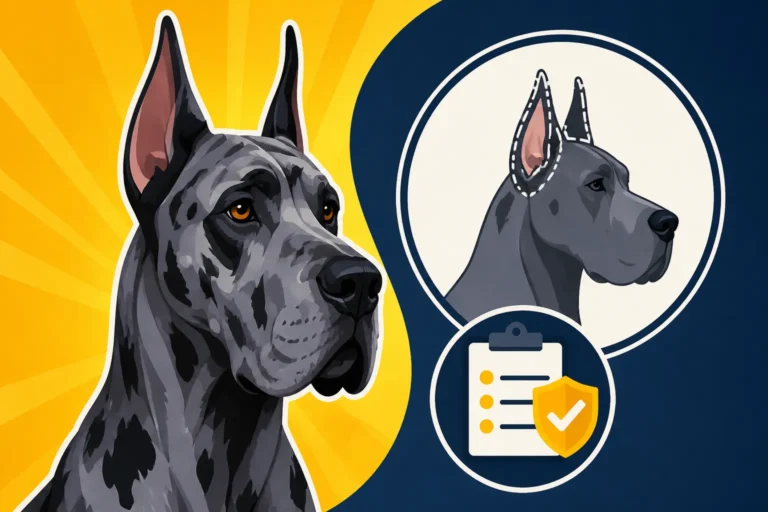
The Seven Colors the AKC Allows a Great Dane
It’s easy to get lost in the sheer beauty and imposing presence of a Great Dane, but when you start looking into specific dogs, one of the first things that often captures your attention is their incredible variety of coats. For those of us navigating the world of Great Danes, especially when thinking about showing or understanding breed standards, decoding the official colors recognized by the American Kennel Club (AKC) can feel a bit like learning a secret language. This guide will walk you through each of the seven distinct colors that the AKC officially allows for Great Danes, giving you a clear picture of what makes each one unique.
Understanding the AKC Standard for Great Dane Colors
The American Kennel Club (AKC) plays a pivotal role in defining what makes a Great Dane, well, a Great Dane, particularly in the realm of conformation showing. Their breed standard meticulously outlines not just the ideal size and temperament, but also the accepted coat colors and patterns. For a Great Dane to be shown in AKC events and to be considered eligible for championship titles, its color must fall within these defined parameters. This isn't just about pretty pigments; it's about preserving the historical integrity and specific genetic lines of the breed as understood within the American dog fancy.
Why Color Matters Beyond Aesthetics
While many of us are drawn to a Great Dane's striking appearance, the color standard has a purpose beyond just looking good. It helps maintain breed purity and prevents the introduction of genetic traits that might be undesirable or linked to health issues, particularly in cases of certain diluted or "unrecognized" colors. For instance, while a captivating merle pattern might seem purely cosmetic, the genetics behind it, when mishandled, can lead to serious health concerns in offspring. So, when the AKC specifies a color, it's often rooted in generations of breeding knowledge, aiming for both beauty and robust health within the breed. A responsible breeder will always prioritize health testing and temperament, but they will also adhere to the color standards as part of maintaining the breed. You can learn more about this by reading The Health Testing a Great Dane Breeder Owes You.
The Importance of a Clean, Distinct Color
Within each of the seven accepted colors, the AKC standard often emphasizes the importance of a "clean" or "distinct" presentation. What does this mean in practice? It means that the color should be as pure and as true to its description as possible, without muddiness, excessive brindling where it shouldn't be, or smudged markings. For a fawn Great Dane, you want a rich, golden color, not a pale, washed-out tan. For a black Dane, it should be a deep, glossy black, not a faded charcoal. This attention to detail ensures that the unique beauty of each color variant is fully expressed and upheld, reflecting the quality and care put into breeding. Judges in the show ring are meticulously looking for these nuances, and they can make all the difference in a dog's placement.
The Magnificent Seven: AKC Recognized Great Dane Colors
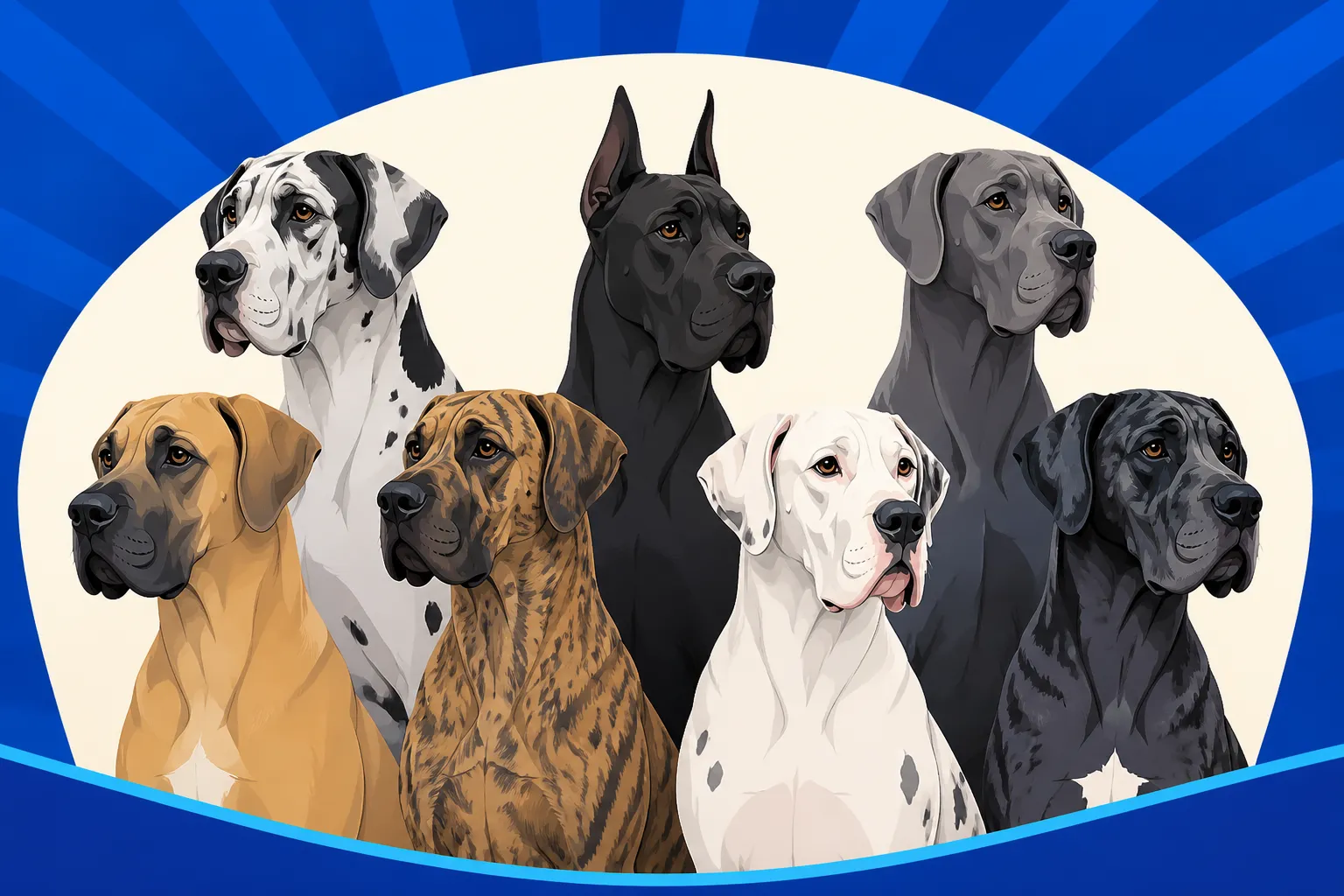
The AKC officially recognizes seven distinct colors and patterns for Great Danes. Each one carries its own unique charm and specific descriptive traits that breeders strive to produce and judges evaluate. Let's dive into what makes each of these magnificent colors stand out.
Fawn: The Classic Golden Hue
Fawn is perhaps one of the most widely recognized and quintessential Great Dane colors, often conjuring images of majestic, statuesque dogs. A fawn Great Dane should display a rich, golden-yellow color throughout its body. Think of a deep caramel or a rich butterscotch hue. This isn't a pale cream or a washed-out buff; the standard calls for depth and saturation in the golden tone. The most defining characteristic, and a non-negotiable part of the fawn standard, is the presence of a distinct black mask. This mask should cover the muzzle and typically extend up around the eyes, sometimes even lightly shading the ears. Without that contrasting black mask, a fawn Great Dane would be considered less than ideal in the show ring, as it’s a hallmark of the color. You can read more about it in What Makes a Great Dane Fawn.
Beyond the body color and mask, fawn Great Danes are allowed to have some minimal white markings on the chest and toes. However, these white patches should be very limited and not detract from the overall impression of a solid, rich fawn dog with a striking black mask. Any extensive white markings would be considered a fault. The coat itself should be short, dense, and sleek, allowing the beautiful color to truly shine.
Brindle: Stripes of a Warrior
Brindle Great Danes possess a truly striking and unique appearance, often described as having a "tiger-striped" pattern. The base color for a brindle Great Dane is fawn, meaning it should have that same rich, golden-yellow foundation. Superimposed upon this fawn base are distinct, black cross stripes. These stripes should be well-defined and run across the body, creating a noticeable pattern. The ideal brindle pattern features stripes that are as evenly distributed as possible, giving a balanced look. The more uniform and clear the stripes are against the fawn background, the better.
Just like their fawn counterparts, brindle Great Danes must also have a black mask. This mask helps to tie the head into the overall striking appearance of the brindle coat. White markings are also permissible, again, usually limited to the chest and toes, and should not be so extensive as to disrupt the brindle pattern. A heavily brindled dog, where the black stripes are so dense they almost obscure the fawn base, or a lightly brindled dog where the stripes are barely visible, might be considered less desirable than one with a clear, well-defined pattern. Discover more about How Brindle Stripes Form on a Great Dane.
Blue: The Noble Steel Gray
When we talk about a "blue" Great Dane, we're not talking about a vibrant azure or sky blue, but rather a sophisticated, deep steel-gray color. This hue is a diluted black, and it should be as uniform and intense as possible across the entire body. The ideal blue Great Dane presents a lustrous, dark gray without any hints of fawn, brown, or black shading. Any yellowish or brownish tints in the coat would be considered undesirable. The beauty of a blue Great Dane lies in its consistent, cool-toned gray.
For a blue Great Dane, the nose should be a dark blue-black, reflecting the dilution of the pigment that gives the coat its color. The eyes are typically dark brown, but some may have a slightly lighter, smoky appearance that still harmonizes with the coat. As with other solid colors, minimal white markings on the chest and toes are generally acceptable, but the overall impression should be one of a solid, uniform steel-gray dog. A faded or patchy blue coat would not meet the standard. You can learn more about What Dilution Does to a Blue Great Dane.
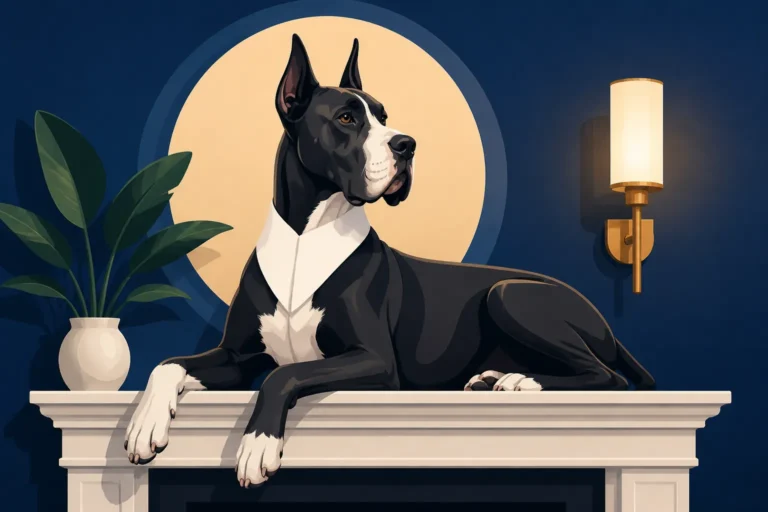
Black: The Sleek, Solid Shadow
The black Great Dane is a picture of classic elegance and power. The AKC standard calls for a glossy, solid black coat. This means the color should be uniform from nose to tail, without any brindling, merle patches, or faded areas. A rich, deep, and lustrous black is highly prized, often described as having a "patent leather" sheen. Any reddish or brownish tints in the coat, which can sometimes occur from sun exposure or certain nutritional factors, are considered faults in the show ring, though they don't affect the dog's health.
For a black Great Dane, the nose should be black, and the eyes should be dark, conveying a serious and intelligent expression. Like other solid colors, minor white markings are permitted, typically on the chest and toes. However, extensive white markings, especially if they create a distinct pattern on the body, would disqualify a black Dane from meeting the solid black standard. A black Great Dane’s imposing silhouette is amplified by its uniform, dark coat, making it a truly magnificent sight.
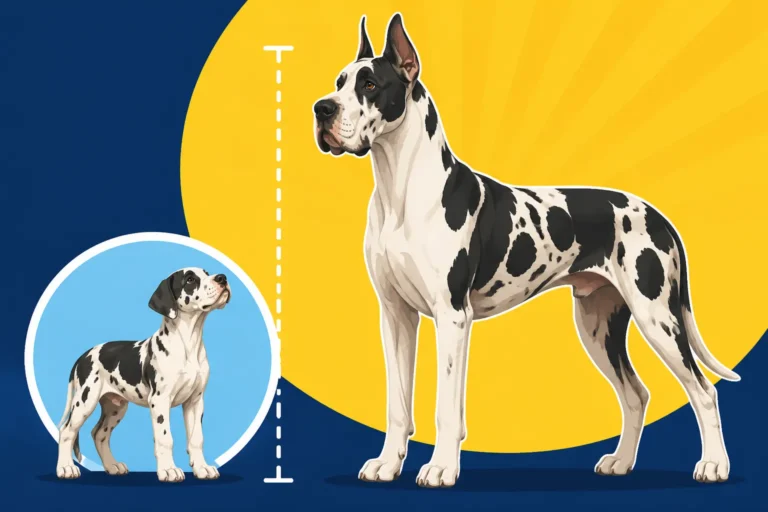
Harlequin: The Iconic Patchwork
Harlequin is arguably the most recognizable and striking of all Great Dane colors, and it's also one of the most complex genetically. A true harlequin has a pure white base color, not cream or off-white. This white base is adorned with irregularly torn black patches distributed over the entire body. The key here is "torn" patches – they should appear jagged and uneven, not perfectly rounded or square. The ideal distribution is that the patches should be well-proportioned, appearing neither too sparse nor so dense that they give the impression of a black dog with white markings.
Adding to the complexity, a harlequin Great Dane often has unique pigmentation requirements. The nose should ideally be black, and the eye rims should be fully pigmented black. Blue eyes are sometimes seen in harlequins, and while they can be beautiful, some standards may prefer dark eyes. Importantly, harlequin Great Danes must not have large patches of solid black or merle patches within the white areas; these are considered faults. The beauty of the harlequin lies in its unique, almost artistic, arrangement of black on white. Breeding for correct harlequin is challenging, as the genetics often result in other patterns in the litter. What a Correct Harlequin Great Dane Looks Like can offer a deeper dive into this intricate color.
Mantle: The Tuxedo Dane
The mantle Great Dane is often described as resembling a "tuxedo" because of its distinctive pattern of black and white. For a mantle, the body should be primarily covered by a solid black blanket, which covers the back and sides. This solid black body is then elegantly broken by white markings. The standard calls for a white muzzle, which often extends into a white blaze on the head, though a full white muzzle is highly prized. A white chest, white legs, and a white tip on the tail are also characteristic.
Perhaps the most iconic feature of the mantle Great Dane is the white collar. This collar should ideally be complete and unbroken around the neck, separating the black blanket on the body from the black coloring on the head. Imagine a dog wearing a perfectly tailored black coat with a crisp white shirt underneath. The black areas should be deep and solid, contrasting sharply with the clear white markings. Any blurring of these lines or too much scattered white within the black is considered less desirable. Explore The White Collar on a Mantle Great Dane for more details on this charming pattern.
Merle: The Recently Accepted Marvel
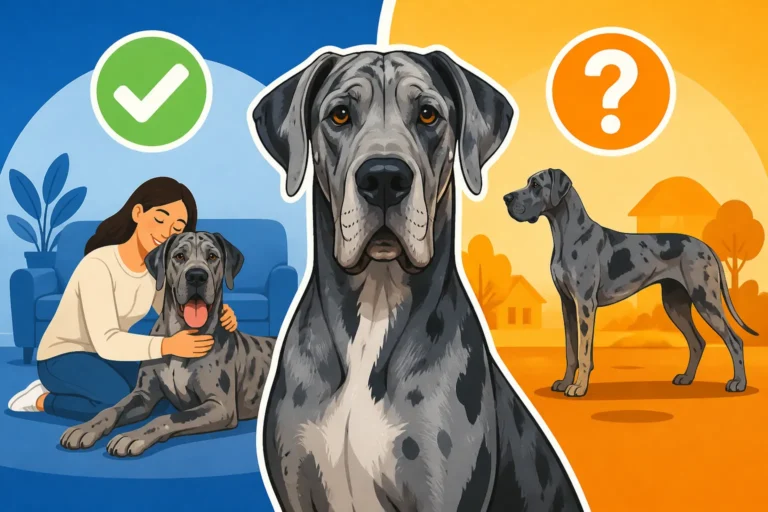
Merle Great Danes have a coat pattern characterized by irregular patches of diluted color on a lighter background. This means you might see black patches and spots on a gray background, or sometimes fawn on a cream background, depending on the underlying base color. The pattern gives a mottled, almost dappled appearance, making each merle Great Dane unique. The merle gene creates areas of diluted pigment, leading to this distinctive marbled look. For many years, merle was a controversial color in the Great Dane breed.
Historically, merle Great Danes were often considered unshowable or were disqualified from the conformation ring due to concerns about the health implications associated with breeding two merle dogs together, which can result in "double merle" offspring with severe health issues like deafness and blindness. However, the AKC officially accepted merle as a recognized color for Great Danes in 2019, albeit with strict guidelines. Breeders now have to be incredibly careful with their pairings to avoid producing double merles and to ensure that single merles are healthy and meet the standard’s expectations for pattern and pigmentation. This change brought a new dimension to Great Dane breeding and showing, while also emphasizing responsible practices. You can read about this change in Merle Great Danes Since 2019 and understand the historical context in Why Merle Great Danes Were Once Disqualified.
Colors Not Recognized by the AKC and Why They Matter
While the seven colors above are officially recognized, Great Danes can, and do, come in other color variations. These unrecognized colors, while sometimes visually appealing, are not permitted in the conformation ring and can sometimes be indicative of underlying genetic issues, or at least, a deviation from the established breed standard.
Understanding "Faulted" Colors
When a color is "faulted" by the AKC, it means that while the dog might still be a purebred Great Dane, its color deviates from the ideal or accepted standard. This can result in disqualification from the show ring or at least a lower placement. Examples of faulted colors might include dogs that are primarily white, sometimes referred to as "piebald," or those with excessive white markings that don't fit the mantle or harlequin descriptions. Similarly, "dilute" colors that aren't the recognized blue, such as an Isabella (fawn with blue dilution) or liver (brown), would also be faulted because they fall outside the acceptable genetic spectrum for the breed. These colors don't necessarily make a dog unhealthy or less loving as a pet, but they do indicate a departure from the breed's visual standard.
Health Concerns and Unrecognized Colors
Beyond aesthetic preferences, some unrecognized colors are actively discouraged due to potential health problems. The most prominent example is the "double merle" Great Dane, which occurs when two merle-patterned dogs are bred together. These puppies are often born almost entirely white and are at a significantly higher risk for profound deafness and severe eye abnormalities, including microphthalmia (abnormally small eyes) or even missing eyes. This is why ethical breeders are extremely careful to avoid merle-to-merle breedings. Similarly, many all-white Great Danes, even those not strictly double merles, can carry an increased risk of deafness. Learning about Why a White Great Dane Is Often Deaf and Missing Eyes and Small Eyes in White Great Danes provides crucial insight into these serious health considerations. Responsible breeding always prioritizes health over novelty in color.
Breeding Considerations for Color
Understanding Great Dane colors isn't just a fun fact; it's a critical component of responsible breeding. Breeders must navigate complex genetics to produce healthy puppies that also adhere to the breed standard. This takes extensive knowledge, careful planning, and a deep commitment to the welfare of the breed.
Responsible Breeding Beyond Color
A truly responsible Great Dane breeder considers far more than just a puppy's coat color. While working towards recognized colors is part of maintaining the breed standard, it should never come at the expense of health or temperament. Ethical breeders prioritize extensive health screening for common Great Dane ailments like cardiac issues (Screening a Great Dane's Heart Each Year), bloat risk (The Lifetime Bloat Risk in a Great Dane), and orthopedic problems. They also assess temperament carefully, ensuring that breeding dogs are stable, friendly, and fit companions. A beautiful coat is wonderful, but a healthy, well-adjusted dog is paramount. Sometimes, achieving a desired color can be complicated by the need to maintain genetic diversity and avoid health risks.
The Ethical Breeder's Role
Ethical breeders dedicate countless hours to researching pedigrees, understanding genetic lines, and performing all recommended health clearances on their breeding stock. They won't breed two dogs if there's a high risk of producing puppies with genetic health defects, even if the resulting colors might be desirable. For instance, a responsible breeder would never intentionally breed two merle Great Danes together, understanding the severe health risks associated with double merles, despite the potential for unique patterns. They educate prospective owners about the specifics of the breed, including health concerns and the nuances of color genetics. This commitment ensures that puppies are not only beautiful but also have the best possible start in life, both genetically and environmentally. If you're looking for a puppy, make sure to check out What a Great Dane Breeder Should Be Screening For.
Here's a quick overview of the AKC-recognized Great Dane colors:
| Color/Pattern | Base Color | Markings/Characteristics | Key Feature |
|---|---|---|---|
| Fawn | Golden-yellow | Black mask on muzzle/eyes; minimal white on chest/toes | Rich golden hue with distinct black mask |
| Brindle | Fawn | Black cross stripes on fawn base; black mask | Tiger-striped pattern |
| Blue | Steel Gray | Uniform, deep steel-gray; blue-black nose | Consistent cool-toned gray |
| Black | Solid Black | Glossy, solid black; minimal white on chest/toes | Rich, lustrous, uniform black |
| Harlequin | Pure White | Irregularly torn black patches; black nose/eye rims | Iconic black patches on white |
| Mantle | Solid Black | White muzzle/blaze, chest, legs, tail tip; white collar | Black blanket with white "tuxedo" markings |
| Merle | Diluted base | Mottled/dappled patches of diluted color on lighter ground | Marbled, irregular diluted pattern |
Disclaimer
This article is for general informational purposes only and does not constitute professional advice. Laws, prices and regulations vary by location and change over time. Consult a qualified professional for guidance on your specific situation.