The Great Dane Years That Count as Senior
It's a bittersweet truth for any Great Dane owner: our gentle giants often feel like puppies for ages, then suddenly, the years seem to accelerate. One minute they're bounding around, a whirlwind of happy chaos, and the next you start noticing those subtle shifts – a slower rise from the dog bed, a little more napping, a touch of gray around the muzzle. This guide is here to help you understand when those precious "senior" Great Dane years truly begin and what it means for their care.
The Unsettling Truth: Why Giant Breeds Age Faster
It's one of the hardest realities we face as Great Dane parents: they simply don't get as many years with us as some smaller breeds. While a Chihuahua might live well into its teens, our beloved Danes are considered senior much, much earlier. This accelerated aging can be really disheartening, especially when you feel like they've just hit their prime. It's not just a feeling; there's real biological science behind why a Great Dane's clock ticks faster.
The Science Behind Accelerated Aging
Giant breeds, like our Great Danes, experience a phenomenon known as "accelerated aging." This isn't just a casual observation; it's a topic of ongoing research. The leading theory points to a more rapid cell turnover and growth rate early in life. Think about it: a Great Dane puppy grows from a tiny, adorable bundle into a majestic, massive adult in a fraction of the time it takes a smaller dog to reach its mature size. This rapid growth, while amazing to witness, puts significant stress on the body's systems, leading to a quicker accumulation of cellular damage and age-related changes. It's like their bodies are running on fast-forward from the start.
This fast pace means that their organs, joints, and immune systems often show signs of wear and tear earlier than those of a smaller dog. They simply burn through their biological resources at a more intense rate. Understanding this helps us appreciate their precious time even more and prepare for their senior needs sooner rather than later. If you're curious about the mechanics, a deep dive into Why a Great Dane Ages Faster Than Smaller Dogs can offer more insight into this biological reality.
Comparing Lifespans Across Breeds
To put the Great Dane's aging into perspective, it helps to look at the general lifespan differences across various dog sizes. It’s a stark contrast and highlights just how unique our giant companions are in their journey through life.
| Dog Size Category | Average Lifespan (Years) | Typical "Senior" Age Starts (Years) |
|---|---|---|
| Toy (e.g., Chihuahua) | 12-18 | 8-10 |
| Small (e.g., Beagle) | 10-14 | 7-9 |
| Medium (e.g., Bulldog) | 8-12 | 6-8 |
| Large (e.g., German Shepherd) | 8-12 | 6-7 |
| Giant (e.g., Great Dane) | 7-10 | 5-6 |
As you can see from the table, a Great Dane typically enters its senior years right around the same time a much smaller dog is still considered to be in its prime. This means we have a shorter window to enjoy their youthful energy before we need to start thinking about specialized senior care. The average The Seven to Ten Year Great Dane Lifespan is a heavy topic, but knowing it helps us cherish every moment.
Defining "Senior" in Great Dane Years
So, if their internal clocks run faster, when exactly does a Great Dane officially become a "senior"? This isn't just a chronological milestone; it’s a shift in their physical and mental state that requires us to adapt our care and expectations. It's often much earlier than many new Great Dane owners anticipate, and it can be a bit of a shock when you first realize your big "puppy" is already hitting their golden years.
Chronological Age vs. Physiological Age
When we talk about a dog being "senior," there's a distinction between their chronological age (their actual birthday count) and their physiological age (how their body is actually functioning and showing signs of aging). For Great Danes, these two often diverge much earlier than in other breeds. Chronologically, a Great Dane might be only five or six years old, but physiologically, their body could be exhibiting changes more akin to a much older small or medium-sized dog.
For many Great Danes, the consensus among veterinarians and experienced owners is that they start showing signs of being senior around 5 to 6 years of age. This is when you might begin to notice subtle changes in energy, mobility, or even their coat quality. Some Danes might still be full of beans at six, but it's important to recognize that their body is certainly starting the process of aging. This makes preventative care and early detection of issues even more critical. Getting ahead of problems can significantly improve their quality of life in these later years, making the shift from "adult" to "senior" more about careful management than a sudden decline. It's a key part of understanding The Age a Great Dane Is Considered Old.
What Happens Internally as a Great Dane Ages
As our Great Danes enter their senior years, a host of internal changes begin to occur. These aren't always visible on the outside right away, but they're quietly at work, influencing everything from their energy levels to their susceptibility to illness. Understanding these shifts helps us provide the best possible support and care, often before problems become overtly apparent.
One of the most common changes is a general slowing down of metabolic processes. Their organs, like the kidneys and liver, might not function as efficiently as they once did, making them more vulnerable to toxins or certain medications. Their immune system can also become less robust, meaning they might take longer to recover from illnesses or be more prone to infections. It's a natural part of aging, but it means we need to be extra vigilant and provide a supportive environment. For instance, a quality pet insurance plan like those offered by Healthy Paws can be a lifesaver when these age-related health issues start to crop up.
Another significant internal change affects their joints and musculoskeletal system. Over time, the cartilage that cushions their massive joints can wear down, leading to conditions like arthritis. Their muscles might also start to lose mass and strength, which can impact their balance and ability to move freely. This is why you might see them struggling a bit more with stairs or getting up from a lying position. These internal shifts are crucial to recognize because they guide how we adjust their diet, exercise, and overall daily routine to keep them comfortable and happy.
Recognizing the Early Signs of Aging
The shift into senior status isn't usually a dramatic overnight transformation. More often, it’s a gradual accumulation of small changes that, when viewed together, tell you your Great Dane is entering a new phase of life. Being observant and proactive can make all the difference in managing their comfort and health. It’s about noticing the little things before they become big things.
Subtle Behavioral Changes
One of the first ways you might notice your Great Dane is aging is through subtle shifts in their behavior. That enthusiastic greeting at the door might become a bit more subdued, or they might prefer a quiet cuddle on the couch over a boisterous play session. They might not be as eager for those long walks they once adored, opting instead for shorter, slower strolls. You might find them sleeping more frequently throughout the day, or taking longer to settle into a comfortable position. These aren't necessarily signs of a problem, but rather an indication that their energy reserves aren't what they used to be.
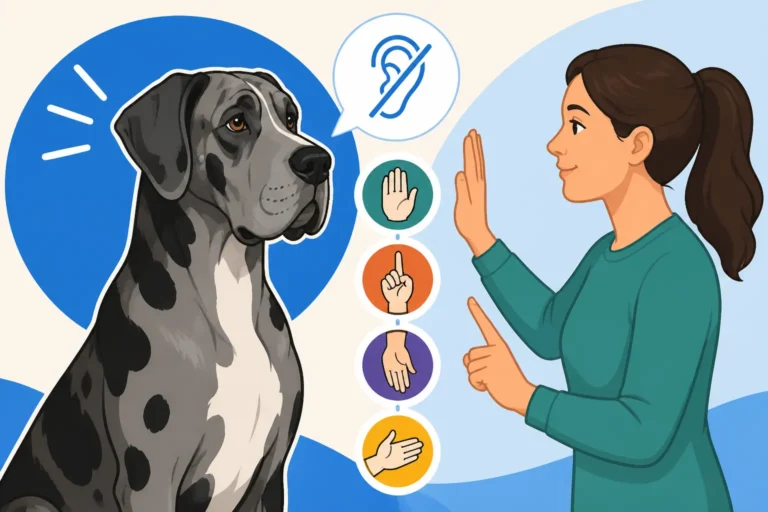
They might also become a bit more sensitive to changes in their routine or environment. A senior Dane might show increased anxiety during thunderstorms or when left alone, even if they were perfectly fine with these situations before. Their hearing or eyesight might begin to diminish, leading to them being startled more easily or bumping into things in unfamiliar surroundings. Patience and understanding become even more important during this time, as they're navigating their world with slightly less capability than before. Paying attention to these subtle cues is a critical step in Caring for a Great Dane Past Six.
Physical Indicators of Seniority
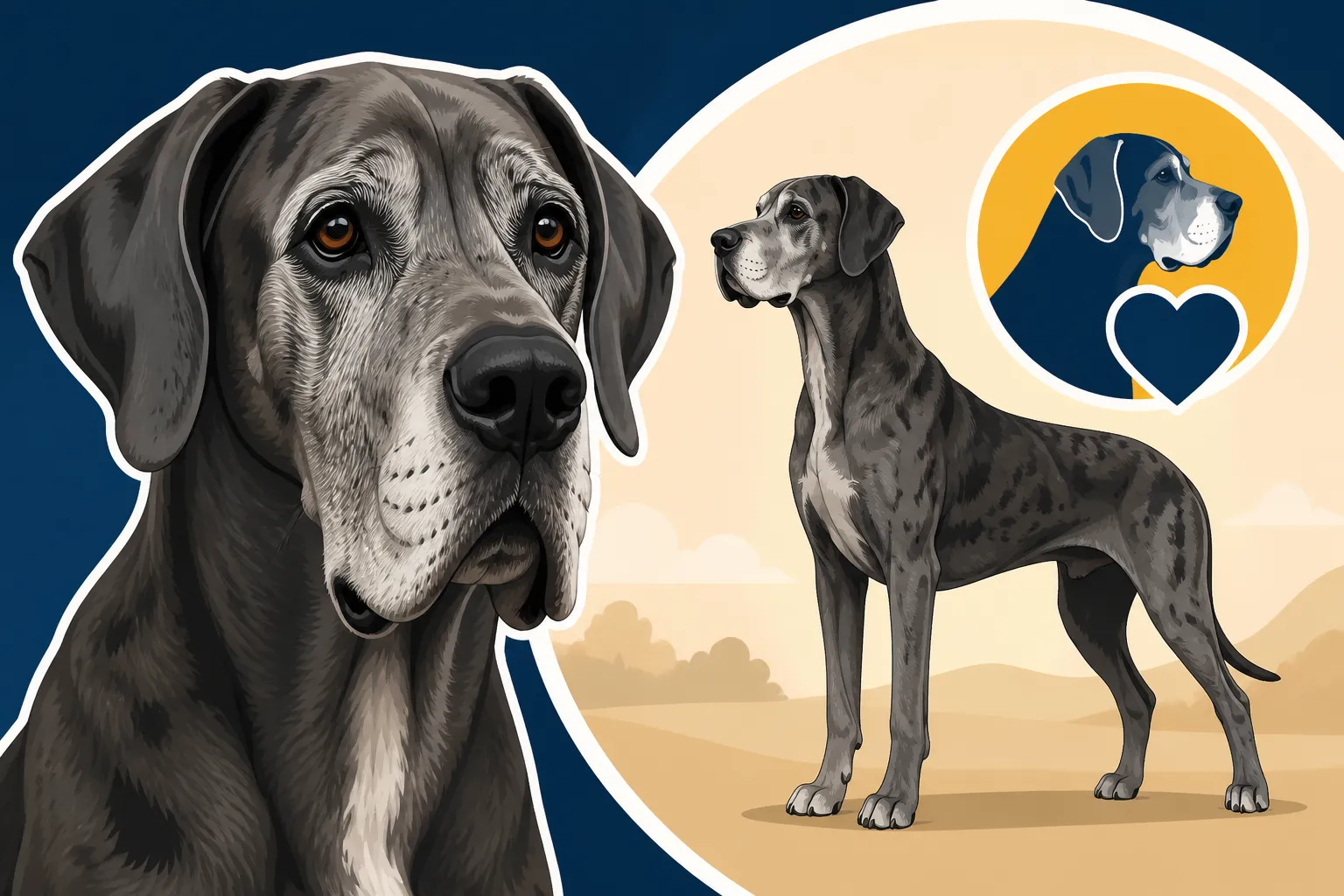
Beyond behavior, there are clear physical signs that your Great Dane is entering its senior years. The most obvious is often the appearance of gray hairs, particularly around the muzzle, eyes, and sometimes their paws. While some Danes can go gray quite early, widespread graying is a classic sign of advancing age. You might also notice their coat losing some of its youthful luster, becoming a bit duller or coarser, and they might shed more.
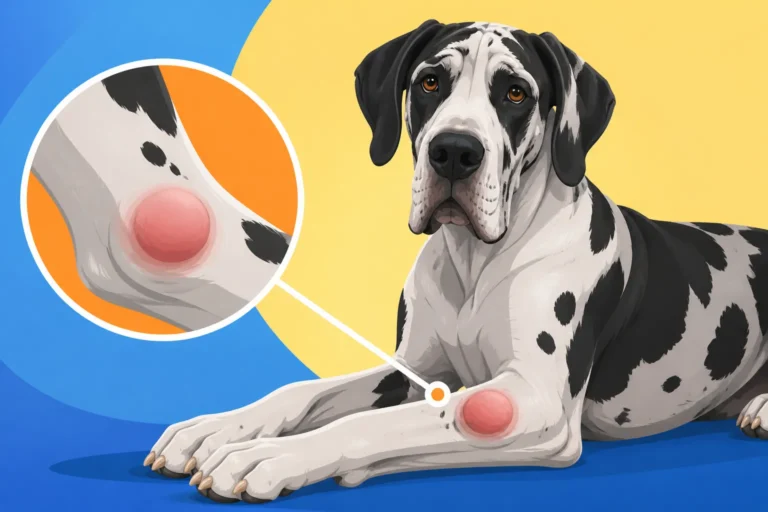
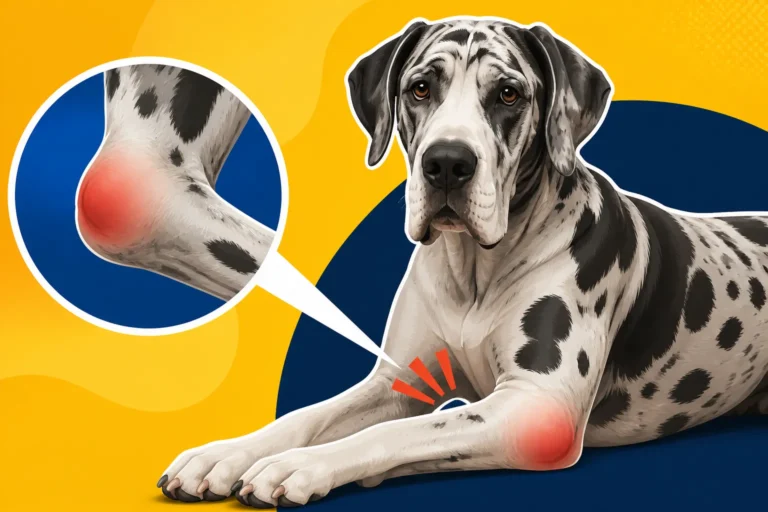
Mobility is another major indicator. Even if they don't seem overtly lame, a senior Dane might be slower to get up, hesitant to jump into the car, or exhibit a stiffer gait, especially after resting. Their nails might become thicker and more brittle, requiring more frequent trimming. Some Danes might also start to lose muscle mass, particularly over their hindquarters, even if their weight remains stable. You might also notice some thickening or calluses on their elbows, which can be exacerbated by lying on hard surfaces as they rest more. While it's tough to see these changes, recognizing them is the first step towards providing them with the support they need, like addressing Arthritis in a Six-Year-Old Great Dane.
Adapting Care for Your Senior Dane
Once you recognize that your Great Dane is truly in its senior years, it's time to adjust their care routine to meet their evolving needs. This isn't about pampering them excessively (though they certainly deserve it!), but about making practical changes that support their comfort, health, and overall quality of life. Proactive care during these years can significantly extend their happiness and well-being.
Dietary Adjustments for Older Danes
Just like us, a Great Dane's nutritional needs change as they age. Their metabolism slows down, and their activity levels typically decrease, meaning they often require fewer calories to maintain a healthy weight. Continuing to feed them the same amount of food they ate in their prime can quickly lead to unwanted weight gain, which puts extra strain on their already aging joints and organs. Many premium dog food brands offer specific "senior" or "mature adult" formulas designed with lower calorie counts, moderate protein levels (to support muscle mass without overworking kidneys), and often added joint support ingredients like glucosamine and chondroitin.
It's crucial to monitor their weight regularly. You should still be able to easily feel their ribs without seeing them prominently. If they're gaining weight, consult your vet about adjusting their portion sizes or switching to a different food. Conversely, some older Danes might lose their appetite or struggle to chew hard kibble due to dental issues, leading to weight loss. In these cases, softer foods, adding water to kibble, or even exploring prescription diets might be necessary. Always make dietary changes gradually to avoid upsetting their sensitive stomachs. Consistent good nutrition is key to a long, comfortable senior life.
Exercise Modifications and Joint Support
While their desire for vigorous activity might wane, senior Great Danes still need regular, gentle exercise to maintain muscle tone, joint flexibility, and mental stimulation. The key word here is gentle. Instead of long, strenuous hikes or intense runs, think about shorter, more frequent walks on soft surfaces like grass. Swimming can be an excellent low-impact exercise for senior Danes, as it provides resistance without putting pressure on their joints. Pay close attention to their cues; if they're lagging behind, panting heavily, or seem stiff afterward, you've likely overdone it.
Beyond exercise, providing active joint support is paramount. Many senior Danes benefit greatly from daily joint supplements containing ingredients like glucosamine, chondroitin, MSM, and omega-3 fatty acids. Your veterinarian can recommend the best supplements and dosages for your individual dog. For those with more advanced arthritis, prescription medications such as NSAIDs (non-steroidal anti-inflammatory drugs) might be necessary to manage pain and inflammation. Additionally, comfortable, supportive bedding is essential. Investing in quality Orthopedic Beds a Great Dane Needs can prevent pressure sores and provide much-needed relief for aching joints, making it easier for them to rest and recuperate.
Creating a Comfortable and Safe Environment
As your Great Dane ages, their home environment might need some adjustments to ensure their comfort and safety. Their eyesight and hearing can decline, making familiar spaces potentially hazardous. Consider adding nightlights in dimly lit areas or along pathways they frequently use at night. Keep furniture and their feeding/resting areas consistent to help them navigate. For Danes struggling with slippery floors, runners or carpets can provide much-needed traction, reducing the risk of falls and injuries.
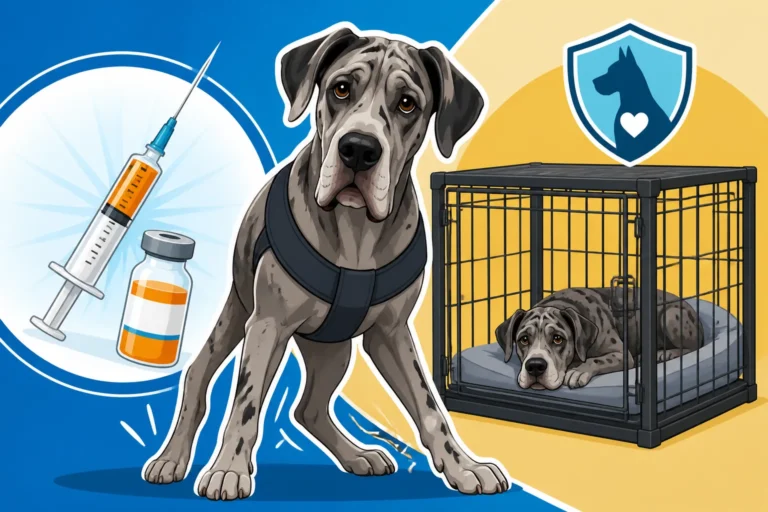
Accessibility is another important factor. If your Dane has always loved to jump onto the couch or bed, you might need to introduce ramps or steps to help them continue enjoying these favorite spots without risking injury. Similarly, if they have difficulty getting into the car, a sturdy dog ramp can be a game-changer for vet visits or outings. For those with severe mobility issues, a sling can offer support for their hindquarters when getting up or going outside. Even simple things like ensuring their food and water bowls are easily accessible and don't require them to bend uncomfortably low can make a big difference. Creating a thoughtful, senior-friendly home allows them to age gracefully and comfortably within their cherished space.
Common Health Concerns in Older Great Danes
As they enter their golden years, Great Danes become more susceptible to certain health conditions. It's an unfortunate reality of their accelerated aging process, and staying informed about these potential issues is crucial for early detection and effective management. Many of these conditions can be managed with proper veterinary care, allowing your Dane to maintain a good quality of life. This is where comprehensive pet insurance, like plans from Healthy Paws, can provide immense peace of mind, covering unexpected vet bills that can quickly escalate with these conditions.
Joint Disease and Mobility Issues
Joint diseases, particularly osteoarthritis, are incredibly common in senior Great Danes due to their large size and the immense stress placed on their joints throughout their lives. You might notice stiffness, lameness, reluctance to move, or difficulty getting up. Beyond general arthritis, specific conditions like hip dysplasia or elbow dysplasia, which might have been subclinical in their younger years, can become more pronounced and painful with age.
Managing joint disease involves a multi-faceted approach. This includes weight management to reduce stress on joints, appropriate low-impact exercise, joint supplements, and often anti-inflammatory medications prescribed by your vet. Physical therapy, hydrotherapy, and even acupuncture can also offer significant relief and improve mobility. The goal is to keep them as comfortable and mobile as possible for as long as possible, ensuring their daily life isn't dominated by pain.
Cardiac Conditions
Great Danes are unfortunately prone to several cardiac conditions, with Dilated Cardiomyopathy (DCM) being one of the most common and devastating. This heart muscle disease causes the heart to enlarge and weaken, making it less efficient at pumping blood. While DCM can affect Danes at any age, it often becomes more prevalent and symptomatic in their senior years. Signs can include coughing (especially at night), lethargy, reduced exercise tolerance, fainting, or difficulty breathing. The Heart Muscle Disease Great Danes Are Prone To is a serious concern, and early detection is absolutely vital.
Regular veterinary check-ups are critical for screening for heart issues. Your vet might recommend an echocardiogram (an ultrasound of the heart) to assess heart function, especially if they hear a murmur or you notice any suspicious symptoms. If diagnosed, management often involves a combination of medications, such as Pimobendan for a Great Dane, diuretics, and ACE inhibitors, to help the heart function more efficiently and manage symptoms. While DCM is a serious condition, timely diagnosis and diligent medication can significantly extend a Great Dane's comfortable life.
Cancer and Tumor Growth
Cancer is another major concern for senior Great Danes, sadly being one of the leading causes of death in the breed. Their rapid growth and cell turnover can contribute to a higher incidence of various cancers. Osteosarcoma, an aggressive bone cancer, is particularly prevalent in giant breeds and often manifests as limping or swelling in a limb. Other common cancers include lymphoma, mast cell tumors, and hemangiosarcoma.
It's devastating to think about, but staying vigilant for any unusual lumps, bumps, unexplained weight loss, changes in appetite, lethargy, or persistent lameness is paramount. If you notice anything concerning, don't hesitate to consult your veterinarian immediately. Early diagnosis can make a significant difference in treatment outcomes and quality of life. Depending on the type and stage of cancer, treatment options might include surgery, chemotherapy, radiation, or palliative care focused on pain management. Learning about Bone Cancer in a Great Dane helps prepare owners for what to look for and the difficult decisions that may lie ahead.
Ensuring Quality of Life in Their Senior Years
The goal for our senior Great Danes isn't just to extend their life, but to ensure that the years they have left are filled with comfort, joy, and dignity. This means focusing on their overall well-being, keeping them engaged, and being attuned to their needs, especially as they change. It's about providing the best possible environment for them to thrive in their golden years.
Regular Veterinary Check-ups and Preventative Care
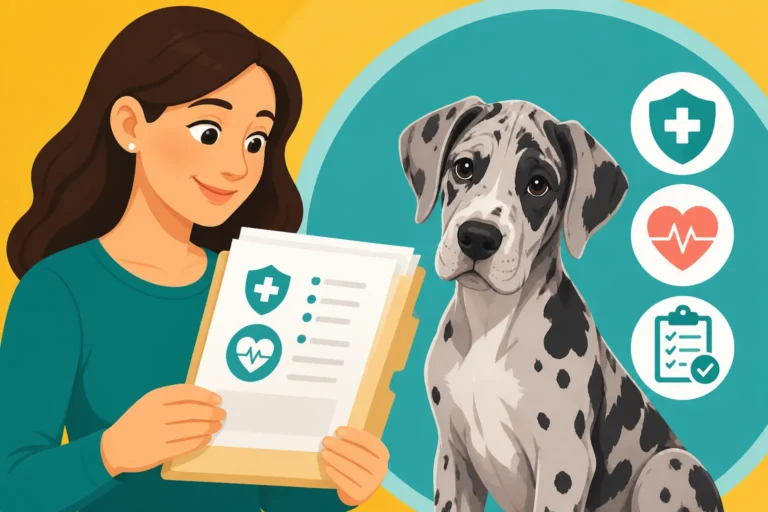
For senior Great Danes, annual or even semi-annual veterinary check-ups become more important than ever. These regular visits allow your vet to monitor their overall health, detect subtle changes, and catch potential problems early, often before they become advanced or debilitating. During these appointments, your vet will perform a thorough physical exam, checking their teeth, eyes, ears, skin, heart, lungs, and joints. They'll also discuss any behavioral changes or concerns you might have noticed.
Blood work and urine analysis are often recommended for senior Danes to assess organ function, check for underlying diseases, and ensure they can safely take any prescribed medications. These tests can help identify issues like kidney disease, liver problems, or thyroid imbalances long before outward symptoms appear. Discussing your Dane's diet, exercise routine, and any supplements they're on is also a crucial part of these visits. Preventative care, including appropriate vaccinations and parasite control, remains vital, though your vet might adjust the schedule based on your senior Dane's specific needs. For more details on what to expect, refer to The Yearly Checkup a Great Dane Needs.
Mental Stimulation and Comfort
Even if their bodies are slowing down, a senior Great Dane's mind remains active, and mental stimulation is crucial for their well-being. Keeping their brains engaged can help prevent cognitive decline and keep them happy. Puzzle toys, gentle training sessions (reviewing old commands or learning new, simple tricks), and sniff walks where they can explore scents at their own pace are excellent ways to provide mental enrichment. Even just spending quality time with them, talking to them, and offering gentle massages can be incredibly stimulating and comforting.
Comfort is paramount for an aging Dane. This means ensuring they have soft, supportive bedding in quiet, accessible areas of the house. Keeping their nails trimmed helps with balance and prevents discomfort. Maintaining good oral hygiene is also important, as dental pain can significantly impact their quality of life and appetite. While some Great Danes struggle with anesthesia, regular dental cleanings under sedation, combined with at-home brushing and dental chews, can prevent painful infections. Ultimately, it’s about providing a peaceful, loving environment where they feel safe, cherished, and have every opportunity to enjoy their remaining years to the fullest. This commitment truly defines Knowing When a Great Dane Is Done on our terms, rather than theirs.
Making the Most of Their Golden Years
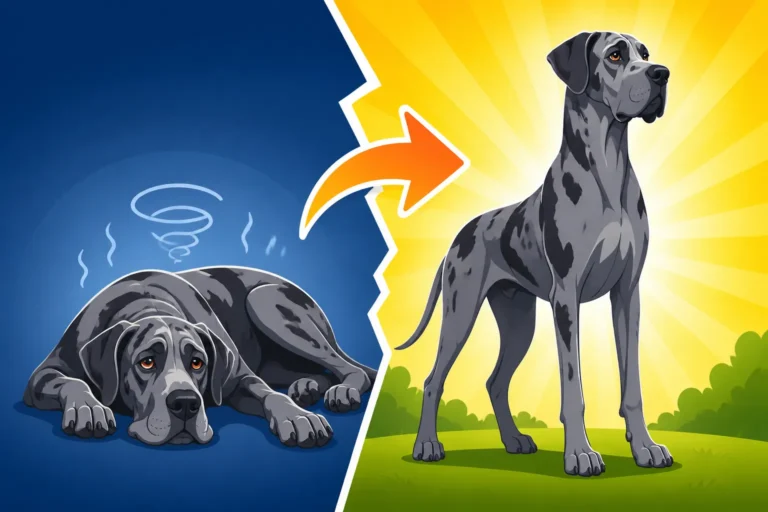
It’s easy to focus on the challenges that come with an aging Great Dane, but their senior years can also be incredibly rewarding. They often become even more affectionate, appreciative of comfort, and content with quiet companionship. These years are about celebrating the bond you share and making every moment count, cherishing their wisdom and gentle presence.
Embracing the "Slow Living" Pace
One of the biggest shifts for Great Dane owners is learning to embrace a slower pace of life alongside their senior dog. Gone are the days of marathon walks and endless games of fetch. Now, it's about quality over quantity. Enjoy leisurely strolls around the block, allowing them plenty of time to sniff and explore. Spend extra time grooming them, which not only keeps their coat healthy but also provides a calming, bonding experience. Longer, more frequent snuggles on the couch become the new norm, and honestly, who's complaining about that?
This "slow living" approach also applies to their mental and emotional state. A senior Dane might appreciate a quieter home environment, fewer sudden changes, and more predictable routines. They might seek out warmth or a sunny spot for their naps. Paying attention to these preferences and adjusting your household accordingly shows them how much you value their comfort and happiness. It’s about meeting them where they are and appreciating the unique joy that comes with a calmer, more serene companion.
When to Seek Palliative Care and Support
There comes a point in every Great Dane’s life when medical interventions shift from curative to palliative care. This can be one of the most difficult decisions any owner faces, but understanding what palliative care entails can help provide comfort and improve their quality of life in their final months or weeks. Palliative care focuses on managing pain, maximizing comfort, and maintaining dignity, rather than aggressively treating a disease that can no longer be cured.
This might involve adjusting pain medications for chronic conditions like severe arthritis or cancer, exploring alternative therapies like laser therapy or therapeutic massage, or ensuring they have the easiest possible access to food, water, and outdoor potty breaks. Your veterinarian can be an invaluable resource during this time, helping you assess your Dane's quality of life and guiding you through difficult decisions. Sometimes, simple adjustments, coupled with strong pain management, can give you precious extra time with your beloved friend. Knowing about Mobility Aids for a Failing Great Dane or discussing options like Medication for a Great Dane With DCM can equip you to make informed decisions focused on their comfort.
Having open and honest conversations with your vet about your Great Dane's prognosis and quality of life is essential. They can help you identify a "quality of life scale" that considers factors like appetite, pain levels, mobility, and engagement. Remember, you are your dog's advocate, and making compassionate choices in their best interest is the ultimate act of love. Healthy Paws is a resource many pet owners turn to during these times, helping manage the costs of specialized care and supporting informed decisions for their pet's comfort.
Disclaimer
This article is intended for informational purposes only and does not constitute professional veterinary advice. Always consult with a qualified veterinarian for any health concerns or before making any decisions about your Great Dane's care, diet, or treatment.