Why Great Dane Neck Vertebrae Pinch the Cord
It's incredibly distressing to see your majestic Great Dane struggling with their coordination or showing signs of pain, especially when it seems to stem from something as fundamental as their neck. That awkward gait, the stumbling, or even just a reluctance to move their head can quickly escalate from a mild worry to a profound concern, leaving you searching for answers and solutions. This guide is here to shed light on exactly why a Great Dane's neck vertebrae might pinch their spinal cord, a complex condition often referred to as Wobbler Syndrome, and what you can do about it.
Understanding Wobbler Syndrome in Great Danes
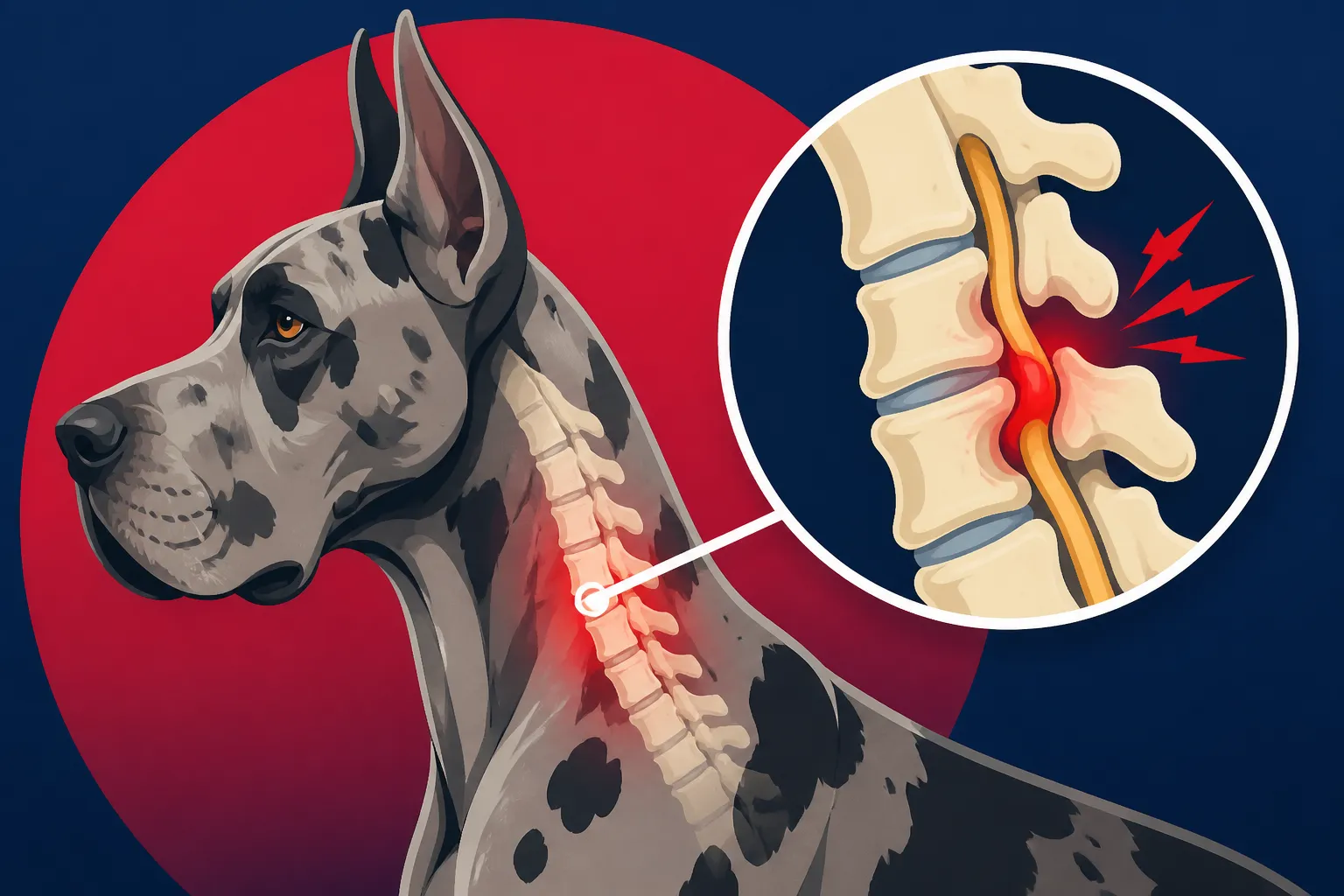
Wobbler Syndrome, formally known as Cervical Spondylomyelopathy (CSM), is a condition that, heartbreakingly, affects many large and giant breed dogs, with Great Danes being particularly vulnerable. It's essentially a compression of the spinal cord and/or the nerve roots in the neck region. Imagine a garden hose with a kink in it – the water flow is restricted. In a similar way, when the spinal cord is compressed, the signals traveling from the brain to the rest of the body get interrupted, leading to a host of neurological issues.
What Exactly is Cervical Spondylomyelopathy?
When we talk about Cervical Spondylomyelopathy, we're referring to a group of related conditions that all result in pressure on the spinal cord in the cervical (neck) area. For a Great Dane, this isn't just one single problem but can manifest in several ways. Some dogs might have issues with the bones themselves, where the vertebrae are malformed or unstable, creating too much movement. Others might experience problems with the soft tissues, like the intervertebral discs that act as cushions between the vertebrae, or even thickened ligaments. It's this narrowing of the spinal canal, or the spaces where nerves exit, that ultimately causes the "pinch" we're so worried about. This condition can be gradual, worsening slowly over time, or in some cases, it can have a more acute onset, especially after a sudden movement or minor trauma.
Why Great Danes Are Particularly Susceptible
Great Danes, with their rapid growth rate and immense size, are unfortunately predisposed to a range of orthopedic and neurological conditions, and Wobbler Syndrome is high on that list. Their genetics play a significant role; there’s a known hereditary component in the breed. The sheer speed at which a Great Dane puppy grows from a tiny bundle of joy into a towering adult puts incredible stress on their developing skeletal system. This rapid development can lead to bones growing disproportionately or developing structural weaknesses that aren't seen in slower-growing, smaller breeds.
Furthermore, the specific conformation of a Great Dane's neck, designed for power and reach, can also contribute. Their long, powerful necks, while beautiful, can sometimes harbor subtle instabilities or developmental anomalies in the vertebrae that, over time, lead to compression. It's not uncommon for these issues to start developing when they're still quite young, sometimes between one and five years old, even if obvious symptoms don't appear until later. This is part of the reason why understanding The Age Great Dane Wobbler Signs Start is so crucial for early detection.
The Mechanics of a Pinched Cord
To truly grasp why your Great Dane might be developing Wobbler Syndrome, it helps to understand the physical mechanisms at play in their neck. It's not always one single cause, but often a combination of factors related to bone structure, disc health, and surrounding soft tissues. Think of the spinal cord as a delicate cable running through a tunnel – if the tunnel narrows, or something pushes into it, the cable gets squeezed.
Bone Abnormalities and Malformation
One of the primary culprits in Great Danes is the actual structure of the neck vertebrae. Sometimes, the bones themselves are malformed from birth, or they develop abnormally during the rapid growth phase of puppyhood. This can lead to a condition where the spinal canal, the bony tunnel through which the spinal cord passes, is simply too narrow in certain areas. Imagine a section of that tunnel being constricted, even slightly, leaving less room for the spinal cord.
Another common issue is vertebral instability. Instead of staying firmly aligned, some vertebrae might move excessively relative to each other, especially during neck flexion (bending down) or extension (looking up). This dynamic compression means the spinal cord isn't constantly pinched, but rather intermittently squeezed when the dog moves its head in certain ways. This instability can be due to abnormal bone shapes, weakened ligaments that usually hold the vertebrae together, or even issues with the facet joints that connect the vertebrae. Over time, this constant rubbing and compression can lead to inflammation, scar tissue formation, and further narrowing of the space around the spinal cord.
Disc Protrusion and Compression
Just like humans, dogs have intervertebral discs between their vertebrae, acting as shock absorbers. These discs have a jelly-like center (nucleus pulposus) surrounded by a tougher fibrous outer ring (annulus fibrosus). In Great Danes with Wobbler Syndrome, these discs can become problematic. One scenario is disc protrusion, where the outer ring weakens and bulges into the spinal canal, pressing on the spinal cord. This is often a chronic, degenerative process.
Another, more acute, issue can be disc herniation, where the disc material ruptures and extrudes into the spinal canal. This can happen suddenly, causing severe compression and immediate neurological signs. Because Great Danes are such a large and active breed, even seemingly minor impacts or sudden movements can exacerbate pre-existing disc issues or trigger a new herniation. The cervical discs in their lower neck (C5-C7) are most commonly affected, and these disc problems often occur alongside the bony abnormalities already mentioned, creating a double whammy of compression.
Ligament Thickening and Stenosis
Beyond bones and discs, the soft tissues surrounding the spinal cord can also contribute to the pinch. Ligaments are tough bands of fibrous tissue that connect bones and stabilize joints. In some Great Danes with Wobbler Syndrome, the ligaments within the spinal canal, particularly the dorsal longitudinal ligament and the ligamentum flavum, can become abnormally thickened. This thickening is often a reactive process, where the body tries to stabilize an unstable area, but inadvertently makes the problem worse by encroaching on the precious space reserved for the spinal cord.
This thickening, along with other soft tissue changes, leads to what's known as spinal canal stenosis – a narrowing of the canal itself. Imagine the tunnel getting smaller not just because of bones or discs, but because the lining of the tunnel is thickening. The chronic inflammation and stress on the neck in a growing or active Great Dane can lead to these changes over time. It’s a vicious cycle: instability causes inflammation, which leads to tissue thickening, which in turn causes more compression and potentially more instability. This complex interplay is why Wobbler Syndrome can be so challenging to manage, as detailed in our guide on The Neck Condition That Trips a Great Dane Up.
Recognizing the Signs of a Pinched Cord
Spotting Wobbler Syndrome in its early stages can be tricky because the symptoms often start subtly and can mimic other conditions. It's like trying to catch a whisper in a noisy room – you have to be paying close attention. Great Dane owners, often attuned to their dog's every nuance, are usually the first to notice these changes, which might appear as slight awkwardness or a lack of zest for life.
Early, Subtle Symptoms
One of the hallmark early signs, and one that often goes unnoticed or is attributed to clumsiness, is a slight alteration in your Great Dane's gait. They might develop Scuffed Back Nails on a Great Dane because they're not lifting their back paws as high as they should, leading to them dragging slightly. You might notice a subtle lameness in one or both front legs, sometimes intermittent, or they might seem to stumble more often, especially on uneven ground. Think of it as a slight, almost imperceptible drunken swagger, particularly in their hindquarters, which gives the condition its common name "Wobbler."
Beyond gait changes, you might observe a reluctance to perform certain movements, like extending their neck to reach a food bowl on the floor or looking up at you. They might start favoring a raised food bowl, not because it's fashionable, but because bending their neck down causes discomfort. Some Danes might seem generally "off," showing reduced energy, a decreased desire to play, or even becoming a bit withdrawn. These aren't always clear-cut signs, which is why they're so easy to miss in a breed known for its gentle giant demeanor. Early intervention, however, can make a world of difference.
Progressive Neurological Deficits
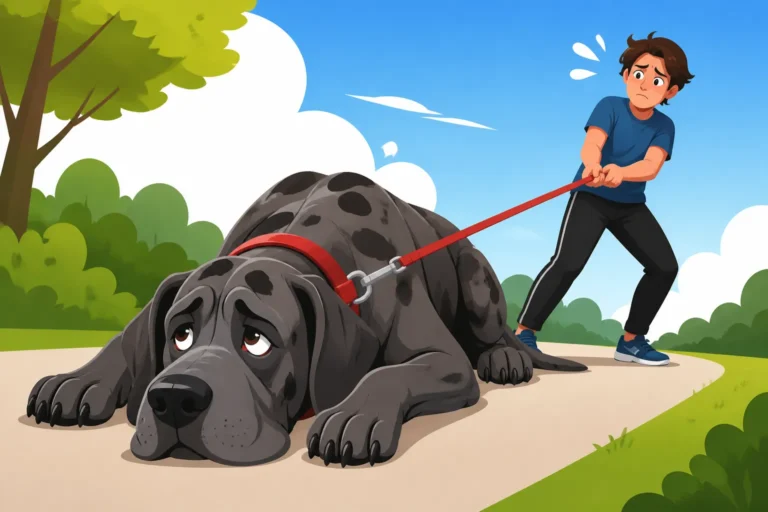
As the compression on the spinal cord worsens, the neurological signs become much more apparent and debilitating. The "wobble" in their gait becomes more pronounced, often described as a "two-engine" gait – their front legs might move normally, while their back legs move with a stiff, uncoordinated, or spastic motion. This progressive ataxia (lack of coordination) can lead to frequent falls, especially when turning or navigating stairs.
You might see signs of paresis, which is partial paralysis or weakness. They might struggle to get up from a lying position, or their back legs might splay out from under them. Some dogs develop a wide-based stance in their hindquarters to try and maintain balance. In severe cases, the neurological deficits can progress to quadriparesis (weakness in all four limbs) or even paralysis, rendering them unable to stand or walk. This progression underscores the seriousness of the condition and the urgency of diagnosis once clear signs emerge. Our detailed guide on The First Wobbler Signs in a Great Dane provides further insights into these crucial early indicators.
Pain and Discomfort
While Wobbler Syndrome is primarily a neurological condition, pain can certainly be a significant component for many Great Danes. The spinal cord compression itself can be painful, as can the inflammation and nerve root impingement that often accompany it. However, the pain is not always obvious or dramatic like a yelp. Your dog might show more subtle signs of discomfort.
They might vocalize when touched in certain areas of their neck, or shy away from petting their head and neck. Some dogs will hold their head in an unusual, lowered position to try and relieve pressure. You might notice muscle spasms or stiffness in their neck and shoulders. Changes in appetite or sleep patterns, irritability, or an overall unwillingness to move are other indicators that your gentle giant is in pain. It's crucial not to dismiss these subtle behavioral changes, as they often speak volumes about what your dog is experiencing internally.
Diagnosing Cervical Spondylomyelopathy
When your Great Dane starts showing those worrying signs, the diagnostic process becomes a critical journey to pinpoint the exact cause of their discomfort and neurological issues. It’s not just about confirming Wobbler Syndrome, but also understanding its specific nature and severity, which is essential for guiding treatment.
The Vet Examination and Neurological Assessment
Your first stop will be your veterinarian, who will conduct a thorough physical examination and, critically, a detailed neurological assessment. This isn't just a quick check-up; it's a systematic evaluation of your Great Dane's reflexes, coordination, proprioception (their awareness of where their limbs are in space), and muscle tone. The vet will gently palpate (feel) your dog's neck and spine, checking for areas of pain, muscle tension, or abnormal responses. They'll observe your dog's gait, asking them to walk, turn, and perhaps navigate a few steps to truly assess the "wobble" and any weakness or incoordination.
They might perform tests like checking the postural reactions by flipping a paw under to see how quickly your dog rights it, or assessing withdrawal reflexes. These initial findings help the vet localize the problem to the cervical spine and rule out other potential neurological issues originating elsewhere. This stage is crucial for building a picture of the neurological deficits your Great Dane is experiencing.
Advanced Imaging Techniques
While a physical exam points the way, confirming a diagnosis of Wobbler Syndrome and understanding the precise nature of the spinal cord compression almost always requires advanced imaging. X-rays can give a general overview of the cervical vertebrae, showing bony changes or severe instability, but they don't provide sufficient detail of the soft tissues or the spinal cord itself.
For the most accurate diagnosis, your vet will likely recommend an MRI (Magnetic Resonance Imaging) or a CT (Computed Tomography) scan, often combined with a myelogram. An MRI is particularly excellent for visualizing soft tissues, including the spinal cord, intervertebral discs, and ligaments. It can reveal disc protrusions, areas of spinal cord compression, inflammation, and even subtle changes within the spinal cord itself. A CT scan, on the other hand, provides highly detailed images of bone structures, which is invaluable for identifying malformed vertebrae or bony encroachments into the spinal canal. When a myelogram is performed, a contrast dye is injected into the spinal canal before X-rays or a CT scan, highlighting any areas where the spinal cord is being compressed. These advanced imaging techniques are critical for understanding What Shows Up on a Great Dane Spinal Scan and for planning the most effective treatment. Given the costs involved, many owners find that pet insurance, such as plans from Healthy Paws, can be incredibly beneficial in mitigating the financial impact of these essential diagnostic procedures.
Ruling Out Other Conditions
It's vital to remember that not every neurological symptom in a Great Dane points directly to Wobbler Syndrome. There are other conditions that can mimic some of the signs, and your vet will work to rule these out during the diagnostic process. For instance, orthopedic problems like hip or elbow dysplasia, or even cruciate ligament injuries, can affect gait and coordination. Other neurological diseases, such as degenerative myelopathy, certain tumors, or even inflammatory conditions of the central nervous system, can present with similar symptoms.
Blood tests might be performed to check for systemic illnesses or metabolic imbalances. In some cases, cerebrospinal fluid (CSF) analysis might be recommended to rule out inflammatory or infectious causes. A thorough diagnostic workup ensures that your Great Dane receives the correct diagnosis and, therefore, the most appropriate and effective treatment plan.
Management and Treatment Options
Once your Great Dane has a confirmed diagnosis of Wobbler Syndrome, the next step is to explore the management and treatment options. This decision is often a complex one, weighing the severity of the condition, your dog's overall health, your lifestyle, and the financial implications. There's no one-size-fits-all approach, and what works best for one Great Dane might not be ideal for another.
Conservative Management for Mild Cases
For Great Danes presenting with mild symptoms, or those where surgery isn't an option, conservative management is often the first line of defense. The goal here is to reduce inflammation, alleviate pain, and prevent further spinal cord damage without invasive procedures. This typically involves several key components:
Firstly, strict rest is paramount. This means limiting activity, often with crate rest or restricted movement in a small area, to prevent movements that might exacerbate the compression. Think short, controlled leash walks only for potty breaks, and no jumping, running, or stair climbing.
Secondly, medication plays a crucial role. Non-steroidal anti-inflammatory drugs (NSAIDs) like Rimadyl or Galliprant are commonly prescribed to reduce pain and inflammation. In some cases, corticosteroids might be used for their stronger anti-inflammatory effects. Muscle relaxants can also help alleviate muscle spasms associated with neck pain. It's also incredibly important to consider swapping a Great Dane's collar for a harness to prevent any unnecessary pressure on their already compromised neck.
Lastly, physical rehabilitation and supportive care can make a significant difference. Once initial pain and inflammation are under control, a certified canine rehabilitation therapist can guide you through exercises to strengthen core muscles, improve balance, and maintain muscle mass. Acupuncture, chiropractic care, and laser therapy are also sometimes used as complementary therapies to manage pain and promote healing. This conservative route, as highlighted in Steroids and Crate Rest for a Wobbler Dane, can offer a good quality of life for many Danes with less severe Wobbler Syndrome.
Surgical Intervention
When conservative management isn't effective, or if your Great Dane presents with severe or rapidly progressing neurological deficits, surgical intervention becomes a serious consideration. The aim of surgery is to decompress the spinal cord – essentially, to create more space around it – and often to stabilize the affected vertebrae. This can be a life-changing procedure, but it's also a major undertaking.
There are several surgical techniques, and the choice depends on the specific type of compression (bony vs. disc, static vs. dynamic) and the surgeon's preference. Common procedures include:
- Ventral Slot Decompression: This involves approaching the spine from the underside of the neck, removing a small window of bone and disc material to relieve pressure on the spinal cord.
- Dorsal Laminectomy: This technique involves removing part of the bony arch (lamina) from the top of the vertebra to create more space.
- Distraction-Stabilization Procedures: These surgeries aim to open up the spaces between vertebrae and then stabilize them, often using bone grafts, plates, or screws to fuse the unstable segments. This prevents further movement and compression.
Deciding Whether Wobbler Surgery Suits a Great Dane involves careful discussion with a board-certified veterinary neurologist or surgeon, who will assess the risks and potential benefits. Surgery for Great Danes can be complex due to their size and the delicate nature of spinal procedures, but it offers the best chance for significant neurological improvement in many cases.
Long-Term Care and Quality of Life
Regardless of whether you choose conservative management or surgery, long-term care is an integral part of living with a Great Dane affected by Wobbler Syndrome. This is a journey, not a sprint. Many dogs require ongoing medication to manage pain or inflammation. Regular follow-up appointments with your vet and neurological re-evaluations are essential to monitor progress and adjust treatment plans as needed.
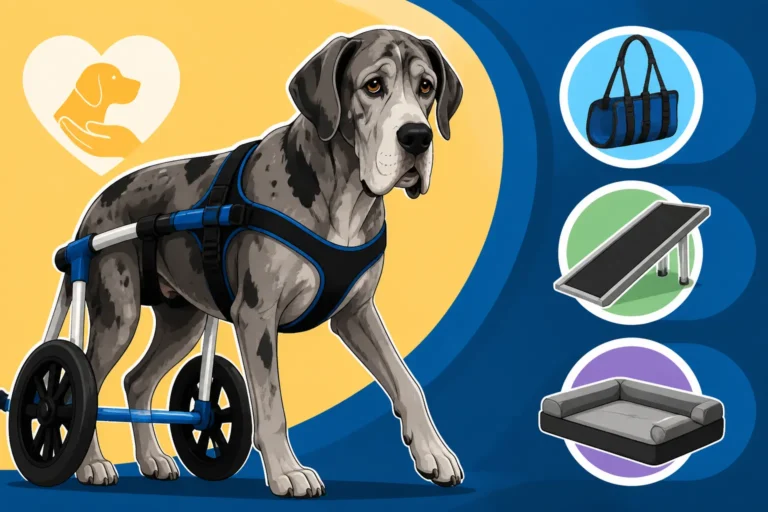
Physical rehabilitation often continues long-term, adapting as your dog’s strength and mobility change. This might include regular swimming, therapeutic exercises, or using mobility aids like slings or carts, especially for dogs with significant hind limb weakness. Supporting a Great Dane's Back End With a Sling can be invaluable for helping them maintain mobility and stability during walks or getting up.
Creating a safe and comfortable home environment is also crucial. This might mean laying down non-slip rugs on hard floors, using orthopedic beds to relieve pressure points, and ensuring easy access to food and water without excessive neck bending (think raised bowls). The goal is always to maximize your Great Dane's comfort, mobility, and overall quality of life, understanding that while the condition may not always be "cured," it can often be effectively managed.
Here's a quick comparison of the two main management approaches:
| Feature | Conservative Management | Surgical Intervention |
|---|---|---|
| Ideal For | Mild symptoms, gradual onset, older dogs, or when surgery is not an option | Severe symptoms, rapid progression, younger dogs, clear compression |
| Primary Goal | Reduce pain, inflammation, slow progression | Decompress spinal cord, stabilize vertebrae, improve neurological function |
| Methods | Rest, NSAIDs, corticosteroids, muscle relaxants, physical therapy, acupuncture, weight management | Ventral slot, laminectomy, distraction-stabilization, fusion |
| Recovery Time | Variable, often ongoing | Significant initial recovery (weeks-months), followed by rehab |
| Risks | Progression of symptoms, less effective for severe cases | Anesthesia risks, infection, implant failure, worsening symptoms, high cost |
| Cost | Generally lower for initial treatment, but ongoing medication/rehab can add up | High initial cost (diagnosis + surgery), plus ongoing rehab |
| Prognosis | Can provide good quality of life for mild cases, may not prevent progression | Good to excellent for many, but some may have residual deficits or recurrence |
Disclaimer
This article is for general informational purposes only and does not constitute professional advice. Laws, prices and regulations vary by location and change over time. Consult a qualified professional for guidance on your specific situation.