Supporting a Great Dane’s Back End With a Sling
It’s truly heartbreaking to watch our magnificent Great Danes start to struggle with their mobility. One day they’re bounding around, and the next, you notice a wobble in their hindquarters, or they just can’t quite manage to stand up with the same ease. It’s a common, painful reality for many giant breed owners, and trying to figure out how to best support their large frames can feel overwhelming. This guide is here to walk you through how a simple but effective tool – the hind-end support sling – can make a world of difference for your Great Dane, offering practical advice and peace of mind.
Understanding the Need for Hind End Support in Great Danes
Great Danes are truly gentle giants, but their impressive size, unfortunately, comes with its own set of challenges, especially as they age or face certain health conditions. When their back legs start to give out, even slightly, it can have a huge impact on their quality of life, and yours too, as you try to help them navigate daily activities.
Common Causes of Hind End Weakness
There are several reasons why a Great Dane might experience weakness or instability in their hind end. It's not always a sudden event; often, it's a gradual decline that you might notice manifesting as A Great Dane that stumbles on its back legs or a general reluctance to move.
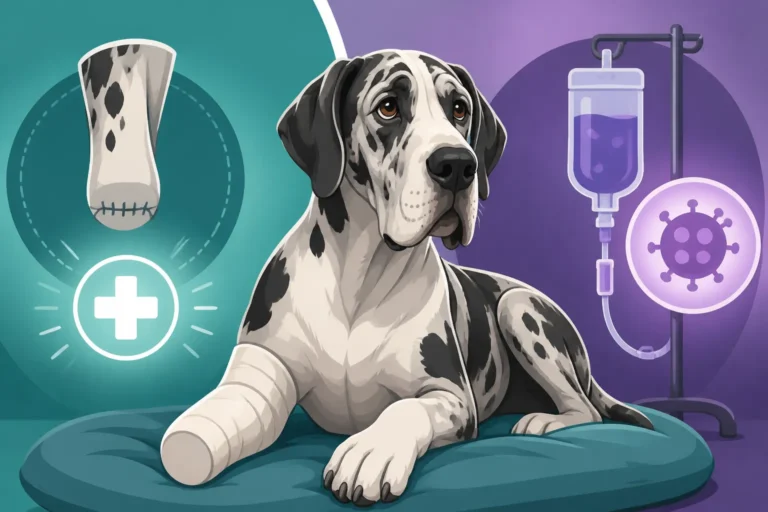
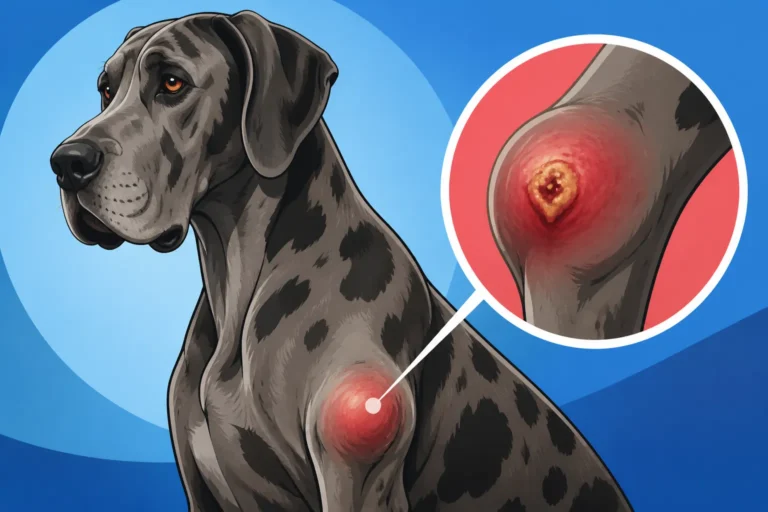
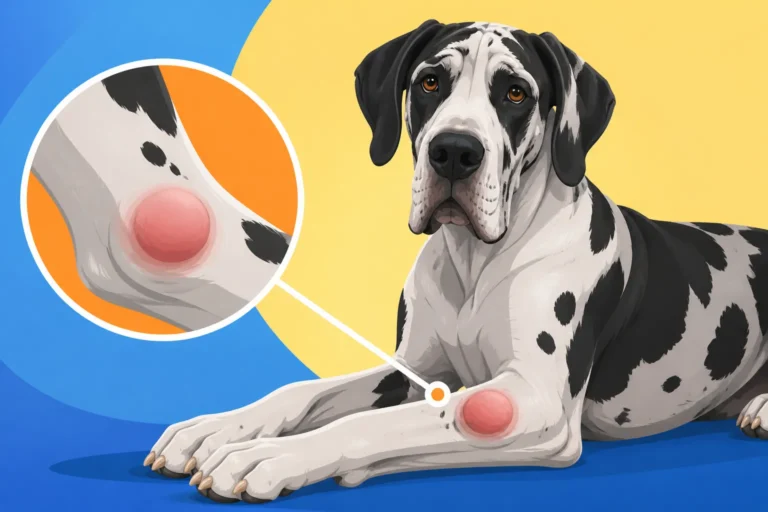
One of the most common culprits is arthritis, particularly hip and elbow dysplasia, which can impact the way they carry their weight and put stress on their spine and hind limbs. Degenerative Myelopathy (DM), a progressive disease of the spinal cord, is another serious concern, especially in older Danes, leading to loss of coordination and paralysis. Other conditions can include intervertebral disc disease (IVDD), which can cause acute or chronic back pain and nerve compression, or even the neck condition that trips a Great Dane up, often referred to as Wobbler Syndrome, which, while primarily affecting the neck, can still manifest with hind-end incoordination as nerve signals struggle to reach their destination. Even cancer, specifically Bone cancer in a Great Dane in a hind leg, can cause severe weakness and pain that necessitates support. Getting an early diagnosis from your veterinarian is paramount to understanding the underlying cause and planning the best course of action.
Recognizing the Signs Your Dane Needs Help
It's easy to miss subtle signs, especially when your Great Dane is so stoic, but paying close attention can help you intervene sooner. You might start noticing that they are slower to get up after resting, or they might struggle to climb stairs or jump into the car. A tell-tale sign can be scuffed back nails on a Great Dane, which indicates they aren't lifting their feet properly and are dragging their toes.
Other indicators include a swaying gait, difficulty maintaining balance, or an increased reluctance to play or go for walks. Sometimes, the first early heart signs in a Great Dane or other underlying health issues can also contribute to overall weakness and fatigue, making hind-end support helpful for conserving energy. If you're seeing any of these signs, don't just chalk it up to "getting old." It's a clear signal that it's time to talk to your vet and explore supportive measures like a sling.
The Unique Challenges of a Giant Breed
Managing a mobility-challenged giant breed like a Great Dane presents challenges that owners of smaller dogs simply don't face. Their sheer weight, often well over 100 pounds, makes it incredibly difficult to lift and support them, even for short periods. A single incorrect lift can strain your back, or worse, injure your dog further.
Beyond the physical strain, there's the emotional toll. We want our Danes to live their best, most comfortable lives, and seeing them struggle with basic movements is heartbreaking. This is where a sling becomes an indispensable tool. It provides the leverage and support needed to assist your dog safely, allowing them to participate in activities they might otherwise miss out on, like going outside for potty breaks, getting into the car for vet visits, or simply moving around the house with dignity. It's about preserving their quality of life and making your caregiving role more manageable.
Choosing the Right Sling for Your Great Dane
With so many products on the market, picking the right hind-end support sling for your Great Dane can feel like a daunting task. You need something durable, comfortable, and most importantly, effective for a dog of their size and unique anatomy.
Types of Slings and Their Uses
Slings come in a few different forms, each designed for slightly different needs. Understanding these differences will help you choose the best fit for your Great Dane's specific situation.
- Simple Loop Slings: These are often basic pieces of fabric or canvas with handles, designed to go under your dog's abdomen, just in front of their back legs. They are excellent for quick, temporary assistance, like helping them up a few steps or for short potty breaks. They're usually lightweight and easy to store. However, they offer less structured support and can sometimes bunch uncomfortably for prolonged use.
- Full-Body Harnesses with Support Straps: These are more comprehensive systems. They often combine a front chest harness with a rear support section that can be clipped on or integrated. These are fantastic for dogs that need more overall stability, perhaps due to general weakness or even mild arthritis in a six-year-old Great Dane affecting more than just their hind legs. Brands like Blue-9 Pet Products' Balance Harness or Ruffwear offer versatile options that can be adapted. They distribute weight more evenly, reducing pressure points.
- Specialized Hind-End Support Harnesses: These are specifically designed to support the back end, often featuring a wider, padded abdominal section and sometimes even leg loops for extra security, which can be crucial for dogs with severe weakness or paralysis. They are built for sustained use and provide maximum support, reducing the risk of your dog slipping or putting undue stress on their spine. These are ideal for long walks or for dogs who need constant assistance. Some models, like those from Walkin' Pets (Walkin' Lift Rear Harness), are engineered precisely for these larger breeds, taking into account their unique body shape and weight distribution.
Choosing between these often depends on the severity of your Dane's mobility issues and how frequently you'll be using the sling. For occasional assistance, a simple loop might suffice. For more chronic or severe issues, a dedicated hind-end harness or full-body system will offer better long-term comfort and support.
Key Features to Look For in a Great Dane Sling
When you're sifting through options, here’s what you absolutely want to prioritize for your Great Dane:
- Durability and Strength: This is non-negotiable for a giant breed. The material needs to be incredibly strong, able to withstand their weight without tearing, fraying, or stretching. Look for heavy-duty nylon, canvas, or reinforced neoprene. The stitching should be robust, and the buckles or clips (if any) should be industrial-grade.
- Padding and Comfort: A flimsy piece of fabric can dig into your Dane's sensitive underbelly. Opt for slings with generous, soft padding, especially in the areas that will bear the most weight (abdomen and groin). Breathable materials are also a huge plus, especially if you live in a warmer climate or if your dog will wear the sling for extended periods. You don’t want it to cause chafing or overheating, which can lead to skin irritation.
- Adjustability: Great Danes come in all shapes and sizes, even within the breed. A good sling will have multiple adjustable straps to ensure a snug, secure, and comfortable fit. This helps prevent slipping, chafing, and ensures the support is exactly where it’s needed. Look for straps that are easy to adjust, even with one hand, as you’ll often be multitasking.
- Ease of Use: You’ll be using this frequently, sometimes in a hurry (like for an urgent potty break). The sling should be easy to put on and take off, ideally without having to wrestle your already struggling dog. Simple clip closures or wide, easy-to-manage handles are a bonus.
- Washability: Let’s be realistic: slings get dirty. Urine, mud, slobber – it’s all part of dog ownership. Choose a sling that is machine washable or can be easily wiped clean, ensuring good hygiene for your dog.
It's also worth thinking about how much a rehabilitation costs after Great Dane surgery or long-term mobility issues. Investing in a high-quality sling from the start can save you headaches and potential vet bills down the line.
Sizing and Fit for Maximum Comfort and Support
Getting the right size and fit is absolutely critical. A sling that's too small will dig in and be uncomfortable, while one that's too large won't provide adequate support and could even be a tripping hazard.
- Measure Carefully: Most manufacturers provide sizing charts based on girth (around the deepest part of the chest, just behind the front legs) and waist circumference (around the abdomen, just in front of the hind legs). For hind-end slings, the abdominal measurement is most important. Don't guess – use a soft measuring tape and get accurate numbers.
- Consider Weight Distribution: The sling should sit comfortably and evenly across your Dane's lower abdomen, distributing their weight without putting excessive pressure on any single point. It shouldn't ride up into their groin or sag too low, which can interfere with urination or defecation.
- Test the Fit: Once you get the sling, put it on your dog and observe them. Are they comfortable? Is it supporting them effectively when you lift? Walk them around a bit. A properly fitted sling allows for a natural range of motion while providing the necessary assistance. The handles should be long enough for you to stand upright and comfortably support their weight without stooping.
- Consult Reviews for Giant Breeds: Look for reviews from other Great Dane or giant breed owners. They often share valuable insights on how specific brands or models fit their big dogs. Companies like GingerLead also make great slings specifically with large dogs in mind. If you have pet insurance, sometimes providers like Healthy Paws can offer advice or even cover a portion of the cost for durable medical equipment like specialized slings, so it's worth checking your policy.
By taking the time to measure and choose wisely, you’ll ensure your Great Dane gets the most comfortable and effective support possible.
Practical Tips for Using a Hind End Support Sling
Once you've got the perfect sling, knowing how to use it safely and effectively is the next big step. It’s not just about lifting; it's about making your Great Dane feel secure and comfortable while integrating this new tool into their daily life.
Proper Lifting and Application Techniques
Using a sling correctly for a Great Dane requires thoughtful technique to ensure both your safety and your dog's.
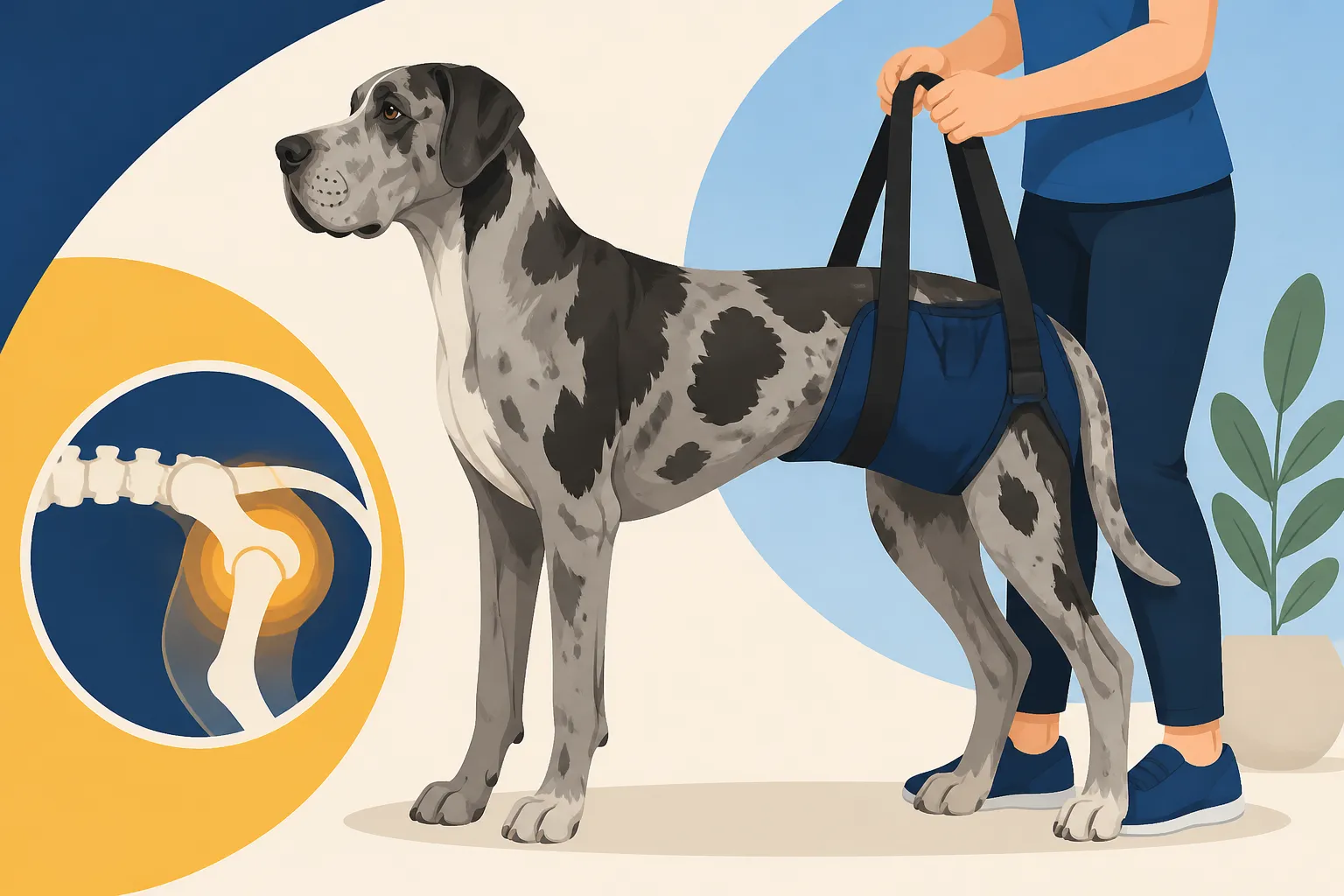
First, always approach your Dane calmly. If they're anxious, they might resist, making the process harder. Gently slide the sling under their belly, positioning it just in front of their back legs. For some designs, this might involve threading their legs through loops, while others simply go around the mid-section. Ensure any padding is flat against their body and not bunched up.
When lifting, stand with your feet shoulder-width apart, bend at your knees, not your back, and use your legs to lift. Keep your back straight. Hold the handles firmly and lift just enough to take the pressure off their weak hind end, allowing their back legs to touch the ground lightly, providing some balance. You’re aiming to assist their movement, not fully carry them, unless absolutely necessary. For some dogs, this means a steady lift as they walk; for others, it's more about preventing them from collapsing. It's truly a collaborative effort. Never yank or sudden movements, as this can cause injury or discomfort. Practice a few times in a safe, familiar environment so both you and your Great Dane can get used to the feeling.
If you have a very tall Dane, or if you're shorter, consider a sling with adjustable handle lengths. This will save your back in the long run! Remember, the goal is to provide stability and support, empowering them to move, not simply dragging them along.
Integrating the Sling into Daily Routines
The sling should become a natural part of your Great Dane's day, not an ordeal. Start slowly and incrementally.
Initially, use the sling only for essential activities, like potty breaks. Once they're comfortable, you can gradually extend its use to short walks or helping them navigate tricky spots, like thresholds or small steps. Consistent, positive reinforcement is key. Offer praise and treats every time they cooperate with the sling. Associate it with pleasant experiences.
Establish a routine. If they always use the sling for morning and evening potty breaks, they'll come to expect it. Keep the sling easily accessible, perhaps near the door where you exit for walks. This minimizes fumbling and stress.
Remember, the sling is a tool to enhance their mobility, not replace it entirely. Encourage them to use their own strength as much as possible, with the sling as a reliable backup. For dogs dealing with progressive conditions, the use of a sling becomes even more critical for maintaining dignity and independence. It enables them to keep engaging with their environment and enjoy being a part of the family, even as Caring for a Great Dane past six becomes more demanding.
Safety Considerations and Potential Pitfalls
While slings are incredibly helpful, there are important safety considerations to keep in mind.
- Avoid Overuse or Strain: Don't force your Dane to walk or stand longer than they are comfortable, even with the sling. Watch for signs of fatigue, pain, or distress. The sling is a helper, not a cure for their underlying condition.
- Chafing and Skin Irritation: Regularly check the areas where the sling makes contact with their skin for redness, sores, or hair loss. Even with padding, prolonged use, especially on thin skin, can cause issues. Ensure the sling is clean and dry. If you notice any irritation, discontinue use and consult your vet. You might need a different sling, more padding, or shorter usage periods.
- Slipping Hazards: Be mindful of slippery floors. Even with a sling, a Great Dane with weak hind legs can easily lose traction, leading to a fall. Use rugs or runners on slick surfaces.
- Your Own Ergonomics: Don't forget your own body! Lifting a Great Dane repeatedly, even with a sling, can strain your back. Maintain proper lifting posture. If you're struggling, consider asking for help from another family member. Sometimes, pet insurance providers like Healthy Paws also have resources or articles on proper pet care for large breeds with mobility issues, which can be helpful.
- Potty Breaks: Ensure the sling doesn't interfere with their ability to urinate or defecate. Some slings have cut-outs or are designed to be easily moved for this purpose. It's a fundamental need, and the sling shouldn't impede it.
By being mindful of these points, you can use the sling safely and effectively, providing invaluable support for your Great Dane.
Beyond the Sling: Comprehensive Support for Your Dane's Mobility
While a hind-end support sling is a fantastic tool, it's just one piece of a larger puzzle when it comes to managing your Great Dane's mobility challenges. A holistic approach that includes veterinary care, complementary therapies, and home modifications will offer the best quality of life.
Veterinary Care and Diagnosis
The sling helps manage symptoms, but understanding the root cause of your Great Dane's hind-end weakness is crucial. This means regular, open communication with your veterinarian. They can conduct thorough examinations, which may include X-rays to assess Great Dane Hips, Elbows and Growing Joints for arthritis or dysplasia, or more advanced imaging like MRI if neurological issues are suspected, especially if you're seeing signs like the first Wobbler signs in a Great Dane.
Your vet can accurately diagnose conditions such as degenerative myelopathy, IVDD, or spinal injuries. Based on the diagnosis, they can recommend specific treatments, which might range from anti-inflammatory medications and pain relief to more intensive therapies or even surgery. They can also advise on appropriate exercise levels and when to introduce mobility aids like the sling. Some pet insurance plans, such as those from Healthy Paws, can significantly help with the costs associated with these diagnostic tests and treatments, making it easier to pursue comprehensive care without financial strain. Don't hesitate to seek a referral to a veterinary neurologist or orthopedic specialist if your regular vet recommends it. These specialists have advanced expertise in diagnosing and treating complex mobility issues.
Complementary Therapies and Home Modifications
Beyond direct medical intervention, a range of complementary therapies and home adjustments can greatly enhance your Great Dane's comfort and mobility.
- Physical Therapy and Rehabilitation: This is a game-changer for many Danes. A certified canine rehabilitation therapist can develop a tailored exercise program to strengthen core muscles, improve balance, and increase range of motion. This might include hydrotherapy (underwater treadmill), therapeutic exercises, massage, and laser therapy. These treatments can reduce pain and build strength, helping your Dane use their hind legs more effectively, sometimes even reducing their reliance on the sling over time.
- Joint Supplements and Diet: Discuss with your vet whether joint supplements, such as glucosamine, chondroitin, or omega-3 fatty acids, would be beneficial. These can support joint health and reduce inflammation. Maintaining an ideal weight is also paramount. Excess weight puts immense strain on compromised joints, so feeding an appropriate diet and keeping your Dane lean can make a huge difference. You can read more about whether joint supplements reach a Great Dane's dose to ensure you're providing effective support.
- Home Modifications: Simple changes around the house can make a world of difference.
- Rugs and Runners: As mentioned earlier, placing non-slip rugs or runners on hard, slick floors (like tile or hardwood) will give your Dane much-needed traction and prevent falls.
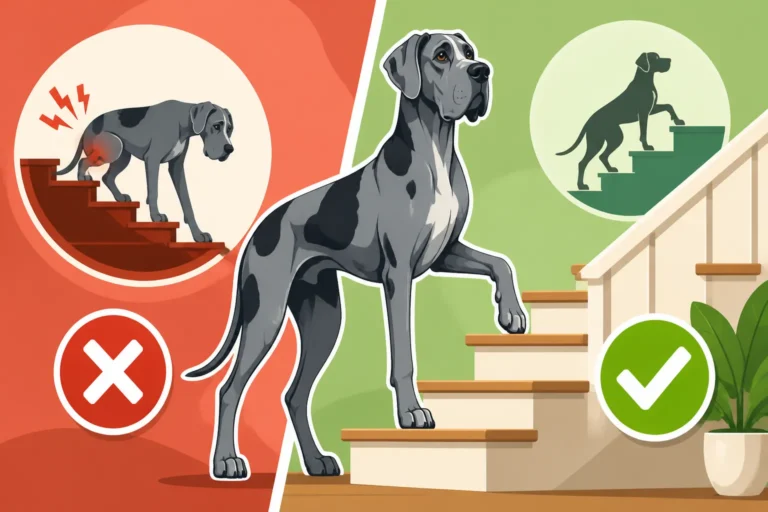
- Ramps and Steps: If your Dane struggles with stairs or getting into the car, ramps can be invaluable. This can prevent injuries from jumping and reduce the strain on their joints. You may want to think about whether a Great Dane should climb stairs in the first place, or if ramps are a better solution as they age.
- Orthopedic Bedding: A high-quality, supportive orthopedic bed is a must. It cushions their joints and provides proper support, making it easier for them to get up and rest comfortably.
- Food and Water Bowls: Elevated food and water bowls can reduce strain on their neck and back, making meal times more comfortable.
- Non-slip Socks or Paw Grips: For some Danes, especially on certain floor types, specialized non-slip socks or paw grips can provide extra traction, reducing the need for constant sling assistance indoors.
By combining the immediate support of a sling with comprehensive veterinary care and thoughtful home modifications, you can truly enhance your Great Dane’s comfort, mobility, and overall quality of life, allowing them to enjoy their golden years with as much dignity and independence as possible. These tools, along with unwavering love and patience, are how we ensure our giant companions continue to thrive.
Disclaimer
This article is for general informational purposes only and does not constitute professional advice. Laws, prices and regulations vary by location and change over time. Consult a qualified professional for guidance on your specific situation.