The Age Great Dane Wobbler Signs Start
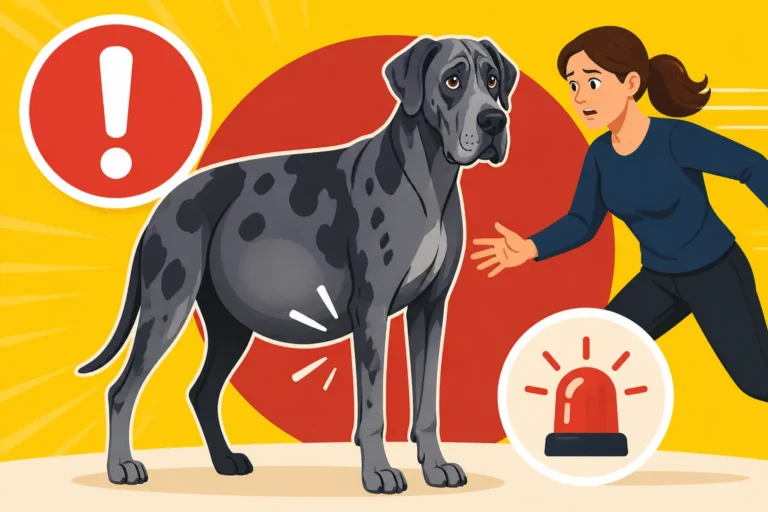
It’s truly heartbreaking to see your usually graceful Great Dane start to stumble, scuff their paws, or generally seem less coordinated than usual. You know something isn't quite right, and the worry can be all-consuming. One of the most challenging things about certain Great Dane health issues is pinpointing exactly when they begin, and Wobbler Syndrome is no exception. This guide will help you understand the age at which these frustrating signs typically start to appear and what to look out for in your beloved giant.
Understanding Wobbler Syndrome in Great Danes
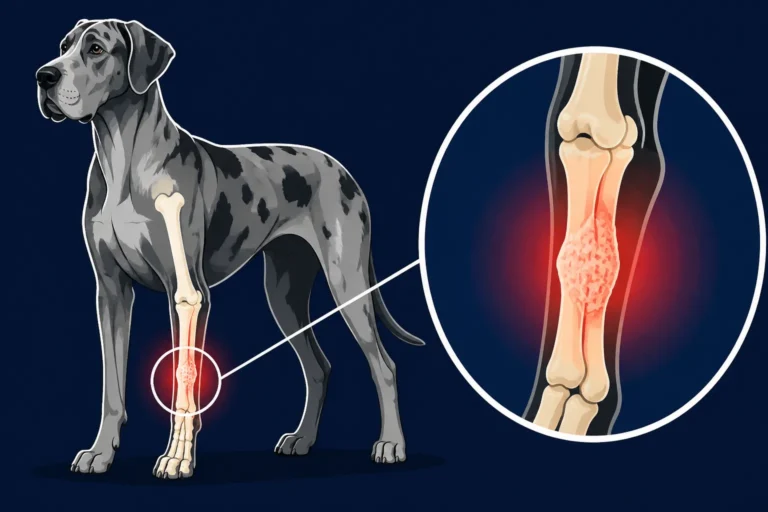
Wobbler Syndrome, formally known as Cervical Spondylomyelopathy (CSM), is a neurological condition that disproportionately affects large and giant breeds like our Great Danes. It’s a complex issue stemming from compression of the spinal cord and/or nerve roots in the neck (cervical spine). Imagine a garden hose with water flowing through it; if you pinch that hose, the water flow is disrupted. In a similar way, when the spinal cord is compressed, the signals traveling between the brain and the body are interrupted, leading to a host of neurological symptoms.
What Exactly Is Wobbler Syndrome?
At its core, Wobbler Syndrome isn't just a quirky gait; it’s a serious condition that can severely impact your Great Dane's mobility and quality of life. The compression in the neck can occur for a few different reasons. Sometimes it's due to instability in the vertebrae, causing them to move abnormally and pinch the spinal cord. Other times, it’s caused by a disc herniation, where the cushioning disc between the vertebrae protrudes and presses on the delicate nerves. Bone spurs or thickened ligaments can also contribute to this unwelcome pressure. Because Great Danes are so massive and grow so quickly, their cervical spine is under immense stress, making them particularly vulnerable to these structural issues. This constant pressure and rubbing can lead to inflammation, pain, and, crucially, damage to the spinal cord itself, which is what causes the neurological signs we call "wobbling."
Why Great Danes Are Particularly Prone
It's an unfortunate truth that our magnificent Great Danes are genetically predisposed to Wobbler Syndrome. Their sheer size, rapid growth rate, and the unique structure of their long, powerful necks all play a role. Think about the incredible growth spurt a Great Dane puppy goes through – they can go from a tiny fluffball to a truly enormous dog in well under two years. This accelerated growth can sometimes outpace the proper development of bones and soft tissues in the neck, leading to malformations or instability in the cervical vertebrae.
While genetics are a significant factor, certain environmental influences during puppyhood can also contribute. For instance, diets too high in protein, calories, or calcium during the rapid growth phase can sometimes exacerbate skeletal development issues. Excessive exercise or rough play during this critical time, when their bones and joints are still developing, might also put undue stress on their cervical spine. It’s a delicate balance, and as Great Dane owners, we constantly strive to provide the best care without inadvertently causing issues. Understanding Why Great Dane Neck Vertebrae Pinch the Cord is crucial for appreciating the underlying mechanics of this condition.
The Critical Age When Wobbler Signs Often Emerge
One of the most common questions from worried Great Dane owners is, "When will I actually start seeing these signs?" It’s a valid concern, as early detection can sometimes make a big difference in management.
Typical Onset for Great Danes
For Great Danes, Wobbler Syndrome usually manifests itself in early to middle adulthood, typically between 3 and 8 years of age. However, it’s not a hard and fast rule. Some Great Danes might show subtle signs as early as 18 months to 2 years old, particularly those with a more severe, congenital form of the condition. On the flip side, some may not develop noticeable symptoms until they are older, perhaps 9 or 10, if the compression is more slowly progressive or degenerative. The range really highlights how individual each dog's experience can be, which can make things so confusing for us owners.
What’s important to remember is that the condition is often progressive. This means that even if you see very mild signs at, say, four years old, they are likely to worsen over time without intervention. It’s rarely a sudden collapse; more often, it's a gradual decline in coordination and mobility, which can be hard to spot in its initial stages. Knowing The First Wobbler Signs in a Great Dane can empower you to act quickly.
Subtle Early Indicators to Watch For
The frustrating part about Wobbler Syndrome, especially in its early stages, is just how subtle the signs can be. Your Great Dane might not be "wobbling" dramatically right away. Instead, you might notice small, intermittent changes that you initially dismiss as a clumsy moment, a slip on a slick floor, or just "being a Dane."
One of the most common early indicators is a slight change in gait, particularly in the hind limbs. Your dog might seem a little stiff after resting, or perhaps they start to take shorter, choppier steps with their back legs. You might see them scuffing their nails on the pavement or carpet, especially their hind toe nails, because they're not lifting their feet fully. This subtle dragging might lead to the nails wearing down unevenly or even causing sores on the top of their paws. Owners often report noticing their dog doing a "drunken sailor" walk with their back legs, or what some call a "two-engine gait," where the front and rear ends seem to move somewhat independently and without full coordination.
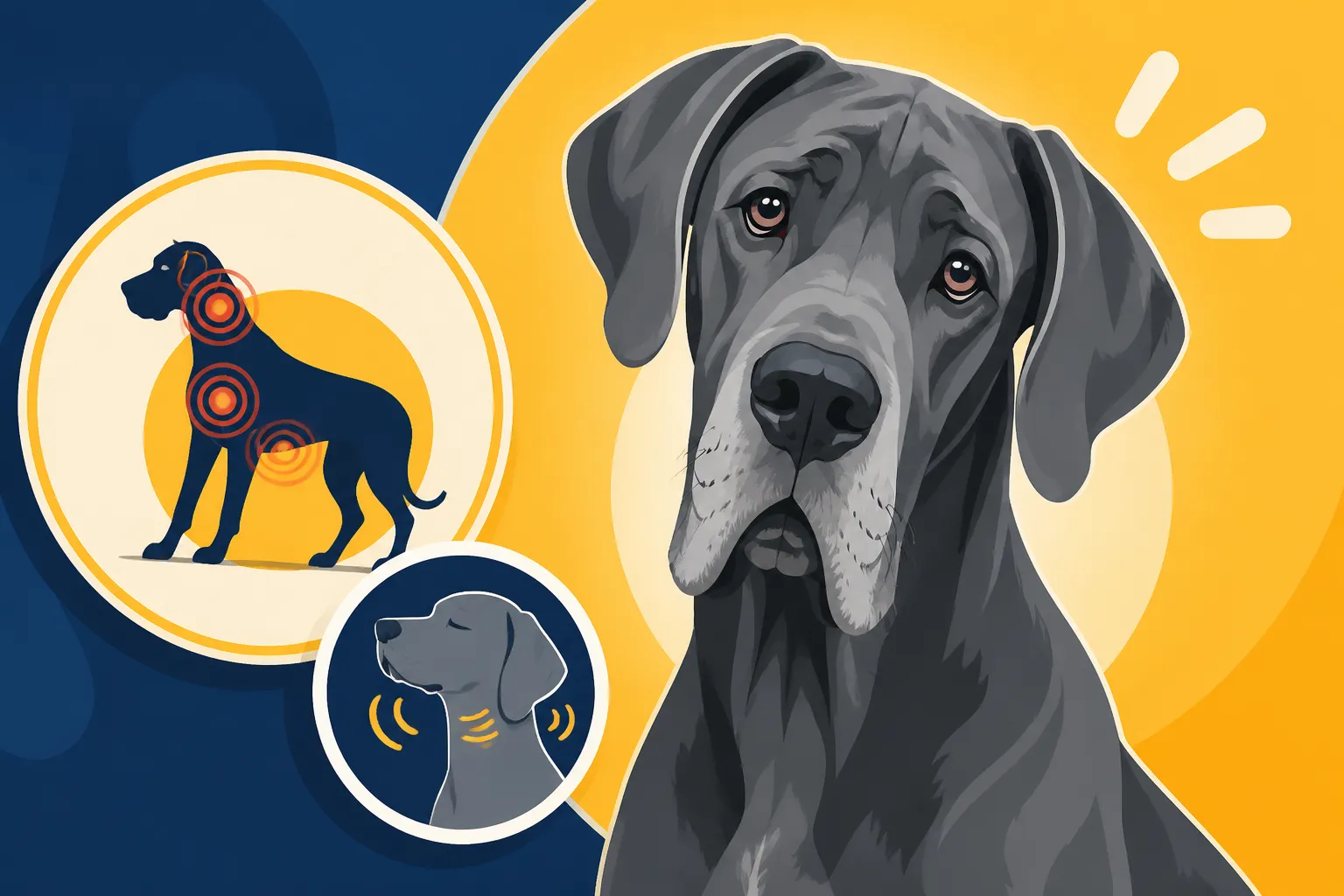
Another early sign could be a reluctance to perform certain movements, like jumping into the car or going up and down stairs. They might hesitate, seem a bit stiff, or even show a slight tremor in their legs when standing still. Some Great Danes might exhibit mild neck pain, showing a decreased range of motion, holding their head lower, or crying out unexpectedly when touched around the neck or shoulders. Because Great Danes are such stoic dogs, these early signs can be incredibly easy to miss, blending into their normal behavior until they become more pronounced. Pay close attention to A Great Dane That Stumbles on Its Back Legs as this can be a key early red flag.
Progressive Symptoms and How They Develop
As Wobbler Syndrome advances, the initial subtle signs typically become much more apparent and debilitating. This progression can vary greatly between individual dogs; some might have a slow, gradual worsening over years, while others experience a more rapid decline.
The Classic "Wobble" and Rear End Weakness
The classic "wobble" that gives the syndrome its name becomes much more pronounced as the condition progresses. You'll likely observe a significant ataxia, or incoordination, predominantly in the hind limbs. It can look like your Great Dane is walking on a boat, swaying from side to side, or constantly struggling to maintain balance. This isn't just clumsiness; it's a profound neurological deficit.
The reason the rear end often appears worse is due to the anatomy of the spinal cord. Nerve fibers that control the hind limbs are typically located on the outside of the spinal cord, making them more vulnerable to compression. As the compression continues, these nerve signals are severely disrupted, leading to pronounced weakness. You might see your dog knuckling over frequently, where their paws fold under and they walk on the tops of their feet. This repeated action can lead to raw, sore areas on the tops of their paws, or cause their nails to be seriously Scuffed Back Nails on a Great Dane. They might struggle to stand up from a lying position, especially on slick floors, and their hind legs might even cross over each other as they walk. They may also develop noticeable muscle atrophy (wasting) in their hindquarters due to disuse and nerve damage.
Forelimb Involvement and Neck Pain
While the hind limbs are often the first and most severely affected, Wobbler Syndrome can certainly progress to involve the front limbs as well. As the compression becomes more widespread or severe in the cervical spine, the nerve signals to the front legs can also be impacted. This might result in a shorter, stiffer stride in the front legs, sometimes described as a "choppy" or "mincing" gait. The coordination between the front and back legs can become completely out of sync, exacerbating the overall unsteady appearance.
Beyond the gait changes, neck pain can become a much more significant and consistent issue. Your Great Dane might visibly flinch or yelp when you try to pet their neck or head. They may hold their head and neck in a very rigid, low position, or refuse to turn their head fully. Eating or drinking from a bowl on the floor can become extremely painful, leading them to avoid food or water, or to try and eat while lying down. They might also demonstrate generalized stiffness, shivering, or reluctance to move around much. Some dogs will even cry out randomly, seemingly for no reason, which can be a sign of sudden, sharp nerve pain. If you're noticing these kinds of progressive signs, it's time for some serious conversations with your vet about Imaging a Great Dane Neck for Wobblers.
What to Do When You Notice Wobbler Signs
If you start to notice any of these signs in your Great Dane, whether subtle or pronounced, it’s completely natural to feel a surge of panic and worry. But the most important thing is to take action.
Immediate Veterinary Consultation and Diagnosis
The very first step is to schedule an immediate appointment with your veterinarian. Don't delay. While you might be tempted to "wait and see," early intervention can significantly impact the prognosis and your dog's comfort. Your vet will perform a thorough physical and neurological examination. They'll assess your dog's gait, reflexes, muscle tone, and proprioception (their awareness of where their limbs are in space).
If Wobbler Syndrome is suspected, your vet will likely recommend advanced diagnostic imaging. Plain X-rays can sometimes provide initial clues but are often insufficient to definitively diagnose spinal cord compression. The gold standard for diagnosis typically involves an MRI (Magnetic Resonance Imaging) or a CT (Computed Tomography) scan. These specialized imaging techniques provide detailed cross-sectional views of the spinal cord, vertebrae, and surrounding soft tissues, allowing the veterinary neurologist to pinpoint the exact location and severity of the compression. This is essential, as the precise nature of the compression will dictate the most appropriate treatment plan. Understanding What Shows Up on a Great Dane Spinal Scan will help you comprehend the diagnostic process.
Management and Treatment Options
Once a diagnosis is confirmed, your veterinary team will discuss the various management and treatment options. These generally fall into two categories: conservative management and surgical intervention.
Conservative management is often the first approach, especially for mild cases or dogs that aren't surgical candidates. This typically involves strict rest, often with crate rest to limit movement, combined with anti-inflammatory medications and pain relievers to reduce swelling and discomfort around the spinal cord. Sometimes, short courses of steroids, like those discussed in Steroids and Crate Rest for a Wobbler Dane, are used to reduce inflammation. Physical therapy and acupuncture can also be beneficial in managing pain and maintaining muscle mass.
For more severe cases, or when conservative management fails, surgery might be recommended. There are several surgical techniques designed to decompress the spinal cord and stabilize the vertebrae. The specific type of surgery will depend on the cause and location of the compression. This is where the cost can become a significant factor. Surgeries for Great Danes, given their size and the complexity of spinal procedures, can run into many thousands of dollars. This is precisely why having comprehensive pet insurance from providers like Healthy Paws can be a literal lifesaver. Policies from Healthy Paws can help cover a significant portion of these high veterinary bills, allowing you to make medical decisions based on what’s best for your Dane, rather than purely on financial constraints. Deciding Whether Wobbler Surgery Suits a Great Dane is a huge decision, and your vet will help you weigh the risks and benefits.
Beyond medical treatments, making some simple lifestyle adjustments can also help. For instance, swapping your Great Dane's collar for a harness is highly recommended. Collars can put direct pressure on the neck, exacerbating discomfort and potentially worsening compression, especially if your Dane tends to pull on the leash. A well-fitting harness distributes pressure across the chest and shoulders, alleviating strain on the neck.
Long-Term Outlook and Support
Living with a Great Dane diagnosed with Wobbler Syndrome requires dedication and ongoing care. It's important to understand that while treatments can manage symptoms and slow progression, Wobbler Syndrome is often a chronic and progressive disease, as highlighted in Whether Great Dane Wobblers Get Worse. The long-term outlook varies greatly depending on the severity of the compression, the chosen treatment, and how well your dog responds. Some dogs can live relatively normal, comfortable lives with proper management, while others may experience significant mobility challenges.
Physical therapy plays a crucial role in long-term support. A certified canine rehabilitation therapist can develop a tailored exercise program to help maintain muscle strength, improve balance, and enhance overall mobility. This might include hydrotherapy, therapeutic exercises, and massage. As the disease progresses, your Great Dane might benefit from assistive devices like dog wheelchairs or slings to help Supporting a Great Dane's Back End With a Sling when getting up or moving around. Ensuring they have comfortable, supportive bedding is also vital to prevent pressure sores and aid rest.
The financial aspect of long-term care for Wobbler Syndrome can be substantial, encompassing regular vet visits, medications, supplements, physical therapy, and potentially more diagnostic imaging. This is another area where a robust pet insurance plan like those offered by Healthy Paws can provide immense peace of mind. By covering a significant portion of these recurring costs, Healthy Paws helps ensure that financial burdens don't compromise your ability to provide the best possible ongoing care for your Great Dane. Staying informed, advocating for your dog, and providing consistent love and support will be paramount in helping your Great Dane navigate this challenging condition.
Common Wobbler Syndrome Symptoms and Progression
Here's a quick overview of symptoms, from early indicators to more advanced signs:
| Symptom Category | Early Indicators (Subtle) | Progressive Signs (More Obvious) |
|---|---|---|
| Gait & Coordination | Mild stiffness, slight hind limb dragging/scuffing. | Pronounced "wobble," severe hind limb ataxia, knuckling over. |
| Movement | Reluctance to jump/use stairs, hesitant standing. | Difficulty standing, crossing hind legs, frequent falls. |
| Neck & Pain | Subtle neck stiffness, low head carriage, occasional yelp. | Consistent neck pain, holding head rigid, yelping when touched. |
| Limb Function | Uneven nail wear (especially hind), minor weakness. | Muscle atrophy (wasting), uncoordinated front and hind limb movement. |
| Behavioral | Reduced activity, quietness after exercise. | Obvious discomfort, decreased appetite, signs of chronic pain. |
Disclaimer
This article is for general informational purposes only and does not constitute professional advice. Laws, prices and regulations vary by location and change over time. Consult a qualified professional for guidance on your specific situation.