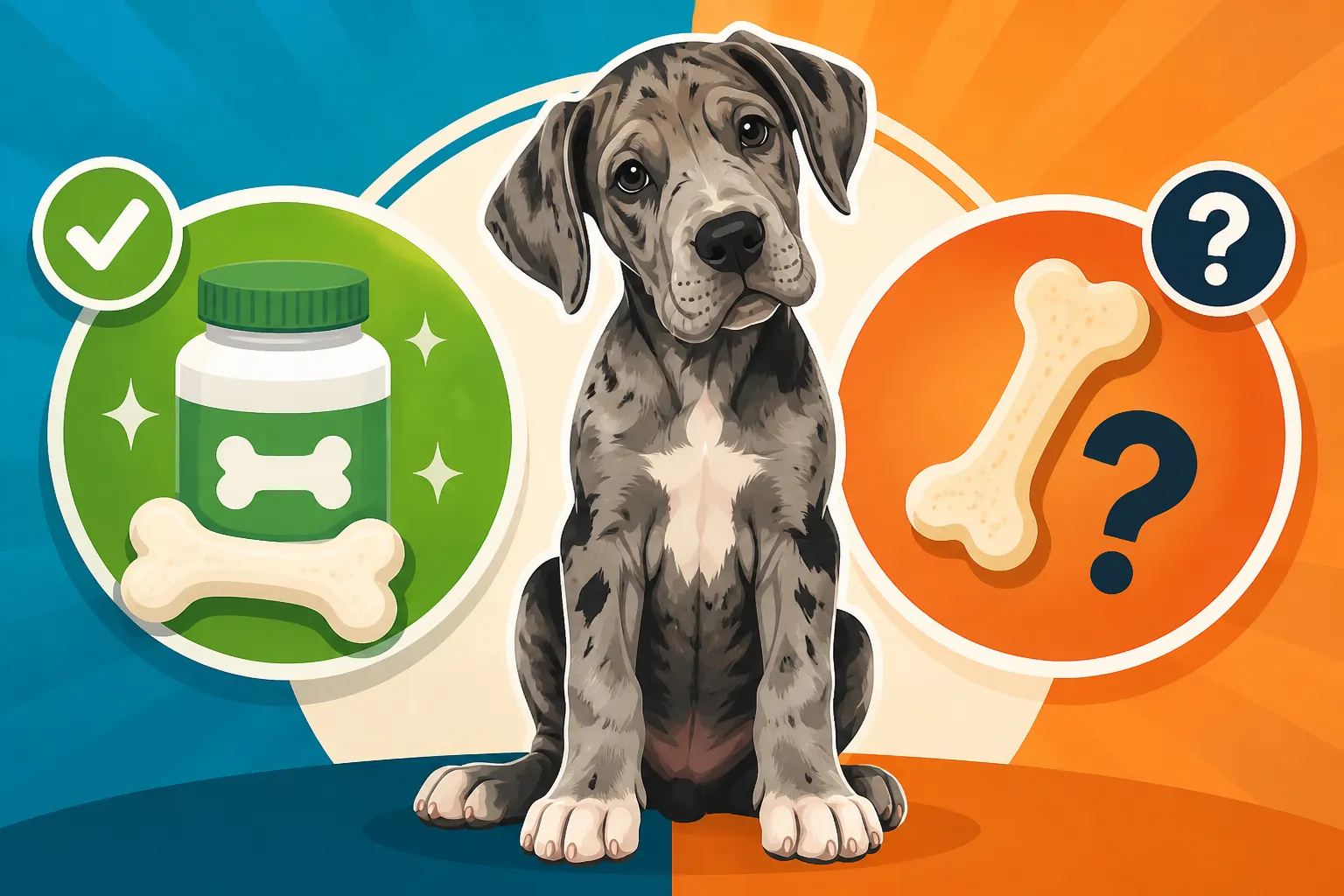
Whether a Great Dane Puppy Needs Bone Supplements
When you first bring home a Great Dane puppy, it’s easy to feel overwhelmed by their rapid growth. One minute they’re a clumsy bundle of paws, and the next they’re a small horse galloping through your living room. This incredible growth spurt often leads well-meaning owners to wonder if their giant pup needs a little extra help, especially when it comes to bone development. But the truth about bone supplements for Great Dane puppies is often counter-intuitive and can actually do more harm than good, and this guide is here to explain why.
The Allure and Misconceptions Around Bone Supplements for Great Dane Puppies
It’s completely understandable to feel like you need to give your Great Dane puppy a leg up (pun intended!) during its formative months. Their bones and joints are developing at an astounding rate, and the sheer scale of their growth can make you worry about their structural integrity down the line. We all want our beloved Danes to be strong and healthy, but sometimes, our desire to help can lead us astray, particularly when it comes to supplementation without proper guidance.
Why Owners Feel the Need to Supplement
The impulse to give bone supplements comes from a place of deep care and concern. You’re watching this colossal creature literally expand before your eyes, adding pounds and inches weekly. It’s natural to think, "Surely, something this big needs extra calcium, extra vitamins, extra everything to build those massive bones and joints properly." This thinking often stems from human health models, where we might take calcium for bone density or multivitamins for general well-being. We assume that if it's good for us, or good for smaller, faster-maturing dogs, it must be even better for a giant breed.
Another factor is the understandable anxiety about the future. Great Danes are prone to certain orthopedic issues like hip and elbow dysplasia, as well as growth-related conditions. The fear of these problems developing can drive owners to seek out any perceived preventative measure, and bone supplements often market themselves as exactly that. It's a common misconception that more is always better when it comes to supporting structural development, especially when the goal is to prevent painful, expensive conditions later in life.
The Critical Period of Great Dane Growth
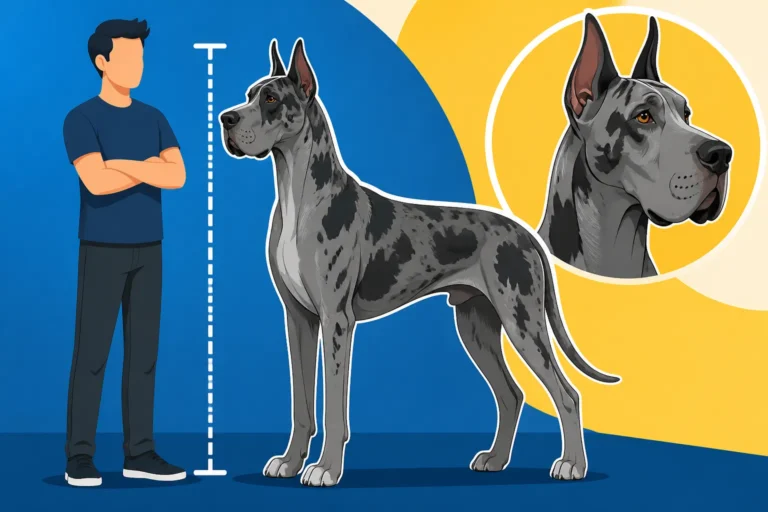
Understanding the unique growth trajectory of a Great Dane is crucial. Unlike smaller breeds that reach maturity in less than a year, Great Danes continue to grow, both in height and bulk, for up to 18-24 months. Their growth plates, which are areas of cartilage at the ends of long bones responsible for growth, remain open and vulnerable for much longer. This prolonged and rapid growth period means their bodies are performing a phenomenal feat of construction.
During this critical window, every aspect of their diet impacts how these bones, joints, and soft tissues form. Their bodies are meticulously designed to take the precise nutrients they need from a well-formulated diet and use them to build their colossal frame. Any disruption to this delicate process, especially an imbalance in key minerals like calcium and phosphorus, can have profound and lasting negative consequences. It's a complex metabolic dance, and throwing in extra ingredients without understanding their impact is akin to haphazardly adding bricks to a skyscraper already under construction – it might seem helpful, but you could easily destabilize the whole structure. This is why paying close attention to Why a Great Dane Puppy Should Grow Slowly is so important.
The Real Dangers of Improper Supplementation
While our intentions are often good, supplementing a Great Dane puppy's diet with extra bone-focused nutrients can be a perilous path. The intricate balance of a puppy's development is finely tuned, and even seemingly minor adjustments can throw things off course, leading to serious health complications rather than preventing them.
Disrupting the Delicate Calcium-Phosphorus Balance
Perhaps the most significant danger of adding bone supplements to a Great Dane puppy's diet lies in upsetting the critical balance between calcium and phosphorus. High-quality large breed puppy foods are meticulously formulated to provide precisely the right ratios of these minerals, along with appropriate calorie levels, to support controlled growth. When you add external calcium, you disrupt this ratio.
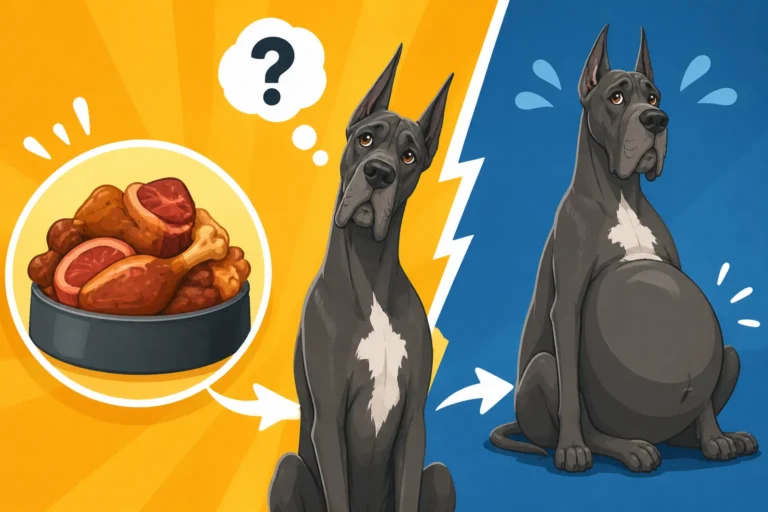
What happens when there's too much calcium? Instead of making bones stronger, it can actually lead to skeletal deformities. Excess calcium can cause cartilage to prematurely calcify, preventing normal bone elongation and remodeling. This can contribute to conditions like osteochondritis dissecans (OCD), where cartilage fails to convert into bone, leading to flaps of cartilage within joints, or the painful swelling of Hypertrophic Osteodystrophy in a Great Dane (HOD). Imagine trying to build a perfect wall with too much cement – the mixture hardens too quickly and becomes brittle or misshapen. A puppy's body is constantly trying to regulate these minerals, and an overload can overwhelm its natural feedback systems, leading to abnormal bone development instead of robust health. This is why many experienced Great Dane owners and vets stress that Whether Extra Calcium Damages a Great Dane is a resounding yes.
The Risks Beyond Calcium Overload
The dangers don't stop at calcium. While calcium is often the primary concern with "bone supplements," many such products contain a cocktail of vitamins and minerals. Excessive amounts of other nutrients, such as Vitamin D, can also be toxic. Vitamin D works closely with calcium and phosphorus metabolism, and too much can lead to hypercalcemia, which can cause kidney damage and soft tissue mineralization. These are not minor issues; they can be life-threatening.
Furthermore, relying on supplements can give owners a false sense of security, leading them to overlook the fundamental importance of a proper diet and controlled exercise. Instead of scrutinizing food labels or adjusting activity levels, they might believe the supplement alone is enough to safeguard their pup's health. This diversion from truly appropriate care can ultimately cost more in veterinary bills and heartache down the road. It’s not just about what you add to the diet; it’s about ensuring the foundational nutrition is correct and complete.
| Supplement Concern | Misconception | Reality for Great Dane Puppies |
|---|---|---|
| Calcium | More is stronger | Excess disrupts vital mineral balance, can cause skeletal deformities like HOD/OCD. |
| Phosphorus | Usually ignored | Balanced with calcium, crucial for proper bone mineralization. Too much/too little is harmful. |
| Vitamin D | Good for bones | Essential in correct amounts; excessive intake can be toxic, leading to kidney issues. |
| Multivitamins | General health boost | Most large breed puppy foods are complete; unnecessary extras risk nutrient imbalances. |
| Joint support | Prevents problems | May be beneficial later, but during active growth, focus is on controlled development, not specific 'repair' supplements. |
What Great Dane Puppies Truly Need for Optimal Bone Health
Forget the idea of "extra." When it comes to a Great Dane puppy's bone health, the focus should always be on balance and control. Their bodies are incredibly efficient at building themselves if given the right building blocks and environment. Instead of seeking shortcuts or quick fixes, concentrating on foundational care is paramount.
The Cornerstone: A High-Quality Large Breed Puppy Food
The single most important factor for healthy bone development in a Great Dane puppy is feeding a high-quality, large breed specific puppy food. These diets are not just a marketing gimmick; they are scientifically formulated to meet the unique needs of giant breeds. They contain lower calorie levels to promote slower, controlled growth, which is critical for their developing skeletal structure. Crucially, they also have carefully controlled calcium-to-phosphorus ratios. Typically, a calcium level between 1.0% and 1.5% (on a dry matter basis) and a calcium-to-phosphorus ratio of 1.1:1 to 1.4:1 is considered ideal for large and giant breed puppies.
Feeding a "regular" puppy food, which is often higher in calories and calcium to support the rapid growth of smaller breeds, can be detrimental to a Great Dane. It can accelerate growth too quickly, placing undue stress on developing growth plates and contributing to the very orthopedic issues you're trying to avoid. Always read the labels carefully! You might find excellent options available through retailers like Chewy, but the onus is on you to select the right kind and consistently What to Look For on a Great Dane Puppy Food Bag. This specialized diet is the best "bone supplement" you can possibly provide. Ignoring this can lead to serious Bone Development Problems in a Great Dane Puppy.
Controlled Growth and Appropriate Exercise
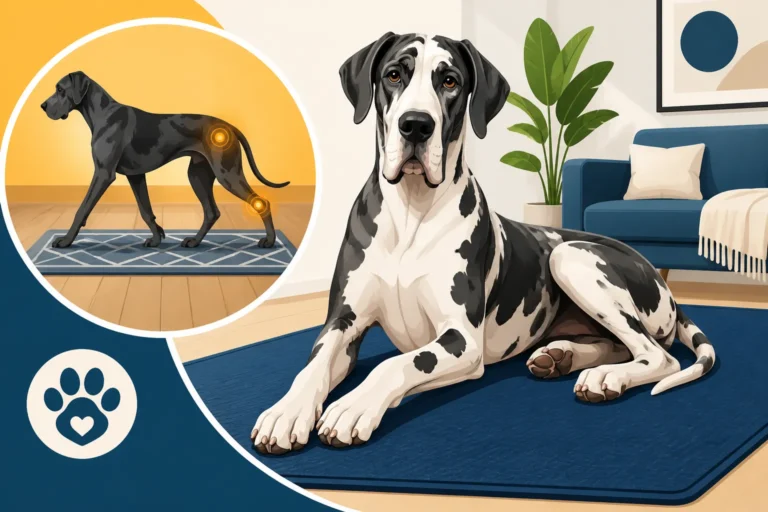
Beyond the food bowl, managing your Great Dane puppy's growth rate and exercise regimen is equally vital. The goal isn't just what they eat, but how fast they grow. Slow and steady wins the race when it comes to giant breed development. Over-exercising a growing Great Dane can put immense strain on their delicate growth plates, increasing the risk of injury and long-term orthopedic problems. This includes avoiding strenuous activities like long runs, excessive jumping, or forced, repetitive exercises.
Instead, encourage gentle, self-directed play and short, frequent walks on soft surfaces. Think about engaging their minds with puzzle toys or short training sessions rather than exhausting their bodies. Allowing your puppy to dictate its own pace during playtime is a good rule of thumb. A big, sprawling backyard is wonderful, but it doesn't mean your puppy should be left to run wild for hours on end, especially on hard ground. Remember that Exercise Limits While a Great Dane Is Still Growing are crucial for healthy joints.
Regular Veterinary Care and Breeder Guidance
Your veterinarian is your primary partner in ensuring your Great Dane puppy's optimal health. Regular check-ups allow your vet to monitor your puppy's growth curve, assess its body condition, and address any concerns promptly. They can guide you on the most appropriate diet, discuss specific large breed puppy food recommendations, and advise on suitable exercise levels. If there’s ever a suspicion of a nutritional deficiency or an orthopedic issue, your vet is the one to diagnose it and recommend a targeted, safe treatment plan, which might include specific, vet-prescribed supplements, but only under strict medical supervision.
A reputable Great Dane breeder also plays a crucial role. They should be able to provide detailed guidance on feeding and care for their puppies, based on their extensive experience with the breed. A good breeder will emphasize slow growth and provide a starter bag of the food they recommend. They'll also be transparent about the health history of the puppy's parents, including any relevant health screenings like hip and elbow certifications. Don't hesitate to ask your breeder about their feeding protocols and how they approach puppy health – their advice is invaluable. Make sure to review The Health Testing a Great Dane Breeder Owes You to understand what to expect. You'll also want to properly review Reading a Great Dane Puppy's Health Papers when you get them.
Making Informed Dietary Choices for Your Growing Dane
Navigating the world of dog food and nutrition can feel like a minefield, especially with so many options and conflicting advice available. For your Great Dane puppy, making informed choices is vital to their long-term health, and it mostly boils down to diligent label reading and understanding the specific needs of giant breeds.
Deciphering Food Labels and Ingredient Lists
When you're standing in the pet store aisle or browsing online, the sheer number of dog food brands can be overwhelming. For a Great Dane puppy, the key is to look beyond flashy marketing and dive into the "Guaranteed Analysis" and ingredient list. You want to see protein levels typically in the mid-20s (around 23-26% dry matter basis) and fat levels in the mid-teens (around 12-16% dry matter basis). But, most importantly, pay close attention to the calcium and phosphorus content, ensuring it falls within the recommended range for large and giant breed puppies. If a label doesn't explicitly state it's for "large breed puppies," it's generally best to avoid it, as it likely caters to the higher energy and faster growth rates of smaller dogs.
Consider the source of ingredients, too. While not directly related to bone supplements, quality ingredients mean better digestibility and nutrient absorption, which indirectly supports overall health. Some owners explore fresh food options, like those from Ollie, but if you choose a fresh or raw diet, it is absolutely paramount to work with a veterinary nutritionist to ensure it is perfectly balanced for a growing giant breed. Improperly balanced homemade or raw diets are one of the fastest ways to introduce nutrient imbalances that can harm developing bones. Regardless of the food type, always weigh your puppy's food with a kitchen scale (easily found on Amazon) to ensure precise portions, as simply scooping can lead to significant calorie discrepancies.
When (and If) Supplements Are Ever Warranted
The vast majority of the time, a Great Dane puppy receiving a high-quality, large breed specific diet does not need bone supplements. In fact, adding them is usually detrimental. However, there are rare, specific circumstances where a veterinarian might prescribe a particular supplement. This would only happen after a thorough examination, possibly blood tests, and a clear diagnosis of a deficiency or condition that requires targeted nutritional support. For example, if a puppy has a diagnosed severe vitamin deficiency due to a specific medical condition, your vet might prescribe a precisely dosed supplement.
Even for general joint support later in life, like omega-3 fatty acids (fish oil), it's best to discuss dosage and appropriateness with your vet. While fish oil is generally safe and can have anti-inflammatory benefits, even "safe" supplements can interact with other medications or existing health conditions. The "just in case" approach to supplementing a Great Dane puppy is almost always ill-advised. Instead, focus your energy on rigorous control of their diet, exercise, and preventative veterinary care, especially as you understand Great Dane Hips, Elbows and Growing Joints.
Disclaimer
This article is for general informational purposes only and does not constitute professional advice. Laws, prices and regulations vary by location and change over time. Consult a qualified professional for guidance on your specific situation.