Weighing a Great Dane’s Ration
The sheer size of a Great Dane means everything about their care feels amplified, and feeding is no exception. It’s easy to feel overwhelmed by the vast quantities of food they consume, and even easier to fall into the trap of just "eyeballing" their portions. However, imprecise feeding, whether too much or too little, can have significant long-term consequences for their delicate growth and overall health. This guide is here to walk you through the essential practice of weighing your Great Dane's food ration, ensuring they get exactly what they need to thrive.
Why Precision Feeding Matters for Your Great Dane's Health
It might seem overly meticulous to weigh every single gram of kibble, but for a giant breed like a Great Dane, it’s far more than just being tidy with their meals. Their unique physiological needs, especially during their intense growth phases, demand a level of accuracy that scoop-and-pour simply cannot provide. Getting it wrong can have serious health repercussions that could otherwise be avoided.
The Risks of Overfeeding and Underfeeding
For Great Danes, their growth is a delicate balance, a tightrope walk where too much or too little can lead to significant problems. Overfeeding, particularly during puppyhood, is a silent enemy. It pushes their massive skeletal structures to grow too rapidly, leading to developmental orthopedic diseases like hypertrophic osteodystrophy (HOD) or osteochondritis dissecans (OCD). Imagine a skyscraper being built too fast – the foundations and framework just aren't ready to support the sudden weight, leading to structural weaknesses. This accelerated growth can place immense stress on their still-developing joints and bones, setting the stage for pain and lameness down the road. Even in adults, overfeeding quickly leads to obesity, which exacerbates joint issues, strains their cardiovascular system, and generally shortens their already brief lifespan.
Conversely, underfeeding isn't just about a hungry dog; it's about depriving a rapidly growing or highly active Great Dane of the vital nutrients they need. A Great Dane puppy, for instance, requires a precise balance of calories, protein, and minerals to build their impressive frame. Insufficient food intake can result in stunted growth, muscle wasting, a dull coat, and a compromised immune system. An adult Dane might become lethargic, lose muscle mass, and struggle to maintain energy levels for even moderate activity. Neither extreme is healthy, and the sheer scale of a Great Dane's body means these imbalances are magnified, making precise measurement crucial for their well-being. This is why understanding Why a Great Dane Puppy Should Grow Slowly is paramount.
Great Dane-Specific Nutritional Needs
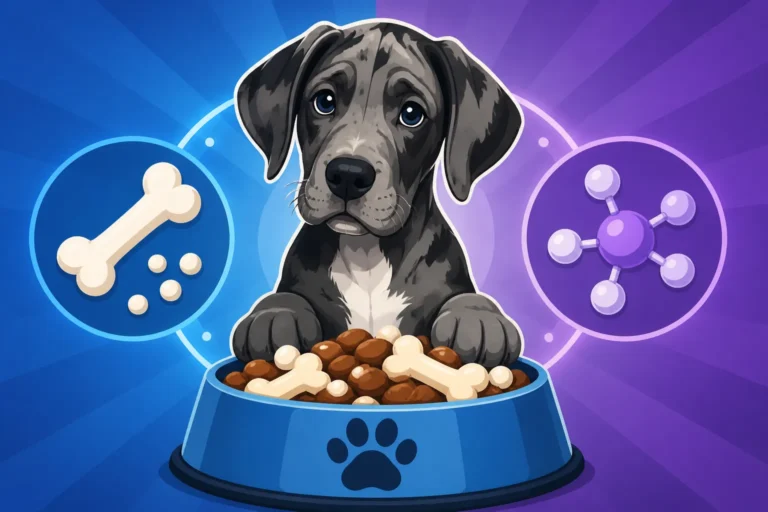
Great Danes aren't just big dogs; they have nutritional requirements that differ significantly from smaller breeds, especially when it comes to growth. The balance of calcium and phosphorus, for example, is incredibly sensitive for large breed puppies. Too much calcium, often found in regular puppy foods or through well-meaning but misguided supplementation, can be just as detrimental as too little. It can disrupt bone development, leading to skeletal deformities. Their bodies are designed to absorb and utilize these minerals at a slower, more controlled rate to support gradual, healthy bone formation.
As adults, their sheer muscle mass and overall body weight dictate higher protein and fat requirements to maintain their condition and energy. However, it's not simply about throwing more food in the bowl. The density of their food and the quality of the ingredients matter immensely. A Great Dane with a lower metabolic rate might easily gain weight on a diet suitable for a more active Dane. Their specific needs mean we can't just generalize; we need to measure and observe. Paying close attention to The Calorie Load a Great Dane Actually Needs will help ensure your gentle giant maintains an ideal weight throughout their life.
The Practicalities of Weighing Your Great Dane's Food
Once you understand why you need to weigh your Great Dane's food, the next step is figuring out how to do it effectively and consistently. It's not a complicated process, but it does require the right tools and a bit of commitment to establish a routine.
Essential Tools for Accurate Measurement
Forget those plastic scoops that come with the kibble bag – they are notoriously inaccurate. The density of kibble can vary even within the same brand or bag, meaning a "cup" can hold vastly different amounts of actual food weight. For a Great Dane, where a few extra ounces per meal can quickly add up to pounds over weeks, this imprecision is a major problem.
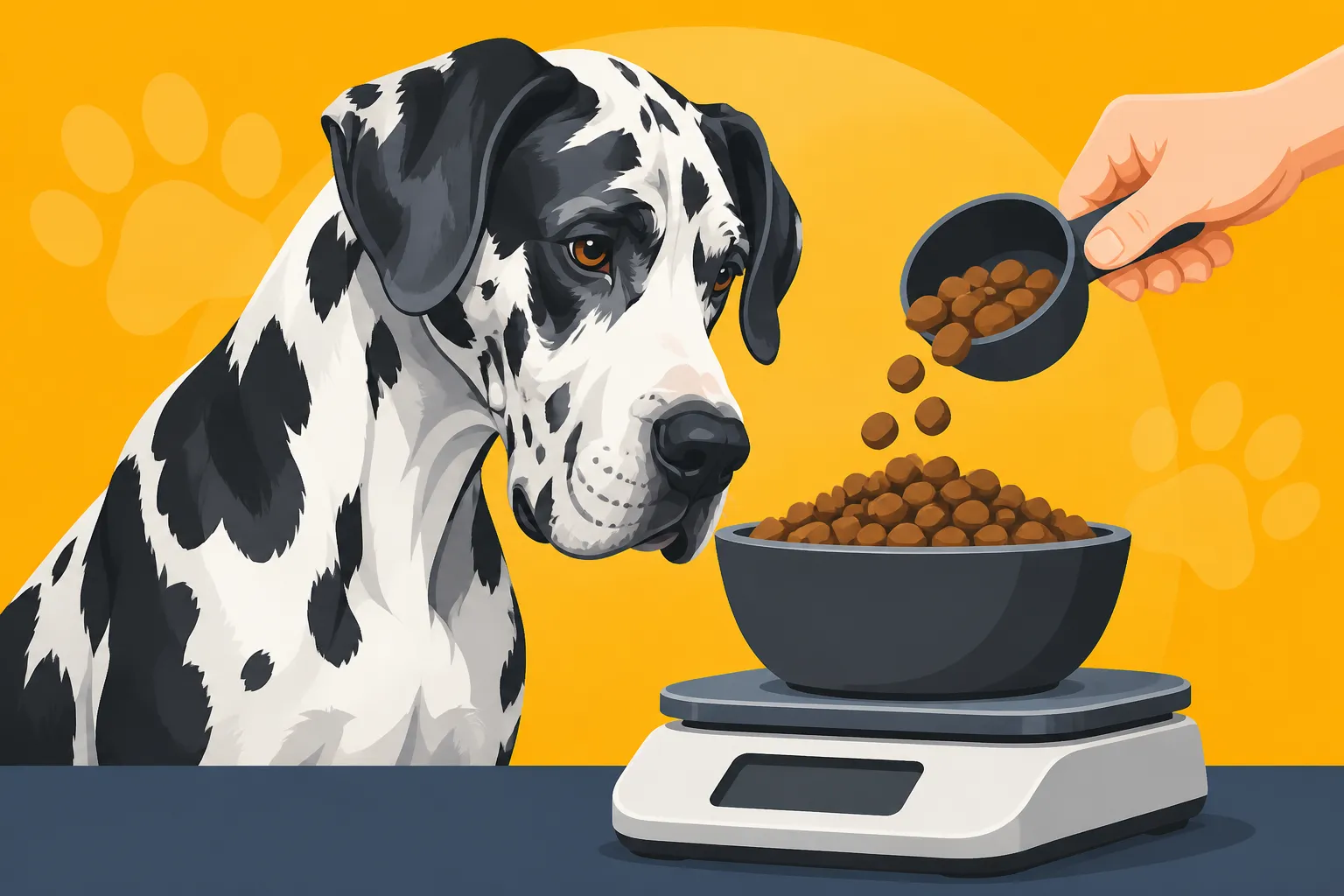
The absolute best tool for accurate feeding is a digital kitchen scale. You'll want one that can handle a decent weight capacity, as Great Dane meals are substantial. Look for scales that can weigh up to at least 10-15 pounds (about 5-7 kg) and have a clear, easy-to-read digital display, ideally with a tare function. The tare function allows you to place the empty food bowl on the scale and then zero it out, so you're only weighing the food itself. Analog scales exist, but digital ones offer much greater precision, often down to the gram or tenth of an ounce, which is what you need for consistent feeding. These can easily be found on marketplaces like Amazon or through pet supply retailers like Chewy. Having a consistent and reliable scale eliminates the guesswork and ensures that every meal provides the exact caloric and nutritional intake your vet or breeder recommends.
How to Establish Your Dane's Ideal Ration
Figuring out the exact amount your Great Dane needs isn't a one-size-fits-all answer; it's a personalized journey. The first step is always to consult with your veterinarian or your Great Dane's breeder. They often have specific recommendations based on their experience with the breed, the specific food you're using, and your dog's individual genetics and activity level. Many breeders will send puppies home with detailed feeding instructions, including specific weights of food per day.
Next, look at the feeding guidelines on your dog's food bag. These are good starting points, but remember they are general recommendations based on average activity levels and weight ranges. A truly active Dane might need more, while a couch potato might need less. Begin by weighing out the recommended daily amount and dividing it into the appropriate number of meals for your Dane (usually two or three for adults, more for puppies). Over the next few weeks, closely monitor your Great Dane's body condition. You should be able to easily feel their ribs with a slight layer of fat over them, but not see them prominently. Their waist should be evident when viewed from above, and there should be an abdominal tuck when viewed from the side. This is often referred to as Reading Ribs on a Great Dane and it’s a crucial skill for any Great Dane owner. If they're gaining too much weight, slightly reduce the ration; if they're too thin, increase it. Make small adjustments, perhaps by 10-20 grams at a time, and give it a week or two to see the effect before adjusting again. It's a process of careful observation and fine-tuning.
Implementing a Consistent Weighing Routine
Consistency is truly the secret ingredient when it comes to successful precision feeding. It's not just about doing it once, but making it an ingrained part of your daily routine, much like brushing your teeth. A consistent routine minimizes errors and ensures your Great Dane receives optimal nutrition day in and day out.
Step-by-Step Guide to Weighing Each Meal
Making food weighing a habit is simpler than you might think. Start by keeping your digital kitchen scale right next to your dog's food storage. Before each mealtime, or once a day if you're pre-portioning, grab the scale and your Dane's bowl.
- Place the empty bowl on the scale.
- Press the "tare" or "zero" button. This resets the scale to zero, ignoring the weight of the bowl itself.
- Slowly add your Great Dane's food to the bowl. Watch the digital display carefully as you pour or scoop.
- Stop when you reach the target weight for that specific meal. If you accidentally go over, simply remove a little kibble until you hit the mark.
- Add any prescribed supplements. If your vet has recommended joint supplements or other additions, measure them out separately if they're liquid or powder, or add pills to the accurately weighed food.
- Serve!
If you have multiple people feeding your Dane, ensure everyone understands and follows this exact routine. You might even pre-weigh the entire day's ration in the morning and divide it into separate, labeled containers for each meal. This ensures consistency regardless of who is on feeding duty. For example, using reusable containers you can buy from a store or an online platform like Chewy can make this process efficient and easy.
Adapting Rations to Life Stages and Activity Levels
A Great Dane's nutritional needs are far from static. They evolve dramatically throughout their life, requiring you to regularly reassess and adjust their daily ration.
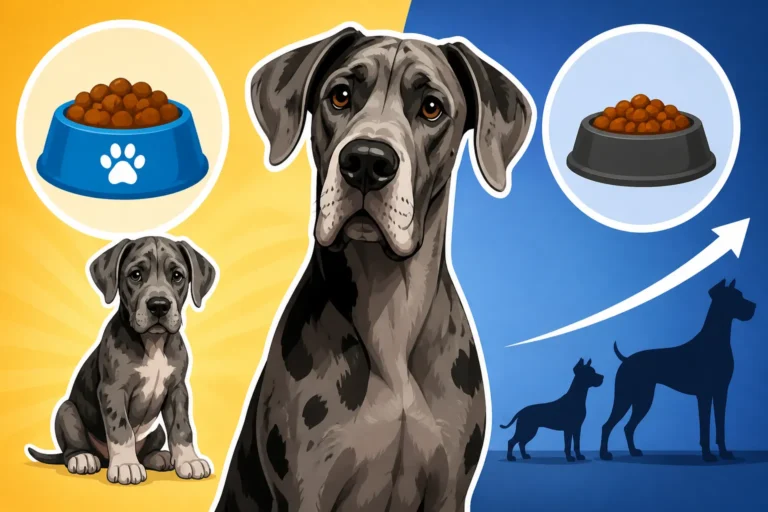
Puppy Growth Phases: This is the most critical period for adjustments. A Great Dane puppy grows at an astounding rate, often doubling or tripling in size within a few months. Their energy demands are high, but as we discussed, overfeeding can be disastrous. You'll need to monitor their weight and body condition weekly and adjust their food amount in small increments. What was enough at four months won't be enough at six months, and certainly not at a year. Your vet will be your best partner in navigating these changes.
Adult Maintenance: Once your Great Dane reaches maturity (usually between 18-24 months), their growth rate slows significantly, and their caloric needs stabilize. However, activity levels, seasons, and even changes in metabolism can still influence their ideal intake. A Dane that spends more time exercising outdoors in winter might need a slightly increased ration compared to one lounging by the fireplace in summer. Regular body condition scoring will be your guide. Check out Feeding an Adult Great Dane Six to Ten Cups for more insights into adult feeding volumes.
Senior Danes: As your Great Dane ages, typically around 5-6 years old, their metabolism naturally slows down. They might also become less active or develop conditions like arthritis that limit their mobility. Their caloric needs will likely decrease, and feeding the same amount as a younger adult can lead to unwanted weight gain, putting extra strain on aging joints. Conversely, some senior Danes might struggle to maintain weight due to underlying health issues. This is when specialized senior diets or specific adjustments become important. Exploring topics like Feeding a Great Dane Over Six can help you understand these nuances better. Remember, if your Dane is neutered, their metabolism might also shift, necessitating a slight reduction in food to prevent weight gain. Adjusting Food After a Great Dane Is Neutered can provide further guidance here.
Common Challenges and Solutions in Weighing Food
Even with the best intentions, weighing food can present a few hurdles. Understanding these common challenges and having solutions ready can make the process smoother and more sustainable for you and your Great Dane.
Dealing with Different Food Types
Not all dog foods are created equal, and their physical properties impact how you weigh them.
- Kibble: This is generally the easiest. As mentioned, kibble density can vary greatly. A cup of a large, airy kibble will weigh less than a cup of a small, dense kibble. This is precisely why weight measurement is superior. When you switch kibble brands or even move to a new bag of the same brand, it's a good idea to re-weigh a standard volume to see if there's any significant density change, and then adjust your target weight accordingly based on caloric recommendations.
- Wet Food, Raw Food, and Fresh-Prepared Diets: These foods tend to have a much higher moisture content, which means they are significantly heavier by volume than kibble. If you're feeding a wet, raw, or fresh diet, weighing is even more critical, as volume measurements would be wildly inaccurate. Brands like Ollie, for instance, offer fresh-prepared meals that often come pre-portioned, simplifying the process, but if you're preparing your own, your scale will be your best friend. Always use a digital scale and follow the weight recommendations provided by your vet or the food manufacturer.
- Treats and Chews: It’s easy to forget that treats contribute to daily caloric intake! For a Great Dane, even a few "small" treats can add up. Always factor treats into their daily total, either by slightly reducing their mealtime ration or by choosing low-calorie options. Look for Treats Sized for a Great Dane that are appropriate for their large mouths but aren't calorie bombs. Many owners find it helpful to break larger treats into smaller pieces, so the Dane still gets the reward without excessive calories.
Overcoming Resistance and Maintaining Habits
Making any new routine stick can be tough, especially when it feels like an extra step in an already busy day.
- Making it a Habit, Not a Chore: The key is repetition. Designate a specific spot for the scale and dog food. Integrate it into your existing routine – perhaps right before you make your own breakfast or dinner. After a few weeks, it will feel natural. If you have kids old enough to help with pet care, involve them in the process, teaching them the importance of accurate measurement for their giant friend.
- Involving Family Members: If you live with others, everyone who feeds the dog needs to be on board and trained on how to use the scale correctly. Place a simple instruction sheet near the scale if needed, or better yet, do a quick demonstration. Inconsistent feeding from different family members can completely undermine your efforts.
- Sourcing Tools and Food: Ensure you have readily available access to the right tools and food. Keeping extra bags of food on hand (especially if you buy in bulk for a Great Dane!) means you won't run out. Online retailers like Chewy and Amazon are great resources for finding robust digital scales that can handle large portions, as well as a wide variety of large-breed specific foods designed to meet your Great Dane's unique needs. Subscribing to auto-ship for your preferred kibble on platforms like Chewy can also help ensure you never run low, taking one less thing off your plate.
| Food Type | Best Measurement Method | Rationale | Notes |
|---|---|---|---|
| Dry Kibble | Weight (grams/ounces) | Density varies by brand/batch; volume scoops are imprecise. | Essential for consistent caloric intake, especially for growing puppies and weight management. |
| Wet/Canned Food | Weight (grams/ounces) | High moisture content means significant weight by volume; often sold by weight. | Crucial for accurate portioning as volume can be deceptive. |
| Raw Food | Weight (grams/ounces) | Highly variable density and moisture. Often sold in patties or portions by weight. | Absolutely necessary for food safety and nutritional balance. |
| Fresh-Prepared | Weight (grams/ounces) | Similar to raw/wet food; density can vary based on ingredients. | Many services (like Ollie) pre-portion, but if preparing at home, weighing is key. |
| Treats | Count or Weight | Easy to overfeed; contributes to daily calories. | Factor into daily caloric budget. Choose appropriate sizes like those found on Amazon or Chewy, or break larger treats into smaller pieces. |
Disclaimer
This article is for general informational purposes only and does not constitute professional advice. Laws, prices and regulations vary by location and change over time. Consult a qualified professional for guidance on your specific situation.