Feeding a Great Dane Over Six
Reaching the age of six with a Great Dane is a true milestone, and it's around this time many owners start noticing subtle shifts in their beloved giants. Their energy might dip a little, those long walks might become a bit shorter, and suddenly, the food that kept them thriving for years might not be quite right anymore. It's a common frustration, trying to decipher what an aging Great Dane truly needs when their bodies are experiencing such significant changes. This comprehensive guide is here to help you navigate the evolving nutritional landscape for your senior Great Dane, ensuring they continue to live their best, healthiest life as they gracefully age.
The Unique Needs of a Senior Great Dane's Diet
It’s easy to think that once a dog reaches adulthood, their dietary needs are set in stone, but that's far from the truth, especially for a giant breed like the Great Dane. As they move past that six-year mark, which is often considered the gateway to their senior years, their bodies begin to operate differently, much like our own as we age. This means their nutritional requirements shift, and what was once perfectly balanced for a bustling, younger Dane might now be contributing to new health challenges. Understanding these fundamental changes is the first step in tailoring their diet effectively.
Why Age Six is a Turning Point for Great Dane Nutrition
For many breeds, six years old is still considered prime adult age, but for a Great Dane, it often marks the beginning of their golden years. This is largely due to their accelerated aging process compared to smaller dogs, a topic we've explored in depth in Why a Great Dane Ages Faster Than Smaller Dogs. Their large frames experience more wear and tear, their organs work harder, and their metabolism begins to slow down. Consequently, their bodies need different support from their food to mitigate the impacts of aging and maintain overall health. Ignoring these changes can lead to issues like weight gain, joint pain, muscle loss, and a decrease in vitality.
Think of it this way: the high-octane fuel that powered their youthful exuberance might now be too much, leading to unwanted fat deposits if their activity levels decrease. Conversely, certain nutrients might become even more critical for supporting their joints, cognitive function, and immune system. It’s not about drastically changing everything overnight, but rather making thoughtful, gradual adjustments to match their evolving physiological state. This proactive approach can make a significant difference in their comfort and longevity.
Common Health Concerns That Influence Senior Great Dane Diets
As Great Danes enter their senior years, they become more susceptible to certain health conditions, many of which can be managed or exacerbated by their diet. Conditions like arthritis, heart disease, and even certain cancers become more prevalent. For instance, you might be familiar with The Heart Muscle Disease Great Danes Are Prone To, or the increased risk of Bone Cancer in a Great Dane as they age. Their diet needs to support their body in fighting these challenges, not add to them.
Joint issues, such as those related to Great Dane Hips, Elbows and Growing Joints and general Arthritis in a Six-Year-Old Great Dane, often become more pronounced. A diet rich in anti-inflammatory ingredients and appropriate joint-supporting nutrients can be a game-changer. Similarly, maintaining a healthy weight becomes paramount to lessen the strain on aging joints. It’s a delicate balance, providing enough energy for daily functions without overfeeding an animal whose metabolic rate has begun to slow. Each health concern needs to be factored into the overall dietary strategy, turning food into a powerful tool for wellness.
Key Nutritional Adjustments for an Aging Great Dane
When your Great Dane crosses the threshold into senior-dom, you’ll want to look at their food with a critical eye. It's not just about switching to a bag labeled "senior formula"; it's about understanding the specific macronutrient and micronutrient shifts that benefit their aging bodies. These changes are designed to support their slowing metabolism, maintain muscle mass, protect joints, and keep their immune system robust. It's a holistic approach to their well-being.
Adjusting Calorie and Fat Intake
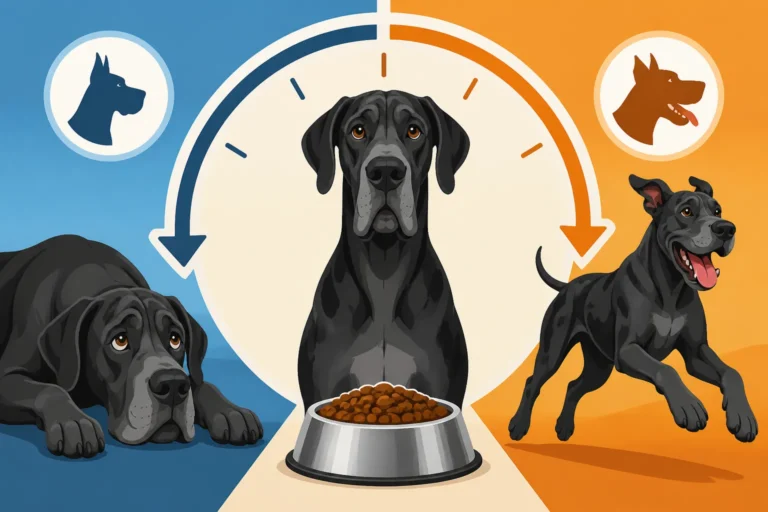
One of the most immediate changes you'll notice in an older Great Dane is often a decrease in their overall activity level. They might sleep more, play less intensely, and generally move at a slower pace. This natural reduction in energy output means their calorie needs typically decline. Continuing to feed them the same quantity and type of food they ate as a younger adult can quickly lead to unwanted weight gain, which then puts undue stress on their already aging joints and cardiovascular system. It's a vicious cycle that we want to avoid.
Many senior dog foods are formulated with fewer calories and often slightly less fat to account for this decreased energy requirement. However, "less fat" doesn't mean no fat. Healthy fats, like omega-3 fatty acids, are incredibly important for reducing inflammation, supporting cognitive function, and maintaining skin and coat health. The key is balance – enough healthy fats for essential functions, but not so much that it contributes to excess weight. Carefully monitoring your Great Dane's weight and body condition is essential. You should still be able to feel their ribs without pressing hard, and they should have a discernible waist.
The Role of Protein in Senior Great Dane Diets
There's a common misconception that older dogs need less protein, but for large breeds like Great Danes, this couldn't be further from the truth. In fact, senior Great Danes often benefit from a higher quality and sometimes even a slightly increased percentage of protein in their diet. As dogs age, they can begin to lose muscle mass, a condition called sarcopenia. Adequate, highly digestible protein is crucial for preventing or slowing down this muscle wasting. Without sufficient protein, their strong, powerful frames can start to weaken, affecting their mobility and overall quality of life.
The type of protein also matters. Look for high-quality, easily digestible animal proteins like chicken, turkey, beef, or fish as the primary ingredients. These sources provide a complete amino acid profile necessary for maintaining muscle and repairing tissues. While a younger Great Dane might do fine on a good quality kibble, an older Dane might benefit even more from a diet that emphasizes fresh, whole protein sources, even if it's just partially mixed in with their regular food. This careful attention to protein ensures they retain strength and vitality as they navigate their golden years.
Fiber, Vitamins, and Minerals for Aging Joints and Digestion
Beyond calories, fat, and protein, the often-unsung heroes of a senior Great Dane's diet are fiber, vitamins, and minerals. Fiber plays a critical role in maintaining healthy digestion, which can sometimes become a bit sluggish in older dogs. It helps regulate bowel movements and can also contribute to a feeling of fullness, which is helpful if you're trying to manage their weight with fewer calories. Soluble and insoluble fibers work together to support a healthy gut microbiome, which in turn boosts overall immune function.
Vitamins and minerals, especially antioxidants like Vitamin E and C, are vital for combating cellular damage caused by free radicals, supporting a healthy immune system, and promoting general well-being. For joints, ingredients like glucosamine and chondroitin, often included in senior formulas, can help support cartilage health and reduce inflammation, offering comfort to dogs experiencing arthritis. While many commercial senior diets will include these, it’s worth checking the levels and considering additional supplements if your vet recommends them. Remember, Whether Joint Supplements Reach a Great Dane's Dose is a common question, and getting the right quantity is crucial for these large dogs.
Selecting the Best Food for Your Aging Great Dane
Choosing the right food for your senior Great Dane can feel overwhelming with the sheer number of options out there. It's not just about what tastes good, but what genuinely supports their health as they age. The goal is to find a diet that aligns with their changing metabolic needs, addresses potential health concerns, and remains palatable to them.
Deciphering Senior Dog Food Labels
When you're standing in the pet food aisle, or scrolling through options on a site like Chewy, the labels on senior dog foods can sometimes feel like a foreign language. The key is to look beyond the marketing claims and focus on the guaranteed analysis and ingredient list. As we discussed, you're looking for moderate calorie content, sufficient high-quality protein, and healthy fats. Pay close attention to the crude protein percentage; it should ideally be in the mid-20s to low-30s range for many senior Great Danes, but always discuss specifics with your vet.
Also, scan the ingredients for common joint-supporting compounds like glucosamine and chondroitin sulfate. While these are not always listed in the guaranteed analysis, they should be present in the ingredient list or as supplements. Look for whole food ingredients as the first few items, avoiding excessive fillers, artificial colors, or preservatives. Understanding what each ingredient does and how it benefits your aging giant is crucial. Don't be afraid to pull out your phone and do some quick research on unfamiliar terms while you're shopping.
Commercial Senior Kibble vs. Fresh or Raw Diets
The debate between commercial kibble and fresh or raw diets often intensifies when discussing senior dogs. Many excellent commercial senior kibbles are formulated specifically to meet the needs of aging dogs, offering convenience and a balanced nutrient profile. Brands often cater to large breeds, understanding their unique requirements. When choosing a kibble, prioritize quality and digestibility. Look for formulations specifically designed for "senior large breeds" or "senior giant breeds."
However, some owners find that their older Great Danes thrive on fresh-cooked or even raw diets. Services like Ollie deliver fresh, human-grade food directly to your door, which can be highly beneficial for dogs with sensitive stomachs, decreased appetite, or specific health conditions that benefit from a less processed diet. For some senior Danes, a fresh diet can be more palatable, helping to maintain their appetite as they age. If you're considering a fresh or raw diet, it's absolutely vital to consult with a veterinary nutritionist to ensure it's balanced and meets all your Great Dane's specific needs, especially given the complexities of large breed nutrition. Unbalanced raw or home-cooked diets can lead to serious deficiencies or excesses, which are particularly risky for older dogs.
Considerations for Picky Eaters and Dental Health
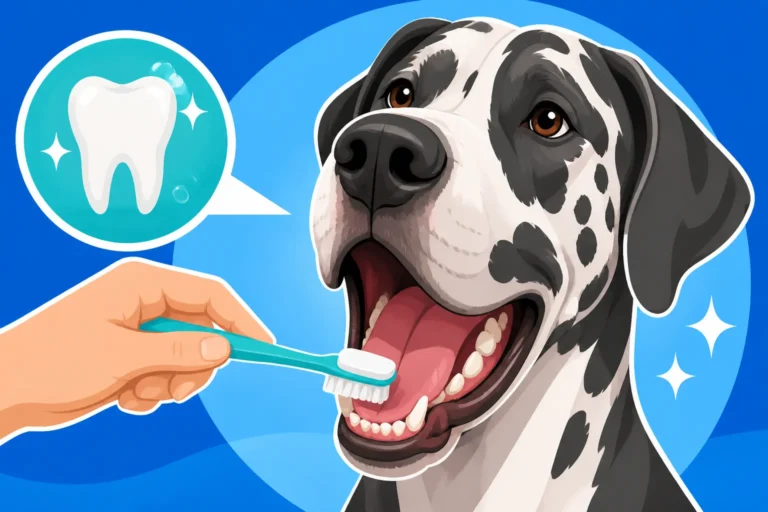
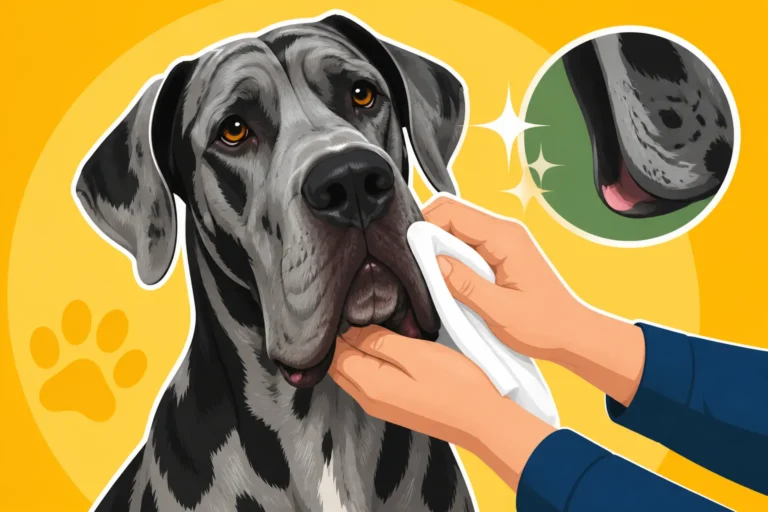
It's not uncommon for Great Danes to become a bit pickier with their food as they age, or for dental issues to make eating uncomfortable. If your senior Dane is turning up their nose at their usual meals, it's essential to rule out any underlying medical problems with your vet first. Sometimes, a dental cleaning or addressing a painful tooth can vastly improve their appetite. Remember, Keeping a Great Dane's Very Large Mouth Clean is important throughout their life, but especially as they age.
If health issues are ruled out, you might need to get creative. Warming their food slightly can enhance its aroma and make it more appealing. Adding a little low-sodium chicken broth, plain yogurt, or canned pumpkin can also entice them. For dogs with missing teeth or sensitive gums, moistening kibble with warm water to create a gruel, or switching to softer, fresh food options, can make a huge difference. Don't let them go too long without eating, as maintaining their strength and weight is critical for their overall health.
| Nutritional Component | Younger Adult Great Dane (Approx. 1-5 years) | Senior Great Dane (Approx. 6+ years) |
|---|---|---|
| Calorie Needs | Moderate to High (based on activity) | Lower (due to decreased activity/metabolism) |
| Protein Level | High-quality, sufficient for maintenance | High-quality, potentially slightly higher for muscle maintenance |
| Fat Level | Moderate to High (for energy) | Moderate (healthy fats important, but lower overall) |
| Fiber | Adequate (for digestion) | Increased (for digestive health, satiety) |
| Joint Support | May be included, or supplementary | Crucial (glucosamine, chondroitin, Omega-3s) |
| Antioxidants | Beneficial | Highly beneficial (for immune and cognitive function) |
| Key Goal | Maintain energy, growth completion, muscle | Preserve muscle, support joints, maintain healthy weight, cognitive support |
Adapting Feeding Routines and Hydration
Just as the contents of their bowl might need an overhaul, how and when you feed your senior Great Dane also warrants attention. Their bodies are changing, and their feeding schedule and environment should adapt to support their comfort and digestion. Hydration, too, becomes an even more critical component of their daily care.
The Importance of Smaller, More Frequent Meals
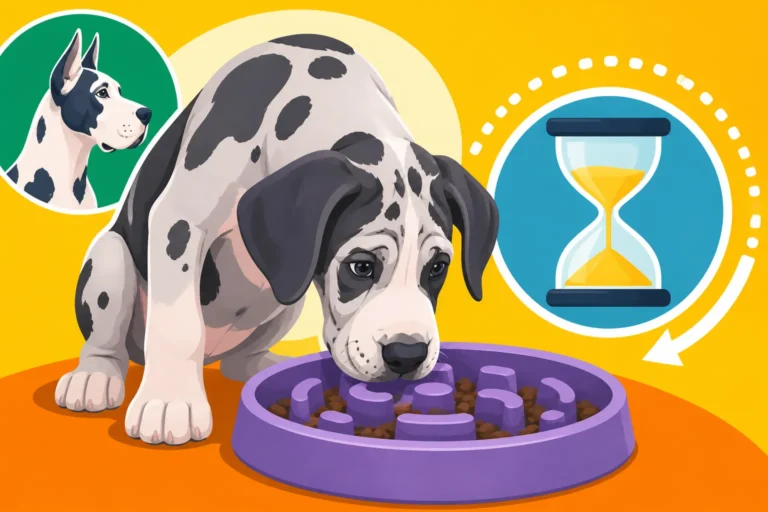
While many adult Great Danes do well on two larger meals a day, transitioning to smaller, more frequent meals can be highly beneficial for seniors. This approach can be gentler on their aging digestive systems, making it easier for them to process nutrients and reducing the risk of stomach upset. Think of it like giving them two or three smaller "snacks" throughout the day instead of two big feasts.
Splitting their daily ration into three or even four portions can also help maintain a more stable blood sugar level, which is good for overall energy and can be especially helpful for Great Danes who are prone to conditions like bloat, a terrifying reality covered in Bloat in a Great Dane and the One in Three Odds. Smaller meals put less strain on the stomach and reduce the chances of overfilling, which is a known risk factor. Plus, it gives you more opportunities to interact with your beloved companion throughout the day!
Re-evaluating Raised Bowls for Older Danes
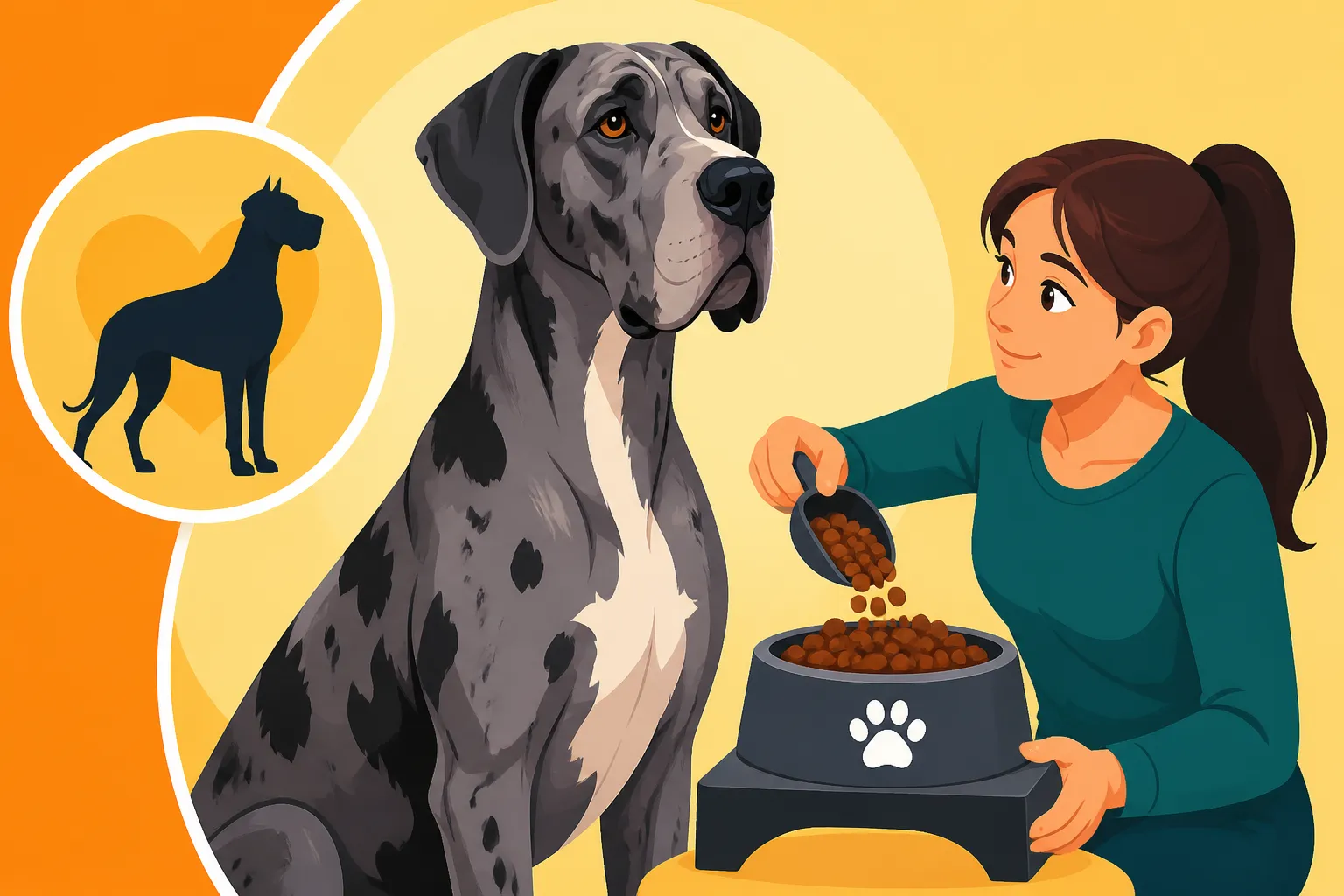
The topic of raised bowls for Great Danes is one that often sparks debate among owners and experts alike. For many years, it was commonly believed that elevated bowls could help prevent bloat. However, some studies have suggested that they might actually increase the risk in certain deep-chested breeds. For senior Danes, the primary concern shifts from bloat prevention to comfort. Bending down to eat from a floor-level bowl can become uncomfortable for a dog with arthritis or other joint issues in their neck, back, or hips.
If your senior Great Dane is showing signs of discomfort while eating or drinking from the floor, an elevated feeding station can certainly improve their posture and make meal times more enjoyable. The goal is to find a height that allows them to eat without craning their neck or stooping excessively. You can find a wide variety of adjustable raised bowls on platforms like Amazon or Chewy, allowing you to find the perfect ergonomic fit for your individual dog. Observe your Dane closely while they eat – their comfort should be your guide.
Ensuring Adequate Hydration
Hydration is always important, but it becomes even more critical for senior Great Danes. Older dogs can be more prone to kidney issues, and maintaining good hydration helps support kidney function. They might also be on medications that can increase thirst or affect fluid balance. Sometimes, older dogs just don't feel as motivated to drink, or joint pain makes it difficult for them to get to their water bowl comfortably.
Place multiple water bowls around the house, especially near their favorite resting spots. Ensure the bowls are clean and filled with fresh water at all times. If your Dane seems reluctant to drink, you can try adding a splash of low-sodium broth to their water, or offering them wet food, which has a higher moisture content. Just like with food bowls, consider if an elevated water bowl would make drinking more comfortable for them. Monitoring their water intake is a good habit to get into, as a sudden change can be an indicator of an underlying health issue.
Supplements and Special Considerations
Beyond the core diet, supplements and other specific approaches can further bolster the health and comfort of your aging Great Dane. These aren't magic bullets, but carefully chosen additions can target common senior challenges and enhance their quality of life. Always discuss any new supplements with your veterinarian to ensure they are appropriate and won't interact negatively with existing medications or health conditions.
Joint Support, Omega-3s, and Antioxidants
For senior Great Danes, joint support is often at the top of the list. Glucosamine and chondroitin are widely recognized for their role in cartilage health and can help maintain joint function and reduce discomfort associated with arthritis. Many owners also turn to omega-3 fatty acids, particularly those derived from fish oil, for their powerful anti-inflammatory properties. These essential fatty acids can help soothe aching joints, support brain health, and contribute to a healthy skin and coat. You can find high-quality fish oil supplements through pet retailers like Chewy or Amazon.
Antioxidants, such as vitamins C and E, selenium, and certain phytonutrients found in fruits and vegetables, are also incredibly beneficial. They help neutralize free radicals in the body, which are unstable molecules that contribute to cellular aging and disease. By reducing oxidative stress, antioxidants support overall cellular health, boost the immune system, and can even help with cognitive function as your Dane gets older. Incorporating fresh fruits and vegetables (dog-safe ones, of course) into their diet or choosing a food fortified with these nutrients can make a difference.
Addressing Cognitive Decline and Appetite Changes
As Great Danes age, some may experience cognitive decline, similar to dementia in humans. You might notice changes in their behavior, such as disorientation, altered sleep patterns, or increased anxiety. Certain supplements, like medium-chain triglycerides (MCTs) found in coconut oil, and antioxidants, are thought to support brain health and may help mitigate the signs of cognitive dysfunction. Always introduce new oils or supplements slowly and in appropriate doses.
Appetite changes are also a common concern. Some senior Danes become pickier, while others may show a reduced interest in food overall. If your Great Dane is showing a persistent lack of appetite, it’s crucial to consult your veterinarian to rule out pain, dental disease, organ issues, or other underlying medical conditions. Once health issues are addressed, making their food more enticing – perhaps by adding warm water, a small amount of low-sodium broth, or a favorite topper – can help. Remember, maintaining their weight is vital, especially when you consider Caring for a Great Dane Past Six.
The Importance of Veterinary Guidance
I cannot stress this enough: your veterinarian is your most valuable resource when it comes to feeding an aging Great Dane. They can assess your dog's overall health, identify any developing conditions, and provide personalized dietary recommendations. Regular check-ups are essential for senior Danes, as early detection of issues like kidney disease, heart conditions, or diabetes can significantly impact how their diet needs to be managed.
Your vet can help you interpret blood work results, discuss appropriate calorie levels based on your Dane's current body condition and activity, and advise on specific supplements or therapeutic diets that might be necessary. Never embark on a significant dietary change or introduce new supplements without their professional guidance. They understand the unique physiology of Great Danes and can help you tailor a plan that supports your dog's individual needs as they gracefully age.
Monitoring and Adapting Their Diet
Feeding a senior Great Dane isn't a "set it and forget it" task. Their needs can continue to evolve rapidly, so ongoing monitoring and a willingness to adapt their diet are essential. What works well for a six-year-old might need tweaks by the time they reach eight or nine. Being observant and proactive will help ensure their diet continues to support their health and happiness throughout their golden years.
Regular Weight and Body Condition Checks
One of the most straightforward ways to monitor the effectiveness of your Great Dane's senior diet is through regular weight and body condition checks. Aim to weigh your Dane monthly, if possible. Many vet clinics are happy for you to pop in just for a weight check, even without an appointment. Keep a log of their weight so you can spot trends. A sudden drop or gain can be a red flag.
Equally important is assessing their body condition. You should be able to easily feel their ribs, but not see them prominently. They should have a visible waist when viewed from above, and a slight tuck in their abdomen when viewed from the side. If they're starting to look a bit "square" or you can no longer easily feel their ribs, it's time to reduce calories. If they're looking too thin, or you can see their ribs and hip bones, it's time to increase calories and protein. This visual and tactile assessment, combined with their weight, gives you a comprehensive picture of their nutritional status. We’ve all seen The Hundred and Forty Pound Great Dane Male who carries too much weight; keeping them lean is paramount for joint health.
Observing Appetite and Energy Levels
Beyond physical changes, pay close attention to your Great Dane's appetite and energy levels. Is their enthusiasm for mealtime still there, or are they picking at their food? A decrease in appetite, especially if sustained, warrants a veterinary visit. It could be a sign of pain, nausea, dental problems, or more serious health issues. On the other hand, if they seem constantly hungry despite appropriate portions, their food might not be satisfying them, or it could indicate an underlying metabolic issue that needs investigation.
Similarly, monitor their energy. While some decrease in activity is normal with age, a sudden or drastic drop, or a reluctance to move, could signal discomfort or illness. This might necessitate a dietary change, such as adjusting calorie intake or increasing joint support. Observing these subtle behavioral cues can provide invaluable insights into how their current diet is serving them and when it might be time for another adjustment.
When to Consult Your Veterinarian for Dietary Changes
While this guide offers a lot of general advice, remember that every Great Dane is an individual. You should always consult your veterinarian if you notice any significant or concerning changes in your senior Great Dane's health, appetite, weight, or behavior. This includes:
- Sudden or unexplained weight loss or gain.
- Persistent decrease or increase in appetite.
- Vomiting, diarrhea, or other digestive upsets.
- Increased thirst or urination.
- Lethargy or significant changes in energy levels.
- New or worsening mobility issues.
- Signs of discomfort during or after eating.
These symptoms could indicate a range of health issues that require professional diagnosis and treatment, and their diet may need to be adjusted accordingly. For instance, if your vet diagnoses early kidney disease, they might recommend a prescription renal diet. If heart disease progresses, a diet low in sodium might be suggested, like we touched on in Feeding a Great Dane on Heart Medication. Your vet can help you navigate these complex decisions, ensuring your beloved Great Dane receives the best possible care during their golden years.
Disclaimer
This article is for general informational purposes only and does not constitute professional advice. Laws, prices and regulations vary by location and change over time. Consult a qualified professional for guidance on your specific situation.