Poisons a Great Dane Can Reach on a Counter
Anyone who lives with a Great Dane knows that "counter height" is more of a suggestion than a rule for these majestic giants. Their sheer size, while breathtaking, means that a seemingly innocent snack left on the kitchen counter, or even medications on a bedside table, are suddenly within easy reach, turning your home into a potential minefield for accidental poisoning. This guide is all about navigating those very real challenges, helping you understand what household items and foods pose the greatest risks, and how to proactively keep your Great Dane safe from dangerous substances that are well within their colossal grasp.
The Unique Counter-Surfing Challenge for Great Danes
It's a truth universally acknowledged among Great Dane owners: if it's on a counter, it's fair game. Unlike owners of smaller breeds who can simply place items on a higher shelf, we Danes have to contend with a dog that can practically see eye-to-eye with us when standing on their hind legs. This isn't just about mischievousness; it's about their natural curiosity combined with their incredible reach.
Towering Temptations: Why Height is a Hazard
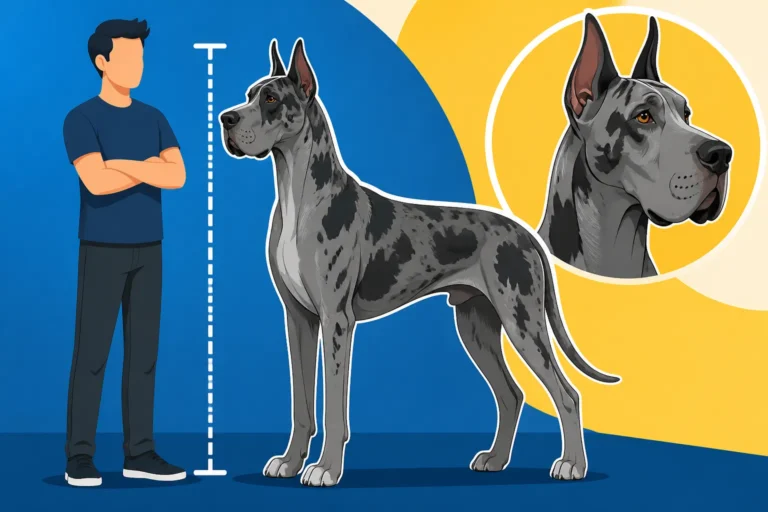
Let's be honest, for most dog owners, putting something "out of reach" means placing it on a kitchen counter or a tall table. For a Great Dane, however, that's often just another vantage point. Imagine a delicious-smelling chocolate cake, cooling on the counter, or a plate of leftover dinner. To a smaller dog, it might be an insurmountable feat of gymnastics to get to it. To a Great Dane, it's often a simple stretch, or perhaps a gentle, almost lazy, lean against the counter to nudge something closer.
Their long necks and powerful bodies mean they can sweep items off with surprising ease, and sometimes, they don't even have to stand up completely. A quick stretch, a powerful leap, or even just a long tongue can be enough. This makes standard pet-proofing advice frustratingly inadequate. What works for a Chihuahua simply won't cut it for a Great Dane, whose nose might already be level with your elbows when they're simply walking by. This unique physical characteristic transforms everyday household items into potential hazards, making constant vigilance a critical part of owning one of these magnificent dogs.
The Gentle Giant's Curiosity: More Than Just Hunger
While their size is certainly a factor, it’s not just about what a Great Dane can reach; it's also about what their personality drives them to investigate. Great Danes are often described as gentle giants, and that's true, but they're also notoriously curious and often retain a playful, puppy-like demeanor well into adulthood. This combination of size and inquisitive nature means they aren't always just looking for food. They might be attracted to interesting smells, shiny objects, or even just something new that's been left out.
A Great Dane exploring a counter isn't always doing it purely out of hunger. They might be bored, looking for attention, or simply investigating a novel scent. Their powerful sense of smell guides them, and if they detect something appealing, their size makes it all too easy to access. This can lead to them knocking over bottles of cleaning supplies, sniffing out medications, or even getting into bags that contain dangerous substances, not necessarily because they want to eat it all, but because they're simply checking it out. This is why Why a Great Dane Steals Food Off Counters is such a common topic among Dane owners – it's often a mix of opportunity and curiosity.
Common Household Poisons and Toxic Foods at Counter Level
Understanding what is dangerous is the first step in prevention. With a Great Dane, you have to assume anything left on a counter could end up in their mouth. It’s a sobering thought, but a realistic one.
Culinary Catastrophes: Foods Your Dane Can't Have
Our kitchens, unfortunately, are often filled with human foods that are perfectly safe for us but highly toxic to dogs, especially Great Danes who can ingest large quantities quickly.
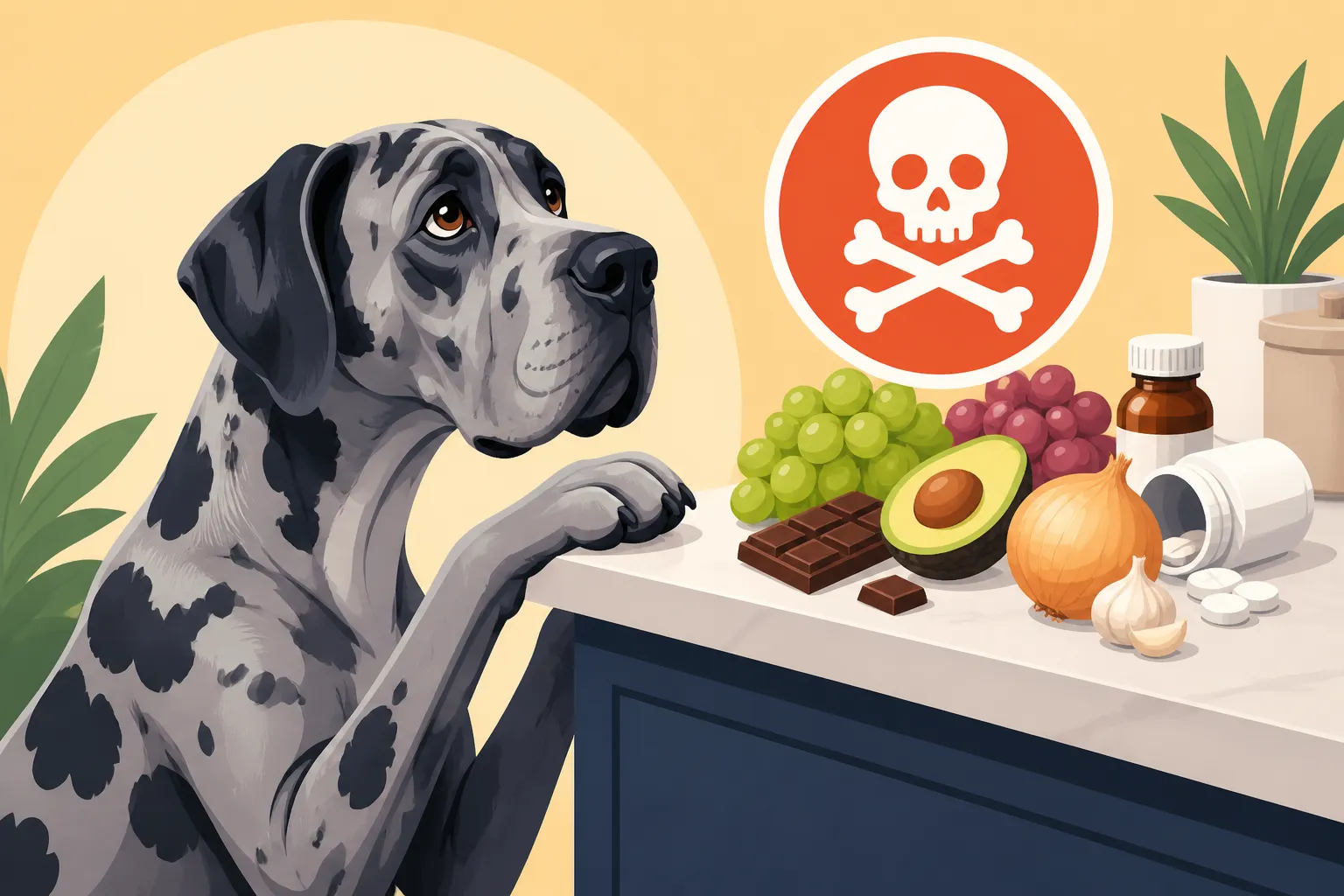
- Chocolate: This is probably the most well-known culprit. The darker the chocolate, the more toxic it is due to higher levels of theobromine. A forgotten chocolate bar or a pan of brownies cooling on the counter could be a death sentence. Symptoms can range from vomiting and diarrhea to tremors, seizures, and even cardiac arrest. For a large dog like a Great Dane, a surprising amount of chocolate can cause serious issues, so never assume "a little bit won't hurt."
- Grapes and Raisins: These innocent-looking fruits can cause acute kidney failure in dogs. Even a small handful can be dangerous for some dogs, regardless of size. A bowl of grapes on the fruit stand, or a box of raisins for a snack, could easily be swept off and consumed.
- Onions, Garlic, Chives, and Leeks: These all belong to the Allium family and can cause damage to a dog's red blood cells, leading to anemia. While a small amount might not be critical, a Great Dane could easily eat a whole onion or a dish heavily seasoned with garlic, leading to significant problems. Think about that leftover pasta dish with sautéed onions or the garlic bread you left out.
- Xylitol: This artificial sweetener is found in many sugar-free products like gum, candy, peanut butter, and even some medications. It's incredibly toxic, causing a rapid drop in blood sugar (hypoglycemia) and potential liver failure. If your Great Dane gets into a pack of sugar-free gum or a tub of xylitol-sweetened peanut butter, it's a dire emergency. Always check labels on anything sweet or processed before leaving it where your Dane could possibly reach it.
- Coffee, Tea, and Caffeine Products: Caffeine, like theobromine in chocolate, is a stimulant that can cause serious issues, including hyperactivity, elevated heart rate, tremors, and seizures. Used coffee grounds, tea bags, or even energy drinks left carelessly on a counter are all potential dangers.
- Alcohol: Any form of alcohol, from alcoholic beverages to raw dough that ferments in the stomach, can cause alcohol poisoning. Symptoms can include vomiting, disorientation, tremors, and coma. A party drink left unattended or dough rising on the counter can quickly become a problem for a curious Dane.
- Avocado (Pits): While the flesh of an avocado isn't highly toxic to dogs, the large pit can pose a severe choking hazard or cause an intestinal obstruction, which in a Great Dane could be catastrophic. The pit also contains a fungicidal toxin called persin, which can cause vomiting and diarrhea in some animals.
The lesson here is simple: if you wouldn't feed it to your dog on purpose, and it's on the counter, it's a risk. This means being incredibly diligent about food storage.
Hidden Dangers: Non-Food Household Toxins
Beyond the kitchen, many other household items commonly stored on counters or easily accessible shelves can be devastatingly toxic to a Great Dane. Their large size often means they'll ingest more of a substance than a smaller dog, amplifying the danger.
- Human Medications: Prescription and over-the-counter medications are frequently left on nightstands, bathroom counters, or kitchen islands. A Great Dane can easily knock over a bottle of pain relievers, antidepressants, heart medication, or even vitamins. A single human pill, depending on the drug and dose, can be fatal for a dog. Always keep all medications, human or pet, in secure, elevated, and preferably locked cabinets. Monthly Medications Dosed at Great Dane Weight can give you an idea of how much medication a Dane might get from a single pill bottle.
- Pet Medications: Even medications prescribed for your dog can be toxic if ingested in large quantities. For example, chewable flea and tick preventatives might be tempting, or a bottle of pain medication if your Dane has arthritis. Always store these as carefully as human meds.
- Cleaning Supplies: Detergents, disinfectants, drain cleaners, toilet bowl cleaners, and even floor cleaners often come in enticingly colored bottles or have interesting scents. A Great Dane could knock a bottle off a counter, chew through it, or lick up spills. These can cause chemical burns, severe gastrointestinal upset, or systemic poisoning.
- Pest Control Products: Rodenticides (rat and mouse poison), insecticides, and slug bait are designed to kill, and they are equally dangerous to your Great Dane. These are often flavored to attract pests, making them highly palatable to curious dogs. Even a small amount of some rodenticides can be lethal, causing internal bleeding or neurological damage. Never use these where your Great Dane could possibly access them, even if you think they're "out of reach" on a shelf.
- Fertilizers and Garden Products: If you bring potting soil, plant food, or pest control sprays indoors, be extremely careful. Many garden products contain chemicals that can cause severe gastrointestinal upset, organ damage, or even death if ingested. A bag of fertilizer left in the mudroom or garage might be a novel scent for your Dane to investigate.
- Certain Houseplants: While not always found on counters, some common houseplants like lilies, sago palms, azaleas, rhododendrons, and even aloe vera can be toxic. If a potted plant is on a stand or low table, a Great Dane could easily chew on it.
Being aware of these common dangers is crucial. It means not just thinking about what your Great Dane might eat, but also what they might knock over or chew on out of pure curiosity.
Fortifying Your Home: Preventing Access to Poisons
Prevention is always the best medicine, especially with a breed as large and powerful as a Great Dane. It's not about perfect obedience (though that helps!), but about creating an environment where opportunities for danger are minimized.
Strategic Kitchen Management: Out of Sight, Out of Reach
The kitchen is often the heart of the home and, coincidentally, the most common site for accidental ingestions. A little bit of foresight and consistent habit changes can make a huge difference.
First and foremost, never leave food unattended on kitchen counters, stovetops, or low tables. This means if you're baking, preparing meals, or even just having a snack, assume that anything within Great Dane reach will be investigated the moment your back is turned. It's a hard habit to break, especially if you're used to living with smaller dogs or no dogs at all, but it's vital for a Dane. This extends to dirty dishes in the sink as well – a Great Dane can easily lick plates clean or even knock them out of the sink while attempting to do so. Consider putting all dirty dishes immediately into the dishwasher or washing them right away.
Invest in secure, heavy-duty trash cans that a Great Dane cannot knock over or open. Many regular kitchen bins are no match for a determined Great Dane. Look for bins with locking lids or pedal mechanisms that are heavy enough not to tip. You might even consider a dedicated pantry or utility closet for your trash. Reviewing Bins a Great Dane Cannot Open might give you some practical ideas on this front. Furthermore, tall baby gates can be an absolute lifesaver. Placed strategically at kitchen entrances, they can physically prevent your Great Dane from accessing the area during high-risk times, such as meal preparation or when guests are over. Look for extra-tall gates on sites like Amazon or Chewy that are specifically designed for large breeds to ensure your Dane can't jump over them.
Securing the Sanctuary: Beyond the Kitchen
While the kitchen is a prime concern, the entire home needs to be viewed through the lens of Great Dane safety. Every room potentially holds hazards that, for a giant breed, are far more accessible.
In bathrooms, medications and cleaning supplies are common counter-level hazards. Always store prescription bottles, over-the-counter pills, lotions, shampoos, and cleaning chemicals in high, locked cabinets. Child-proof latches, while designed for kids, are excellent for deterring curious paws and noses. Remember that a Great Dane can easily nudge open a cabinet door that isn't properly secured. Even seemingly innocuous items like dental floss can cause intestinal obstructions if ingested, so keep those put away as well.
Garages, basements, and laundry rooms are often storage areas for paints, solvents, automotive fluids (like antifreeze, which is deadly and often sweet-tasting), pesticides, fertilizers, and even things like batteries or glue. These areas should be completely off-limits to your Great Dane unless supervised, and all hazardous materials should be stored on high shelves, in secure, labeled containers, and ideally in locked cabinets. Never leave open containers or spills. A Great Dane could easily lick up a spill of antifreeze, for example, which is rapidly fatal. For household goods like these, purchasing through Amazon or other online retailers can ensure you receive properly sealed and packaged products, reducing the risk of spills during transport or storage.
Finally, think about your daily habits. Where do you leave your purse, backpack, or shopping bags? These can contain gum (with xylitol), medications, snacks, or even small toys that could be choking hazards. For a Great Dane, a purse on a chair or a shopping bag on the floor is an open invitation. Get into the habit of immediately hanging bags on a coat rack or placing them in a secure closet.
When the Worst Happens: Emergency Response to Suspected Poisoning
Even with the best precautions, accidents can happen. When you suspect your Great Dane has ingested something poisonous, every second counts. Your calm and swift actions can make all the difference.
Recognizing the Red Flags: What to Watch For
The signs of poisoning can vary widely depending on the substance ingested, but there are several common red flags that should immediately trigger alarm bells. Because Great Danes are so large, they can often mask discomfort longer than smaller dogs, or conversely, show more severe symptoms quickly due to ingesting a greater quantity of the toxin.
Keep a close eye out for:
- Gastrointestinal Distress: Vomiting, diarrhea, excessive drooling, loss of appetite, or abdominal pain (which might manifest as a hunched posture or reluctance to move). These are often the first signs that something is wrong.
- Neurological Symptoms: Tremors, seizures, disorientation, staggering, weakness, hyperactivity, excessive panting, or unusual lethargy. If your Great Dane is suddenly acting "off" or unable to coordinate their movements, it's an emergency.
- Behavioral Changes: Sudden aggression, extreme anxiety, or uncharacteristic withdrawal.
- Other Physical Signs: Pale or discolored gums, difficulty breathing, excessive thirst or urination, changes in heart rate, or collapse. For substances like chocolate, you might notice an elevated heart rate or hyperactivity. For items like grapes or raisins, signs of kidney failure might be delayed, but severe lethargy or vomiting are immediate concerns.
If you observe any of these symptoms, especially if you know or suspect your Great Dane got into something they shouldn't have, do not hesitate. Time is critical.
Immediate Action: Time is of the Essence
When you suspect poisoning, your immediate action is crucial. Do not wait to see if your Great Dane "gets better."
- Stay Calm: Panicking won't help your dog. Take a deep breath and focus on the immediate steps.
- Identify the Toxin: If possible, try to figure out what your Great Dane ingested, how much, and when. Grab the packaging, bottle, or a sample of the substance. This information is invaluable for the veterinary team. For example, if it's a bag of treats, knowing the brand and ingredients will help. If it's a new dog food, like one from Ollie, knowing the specific recipe matters.
- Call for Professional Help IMMEDIATELY:
- Your Veterinarian: If it's during business hours, call your regular vet clinic.
- Emergency Veterinary Clinic: If it's after hours, call your nearest emergency vet. You should have their number readily available. Driving a Bloating Great Dane to the Emergency Vet highlights the urgency of getting your Dane to the clinic during an emergency.
- Pet Poison Helpline or ASPCA Animal Poison Control Center: These services are staffed by veterinary toxicology experts who can guide you on immediate first aid and whether an emergency vet visit is needed. Be prepared for a consultation fee.
They will ask for details about your Great Dane (weight, age, health status) and the suspected toxin.
- Do NOT Induce Vomiting Unless Directed: This is critical. Some toxins can cause more harm coming back up (e.g., corrosives, petroleum products), and attempting to induce vomiting incorrectly can be dangerous. Only do so if specifically instructed by a veterinarian or poison control expert.
- Follow Instructions: Listen carefully to the advice given by the veterinary professionals. They will guide you on whether to bring your Great Dane in, what to do on the way, and what to expect.
Having an emergency kit ready can also be beneficial. This might include a fresh bottle of hydrogen peroxide (only to be used if directed by a vet for inducing vomiting), activated charcoal (again, only if directed, and the dosage for a Great Dane is significant), and always, always those critical phone numbers. The faster you act, the better the prognosis for your beloved Great Dane.
| Common Countertop Poisons | Typical Symptoms (Great Dane) | Immediate Action |
|---|---|---|
| Chocolate | Vomiting, diarrhea, hyperactivity, tremors, seizures | Call vet/poison control immediately. |
| Grapes/Raisins | Vomiting, lethargy, loss of appetite, kidney failure | Call vet/poison control immediately. |
| Xylitol | Vomiting, weakness, collapse, seizures, liver failure | Call vet/poison control immediately. |
| Onions/Garlic | Vomiting, diarrhea, lethargy, pale gums | Call vet/poison control immediately. |
| Medications (Human) | Varies widely: vomiting, sedation, hyperactivity, coma | Call vet/poison control immediately; bring packaging. |
| Cleaning Products | Oral irritation, vomiting, drooling, abdominal pain | Call vet/poison control; bring product label. |
| Rodenticides | Internal bleeding (delayed), weakness, pale gums | Call vet/poison control immediately. |
Disclaimer
This article is for general informational purposes only and does not constitute professional advice. Laws, prices and regulations vary by location and change over time. Consult a qualified professional for guidance on your specific situation.