A Great Dane That Cannot Keep Kibble Down
It’s incredibly distressing and, frankly, quite alarming when your majestic Great Dane, your gentle giant, can’t seem to keep their kibble down. You’ve just watched them eagerly gobble up their meal, only for it to come back up a few minutes later, often looking exactly the same as it went in. It leaves you feeling helpless, worried about their nutrition, and wondering if something serious is going on. This guide is here to walk you through the common reasons why your Great Dane might be regurgitating or vomiting their food, how to tell the difference, and what practical steps you can take to help them digest their meals comfortably and safely.
Understanding the "Why": Common Reasons Your Great Dane Might Be Regurgitating or Vomiting Kibble
When your Great Dane struggles to keep food down, the first thing on your mind is "why?" It's a natural reaction, and often, the answer isn't immediately obvious. The sheer size of these dogs, their unique physiology, and their often enthusiastic eating habits can all play a role. It’s a messy problem, for sure, but understanding the underlying causes is the first step toward a solution.
Regurgitation vs. Vomiting: Knowing the Difference Is Key
This is a crucial distinction, and honestly, many owners understandably confuse the two. While both involve food coming back up, they point to very different issues.
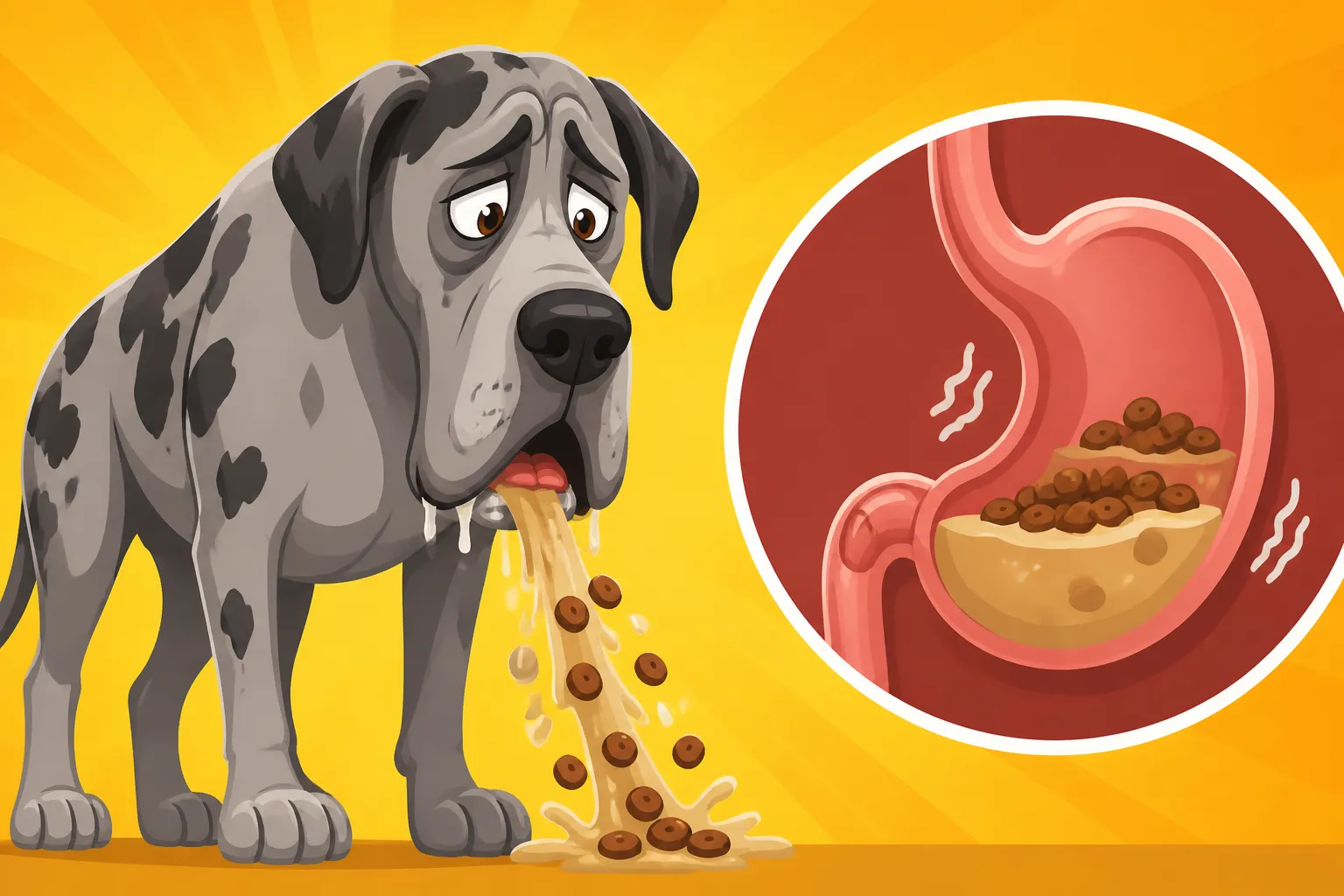
Regurgitation is a passive process. It usually happens shortly after eating, often without much warning or effort from your dog. The food, usually undigested and still looking like kibble, comes up from the esophagus. You might see a little heave, but there's no abdominal heaving, retching, or stomach contractions like you'd expect with vomiting. It’s almost like the food never really made it to the stomach properly. If you've ever had a dog just sort of spit out their food, that's likely regurgitation.
Vomiting, on the other hand, is an active process. You'll notice clear signs of nausea beforehand – drooling, lip-licking, restlessness. Then come the characteristic stomach contractions and forceful expulsion of food, often partly digested, mixed with bile, or foamy. This food comes from the stomach or even the small intestine. If your Dane is looking genuinely sick, hunching, and actively heaving, it’s probably vomiting. The distinction matters because regurgitation often suggests an esophageal issue or eating too quickly, while vomiting points more to gastrointestinal upset, illness, or even systemic problems.
Eating Too Fast: The Dane Gobble
Let's be real: many Great Danes eat like they haven't seen food in a week, even if you just fed them an hour ago. Their enthusiasm is endearing, but it can lead to problems. When a Great Dane inhales their food, they often swallow a lot of air along with it. This rapid ingestion and air gulping can overwhelm their esophagus and stomach, leading to regurgitation. The food simply doesn't have time to properly descend into the stomach, or the stomach gets too distended too quickly.
It's a very common sight – a huge bowl of kibble disappearing in mere seconds, followed by a quiet burp, and then… a pile of undigested kibble on the floor. It’s frustrating because you want them to enjoy their meal, but not at the expense of keeping it down. This "Dane Gobble" isn't just a nuisance; it can also be a risk factor for more serious issues like bloat, which is a major concern for our breed. Addressing fast eating is often one of the simplest and most effective first steps. You can find more tips on Slowing Down a Great Dane That Bolts Food.
Food Sensitivities and Allergies: What Might Not Agree
Just like people, Great Danes can have sensitivities or full-blown allergies to certain ingredients in their food. These aren't always immediate, dramatic reactions. Sometimes, it manifests as chronic low-grade gastrointestinal upset, including regular vomiting or soft stools. Common culprits often include proteins like chicken, beef, dairy, or sometimes grains like corn, wheat, or soy.
If your Dane is consistently bringing up food, especially if it's true vomiting rather than just regurgitation, and there are other signs like itchy skin, paw licking, or recurrent ear infections, a food sensitivity could be at play. The challenge is often figuring out which ingredient is the problem. It can be a long process of elimination, but finding a food that agrees with your dog is incredibly important for their long-term health and comfort. You might consider a limited ingredient diet or a novel protein source as a trial, often available through retailers like Chewy or Amazon. Remember, Changing a Great Dane's Food Gradually is always the best approach to avoid further upset.
When to Worry: Recognizing Red Flags and Seeking Veterinary Help
While some instances of bringing up kibble might be easily explained and resolved at home, there are definitely times when it signals something more serious. As a Great Dane owner, you're constantly monitoring your dog's health, and learning to differentiate between a minor hiccup and a veterinary emergency is crucial. The larger the dog, the more quickly problems can escalate.
Beyond Just Spitting Up: Signs of Serious Issues
If your Great Dane is doing more than just casually dropping undigested kibble, it's time to pay closer attention. Here are some red flags that warrant immediate veterinary consultation:
- Persistent Vomiting: If your Dane is vomiting repeatedly over several hours, or if it happens daily, even with dietary changes, it's concerning. This suggests a deeper gastrointestinal issue, an obstruction, or even an organ problem.
- Lethargy and Weakness: A dog that's not just throwing up but also acting profoundly tired, weak, or unresponsive is a strong indicator that they're unwell and need urgent medical attention.
- Diarrhea: Vomiting combined with diarrhea often points to an acute gastrointestinal infection, pancreatitis, or other serious digestive upset that can quickly lead to dehydration in a large breed.
- Abdominal Pain or Swelling: If your Dane's belly is distended, hard to the touch, or they show signs of pain when you gently press on it, this is an emergency. For Great Danes, this can be a terrifying sign of Bloat in a Great Dane and the One in Three Odds, also known as Gastric Dilatation-Volvulus (GDV), where the stomach twists. Immediate action is critical if you notice any of The Signs of a Great Dane Stomach Twisting.
- Fever: Check their temperature if you have a rectal thermometer. A fever along with vomiting usually indicates an infection or inflammatory process.
- Blood in Vomit: Any streaks of fresh red blood or "coffee grounds" (digested blood) in the vomit is a serious sign of internal bleeding or severe irritation and requires emergency care.
- Weight Loss: Chronic regurgitation or vomiting that leads to noticeable weight loss over time means your dog isn't getting the nutrients they need, pointing to a persistent underlying issue.
Trust your gut feeling as an owner. If something feels "off" with your Great Dane, it's always best to err on the side of caution and call your vet. Their size means they can hide serious symptoms longer, and when they do show them, it's often more advanced.
The Immediate Steps to Take When Kibble Comes Back Up
When your Great Dane throws up their kibble, whether it's regurgitation or vomiting, your immediate response can make a big difference.
- Observe Closely: Note when it happened (right after eating, hours later?), what it looked like (undigested kibble, digested food, bile, foam?), and how it happened (passive spit-up, forceful heaving?). Also, note any other symptoms like lethargy, pacing, drooling, or a distended belly. This information is vital for your vet.
- Withhold Food and Water (Temporarily): If it’s true vomiting, remove food for 12-24 hours to allow the digestive system to rest. Offer small sips of water after an hour or two; if they keep that down, you can slowly increase the amount. If they can’t even hold down water, call your vet immediately, as dehydration is a major concern. For simple regurgitation from fast eating, you might just offer a smaller portion of food after a short break.
- Check for Bloat: This is non-negotiable for Great Danes. If there's any abdominal distension, pacing, retching without producing anything, or obvious discomfort, head to the emergency vet immediately. Time is critical with bloat.
- Contact Your Veterinarian: Even if it seems minor, a quick call to your vet can provide peace of mind and guidance. Describe what you observed, and they can advise whether an immediate visit is necessary or if at-home management is appropriate. If your Dane is lethargic, in pain, or showing any of the serious signs mentioned above, do not wait.
Remember, you are your Great Dane's best advocate. Don't hesitate to seek professional advice when your gut tells you something isn't right.
Dietary Adjustments and Feeding Strategies to Help Your Dane
Once you've ruled out immediate emergencies, turning your attention to your Great Dane's diet and how you feed them is often the next step. Simple changes can make a world of difference in helping them keep their meals down.
The Right Kibble Choice for Sensitive Stomachs
Not all kibble is created equal, especially when it comes to a Great Dane with a sensitive stomach. What works for one dog might not work for another, and sometimes it's a process of trial and error.
- Large Breed Formulas: Many brands offer specific large breed puppy and adult formulas. These are often formulated with a balanced calcium-to-phosphorus ratio to support slower, healthier growth in puppies and joint support in adults, which can impact overall well-being. Look for options from reputable brands.
- Limited Ingredient Diets (LID): If food sensitivities are suspected, an LID formula can be a game-changer. These foods minimize the number of ingredients, usually featuring a single novel protein source (like duck, venison, or lamb) and a single carbohydrate source (like sweet potato or rice). This makes it easier to identify and avoid allergens. You might find several good LID options on platforms like Chewy or Amazon, or even specialized brands like Ollie that deliver fresh, limited-ingredient meals.
- Digestibility: Look for foods with highly digestible ingredients. This means fewer fillers and more quality protein and fat sources. Sometimes, kibble with added prebiotics or probiotics can also support gut health, though discuss these supplements with your vet first.
- Protein and Fat Levels: While Great Danes are large, they don't necessarily need excessively high protein. For an adult Dane, a moderate protein level (around 22-26%) and fat content (around 12-16%) can be appropriate, depending on their activity level and age. Too much protein or fat can sometimes be harder for some dogs to digest. Always consider The Calorie Load a Great Dane Actually Needs to maintain a healthy weight.
| Kibble Type | Best For | Key Features |
|---|---|---|
| Large Breed Formula | Growing puppies, adult Danes | Balanced calcium/phosphorus, joint support, appropriate calorie density |
| Limited Ingredient | Suspected food sensitivities/allergies | Single novel protein & carb source, fewer common allergens |
| Sensitive Stomach | General digestive upset, occasional vomiting | Highly digestible ingredients, often includes pre/probiotics, gentle fiber |
| Grain-Free | Grain sensitivities (controversial) | No corn, wheat, soy. Consult vet as some links to DCM. |
Always introduce any new food gradually over 7-10 days, mixing increasing amounts of the new food with decreasing amounts of the old food. This smooth transition helps prevent further gastrointestinal upset.
Changing Up the Feeding Routine
How you feed your Great Dane is just as important as what you feed them. For a dog prone to bringing up kibble, adjusting the routine can be incredibly impactful.
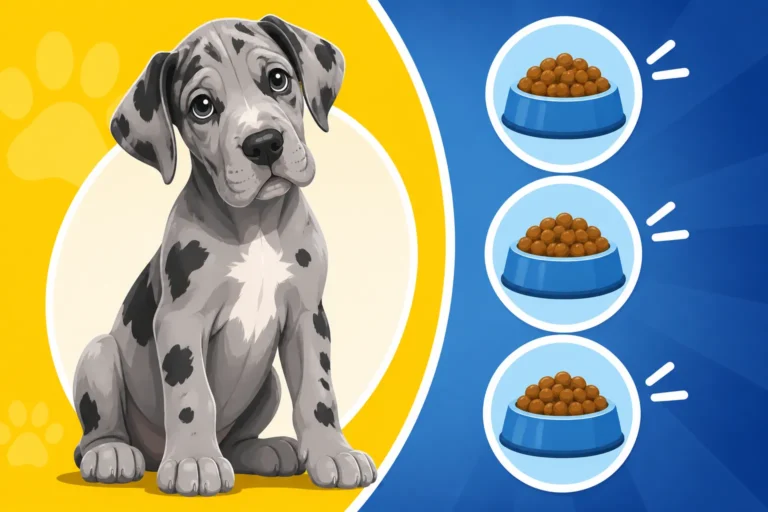
- Smaller, More Frequent Meals: Instead of one or two huge meals, try splitting your Dane's daily ration into three or even four smaller meals throughout the day. This reduces the amount of food in the stomach at any one time, making it easier to digest and less likely to cause regurgitation or discomfort. This also aligns with The Feeding Routine That Lowers Great Dane Bloat Risk.
- Quiet Mealtimes: Ensure your Dane eats in a calm, undisturbed environment. Rushing, excitement, or competition with other pets can lead to faster eating and increased air intake.
- Post-Meal Rest: Absolutely no strenuous exercise, running, or rough play for at least an hour before and, critically, for at least two hours after eating. This is a vital step in preventing bloat and allowing proper digestion. A short, calm potty break is fine, but that's about it. Whether Exercise After Meals Bloats a Great Dane is a serious consideration for all Great Dane owners.
- Consistency: Dogs thrive on routine. Try to feed your Great Dane at the same times each day to help their digestive system anticipate meals and function more smoothly.
Implementing these routine changes can significantly reduce the incidence of your Great Dane struggling to keep their kibble down.
Hydration and Other Dietary Considerations
Beyond the kibble itself, ensuring proper hydration and being mindful of treats can also play a role in your Great Dane's digestive comfort.
- Fresh Water Access: Always provide plenty of fresh, clean water. Good hydration is essential for digestion and overall health. If your Dane drinks too much water too quickly after eating, it can also contribute to stomach upset, so ensure water is available but perhaps not right next to their bowl immediately after a meal if this is a pattern you notice. Keeping Two Water Bowls in a Great Dane House can ensure they always have access without having to rush to one spot.
- Treats in Moderation: Treats are wonderful for training and bonding, but they can also upset a sensitive stomach if given in excess or if they contain problematic ingredients. Opt for single-ingredient treats or those made with ingredients already in their main diet. Avoid high-fat or rich treats, especially close to meal times.
- Avoid Table Scraps: While tempting to share, human food, especially fatty or seasoned items, can wreak havoc on a Great Dane's digestive system and lead to vomiting or diarrhea. It's best to keep their diet consistent with their dog food. Also, be incredibly vigilant about Poisons a Great Dane Can Reach on a Counter, as their height allows them access to many things smaller dogs can't touch.
By making thoughtful choices about their food and how it's presented, you can create a much more comfortable and healthy eating experience for your beloved Dane.
Managing Mealtime Environment and Stressors
Sometimes, it's not just about what they eat or how much, but where and how they're feeling. A Great Dane's environment and emotional state can significantly impact their digestion.
Slow Feeders and Elevated Bowls: Do They Really Help?
These tools are often recommended for fast eaters, but their effectiveness and even safety for Great Danes can be a nuanced topic.
- Slow Feeder Bowls: These bowls have built-in obstacles (ridges, mazes) that force your dog to eat around them, effectively slowing down their kibble consumption. For Great Danes who inhale their food, a slow feeder can be incredibly helpful in reducing the amount of air swallowed and preventing rapid ingestion. They are widely available through retailers like Chewy and Amazon. Just make sure you get one that's genuinely "Great Dane sized" and sturdy enough not to be flipped.
- Puzzle Feeders: Similar to slow feeders, puzzle feeders require your dog to 'work' for their food, dispensing small amounts as they solve a simple puzzle. This turns mealtime into a mental exercise and dramatically slows down eating. This can be fantastic for engaging their minds and promoting slower eating.
- Elevated Bowls: For years, elevated bowls were recommended for large breeds to prevent bloat and improve digestion. The theory was that eating from a raised position would prevent air swallowing and make food descend more easily. However, some studies have actually shown a correlation between elevated bowls and an increased risk of bloat in large and giant breeds. This is a highly debated topic in the veterinary community. Given the serious nature of bloat in Great Danes, many vets now recommend feeding on the floor. It's a prime example of how counter-intuitive some advice can be. If your Great Dane is regularly regurgitating and you use an elevated bowl, it might be worth discussing with your vet whether lowering the bowl could be beneficial. For more details, consult Whether Raised Bowls Help or Hurt a Great Dane.
The key takeaway here is to observe your individual dog. If a slow feeder helps them keep their food down, that's a positive step. If you're using an elevated bowl, definitely have a conversation with your veterinarian about the latest recommendations, especially for a breed as susceptible to bloat as the Great Dane.
Creating a Calm Eating Space
Stress and anxiety aren't just mental states; they have very real physical impacts, including on digestion. A Great Dane who feels stressed or rushed during mealtime is more likely to eat quickly, swallow air, and suffer digestive upset.
- Designated Eating Area: Give your Great Dane their own quiet, consistent space to eat. This could be a corner of the kitchen, a separate room, or a crate. The important thing is that it's a place where they feel safe, calm, and undisturbed.
- Minimize Distractions: During meal times, try to reduce noise, other pets, or human activity that might make your Dane feel anxious or rushed. If you have multiple dogs, feed them separately to prevent competition over food, which can lead to fast eating.
- Routine and Predictability: Great Danes, like most dogs, thrive on routine. Consistent feeding times and locations help create a sense of predictability and security, reducing stress around meals.
- Address Underlying Anxiety: If your Great Dane is generally anxious, addressing that anxiety can have positive ripple effects on their digestion. This might involve training, counter-conditioning, or in some cases, consultation with a veterinary behaviorist. Remember, Whether Stress Sets Off a Great Dane Bloat is a real concern, so managing stress for your Dane is important for more than just digestive comfort.
By carefully considering your Great Dane's feeding methods, diet, and mealtime environment, you can significantly improve their comfort and reduce the distressing instances of them bringing up their kibble. It takes patience and observation, but helping your gentle giant eat happily and digest well is a rewarding part of being a Great Dane owner.
Disclaimer
This article is for general informational purposes only and does not constitute professional advice. Laws, prices and regulations vary by location and change over time. Consult a qualified professional for guidance on your specific situation.