Monthly Medications Dosed at Great Dane Weight
It’s a truth every Great Dane owner comes to realize, usually right around the time you’re picking up their first prescription: everything for a giant breed costs more. And when it comes to monthly medications, this reality hits hard, because the dosage isn't based on how cute they are, but purely on their colossal weight. You’re not just paying for a pill; you're paying for a dose formulated for a dog that can easily outweigh an adult human. This guide will deep dive into the specific monthly medications Great Danes commonly need, why their size inflates the cost, and what you can do to manage these significant expenses.
The Giant Reality of Great Dane Medication Dosing
Bringing a Great Dane into your home means embracing their incredible size, not just in terms of cuddles and couch space, but also when it comes to their healthcare. Medications, especially those given on a monthly basis, are a prime example of where their impressive stature translates directly into significantly higher costs. It’s a frustrating reality for many owners who discover that their monthly preventative bill can be more than double or triple that of a smaller breed.
Why Weight Dictates Dosage
The fundamental principle behind medication dosage for animals (and humans!) is the animal's body weight. This is because medications are absorbed, distributed, metabolized, and excreted by the body, and the rate at which these processes occur is largely dependent on the animal's size and metabolic rate. A larger animal has more blood volume, more tissue to distribute the drug to, and often a higher metabolic capacity, meaning they require a greater amount of the active ingredient to achieve the desired therapeutic effect. For a Great Dane, which can easily tip the scales at 120-180 pounds or more, this means they often fall into the highest weight bands for most medications.
Think about it this way: a tiny Chihuahua might need a quarter of a tablet, while your Dane needs two full, large tablets, or even more of a liquid formulation. It’s not simply a linear increase; often, the jump between weight categories in commercial medications leads to disproportionate price hikes. You might be paying for the "extra large dog" category, which is designed to cover a broad range, but your Dane is often at the very top of that range, needing the maximum dose. This fundamental scientific reality is why Why Every Great Dane Bill Is Bigger extends to even the smallest pill.
The Volume of Medication Needed
Beyond the active ingredient, the sheer volume of medication can be startling. If your Great Dane needs a liquid medication, you'll be going through bottles at a much faster rate than someone with a smaller dog. Oral tablets for larger dogs are also, predictably, larger. This isn't just about cost; it's about storage, administration, and sometimes, even getting your discerning Dane to take the medication. You might find yourself needing to stock up more frequently, or needing multiple boxes of a preventative for just one dog to cover a few months.
For owners with more than one Great Dane, or perhaps a Dane alongside a smaller dog, the difference in medication volume and cost becomes glaringly apparent. It’s not uncommon to hear stories of owners needing to buy multiple packs of the largest size of flea and tick prevention just to cover their Dane for a few months, whereas a smaller dog's supply might last half a year or more. This constant need to replenish supplies adds not only to the financial burden but also to the mental load of managing their care.
The Scale of the Cost Difference
Let's talk numbers, because that’s where the real frustration often lies. For a monthly heartworm preventative, a small dog might cost $8-$15 per month. For your Great Dane, that same preventative, in the appropriate weight-dosed form, can easily run you $35-$70 per month, sometimes even more depending on the brand and active ingredients. Flea and tick prevention shows a similar jump. Over a year, these "small" monthly expenses compound into hundreds, if not over a thousand dollars, just for basic preventatives.
This cost difference isn't just an inconvenience; it can be a significant financial strain. Many new Great Dane owners, excited by the prospect of a gentle giant, don't fully grasp the scale of these ongoing expenses until they’re standing at the vet counter. It's a key part of understanding The Short Expensive Life of a Great Dane – it's not just emergencies, but the everyday care that adds up. These cumulative costs mean that diligent budgeting and financial planning are crucial from day one of Great Dane ownership.
Essential Monthly Preventatives for Your Giant
There are certain monthly medications that are non-negotiable for almost every dog, regardless of breed. For Great Danes, these essential preventatives are critical for protecting their health, but their size significantly impacts the financial outlay. Skipping these preventative measures to save money is a risky gamble that can lead to far more expensive treatments down the line.
Heartworm Prevention at Great Dane Doses
Heartworm disease is a serious and potentially fatal condition spread by mosquitoes, and prevention is absolutely key. Most veterinarians recommend a monthly oral or topical preventative. For a Great Dane, finding a heartworm medication that covers their substantial weight category is paramount. Brands like Interceptor Plus, Heartgard Plus, or Sentinel Spectrum are common choices, and they all have specific dosing for large and extra-large dogs.
The cost for these can be a real eye-opener. While a 6-month supply for a smaller dog might be around $50-80, a 6-month supply for a Great Dane can easily exceed $200. This is one of the most consistent and unavoidable monthly expenses. Missing a dose puts your Dane at risk, and the treatment for actual heartworm disease is incredibly expensive, arduous, and carries its own risks, making consistent prevention a wise, albeit costly, investment. Many owners opt to buy a year's supply at once, often through their vet, to ensure continuity and sometimes to get a minor discount.
Flea and Tick Control for a Large Surface Area
Fleas and ticks aren't just an annoyance; they can transmit diseases like Lyme disease, Ehrlichiosis, and Anaplasmosis, which can be particularly debilitating for a large breed like a Great Dane. Monthly chewables or topical solutions are the most common forms of prevention. Again, your Dane will require the highest dose, designed for dogs over a certain weight threshold, usually around 80-120 lbs, which your Dane will quickly surpass or already be well beyond. Popular choices include Bravecto (which offers 3-month protection and often has a large dog option), NexGard, Simparica Trio, or K9 Advantix II.
The sheer size of a Great Dane means more surface area for fleas and ticks to inhabit, and therefore, a larger dose of medication is needed to provide effective coverage. Costs for these preventatives can range from $25-$50 per month. Just like heartworm medication, purchasing a 6-month or 12-month supply at once can sometimes offer a slight savings, but the overall cost remains substantial. You’ll be keenly aware of Flea Prevention Priced by Great Dane Weight every time you pick up a new box.
Other Routine Monthly Needs
While heartworm and flea/tick prevention are the big two, there can be other routine monthly needs that add to your Great Dane’s medication bill. These might include monthly dewormers, especially for puppies or dogs in high-risk areas, or specific probiotics if your Dane has a sensitive stomach. While less common to be strictly "monthly" for adult dogs, these occasional needs are still dosed by weight and can add up.
Even seemingly minor things like specific joint support chews that aren't technically "medications" but are therapeutic, or specialized supplements, can be consumed at a monthly rate that far outstrips what a smaller dog would need. Understanding The Yearly Checkup a Great Dane Needs is vital, as your vet will advise on all necessary monthly preventatives and other supplements based on your dog's individual needs and your local environment.
Managing Ongoing Medications for Common Great Dane Ailments
Beyond essential preventatives, Great Danes are, unfortunately, prone to a handful of serious health conditions that often require ongoing, sometimes lifelong, monthly medications. These can significantly increase your routine veterinary expenses and demand careful financial planning.
Joint Supplements and Early Intervention
Great Danes are predisposed to various orthopedic issues, including hip and elbow dysplasia, osteochondritis dissecans (OCD), and arthritis, largely due to their rapid growth and immense size. Many vets recommend starting joint supplements proactively, even in younger Danes, as a preventative measure. Common ingredients include glucosamine, chondroitin, MSM, and Omega-3 fatty acids. These aren't typically prescription medications, but they are crucial for maintaining joint health and can be a significant monthly cost.
Because Great Danes are so large, they require much higher doses of these supplements than smaller breeds. What might be a single chew for a medium dog could be three or four for your Dane. Brands like Cosequin, Dasuquin, or even specialized veterinary formulas are popular, and their monthly cost can range from $30-$80 or more, depending on the brand and dosage. It's worth researching Whether Joint Supplements Reach a Great Dane's Dose to ensure you're providing effective support. While it feels like a big expense, early intervention with quality supplements can potentially delay the onset or severity of more painful and costly joint problems down the road.
Cardiac Medications for DCM
One of the most devastating conditions Great Danes are prone to is Dilated Cardiomyopathy (DCM), a heart muscle disease where the heart becomes enlarged and weakened. Many Great Danes will, sadly, develop DCM at some point in their lives, often in middle age. Once diagnosed, managing DCM typically involves a cocktail of daily, lifelong medications, all dosed according to their considerable weight. Common medications include Pimobendan (Vetmedin), Furosemide (Lasix), Enalapril or Benazepril, and Spironolactone.
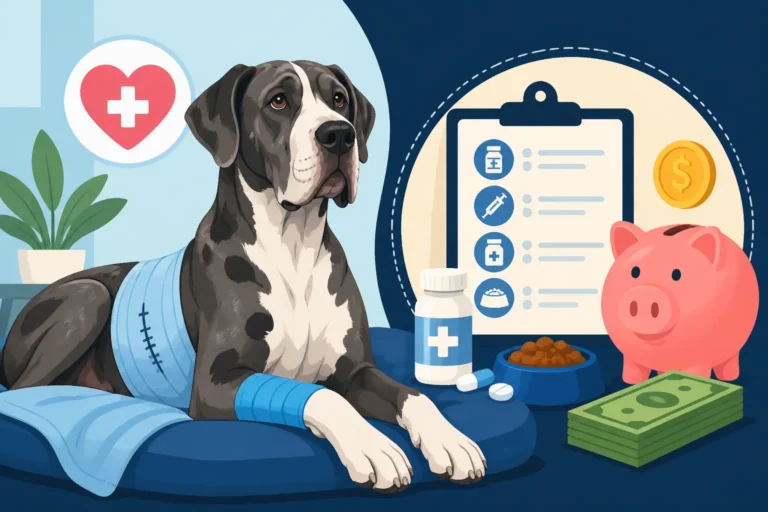
The cost of these cardiac medications can be astronomical. Pimobendan alone, which is often a cornerstone of DCM treatment, can cost several hundred dollars per month for a large Dane. When combined with diuretics and ACE inhibitors, the total monthly bill can easily exceed $400-$600, possibly more. This is where the reality of The Heart Muscle Disease Great Danes Are Prone To truly hits home financially. Owners facing this diagnosis often find themselves juggling multiple prescriptions and astronomical monthly costs, making the discussion about Medication for a Great Dane With DCM a frequent one with their vet.
Thyroid and Other Hormonal Treatments
Another condition that sometimes requires lifelong medication in Great Danes is hypothyroidism, where the thyroid gland doesn't produce enough hormones. While not as common or devastating as DCM, it does require daily, ongoing medication, typically a synthetic thyroid hormone like Levothyroxine. Again, the dose is weight-dependent, meaning a higher monthly cost compared to a smaller dog.
Symptoms of hypothyroidism can include lethargy, weight gain, hair loss, and intolerance to cold, and proper medication can significantly improve a Dane's quality of life. The monthly cost for Levothyroxine is generally more manageable than cardiac meds, usually in the range of $20-$50. However, it's another recurring expense that adds to the overall cost of care. Other less common hormonal imbalances or conditions requiring daily medication will also follow the same weight-based dosing and cost pattern.
Strategies for Budgeting and Saving on Monthly Meds
Facing down potentially hundreds of dollars in monthly medication costs for your Great Dane can feel overwhelming. However, there are proactive steps you can take to manage these expenses without compromising your beloved dog's health. It requires a bit of research, organization, and sometimes, direct communication with your veterinary team.
Comparing Pharmacy Costs and Generic Options
One of the easiest ways to save on ongoing medications is to shop around. Your veterinary clinic will often fill prescriptions, but they might not always offer the most competitive pricing, especially for maintenance drugs. Online pet pharmacies like Chewy's pet pharmacy, PetMeds, or even human pharmacies like Costco, Walmart, or CVS, can often offer significant savings on generic versions of common medications, or even on brand-name drugs. Always ensure that you're using a reputable, accredited pharmacy.
When comparing, ask your vet if a generic version of a drug is appropriate for your Dane. For example, many common cardiac medications or thyroid medications have readily available and equally effective generic formulations that cost a fraction of the brand-name price. Always get a written prescription from your vet so you can take it to the pharmacy of your choice. Don't be afraid to ask for a price match or to discuss cost-saving options with your vet; they want your Dane to be healthy, too.
The Role of Pet Insurance in Long-Term Costs
This cannot be stressed enough: pet insurance is not a luxury for Great Dane owners; it's often a necessity for long-term financial stability. While no insurance will cover pre-existing conditions, enrolling your Great Dane when they are a puppy or young adult, before any major health issues arise, can be a game-changer for managing monthly medication costs. Many comprehensive pet insurance plans, like those offered by Healthy Paws, cover a percentage of prescription medication costs for covered conditions, including those for chronic illnesses like DCM or arthritis.
Imagine paying 80-90% less on those $400+ monthly cardiac medications – it could save you thousands over your Dane's lifetime. While you still pay the premium, which will be higher for a Great Dane due to their breed-specific risks and overall higher cost of care, the peace of mind and financial relief during a health crisis are invaluable. Researching Premiums Quoted on a Great Dane and understanding Whether Pet Insurance Is Essential for a Great Dane is a crucial step for any prospective or current owner. It's an investment that can prevent you from having to make heartbreaking financial decisions later on.
Exploring Subscription Services and Bulk Buys
For certain over-the-counter supplements or even some prescription medications, subscription services or buying in bulk can offer a discount. Some online retailers provide a percentage off if you sign up for auto-shipments, which can be convenient for things like joint supplements or specific veterinary diets. Similarly, if your vet offers a discount for purchasing a 12-month supply of heartworm or flea/tick prevention, it’s often worth the upfront cost if you have the budget.
Always do the math to ensure a bulk purchase truly saves you money, and check expiration dates. For large breeds, the cost savings can be significant. Sometimes, local veterinary offices or online pharmacies will run promotions, particularly around seasonal preventative needs. Being proactive and monitoring these deals can shave valuable dollars off your monthly budget for your giant companion.
The Holistic Approach: Diet and Lifestyle for Reduced Medication Reliance
While some conditions are genetically predisposed and unavoidable, providing a Great Dane with optimal nutrition, appropriate exercise, and consistent veterinary care can significantly support their overall health, potentially reducing the need for certain medications or slowing the progression of age-related issues. It’s an investment in their long-term well-being that can pay dividends.
High-Quality Nutrition as Preventative Care
A Great Dane's diet is foundational to their health, especially during their critical growth phases. Feeding a high-quality, large-breed specific puppy food that supports slow, steady growth is essential to minimize orthopedic problems like hip and elbow dysplasia later on. As adults, a balanced diet with appropriate protein, fat, and controlled calcium levels can help maintain a healthy weight, which is paramount for joint health. Overweight Danes put undue stress on their large frames, accelerating joint degeneration and potentially leading to a greater need for pain management and joint supplements.
Consider premium dog food brands designed for giant breeds. Some owners even explore fresh or raw food options, with services like Ollie delivering tailored meals. While these might have a higher upfront cost, investing in optimal nutrition can reduce inflammation, support organ function, and provide the building blocks for a strong immune system, potentially warding off some health issues. It's a component of Joint Support Built Into Great Dane Food and an important aspect of overall health. Discussing your Dane's diet with your vet and understanding Monthly Food Spending on a Great Dane in context of health outcomes is key.
Appropriate Exercise for Joint Health
Great Danes need exercise, but it must be carefully managed, especially during their growth period. Over-exercising a growing Great Dane puppy can put immense strain on their developing joints and growth plates, leading to painful and potentially lifelong orthopedic problems that require medication. Leash walks, controlled playtime, and swimming are excellent low-impact options. As adults, regular, moderate exercise helps maintain muscle mass, supports joint flexibility, and keeps them at a healthy weight.
Conversely, a sedentary lifestyle can lead to obesity and muscle atrophy, exacerbating joint issues and other health problems. Balancing activity with rest is crucial. For older Danes, gentle, consistent movement can help manage arthritis symptoms and reduce the reliance on daily pain medication. Avoiding high-impact activities, especially on hard surfaces, throughout their lives can make a difference in their joint longevity.
Regular Vet Checks as Early Warning Systems
Consistent, routine veterinary examinations are perhaps one of the most powerful preventative tools you have as a Great Dane owner. Annual (or even twice-yearly for seniors) check-ups allow your vet to catch subtle signs of health issues before they become advanced and require more aggressive, and often more expensive, medication regimens. For example, Screening a Great Dane's Heart Each Year can detect early signs of DCM, allowing for earlier intervention that might slow the progression of the disease and potentially reduce the amount or intensity of medication needed over time.
Regular blood work, especially as your Dane ages, can flag early kidney, liver, or thyroid issues. Discussing any changes in behavior, appetite, or mobility, no matter how minor they seem, with your vet can lead to early diagnosis. This proactive approach can mean the difference between managing a condition with minimal medication versus a full-blown crisis requiring extensive medical intervention and a hefty bill of monthly drugs.
Disclaimer
The information provided in this article is for general informational purposes only and is not a substitute for professional veterinary advice. Always consult with a qualified veterinarian for any health concerns or before making any decisions related to your Great Dane's medical care, diet, or treatment plan. Individual needs may vary.