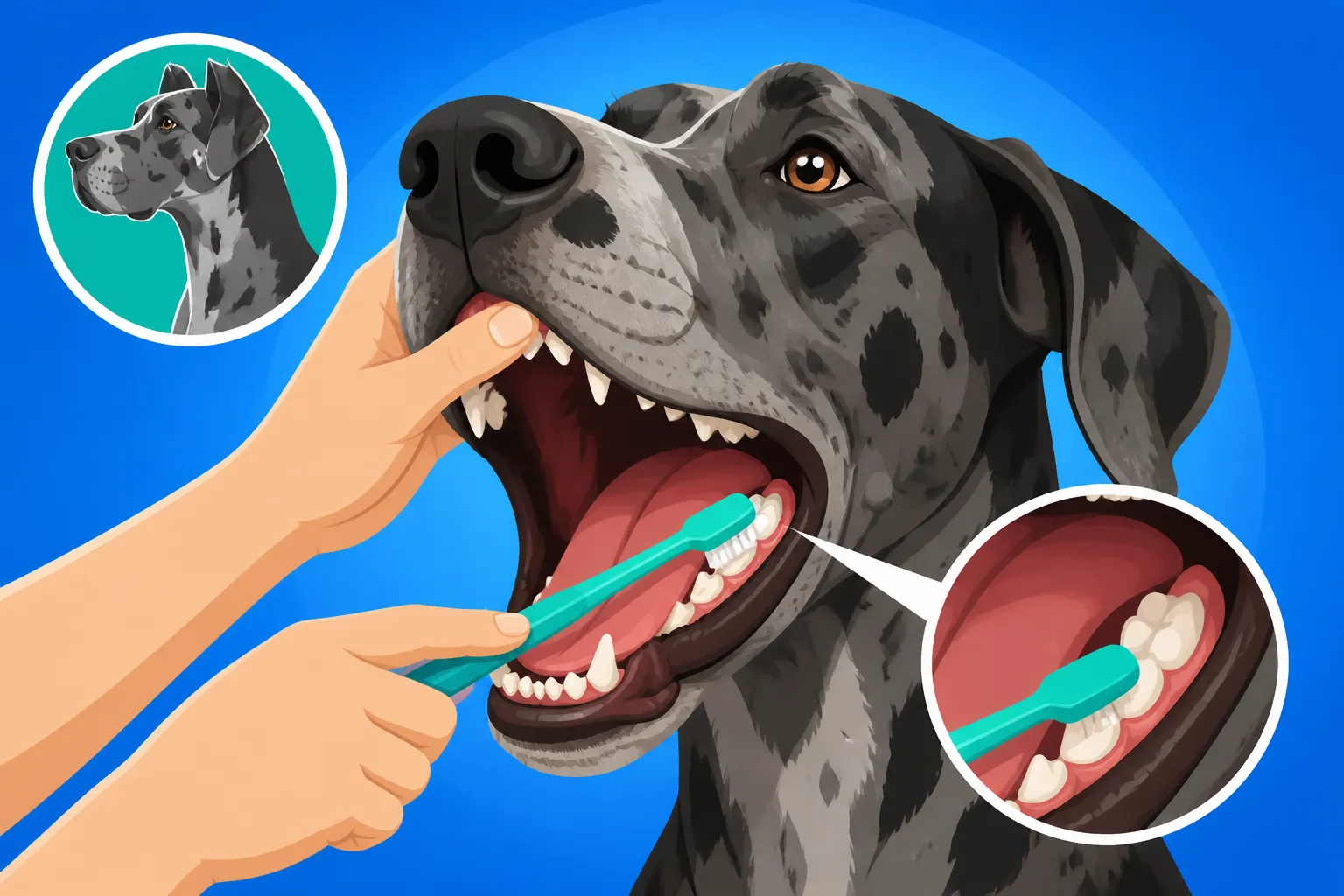
Getting a Brush Around a Great Dane’s Back Teeth
Getting a toothbrush into the cavernous, yet surprisingly tight, space of a Great Dane’s mouth to reach those deep back molars can feel like trying to clean a submarine in a bathtub – utterly impossible. We all know the importance of canine dental hygiene, but for those of us living with these magnificent giants, the sheer scale of the task, coupled with a Dane’s often reluctant cooperation, can make regular brushing a frustrating battle. This guide is here to walk you through practical strategies, suitable tools, and realistic expectations for effectively cleaning your Great Dane’s back teeth, ensuring their oral health doesn’t become an overlooked casualty of their imposing size.
The Unique Challenges of Great Dane Dental Care
Living with a Great Dane is a unique adventure, and their dental care presents its own set of hurdles that owners of smaller breeds rarely encounter. It’s not just about brushing a dog’s teeth; it’s about navigating a giant, often stubborn, head and mouth to reach areas that seem perpetually out of reach. This isn't a problem of negligence; it's a genuine logistical puzzle.
Why Back Teeth Are So Tricky
Let's be honest, trying to get a small toothbrush past those massive canines and then deep into the back of your Great Dane's mouth to scrub their molars feels like an Olympic sport. Their mouths are enormous, yet the actual opening and the angles you need to hit are surprisingly restrictive. Their jowls, while wonderfully expressive, can obscure your view and get in the way. Plus, Danes have incredibly strong jaws. Even the most gentle giant can clamp down, not out of malice, but just from instinct or confusion, making you acutely aware of the power behind those pearly whites.
The sheer size difference between you and your dog makes things inherently difficult. If you've got a Great Dane puppy, you might be thinking, "This isn't so bad," but remember, they grow fast. What's manageable at six months becomes a wrestling match at a year and a half. The molars and premolars at the back are primarily responsible for grinding food, making them prime targets for plaque and tartar accumulation. These are also the teeth that are hardest to access, creating a perfect storm for dental issues if left unaddressed. It’s a common frustration, feeling like you’re doing everything right, but those back teeth just mock your efforts from afar.
Understanding Dental Disease in Giant Breeds
Dental disease isn't just about bad breath; it's a serious health concern that can impact your Great Dane's overall well-being. Because of their larger mouths and often longer snouts, Great Danes have more surface area for plaque and tartar to build up. This means the problem can escalate quickly if a consistent oral hygiene routine isn't in place. Imagine the amount of surface area on a Great Dane's molar compared to, say, a Jack Russell's – it's significantly more real estate for bacteria to colonize.
Left unchecked, plaque hardens into tartar, which then irritates the gums, leading to gingivitis. If gingivitis progresses, it can turn into periodontal disease, causing painful gum recession, bone loss, and eventually, tooth loss. The consequences go beyond the mouth, too. Bacteria from infected gums can enter the bloodstream and travel to vital organs like the heart, kidneys, and liver, potentially leading to more severe systemic health issues. For a breed already prone to certain health conditions, like The Heart Muscle Disease Great Danes Are Prone To, preventing any additional stress on their systems is paramount. Regular brushing, especially targeting those often-neglected back teeth, is a key preventative measure against these painful and potentially life-threatening complications.
Tools and Techniques for Reaching Those Back Molars
Okay, so we know it’s a challenge, but it's not an impossible one. The secret lies in arming yourself with the right tools and a generous helping of patience. Think of yourself as a dental special operative, planning your approach carefully.
Choosing the Right Brush and Toothpaste
This isn't a one-size-fits-all situation, especially with a Great Dane. You'll likely need to experiment to find what works best for both you and your gentle giant.
First, let's talk brushes:
- Finger Brushes: These slip over your finger and have soft bristles. They're great for puppies or Danes who are very tolerant, as they allow for a direct feel of the tooth surface. However, for those deep back molars, your finger might not be long enough, or your Dane might find your finger in their mouth less appealing than a proper brush.
- Long-Handled Brushes: These look more like human toothbrushes but are designed for dogs, often with a different angle or softer bristles. The longer handle is crucial for reaching those far-back teeth without putting your hand too deep into their mouth. Some even have a dual-head design, with a larger brush on one end and a smaller one for tighter spots.
- Multi-Sided Brushes: These brushes have bristles on three sides, effectively cleaning the front, back, and top of the tooth simultaneously. For a wriggly Great Dane, this can cut down on brushing time and increase efficiency, as you don't have to angle the brush perfectly for each surface.
- Electric/Sonic Brushes (for pets): While an investment, some owners find these incredibly effective. The vibrations help break down plaque, and they often require less scrubbing effort on your part, which can be a relief when dealing with large teeth. However, the noise and vibration can be a deterrent for some sensitive Danes.
For toothpaste, always use veterinary-specific toothpaste. Human toothpaste contains fluoride and other ingredients that are toxic if swallowed by dogs, and trust me, your Dane will swallow it. Pet toothpastes come in appealing flavors like poultry, beef, or even peanut butter, which can make the experience more palatable for your dog. You might find these specialized brushes and enzymatic toothpastes readily available on trusted pet supply sites like Amazon or Chewy.
When I had my first Dane, Brutus, I started with a finger brush, thinking it would be less intimidating. He tolerated it for his front teeth, but reaching his back molars was a no-go. I switched to a long-handled, angled brush, and that made all the difference. The extra reach meant I wasn't fighting his jowls as much, and he seemed less bothered by it.
The Art of the Great Dane Tooth Brushing Session
Alright, you've got your gear. Now, how do you actually get the job done? It’s less about brute force and more about finesse, patience, and making it a positive experience.
- Preparation is Key: Gather everything before you start. Have your chosen brush and toothpaste ready, a small towel for drool, and plenty of high-value treats. Pick a quiet time when your Dane is relaxed, perhaps after a nice walk or a cuddle session. Don't try this when they're wired from playtime.
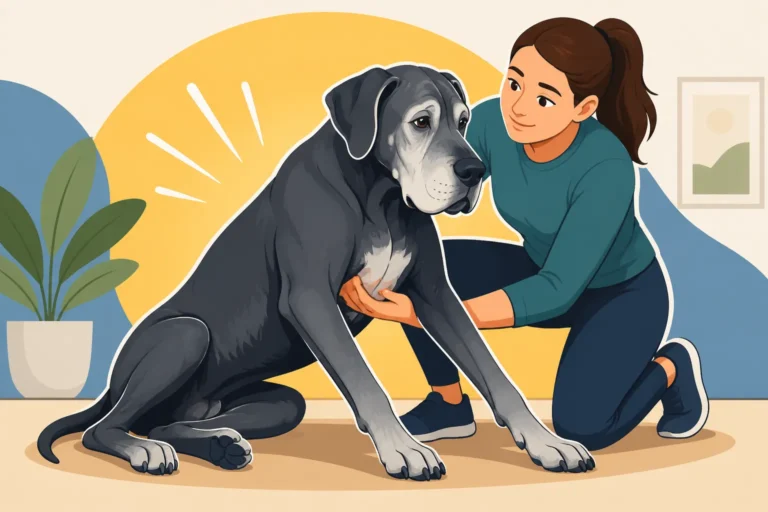
- Positioning: For a giant breed, getting them into a comfortable position for both of you is essential. Many owners find kneeling beside or behind their Dane, who might be sitting or lying down, works best. This gives you better control over their head and mouth, and they're less likely to try and back away. Some Danes are even amenable to standing while you kneel or sit on a low stool beside them.
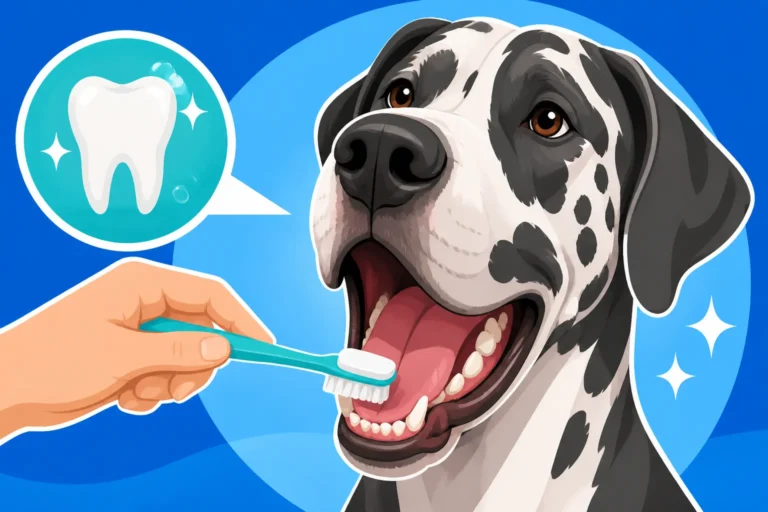
- The Approach: Start by gently lifting their upper lip to expose the teeth. Don’t try to pry their mouth open wide right away. You’re aiming to get the brush on the outside surface of the teeth first. Focus on a few teeth at a time, gradually working your way back.
- Targeting Back Teeth: This is where the long-handled brush or multi-sided brush shines. Gently slide the brush into the side of their mouth, aiming for the back molars. You don't need to scrub vigorously; soft, circular motions are effective. Angle the bristles towards the gum line, as this is where plaque tends to accumulate most. Work quickly but gently, brushing for about 15-30 seconds on each side of the mouth if your Dane tolerates it. Remember, consistency is more important than perfection. If you can only get to a few teeth effectively each session, that’s still a win.
- Positive Reinforcement: Shower your Dane with praise and treats throughout the process, especially after you've managed to reach those tricky back teeth. Make it a reward-filled event. The more positive associations they have with it, the easier future sessions will be. The Manners a Great Dane Needs Before It Grows is definitely something to apply to dental care – start early and make it a good experience! Even a quick dab of toothpaste on their tongue at the beginning can help them associate the smell and taste with a good thing.
Remember, this is a learned behavior for your dog. Some will take to it faster than others. Don't get discouraged if your first few attempts are clumsy or short-lived. Just keep at it, a little bit each day.
Beyond the Brush: Supplemental Dental Care Options
While brushing is the gold standard for dental hygiene, it’s understandable that it won't always be a perfect process, especially with those hard-to-reach back molars. Luckily, there are other tools in our arsenal that can support oral health, though none fully replace manual brushing.
Dental Chews and Toys Sized for a Great Dane
Dental chews are an excellent supplemental tool, working through mechanical abrasion and sometimes enzymatic action to help reduce plaque and tartar. The key here, especially for Great Danes, is size and durability. You need chews that are appropriately sized for their massive jaws – anything too small becomes a choking hazard or is swallowed in seconds, offering no dental benefit.
Look for dental chews that are specifically designed for large or giant breeds. Many of these have a texture that helps scrub the tooth surface as your dog chews. Some also contain ingredients like hexametaphosphate (SHMP) which helps prevent plaque from mineralizing into tartar. Brands like Greenies, Dentastix, or certain Nylabones offer options in larger sizes. Always supervise your Great Dane when they're enjoying a dental chew to ensure they don't try to swallow a large piece whole. Many of us stock up on durable chews from places like Chewy or specialty pet stores, ensuring we always have something on hand to help with their teeth. Don't forget, toys can also contribute! Hard rubber toys designed for heavy chewers, or even specific dental toys with nubs and ridges, can provide some gentle scraping action as your Dane plays.
Water Additives and Oral Rinses
Water additives and oral rinses offer another layer of protection, particularly if you’re struggling with consistent brushing of those back teeth. These products typically contain ingredients that help reduce bacteria in the mouth, freshen breath, and can inhibit plaque formation.
- Water Additives: These are usually tasteless and odorless liquids that you add to your Great Dane’s drinking water. They work systemically or locally to reduce bacteria. While convenient, they are generally considered the least effective standalone dental care option. They're best used as a supplement to other methods, not a replacement.
- Oral Rinses/Sprays: These are applied directly into your dog’s mouth. Some contain chlorhexidine, an antiseptic, while others use enzymes to break down plaque. Sprays can be particularly useful for targeting those back teeth that are hard to reach with a brush. You simply lift the jowl and spray directly onto the molars. Your Dane might not love the spray, but it's often quicker and less intrusive than a full brushing session, making it a good "stop-gap" for problematic areas.
It’s crucial to remember that while these can help, they do not provide the same mechanical cleaning action as brushing. Think of them as allies in your dental care routine, not replacements for the main effort.
The Role of Professional Dental Cleanings
Even with the most diligent home care, professional dental cleanings are often essential for Great Danes. Just like with humans, there are areas that even the best brushing can't quite get to, and over time, tartar will build up. A professional cleaning performed by a veterinarian involves scaling and polishing the teeth, often under general anesthesia, to remove all plaque and tartar, including below the gum line.
For Great Danes, the thought of anesthesia can be a worry for many owners due to their size and predisposition to conditions like dilated cardiomyopathy (DCM). This concern is valid, and it’s why pre-anesthetic bloodwork and a thorough cardiac workup are incredibly important before any procedure requiring sedation. Anesthesia Risk in a Great Dane is a real consideration, so discussing all concerns with your vet is crucial. They will assess your Dane's health, recommend appropriate pre-anesthetic testing, and tailor an anesthesia protocol to minimize risks.
During the cleaning, your vet can also assess the overall health of each tooth, check for gum disease, and identify any painful or problematic teeth that might require extraction. The frequency of professional cleanings varies depending on your Great Dane's individual needs and the effectiveness of your home care, but many vets recommend annual or biennial cleanings. While the cost of Dental Work on a Great Dane can be significant, especially when factoring in the size of the dog and anesthesia, it's an investment in their long-term health and comfort. Regular professional cleanings, combined with consistent home care, offer the best defense against severe dental disease.
Making Dental Care a Positive Experience for Your Great Dane
It's easy to get caught up in the task of dental care, but for a Great Dane, their temperament and willingness to cooperate are everything. Building a positive foundation from the start will make your life, and theirs, infinitely easier.
Starting Early and Building Positive Associations
If you have a Great Dane puppy, you're in a prime position to set them up for a lifetime of easy dental care. Start handling their mouth from a very young age. This isn't about immediate brushing; it's about making them comfortable with your fingers around their muzzle, lifting their lips, and gently touching their gums and teeth. Make it a game, reward every positive interaction with praise and treats. Even just a quick touch-and-treat session daily can build incredible tolerance.
You can introduce a tiny bit of dog-specific toothpaste on your finger for them to lick, associating the taste with a good thing. Then, gradually introduce the brush, letting them sniff it, lick the paste off it, and then eventually, a quick, gentle swipe on their front teeth. Don't rush it. The goal is to avoid making it a scary or negative experience. If they pull away, stop, try again later, and end on a positive note, even if it’s just a successful lick of the paste. This early conditioning will pay dividends when they're 150 pounds and you're trying to reach their back molars. It's similar to the advice for Teaching a Great Dane to Have Its Feet Handled for nail trims – positive, gradual exposure is key for large, sensitive dogs.
Troubleshooting Common Challenges
Even with the best intentions, you might hit some snags. Your Great Dane might resist, try to mouth the brush, or simply back away. These are normal reactions.
- Resistance/Head Turning: If your Dane is turning their head away, try a different approach. Can you sit on the floor with them between your legs (facing away from you, so you can reach from behind their head)? Or try standing beside them and leaning over. Shorten the sessions dramatically. Just one or two teeth per side might be all you achieve initially.
- Mouth Nipping/Biting the Brush: This is often a sign of playfulness or confusion, not aggression. Redirect their attention. Give them a verbal "no" or a gentle "ah-ah" and pause. If they consistently try to chew the brush, try a finger brush initially so they're only interacting with your finger, which is easier to remove quickly. Ensure you're using toothpaste they genuinely like, as sometimes an unappealing flavor can make them resist.
- Fear/Anxiety: If your Great Dane seems genuinely fearful, trembling, or trying to hide, stop immediately. Pushing through will only make it worse. You'll need to go back to basics, associating the brush and handling with extremely high-value rewards. Slowly desensitize them to the sight, smell, and feel of the brush. If the fear is persistent or severe, consider consulting your vet or a certified professional dog trainer or veterinary behaviorist. They can offer tailored strategies and potentially help build Building Confidence in a Nervous Great Dane. Sometimes, a different angle or even a different room can change the dog's perception.
Remember, a consistent, calm, and positive approach will always win out over force with a Great Dane. They respond to trust and gentle leadership.
Consistency is Key
The most important takeaway for Great Dane dental care is consistency. You don't need to be a professional hygienist, and your sessions don't need to be marathon events. Even if you can only manage a minute or two, two or three times a week, focusing on those critical back teeth, you're making a huge difference.
Integrate dental care into your daily or weekly routine. Maybe it's after their evening meal, or right before their last potty break. Making it predictable helps your Dane understand what's coming and often leads to less resistance over time. Keep the supplies easily accessible. A designated "dental drawer" or caddy in the bathroom means you're not scrambling to find everything when you finally have a moment.
Plaque starts forming within hours of eating, so regular removal is paramount. While professional cleanings handle the big picture, your consistent efforts at home are the frontline defense against painful dental disease. It’s a small amount of time that buys your Great Dane immense comfort and potentially a longer, healthier life. Every little bit counts towards keeping their massive, magnificent smile healthy and bright.
| Dental Care Tool | Pros for Great Danes | Cons for Great Danes | Best Use Case |
|---|---|---|---|
| Finger Brush | Good for gentle introduction, direct tactile feedback. | Limited reach for back molars, risk of finger biting. | Puppies, highly tolerant Danes, front teeth only. |
| Long-Handled Brush | Excellent reach for back molars, comfortable for owner. | Requires more cooperation, can be bulky for smaller mouths. | Regular brushing of adult Danes, all teeth. |
| Multi-Sided Brush | Cleans multiple surfaces at once, reduces brushing time. | Can be bulky for narrow mouths, may not fit all angles. | Efficient cleaning for cooperative Danes. |
| Pet Electric/Sonic Brush | Highly effective plaque disruption, less scrubbing needed. | Noise/vibration can scare some Danes, higher cost. | Advanced cleaning for desensitized, tolerant Danes. |
| Dental Chews (Large Breed) | Good for mechanical abrasion, enzymatic action, enjoyable for dog. | Can be consumed quickly, may not reach all surfaces, choking hazard if not size-appropriate. | Supplement to brushing, reward, general oral health. |
| Water Additives | Convenient, freshens breath, reduces general oral bacteria. | Minimal plaque removal, requires consistent use, least effective standalone. | Daily general oral hygiene support. |
| Oral Rinses/Sprays | Direct application to specific areas, quick, can use antiseptics. | Can be startling to dogs, does not replace mechanical brushing. | Targeting specific problem areas, quick intervention. |
Disclaimer
This article is for general informational purposes only and does not constitute professional advice. Laws, prices and regulations vary by location and change over time. Consult a qualified professional for guidance on your specific situation.