Plaque on a Great Dane’s Back Molars
Spotting plaque on your Great Dane's back molars can feel like a daunting challenge, especially when you consider the sheer size of their mouth and how difficult it can be to get a good look in there. It's a common worry for many Dane parents, as these gentle giants are often predisposed to dental issues that can quickly escalate from a yellow film to something much more serious. This guide is here to walk you through understanding why those back teeth are so vulnerable, how to spot trouble, and most importantly, what practical steps you can take at home and with your vet to keep your big pal's pearly whites, well, pearly and white.
Why Great Danes Are Prone to Plaque Buildup on Back Molars
It’s not just bad luck that our beloved Great Danes often end up with plaque and tartar building up faster than we can say "good boy." Their unique anatomy and chewing habits play a huge role, making those far-back molars a prime target for dental issues. It’s a battle many of us fight, and understanding the battlefield is the first step.
The Anatomy of a Great Dane's Mouth
When you look at a Great Dane’s mouth, you see power. Those large jaws are designed for holding, and while they might not be actively chasing wild boar anymore, their mouth structure still reflects that heritage. The sheer size of their teeth, particularly the molars at the back, can sometimes work against them. Imagine trying to clean a tiny crevice with a huge brush; it’s a bit like that for food particles in a Dane’s mouth.
Their jaws are long, and sometimes the alignment of their teeth, while perfectly normal for the breed, can create little pockets and spaces that are hard for the tongue and normal chewing action to clean naturally. These are perfect hiding spots for food debris. Over time, this debris mixes with bacteria, saliva, and minerals to form that sticky film we call plaque. And because those back molars do a lot of the grinding and crushing, they get a constant supply of food particles. Unlike the front teeth, which might get a little more incidental cleaning from tug toys or softer chews, the back molars are often left to fend for themselves, accumulating more and more plaque until it hardens into tartar.
Chewing Habits and Diet Impact
How your Great Dane eats and what they eat can dramatically influence plaque buildup. Many dogs, including Danes, tend to gulp down their food with minimal chewing, especially if they’re on a diet of mostly kibble. While kibble can offer some abrasive action, it's often not enough to effectively clean the chewing surfaces and gum lines of those huge molars. Imagine if you only ever ate soft foods and never brushed your teeth—you'd have issues quickly, right? It's similar for our dogs.
If your Dane is eating a primarily soft or moist food, there’s even less natural abrasion happening. The food might cling more easily to the tooth surfaces, especially the back molars where the chewing force is concentrated but cleaning action might be minimal. On the other hand, certain types of chews or raw bones (if you choose to feed them, always with vet guidance) can provide excellent mechanical cleaning. The act of tearing and grinding fibrous or tough materials helps scrape plaque away from the tooth surfaces. However, it's a delicate balance; too-hard chews can cause fractures, and not all Danes are effective "brushers" with their chew toys. The Heart Muscle Disease Great Danes Are Prone To and other health considerations mean diet choices are always a balancing act, and dental health should be part of that equation.
Recognizing the Signs of Plaque and Dental Disease
As Great Dane parents, we’re often acutely aware of every little sniffle or limp, but dental health can sometimes sneak up on us. Those back molars are out of sight, out of mind for a lot of us until a real problem starts brewing. But trust me, once you know what to look for, you’ll be much better at catching things early.
Visual Cues on the Molars
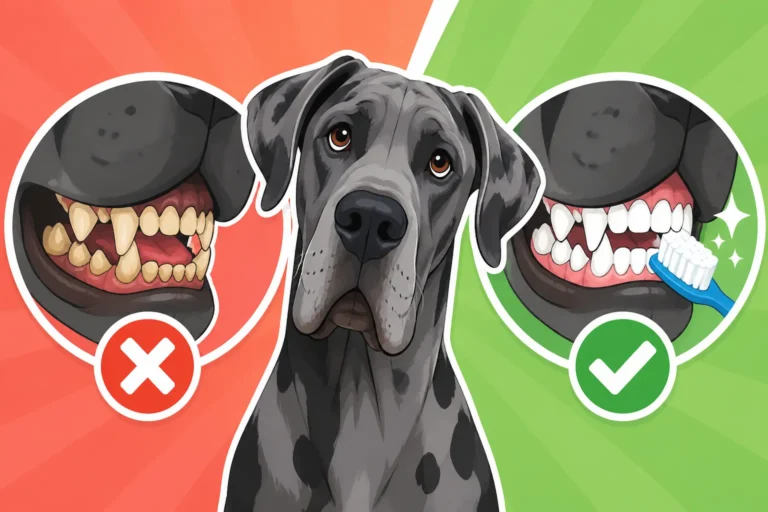
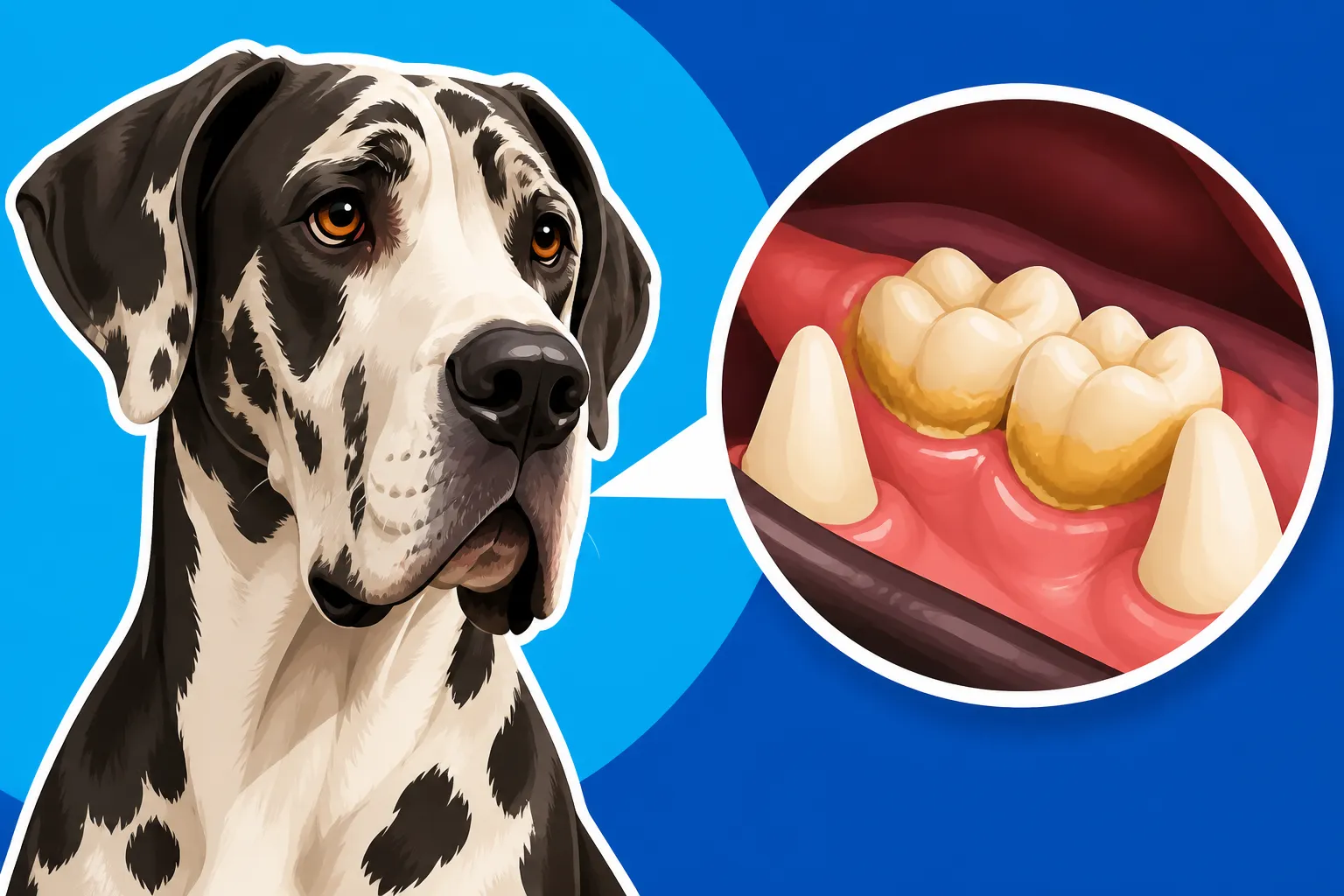
The most obvious sign of plaque and tartar buildup is, of course, seeing it. But getting a good look at those cavernous back molars on a Great Dane can be an Olympic sport! However, with a bit of patience and a good light, it’s doable. Gently lift your Dane's flews (the big floppy lips) and open their mouth slightly. You’re looking for a yellowish, sticky film, especially along the gum line of the molars and premolars. This is plaque.
If that plaque isn't removed, it will harden into tartar, which is typically brown, grey, or even greenish and feels rough to the touch. It’s often thickest where the tooth meets the gum. You might even see it forming bridges between teeth. While a tiny bit of yellow film might not be an emergency, significant buildup, especially thick, dark tartar, is a clear sign that professional intervention is needed. This accumulation creates a rough surface for more bacteria to cling to, accelerating the problem.
Beyond the Teeth: Other Symptoms to Watch For
Dental issues aren't always just about what you see on the teeth themselves. Sometimes, the first signs of trouble are behavioral or general health changes. One of the most common and undeniable signs is bad breath. I mean, truly offensive, "rot out your socks" bad breath. We often joke about "dog breath," but persistent, severe halitosis is a major red flag that bacteria are having a party in your Dane's mouth.
Beyond that, watch for changes in eating habits. Is your Great Dane suddenly reluctant to chew their favorite hard treat? Are they dropping food from their mouth or tilting their head strangely when they eat? Perhaps they’re only chewing on one side of their mouth. These can all indicate pain or discomfort. A Great Dane that refuses food could certainly be suffering from painful dental disease. Other symptoms include:
- Red, swollen, or bleeding gums: This is gingivitis, the early stage of gum disease. You might notice pink-tinged drool after they chew.
- Excessive drooling: While Danes are known for drool, an increase or drool mixed with blood could signal a problem. Managing Great Dane Slobber Indoors is one thing, but excessive, painful drooling is another.
- Pawing at the mouth or rubbing their face: Your Dane might be trying to relieve discomfort.
- Swelling on the face, especially under an eye: This could indicate a tooth root abscess, a serious infection that needs immediate vet attention.
- Loose teeth: In advanced stages of periodontal disease, teeth can become loose and even fall out.
Don't underestimate these subtle clues. Catching dental problems early can save your Dane a lot of pain and save you a significant vet bill down the road. Regular check-ups are key. The Yearly Checkup a Great Dane Needs should always include a thorough oral exam.
Strategies for Preventing and Managing Plaque on Back Molars at Home
Okay, so you’ve spotted some plaque, or perhaps you're just being proactive (good for you!). The good news is there’s a lot we can do at home to fight back against plaque buildup, especially on those hard-to-reach back molars. Consistency is absolutely key here – a little effort daily goes a long way with our big friends.
The Power of Regular Brushing
Let's be honest, the thought of brushing a Great Dane's teeth can feel overwhelming. They have a lot of teeth, and those back molars are deep in there! But hand on heart, it is the single most effective thing you can do at home to prevent plaque and tartar. Think of it like this: if you don't brush your teeth every day, you know what happens. Same goes for your Great Dane.
Start slow and make it a positive experience. You'll need a dog-specific toothbrush (often a longer handle or a finger brush works well for getting to the back) and dog-specific toothpaste (never human toothpaste!).
- Introduce gradually: Let your Dane sniff and lick the toothpaste from your finger first. Make it a tasty treat.
- Finger first: Once they're comfortable with the taste, try rubbing a little on their front teeth and gums with your finger.
- Use the brush: Slowly introduce the brush, focusing on the outside surfaces of the teeth first. Most plaque accumulates on the outside, especially along the gum line.
- Target the molars: This is the tricky part. You’ll need to gently pull back their flews to expose the molars and angle the brush to reach the chewing surfaces and the gum line. A slight back-and-forth or circular motion works best.
- Keep it short and sweet: Aim for a minute or two, focusing on the teeth that collect the most plaque. End with praise and a reward.
Aim for daily brushing. If daily isn't possible, every other day is still far better than never. Consistency truly matters. Many Dane owners are surprised at how quickly their dog adjusts, especially if treats are involved! Whether a Great Dane's Teeth Get Brushed at All is a common question, and the answer is a resounding "yes, they absolutely should!"
Dental Chews, Water Additives, and Diet Choices
While brushing is king, there are other tools in our dental health arsenal.
Dental Chews: Not all dental chews are created equal, and for a Great Dane, size and durability are paramount. You need something substantial that encourages real chewing action and isn't swallowed in two bites. Look for chews that are specifically VOHC (Veterinary Oral Health Council) approved, as these have been scientifically proven to reduce plaque or tartar. Brands like Greenies or similar concepts can be found on online retailers like Chewy or Amazon. Remember, these are supplements to brushing, not replacements. Always supervise your Dane with chews to prevent choking or excessive consumption. Treats Sized for a Great Dane are important to consider, not just for dental chews but all treats.
Water Additives: These are liquids you add to your Dane's drinking water. They contain enzymes or other ingredients designed to reduce bacteria in the mouth and prevent plaque formation. They are relatively easy to use – just measure and add to the bowl. While they can be helpful, they generally aren't as effective as direct brushing or mechanical cleaning from chews. They work best as part of a multi-faceted approach.
Diet Choices:
- Prescription Dental Diets: Your vet might recommend a prescription dental diet. These foods are specifically designed with larger kibble sizes, a unique texture, or special fiber arrangements that help scrub the teeth as your dog chews. They can be very effective for Danes prone to significant plaque.
- Regular Kibble: If using regular kibble, ensure it's an appropriate size for your Dane to encourage some chewing, rather than just swallowing whole.
- Fresh Food Considerations: Some owners explore fresh food options, like those offered by services such as Ollie, wondering if they might impact dental health. While fresh food can have many benefits, it typically doesn't offer the mechanical scrubbing action that some kibbles or dental chews provide. If feeding fresh food, daily brushing becomes even more critical.
Here’s a quick overview of home care options:
| Method | Effectiveness for Plaque on Molars | Ease of Use | Considerations |
|---|---|---|---|
| Daily Brushing | High (most effective) | Moderate (requires training) | Requires consistency, dog-specific brush/toothpaste, patience. |
| VOHC Dental Chews | Moderate to High | Easy | Choose appropriate size for Great Danes, supervise, can be calorie-dense. Look for them on Chewy or Amazon. |
| Water Additives | Low to Moderate | Very Easy | Least labor-intensive, but also least impactful alone; best as an adjunct. |
| Prescription Dental Diets | Moderate to High | Easy | Requires vet recommendation, specific kibble formulation. |
| Chew Toys | Variable | Easy | Can help, but efficacy varies widely based on toy type and dog's chewing style. |
By combining these strategies, you create a robust defense against plaque and maintain a healthier mouth for your big companion.
When Professional Veterinary Dental Care Becomes Essential
Despite our best efforts at home, there comes a time when professional intervention is simply unavoidable. For Great Danes, whose mouths are large and whose teeth can accumulate plaque rapidly, recognizing when to call in the experts is crucial for their long-term health and comfort.
Understanding a Professional Dental Cleaning
When home care isn't enough, your veterinarian will recommend a professional dental cleaning, which is much more involved than what we can do with a toothbrush. This procedure, often referred to as a COHAT (Comprehensive Oral Health Assessment and Treatment), always takes place under general anesthesia. This isn't just for your Dane's comfort; it's absolutely necessary to perform a thorough and safe cleaning. Imagine trying to deep-clean your own teeth while you're awake and wiggling around!
Under anesthesia, your vet or a veterinary technician can:
- Thoroughly examine the entire mouth: This includes checking under the gum line, which is impossible in an awake dog. They look for pockets, lesions, and any signs of disease.
- Scale the teeth: Using specialized ultrasonic scalers, they meticulously remove all plaque and tartar from above and below the gum line, where the most damaging bacteria reside.
- Polish the teeth: After scaling, the teeth are polished to smooth out any microscopic etches left by the scaling. This creates a smoother surface, making it harder for new plaque to adhere.
- Probe for gum disease: A dental probe is used to measure the depth of gum pockets, indicating the severity of periodontal disease.
- Take dental X-rays: This is perhaps one of the most critical steps, as much of dental disease happens below the gum line, affecting the tooth roots and jawbone. X-rays reveal abscesses, bone loss, un-erupted teeth, or other hidden problems that wouldn't be visible during a surface exam.
- Perform extractions or other treatments: If significant disease, fractures, or painful teeth are found, your vet can address these issues during the same anesthetic event, preventing future pain and infection.
Dental Work on a Great Dane is a significant undertaking, but it's often the only way to truly restore your Dane's oral health and prevent systemic health issues that can stem from dental disease.
Preparing for and Recovering from Dental Procedures
The thought of your giant Great Dane going under anesthesia can be nerve-wracking, and it’s a valid concern. Why Anesthesia Costs More for a Great Dane often relates to their size and the increased monitoring required. However, modern veterinary anesthesia is very safe, especially with appropriate precautions.
Preparation:
- Pre-anesthetic Bloodwork: Your vet will almost certainly require Pre-Surgery Bloodwork on a Great Dane. This is vital to assess kidney and liver function, ensuring your Dane can safely metabolize the anesthetic drugs. It also checks for any underlying health issues that might increase anesthetic risk.
- Physical Exam: A thorough physical exam will be performed to check heart and lung health.
- Fasting: You'll be instructed to withhold food for a certain period before the procedure to prevent aspiration during anesthesia.
Recovery:
- Monitoring: Your Dane will be closely monitored as they wake up from anesthesia.
- Pain Management: If extractions or other painful procedures were performed, your vet will provide appropriate pain medication to keep your Dane comfortable. This might involve injections at the clinic and oral medication to go home.
- Soft Food: For a few days, especially if extractions occurred, your Dane might need to eat soft or wet food. Services like Ollie, which offer fresh, soft food options, could be a good temporary solution if your Dane finds their regular kibble too hard.
- Rest: Limit activity for a few days to allow for proper healing.
- Home Care Plan: Your vet will discuss a plan for ongoing home dental care to maintain the results of the cleaning and prevent future buildup. This will likely re-emphasize daily brushing.
Professional dental care is an investment in your Great Dane's overall health and quality of life. Many owners report a dramatic improvement in their dog's demeanor, energy levels, and even appetite after chronic dental pain is resolved. It’s particularly important as Danes age; The Age a Great Dane Is Considered Old often brings with it an increase in dental issues, making proactive care throughout their life even more important.
Disclaimer
This article is for general informational purposes only and does not constitute professional advice. Laws, prices and regulations vary by location and change over time. Consult a qualified professional for guidance on your specific situation.