Helping an Old Great Dane Get Up
It’s a heartbreaking sight for any Great Dane owner: watching your majestic companion, once so fluid and agile, struggle to push their massive body off the floor. The moment they falter, perhaps slipping or letting out a soft groan, hits deep. This guide will walk you through the practical steps, supportive equipment, and environmental adjustments you can make to ease the daily challenge of helping your aging Great Dane get up, ensuring their comfort and preserving their dignity as they navigate their golden years.
Understanding Why Your Great Dane Struggles to Rise
The sheer size and rapid growth of Great Danes, while magnificent, unfortunately predispose them to a host of joint and muscle issues as they age. What might be a minor stiffness in a smaller dog becomes a monumental task for a canine weighing well over a hundred pounds. Recognizing the underlying causes of their difficulty is the first step toward effective support.
Common Physical Ailments Affecting Mobility
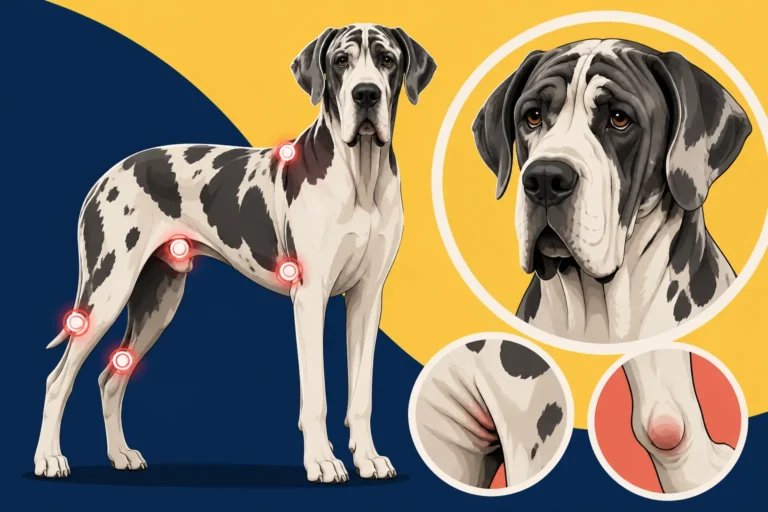
Many age-related conditions can make standing up a painful or difficult process for a Great Dane. The Age a Great Dane Is Considered Old often brings with it a host of changes. Arthritis is, by far, one of the most prevalent culprits. Degenerative joint disease, particularly in the hips, knees, and elbows, causes inflammation and pain, making the initial push from a lying position incredibly uncomfortable. Imagine trying to get up from the floor with aching knees and a stiff back; for a large dog, this discomfort is amplified by their own weight. Spinal issues, such as intervertebral disc disease (IVDD) or conditions like The Neck Condition That Trips a Great Dane Up, can also cause weakness, instability, or nerve pain that makes coordinating their limbs to rise a major challenge. Their immense body puts constant stress on their frame, and over time, cartilage wears down, bones rub, and mobility becomes compromised.
Beyond direct joint pain, muscle atrophy is another significant factor. As dogs age, they tend to be less active, and muscle mass naturally decreases. This loss of strength, especially in the hindquarters, means they simply don't have the power to lift and stabilize themselves as easily. Weak core muscles can also contribute, making their entire body less stable during the complex motion of standing. Compounding these issues, conditions like The Heart Muscle Disease Great Danes Are Prone To can lead to overall weakness and fatigue, reducing their stamina and willingness to push themselves up. It's a cruel cycle where pain leads to less movement, which in turn leads to more muscle loss and greater difficulty.
Behavioral and Environmental Factors
Sometimes, the struggle to get up isn't purely physical pain but a combination of discomfort and a lack of confidence, often exacerbated by their environment. A Great Dane who has slipped repeatedly on a slick floor might develop an aversion to trying to stand quickly, leading to hesitation and a slower, more difficult rise. Think about how we humans become more cautious after a fall; dogs are no different. They might anticipate the pain or the instability, making them reluctant to exert themselves.
The type of surface they're trying to get up from makes a huge difference. A hard, cold tile floor offers no grip and no cushioning. If their bed isn't supportive, they might sink too deeply or not have enough firm surface to push against. Even the temperature of a room can play a role; cold, damp conditions can worsen joint stiffness. Furthermore, a Great Dane might be trying to rise in an awkward position, perhaps too close to a wall, or after a very deep sleep where their muscles are completely relaxed. Observing when and where they struggle most can provide valuable clues, helping you identify specific triggers or environmental culprits that you can then address.
Practical Aids and Techniques for Mobility Support
Once you understand why your Great Dane is having trouble, you can start implementing practical solutions. These aids and techniques aren't about solving the underlying medical condition, but about making daily life easier and safer for your beloved giant.
Harnesses and Slings for Assistance
For many aging Great Danes, the simplest and most effective aid is a supportive harness or a dedicated lifting sling. These tools allow you to provide crucial leverage and stability without putting strain on your back or risking injury to your dog. A full-body harness, like those designed for senior dogs, can stay on for extended periods and offers multiple grab handles over the hips and chest. This way, if your Dane starts to wobble while standing or needs an extra boost to get from lying to sitting, you have a safe, sturdy point to assist them. For instance, some popular brands offer harnesses with adjustable straps and padded areas specifically designed for large breeds, ensuring comfort during use.
Alternatively, a rear-end lifting sling is perfect for Great Danes whose primary weakness is in their back legs. These are often simple, U-shaped pieces of fabric with handles that go under their belly, just in front of their hind legs. You can use it to take some of their weight, essentially lightening their load, as they push up with their front legs. It’s important to make sure whatever you choose is appropriately sized for a Great Dane, as a smaller sling will dig in uncomfortably. When using a sling or harness, always lift smoothly and evenly, matching your dog's pace, and avoid hoisting them up too quickly. The goal is to assist, not to do all the work for them. These items are readily available through online pet retailers like Chewy or on large e-commerce platforms such as Amazon. Mobility Aids for a Failing Great Dane can make a huge difference in their quality of life.
Manual Assistance Techniques
Sometimes, all your Great Dane needs is a little bit of physical help and encouragement. Before resorting to slings, you can try some gentle manual techniques. If they're lying down and struggling, try to help them get into a "tuck" position first, where their back legs are partially folded under them, giving them a better springboard. You can gently push their rear end forward or help them shift their weight.
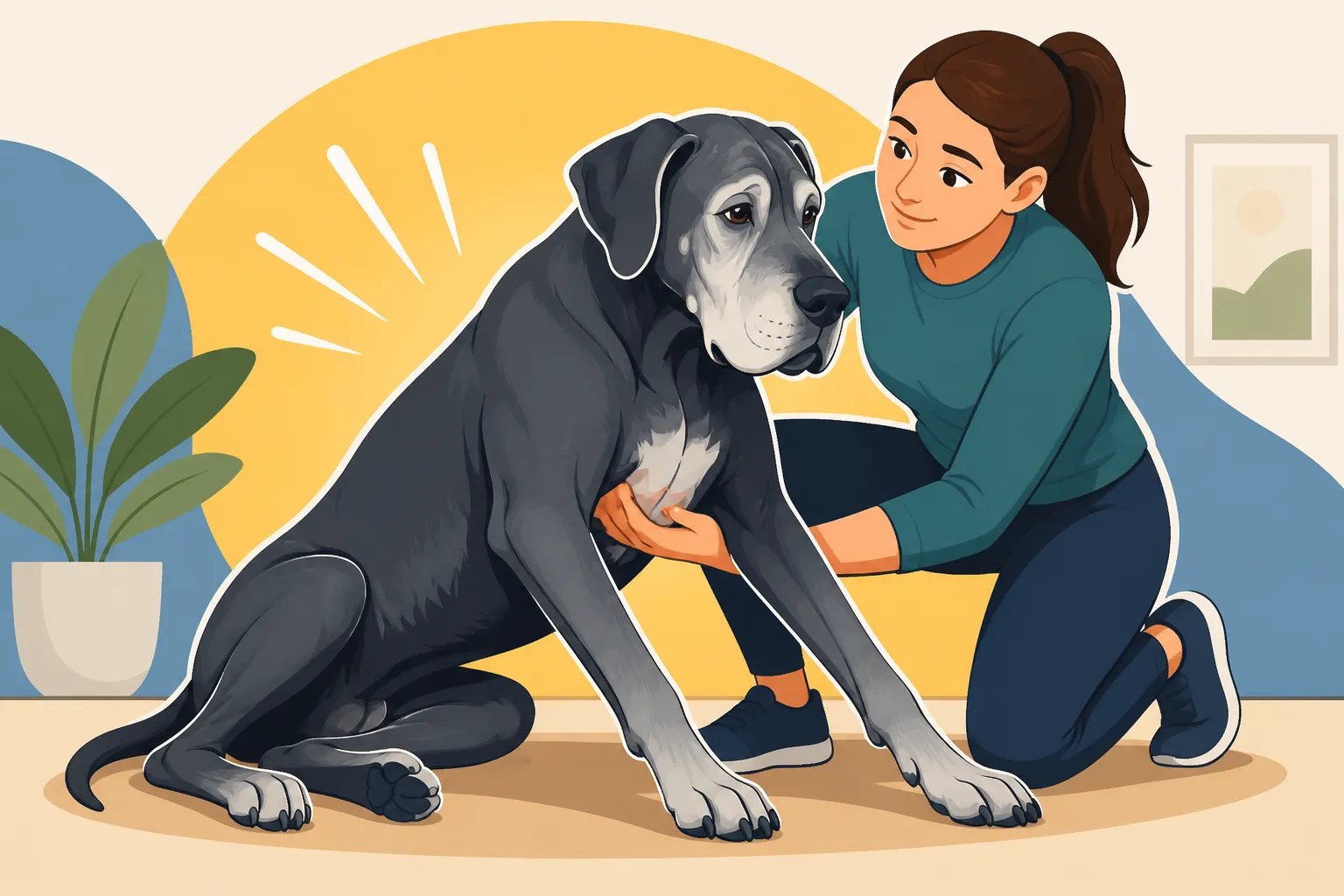
When they attempt to stand, place your hands under their hips or flank, giving a firm but gentle upward lift as they try to push themselves up. The key is to support, not to carry. Your assistance should complement their effort. You might even find it helpful to stand facing their head, with your body over their shoulders, and encourage them to pull themselves up using their front legs while you support their rear. Always use calm, encouraging words, and praise them when they make an effort, even if they don't fully succeed on the first try. Patience is paramount.
| Mobility Aid Type | Best Use Case | Pros | Cons |
|---|---|---|---|
| Full-Body Harness | General weakness, overall stability issues | Even weight distribution, can stay on, multiple grab points | Can be bulky, may require more effort for owner to get on/off |
| Rear-End Lifting Sling | Hindquarter weakness, hip/knee pain | Easy to put on/take off, provides targeted rear support | Less support for front end, requires strong owner back/knees |
| Support Wrap/Bandage | Minor instability, sprains (vet recommended) | Can offer light joint compression, less intrusive | Limited lifting ability, not for severe weakness |
| Ramps/Steps | Accessing elevated surfaces (beds, cars) | Reduces jumping/impact, promotes independence | Takes up space, may be difficult for very unsteady dogs |
| Orthopedic Beds | General joint comfort, pressure relief | Improves quality of rest, can make rising easier | Stationary aid, doesn't directly help standing motion |
Creating a Supportive Home Environment
Just like with people, an aging Great Dane benefits immensely from a home environment tailored to their changing needs. Simple modifications can reduce frustration, prevent injuries, and make daily movements less taxing.
Safe and Accessible Flooring
Slippery floors are an absolute nightmare for a Great Dane with weakened joints or muscle atrophy. Hardwood, tile, or laminate floors that were once no problem become treacherous ice rinks. The instability can lead to falls, further injury, and a deep reluctance to move. To combat this, strategic placement of rugs and runners is crucial. Look for non-slip rugs that cover major pathways and areas where your Great Dane spends a lot of time, especially where they sleep and eat. Consider wall-to-wall carpeting in high-traffic areas if possible, or at least invest in large area rugs with rubber backing.
If you can’t carpet large areas, think about non-slip mats or even paw grips (little rubber booties) for your dog, though many Danes aren't keen on wearing things on their feet. The goal is to provide traction for their massive paws so they can gain purchase when pushing off the floor. This not only aids in getting up but also in general walking and turning, giving them much-needed confidence and preventing unnecessary slips and strains.
Comfortable and Supportive Bedding
An old Great Dane spends a significant portion of their day resting, and the quality of that rest directly impacts their comfort and ability to move. Standard dog beds simply won't cut it for a giant breed whose joints are screaming for relief. You need an orthopedic bed – and not just any orthopedic bed, but one specifically designed for very large and heavy dogs. Bedding That Prevents Great Dane Hygromas is also a key consideration.
Look for beds with dense, high-quality memory foam that can support their immense weight without compressing completely to the floor. The foam should cradle their joints, alleviating pressure points and reducing stiffness that accumulates during sleep. A thick, firm mattress will also give them a solid surface to push against when they try to get up, rather than sinking into a plush, unsupportive fluff. Many pet supply stores, including Chewy, offer a range of orthopedic beds explicitly marketed for giant breeds. Investing in one of these is not a luxury; it's a necessity for an aging Great Dane's comfort and well-being.
Strategic Placement of Resources
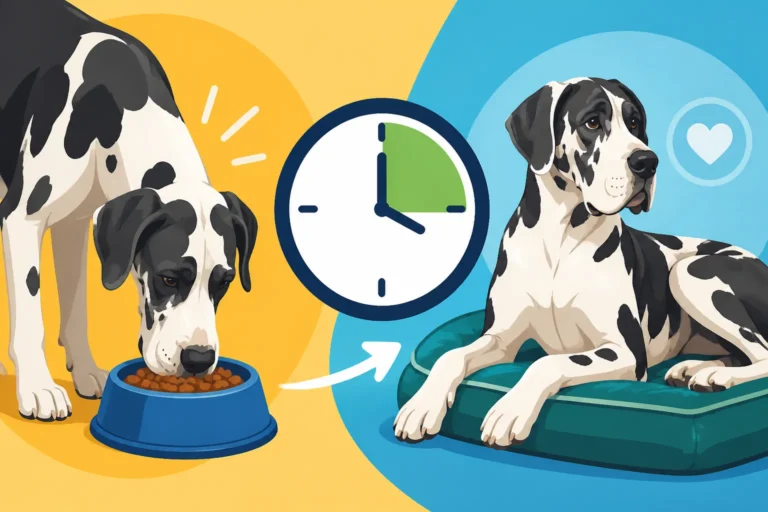
Think about your Great Dane's daily routine and strategically place their necessities to minimize difficult movements. Their food and water bowls, for instance, should be easily accessible, ideally on a raised stand so they don't have to bend down too far, which can strain their neck and back. Meal Habits That Cut a Great Dane's Twist Risk also often recommend raised bowls. Place water bowls in multiple locations around the house to encourage hydration without long, painful trips.
Consider also where they go to the bathroom. If they have to navigate stairs or slippery outdoor paths, think about creating a more accessible potty area closer to the house, perhaps even adding non-slip mats or pavers to their outdoor route. Gates and ramps can also be immensely helpful. A sturdy ramp can eliminate the need to jump into a car or climb onto a sofa if that's where they prefer to rest. Even having a designated "safe spot" with their comfortable bed and accessible water can reduce anxiety and the need for them to traverse the entire house when they're feeling stiff or unsteady.
When to Seek Professional Veterinary Help
While supportive care at home is vital, it's crucial to know when your Great Dane's struggles warrant professional veterinary intervention. Their well-being often depends on timely and appropriate medical management.
Recognizing Signs of Increased Pain or Deterioration
Pay close attention to subtle changes in your Great Dane's behavior and mobility. While some stiffness is normal with age, a sudden increase in reluctance to move, whining or crying when getting up, limping, or a complete inability to bear weight on a limb are all red flags. Other signs include loss of appetite, decreased interaction, or aggressive behavior (which can indicate they are in pain and trying to protect themselves). Don't dismiss these as "just old age." They could signify a flare-up of arthritis, a new injury, or the progression of an underlying condition.
Also, be mindful of their general body condition. Feeding and Grooming an Old Great Dane highlights the importance of keeping a close eye on their weight; excess weight puts more strain on already compromised joints. If you notice muscle wasting, especially over the hips and spine, or if they seem weaker overall, it's time to talk to your vet. These symptoms could point to issues beyond simple aging, requiring diagnostic tests and specific treatments.
Treatment Options for Senior Great Danes
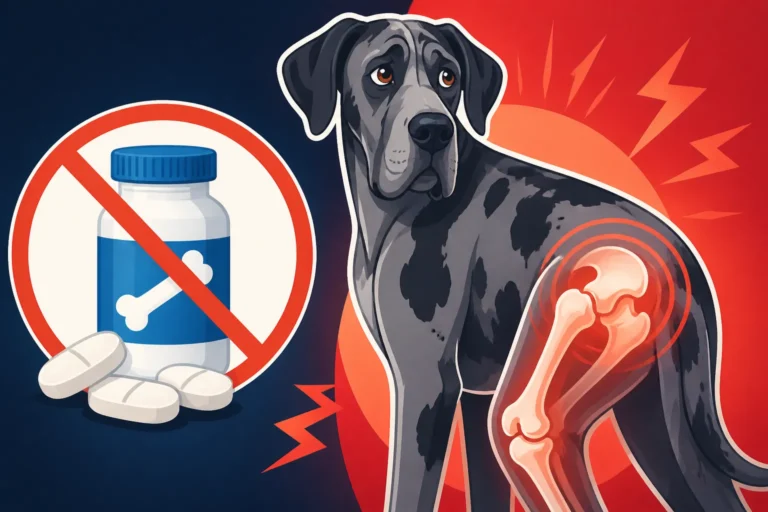
Your veterinarian can offer a range of treatment options to improve your Great Dane's comfort and mobility. For arthritis, this might include non-steroidal anti-inflammatory drugs (NSAIDs) to reduce pain and inflammation, or joint supplements like glucosamine and chondroitin, which can help support cartilage health. They might also suggest newer medications that target specific pain pathways. For more advanced cases of Arthritis in a Six-Year-Old Great Dane, corticosteroid injections into specific joints or even regenerative therapies might be considered.
Beyond medication, physical therapy and rehabilitation can be incredibly beneficial. This might involve gentle exercises, underwater treadmill sessions to build muscle without stressing joints, or therapeutic massage. A vet can also assess for other conditions, such as neurological issues, and suggest appropriate diagnostics like X-rays or MRI scans to get to the root cause of the problem. Sometimes, adjusting their diet to a senior formula with joint support ingredients or adding specific supplements like fish oil can also make a difference. Always discuss these options with your vet to create a tailored plan for your Great Dane. Caring for a Great Dane Past Six often involves a multi-modal approach to their health.
The Role of Regular Veterinary Check-ups
Regular veterinary check-ups, even if your Great Dane seems fine, become even more critical as they age. Think of them as preventative maintenance for your giant companion. During these visits, your vet can conduct thorough physical exams, checking for early signs of joint pain, muscle loss, or other health issues that might not be obvious at home. They can also perform blood work to monitor organ function, especially important if your Dane is on long-term medications, and address any changes in their health proactively.
These appointments are also your opportunity to openly discuss any concerns you have, no matter how small. Your vet can advise on appropriate exercise levels, diet adjustments, and the most current mobility aids or treatments available. They can help you anticipate future challenges and prepare for them, ensuring that you and your Great Dane are equipped to handle the natural progression of aging. A strong partnership with your vet is the best way to ensure your old Great Dane maintains the best possible quality of life, allowing them to enjoy their golden years with comfort and dignity.
Disclaimer
This article is for general informational purposes only and does not constitute professional advice. Laws, prices and regulations vary by location and change over time. Consult a qualified professional for guidance on your specific situation.