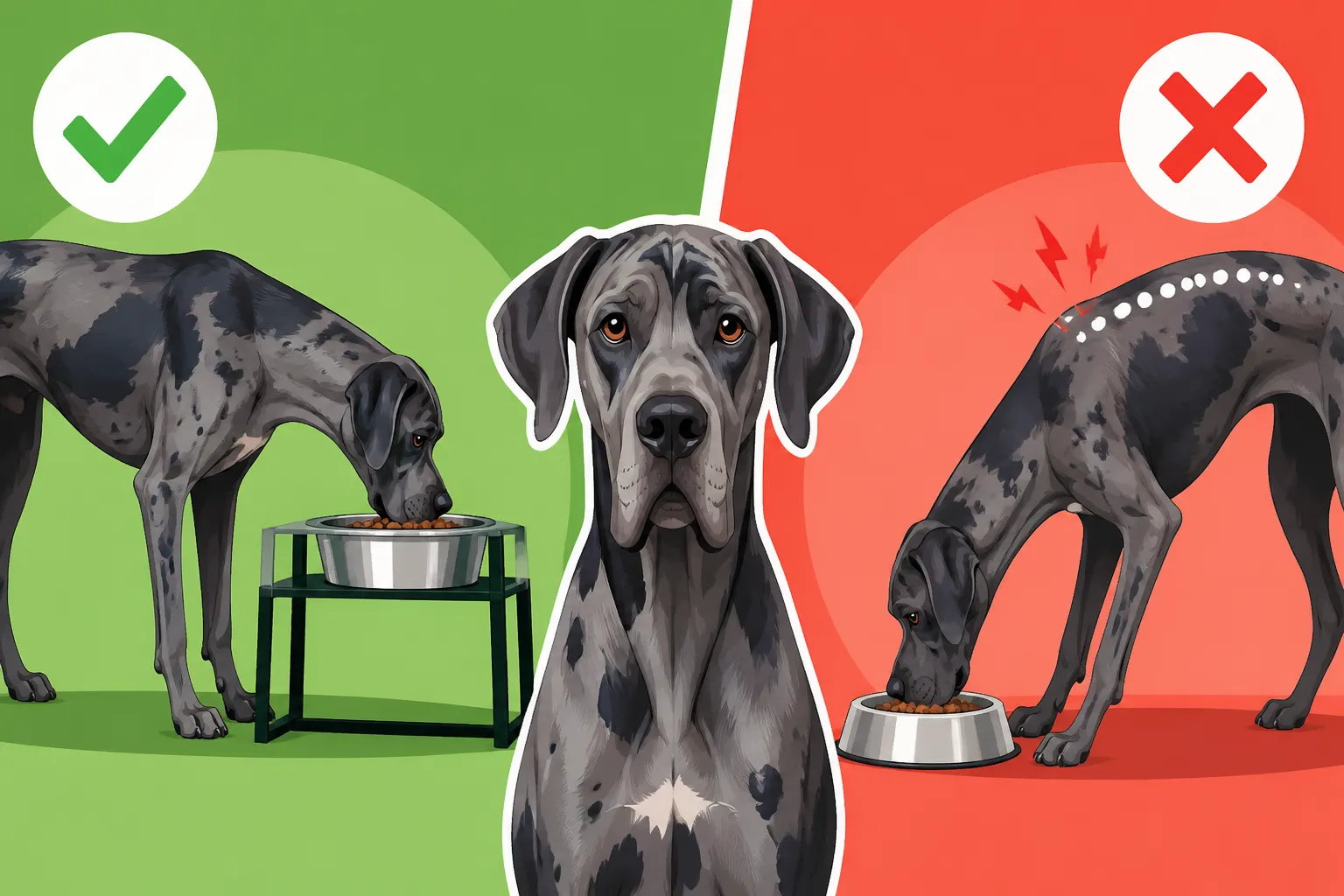
Whether Raised Bowls Help or Hurt a Great Dane
One of the most common dilemmas Great Dane owners face when setting up their feeding station is whether to opt for a raised bowl or keep their dog’s dishes on the floor. It's a choice fraught with anxiety, especially given the breed's notorious susceptibility to bloat, or Gastric Dilatation-Volvulus (GDV). This guide will delve deep into the history, science, and practical considerations surrounding raised bowls for Great Danes, helping you make an informed decision for your beloved companion.
The Long-Standing Debate: Raised Bowls and Bloat Concerns
For years, many well-meaning Great Dane owners, breeders, and even veterinarians advocated for raised feeding bowls. The idea was that by elevating the food, a large dog like a Great Dane wouldn't have to bend down as far, which was thought to improve digestion and reduce the risk of swallowing air – a perceived contributor to bloat. This recommendation became almost gospel in the giant breed community, with countless companies, including retailers like Chewy and Amazon, selling elevated feeders specifically designed for our big dogs.
The Theory: Improving Digestion and Swallowing
The logic behind raised bowls seemed sound at first glance. Imagine trying to eat your dinner off the floor without bending your neck: it's awkward, right? The assumption was that for a tall dog like a Great Dane, eating from a floor-level bowl would force them into an unnatural, hunched position. Proponents believed this posture could lead to faster eating, gulping, and consequently, ingesting more air along with their food. The theory was that a more natural, upright eating position, facilitated by a raised bowl, would promote slower eating, better digestion, and ultimately, reduce the amount of air consumed, thereby lessening bloat risk. It made perfect sense to many people, and it was a readily available, seemingly logical solution for a devastating problem. Many owners, myself included, simply wanted to do everything possible to mitigate the risk of The Lifetime Bloat Risk in a Great Dane.
Furthermore, some believed that a raised bowl would put less strain on a Great Dane's neck and spine, especially as they aged. Considering the sheer size and weight of these dogs, any measure to support their long frames, particularly in their senior years when arthritis might begin to set in, seemed like a compassionate choice. Owners imagined their magnificent Danes standing comfortably, dining with dignity, rather than contorting themselves over a dish on the floor.
The Unfortunate Link to Gastric Dilatation-Volvulus (GDV)
Despite the well-intentioned theories, the story of raised bowls took an unexpected and deeply concerning turn. As bloat remained a significant, life-threatening issue for Great Danes, researchers began to investigate all potential risk factors. GDV, or bloat, is a terrifying condition where the stomach fills with gas, food, or fluid (dilatation) and then twists on itself (volvulus), cutting off blood supply and quickly becoming fatal without emergency surgery. It’s one of the most frightening things a Great Dane owner can experience, and understanding The Signs of a Great Dane Stomach Twisting is crucial.
In the quest to understand and prevent this devastating condition, studies were initiated to examine various feeding practices, including the use of raised bowls. The hope was to find clear ways to protect our giants. What these studies eventually uncovered, however, challenged the prevailing wisdom and sent ripples of confusion and worry through the Great Dane community. The very thing many believed was helping might, in fact, be contributing to the problem.
The Science Weighs In: What Research Says About Raised Bowls and Bloat Risk
The prevailing wisdom around raised bowls for Great Danes was significantly challenged by scientific studies, particularly a landmark study conducted in 2000 by the Purdue University College of Veterinary Medicine. This research fundamentally shifted the conversation and left many Great Dane owners feeling bewildered and conflicted.
Examining the Landmark Studies and Their Findings
The large-scale study at Purdue University, which investigated risk factors for GDV in large and giant breed dogs, yielded a surprising and counter-intuitive result regarding raised feeding bowls. This study, which observed hundreds of dogs, including a significant number of Great Danes, found a statistically significant increase in the risk of GDV for dogs fed from raised bowls compared to those fed from floor-level bowls. Specifically, for large and giant breeds, the use of a raised food bowl was associated with an elevated risk of bloat, not a reduction.
The findings suggested that roughly a 20% higher risk of bloat was present in dogs fed from elevated feeders. This was a bombshell for many in the Great Dane world, as the recommendation for raised bowls had been so widespread and deeply ingrained for so long. The exact mechanism isn't fully understood, but some theories suggest that when a dog eats from a raised bowl, they might eat faster, gulping down more air in the process, or that the elevated position might change the angle of the esophagus and stomach in a way that allows gas to become trapped more easily, contributing to dilatation. It wasn't about the posture being "unnatural" as much as it was about potential changes in eating speed and gas dynamics. For owners who have diligently set up their feeding stations from Chewy or picked up specialty bowls from Amazon, believing they were doing the best for their dogs, this news was difficult to digest.
The Nuance of "Risk Factor" vs. "Cause"
It's crucial to understand the distinction between a "risk factor" and a direct "cause." The Purdue study identified raised bowls as a risk factor, meaning it was correlated with an increased incidence of bloat, but it doesn't mean that raised bowls cause bloat in every dog, or that avoiding them guarantees bloat prevention. Bloat is a complex condition with multiple contributing factors, including genetics, temperament (anxious dogs might be more prone), eating speed, underlying health conditions, and even certain types of exercise too close to meals. Whether Exercise After Meals Bloats a Great Dane is another critical consideration for owners.
Think of it like smoking and lung cancer: smoking is a huge risk factor, but not every smoker gets lung cancer, and some non-smokers do. Similarly, while the evidence points to an increased risk with raised bowls, it's not the sole determinant. Many Great Danes fed from raised bowls never bloat, while others fed from floor bowls still do. This nuance often leads to ongoing confusion and debate among owners. For instance, dogs who are slow, deliberate eaters might not experience the same gulping issue as a dog who inhales their food, regardless of bowl height. This is why observing Meal Habits That Cut a Great Dane's Twist Risk is always important, irrespective of your bowl choice.
Given the scientific findings, the general recommendation from many veterinary professionals shifted away from advocating for raised bowls for large and giant breeds. For those deeply concerned about bloat, and many Great Dane owners are, prophylactic Stomach Tacking Surgery for a Great Dane (gastropexy) is often recommended as the most effective preventative measure.
Practical Considerations Beyond Bloat: Pros and Cons of Different Feeding Heights
While the bloat risk is a significant concern for Great Danes, the decision about bowl height isn't only about GDV. There are other ergonomic, hygiene, and behavioral factors that come into play when considering how your giant dog eats.
Ergonomics and Joint Health for Giant Breeds
One of the primary arguments in favor of raised bowls, before the bloat studies, was for ergonomic comfort, particularly for older dogs or those with orthopedic issues. It's a valid point that bending down repeatedly can put strain on a dog's neck, shoulders, and front limbs. For an elderly Great Dane suffering from Arthritis in a Six-Year-Old Great Dane or other joint pain, bending low might be genuinely uncomfortable or even painful. Imagine an old dog trying to eat while struggling with a stiff neck or sore elbows. In such cases, a raised bowl might indeed offer relief, allowing them to eat more comfortably and maintain a better posture. Caring for a Great Dane Past Six often involves adjustments like these to ensure their comfort.
However, even this isn't universally accepted. Some argue that dogs are naturally designed to eat from the ground and that the slight bend is not inherently harmful. For young, healthy Great Danes, especially those whose joints are still developing, like with Bone Development Problems in a Great Dane Puppy, forcing an unnatural standing posture might not be ideal either. Ultimately, it comes down to observing your individual dog. Does your Dane show signs of discomfort when eating from a floor bowl? Do they struggle to get down or back up? Their behavior is the best indicator of their comfort level.
Hygiene, Eating Habits, and Mess Management
Beyond health and comfort, there are practical aspects to consider.
- Hygiene: Raised bowls can sometimes be more hygienic. When a bowl is on the floor, it's more susceptible to dirt, dust, and insects. It's also easier for owners to clean around and under raised feeders. If your Great Dane is a messy eater, prone to pushing food out of the bowl or making a watery slobber zone around their water dish, a raised feeder might contain the mess a bit better, especially if it has a built-in tray. This is particularly true if you have a dog that slops water everywhere after a big drink.
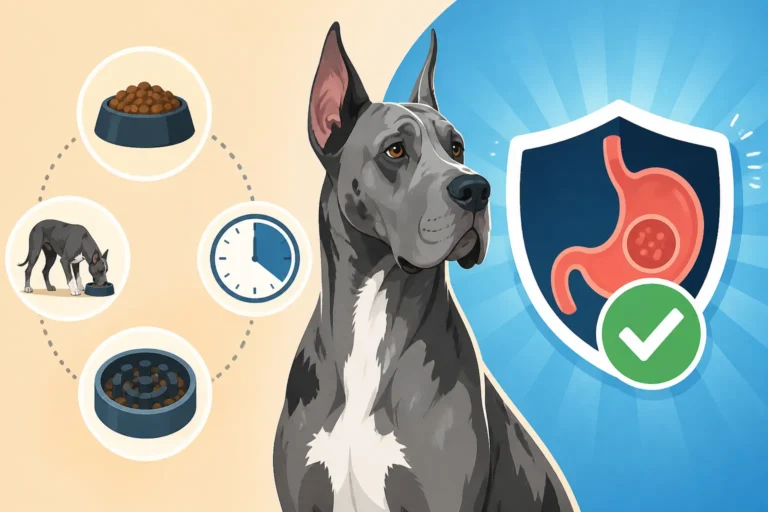
- Eating Habits: Some Great Danes, especially those who tend to eat very quickly, might gulp less if their bowl is on the floor, as the slight bend might naturally slow them down a touch. Conversely, some dogs might eat more slowly from a raised bowl because it's simply more comfortable. If your Dane is one of those who inhales their food in mere seconds, regardless of bowl height, you might consider a Slow Bowls Big Enough for a Great Dane to regulate their eating speed, available from retailers like Chewy or your local pet store.
- Accessibility: For giant breeds, a raised bowl can be easier for you to fill and clean without excessive bending. It also means less chance of accidental kicks from humans walking by. However, a raised bowl setup can take up more space and might be less portable than simple floor bowls.
Here’s a quick overview of the pros and cons:
| Feature/Consideration | Floor-Level Bowls | Raised Bowls |
|---|---|---|
| Bloat Risk (GDV) | Generally considered lower risk based on studies. | Studies suggest an increased risk for large/giant breeds. |
| Ergonomics (Young/Healthy) | Natural eating posture. | May create a less natural neck angle. |
| Ergonomics (Older/Arthritic) | May cause strain/discomfort. | Can alleviate strain, offering comfort. |
| Eating Speed | May encourage slower eating for some dogs. | May encourage faster eating for some dogs. |
| Mess & Hygiene | More prone to floor dirt/dust; potential for wider mess. | Can be cleaner, contain mess better for some dogs. |
| Accessibility for Owner | Requires bending to fill/clean. | Easier for owners to access without bending. |
| Portability | Highly portable. | Less portable, often bulkier. |
Making the Right Choice for Your Great Dane: Individual Needs and Best Practices
Given the conflicting information and varying experiences, deciding on the best feeding setup for your Great Dane can feel overwhelming. The key is to move past blanket statements and focus on your individual dog, consulting with your veterinarian, and implementing best practices.
Observing Your Individual Dane's Eating Style
Every Great Dane is unique. Some are delicate eaters, taking their time, while others are enthusiastic gobblers, regardless of where their bowl sits. This individual eating style is a critical factor to consider.
- Fast Eaters: If your Great Dane gulps their food down incredibly quickly, swallowing significant amounts of air, a floor-level bowl might be slightly better as it can naturally slow some dogs down. Regardless of bowl height, consider using a slow-feeder bowl or spreading food across a large, flat surface to encourage a more leisurely pace. Puzzle feeders can also be fantastic for this, making mealtime a mental exercise too. You can find excellent options for Slow Bowls Big Enough for a Great Dane from brands like Outward Hound, often available through Chewy or Amazon.
- Slow/Deliberate Eaters: For Danes who eat calmly and slowly, the increased bloat risk associated with raised bowls may be less pronounced, as gulping air is less of an issue. In these cases, if a raised bowl provides ergonomic comfort, particularly for an older dog, it might be a suitable choice.
- Dogs with Health Conditions: If your Great Dane has a diagnosed neck, back, or joint issue, and your veterinarian agrees that a raised bowl would significantly improve their comfort and ability to eat, then the ergonomic benefit might outweigh the theoretical bloat risk for that specific dog. This is especially true for older Danes with conditions like Wobbler Syndrome or severe arthritis, where eating from the floor is genuinely painful. An Old Great Dane That Struggles to Chew might also benefit from a more comfortable posture.
The main takeaway here is not to just pick a bowl height and forget about it. Watch your dog. Do they struggle? Do they gulp? Are they comfortable? Your dog's behavior will tell you a lot more than any generalized advice.
Recommendations for an Informed Feeding Setup
Here’s how to approach the feeding bowl decision for your Great Dane, combining scientific evidence with practical, empathetic care:
- Consult Your Vet: This is paramount. Discuss your concerns about bloat and bowl height with your veterinarian, especially if your Great Dane has any pre-existing health conditions or is entering their senior years. They can provide personalized advice based on your dog's specific health profile.
- Prioritize Bloat Prevention: Since bloat is so deadly and studies suggest a link with raised bowls, many veterinarians now err on the side of caution and recommend floor-level bowls for most healthy, young-to-middle-aged Great Danes. While not a guarantee, reducing known risk factors is always a good strategy. Other crucial preventative measures include ensuring your dog doesn't exercise intensely right before or after meals, avoiding feeding one large meal, and managing stress during feeding times.
- Slow Down Fast Eaters: If your Great Dane is a speed eater, regardless of bowl height, invest in a slow-feeder bowl. There are many designs that force dogs to eat around obstacles, significantly extending mealtime. This can be one of the most effective strategies to reduce air intake.
- Consider Comfort for Senior/Compromised Dogs: For older Great Danes or those with specific orthopedic or neurological conditions (like severe arthritis, cervical instability, or megaesophagus, where a specific elevated position is medically necessary), a raised bowl might be recommended by your vet to facilitate easier, pain-free eating. In these cases, the comfort and ability to eat properly become the primary concern. Always follow your vet's specific guidance.
- Maintain Good Hydration: Ensure your Great Dane always has access to fresh, clean water in a floor-level bowl. The risks associated with water bowls are different from food bowls, and constant hydration is essential.
- "Whether a Great Dane Should Be Fed Standing": This often comes up with raised bowls. The goal isn't necessarily for them to stand stiffly erect. A slightly lowered head is natural. The ideal height of a raised bowl, if used, should still allow for a natural neck angle without excessive stretching or hunching.
- Consider Prophylactic Gastropexy: For Great Dane owners deeply concerned about bloat, especially knowing the breed's high risk, Whether Tacking Ends Great Dane Bloat Risk is a question worth exploring with your vet. A gastropexy can significantly reduce the risk of the stomach twisting, offering peace of mind regardless of your bowl height decision. This surgery is often performed during spaying or neutering.
Ultimately, there is no single "right" answer for every Great Dane. The best approach involves combining the current scientific understanding with a keen observation of your own dog's needs, always with guidance from your trusted veterinarian.
Disclaimer
This article is for general informational purposes only and does not constitute professional advice. Laws, prices and regulations vary by location and change over time. Consult a qualified professional for guidance on your specific situation.