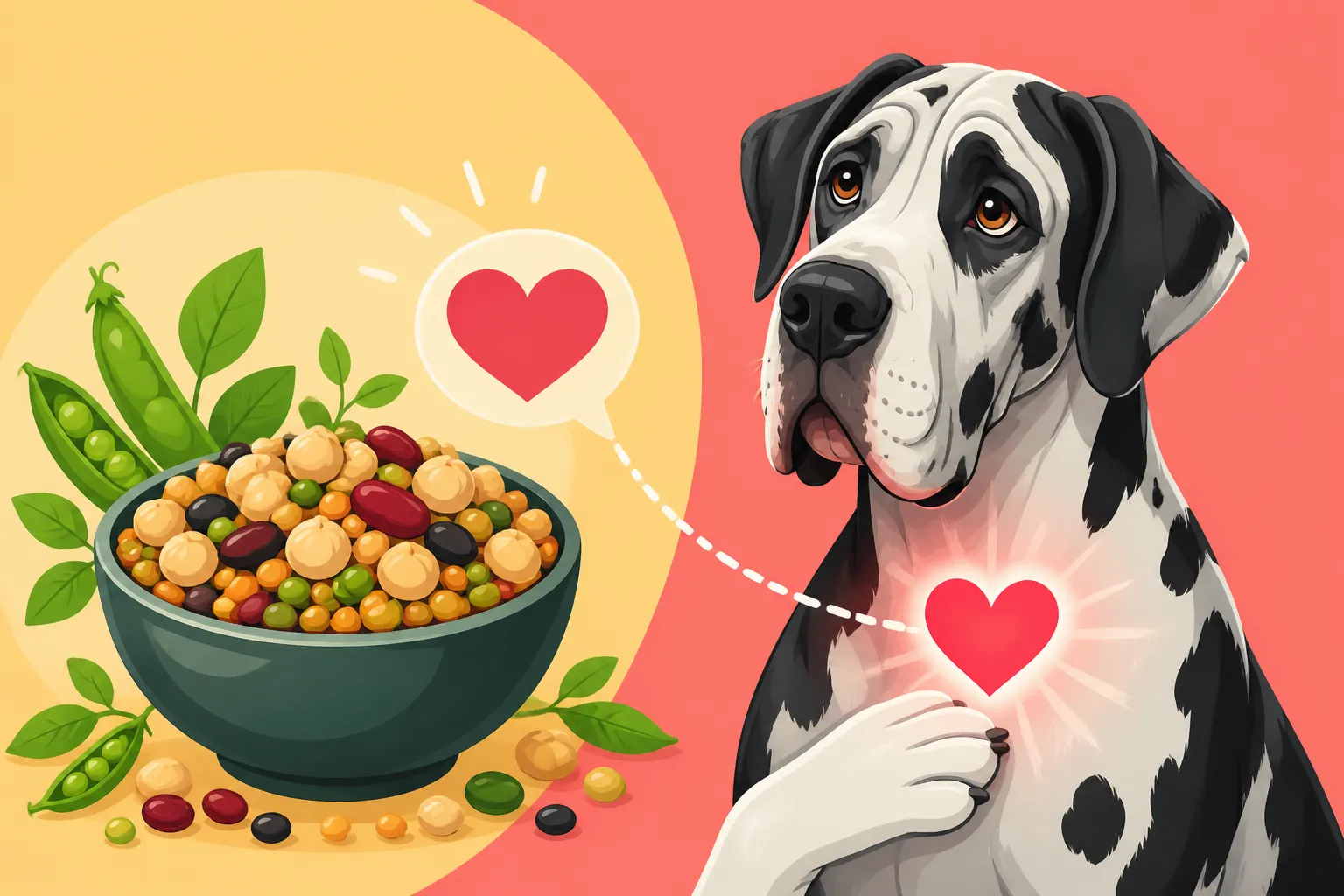
Whether Legume-Heavy Food Reaches a Dane’s Heart
One of the most concerning conversations swirling around Great Dane ownership right now isn't about their size or their drool, but something far more serious: the potential link between certain types of dog food and a devastating heart condition. Many of us, myself included, started seeing alarming reports about diet-associated dilated cardiomyopathy (DCM), especially in breeds like our beloved Danes, and it left us utterly confused and worried about what we were actually putting into our dogs' bowls. This guide aims to cut through the noise, exploring the connection between legume-heavy foods and canine heart health, and helping you make informed decisions for your giant companion.
The Alarming Link Between Diet and Canine Heart Health
It’s truly a frightening thing to hear that the very food you meticulously choose for your Great Dane, often with the best intentions for health and longevity, could potentially be contributing to a life-threatening illness. For years, we’ve been told what to feed, what to avoid, and then suddenly, the ground shifted beneath our feet. This isn't just about general canine health; it hits particularly close to home for Great Dane owners.
DCM in Great Danes: A Vexing Predisposition
Dilated cardiomyopathy, or DCM, is a severe disease of the heart muscle. In dogs with DCM, the heart's chambers become enlarged and stretched, losing their ability to pump blood efficiently throughout the body. The walls of the heart also become thin. This leads to a backup of blood in the lungs and body, resulting in symptoms like coughing, difficulty breathing, and exercise intolerance, eventually progressing to heart failure. For Great Danes, DCM has long been recognized as a breed-specific, inherited condition, meaning it’s something many of us are constantly vigilant about. We know our gentle giants are already prone to The Heart Muscle Disease Great Danes Are Prone To, and it's a huge burden of worry for owners. It's why regular cardiac screenings are so vital.
Historically, if a Great Dane developed DCM, the assumption was often that it was simply "bad luck" or a genetic predisposition. We'd focus on managing the symptoms with medication like Pimobendan for a Great Dane, and often lament the genetic lottery. The heart of a Great Dane is a powerful organ, but also one that can betray them due to these predispositions.
The Rise of "Boutique" Diets and the FDA's Concerns
Over the past couple of decades, there's been a significant shift in the pet food market. Many owners, driven by a desire for "healthier," more "natural" or perceived "less allergenic" options, moved away from traditional grain-inclusive kibbles. This led to the explosion of what are often termed "boutique" or "exotic ingredient" diets, many of which proudly proclaimed themselves "grain-free." These formulations frequently replaced corn, wheat, and rice with other carbohydrate sources like peas, lentils, chickpeas, and potatoes – ingredients collectively referred to as legumes or starchy vegetables.
For a while, these diets were lauded by many, and owners felt they were making superior choices. Then, veterinary cardiologists and researchers started noticing an uptick in DCM cases in breeds not typically predisposed to the genetic form of the disease, and even more alarmingly, an increase in Danes and other large breeds on these specific diets. This correlation eventually led to concerns from veterinary bodies, prompting investigations into the potential link between these grain-free, legume-heavy diets and DCM. It wasn't just that dogs were getting DCM; it was that reversible cases were being seen when dogs were switched off these diets, which was almost unheard of for genetic DCM.
Deciphering the Legume Question: Why the Concern?
So, why are legumes, which seem like healthy plant-based proteins and fibers to us, suddenly under scrutiny in dog food? It's not that legumes are inherently "bad" for all dogs, or that they are outright poisons. The concern stems from a more complex interaction within a dog's metabolism, particularly how these ingredients might impact taurine levels and overall cardiac health.
Taurine Deficiency: The Suspected Culprit
At the heart of the diet-associated DCM discussion is taurine. Taurine is an amino acid, a building block for proteins, and it plays a critical role in several bodily functions, especially in the heart. It helps regulate heart muscle contractions, maintain electrolyte balance, and supports overall cardiovascular function. While dogs can typically synthesize their own taurine from other amino acids (methionine and cysteine), certain breeds, including Great Danes, are known to be more susceptible to taurine deficiency, which can then lead to DCM.
The working hypothesis is that diets high in legumes and certain starches might, in some dogs, either interfere with the body's ability to produce or absorb taurine, or they might simply displace taurine-rich ingredients (like meat proteins) in the food. Imagine your Great Dane's bowl: if a significant portion of the protein and carbohydrate content comes from peas and lentils instead of animal-based protein and traditional grains, it could potentially lead to lower overall taurine or its precursors in the diet. This isn't a guaranteed outcome for every dog, which is what makes it so baffling and frustrating for owners trying to do right by their pets.
The Role of Specific Legumes and Ingredients
When we talk about "legume-heavy" foods, we're primarily referring to ingredients like:
- Peas (green peas, yellow peas, pea protein): Very common fillers and protein sources in grain-free diets.
- Lentils: Another frequent substitute for grains.
- Chickpeas (garbanzo beans): Used for their protein and fiber content.
- Potatoes and Sweet Potatoes: Often used as carbohydrate sources in these diets instead of traditional grains.
The concern isn't about a tiny amount of these ingredients. It's when they appear high up on the ingredient list, indicating they form a significant portion of the food's composition. For instance, if you look at the ingredient list and see peas, then lentils, then potatoes right after the primary meat source, that's a red flag. The exact mechanism of how these ingredients might contribute to DCM is still under active study. It could be an issue with specific compounds in the legumes, the way they're processed, their fiber content interfering with nutrient absorption, or simply the displacement of other beneficial ingredients. It’s a complex puzzle, and the scientific community is still working diligently to put all the pieces together.
Navigating Food Choices for Your Great Dane's Heart
So, what’s a concerned Great Dane owner to do when faced with conflicting information and a genuine fear for their dog’s heart health? The key lies in informed choices, seeking expert advice, and understanding what to look for on a pet food label. We want our Danes to live their full The Seven to Ten Year Great Dane Lifespan, and diet plays a huge role in that.
Consulting Your Veterinarian and Board-Certified Specialists
This is perhaps the most crucial step. Before making any drastic changes to your Great Dane's diet, or if you have any concerns about their heart, talk to your veterinarian. They know your dog's individual history, current health, and can provide guidance tailored to your specific situation. They can also recommend blood tests to check taurine levels if there's a strong suspicion of deficiency.
For specific heart concerns, your vet might refer you to a board-certified veterinary cardiologist. These specialists have advanced training in diagnosing and treating heart conditions in animals. They can perform detailed cardiac assessments, such as echocardiograms, to check for DCM or other issues. If you're really delving deep into nutrition, a board-certified veterinary nutritionist is another excellent resource. These are experts who can formulate custom diets or provide specific recommendations based on the latest scientific research and your dog's needs.
What to Look for in a Great Dane Food
When you're staring at the overwhelming array of dog food bags, try to keep these guidelines in mind, especially for a large breed prone to DCM:
- Veterinary Nutritionist Formulated: Look for foods from companies that employ full-time veterinary nutritionists (ideally board-certified) to formulate their diets and conduct feeding trials. These companies often have more robust research and quality control.
- Named Meat Protein First: The first ingredient should ideally be a named meat source (e.g., "chicken meal," "lamb," "beef") rather than a generic "meat protein" or a legume. This indicates a solid animal-based protein foundation.
- Balanced Carbohydrates, Including Some Grains: Unless your Great Dane has a medically diagnosed grain allergy (which is quite rare), there's generally no need to avoid grains. Many reputable brands have reformulated their grain-free lines to reintroduce grains precisely due to the DCM concerns. Look for ingredients like rice, barley, oats, or corn.
- Avoid Excessive Legumes/Potatoes High on the List: Scan the ingredient list. If peas, lentils, chickpeas, or potatoes are among the first five ingredients (especially if there are multiple of them near the top), it might be worth considering another option.
- AAFCO Statement: Ensure the food has an AAFCO (Association of American Feed Control Officials) statement confirming it meets "complete and balanced" nutritional levels for your dog's life stage (e.g., "for growth and maintenance"). While AAFCO doesn't directly address the DCM issue, it's a fundamental stamp of quality and completeness.
| Diet Type | Common Characteristics | Potential Link to DCM Risk |
|---|---|---|
| Traditional Grain-Based | Animal protein, common grains (corn, wheat, rice), vegetables. | Generally considered lower risk if formulated by reputable brands with extensive research. Provides varied nutrient sources. |
| Grain-Free, Legume-Heavy | Replaces grains with peas, lentils, chickpeas, potatoes. | Higher suspected risk due to potential interference with taurine metabolism or displacement of taurine-rich ingredients. Under ongoing investigation. |
| Limited Ingredient Diets | Fewer ingredients, often novel proteins/carbs, can be grain-free. | Risk depends heavily on the specific ingredients. If also legume-heavy and grain-free, similar concerns apply. Important for allergy management, but not automatically "safer." |
| Raw/Home-Cooked | Unprocessed meat, bones, organs, some fruits/vegetables. | Can be excellent if expertly balanced by a veterinary nutritionist. High risk of nutritional deficiencies or imbalances if not properly formulated, leading to other health issues. |
Considering Specific Brands and Their Approaches
The pet food industry has been responsive to the emerging information regarding diet-associated DCM. Many brands, including those you find readily available on platforms like Chewy or Amazon, have started to reformulate their products or offer a wider range of options.
For example, you might notice that some of the major, long-standing kibble brands have brought back grain-inclusive versions of popular lines or are explicitly marketing their grain-inclusive options. When shopping on sites like Chewy or Amazon, pay close attention to the ingredient list and the manufacturer's statements about their nutritional philosophy and research. Don't just rely on marketing buzzwords like "natural" or "holistic."
Even fresh-food services, like Ollie, which often focus on human-grade ingredients, have grain-inclusive options. The key is to examine the specific recipe. Just because it's "fresh" or "premium" doesn't automatically mean it's free from the ingredients under scrutiny. Always check to see if legumes or starchy vegetables are the primary non-meat ingredients. The overall goal is a balanced diet from a company that has demonstrated sound nutritional science.
Proactive Heart Care Beyond the Food Bowl
While diet is a critical piece of the puzzle, it's essential to remember that comprehensive heart care for your Great Dane involves much more. These magnificent dogs are prone to several health issues, and a proactive approach to their overall well-being is vital.
Regular Veterinary Check-ups and Cardiac Screening
Consistency is key when it comes to your Great Dane’s health. Regular annual veterinary check-ups are absolutely non-negotiable. During these visits, your vet can listen to your Dane's heart, check their overall condition, and discuss any changes you might have noticed.
Given the breed's predisposition to DCM, early and consistent cardiac screening is paramount. This often includes yearly physical exams, but a really thorough approach involves more. Many Great Dane owners opt for regular echocardiograms (heart ultrasounds) to monitor their dog's heart muscle, often starting around two to three years of age. This allows a veterinary cardiologist to measure heart chamber size and function, potentially catching the earliest subtle changes before symptoms even appear. It's truly a crucial step for Screening a Great Dane's Heart Each Year. Knowing the health of your Great Dane's heart can give you peace of mind or allow for early intervention, which can make a significant difference.
Monitoring for Symptoms and Prompt Action
As a Great Dane owner, you become attuned to every little change in your dog. It's essential to know the early signs of potential heart issues so you can act quickly. Symptoms of DCM or heart failure in Great Danes can be subtle at first and progress over time. Keep a close eye out for:
- Lethargy or reduced exercise tolerance: Your Dane seems unusually tired, struggles to keep up on walks, or tires quickly during play. A Great Dane That Cannot Finish a Walk
- Coughing: Especially a soft, hacking cough, often worse at night or after exertion. A Great Dane That Coughs at Night
- Difficulty breathing: Fast or labored breathing, even at rest.
- Fainting or collapsing: This is a serious sign and requires immediate veterinary attention. Fainting in a Great Dane
- Distended abdomen: Fluid buildup can cause a swollen belly.
- Weight loss or poor appetite: Despite eating, they may lose condition.
If you observe any of these symptoms, do not hesitate. Contact your veterinarian immediately. Time is often critical when dealing with heart conditions, and prompt diagnosis and treatment can significantly improve your Great Dane's prognosis and quality of life. Even if it turns out to be something else, it's always better to be safe than sorry when it comes to their massive, precious hearts.
Disclaimer
This article is for general informational purposes only and does not constitute professional advice. Laws, prices and regulations vary by location and change over time. Consult a qualified professional for guidance on your specific situation.