An Old Great Dane That Struggles to Chew
It's incredibly tough to watch our beloved Great Danes slow down as they age, and few things are as heartbreaking as seeing them struggle with the basic joy of eating. When your gentle giant starts finding it difficult to chew their food, it's a clear signal that something is amiss and needs your attention. This comprehensive guide will walk you through understanding why your old Great Dane might be having trouble chewing, how to spot the signs, and what practical steps you can take to make mealtime comfortable and ensure they continue to get the nutrition they need.
The Many Reasons an Old Great Dane Might Struggle to Chew
When your senior Great Dane suddenly becomes finicky about food, or you notice them dropping kibble, pawing at their mouth, or simply refusing to eat, it’s not just a quirk of old age. There's almost always an underlying reason, and it's vital to get to the bottom of it. Our large breed friends often face a unique set of challenges as they move into their golden years, and the sheer size of their mouths and jaws can sometimes amplify these issues. Understanding the potential causes is the first step toward finding a solution and bringing comfort back to their mealtimes.
Dental Disease and Oral Pain
This is hands-down one of the most common culprits. Think about it: a lifetime of chewing, sometimes on less-than-ideal things, can take its toll. Over the years, plaque and tartar build up, leading to gingivitis and eventually periodontal disease. This isn't just bad breath; it's a painful infection that can loosen teeth, expose sensitive roots, and even lead to abscesses. Imagine trying to chew with a throbbing toothache or inflamed gums. Your Great Dane feels the same agony. Broken or fractured teeth, which can happen even from chewing on a seemingly harmless hard toy, also cause acute pain, making every bite a challenge. Keeping a Great Dane's Very Large Mouth Clean is essential throughout their lives, but especially as they age. Sometimes, even tumors or growths in the mouth, while less common, can interfere with chewing and swallowing, making it crucial for a veterinarian to perform a thorough oral exam.
Arthritis and Joint Pain in the Jaw or Neck
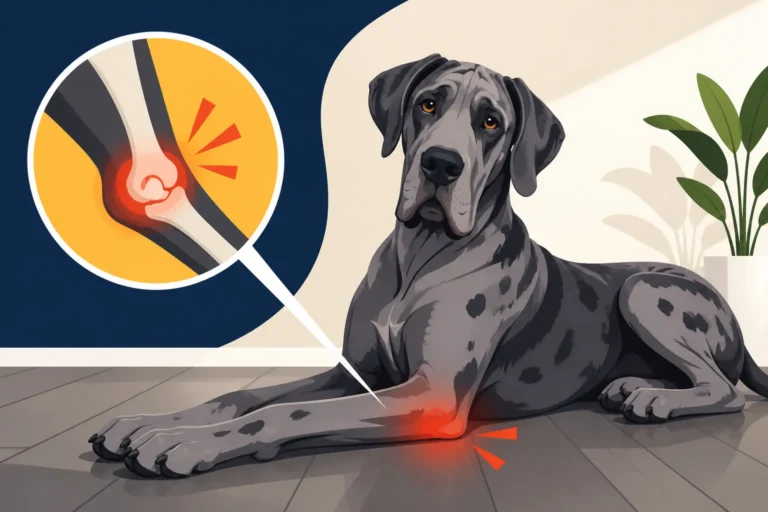
It's easy to focus on hips and elbows when we think of arthritis in a Great Dane, but joint pain can strike anywhere, including the temporomandibular joint (TMJ), which connects the jaw to the skull. Inflammation here can make opening and closing the mouth incredibly painful. Imagine the strain of crunching down on hard kibble when your jaw joints are stiff and aching. Similarly, arthritis or other degenerative changes in the neck vertebrae can also impact chewing. If moving their head or neck causes pain, reaching the food bowl or even just manipulating food in their mouth becomes a monumental task. This is particularly relevant for giant breeds, whose immense size puts extra strain on all their joints over time. Caring for a Great Dane Past Six often means addressing widespread joint discomfort.
Neurological Issues and Muscle Weakness
Certain neurological conditions can impact a Great Dane's ability to coordinate their chewing and swallowing muscles. Degenerative myelopathy, for instance, while typically affecting hind leg coordination, can sometimes have broader neurological impacts. Nerve damage in the face or jaw can lead to muscle weakness or paralysis, making it impossible to chew effectively. You might notice them dropping food repeatedly, struggling to pick it up, or gagging as they try to swallow. These issues aren't always visible from the outside, but they significantly disrupt the complex process of eating. Even generalized muscle weakness, a common part of aging, can make the effort of sustained chewing too tiring for a senior Dane.
Other Underlying Health Conditions
Sometimes, chewing difficulty is a secondary symptom of a more pervasive health problem. Dogs with kidney disease or liver disease, for example, can feel generally unwell, nauseated, and lose their appetite, making food unappealing regardless of its texture. Kidney and Liver Values in an Old Great Dane are important to monitor. Cancer, especially if it's in or around the mouth, throat, or even a distant tumor causing generalized malaise, can also lead to a reluctance to chew. Even metabolic disorders or hormonal imbalances, like hypothyroidism, can cause lethargy and a general disinterest in food, making a dog too tired or uninterested to bother with chewing. It's why a comprehensive veterinary check-up is always the first recommended step.
Spotting the Subtle Clues: Signs Your Great Dane is Struggling to Chew
Our Great Danes are stoic creatures, often hiding their discomfort until it becomes severe. Because they can't tell us directly that their teeth hurt or their jaw aches, it’s up to us to be diligent observers. Don't wait until your Dane completely stops eating; by then, the problem is likely well advanced. Being proactive means knowing the subtle signs to look for and acting on them promptly. Recognizing these early indicators can make a huge difference in their comfort and quality of life as they age.
Changes in Eating Habits and Food Preference
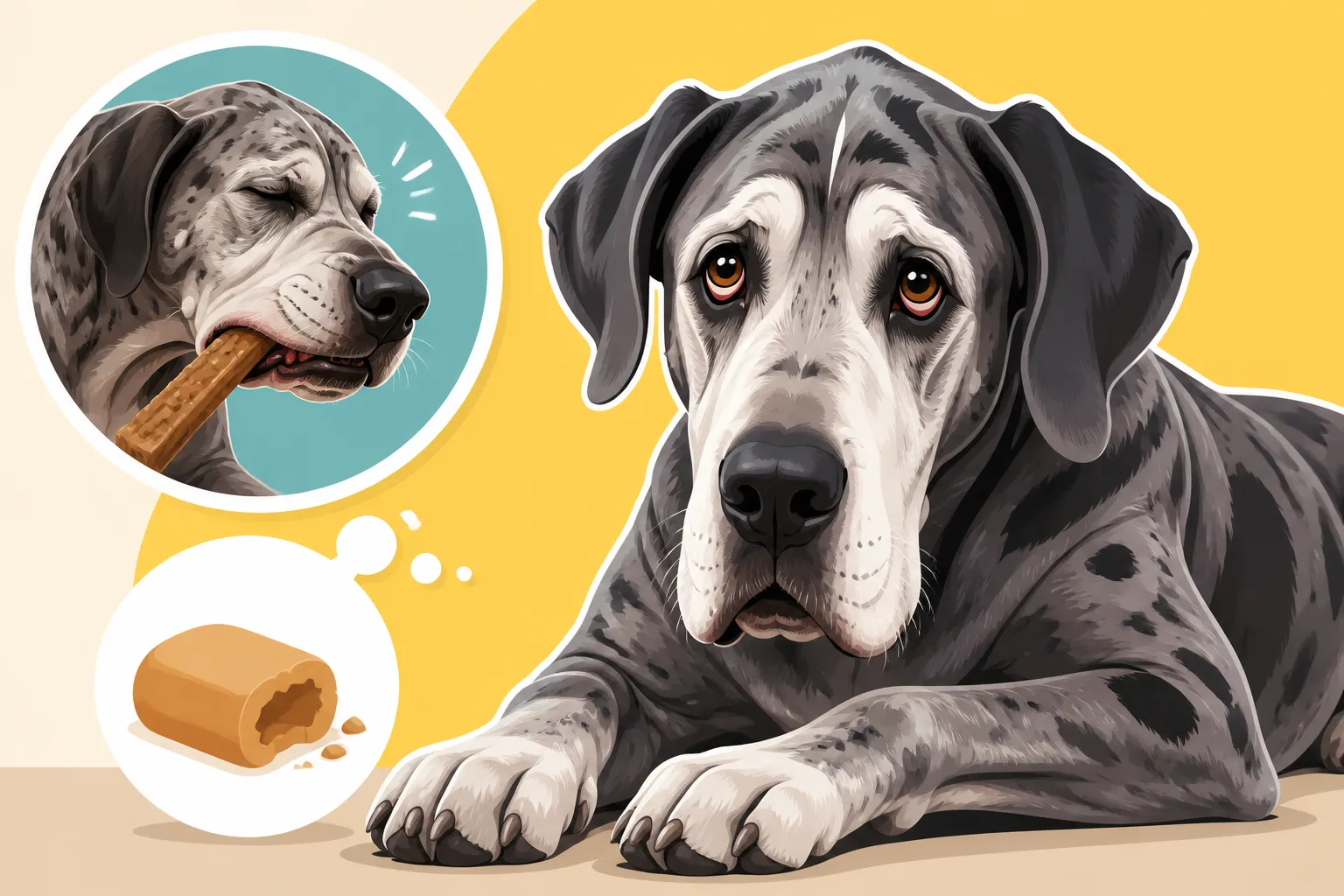
One of the first things you might notice is a shift in how and what your Dane eats. They might approach their bowl hesitantly, sniff the food, and then walk away, or take a few tentative bites before giving up. You might find them preferring softer treats or wet food over their usual kibble, or even trying to swallow kibble whole without chewing. They might start eating much more slowly, taking frequent breaks, or dropping a lot of food out of their mouth. If they typically finish their meal quickly but are now leaving food behind, that’s a red flag. Sometimes, they might even start pawing at their mouth or rubbing their face against furniture after attempting to eat, indicating discomfort.
Visible Oral Changes and Physical Discomfort
Get comfortable gently inspecting your Great Dane's mouth regularly. Look for any visible signs of trouble:
- Red, swollen, or bleeding gums: These are classic signs of gum disease.
- Loose, broken, or discolored teeth: A discolored tooth, especially if it's gray or purple, often indicates a dead pulp and is very painful.
- Excessive drooling: While Great Danes are known for drool, an increase, especially if it's bloody or unusually thick, can signal oral pain.
- Bad breath: A particularly foul odor, beyond typical dog breath, often means infection.
- Swelling on the face or under the eye: This could indicate an abscessed tooth.
- Reluctance to be touched around the mouth or head: If they flinch or pull away when you try to examine their face or jaw, they're likely in pain.
You might also notice them tilting their head to one side when chewing, trying to favor a less painful area of their mouth. Pay attention to how they open and close their mouth; any stiffness or audible clicking could point to jaw joint issues.
Behavioral and General Health Indicators
Beyond the mouth, other behavioral shifts can clue you in. A Great Dane in pain, even from chewing, can become more irritable, withdrawn, or less enthusiastic about playtime. They might sleep more or seem generally listless. Weight loss is a serious concern, as inadequate nutrition can rapidly lead to other health problems, especially in a Caring for a Great Dane Past Six. Their coat might become dull, and their energy levels might dip further than what's typical for their age. If you notice any of these signs in conjunction with eating difficulties, it's crucial to consult your veterinarian. Early intervention can prevent minor issues from becoming major health crises.
Here's a quick comparison of normal vs. problematic eating behaviors in a senior Great Dane:
| Behavior Aspect | Healthy Senior Great Dane | Great Dane Struggling to Chew |
|---|---|---|
| Approach to Food | Eager, approaches bowl readily | Hesitant, sniffs, walks away, takes small, tentative bites |
| Eating Speed | Consistent, might slow down slightly with age | Significantly slower, takes frequent breaks, gives up quickly |
| Food Preference | Consumes usual kibble, might enjoy soft treats | Shows strong preference for soft food/treats, avoids kibble |
| Chewing Action | Chews thoroughly, audible crunching | Swallows kibble whole, drops food, chews on one side, quiet chewing |
| Oral Signs | Healthy pink gums, clean teeth (if well-maintained) | Red/swollen gums, broken/discolored teeth, excessive drooling, bad breath |
| Post-Meal | Content, might lick chops | Paws at mouth, rubs face, restless, sighs of discomfort |
| Weight/Condition | Stable weight, good muscle mass for age | Noticeable weight loss, ribs prominent, dull coat |
Making Mealtime Easier: Practical Adjustments for Chewing Difficulties
Once you've identified that your Great Dane is indeed struggling to chew, and ideally, after consulting with your vet to rule out or treat any underlying medical conditions, it's time to adapt their meal routine. The goal here is to reduce pain and frustration, ensure they get adequate nutrition, and make eating a positive, comfortable experience again. There are many simple yet effective changes you can make to their food and how you present it.
Softening and Altering Food Texture
This is often the first and most impactful step. If hard kibble is the enemy, making it soft is the solution.
- Soak Kibble: The easiest method is to simply add warm water or low-sodium broth to their regular kibble and let it sit for 10-15 minutes until it's completely softened. Stir it into a mush. This makes it much easier to lap up or chew with minimal effort. Brands like Chewy offer a vast selection of kibble, so you can likely find one you already use and begin soaking it.
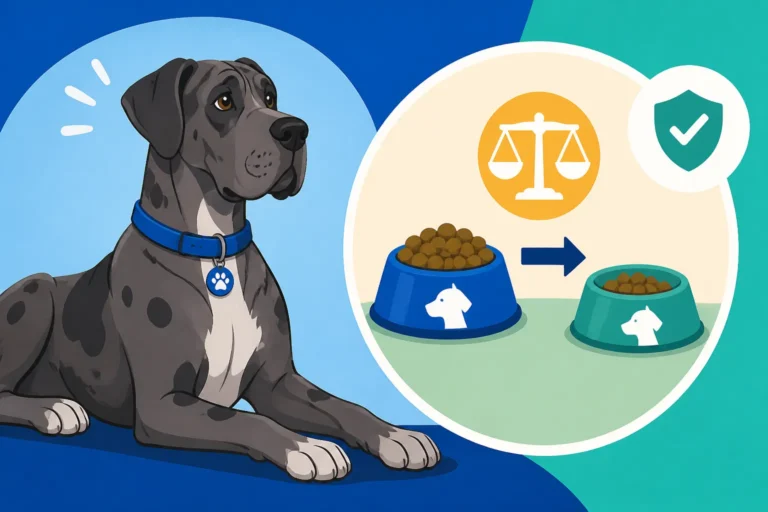
- Canned Wet Food: Switching to a high-quality canned wet food is another excellent option. These foods are already soft, highly palatable, and typically very digestible. Look for formulas designed for senior dogs, which often have appropriate nutrient balances.
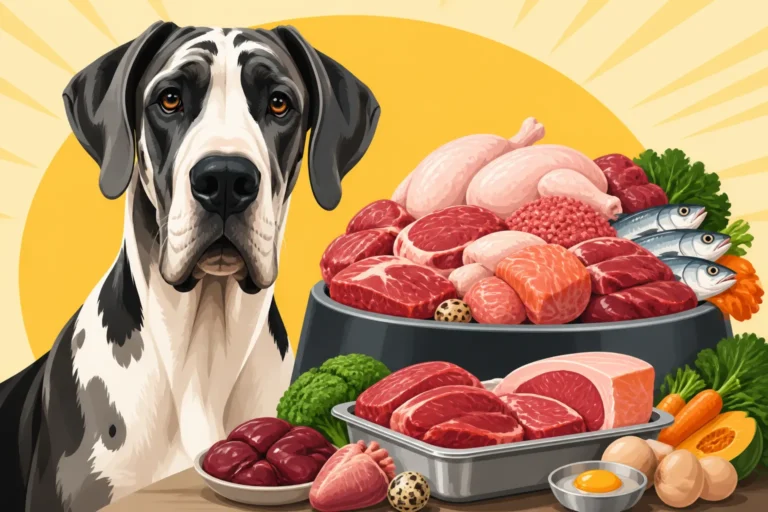
- Fresh or Gently Cooked Food: Consider fresh dog food options. Services like Ollie deliver pre-portioned, gently cooked meals that are naturally soft and often very appealing to dogs with decreased appetite or chewing issues. You can also home-cook bland diets (boiled chicken, rice, sweet potato) under veterinary guidance, ensuring it’s nutritionally balanced for a Great Dane.
- Blending or Mashing: For severe cases, or if your Dane is missing many teeth, you might need to blend or mash their food into a smooth consistency. A food processor can turn soaked kibble, wet food, or home-cooked ingredients into a pate or smoothie-like meal that can be easily licked. Ensure it's not too thick or too thin, aiming for a consistency they can manage without choking.
Choosing Appropriate Food Bowls and Feeding Positions
The right bowl can make a surprising difference. Many senior Great Danes, especially those with neck or joint pain, struggle to bend down to eat from floor-level bowls.
- Raised Bowls: Elevated feeders can significantly reduce strain on their neck and shoulders, allowing them to eat in a more natural, comfortable position. Just be mindful of studies on bloat risk; ensure the height is appropriate, and they're eating slowly. For a Great Dane, a raised bowl should bring the food to their chest height, allowing them to stand comfortably without reaching too far down or up.
- Wide, Shallow Bowls: These prevent their jowls from getting in the way and make it easier to access all the food without having to push their face into a deep bowl. Ceramic or stainless steel bowls are generally preferred for hygiene and durability.
- Non-Slip Mats: Place a non-slip mat under the bowl to prevent it from sliding around, which can be frustrating and even painful for a dog trying to eat. You can find many options on Amazon.
- Quiet Feeding Area: Stress can inhibit appetite. Ensure your Dane has a quiet, calm space to eat where they won't be disturbed by other pets or household activity. This allows them to focus on the challenging task of eating without added anxiety.
Partnering with Your Veterinarian: Diagnosis and Treatment
While home adjustments are crucial, they are only part of the solution. Seeing your veterinarian is paramount to accurately diagnose the cause of chewing difficulties and to establish a comprehensive treatment plan. This isn't just about managing symptoms; it's about addressing the root problem to improve your Great Dane's overall health and comfort. Remember, you're not in this alone; your vet is your best ally in caring for your aging giant.
Comprehensive Oral Examination and Dental Work
Your vet will perform a thorough oral exam, often requiring sedation or general anesthesia for a Great Dane to get a truly unobstructed view of every tooth surface, gum line, and the back of the throat. They'll check for broken teeth, gum recession, abscesses, and any growths. Dental X-rays are often necessary to assess the health of the tooth roots and jawbone, as much of the disease can hide below the gum line.
- Professional Dental Cleaning: If dental disease is present, a professional cleaning, often referred to as a COHAT (Comprehensive Oral Health Assessment and Treatment), will be recommended. This involves scaling, polishing, and potentially extractions of diseased or painful teeth. While the idea of anesthesia for an older Great Dane can be daunting, a complete pre-anesthetic workup, including blood tests and sometimes an EKG, significantly mitigates the Anesthesia Risk in a Great Dane. The relief your Dane will experience from a pain-free mouth often outweighs the risks of the procedure. Dental Work on a Great Dane can be a game-changer.
- Pain Management: For immediate relief, your vet might prescribe anti-inflammatory medications or pain relievers. These can help alleviate discomfort from dental issues, arthritis, or other pain sources, making it easier for your Dane to eat while you explore long-term solutions.
Investigating Other Medical Causes
If dental issues aren't the primary cause, or if your Dane's symptoms suggest more, your vet will broaden their diagnostic approach.
- Bloodwork and Urinalysis: These tests are fundamental. They can reveal underlying systemic diseases like kidney disease, liver issues, diabetes, or thyroid problems, which can all affect appetite and overall well-being. The Thyroid Test a Slow Great Dane Needs can be particularly important.
- Imaging (X-rays, MRI, CT Scans): If arthritis of the jaw or neck is suspected, X-rays of the head and neck can provide valuable information about joint health and spinal integrity. For more complex neurological issues or suspected tumors, an MRI or CT scan might be recommended, though these are more specialized and costly procedures.
- Referral to Specialists: In some cases, your primary vet might recommend a referral to a veterinary dentist, an internal medicine specialist, or a neurologist. These experts have advanced tools and knowledge to diagnose and treat complex conditions that might be affecting your Dane's ability to chew. For instance, if Wobbler's Syndrome is suspected, a neurologist might perform Imaging a Great Dane Neck for Wobblers.
Remember, your Great Dane relies on you to be their advocate. Don't hesitate to ask questions, discuss your concerns about treatment options, and work closely with your veterinary team. Their expertise, combined with your loving care and observation, will help your senior Dane navigate these challenges and enjoy their meals again.
Disclaimer
This article is for general informational purposes only and does not constitute professional advice. Laws, prices and regulations vary by location and change over time. Consult a qualified professional for guidance on your specific situation.