Hard Floors and a Great Dane’s Elbows
It's a familiar sight for many of us Great Dane owners: our majestic, often clumsy, giants navigating the sleek, unforgiving landscape of hard floors. While they might glide with surprising grace sometimes, the constant impact of their substantial weight on hard surfaces can take a serious toll on their delicate joints, particularly their elbows. This comprehensive guide is here to shed light on why those beautiful floors can be problematic, what issues they can cause for your Great Dane, and most importantly, how you can create a safer, more comfortable environment for your beloved companion.
The Reality of Hard Floors for a Giant Breed
Our Great Danes are magnificent, but their sheer size, while awe-inspiring, comes with its own unique set of physical challenges. Unlike smaller breeds that can flit across a polished tile floor with minimal impact, a Great Dane's considerable mass means every step, every flop, and every clumsy sprawl carries significant force. It's not just about slips and falls, though those are certainly a concern; it's about the cumulative wear and tear on their joints.
Why Hard Surfaces Are a Problem for Great Danes
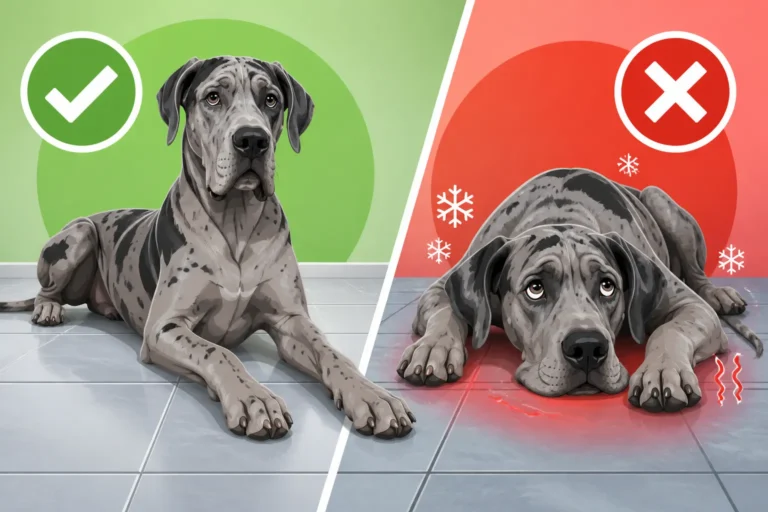
Imagine dropping a bowling ball repeatedly on a concrete floor versus a cushioned mat. The difference in impact is immense, and while your Great Dane's bones and joints are far more resilient than a bowling ball, the principle remains. Hard surfaces like hardwood, laminate, tile, and concrete offer very little shock absorption. When a Great Dane lies down, especially with a thud, or simply walks and pivots, the force of their body weight isn't properly dispersed. Instead, it concentrates on the points of contact, most notably their elbows.
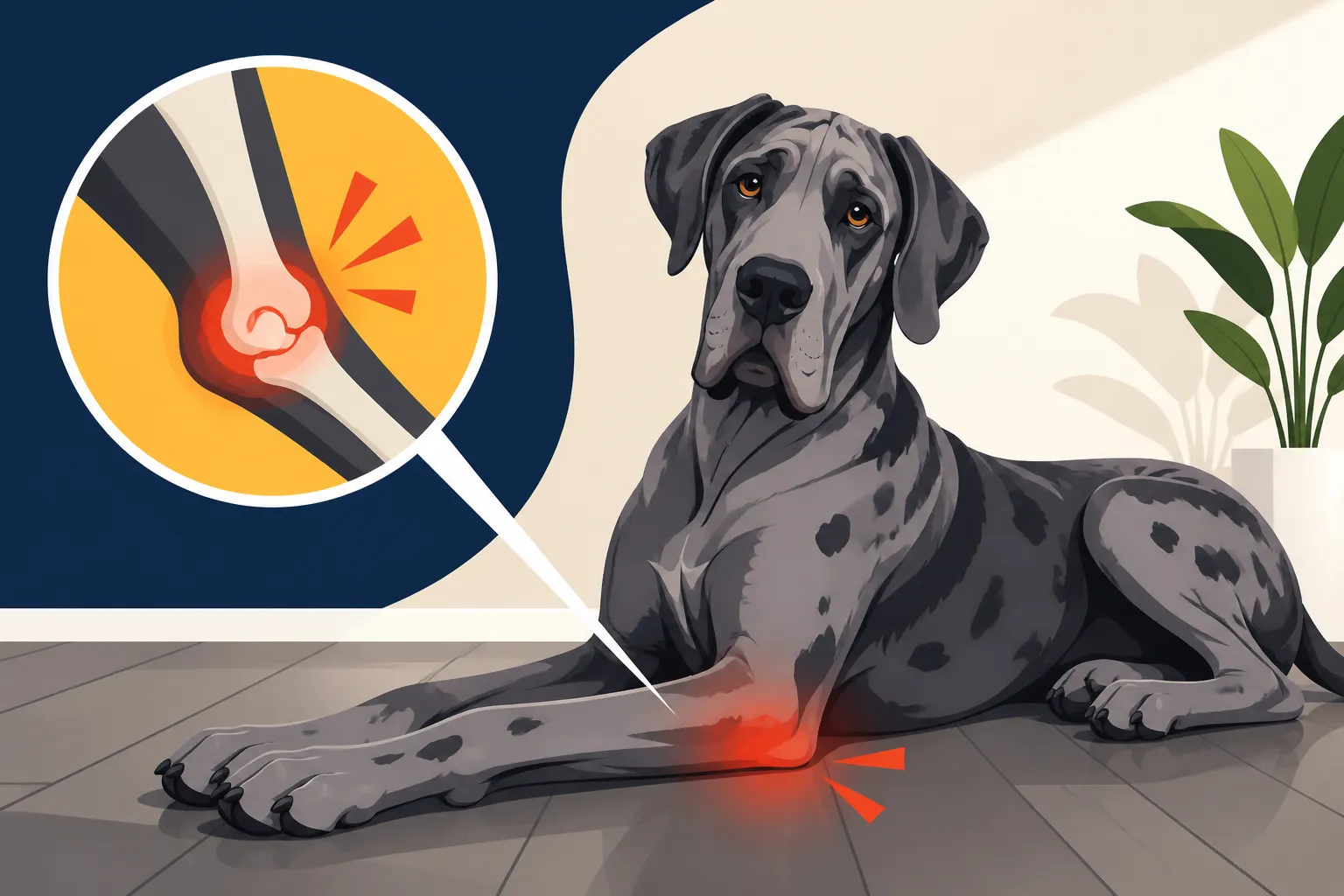
This constant, unyielding pressure can lead to inflammation and irritation of the soft tissues surrounding the elbow joint. Over time, this repetitive trauma can damage cartilage and bone. Their immense weight also means that when they stand up from a lying position, especially on a slippery surface, they often have to brace themselves and use their elbows more vigorously, grinding them against the floor. This isn't just uncomfortable; it sets the stage for more serious, painful conditions. It's a silent stressor that builds up day after day, year after year, slowly chipping away at their joint health. We adore their dramatic flops, but those endearing gestures can have long-term consequences on unforgiving flooring.
Understanding Elbow Hygromas and Calluses
Two of the most common and visible issues directly linked to Great Danes and hard floors are elbow hygromas and calluses. These aren't just cosmetic flaws; they indicate underlying tissue damage and discomfort.
An elbow hygroma is a fluid-filled sac that develops over the bony prominence of the elbow joint. It typically forms as the body's protective response to repeated trauma or pressure. Essentially, it's a giant, squishy bursa that inflates to cushion the area. Initially, a hygroma might be soft and mobile, causing little pain. However, if the trauma continues, it can grow larger, become firm, and in severe cases, rupture or become infected. An infected hygroma is incredibly painful, requiring immediate veterinary attention and often extensive treatment. It's a stark reminder that the body is screaming for relief from the constant pounding on hard surfaces. If you see this developing, understanding Elbow Hygromas on a Great Dane is crucial, and you'll want to read about Treating a Great Dane Hygroma Before It Opens.
Elbow calluses, on the other hand, are areas of thickened, hardened skin that develop in response to chronic friction and pressure. Think of it like a human callus on a hand or foot from repetitive rubbing. For Great Danes, these commonly appear on their elbows and hocks (ankles). While a callus itself isn't a fluid-filled sac like a hygroma, it signifies prolonged pressure and can become cracked, dry, and sometimes infected. These calluses can also indicate that the underlying joint is receiving insufficient cushioning. They often look unsightly, with hair loss in the affected area, but more importantly, they can be tender or painful, especially if they become deep or fissured. We often see these in older Danes who've spent years lounging on bare floors, a common topic when discussing Calluses on a Great Dane's Elbows and Hocks.
Preventing Elbow Issues: Proactive Solutions for Your Great Dane
The good news is that preventing elbow problems stemming from hard floors is largely within your control. It requires a thoughtful approach to your home environment and a commitment to protecting your Great Dane's joints from the day they arrive. Remember, prevention is always easier and less painful than treatment.
Strategic Rug and Runner Placement
The simplest and most effective way to combat the harshness of hard floors is to cover them strategically. You don't necessarily need to carpet your entire home, but focusing on high-traffic areas and common resting spots can make a world of difference.
Think about where your Great Dane spends most of their time. Do they have a favorite spot in the living room for their afternoon nap? Do they often lie down in the kitchen while you're cooking, or by the front door waiting for you to return? These are prime locations for soft, cushioned surfaces. Placing large area rugs in main living spaces provides a comfortable landing pad and reduces the impact of their sprawling. For pathways and hallways, runners are your best friend. They offer continuous traction and cushioning, minimizing slips and softening the repetitive steps of their heavy gait.
When choosing rugs and runners, prioritize thickness and good backing. A thin rug offers little cushion, and a rug without a non-slip backing can become a new hazard, causing slips and falls. Look for rugs with rubberized or non-skid backings, or invest in separate rug pads that can go underneath. Materials like wool or thick synthetic blends offer good cushioning. You can find a wide variety of these on sites like Amazon or Chewy, often with reviews from other giant breed owners, helping you choose the right density and size. Making these changes is a fantastic step toward protecting Great Dane Hips, Elbows and Growing Joints.
The Importance of High-Quality, Orthopedic Bedding
Beyond rugs for general floor coverage, specific, dedicated orthopedic beds are absolutely non-negotiable for a Great Dane, especially one living in a home with hard floors. These aren't just fancy dog beds; they are therapeutic tools designed to support their massive frames and protect their joints.
A truly orthopedic bed for a Great Dane needs substantial thickness and density. Forget those flimsy, fiber-filled beds that flatten out after a week. What your Dane needs is a bed with high-density memory foam or a similar supportive material that will not only cushion but also conform to their body, distributing their weight evenly and relieving pressure points. Aim for beds that are at least 4-6 inches thick, and even more for particularly large or older Danes. When considering Orthopedic Beds a Great Dane Needs, think about how your Dane sleeps. Do they sprawl? Curl up? The bed needs to accommodate their full length and width comfortably.
Place these beds in all primary resting areas. This might mean one in the living room, one in the bedroom, and perhaps even one in a crate if you use one. The idea is to make it so appealing and comfortable that your Great Dane chooses to lie on it rather than the hard floor. Regular cleaning and occasional rotation of the bed can help maintain its loft and effectiveness. Remember, investing in a good quality bed is an investment in your Great Dane's long-term comfort and health, helping to prevent issues like Elbow Problems in a Fast-Growing Great Dane. It’s a foundational piece of their care, as vital as good food or regular vet visits.
Managing Existing Elbow Conditions and Ensuring Comfort
Even with the best intentions and proactive measures, sometimes elbow issues can still arise, especially in Great Danes who may have had prior exposure to hard floors or have a genetic predisposition to joint problems. The key here is early intervention and consistent management to minimize discomfort and prevent conditions from worsening.
Addressing Hygromas and Calluses Once They Appear
If you notice a hygroma or a prominent callus developing on your Great Dane's elbow, the very first step is a veterinary consultation. Don't try to self-diagnose or treat it with home remedies, as what appears to be a simple bump could be something more serious, or it could become infected if not properly managed.
For a hygroma, your vet will assess its size, consistency, and whether it shows signs of infection. Small, uncomplicated hygromas may be managed conservatively by simply increasing cushioning and monitoring. This often means doubling down on orthopedic bedding and ensuring the dog avoids hard surfaces entirely. Your vet might suggest protective elbow sleeves or wraps, which can add an extra layer of cushioning. These are usually breathable, soft fabrics that cover the elbow, providing a barrier between the skin and the floor. For larger or infected hygromas, more invasive treatments like aspiration (draining the fluid), steroid injections, or even surgical removal might be considered, though surgery is generally a last resort due to potential complications.
For calluses, the focus is on softening the skin and preventing cracking and infection. Your vet may recommend specific topical emollients or ointments to keep the skin supple. Regular, gentle massage of the area can also help improve circulation. It's crucial to address the underlying cause – the pressure from hard floors – with even more diligence. This might mean re-evaluating your home setup and adding more Rugs and Runners for a Great Dane's Joints or even thicker Choosing Foam Thick Enough for a Great Dane for their beds. In severe cases where calluses are deeply fissured or infected, antibiotics may be necessary.
Supportive Care and Lifestyle Adjustments
Beyond direct management of hygromas and calluses, a holistic approach to your Great Dane's overall health and well-being will significantly aid in joint comfort.
Weight management is paramount. Every extra pound your Great Dane carries adds stress to their joints, exacerbating any existing elbow issues. Work with your vet to ensure your Dane maintains a lean body condition. This might involve adjusting their diet, measuring portions precisely, and limiting high-calorie treats. For feeding, consider options like those offered by Ollie, which focus on balanced nutrition for healthy weight.
Gentle, consistent exercise helps maintain muscle mass, which supports joints, and keeps them mobile without overstressing damaged areas. Think controlled walks on soft surfaces like grass or dirt trails, rather than long runs on pavement. Avoid high-impact activities or prolonged standing on hard surfaces.
Joint supplements containing ingredients like glucosamine, chondroitin, and MSM can be beneficial, especially for older Great Danes or those with developing joint issues like Arthritis in a Six-Year-Old Great Dane. While not a magic bullet, these supplements can help support cartilage health and reduce inflammation. Always discuss supplement choices with your veterinarian to ensure they are appropriate for your dog and properly dosed for a giant breed.
Here’s a quick overview of common solutions for managing hard floors:
| Solution Type | Description | Key Benefits | Considerations |
|---|---|---|---|
| Area Rugs | Large, cushioned rugs placed in high-traffic or resting areas. | Softens impact, provides traction, adds warmth. | Requires non-slip backing, regular cleaning. |
| Runners | Long, narrow rugs for hallways and pathways. | Prevents slips, cushions steps, defines movement paths. | Must be securely placed to avoid tripping hazards. |
| Orthopedic Beds | High-density foam beds designed for large/senior dogs. | Excellent pressure relief, joint support, superior comfort. | Can be expensive, large footprint, check thickness & density. |
| Protective Sleeves | Soft, padded covers for elbows. | Direct cushioning for existing hygromas/calluses, prevents friction. | Must fit correctly, can be prone to slipping or being chewed off. |
| Rubber Mats | Durable, non-slip mats for specific high-impact areas (e.g., kitchen sink). | Excellent traction, good cushioning, easy to clean. | Not as aesthetically pleasing for all home areas. |
By combining environmental modifications with proactive and reactive care, you can significantly improve your Great Dane's comfort and quality of life, ensuring those hard floors don't become a source of chronic pain or severe medical conditions.
Disclaimer
This article is for general informational purposes only and does not constitute professional advice. Laws, prices and regulations vary by location and change over time. Consult a qualified professional for guidance on your specific situation.