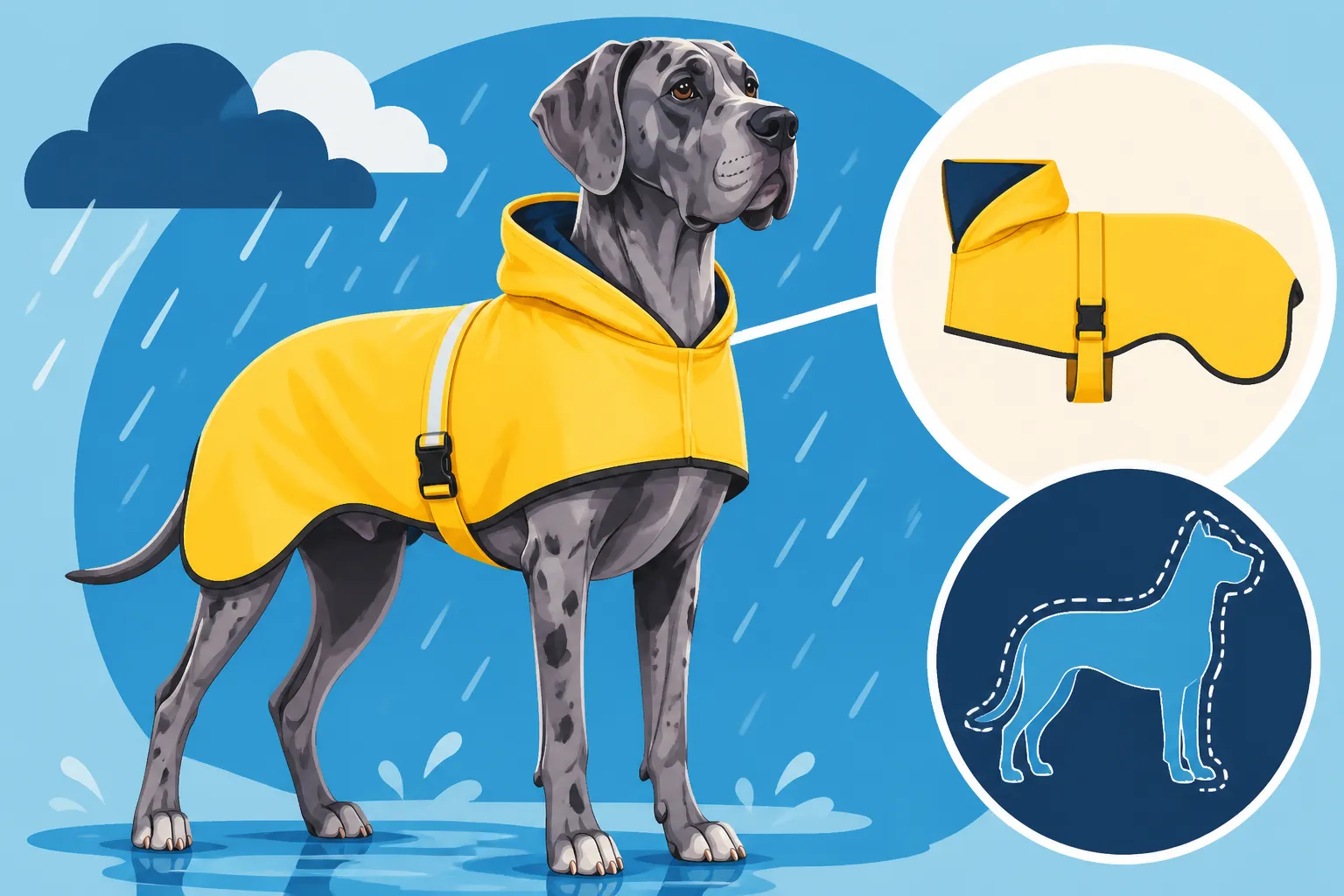
Rain Coats Sized for a Great Dane
One of the biggest headaches for Great Dane owners when the weather turns wet isn't just getting soaked themselves, it's dealing with a giant, dripping, mud-covered dog trying to shake off indoors, track grime everywhere, and then shiver for hours. This comprehensive guide will walk you through everything you need to know about finding and fitting the perfect raincoat for your Great Dane, ensuring both their comfort and your sanity when the skies open up.
Why Your Great Dane Absolutely Needs a Raincoat
Let's be real: living with a Great Dane means living big. Big love, big slobber, and definitely big messes when they get wet. A raincoat isn't just a cute accessory; for a dog of this size, it's a practical necessity that can save you a lot of grief and potentially protect your Dane's health.
Protecting Against the Chill and Damp
Unlike some breeds with thick, double coats, many Great Danes have relatively thin, short coats that offer minimal protection against cold rain and wind. When they get thoroughly soaked, that dampness can quickly lead to a significant drop in body temperature, especially if it's chilly outside. This isn't just uncomfortable; it can be detrimental to their well-being. Think about a brisk autumn walk turning into a sodden slog – your Dane might start shivering uncontrollably, using up valuable energy trying to stay warm. A quality raincoat acts as a barrier, keeping their core dry and helping to maintain their body heat, making those rainy walks much more enjoyable and safer for them. This is especially true for senior Danes or those with existing joint issues, where cold and damp can exacerbate discomfort. Whether a Thin-Coated Great Dane Gets Cold is a real concern, and a good raincoat is part of the answer.
Minimizing Mess and Drying Time
Anyone who's welcomed a soaking wet Great Dane back into their home knows the immediate chaos that follows. The shake. Oh, the shake! Water flies everywhere, splattering walls, furniture, and anything within a ten-foot radius. Then comes the relentless dripping as they inevitably find the softest rug or your clean duvet to lie on. Drying a Great Dane is a monumental task, often requiring multiple towels and a considerable amount of time. Even with the best efforts, you're usually left with a lingering damp dog smell and muddy paw prints tracking through the house. A raincoat dramatically reduces the amount of water and mud your dog brings inside, cutting down drying time to a fraction and saving your home from becoming a swamp. It means less frantic towel-scrubbing and more peaceful post-walk relaxation for everyone. If you've ever tried Bathing a Great Dane at Home, you know minimizing wetness is key!
Practicality for Outdoor Adventures
Great Danes love to be with their people, and that often means joining you on walks, trips to the park, or even just stepping out for a quick potty break. When the weather is less than ideal, a raincoat ensures these essential outings aren't curtailed. It allows you to maintain a regular exercise routine without worrying about your dog getting miserably wet or you having to spend an hour cleaning up afterward. For those who enjoy more extensive outdoor activities like hiking, a raincoat is indispensable. It protects them from the elements, keeps them more comfortable, and prevents potential skin irritations that can arise from prolonged dampness against their skin. The goal is to keep your Great Dane active and engaged, regardless of a little drizzle or a full-on downpour.
Essential Features to Look for in a Great Dane Raincoat
Finding a raincoat that actually fits a Great Dane and stands up to their unique needs isn't always easy. They aren't just big; they have a specific build that requires thoughtful design. Here's what to prioritize when you're shopping.
Material and Waterproofing
The primary function of a raincoat is to repel water, so the material is paramount. Look for raincoats made from genuinely waterproof fabrics, not just water-resistant ones. While water-resistant materials might shed a light drizzle, they'll eventually soak through in a proper downpour, leaving your Dane just as wet underneath.
Many quality raincoats are made from nylon or polyester with a waterproof coating (like PU – polyurethane) or a laminated membrane (like Gore-Tex, though less common in everyday dog coats). These materials are excellent at keeping water out. It's also important to consider the breathability of the fabric. While keeping rain out, you don't want to trap too much heat and make your Dane uncomfortable. A good balance allows for some air circulation while maintaining waterproof integrity. Some coats feature taped seams, which is a fantastic detail as seams are often the first place water can seep through. You want that complete barrier against the wet.
Coverage and Fit
This is where finding a Great Dane raincoat can get tricky. Their deep chests, long bodies, and sometimes surprisingly slender waists mean a generic "large" size often won't cut it.
- Back Length: The coat needs to extend from the base of their neck all the way over their tail for maximum coverage. A coat that's too short will leave their hindquarters exposed and wet.
- Chest and Belly Coverage: Look for a design that covers a good portion of their chest and belly. Danes have deep chests that can get very muddy and wet from splashing. A coat with a wide belly strap or a panel that extends further back offers superior protection.
- Leg Straps or Sleeves: Some raincoats include elastic leg straps to keep the back of the coat from flapping up in the wind or during movement. Others, often called "four-leg" or "overall" designs, have full sleeves for the legs. While these offer maximum mud protection, they can be a bit more cumbersome to put on and take off. Consider your primary concern: just keeping the back dry, or also minimizing muddy legs?
- Adjustability: Great Danes vary in build. Adjustable straps around the neck and belly are crucial for a snug yet comfortable fit. Velcro closures are common, but look for sturdy, wide straps that won't easily come undone or rub. The ability to cinch the coat slightly ensures it stays in place without restricting movement.
Visibility Features
Rainy weather often means reduced visibility, whether it's overcast skies, fog, or nighttime downpours. Incorporating reflective elements into a raincoat isn't just a bonus; it's a safety essential, especially if you walk your Dane near roads or in areas with less light. Reflective strips, piping, or even entire panels woven into the fabric can make a huge difference in how easily drivers, cyclists, and other pedestrians can spot your dog. Brighter colors like neon yellow, orange, or lime green also enhance visibility during the day. Think of it as an extra layer of protection for your gentle giant.
Measuring Your Great Dane for a Perfect Fit
Getting the right measurements is the single most important step in finding a raincoat that your Great Dane will actually wear and benefit from. Too tight, and it's uncomfortable; too loose, and it chafes or lets water in. Don't rely solely on weight, as two Danes of the same weight can have very different body shapes.
The Three Critical Measurements
Before you even start browsing online, grab a soft tape measure and jot down these three numbers. Have your Great Dane stand naturally, not hunched or stretched, to get the most accurate fit. A delicious treat can help encourage them to stay still for a moment!
- Back Length: Measure from the base of your Dane's neck (where their collar typically sits) to the base of their tail. This measurement tells you how long the coat needs to be to cover their entire back. If your dog has a very long, low-set tail, you might want a coat that goes a touch further to protect it from splashing.
- Girth/Chest Circumference: This is the measurement around the widest part of their rib cage, just behind their front legs. Great Danes have famously deep chests, so this number will likely be quite large. Ensure the tape is snug but not tight enough to restrict breathing. This measurement dictates whether the coat will comfortably wrap around their barrel-like body.
- Neck Circumference: Measure around the widest part of their neck, where the collar usually sits. Some raincoats have adjustable necks, but knowing this size ensures a good starting point and prevents discomfort or gapping where water can enter.
Interpreting Sizing Charts (and the Great Dane Factor)
Once you have your measurements, compare them carefully to the sizing charts provided by manufacturers. Here's where the "Great Dane factor" often comes into play. Many standard dog clothing brands don't truly account for the unique proportions of a giant breed. You might find a coat that's long enough, but the chest is too snug, or the chest fits, but it's like a mini-skirt on their back.
- Prioritize Chest Girth: For most Great Danes, the chest girth is the most critical measurement. A coat that's too tight here will be uncomfortable and restrict movement, even if the back length is perfect. If you're between sizes, often sizing up for chest comfort is the better choice, provided the coat isn't then excessively long.
- Read Reviews: Online platforms like Chewy and Amazon are goldmines for reviews from other giant breed owners. Look for comments specifically mentioning Great Danes, or similar large, deep-chested breeds, and how the sizing worked for them. They'll often tell you if a brand "runs small" or is surprisingly well-proportioned for a Dane.
- Consider Brand Specialization: Some brands specialize in larger breeds, which often means their sizing charts are more accurate for Great Danes. Do a little research into brands known for catering to giant dogs.
| Measurement Category | How to Measure | Why It's Important | Great Dane Considerations |
|---|---|---|---|
| Back Length | Base of neck to base of tail | Ensures full body coverage, preventing wet hindquarters | Great Danes have long backs; many standard "XL" coats are too short. Aim for maximum tail coverage. |
| Chest Girth | Around widest part of chest, behind front legs | Crucial for comfort and unrestricted movement | Danes have very deep chests. This is often the most challenging measurement to fit. Prioritize this measurement; you might need to size up even if the back length is slightly long. |
| Neck Circumference | Widest part of the neck, where collar sits | Prevents water entry and ensures comfort | Important for a snug fit that doesn't choke or gape. Adjustable neck closures are a huge plus. |
Advanced Raincoat Features and Their Benefits
Beyond the basic requirements, several other features can significantly improve the functionality and overall experience of using a raincoat on your Great Dane. These small details can make a big difference in comfort, ease of use, and overall protection.
Hoods and Collar Coverage
A common frustration with many dog raincoats is that they leave the dog's head and neck exposed to the elements. For a Great Dane, their large heads and long necks can get just as wet and chilly as their bodies.
- Integrated Hoods: Some raincoats come with an attached hood. While not every Dane tolerates a hood over their ears, one that offers good coverage for the back of the head and neck can be a lifesaver for keeping water from running down their neck and chest. Look for hoods that are easily adjustable or even detachable if your dog prefers not to wear one.
- High Collars: Even if a hood isn't feasible, a raincoat with a high, stand-up collar offers excellent protection for the neck area. This prevents rain from seeping in through the neck opening, keeping their crucial core and shoulder muscles drier and warmer. It also helps block wind, which can be just as chilling as rain itself. This is particularly beneficial if your Dane wears a harness, as a high collar can often cover where the harness might otherwise create a gap.
Harness Compatibility
Many Great Dane owners use harnesses for walks, especially given their strength and size. If your dog wears a harness, you'll want a raincoat that accommodates it without hassle.
- Harness Opening: Look for raincoats with a dedicated opening or slit on the back. This allows you to clip your leash to the harness D-ring over the raincoat, meaning you don't have to put the harness on top of the coat, which can compress the material and negate its waterproofing. These openings often have a waterproof flap to prevent rain from entering.
- Under-Coat Harness Design: Some coats are designed to be worn over a harness, but this can be bulky and reduce the harness's effectiveness or comfort. The ideal is a coat that fits over the harness with a leash portal, or a design that integrates the harness function within the coat itself. Always check if the coat's design interferes with your harness's fit or function, particularly around the chest, where many harnesses sit. This becomes even more critical when you consider Harnesses and Collars That Control a Great Dane – you don't want the coat to undermine its effectiveness.
Liner Materials and Warmth
While the primary goal of a raincoat is to keep your Great Dane dry, some offer an added layer of warmth. This can be a huge benefit depending on your climate and your Dane's tolerance for cold.
- Mesh Lining: A lightweight mesh lining is common in many raincoats. Its purpose isn't warmth, but rather to improve air circulation and prevent the waterproof outer layer from sticking uncomfortably to your dog's coat. It also helps wick away any condensation that might form inside, adding to overall comfort.
- Fleece or Quilted Lining: For colder, rainy conditions, a fleece or lightly quilted lining can provide essential insulation. This is especially helpful for Danes with shorter coats or those who get cold easily. However, be mindful that a lined coat will be warmer, so it might not be suitable for mild rainy days. Assess your typical weather conditions and your dog's individual needs. A fully lined coat can be fantastic for winter downpours, but too much for a spring shower. You're trying to find that sweet spot for Keeping a Great Dane Comfortable in Heat and cold.
Choosing the right features can truly transform a simple rain jacket into a highly functional piece of gear that makes rainy days a breeze for both you and your majestic Great Dane. With careful consideration of these details, you can find a raincoat that not only fits perfectly but also enhances their comfort and safety.
Maintaining Your Great Dane's Raincoat
So, you've invested in a great raincoat for your Great Dane – awesome! But just like any gear, it needs a little love to stay functional. Proper care ensures its waterproofing lasts and keeps it ready for the next downpour. Ignoring maintenance can lead to a prematurely ruined coat that no longer protects your big pup.
Cleaning and Storage Best Practices
A raincoat that's been out in the mud and rain needs to be cleaned correctly. You can't just toss it in with your regular laundry without thinking. Harsh detergents or fabric softeners can actually strip away or damage the waterproof coating, rendering the coat useless.
- Spot Cleaning for Light Dirt: For light mud or splashes, a simple wipe-down with a damp cloth is often sufficient. Don't let mud dry and cake on, as it can be harder to remove and might attract more dirt. Gently brush off any loose debris after each use.
- Machine Washing (Carefully!): When a deeper clean is needed, most raincoats are machine washable, but always check the care label first. Typically, you'll want to use cold water on a gentle cycle. Opt for a technical wash designed for waterproof fabrics, or a mild, non-detergent soap. Absolutely avoid fabric softeners and bleach, as these can clog the waterproof membrane. After washing, a second rinse cycle can help ensure all soap residue is removed.
- Air Drying is Key: Never put a waterproof raincoat in a high-heat dryer. The heat can damage the waterproof backing or tape on the seams. Instead, hang the coat to air dry completely, preferably in a well-ventilated area away from direct sunlight. Ensure it's bone dry before storing to prevent mildew growth.
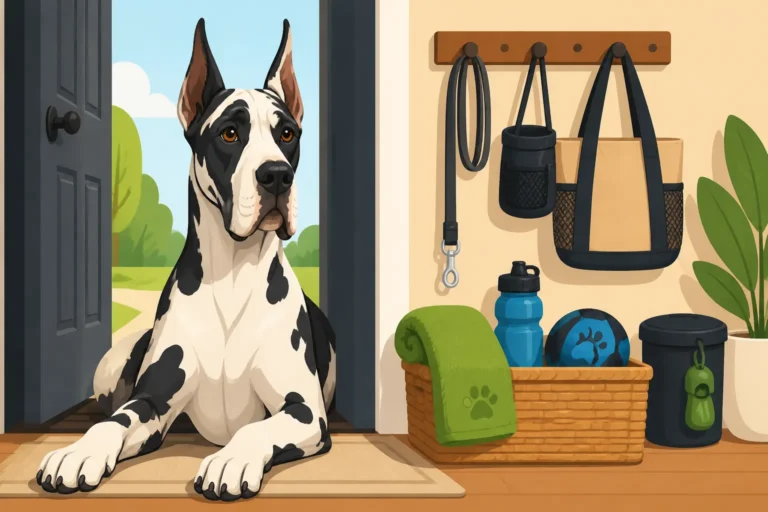
- Proper Storage: Once clean and dry, store the raincoat in a place where it can breathe, rather than crumpled in a ball. Hanging it up or folding it neatly helps maintain its shape and the integrity of the fabric. Keeping it readily accessible, perhaps near the leash and Two Water Bowls in a Great Dane House by the door, means you're always ready for an unexpected shower.
When to Re-waterproof
Over time, even the best waterproof coatings can wear down, especially with repeated washing and use. You'll notice water starting to "wet out" the fabric, meaning it soaks in rather than beading up and rolling off. This doesn't necessarily mean the coat is ruined; it might just need re-waterproofing.
- Signs of Needing Re-treatment: If rain no longer beads on the surface and the fabric looks saturated, it's time. Your Dane might also come back noticeably damp underneath, even after a moderate rainfall.
- Using DWR Sprays: Many outdoor gear companies make durable water repellent (DWR) sprays specifically for technical fabrics. These products are easy to apply: simply wash the coat first, then spray the DWR evenly over the entire outer surface while the coat is still damp or completely dry (follow product instructions). Allow it to air dry, and often a short period of low heat (if recommended by the product and safe for the coat) can help "activate" the DWR.
- Liquid Wash-In Treatments: Another option is a wash-in waterproofing treatment. These are added to your washing machine during a wash cycle and coat the fabric from the inside out. Again, ensure you use a gentle cycle and follow the instructions meticulously. Re-waterproofing can extend the life of your Great Dane's raincoat significantly, saving you the hassle and expense of constantly buying new ones.
By taking these simple steps, you can ensure your Great Dane's raincoat remains a reliable shield against the elements for many seasons to come, keeping your noble companion dry and comfortable on all your outdoor adventures. And hopefully, keep you from dealing with excessive Great Dane Hair on Furniture and Floors after a muddy walk!
Disclaimer
This article is for general informational purposes only and does not constitute professional advice. Laws, prices and regulations vary by location and change over time. Consult a qualified professional for guidance on your specific situation.