Feeding a Great Dane on Heart Medication
It's absolutely heartbreaking when you first hear that your beloved Great Dane has been diagnosed with a heart condition. The world can feel like it's spinning, and suddenly, every aspect of their care, especially something as fundamental as what they eat, becomes a source of anxiety. You want to do everything perfectly to give them the best chance, but navigating the world of canine cardiology diets can feel like cracking a secret code. This guide is here to walk you through the complexities of feeding your Great Dane when they're on heart medication, offering practical advice and understanding to ease your worries.
Understanding the Nutritional Landscape for a Dane with Heart Disease
When your giant companion is facing heart disease, their diet isn't just about providing sustenance; it's a critical component of their medical management. The goal is to support their heart function, manage symptoms, and slow the progression of the disease, all while ensuring they maintain good overall health. This isn't a one-size-fits-all situation, and what's right for one dog might not be ideal for another, even with the same diagnosis.
The Role of Sodium in Heart Health
One of the first things many Great Dane owners hear when their dog is diagnosed with heart disease is the word "sodium." It's true that for many heart conditions, particularly those that lead to congestive heart failure, reducing dietary sodium is a key strategy. The reasoning behind this is fairly straightforward: sodium contributes to water retention, and excess fluid can put more strain on an already struggling heart, leading to fluid buildup in the lungs or abdomen.
However, it's not always as simple as cutting out all salt. There's a delicate balance. Some Great Danes might benefit from moderate sodium restriction, while others with more advanced disease might require very strict control. The challenge for us as owners is that finding genuinely low-sodium commercial foods can be a real hunt. Many "senior" or "light" formulas might be lower, but they often aren't low enough for a therapeutic cardiac diet. And those delicious, crunchy treats we use for training or just showing affection? Many are loaded with sodium, turning a small reward into a significant dietary setback. Think about those cheese-flavored biscuits or jerky treats – they can be surprisingly high in salt. Your vet will guide you on the specific level of sodium restriction necessary, as too little sodium can also have negative impacts, especially if your Dane is on certain diuretics.
Protein, Phosphorus, and Kidney Considerations
Heart disease rarely travels alone in our aging Great Danes. Often, as they get older, there's a concurrent concern about kidney function. These two organ systems are intimately linked, and medications for one can sometimes impact the other. This makes dietary management even more complex, as the ideal diet for advanced kidney disease often involves restricted protein and phosphorus, which might seem counterintuitive for a large dog needing to maintain muscle mass.
For Great Danes with heart disease but healthy kidneys, maintaining adequate, high-quality protein levels is crucial. Our giant breeds rely on protein to maintain their impressive musculature. Losing muscle mass, a condition known as cardiac cachexia, can be a significant problem in advanced heart disease, weakening the dog further. Therefore, the focus should be on quality protein sources that are highly digestible.
If your Great Dane also has kidney issues, your veterinarian might recommend a diet that carefully balances protein and phosphorus levels. High phosphorus can exacerbate kidney disease, but severely restricting protein can lead to muscle wasting. It's a tightrope walk that requires careful veterinary guidance and potentially a specialized therapeutic diet. This is where your vet's expertise truly shines, helping you find a diet that supports both organ systems without compromising one for the other.
Calorie Management and Weight Control
Maintaining an ideal body weight is paramount for a Great Dane with heart disease. Being overweight puts extra strain on the heart, forcing it to work harder to pump blood to a larger body mass. This increased workload can accelerate the progression of heart failure and worsen symptoms. On the flip side, some Great Danes with advanced heart disease can actually struggle to maintain weight due to a condition called cardiac cachexia, where muscle mass is lost despite adequate caloric intake. This can be due to increased metabolic demands from the disease itself or side effects from medications that suppress appetite.
The goal is to keep your Great Dane lean but not underweight. You should be able to easily feel their ribs without seeing them sharply, and they should have a discernible waist when viewed from above. Regularly monitoring their weight is essential. If your Dane is losing weight, you might need to increase calorie density in their food, or make the food more appealing. If they're overweight, careful portion control and appropriate exercise (as permitted by their heart condition) become even more critical. It's a dynamic process that might require adjustments based on their energy levels, appetite, and clinical signs, always in consultation with your veterinary team who understands How Much a Great Dane With a Weak Heart Can Do.
Navigating Commercial Diets and Home-Cooked Options
The sheer volume of dog food choices out there can be overwhelming even for a healthy Great Dane. Add in the complexities of a heart condition and medication, and it can feel impossible to make the right choice. Fortunately, there are specialized options available, but they require careful consideration and professional guidance.
Choosing a Commercial Therapeutic Diet
For many Great Danes on heart medication, a commercial therapeutic diet specifically formulated for cardiac patients is the easiest and most reliable option. These diets are carefully balanced to control sodium, support kidney function if needed, and provide appropriate levels of other critical nutrients like B vitamins, magnesium, and certain amino acids that support heart muscle function. Brands often work with veterinary nutritionists to develop these specialized formulas.
Your veterinarian is the key here. They will assess your Great Dane's specific heart condition, any concurrent health issues, and their current medication regimen to recommend the most appropriate therapeutic diet. These foods are typically available by prescription through your vet's office, or sometimes through online retailers like Chewy or Amazon with a veterinary authorization. The biggest hurdle many owners face with these diets is palatability. Some Great Danes can be picky, and a sudden switch to a new, perhaps less flavorful, food can be a challenge. Strategies like gradually introducing the new food, mixing it with a small amount of low-sodium broth, or warming it slightly can sometimes help. Remember, consistency is important once you find a diet that works. Feeding a Great Dane on Heart Medication is a lifelong commitment once they're diagnosed.
The Appeal and Pitfalls of Home-Cooked Meals
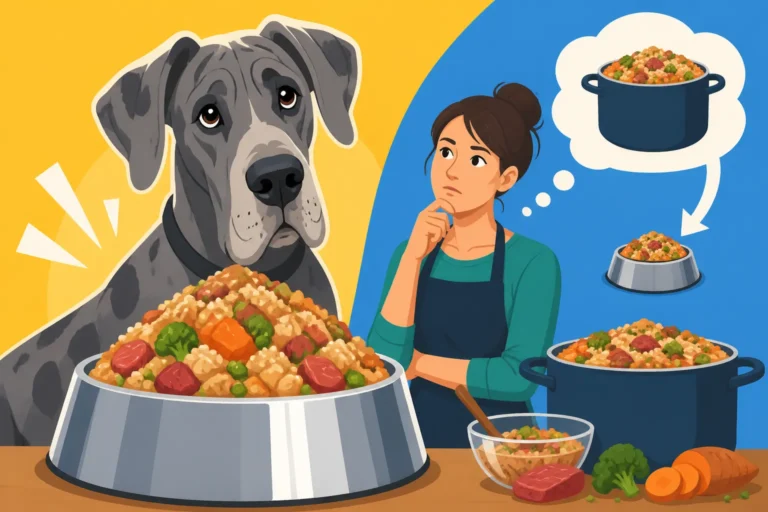
The idea of preparing fresh, wholesome meals for your ailing Great Dane can be incredibly appealing. You might think, "If I cook it myself, I'll know exactly what's in it, and I can control the sodium perfectly!" While the sentiment is admirable, the reality of home-cooking for a giant breed with a specific medical condition is far more complex and often fraught with pitfalls.
It’s incredibly difficult to create a nutritionally complete and balanced diet at home, especially one that meets the strict requirements of a cardiac patient, without the guidance of a board-certified veterinary nutritionist. Simply cutting back on salt in a regular recipe isn't enough. You need to ensure appropriate levels of protein, fats, carbohydrates, and a complete array of vitamins and minerals. Deficiencies or excesses of certain nutrients, like potassium or phosphorus, can be dangerous for a dog with heart disease. Moreover, the sheer volume of food a Great Dane consumes means that preparing home-cooked meals can be incredibly time-consuming and expensive. While some services like Ollie offer fresh, pre-portioned meals, they may not meet the specific therapeutic requirements for heart disease, and the cost for a Great Dane's portion size would be significant. Unless you are working directly with a veterinary nutritionist who can formulate a custom recipe and guide you through its preparation, a commercial therapeutic diet is generally the safer and more effective choice.
Incorporating Supplements and Treats Wisely
When your Great Dane is on heart medication, you might wonder if supplements can offer additional support. Many owners hear about fish oil, L-carnitine, or taurine and want to add them to the diet. For some conditions, like dilated cardiomyopathy (DCM) which Great Danes are prone to, Taurine and Great Dane Heart Health is a discussion worth having with your vet, as a deficiency in some lines can contribute to the disease. Fish oil (omega-3 fatty acids) is often recommended for its anti-inflammatory properties and potential benefits for cardiac health, but the correct dosage for a Great Dane is crucial.
However, it's vital to discuss any supplements with your veterinarian before adding them to your Great Dane's regimen. Supplements can interact with medications, or in some cases, provide too much of a particular nutrient, which could be detrimental. Your vet can advise on appropriate types and dosages.
Treats, oh how we love to spoil our Danes! But when managing heart disease, treats become a careful consideration. The vast majority of commercial treats are too high in sodium. Even small amounts can add up over a day. You'll need to seek out truly low-sodium options. Boiled, plain chicken (no salt added), green beans, small pieces of apple (without seeds), or special low-sodium training treats found on sites like Chewy or Amazon can be good alternatives. Always factor treats into your Dane's daily calorie intake to prevent weight gain, and remember that moderation is key.
Practical Feeding Strategies for a Great Dane on Medication
Beyond what you feed, how you feed your Great Dane with heart disease and medication is equally important. Small adjustments to routine and careful monitoring can make a big difference in their comfort and overall health.
Meal Frequency and Timing
For a Great Dane with heart disease, especially one on diuretics or other medications, breaking their daily food intake into smaller, more frequent meals can be beneficial. Instead of one or two large meals, consider offering three or four smaller portions throughout the day. This can reduce the stomach's workload, prevent large fluctuations in blood sugar, and potentially lessen the risk of gastric torsion (bloat), which, while not directly related to heart disease, is always a concern for Great Danes.
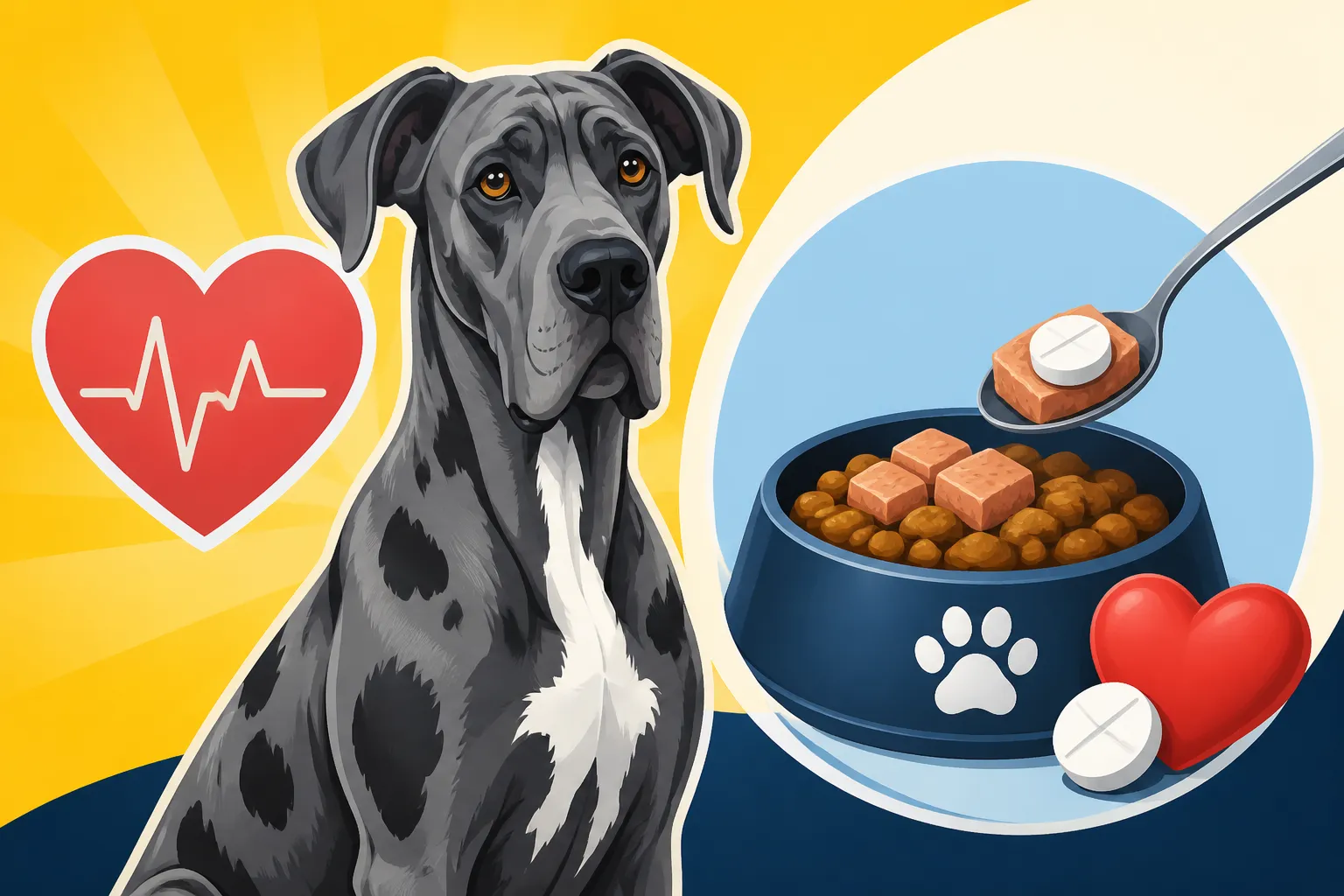
Timing also matters for medication. Some heart medications need to be given with food to prevent an upset stomach, while others might absorb better on an empty stomach. Your vet or veterinary technician will give you specific instructions for each medication. Sticking to a consistent schedule for both meals and medication helps establish a routine that can minimize stress for your Great Dane and ensure they receive their meds effectively. For example, if they need medication with food, breaking their Feeding an Adult Great Dane Six to Ten Cups into smaller, timed meals makes this easier.
Monitoring Appetite and Hydration
One of the most immediate indicators of your Great Dane's well-being is their appetite and hydration status. Dogs with heart disease, particularly those on medication, can experience fluctuations in appetite. Some medications can cause nausea, making food unappealing. Others might affect their sense of smell or taste. It's crucial to monitor how much your Great Dane is eating each day. Are they finishing their meals? Are they showing less enthusiasm for food? Any significant change should be noted and discussed with your vet.
Similarly, hydration is key. Dogs on diuretics will drink and urinate more, which is normal and expected. However, any signs of excessive thirst or, conversely, reduced water intake could signal a problem. Always ensure fresh, clean water is readily available. If your Dane's appetite is waning, you can try making their food more enticing by adding a splash of low-sodium chicken broth, warming it slightly, or offering small amounts of highly palatable, vet-approved low-sodium human food like plain boiled chicken. Sometimes, hand-feeding a few bites can stimulate their appetite. A Great Dane That Cannot Finish a Walk might also show changes in appetite.
Dealing with Medication-Related Digestive Upset
It's an unfortunate reality that many powerful medications, including those for heart disease, can have side effects. Digestive upset, such as nausea, vomiting, or diarrhea, is not uncommon. Diuretics, for example, can sometimes cause mild dehydration or electrolyte imbalances if not managed properly, leading to lethargy or changes in appetite. Pimobendan, a commonly prescribed heart medication, can sometimes cause gastrointestinal issues in some dogs.
If your Great Dane experiences digestive upset after starting or changing heart medication, don't panic, but do contact your vet immediately. They might be able to adjust the dosage, recommend giving the medication with food (if not already doing so), or prescribe an anti-nausea medication. In the meantime, offering a bland diet, such as plain boiled chicken and white rice (cooked without salt or butter), in small, frequent meals can help settle their stomach. Sometimes, probiotics specifically formulated for dogs can also support gut health. Never stop or change your Great Dane's heart medication without explicit veterinary instruction, as this can have serious and even life-threatening consequences for their heart condition, which could be The Heart Muscle Disease Great Danes Are Prone To.
Long-Term Management and Quality of Life
Living with a Great Dane on heart medication is a journey, not a destination. Their needs will evolve, and your approach to feeding and care will need to adapt alongside them. This is a marathon, not a sprint, and your dedication truly makes all the difference.
Regular Veterinary Re-evaluations
Just as their heart condition can progress, your Great Dane's dietary needs can also change over time. What was appropriate when they were first diagnosed might not be suitable a year down the line. Regular veterinary re-evaluations are crucial. Your vet will want to perform periodic check-ups, which may include blood tests to monitor kidney function, electrolyte levels, and the effectiveness of medications. They might also recommend repeat echocardiograms to assess the progression of the heart disease.
These re-evaluations provide an opportunity to adjust the diet as needed. For example, if kidney values start to decline, a more kidney-specific diet might be introduced, which often involves further adjustments to protein and phosphorus. If your Dane is losing weight, calorie density might need to be increased. Being proactive and attending all recommended follow-up appointments ensures that your Great Dane's diet remains optimized to support their health and comfort for as long as possible. These ongoing checks are part of Caring for a Great Dane Past Six.
The Emotional Toll on Owners
Let's be real: managing a chronic illness in a beloved pet, especially a giant breed like a Great Dane with their relatively Why a Great Dane Only Lives Seven to Ten Years, is incredibly emotionally taxing. There's the worry about their condition, the financial strain of vet visits and medications, and the constant vigilance required for their care. You might feel guilt about past feeding choices, or anxiety about whether you're doing enough now. This emotional burden is real and valid.
It's okay to feel overwhelmed. Remember that you are doing your absolute best by seeking out information, following your vet's advice, and dedicating yourself to their well-being. Focus on the positive moments and the joy your Great Dane brings to your life. Take things one day at a time, and don't hesitate to lean on your support system – friends, family, or even online communities of Great Dane owners who understand the unique challenges. Your love and care are the most important ingredients in their continued happiness and comfort.
Disclaimer
This article is for general informational purposes only and does not constitute professional advice. Laws, prices and regulations vary by location and change over time. Consult a qualified professional for guidance on your specific situation.