Why the Great Dane Is Not Danish
It’s a question that perplexes so many new and aspiring Great Dane owners: if they’re called Great Danes, why aren’t they, well, Danish? It's a common misconception, one that often leads to a delightful journey into the true origins of this magnificent breed. This guide is here to unravel that mystery, taking you through the fascinating history of the Great Dane, revealing its true homeland, and explaining how it ended up with a name that points to the wrong country entirely.
Unpacking the Great Dane Name Mystery
Let’s be honest, the name "Great Dane" rolls off the tongue beautifully, conjuring images of majestic hounds from Scandinavia. But the reality is, it's a bit of a historical misnomer, a label that somehow stuck despite the breed having very little to do with Denmark beyond some early European enthusiasm. For many, this revelation can be quite surprising, especially if you've grown up assuming the name was literal. It's a bit like finding out that French fries aren't actually French, or that guinea pigs aren't from Guinea! The name, while iconic, conceals a much richer and more complex origin story that deserves to be told.
Why the Misconception Persists
The name itself is perhaps the biggest reason this misconception endures. When you hear "Great Dane," your mind naturally travels north to the land of Vikings and iconic pastries. It implies a direct lineage or significant development within Denmark. Compounding this, the breed's imposing size and elegant stature fit perfectly with a regal, almost mythical image that could easily be associated with ancient Scandinavian lore. Without digging into historical texts or talking to seasoned breeders, it's perfectly understandable why most people wouldn't question the name. It’s part of the charming enigma that is the Great Dane.
Many people stumble across old engravings or even modern artwork that depicts these dogs in various European settings, further muddying the waters if they don't know the exact history. There isn't a glaring sign on their forehead proclaiming their true heritage, after all! It takes a bit of deliberate research to unearth the fascinating truth, which is often overshadowed by the sheer popularity and catchiness of the "Great Dane" moniker itself. Even within the dog fancy, casual observers might not know the full story behind the name.
The German Connection: Deutsche Dogge
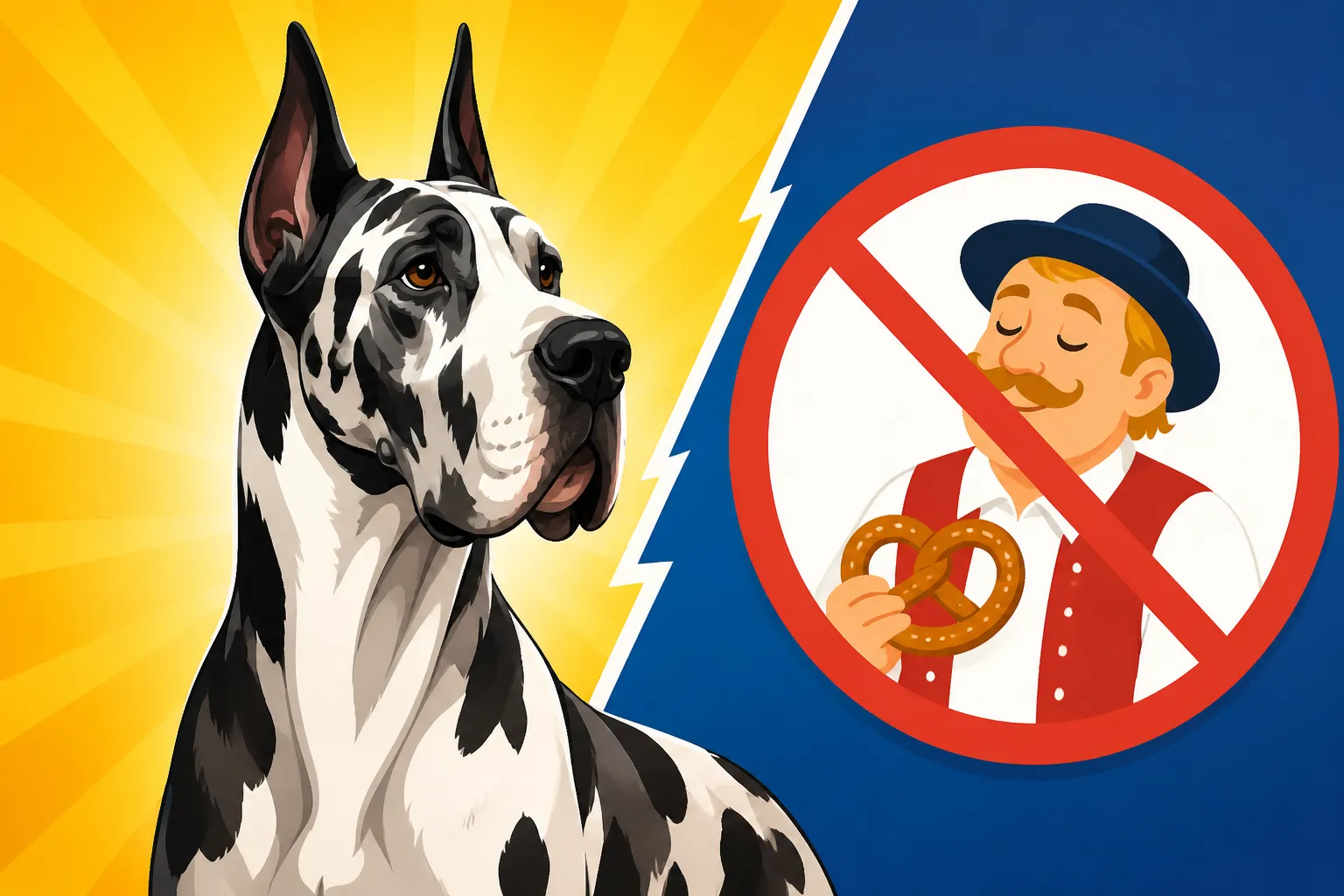
The true home of the Great Dane, unequivocally, is Germany. In its native country, the breed is known as the "Deutsche Dogge," which translates directly to "German Mastiff" or "German Dog." This name gives a much clearer, more accurate picture of the breed's heritage and its historical development. It reflects the dedication of German breeders and noblemen who meticulously cultivated this magnificent hound over centuries. Why Germany Calls the Great Dane Deutsche Dogge delves deeper into this fascinating linguistic and historical truth.
The term "Dogge" in German actually refers to a type of large, powerfully built dog, often used for hunting or guarding, much like the English "mastiff." This distinction is crucial because it immediately places the Great Dane within a specific lineage of European working dogs, rather than a purely aesthetic or companion breed, although they certainly excel at companionship today. Understanding this original German name is the first critical step in dispelling the Danish myth and appreciating the breed for what it truly is: a proud product of German ingenuity and breeding expertise. It's a testament to how names can sometimes be misleading and hide the true story of an animal’s lineage.
The True European Roots: A History Beyond Denmark
To truly understand why the Great Dane is not Danish, we need to journey back in time and explore its robust European ancestry. This isn't a story of a single, isolated development in one country, but rather a tapestry woven across several European nations, with Germany ultimately becoming the primary loom. The breed's development involved careful cross-breeding and refinement, driven by specific needs and purposes, primarily hunting formidable prey.
The Boar Hound Legacy
The ancestors of the modern Great Dane were formidable hunting dogs, often referred to as "Boar Hounds" (German: Saupacker). Imagine needing a dog capable of confronting and holding a wild boar, an animal known for its ferocity and strength – that's the kind of canine prowess these early Great Danes possessed. They weren't merely chasing game; they were engaging in dangerous encounters that required immense courage, strength, agility, and a certain level of intelligence. The Boar Hounds the Great Dane Descends From offers more insight into this ancestral role.
These powerful dogs were crucial for hunting large, dangerous game that could otherwise pose a significant threat to livestock and people. The role of the boar hound was not to kill the boar outright, but to corner and hold it until the hunter could arrive to deliver the killing blow. This required a dog with an incredible bite, unwavering tenacity, and the sheer physical presence to intimidate such a formidable beast. This demanding job shaped their physical attributes – their powerful jaws, deep chest, muscular build, and courageous temperament were all honed by generations of selection for this specific task.
Blending Bloodlines for the Perfect Hunter
The creation of the Great Dane as we know it today was not an accident; it was a deliberate and sophisticated breeding effort that brought together some of Europe’s most impressive canine bloodlines. Early German breeders, aiming for the ultimate boar hound, selectively bred dogs that combined the speed and agility of Greyhounds with the immense power and formidable build of various Mastiff types. This fusion was critical to developing a dog that was not only strong enough to tackle a boar but also fast enough to track it.
The Mastiff contribution brought the necessary bulk and bite strength, while the Greyhound influence introduced that characteristic long, elegant stride and impressive turn of speed. This careful combination resulted in a dog that was unique: a powerful, yet graceful, giant. This blending of traits also helped to temper some of the more extreme characteristics of individual breeds, creating a more balanced and functional animal. It was a true testament to early canine genetic understanding and selective breeding practices. Think about it: a dog that could outrun its prey, then physically hold it? That's quite a feat of engineering!
Evolution from Hunter to Companion
As hunting practices evolved and large game became less prevalent, the role of the Deutsche Dogge began to shift. Noblemen and aristocracy, who had always prized these dogs for their hunting prowess, started to appreciate them for their majestic appearance and loyal temperament. They transitioned from purely working dogs to esteemed companions and guardians of estates. Their impressive size and dignified bearing made them natural symbols of status and protection.
This transition wasn't immediate, but it marked a significant turn in the breed's history. Breeders began to emphasize qualities beyond pure hunting instinct, focusing more on temperament, conformation, and intelligence suitable for a family or estate guardian. The breed retained its imposing presence but softened its edges, becoming the "Apollo of Dogs" that we recognize today. This adaptability showcases the breed’s inherent versatility and its ability to thrive in changing human societies. Even as their job changed, their inherent loyalty and courage remained. The Great Dane's Reputation as the Apollo of Dogs explains this further.
The German National Breed: Deutsche Dogge Takes Center Stage
While other European nations had their own large dogs, it was in Germany that the breed we know as the Great Dane truly found its identity and underwent a crucial standardization process. This commitment to defining and preserving the breed's characteristics cemented its status as Germany's national dog, the Deutsche Dogge.
Standardization and Official Recognition
The late 19th century was a pivotal time for dog breeds across Europe, with many emerging into official recognition and standardization. Germany led the charge for the Deutsche Dogge. In 1878, a committee in Berlin, comprised of judges and breeders, formally decided to classify several types of large, mastiff-like hounds under the single name "Deutsche Dogge." This was a powerful statement of national identity and pride, asserting Germany's claim to the breed.
This standardization wasn't just about a name; it was about establishing a consistent breed standard that described the ideal physical traits, temperament, and health considerations. This blueprint helped guide breeders, ensuring that future generations would maintain the desired characteristics. It laid the groundwork for the breed's continued development and helped solidify its position in the canine world. Without this crucial step, the Great Dane might have remained a collection of regional types rather than a unified and globally recognized breed. The First German Great Dane Standard provides more detail on this critical moment.
Bismarck and His Beloved Danes
No discussion of the Deutsche Dogge's German heritage would be complete without mentioning Otto von Bismarck, the "Iron Chancellor" of Germany. Bismarck was famously devoted to his Great Danes, and his preference for the breed significantly boosted their profile and popularity. He was often photographed with his dogs, particularly one named "Tyras," turning them into a symbol of strength, loyalty, and refined power, much like Bismarck himself.
Bismarck’s affection for his Danes wasn't just a personal hobby; it lent an air of prestige to the breed. When such a prominent national figure champions a particular dog, it inevitably raises its status and visibility. This association further solidified the Deutsche Dogge's place in German culture and society, intertwining its image with national pride and leadership. It’s a wonderful example of how influential individuals can shape a breed’s destiny and public perception. Which Great Danes Bismarck Kept details his specific favorites.
Celebrating Germany’s National Treasure
Today, the Great Dane remains a source of immense pride in Germany. The official recognition as the national dog, or Nationalhund, is a testament to its deep roots in German history and culture. This isn't just a ceremonial title; it reflects a long-standing tradition of breeding, care, and appreciation for the qualities these dogs embody.
Visiting Germany, you might not hear them called "Great Danes" but rather "Deutsche Doggen," a name that resonates with their true heritage. The German commitment to the breed extends to rigorous health testing, responsible breeding practices, and a deep understanding of their unique needs. It’s a celebration of their magnificent size, gentle nature, and storied past, all firmly rooted in German soil. This national pride ensures the breed's integrity and future well-being.
The Journey of the Name: How "Great Dane" Came to Be
So, if the breed is German, how on earth did it end up with the name "Great Dane"? This is where the story takes a fascinating turn, involving a bit of international flair, some confusion, and ultimately, a catchy name that just stuck. It wasn't a malicious rebranding, but rather an organic process influenced by various European cultures.
French Influence and "Grand Danois"
The journey of the name "Great Dane" actually has a significant French connection. In the 18th century, a French naturalist, Georges-Louis Leclerc, Comte de Buffon, observed a type of large, sleek dog in Denmark that resembled the German boar hounds. He described these dogs as "Grand Danois," meaning "Big Danish." This descriptive term was likely based on observations of large dogs that may have been exported to Denmark or seen there, perhaps without fully understanding their origins.
At the time, scientific and natural history writings often circulated across Europe, and Buffon's influential work helped popularize this French term. The phrase "Grand Danois" then began to spread, carrying with it the association with Denmark, even if the dogs themselves were primarily developed elsewhere. It's a classic case of early media influence shaping public perception, long before the internet! This misattribution highlights how a casual observation can become ingrained over time.
English Adoption of the Misnomer
When these impressive dogs eventually made their way to English-speaking countries, the French "Grand Danois" was directly translated. "Grand" became "Great," and "Danois" became "Dane," giving us the "Great Dane." This English translation stuck, probably because it sounded majestic and exotic. It flowed well, was easy to remember, and created a sense of intrigue around the breed.
The English adoption of the name, rather than "German Mastiff" or "Deutsche Dogge," had a lasting impact, particularly in countries like the United States and Canada, where English became the dominant language for referring to the breed. It wasn't a deliberate attempt to erase the German heritage, but simply a linguistic convenience that gained traction. The sheer grandeur of the name "Great Dane" certainly contributed to its popularity and enduring appeal, even if it was geographically inaccurate. It was a name that captured their imposing stature and noble bearing, regardless of its origin. Why the Name Great Dane Stuck Anyway provides more context for this linguistic evolution.
Official Acceptance and Global Usage
Despite Germany's clear claim and the breed's official name of Deutsche Dogge, "Great Dane" became the internationally recognized name in many parts of the world, including with prominent kennel clubs like the American Kennel Club (AKC). This global acceptance means that while breeders and enthusiasts might know the true origins, the general public and many dog organizations continue to use the more common "Great Dane" moniker.
This duality exists to this day: in Germany, it's the Deutsche Dogge; almost everywhere else, it's the Great Dane. It’s a fascinating historical quirk, a testament to how names can take on a life of their own, detached from their original context. It serves as a reminder that the stories behind our beloved breeds are often more intricate and surprising than a simple name might suggest.
| Characteristic | Deutsche Dogge (Germany) | Great Dane (International/English) |
|---|---|---|
| Origin Country | Germany | Germany (despite the name) |
| Primary Breeders | German breeders | German breeders |
| Original Purpose | Wild boar hunting | Wild boar hunting |
| Translation | German Mastiff / German Dog | Big Danish Dog (from French) |
| Current Status | National dog of Germany | Globally recognized breed |
| Naming Origin | Historical development in Germany | French description popularized, then English translation |
What Defines a Great Dane: More Than Just a Name
Beyond the geographical misnomer, what truly defines a Great Dane is its remarkable set of characteristics, honed over centuries. Whether you call them a Deutsche Dogge or a Great Dane, their temperament, size, and distinctive appearance are what truly make them stand out. Understanding these core traits gives us a deeper appreciation for this "Apollo of Dogs," regardless of what we choose to call them.
Temperament: The Gentle Giant Stereotype
One of the most enduring and beloved aspects of the Great Dane is its gentle giant temperament. Despite their intimidating size, these dogs are renowned for being incredibly affectionate, patient, and sweet-natured, especially with their families. They are often described as being sensitive souls who thrive on human companionship and can be surprisingly delicate in their interactions, despite their physical prowess. What Gentle Giant Means for a Great Dane delves into this beloved characteristic.
However, it's important to remember that while "gentle giant" is a fitting description, it doesn't mean they lack confidence or protective instincts. A well-socialized Great Dane is generally calm and composed, but their sheer size can be a deterrent to intruders. Early socialization and consistent training are crucial to ensure that their protective instincts are channeled appropriately and that they grow into well-adjusted, confident companions. This balance of gentleness and subtle protectiveness is a hallmark of the breed.
Physical Attributes: Elegance and Power Combined
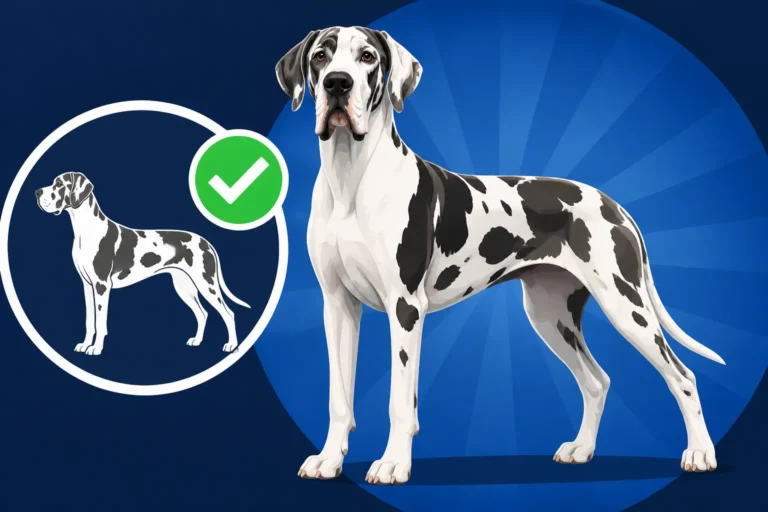
The physical appearance of a Great Dane is nothing short of breathtaking. They are, quite simply, massive dogs. Males typically stand at least 30 inches tall at the shoulder, with females slightly smaller, and they can easily weigh over 100 pounds, often much more. Their build is powerful yet elegant, a legacy of their mixed heritage that brought together mastiff strength with greyhound grace.
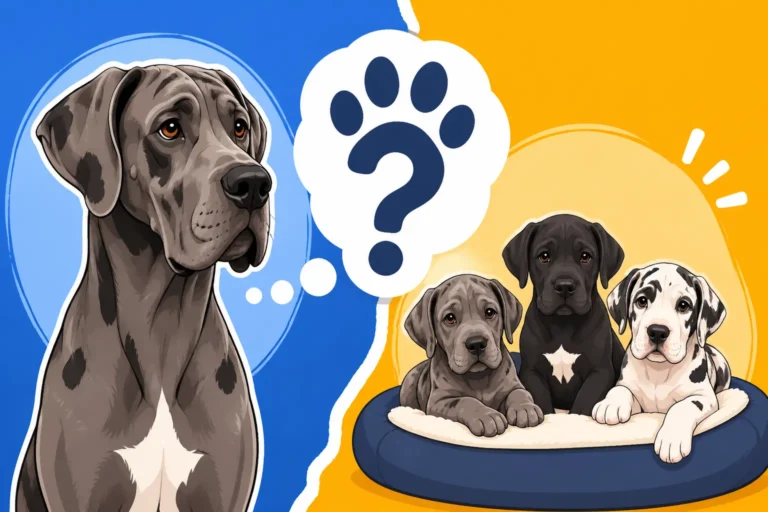
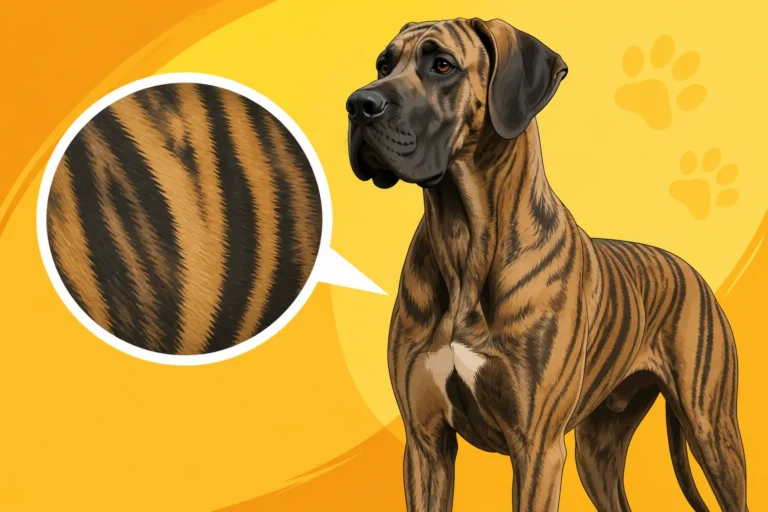
They possess a long, muscular neck, a deep chest, and a sleek, short coat that comes in a variety of colors, including fawn, brindle, blue, black, harlequin, and mantle. Their head is distinctive, with a long, strong muzzle and intelligent, expressive eyes. Every aspect of their physical design, from their powerful gait to their noble head, speaks to their history as formidable hunters and majestic companions. It's a combination of raw power and refined beauty that makes them truly unique. How Big a Great Dane Actually Gets gives you a better idea of their imposing stature.
Health Considerations Unique to Giants
Owning a Great Dane means being acutely aware of the health challenges that come with their impressive size. Their rapid growth as puppies and their sheer bulk as adults can predispose them to certain conditions not as common in smaller breeds. This is a critical aspect of responsible ownership, and understanding these vulnerabilities is key to providing them with a long, healthy life, even if it's shorter than average.
Conditions like bloat (gastric dilatation-volvulus), dilated cardiomyopathy (a heart condition), and various orthopedic issues (like hip and elbow dysplasia) are unfortunately more prevalent in Great Danes. Responsible breeders conduct extensive health screenings to minimize the risk of passing on genetic predispositions. For owners, this means proactive veterinary care, careful nutrition, and being vigilant for any signs of trouble. It's a commitment, but one that's incredibly rewarding. When looking for appropriate giant-breed specific food or joint supplements, online retailers like Chewy often have a wide selection tailored to these unique needs, making it easier to research and compare options. Bloat in a Great Dane and the One in Three Odds is a must-read for any Dane owner.
Dispelling Myths and Celebrating True Heritage
Now that we’ve journeyed through the history of the Great Dane, from its German boar-hunting origins to its international naming conundrum, it’s time to truly appreciate its rich heritage and put those persistent myths to bed. This breed is a testament to purposeful breeding and a fascinating example of how language and history intertwine.
Reclaiming the "Deutsche Dogge" Narrative
For those of us who adore this magnificent breed, acknowledging its true origins as the Deutsche Dogge isn't about shaming anyone for using "Great Dane." It's about respecting its historical truth and the dedicated breeders who shaped it in Germany. It’s a nod to the deep cultural connection the breed has with its homeland and the legacy it carries.
Embracing the "Deutsche Dogge" narrative adds another layer of appreciation for the breed. It reminds us of their powerful ancestry as fearless boar hunters and their transition into noble protectors and cherished family members. It’s a story of resilience, adaptation, and a deep bond with humanity that transcends borders and linguistic quirks. The next time someone asks about your "Great Dane," you can share this rich history and perhaps even teach them a little German!
Appreciating the Breed's Unique Journey
The Great Dane's journey, from the forests of Germany to living rooms around the world, is truly unique. It’s a story of powerful hunters becoming gentle companions, of a national treasure adopting an international misnomer, and of a breed whose impressive presence commands respect and affection wherever it goes. Their story is a reminder that there’s often more to a name than meets the eye.
This appreciation extends to understanding their specific needs, from dietary requirements for large breeds (many specialized foods are available on platforms like Chewy) to the kind of space and exercise they need. It means recognizing their sensitivity, their loyalty, and their absolute devotion to their human families. It’s about celebrating all aspects of this incredible breed, including the quirky history of its name.
Connecting with a Community of Enthusiasts
Part of the joy of owning a Great Dane is connecting with a community of fellow enthusiasts who share a passion for these incredible dogs. Whether you're discussing training tips, health concerns, or simply sharing stories of your Danes’ goofy antics, this community is a valuable resource. Understanding the breed's true history, its German roots, and the saga of its name becomes another wonderful talking point among those who truly appreciate these dogs.
Joining local Great Dane clubs or online forums can provide invaluable support and information. You’ll find people who understand the unique challenges and immense rewards of living with such a magnificent animal. And who knows, you might even meet some folks who exclusively refer to them as Deutsche Doggen, sparking a fun and informative conversation about their history! When sourcing gear for your Dane, like extra-large harnesses or beds, reputable pet supply sites such as Chewy can be a fantastic resource for everything you need.
Disclaimer
This article is for general informational purposes only and does not constitute professional advice. Laws, prices and regulations vary by location and change over time. Consult a qualified professional for guidance on your specific situation.