Brindle Striping on a Great Dane
You've probably seen a majestic Great Dane and been captivated by their sheer size, but perhaps you were even more drawn in by their coat – especially if it was a stunning brindle pattern. This unique coloration, often resembling tiger stripes, can be truly breathtaking, yet many owners wonder about its origins, variations, and what makes it truly special. This guide dives deep into the world of brindle Great Danes, uncovering the genetics, aesthetics, and practicalities of this incredible coat, helping you appreciate every stripe on your gentle giant.
Understanding Brindle Genetics in Great Danes
The intricate beauty of a brindle Great Dane is no accident; it's a fascinating display of genetics at play. For those of us who marvel at their striking coats, understanding the basic science behind the stripes can deepen our appreciation for these magnificent dogs. It’s not just about a pretty pattern; it’s a genetic blueprint unique to each individual.
The Genetic Basis of Brindle
At the heart of every Great Dane's coat color lies a complex interaction of genes, particularly at what scientists call the K-locus. Think of genes as instructions in a dog's DNA, and the K-locus is a specific chapter dedicated to black pigment distribution. For a Great Dane to be brindle, it must carry a specific allele, or variant, called Kbr. This Kbr allele is responsible for creating those signature dark stripes on a lighter background. It's like having a special instruction that says, "take the base color and paint dark lines on it." Without this specific genetic instruction, you simply wouldn't see brindle.
It's a dominant trait, which means a puppy only needs to inherit one copy of the Kbr gene from either parent to display brindle striping. However, the expression of that brindle can be influenced by other genes, leading to the wide variety of brindle patterns we see. This is why even within the same litter, you might see puppies with vastly different brindle intensity, some with subtle stripes and others with bold, pronounced ones. This genetic interaction is quite intricate, making each brindle Great Dane a unique work of art.
Defining the Brindle Stripe
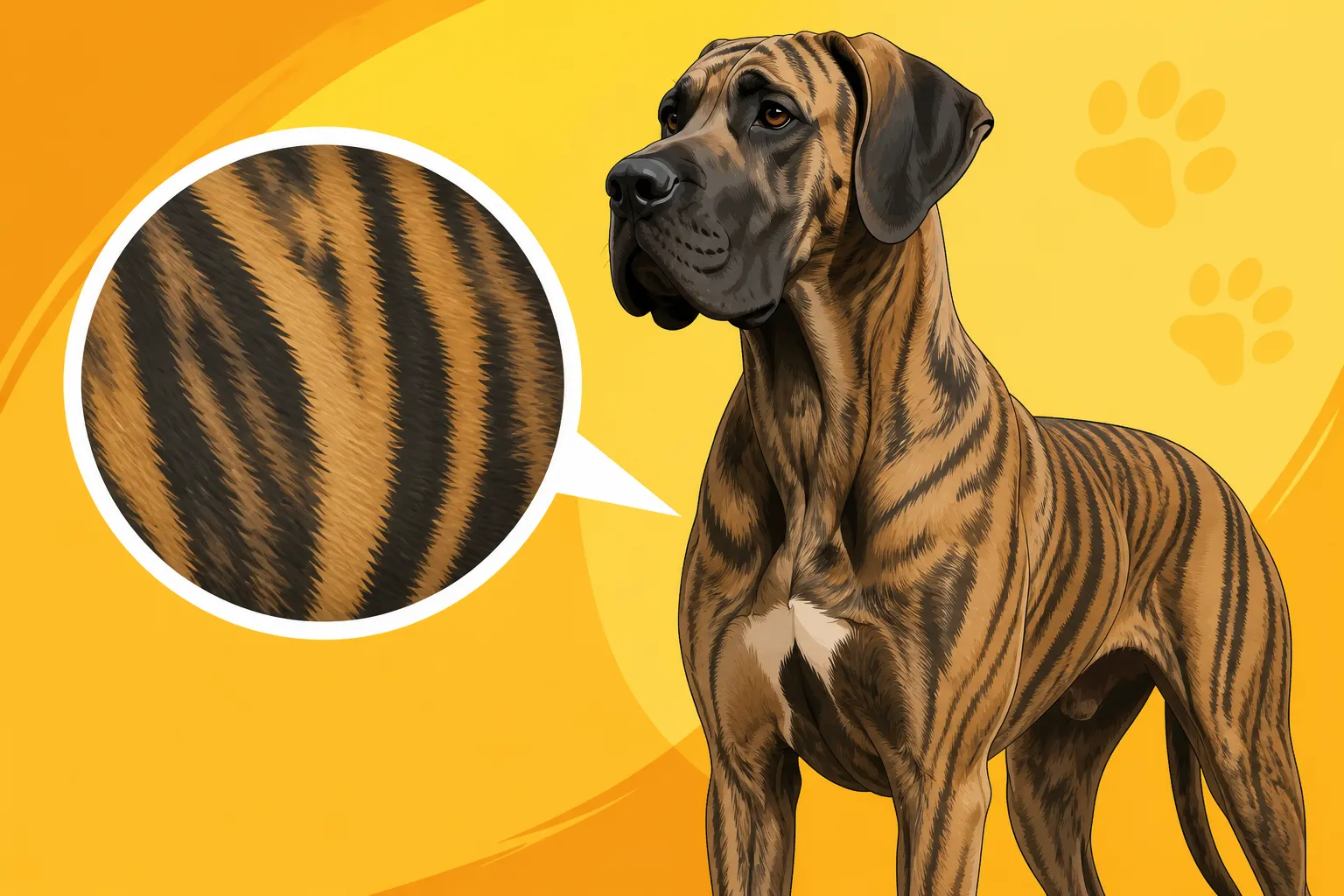
When we talk about brindle, we're talking about a coat pattern characterized by dark stripes on a lighter base color. For Great Danes, this base color is typically a fawn (a light tan to golden brown) or sometimes a lighter brown, upon which black or very dark brown stripes are laid. These stripes are not uniformly thick or straight; they can vary greatly in width, length, and intensity. Some Danes have fine, delicate stripes, almost like pencil marks, while others boast broad, bold bands that make them look like miniature tigers.
The clarity of the stripes is also a defining feature. In a classic brindle, the stripes should be distinct and well-defined, not blurry or muddy. You should be able to clearly see the delineation between the lighter base coat and the darker stripes. The intensity of the black mask, a hallmark of many Great Dane colors including fawn and brindle, often complements the brindle pattern, making the muzzle and sometimes the areas around the eyes appear darker, blending seamlessly with the darker stripes on the body. This combination creates a striking and majestic appearance that is instantly recognizable to any Great Dane enthusiast.
The Nuances of Brindle Patterns
Just when you think you understand brindle, you realize there's a whole spectrum of variations! It's not a one-size-fits-all pattern. From subtle, almost invisible stripes to coats so heavily brindled they appear nearly solid, the diversity within this color category is truly astounding. It's what makes owning a brindle Great Dane so special – you never quite know what unique combination you'll get.
Light vs. Heavy Brindling
The terms "light brindle" and "heavy brindle" aren't official genetic classifications, but they perfectly describe the visual differences in brindle patterns. A light brindle Great Dane will have a predominantly fawn or lighter base coat with relatively thin or sparse dark stripes. These stripes might be more visible in certain lighting or on specific parts of the body, giving the dog a sun-kissed, subtle elegance. Owners often find these lighter brindles just as captivating, appreciating the delicate artistry of their coat. You might have to look closely to appreciate the pattern, but once you see it, it's undeniable.
On the other end of the spectrum is the heavy brindle. This is where the dark stripes are so numerous and thick that they dominate the base color. In some extreme cases, a heavily brindled Great Dane can appear almost black from a distance, with just hints of the fawn or golden undercoat peeking through the dark stripes. These dogs have a powerful, dramatic look, sometimes earning them the nickname "reverse brindle" when the black appears to be the dominant color. It’s easy to get these confused with other solid colors, and it’s a common point of discussion among owners at the dog park.
Reverse Brindle and Other Variations
The concept of "reverse brindle" is something that often sparks conversation among Great Dane aficionados. While genetically, brindle is always dark stripes on a lighter background, visually, a heavily brindled dog can trick the eye. When the black stripes are so dense and wide that the fawn base color is reduced to mere streaks or slivers, it creates the illusion of light stripes on a dark coat. This striking appearance is what people refer to as "reverse brindle." It's not a different genetic mechanism, but rather an extreme manifestation of the standard brindle pattern.
Beyond this visual reversal, brindle patterns can also vary in their shade and tone. While black stripes on fawn are most common, the stripes can sometimes be a very dark brown, or the base color might lean more towards a reddish gold or a paler cream. Each of these variations adds to the individuality of the Great Dane, making every brindle truly unique. These subtle differences ensure that no two brindle Danes are ever exactly alike, much to the delight of their owners who cherish their distinctive markings. It's a testament to the rich genetic tapestry of the breed.
Distinguishing Brindle from Other Great Dane Colors
With such a wide array of beautiful coat colors in Great Danes, it's easy for new owners, or even seasoned enthusiasts, to sometimes confuse one pattern for another. Brindle has its own distinct characteristics, but depending on the intensity of the stripes, it can occasionally be mistaken for other common colorations. Understanding these differences is key to truly appreciating the breed's diverse palette.
Brindle vs. Fawn: A Clear Distinction
The most common comparison made for brindle is with its close cousin, the fawn Great Dane. Fawn is a solid color, ranging from a light tan to a rich, reddish-gold, always accompanied by a distinct black mask on the muzzle and often around the eyes. A fawn Great Dane’s coat is uniform in color across its body, without any stripes or patterns. This is the fundamental difference: where the fawn is smooth and consistent, the brindle introduces those beautiful, contrasting dark lines.
While both fawns and brindles often share the black mask, the presence of striping is the absolute giveaway for a brindle. Even a lightly brindled Dane will show some evidence of dark stripes, however subtle. A fawn, by definition, will not have any stripes at all. Imagine looking at a clean canvas (fawn) versus a canvas with deliberate brushstrokes (brindle). This distinction is usually quite clear, making it relatively easy to tell them apart once you know what to look for. You'll often see dogs described with both characteristics, like a "fawn with brindle stripes," which perfectly captures the base color and the overlaid pattern.
When Brindle Can Look Black or Merle
Things can get a little more confusing when a Great Dane is a "heavy brindle." As we discussed, a heavy brindle dog has such dense, wide, dark stripes that the fawn base color is barely visible, making the dog appear predominantly black. From a distance, or in poor lighting, you might genuinely mistake a heavily brindled Dane for a solid black one. However, upon closer inspection, you'll still be able to discern those lighter streaks and patches beneath the dominant dark stripes, confirming its brindle heritage. A true black Great Dane will have a uniform, solid black coat with no underlying lighter coloration or striping whatsoever.
Distinguishing brindle from merle is also important, though visually they are quite different. Merle patterns are characterized by irregular patches of diluted color on a darker solid background, often with blue or mottled eyes. While a brindle can have patches of black, these are always in a striped pattern, not the splotchy, uneven patches of merle. The closest a brindle might come to a merle in terms of visual confusion is if the brindle is very broken up and sparse, but the striped nature remains. Understanding The Seven Great Dane Colors helps clarify these distinctions.
For a clearer visual comparison, consider this table:
| Characteristic | Brindle Great Dane | Fawn Great Dane | Black Great Dane | Merle Great Dane |
|---|---|---|---|---|
| Base Color | Fawn, gold, or light brown | Fawn (light tan to reddish gold) | Solid glossy black | Typically black, blue, or fawn |
| Stripes/Pattern | Distinct black or dark stripes over base color | None, solid fawn color | None, solid black color | Irregular patches of diluted color on darker base |
| Mask | Black mask often present, blending with stripes | Required black mask on muzzle and around eyes | Typically no distinct mask, muzzle is black | Variable, often no distinct mask |
| Eyes | Dark | Dark | Dark | Can be blue, partial blue, or dark |
| Genetic Basis | Kbr allele at the K-locus | Ay allele at the A-locus with Ee or EE | K-locus (Kk or KK for solid black) | M-locus (Mm for merle) |
Living with a Brindle Great Dane
Bringing a Great Dane into your home, regardless of color, is a big commitment. But for those with a brindle Dane, there are unique joys and a few practical considerations that come with that stunning striped coat. It’s not just about their striking looks; it’s about how their coat fits into their overall care and your daily life.
Caring for the Brindle Coat
Fortunately, the brindle coat, like most Great Dane coats, is relatively low maintenance in terms of grooming. These are short-haired dogs, which means you won't be dealing with tangles or extensive brushing sessions like you would with a long-haired breed. However, "low maintenance" doesn't mean "no maintenance." Brindle Danes shed, and they can shed a surprising amount given their short hair! You’ll quickly discover that those fine hairs embed themselves into everything. Regular brushing with a deshedding tool or a rubber curry brush, even just once or twice a week, can make a huge difference in managing the loose hair around your home. Retailers like Chewy offer a wide selection of brushes specifically designed for short-coated breeds that effectively grab and remove loose hair before it ends up on your sofa.
Beyond shedding, their short coat means they aren't naturally protected from extreme weather. In colder climates, a brindle Dane might appreciate a warm coat for outdoor excursions, especially if they spend extended time outside. Conversely, in hot weather, their dark stripes can absorb more heat, so ensuring they have plenty of shade and water is crucial. While their coat is beautiful, it's thin, so remember that a Great Dane's skin can get sunburned, especially if they have lighter patches or a very sparse brindle pattern. Sun protection for their nose and ear tips, or even a light dog-safe sunscreen for particularly sensitive areas, might be necessary during prolonged sun exposure.
Embracing the Unique Look
One of the greatest joys of having a brindle Great Dane is the sheer uniqueness of their coat. No two brindle patterns are ever exactly alike, making your dog truly one-of-a-kind. Owners often find themselves admiring the intricate patterns, discovering new nuances in the stripes as their dog grows or as the light catches their coat differently. It's a constant source of fascination and pride. This individuality makes conversations about their coat color especially engaging, as people are often drawn to the distinctive "tiger stripe" appearance.
This unique aesthetic can also influence your choices in accessories, like collars and harnesses, which can either complement or contrast with their bold stripes. Many owners opt for colors that really pop against the brindle, highlighting its beauty even further. Beyond aesthetics, the brindle coat is a testament to the diverse and rich genetics within the Great Dane breed. It’s a classic color, long recognized and admired, and stands as a proud representation of the breed's heritage. Embracing this unique look means celebrating every stripe and the individuality it brings to your beloved companion.
Ethical Breeding of Brindle Great Danes
For anyone considering a brindle Great Dane puppy, or for breeders themselves, understanding the ethical considerations behind breeding this color is paramount. It’s not just about producing a beautiful dog, but a healthy one that adheres to breed standards and promotes the overall well-being of the line. Responsible breeding practices are the cornerstone of a healthy future for the breed.
Brindle in the Breed Standard
The brindle color is a long-standing and accepted color within the Great Dane breed standard, both in North America by the AKC and internationally. The standard typically describes brindle as "fawn and black striped, with the stripes being tiger-striped and running across the body." It specifies that the stripes should be clear and even, and the deeper the fawn base color, the better. A black mask is highly desirable, completing the classic brindle look. While variations in stripe intensity are common, the goal in breeding for the show ring is often a clear, well-defined brindle pattern with a strong fawn background. You can learn more about The Great Dane the Show Ring Is Looking For by examining the breed standard.
This means that a properly bred brindle Great Dane should not only have the correct coloration but also meet all other aspects of the breed standard, including conformation, temperament, and health. Breeders dedicated to the standard will prioritize these qualities, ensuring that the brindle puppies they produce are not just pretty faces, but true representations of the breed. This attention to detail means looking beyond just color and considering the whole dog.
Ethical Breeding Practices for Brindle Danes
Ethical breeding of brindle Great Danes involves much more than just pairing two brindle dogs. A responsible breeder will prioritize the health and temperament of their breeding stock above all else. This includes comprehensive health testing for common Great Dane ailments, such as cardiac issues, hip and elbow dysplasia, and thyroid problems. While brindle itself isn't directly linked to specific health problems like some other color genes (e.g., the potential health issues associated with double merles, as discussed in Why a White Great Dane Is Often Deaf), good breeding practices are essential for all colors. A breeder should be screening both parents for these conditions to ensure they are passing on good genetics to their puppies. Information on The Health Testing a Great Dane Breeder Owes You is vital to review.
Furthermore, ethical breeders will understand the genetic background of their breeding pair to predict litter outcomes and avoid potential issues. They will provide a clean, nurturing environment for puppies, along with early socialization. They will also be transparent with prospective owners, discussing the health history of the parents, providing necessary documentation, and being available to answer questions for the lifetime of the dog. Finding a reputable breeder who focuses on the overall health and betterment of the breed, rather than simply producing a specific color, is crucial for anyone looking to bring a brindle Great Dane into their family. When you ask a breeder about What a Great Dane Breeder Should Be Screening For, you'll see how committed they are to ethical practices.
Brindle Great Danes: Practical Considerations
Beyond their stunning appearance and genetic heritage, living with a brindle Great Dane also brings some practical considerations to the forefront. These aren't necessarily unique to brindle dogs, but they are important aspects of caring for any Great Dane, and how they relate to the coat can be interesting.
Managing Shedding and Cleaning
Let's be realistic: Great Danes shed. And while their short, dense brindle coat is beautiful, those little hairs have a way of finding their way onto everything you own. You might be surprised by How Much Hair a Great Dane Drops for a short-coated dog! The stripes themselves don't impact shedding, but the visibility of hair can. On lighter furniture, the dark brindle hairs will stand out, while on darker surfaces, the fawn undercoat hairs might be more apparent. It's a double-whammy! Regular vacuuming and lint rolling become second nature for Great Dane owners.
To help manage this, investing in a good quality vacuum cleaner designed for pet hair is a game-changer. Also, having furniture throws or washable covers can save your sofas and chairs from becoming completely covered in Dane fur. Brushing your brindle Dane a few times a week, as mentioned, is your best defense against excessive shedding. Many owners keep a brush handy by the door or in the living room for quick grooming sessions. You can find durable and effective brushes for giant breeds, along with other essential grooming supplies, on sites like Chewy.
Exercise and Activity Levels
The brindle coat color itself doesn't dictate a Great Dane's exercise needs, but it's a good reminder of their physical requirements. These are large, powerful dogs, and they need appropriate exercise to stay healthy, well-muscled, and mentally stimulated. While they might be known as "couch potatoes" indoors, they still require daily walks or opportunities to run in a securely fenced area. However, it's crucial to remember that Great Danes, especially while growing, need their exercise carefully managed to protect their developing joints. Exercise Limits While a Great Dane Is Still Growing is a critical topic for all owners.
A well-exercised Great Dane is generally a happier, calmer companion. For your brindle friend, this means factoring in at least 30-60 minutes of moderate activity each day. This could be a brisk walk around the neighborhood, playtime in the yard, or even a trip to a dog-friendly park. Keep in mind that their immense size means they tire out quickly and are prone to overheating in hot weather, so always prioritize their comfort and safety. Their lean body condition is also important to maintain, as discussed in Keeping a Great Dane Lean for Its Joints, which good exercise habits support.
Adoring Your Brindle Great Dane
At the end of the day, a Great Dane is a Great Dane, regardless of its color. But there's something undeniably special about the brindle pattern that captures the hearts of many. It’s a classic, majestic look that embodies the strength and elegance of the breed, while each dog's unique striping adds a touch of individuality.
The Brindle as a Classic Great Dane Color
The brindle Great Dane has been a beloved and recognized color for centuries, holding a prominent place in the breed's history and development. When you look at old paintings or historical accounts of Great Danes, brindle often features prominently, speaking to its enduring appeal and classic status. This isn't a trendy color; it's a foundational one that has contributed to the iconic image of the breed for generations. Its "tiger stripe" pattern evokes a sense of power and grace, a perfect match for the "Apollo of Dogs."
For many, a brindle Great Dane embodies the very essence of the breed – magnificent, gentle, and utterly unique. It’s a color that stands out in a crowd, drawing compliments and admiration wherever you go. The rich contrast of dark stripes on a lighter base is visually dynamic, making it a joy to behold. Many Great Dane owners feel a special connection to this traditional coloration, appreciating its historical significance and timeless beauty.
Celebrating the Individuality of Each Stripe
One of the most remarkable aspects of brindle patterning is that, like human fingerprints, no two are ever exactly the same. Each brindle Great Dane boasts its own unique arrangement of stripes, some thick and bold, others fine and delicate. You might have a Dane with perfectly symmetrical stripes on one side and a wild, abstract pattern on the other. This makes every brindle Dane a true individual, a walking piece of art.
As an owner, you'll find yourself appreciating these subtle differences, perhaps noticing how a certain stripe curls or how the pattern changes across their powerful chest. It’s a constant source of discovery and a reminder of your dog's distinct personality. Celebrating the individuality of each stripe is part of the joy of owning a brindle Great Dane, reinforcing that your gentle giant is truly one-of-a-kind. When you're choosing dog beds or other essentials, you'll often find yourself looking for items that complement your brindle Dane's unique aesthetic, and Chewy, for example, offers a great selection to match any taste. Embrace their stripes, love their personality, and enjoy every moment with your magnificent brindle companion.
Disclaimer
This article is for general informational purposes only and does not constitute professional advice. Laws, prices and regulations vary by location and change over time. Consult a qualified professional for guidance on your specific situation.