Why Harlequin Great Danes Are Hard to Breed
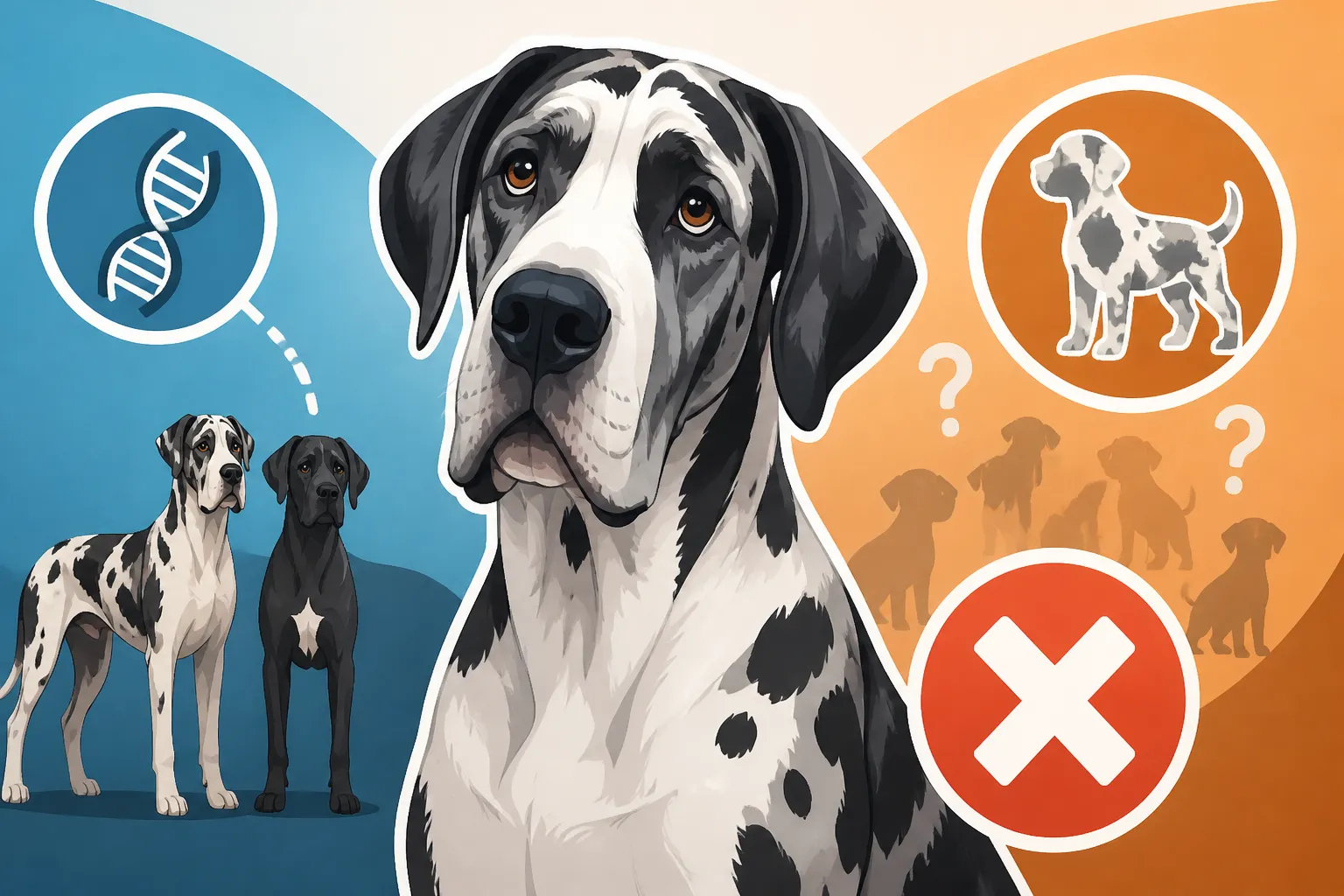
The striking appearance of a Harlequin Great Dane, with its pure white coat adorned by irregular black patches, is absolutely breathtaking. Many of us dream of having such a magnificent dog, drawn in by their unique beauty. However, the path to bringing these spotted giants into the world is far from simple, fraught with complex genetics and significant health risks that make them incredibly challenging to breed responsibly. It's not just about getting two dogs together; it's a deep dive into genetic science and ethical responsibility to ensure healthy puppies. This guide will unravel the intricate reasons why Harlequin Great Danes are so difficult to breed, delving into the genetic dance that creates them and the serious considerations involved.
The Allure and the Challenge: Understanding Harlequin Great Danes
There's something undeniably captivating about a Harlequin Great Dane. Their distinctive pattern, often described as torn black patches on a pure white background, sets them apart in the canine world. It’s a pattern that embodies elegance and power, drawing admirers from all walks of life. But beneath that stunning exterior lies a genetic blueprint that can be incredibly difficult to work with, presenting a formidable challenge even for the most experienced breeders. The desire for this specific look often overshadows the intricate genetic risks involved, leading to heartbreaking outcomes when breeding isn't handled with extreme care and knowledge.
What Makes a Harlequin Great Dane So Unique?
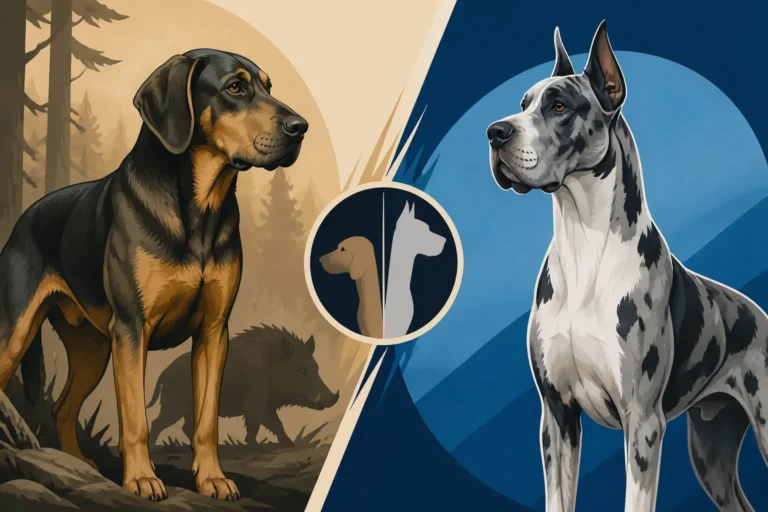
At first glance, a Harlequin Great Dane is simply a marvel. Imagine a canvas of crisp white, splashed with bold, jet-black marks, almost as if painted by an artist. The ideal Harlequin pattern, according to breed standards, features these black patches well-distributed over the body, avoiding large solid areas of black and ideally showing no gray or merle areas within the white. The head and neck are typically white with some black markings, and even eye rims should be black. This specific, highly sought-after aesthetic is not a simple genetic fluke; it's the result of a delicate interplay between several genes, one of which carries significant health implications if misunderstood or mishandled. This complexity is one of the primary reasons What Makes a Harlequin Great Dane Correct is a topic of much discussion among enthusiasts and breeders alike.
The Breeder's Dilemma: Balancing Beauty with Health
For a dedicated Great Dane breeder, the goal is always to produce healthy, sound puppies that also conform to the breed standard. With Harlequins, this goal becomes a tightrope walk. The very genes responsible for the Harlequin pattern are intertwined with other genes that, if present in the wrong combination, can lead to severe health issues like deafness and blindness. This means that pursuing the perfect pattern without a deep understanding of the underlying genetics and careful planning can inadvertently lead to puppies with compromised health. The ethical responsibility on the breeder is immense, turning the pursuit of beauty into a complex scientific endeavor driven by a commitment to the well-being of the dogs. It’s a constant battle between genetic possibility and genetic risk, where the stakes are incredibly high for every litter.
The Complex Genetics Behind Harlequin: Merle, Harlequin, and White
To understand why Harlequins are so hard to breed, we must delve into the intricate world of canine color genetics, specifically focusing on the Merle gene and the Harlequin modifier gene. These aren't just simple on/off switches; they're more like an orchestra where each instrument plays a crucial, sometimes unpredictable, role in the final symphony of a dog's coat. A slight misstep in composition can lead to disharmony, both in appearance and, more critically, in health. This genetic dance explains why the outcome of a Harlequin breeding can vary so widely, even when parents look phenotypically similar.
The Foundation: The Merle Gene (M Locus)
The Merle gene, also known as the M locus, is the absolute bedrock for creating a Harlequin pattern. Without a dog carrying at least one copy of the Merle gene (Mm), you simply cannot get a Harlequin. The Merle gene acts as a dilution factor, randomly diluting patches of the dog's base coat color. So, on a black-based dog, it creates areas of gray (blue merle); on a fawn-based dog, it creates areas of lighter fawn or brown. A dog can be:
- mm (non-merle): This dog has no Merle gene and cannot produce merle or harlequin patterns, only solid colors or patterns determined by other genes.
- Mm (heterozygous merle): This dog carries one copy of the Merle gene and will display the merle pattern (e.g., blue merle, red merle). This is the necessary starting point for a Harlequin.
- MM (homozygous merle or "double merle"): This dog carries two copies of the Merle gene. While it can appear merle, it often has an excessive amount of white, and critically, is at a significantly higher risk for severe health problems. We’ll dive deeper into this concerning combination shortly. This is why understanding Harlequin and Merle Great Dane Genetics is so vital for responsible breeders.
The Harlequin Modifier Gene (H Locus)
Once you have a Great Dane with the Merle (Mm) gene, you then need the Harlequin modifier gene, located at the H locus. This gene, which is dominant (Hh), only expresses itself when paired with the Merle gene. It takes the typical merle pattern and essentially "removes" the diluted areas, turning them into pure white. The black patches that remain are what give the Harlequin its signature look.
- Hh (Harlequin modifier present): When a dog is Mm and Hh, the Harlequin pattern can emerge. The H gene essentially "bleaches" the diluted areas of the merle coat to white, leaving behind the striking black patches.
- hh (no Harlequin modifier): A dog that is Mm but hh will simply be a standard merle, without the white patches that define a Harlequin.
This means that for a puppy to be a Harlequin, it must inherit at least one copy of the Merle gene (M) and at least one copy of the Harlequin modifier gene (H). The complexities multiply because both genes come with their own set of challenges, especially when undesirable combinations arise.
The High Stakes: Health Risks of Improper Harlequin Breeding
The difficulty in breeding Harlequin Great Danes isn't just about achieving the perfect aesthetic; it's overwhelmingly about mitigating severe health risks. The very genetic mechanisms that create the stunning Harlequin pattern, if mismanaged, can lead to heartbreaking and preventable conditions in puppies. This is the crucial ethical tightrope every breeder must walk, prioritizing the health and well-being of their dogs above all else. This focus on health and ethical considerations is why the topic of Why Two Merle Great Danes Should Not Be Bred is so critically important within the Great Dane community.
The Peril of Double Merle (MM): Deafness and Blindness
This is arguably the biggest reason why Harlequin breeding is so challenging and why it demands such strict oversight. When two Merle (Mm) Great Danes are bred together, there's a 25% chance in each puppy that it will inherit two copies of the Merle gene (MM). These dogs are known as "double merles" or homozygous merles. While they often have an appealing amount of white on their coats, their white coloration is a sign of extreme pigment dilution, which directly correlates with developmental problems.
Double merle puppies are at a significantly increased risk of being born with severe hearing and vision impairments, ranging from partial deafness or blindness to complete bilateral deafness and microphthalmia (abnormally small or absent eyes). This isn't just a cosmetic issue; these are profound disabilities that drastically impact a dog's quality of life, requiring lifelong specialized care. Imagine welcoming a puppy into your home, only to discover it cannot hear you call its name or navigate its surroundings because of poor vision. This is the tragic reality that irresponsible breeding practices risk. Many of these puppies can appear largely white, leading some to call them "White Great Danes," though this is distinct from albinism. This is why Why a White Great Dane Is Often Deaf is a critical piece of knowledge for any aspiring Great Dane owner or breeder.
The Fragility of the Harlequin Gene Itself
Beyond the double merle issue, the Harlequin gene (Hh) itself is believed to be a "lethal gene" in its homozygous (HH) form. This means that if an embryo were to inherit two copies of the Harlequin modifier (HH), it is thought to be non-viable and would likely be reabsorbed early in development, leading to smaller litter sizes. While this prevents the birth of unhealthy HH puppies, it adds another layer of complexity for breeders trying to produce Harlequins. They must work with the understanding that not all potential combinations will result in live puppies, and that aiming for specific genetic pairings can inadvertently reduce litter viability.
This inherent fragility means breeders can only produce Harlequins from a Merle dog (Mm) paired with a dog carrying the Harlequin modifier (Hh). Breeding two Harlequins (MmHh x MmHh) would theoretically risk producing MM puppies and HH embryos, further complicating the process and increasing the chances of health issues or non-viable offspring. Responsible breeders understand this genetic tightrope and plan their pairings meticulously to maximize the chances of healthy, correctly patterned Harlequins while minimizing the risks of severe defects. This intricate dance requires more than just a passing familiarity with genetics; it demands a deep, committed understanding.
Responsible Breeding: Navigating the Harlequin Minefield
Given the complex genetics and the serious health risks associated with improper pairings, responsible breeding of Harlequin Great Danes is a masterclass in planning, ethical decision-making, and genetic knowledge. It's not a task for the faint of heart or the uninitiated. A responsible breeder isn't just trying to produce a beautiful dog; they are striving to uphold the health and integrity of the breed, understanding that the welfare of their puppies rests squarely on their shoulders. They know that cutting corners can have devastating, lifelong consequences for the dogs and their future families.
Genetic Testing and Pedigree Analysis: The Breeder's Essential Tools
A cornerstone of responsible Harlequin breeding is comprehensive genetic testing. Breeders utilize DNA tests to determine the precise genetic makeup of their breeding stock, particularly concerning the Merle (M) and Harlequin (H) loci. This isn't guesswork; it's science. By knowing if a dog is mm, Mm, Hh, or hh, a breeder can make informed decisions about pairings that avoid producing double merles. They carefully study pedigrees, looking back multiple generations to understand the genetic lines and potential hidden carriers of genes that might pose a risk. This diligence is why The Health Testing a Great Dane Breeder Owes You goes far beyond just color genes, encompassing a range of health screenings.
Furthermore, a responsible breeder will avoid breeding two merle dogs together at all costs. This is a cardinal rule in Great Dane breeding to prevent the tragic consequences of double merle puppies. Instead, they typically breed a Harlequin (MmHh) or a Merle (Mmhh) to a non-merle (mm) dog. This strategy produces a mix of Harlequin, Merle, and solid-colored puppies, all while drastically reducing the risk of a double merle. It's a calculated approach that prioritizes health over merely maximizing the number of Harlequin puppies.
Understanding the Possible Outcomes of Harlequin Pairings
Let's break down some common breeding scenarios and their potential outcomes when dealing with the Merle and Harlequin genes. This table illustrates why responsible breeders must be incredibly selective and knowledgeable when planning a litter.
| Dam's Genetic Code (Color) | Sire's Genetic Code (Color) | Expected Puppy Outcomes | Health Risk of Offspring |
|---|---|---|---|
| mmhh (Solid/Non-Merle) | Mmhh (Merle) | 50% Mmhh (Merle), 50% mmhh (Solid) | Low (No MM) |
| mmhh (Solid/Non-Merle) | MmHh (Harlequin) | 25% MmHh (Harlequin), 25% Mmhh (Merle), 50% mmhh (Solid) | Low (No MM) |
| Mmhh (Merle) | Mmhh (Merle) | 25% MMhh (Double Merle), 50% Mmhh (Merle), 25% mmhh (Solid) | HIGH (25% Double Merle) |
| MmHh (Harlequin) | Mmhh (Merle) | 12.5% MMHh (Double Merle), 12.5% MMhh (Double Merle), 25% MmHh (Harlequin), 25% Mmhh (Merle), 25% mmhh (Solid) | HIGH (25% Double Merle) |
| MmHh (Harlequin) | MmHh (Harlequin) | Highly complex, 25% MM (Double Merle) with varying H status, and potential non-viable HH | VERY HIGH |
Note: This table simplifies some genetic interactions for clarity. The specific shades and markings will also be influenced by other genes not discussed here.
As you can see from the table, any pairing that has the potential to produce an MM (Double Merle) puppy carries a "HIGH" or "VERY HIGH" health risk due to the increased likelihood of deafness and blindness. This is why a core principle for Great Dane breeders is to never breed two merle-patterned dogs together. This careful selection process helps ensure that What Comes Out of a Harlequin Great Dane Litter is a group of healthy, well-adjusted puppies, not ones facing lifelong challenges due to avoidable genetic combinations.
The Role of Mentorship and Experience in Breeding Harlequins
Successfully navigating the complexities of Harlequin breeding often requires years of experience and guidance from seasoned mentors. New breeders should never attempt to breed Harlequins without extensive education and the support of those who have successfully and ethically done so for a long time. There's an art to interpreting genetic results, understanding conformation, and assessing temperament, all of which contribute to a responsible breeding program. This mentorship helps ensure that future generations of Great Danes, especially the striking Harlequins, continue to be healthy, well-tempered ambassadors of the breed. It is through these dedicated efforts that the unique beauty of the Harlequin Great Dane can be celebrated without compromising the health and welfare that every dog deserves. When searching for supplies for their litters, many responsible breeders turn to trusted retailers like Chewy for everything from whelping box essentials to puppy-specific foods, knowing they can get quality products delivered conveniently.
The True Cost of a Harlequin: Beyond the Purchase Price
When considering a Harlequin Great Dane, it's easy to get lost in the sheer beauty and the idea of owning such a distinctive dog. However, the inherent difficulties in their breeding translate into costs that go far beyond the initial purchase price of a puppy. These aren't just monetary costs, but also investments in time, emotional energy, and a deep commitment to the welfare of an animal whose genetic background demands extra vigilance. Understanding these broader "costs" is crucial for anyone contemplating adding a Harlequin Dane to their family, or for those supporting responsible breeding practices.
The Economic Investment in Responsible Breeding
For a responsible breeder, the process of producing a healthy Harlequin litter is a significant financial undertaking. It involves costly genetic testing for both parents to ensure they don't carry genes that would result in unhealthy puppies. Breeders invest in high-quality nutrition for their breeding dogs, extensive veterinary check-ups, and potentially artificial insemination or other reproductive assistance, which are often more expensive for giant breeds. Then there's the cost of proper whelping facilities, early veterinary care for the puppies, and all the supplies a litter needs to thrive. Many breeders use services like Chewy to source bulk puppy food, specialized bedding, and cleaning supplies, as these are often designed for the larger scale of giant breed litters.
Furthermore, the smaller litter sizes that can result from the lethal HH gene combination (leading to reabsorbed embryos) mean fewer puppies to offset these substantial upfront costs. This isn't about making a profit; it's about breaking even while investing heavily in the health and future of the breed. This financial commitment is a clear indicator that a well-bred Harlequin puppy will come with a higher price tag than those from backyard breeders who skip these critical steps. That higher price reflects the immense effort, knowledge, and expense poured into producing a healthy, well-socialized puppy. It’s also important to consider What a Great Dane Breeder Who Screens Hearts Charges, as these health screenings contribute significantly to the overall investment.
The Emotional and Time Investment of Owners
For owners, the commitment to a Harlequin Great Dane extends throughout its life. While a responsibly bred Harlequin has a lower risk of genetic health issues compared to one from an unknowledgeable breeder, continued vigilance is still paramount. Owners must be prepared for potential, albeit reduced, risks related to general Great Dane health issues, and for the possibility of supporting a dog with unique needs if, despite all precautions, a health issue arises.
This breed, like all Great Danes, requires significant time for training, socialization, and exercise appropriate to their giant size. Owners of Great Danes, especially Harlequins, are often deeply invested in their dog's well-being, scheduling regular vet check-ups, ensuring proper nutrition (often ordering large bags of specialized large-breed puppy or adult food from places like Chewy), and providing ample mental stimulation. The "cost" here is a dedicated lifestyle choice, one that embraces the responsibilities of caring for a giant breed. Owning a Harlequin Great Dane is a privilege and a profound commitment, a testament to the fact that true beauty comes with significant responsibility. The decision to bring one into your life should be made with eyes wide open to all these considerations, ensuring you're prepared for the full, rich experience of sharing your life with these magnificent dogs.
Disclaimer
This article is for general informational purposes only and does not constitute professional advice. Laws, prices and regulations vary by location and change over time. Consult a qualified professional for guidance on your specific situation.