Why Merle Great Danes Were Once Disqualified
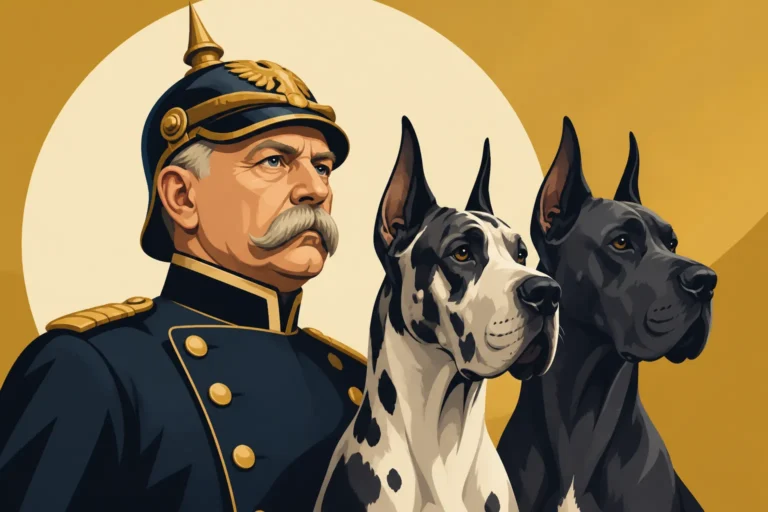
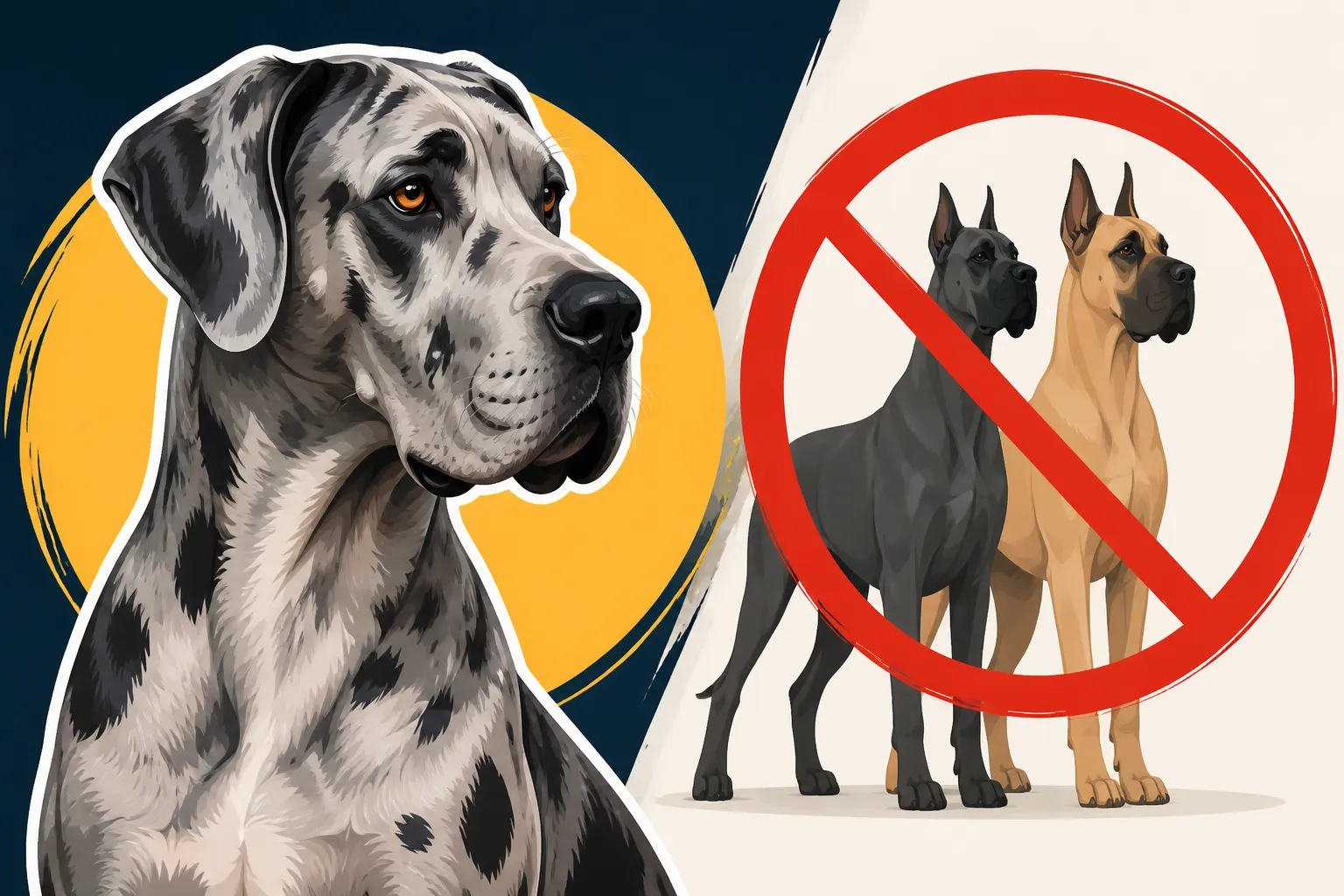
For a long time, the stunning, dappled coat of a Merle Great Dane was a point of contention and even disqualification within the breed's show ring. Many prospective owners and even seasoned enthusiasts have wondered why such a striking color was once shunned, leading to confusion and frustration for those who adore these beautiful dogs. This guide will delve into the historical reasons behind this decision, explore the genetic science involved, and discuss how perceptions and breed standards have evolved over time.
The Historical Stance on Merle Great Danes
Back in the day, when breed standards were first being meticulously crafted and refined, there was a very strong emphasis on consistency and predictability in purebred dogs. Any deviation that seemed "off-standard" was often viewed with suspicion, not just for aesthetic reasons, but sometimes due to underlying concerns about health or temperament. For Merle Great Danes, their unique pattern, while visually appealing to many, fell into this category of being perceived as an anomaly.
Early Breed Standards and "Acceptable" Colors
In the early days of formal dog breeding and showing, the Great Dane breed standard was quite specific about acceptable colors. Traditional colors like Fawn, Brindle, Black, Blue, and Harlequin were clearly defined and recognized. Harlequin, with its distinctive white base and torn black patches, often featured some grey or 'merle' areas, but a fully merle pattern was not considered a primary, accepted color on its own. It was seen as a variant, often an undesirable one, perhaps due to its association with Harlequin breeding but without the clear, distinct black patches that defined a correct Harlequin. The emphasis was on maintaining a uniform and recognizable appearance across the breed. Anything that deviated too much from these established norms was often penalized, even if it produced a visually appealing dog. Colors the Great Dane Standard Does Not Allow often listed specific patterns or shades that were deemed incorrect for showing, and merle frequently fell into this less-than-desirable category for many years.
The breeders and judges of the time aimed for a very particular ideal. They wanted to ensure that every dog in the ring truly represented the pinnacle of the breed's characteristics, not just in structure and temperament but also in coat. A merle pattern, lacking the distinct qualities of a Harlequin or the solid color of a Fawn or Blue, could easily be seen as diluting the established visual identity of the Great Dane. It wasn't just about personal preference; it was about upholding a very specific vision for the breed's aesthetic integrity as outlined in the show ring standard.
The Stigma of Unwanted Genetics
Beyond just aesthetics, there was a growing awareness and concern about the genetics associated with the merle pattern, particularly the potential for serious health issues. This wasn't unique to Great Danes; it's a concern across all breeds where the merle gene appears. The problem arises when two dogs carrying the merle gene are bred together. This pairing significantly increases the likelihood of producing "double merle" offspring.
Double merles, unfortunately, often suffer from severe sensory defects, primarily impacting their vision and hearing. This understanding started to permeate the breeding community, leading to the logical conclusion that if the merle pattern was inherently linked to these potential health problems through certain breeding practices, then perhaps it was safer for the breed to disincentivize its propagation altogether in the show ring. The disqualification acted as a strong deterrent, essentially stating that while these dogs existed, they were not the ideal representation of a healthy, sound Great Dane the standard aimed to promote. This ethical consideration, coupled with aesthetic preferences, solidified the decision to disqualify merle-patterned dogs.
Understanding Merle Genetics and Associated Health Risks
To truly understand why Merle Great Danes faced disqualification, we need to delve into the science behind their distinctive coat pattern. It's not just a color; it's a genetic trait with significant implications, particularly when mishandled in breeding. The merle gene, often denoted as 'M', is an incompletely dominant gene that dilutes random areas of the base coat color, creating the mottled or dappled appearance.
The Single Merle (Mm) vs. Double Merle (MM) Dilemma
The key to understanding the health risks lies in differentiating between a single merle and a double merle. A dog that inherits one copy of the merle gene (Mm) from one parent will display the merle pattern. These dogs, commonly referred to as "single merles," are generally healthy, though they can sometimes have milder forms of the associated health issues, particularly if their merle gene is a cryptic or diluted variant. Their eyes might be blue or flecked with blue, which is often considered part of the merle aesthetic.
The serious problems arise when a dog inherits two copies of the merle gene (MM), one from each merle parent. This is what we call a "double merle" or sometimes a "homozygous merle." Breeding two merle-patterned dogs together is a gamble, as statistically, 25% of their offspring will be double merle. These double merle puppies are often predominantly white, but critically, they are highly prone to severe congenital defects. Why Two Merle Great Danes Should Not Be Bred is a topic that every responsible Great Dane breeder and owner understands deeply, precisely because of this double merle risk. For new owners considering a merle, understanding What a Double Merle Great Dane Is is absolutely crucial before making a commitment.
Vision and Hearing Impairments in Double Merles
The reason double merles are so concerning is the severe impact of having two copies of the merle gene on their sensory organs. The merle gene plays a role in the development of pigment, and when it's present in two copies (MM), it can disrupt the development of cells in the eyes and inner ears.
Double merle Great Danes frequently suffer from a range of severe vision problems. These can include microphthalmia (abnormally small eyes), colobomas (missing tissue in the eye structures, often causing keyhole pupils), detached retinas, and even complete blindness. Sometimes, puppies are born with one or both eyes completely missing, a truly heartbreaking outcome. This significantly impacts their quality of life, requiring owners to provide a very specific environment and training to help them navigate their world. Missing Eyes and Small Eyes in White Great Danes is a stark reality that ethical breeders work tirelessly to avoid.
Similarly, these dogs are highly susceptible to deafness, either partial or complete. The double merle gene can cause a lack of pigment in the inner ear, which is vital for the proper function of the hair cells responsible for hearing. Deafness can occur in one ear (unilateral) or both ears (bilateral). Raising a deaf Great Dane requires immense dedication and specialized training, often relying on visual cues and Hand Signals for a Great Dane That Cannot Hear. While deaf dogs can lead full, happy lives, it is a preventable condition that ethical breeding practices strive to eliminate. The existence of these serious health issues was a major driving force behind the historic disqualification of merle dogs, as breed clubs sought to discourage breeding practices that led to such suffering.
The Evolution of Breed Standards and Acceptance
Over time, understanding of canine genetics improved significantly, and with it, came a more nuanced approach to breed standards. While the underlying concerns about double merles remained, the perspective on single merles began to shift. The visual appeal of the merle pattern, when produced ethically, was undeniable, and many felt it deserved recognition.
Merle Great Danes Since 2019
The landscape for Merle Great Danes began to change significantly in 2019. Prior to this, Merle was often listed as a disqualifying fault by major kennel clubs, meaning a merle-patterned Great Dane could not be shown or compete for championship titles. However, after much discussion and debate within the Great Dane community, and a deeper understanding of the genetics involved, many prominent kennel clubs amended their breed standards to recognize Merle as an acceptable color.
This change wasn't an open invitation to irresponsible breeding, but rather an acknowledgment that ethically bred single merles are genetically sound and deserve to be recognized for their beauty and adherence to other breed characteristics. It meant that a Great Dane with a merle coat could now enter the show ring, provided it met all other aspects of The Great Dane the Show Ring Is Looking For. This shift reflected a more modern approach, focusing on responsible breeding practices that prioritize health while also recognizing the genetic diversity and aesthetic variations within the breed. It was a step forward in aligning breed standards with current scientific understanding and the practical realities of Great Dane genetics.
Ethical Breeding Practices for Merle
With the acceptance of the Merle pattern, the emphasis on ethical breeding has become more critical than ever. The core principle remains: never breed two merle-patterned dogs together. This is the absolute golden rule to avoid producing double merles and the tragic health consequences associated with them. Responsible breeders who produce merle Great Danes will always ensure that one parent is a non-merle (e.g., a Fawn, Black, or Harlequin without merle genetics), while the other carries the single merle gene.
This means rigorous genetic testing is paramount. Reputable breeders utilize DNA tests to identify the merle gene status of their breeding dogs, ensuring they can make informed decisions. They also screen for other common Great Dane health issues, providing full health clearances. The Health Testing a Great Dane Breeder Owes You is not just a suggestion; it's a fundamental responsibility. When looking for a puppy, always ask to see the health papers of both parents. Reading a Great Dane Puppy's Health Papers will show you whether cardiac, hip, and elbow screenings have been done, and now, often, merle gene testing as well.
Ethical breeders are transparent about the genetics of their merle lines and educate prospective owners about the slight, though rare, possibility of minor health issues even in single merles. They prioritize the health and welfare of their puppies above all else, often ensuring thorough vet checks, including eye exams. Speaking of which, Whether a Great Dane Needs an Eye Exam is a really important conversation to have with your vet, especially if you have a merle dog, just to stay ahead of any potential issues. They also won't hesitate to recommend products from trusted brands like Chewy that cater to the health and wellness of Great Danes, including those with special needs, from specific nutrition to orthopedic beds.
The Impact on Owners and Breeders
The journey of the Merle Great Dane from disqualification to recognition has had a profound impact on both breeders and owners. It has highlighted the evolving nature of breed standards and the increasing importance of genetic knowledge in responsible dog ownership.
The Challenges and Joys of Owning a Merle Great Dane
For owners, the acceptance of merle means they can now participate in dog sports and conformation events with their beautifully patterned Danes, which was previously impossible. However, it also places a greater onus on them to understand the genetics of their particular dog, especially if they are considering future breeding (though most pet owners will not). Owning any Great Dane is a huge responsibility, given their size and unique health challenges, but a merle can sometimes come with additional considerations.
While single merle Great Danes are generally healthy, owners should be extra vigilant for any signs of hearing or vision issues. Regular veterinary check-ups are always crucial for Great Danes, but for merles, specific attention to eye and ear health is even more important. Some merles might have slightly more sensitive skin or coat, which might necessitate specific grooming products, readily available from retailers like Chewy. The joy of owning a merle Great Dane is immense; their striking appearance often turns heads, and their gentle, loving nature is no different from any other color Dane. They are intelligent, affectionate, and make wonderful companions, but like all Great Danes, they require consistent training, socialization, and a deep commitment to their well-being.
Responsible Sourcing and Support for Merle Danes
The decision to acquire a Merle Great Dane, like any Great Dane, should always begin with responsible sourcing. This means finding a reputable breeder who not only understands merle genetics thoroughly but also prioritizes health testing for all the conditions Great Danes are prone to, such as cardiac issues or hip and elbow dysplasia. Never be swayed by breeders offering "rare" merle colors at inflated prices without proof of health testing or ethical breeding practices. Whether a Rare Colored Great Dane Is Worth Chasing often comes down to weighing aesthetics against responsible breeding and long-term health.
A good breeder will be transparent about their breeding program, including the genetic testing results for their dogs, particularly regarding the merle gene. They will be keen to educate you about the potential risks and how they mitigate them, and they will want to ensure you are prepared for the commitment of owning a Great Dane. Furthermore, they should be a lifelong resource for advice and support.
For owners of merle Danes, creating a safe and enriching environment is key. This might involve setting up a home environment that is easy for a deaf or visually impaired dog to navigate, even if they only have mild impairments. This could mean consistent furniture placement, using textured mats to indicate transitions, or establishing clear visual cues for communication. Access to high-quality food, appropriate toys, and comfortable bedding is also essential, and companies like Chewy offer a vast selection of products tailored for large breeds and those with specific needs. Understanding Whether Great Dane Color Affects Health means focusing on the genetics behind the color, rather than the color itself, and making informed choices for your beloved companion.
| Merle Genetic Status | Parent 1 | Parent 2 | Offspring Probability | Typical Appearance | Associated Health Risks (High Probability) |
|---|---|---|---|---|---|
| Non-Merle (mm) | Non-Merle | Non-Merle | 100% Non-Merle | Solid color | Low |
| Single Merle (Mm) | Merle | Non-Merle | 50% Merle, 50% Non-Merle | Dappled/Mottled | Low (minor issues rare) |
| Double Merle (MM) | Merle | Merle | 25% Double Merle | Predominantly White | High (severe vision/hearing impairment) |
This table illustrates why breeding two merle dogs is highly discouraged due to the increased risk of producing double merle puppies with severe health issues.
Disclaimer
This article is for general informational purposes only and does not constitute professional advice. Laws, prices and regulations vary by location and change over time. Consult a qualified professional for guidance on your specific situation.