Whether a White Great Dane Is a Recognized Color
It’s incredibly disheartening when you fall in love with a dog's look, only to find out that particular coloration comes with a complex and often painful backstory. Many people are drawn to the striking appearance of a Great Dane with an almost entirely white coat, but the reality is that these dogs often face significant health challenges, and their color isn't recognized in the official breed standard. This guide will help you understand why truly white Great Danes exist, the serious health implications they commonly face, and what it means for their recognition in the dog world.
Understanding Great Dane Color Standards
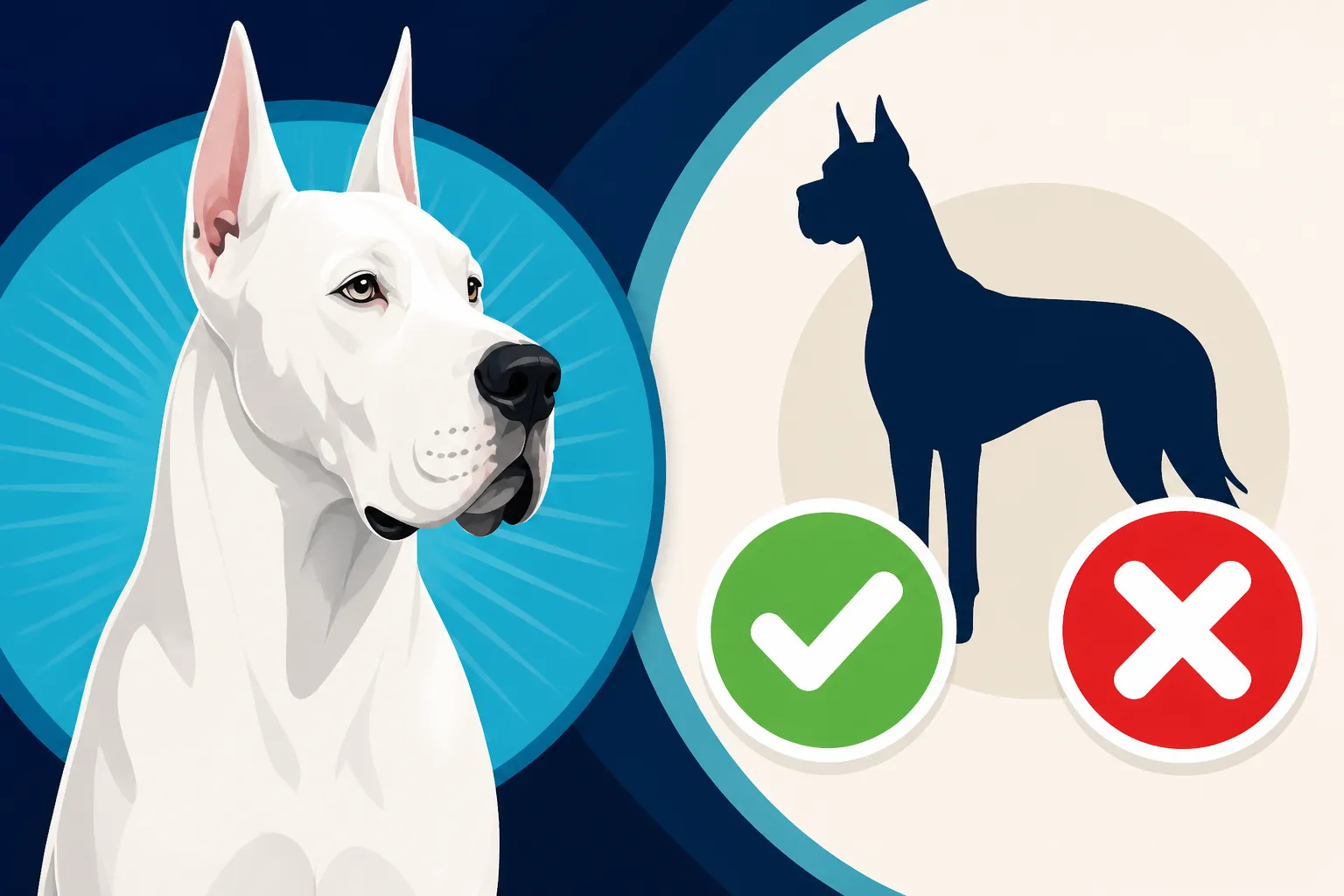
When you look at the official breed standards for Great Danes, like those set by the American Kennel Club (AKC) or the Fédération Cynologique Internationale (FCI), you’ll notice a very specific list of recognized colors. These standards aren't just about aesthetics; they often relate back to the breed's history, health, and desired characteristics. For Great Danes, the recognized colors are quite distinct, and a pure, unpatterned white is notably absent from that list.
What the Official Standards Say
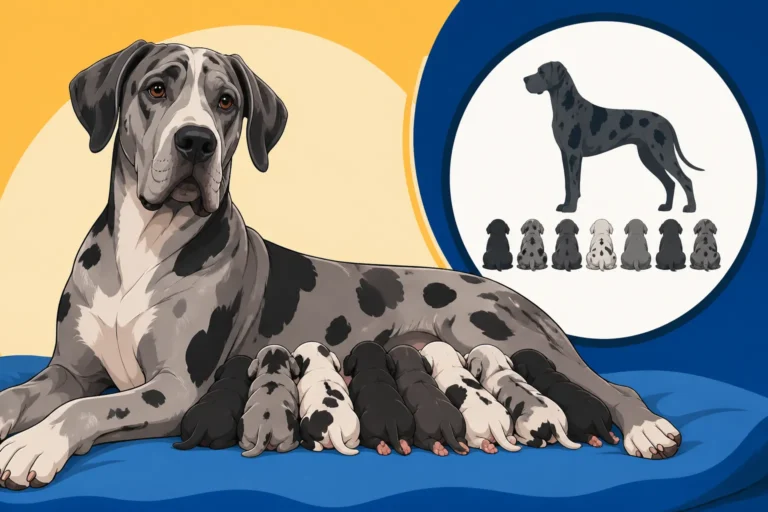
The recognized Great Dane colors are Fawn, Brindle, Blue, Black, Harlequin, and Mantle. Each of these colors has very particular descriptions regarding shading, markings, and overall presentation. For instance, a Fawn Great Dane should be a golden fawn color with a black mask, while a Harlequin is primarily white with irregular, torn black patches over the body. It’s these intricate descriptions that define what is considered "correct" within the breed standard. The standards are there to preserve the breed's integrity, health, and historical appearance. When a dog deviates significantly from these standards, it's often due to genetic factors that breeders are careful to manage.
You might see a Harlequin Great Dane that has a lot of white on its body, perhaps even appearing mostly white with just a few black patches. This is different from a genetically white Great Dane. The Harlequin pattern is specifically recognized and desired when it meets the defined criteria for patch size and distribution. A white Great Dane, one that is solid white or nearly solid white without the distinct Harlequin or Mantle markings, simply doesn't fit into these established categories. It’s not just a matter of preference; it's a departure from the genetic blueprints considered healthy and typical for the breed. The Seven Great Dane Colors covers this in detail.
Why White Is Not a Recognized Show Color
The reason pure white is not a recognized color for Great Danes in the show ring goes beyond just visual preference; it’s intrinsically linked to the genetics that produce such a coat and the significant health problems often associated with it. When we talk about "white" Great Danes, we're usually referring to dogs that are heavily diluted in color, often due to being a "double merle." This genetic combination, while producing a striking white coat, also carries a high risk of severe sensory impairments.
For breed clubs, the welfare of the dog is paramount. Allowing or promoting a color that is genetically predisposed to deafness and blindness would go against the very principles of responsible breeding. Therefore, these dogs are typically disqualified from conformation shows. It’s a way of discouraging breeding practices that knowingly produce dogs with a high likelihood of serious health issues. This stance emphasizes health over aesthetics, a crucial ethical consideration for any breed. While a very light fawn might appear off-white in some lighting, a truly white Great Dane with blue eyes is almost certainly the result of specific genetic interactions that are considered undesirable from a health perspective. You can learn more about standard colors and faults in Colors the Great Dane Standard Does Not Allow.
Here's a quick comparison of recognized colors vs. the unrecognised white:
| Color Category | Description | Recognition Status (AKC/FCI) | Common Associated Health Issues |
|---|---|---|---|
| Fawn | Golden fawn with a black mask, typically black around eyes and ears. | Recognized | Generally healthy |
| Brindle | Fawn base color with black stripes. | Recognized | Generally healthy |
| Blue | Steel blue (gray), no fawn or black tint. | Recognized | Generally healthy |
| Black | Glossy black, no brown or white markings (except minor chest white). | Recognized | Generally healthy |
| Harlequin | Pure white base with irregular, torn black patches. | Recognized | Generally healthy |
| Mantle | Black with white markings: white muzzle, chest, collar, legs, and tail tip. | Recognized | Generally healthy |
| White | Predominantly or entirely white, often with blue eyes. | Not Recognized | High risk of deafness, blindness, neurological issues |
The Genetics Behind White Great Danes
Understanding why a Great Dane ends up predominantly white requires a dive into genetics, specifically the merle gene. This isn't just academic; it's critical for any prospective owner or breeder to grasp, as it explains the health risks involved. The beautiful, marbled patterns of merle dogs are captivating, but when the gene responsible for them is inherited in a particular way, it can have devastating consequences.
The Merle Gene and Its Expression
The merle gene (often denoted as 'M') is a fascinating and complex allele that affects the pigmentation of a dog's coat, eyes, and even skin. In its single copy form (Mm), it produces the classic merle pattern you see in some breeds—patches of diluted color mixed with full-pigmented areas. Think of the unique blue or red merle Australian Shepherds, or indeed, the Harlequin Great Dane. The Harlequin pattern itself is a modifier of the merle gene, causing the merle patches to "break up" into black spots on a white background. This is a recognized and beautiful pattern within the Great Dane breed.
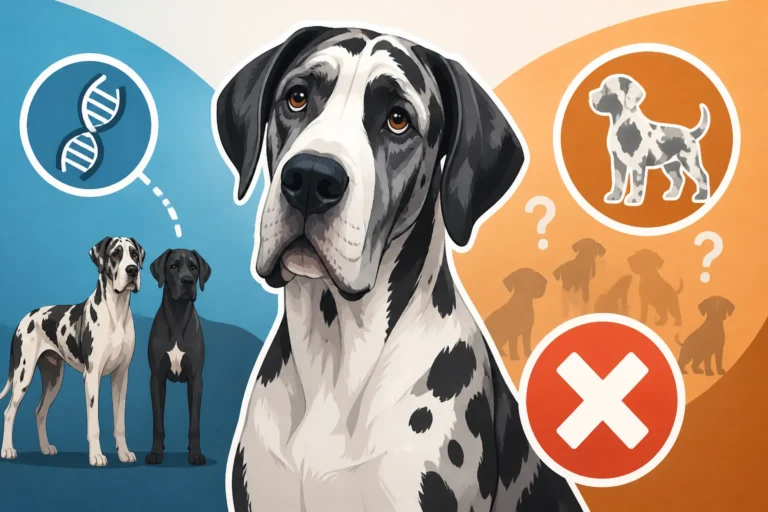
However, the trouble arises when a dog inherits two copies of the merle gene (MM), making it what's known as a "double merle." This usually happens when two merle-patterned dogs (even two Harlequins) are bred together. The double merle gene dilutes pigmentation so drastically that the dog often appears almost entirely white. While aesthetically striking, this extreme dilution is frequently linked to profound health issues, particularly affecting the eyes and ears. This is why responsible breeders rigorously avoid breeding two merle-patterned Great Danes together. Harlequin and Merle Great Dane Genetics explains this in more detail.
Double Merle: The True "White" Great Dane
A "double merle" is the genetic reality behind most truly white Great Danes. When a puppy inherits the merle gene from both its mother and its father, it carries two copies (MM). This genetic double-whammy has a much more severe effect on pigment development than a single merle gene. Instead of patches, the coat becomes overwhelmingly white, and the eyes can be pale blue or even mismatched.
The vast majority of truly white Great Danes you might encounter are double merles. They are not simply a different color variant; they are the unfortunate result of a specific genetic combination that carries a very high risk of significant birth defects. While the intention might be to produce a stunning, unique-looking dog, the reality is that such pairings are often considered highly irresponsible due to the predictable suffering they can cause. This is why Why Two Merle Great Danes Should Not Be Bred is such a critical piece of advice for any breeder. It's a fundamental principle of ethical Great Dane breeding.
Health Concerns Associated with White Great Danes
The beauty of a white Great Dane is often overshadowed by the profound health challenges that come hand-in-hand with their genetics. This isn't just a slight increased risk; it's a strong correlation with severe, life-altering conditions that can impact their quality of life and place a significant burden on their owners. These dogs often require specialized care from day one.
Deafness: A Common Affliction
Perhaps the most well-known and heartbreaking health issue associated with double merle white Great Danes is deafness. Studies have shown a very high incidence of hearing impairment, ranging from partial deafness in one ear (unilateral) to complete deafness in both ears (bilateral). The merle gene, when present in two copies, can interfere with the development of the pigment cells in the inner ear, which are crucial for normal hearing function. Without these cells, sound cannot be properly transmitted.
Imagine bringing home a puppy that cannot hear your voice, the doorbell, or even the sound of its own paws. It's a reality for many owners of white Great Danes. Raising a deaf dog requires immense patience, specialized training methods using hand signals, and a heightened awareness of their surroundings to keep them safe. They can't hear a car approaching or a warning bark from another dog. This makes proper socialization and management crucial. How Common Deafness Is in a White Great Dane highlights just how prevalent this issue truly is, and Why a White Great Dane Is Often Deaf delves into the biological reasons. You will definitely want to pursue Testing a Great Dane Puppy's Hearing if you have a white Great Dane.
Ocular Defects and Blindness
Beyond hearing, the eyes are another major area of concern for double merle white Great Danes. The same genetic factors that disrupt pigment in the coat and ears can also severely impact eye development. These dogs can suffer from a range of ocular defects, from minor abnormalities to complete blindness. Common issues include microphthalmia (abnormally small eyes), colobomas (missing pieces of ocular tissue), and irregular pupil shapes. Some may even be born with absent or severely malformed eyes, a truly devastating condition.
Living with a blind or visually impaired Great Dane presents its own set of challenges. Their sheer size means they need a lot of space, and navigating a familiar environment can be tricky, let alone new places. Owners must be vigilant about keeping their environment consistent, using scent markers, and ensuring their dog doesn't bump into furniture or fall down stairs. Regular vet check-ups, especially with a veterinary ophthalmologist, are crucial for these dogs to manage any pain or further deterioration. It’s a huge commitment, both emotionally and financially. For more on this, see Missing Eyes and Small Eyes in White Great Danes.
Other Potential Health Problems
While deafness and ocular defects are the most prominent health concerns, some studies and anecdotal evidence suggest that double merle Great Danes might also face other health issues, though these are less consistently documented across the board. These can include increased sensitivity to sunlight, as their lack of pigment offers less natural protection, making them more prone to sunburn or certain skin cancers. They might also have a weaker immune system or other organ abnormalities, though these links require more definitive research.
Essentially, the extreme genetic dilution responsible for their white coats seems to have widespread effects on development. It's a reminder that beauty on the surface can sometimes hide deeper, systemic problems. Owners who commit to a white Great Dane must be prepared for potentially higher vet bills, ongoing specialized care, and a dedication to meeting their dog's unique needs, often for their entire, sometimes shorter, lifespan. This isn't a decision to take lightly, and it highlights the importance of choosing a responsible breeder who prioritizes health over novelty.
Living With and Caring for a White Great Dane
If you find yourself with a white Great Dane, whether intentionally or through rescue, understand that you've taken on a special responsibility. These dogs are no less deserving of love and a full life, but their unique challenges mean you'll need to adapt your care routines and home environment to ensure their safety and happiness. It’s all about meeting them where they are and giving them the tools to thrive.
Adapting Your Home for Sensory Impairments
Living with a deaf or blind Great Dane means becoming incredibly mindful of your home environment. For deaf dogs, sudden startling can be an issue, so approaching them carefully and using gentle touch to get their attention is key. Visual cues like waving your hand or flashing a light can replace verbal commands. For blind dogs, consistency is paramount. Don't move furniture around unnecessarily. Keep pathways clear, and consider using different textures of rugs or scent markers to help them orient themselves.
Making your home a safe haven for a sensory-impaired Great Dane also involves proactive steps. For a blind dog, baby gates can prevent falls down stairs, and covering sharp corners of furniture can prevent bumps and bruises. For both deaf and blind dogs, always announce your presence gently before touching them to avoid startling them. Many owners find that a regular routine helps immensely, as predictability reduces stress and builds confidence for dogs who can't rely on all their senses. Products like plush, easily identifiable toys that make noise (for blind dogs) or have strong scents can be great tools, and you can often find a wide variety of these on platforms like Chewy.
Specialized Training and Communication
Training a Great Dane who is deaf or blind might sound daunting, but it's entirely achievable with patience and the right approach. For deaf dogs, hand signals are your best friend. Start early, just as you would with verbal commands, using clear, consistent gestures for "sit," "stay," "come," and "good dog." Positive reinforcement with treats and physical praise works wonders. A vibrating collar can also be a valuable tool for recall or getting their attention, but it must be introduced carefully and positively.
For blind Great Danes, verbal cues become even more important. Teach them directional commands like "left," "right," "wait," or "step up." Consistency in tone and wording will help them navigate their world. Leash training is crucial for both, as it provides a vital link for communication and safety on walks. Always walk at a consistent pace and give verbal cues before turns or obstacles. Remember, these dogs are still incredibly intelligent and eager to please; you just need to learn their language. Hand Signals for a Great Dane That Cannot Hear is a great resource to explore this further.
Finding Support and Resources
You are absolutely not alone if you’re caring for a white Great Dane with special needs. There are wonderful communities, both online and offline, dedicated to supporting owners of deaf and blind dogs, and specifically Great Danes. These groups can offer invaluable advice, share coping strategies, and provide a sense of camaraderie. Connecting with others who understand the unique joys and challenges can be incredibly validating.
Your veterinarian will also be a key partner. Be sure to discuss their specific needs, whether it's managing eye health, considering specialist referrals, or simply ensuring their overall well-being. Some vets have more experience with sensory-impaired dogs than others, so don't hesitate to seek out a vet who demonstrates a strong understanding and empathy for your situation. Remember, every dog deserves a loving home, and with the right resources and dedication, a white Great Dane can lead a fulfilling and joyful life, albeit one that requires a bit more thoughtful care. For general supplies and some specialized products that cater to dogs with different needs, remember that online retailers like Chewy often have a vast selection.
Disclaimer
This article is for general informational purposes only and does not constitute professional advice. Laws, prices and regulations vary by location and change over time. Consult a qualified professional for guidance on your specific situation.