Whether Great Danes Were Used as Estate Guards
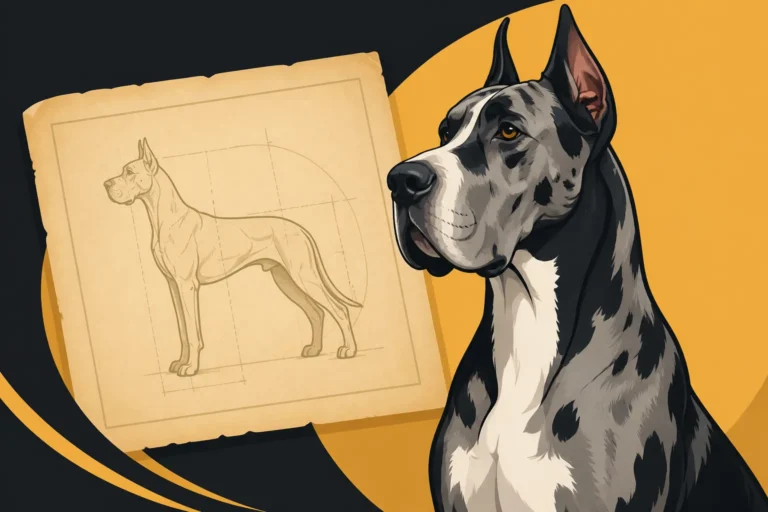
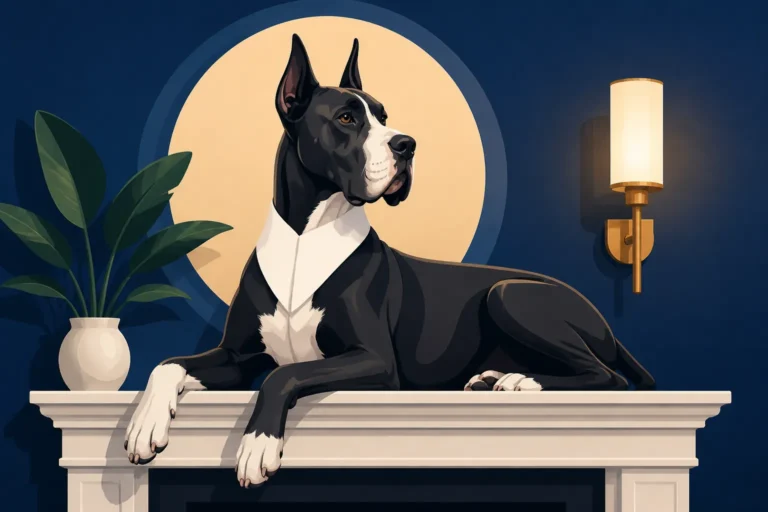
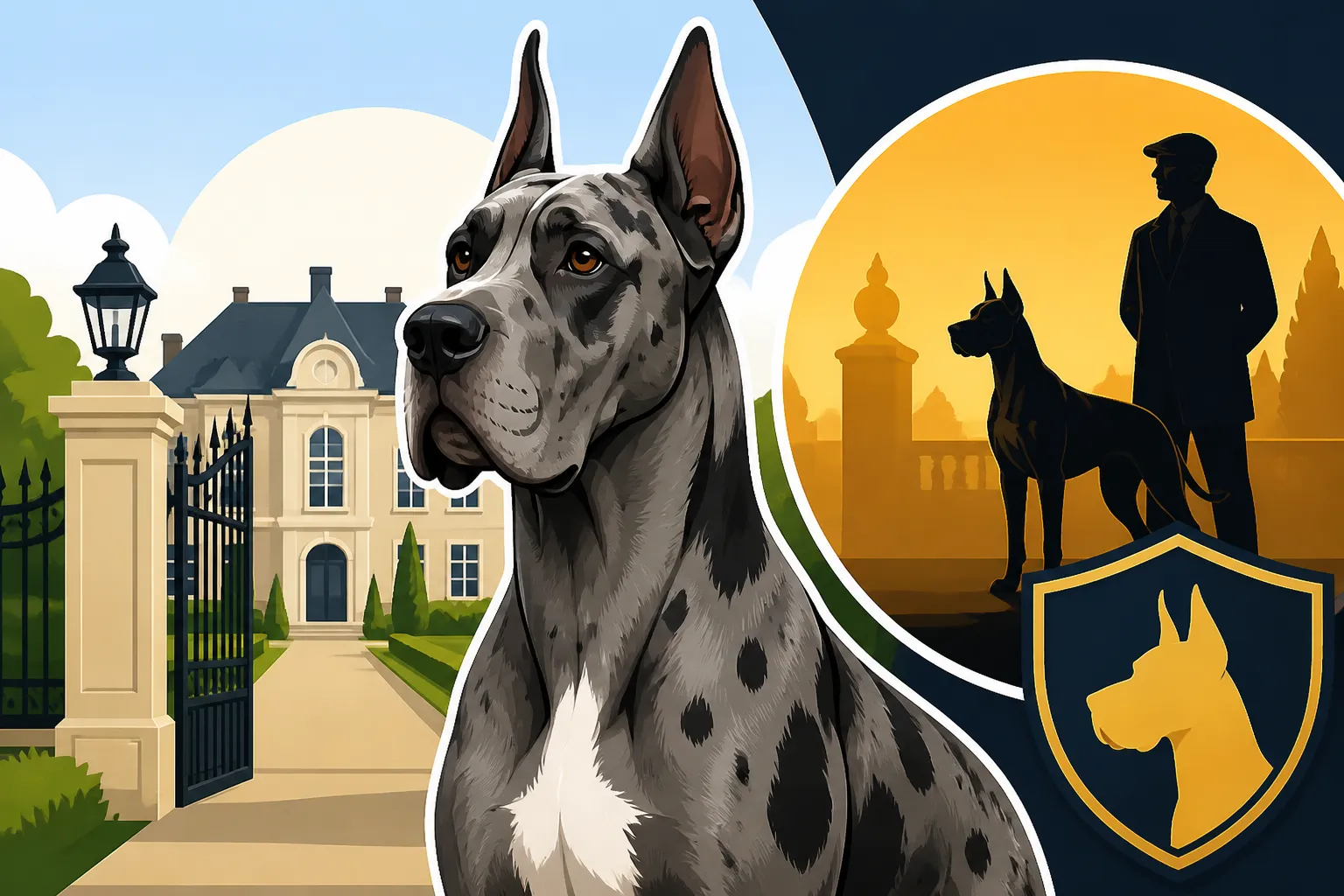
A Great Dane standing beside a manor gate can look every bit the estate guardian, but the breed’s history is more layered than “big dog that guarded the house.” Great Danes and their ancestors hunted powerful game, accompanied wealthy households, and could serve as imposing watchdogs. This guide explains what estate guarding meant, how it differed from modern protection work, and what the breed’s past does—and doesn’t—tell us about its temperament today.
What estate guarding meant for Great Danes
Hunting, protection, and household presence overlapped
Great Danes were not developed for only one job. Their ancestors were large, athletic dogs used to pursue and hold wild boar, a dangerous quarry that demanded strength, speed, and courage. That hunting background is central to understanding the breed’s association with estates: the dogs were valuable to wealthy landowners as working animals, but their size and presence also made them useful around the home and grounds. The Boar Hunts the Great Dane Was Built For
On a large property, the roles of hunting dog, companion, and watchdog could overlap. A dog that lived close to the household, moved around its grounds, and was alert to unfamiliar people might discourage trespassers or make a family aware that someone had arrived. That is different from saying every Great Dane was deliberately trained to confront intruders. The historical idea of “guarding” could include being an imposing presence, rather than carrying out the specialized protection work people may picture today.
The term estate guard can also suggest a single, formal job description, when historical practice was less tidy. A noble household might keep dogs for hunting, companionship, and security at the same time. The Great Dane’s ancestors had the physical capacity for demanding work, while their close association with people made them more than kennel-bound sentries. How Great Danes Went From Hunting to Guarding
A noble household dog could be a visible deterrent
In parts of Europe, large dogs were kept by aristocratic households and associated with residences, courts, and country estates. Their size alone could make a stranger think twice about approaching. A dog that barked or stood its ground might also alert the people inside, even if it had never been taught a modern protection routine.
That visible deterrent mattered in a period when household security depended on people, gates, walls, and animals rather than today’s alarm systems. Still, it’s worth resisting the temptation to turn that broad history into a dramatic claim that Great Danes were routinely trained to attack anyone who entered a property. The evidence and descriptions of historical roles are not always precise enough to support that kind of blanket statement.
The breed’s development in Germany also helped shape its connection with wealthy households. It became known as the Deutsche Dogge there, while the English name “Great Dane” developed elsewhere. Its place in German culture and history is explored further in The Great Dane as Germany's National Breed. That heritage helps explain why people associate the breed with grand houses and estates, but it does not mean all Great Danes performed the same job.
How to distinguish a historical watchdog from a guard dog
Alerting and deterring are not the same as protection training
People often use “guard dog” to mean several different things. A watchdog notices activity and may bark. A deterrent looks imposing enough that someone is less likely to approach. A trained protection dog is deliberately taught how to respond to specific cues and situations under skilled supervision. Those roles are not interchangeable, and a dog’s height or bark does not automatically make it a safe or reliable protector.
Historically, Great Danes could contribute to household security through their presence and alertness. That is a more careful description than assuming they were trained protection dogs in the modern sense. A large dog might bark when a visitor came through a gate, stand near its owner, or make a property feel less inviting to strangers. None of those behaviors alone shows that the dog could accurately assess a threat or respond safely.
This distinction matters for modern owners, too. If you want to understand what a Great Dane is likely to do around visitors, it helps to look at its individual temperament and training rather than relying on the breed’s size. Whether a Great Dane Is a Guard Dog explains why appearance, alert behavior, and reliable protection are separate questions.
Size can deter, but it also raises the stakes
A Great Dane may look intimidating to someone who does not know the breed. Yet many are affectionate, social dogs that welcome familiar people and can be friendly with visitors when properly introduced. Others may be more reserved, anxious, or reactive. Breed history can offer context, but it cannot predict the behavior of every dog sitting beside a front door.
There is a practical reason not to encourage uncontrolled guarding: a very large dog can accidentally knock someone down, block a doorway, or frighten a delivery worker without intending harm. If a Dane becomes alarmed and reacts aggressively, its size makes careful management especially important. Calm greetings, secure gates, clear household routines, and reward-based training help keep both the dog and the people around it safer.
Owners who want a dog that alerts them can teach appropriate household manners without trying to make the dog suspicious of everyone. For example, a dog can be rewarded for noticing a sound and then settling on a mat while its owner handles the door. A predictable routine is usually more useful than encouraging barking or confrontation. The breed’s generally gentle reputation and its limits are discussed in The Gentle Great Dane Temperament and Its Limits.
| Role | What it generally means | What a Great Dane’s history may suggest |
|---|---|---|
| Hunting dog | Pursues or holds game, often as part of a planned hunt | The breed’s ancestry includes dogs used for powerful quarry such as boar |
| Watchdog | Alerts people to activity with barking or other behavior | A Dane’s alertness and presence could make it useful around a household |
| Deterrent | Discourages approach through its visible size or reputation | A large dog could make an estate feel less inviting to strangers |
| Protection dog | Responds to threats through carefully controlled training | Historical estate use should not be treated as proof of modern protection training |
What the estate-guarding past means for modern owners
Temperament depends on the dog and its experiences
A historical working role does not mean a modern Great Dane is naturally aggressive, nor does it guarantee that one will protect its home. Dogs vary. Genetics, early socialization, health, training, and daily experiences all influence how an individual responds to strangers and unfamiliar situations. A Dane raised with calm introductions may behave very differently from one that has had little positive exposure to visitors.
For a family considering the breed, it is more useful to ask whether the dog can live comfortably in the household’s routine than whether it will act as a guard. A Great Dane may be deeply attached to its people and still be relaxed around guests. Another may need extra support to feel confident when someone enters the home. Neither response can be reliably inferred from the breed’s historical association with estates.
That is especially important when children or smaller pets are part of the household. A friendly Dane can still bump into a child or overwhelm a small dog during play simply because of its size. Thoughtful supervision and training matter more than assumptions about the dog being a “gentle giant.” For more on household fit, see Great Danes With Children and Small Dogs and Whether a Great Dane Suits Your House.
Good manners are more useful than encouraging suspicion
If you want your Great Dane to alert you to activity, aim for a clear, manageable behavior: notice the sound, bark briefly if that is acceptable in your home, and then respond to a cue to settle. This helps you stay in control instead of leaving the dog to decide on its own whether every visitor is a threat. A qualified reward-based trainer can help build a plan if your dog is fearful, overexcited, or difficult to redirect.
Start with everyday skills before your Dane becomes physically difficult to manage. Practice walking calmly on a leash, waiting at doors, greeting people with four paws on the floor, and settling on a bed while visitors come in. These habits are useful whether your dog is naturally outgoing or more cautious. They also protect guests from the accidental chaos that can happen when an excited giant breed rushes the entryway.
The setting matters as well. A secure fence, a sensible entry routine, and a comfortable resting place can prevent many avoidable problems. A properly sized bed may help a dog settle away from a busy doorway; retailers such as Chewy may offer extra-large options, but owners should check dimensions and support rather than assuming a bed labeled “large” will suit a Great Dane. The goal is not to turn the dog into a sentry. It is to make the home predictable and comfortable.
What Great Dane owners should take from the history
An estate dog was not necessarily a modern security system
The most reasonable answer is that Great Danes and their ancestors could be part of estate life and contribute to household security, but “estate guard” should be understood broadly. Hunting ability, a close relationship with people, alertness, and an imposing appearance could all have played a part. That does not establish that every dog was trained to defend property or that the breed was created solely for that purpose.
It is also helpful to separate history from present-day expectations. A dog’s ancestors may have been used for demanding work, but generations of breeding and individual life experiences shape the dog in front of you. A present-day Great Dane may be watchful, sociable, shy, or excitable. Owners should assess the actual dog rather than expect it to perform a historical role.
The idea of a dog that “guards the house” can be appealing, especially when a Great Dane’s size already draws attention. But a calm, well-managed companion is often a more realistic and safer goal than protection behavior. If your primary need is home security, rely on appropriate physical security measures and do not depend on a pet to judge risk or confront a stranger. Whether a Great Dane Would Guard the House
Make room for the dog’s real needs, not just its imposing image
Living with a Great Dane is less like keeping a decorative guardian beside the front door and more like sharing daily life with a very large, people-oriented dog. It needs suitable space to rest, careful handling, regular veterinary care, and consistent training. Owners should also plan for the practical details that come with giant size, from safe transport to sturdy equipment.
For example, a leash or harness needs to fit well and allow an adult to guide the dog comfortably. A retailer such as Chewy may carry giant-breed walking gear, but fit should be checked against the manufacturer’s measurements and the dog’s body shape. Similarly, food and water stations need to be stable and easy to clean. Chewy and other pet retailers may stock large bowls, but the right choice is the one that suits the dog and your home—not simply the biggest option on the shelf.
Space does not have to mean a sprawling estate. What matters is whether the dog can move safely, rest without being constantly disturbed, and get appropriate exercise and social contact. A family in a smaller home may manage well with thoughtful arrangements, while a large property will not solve problems caused by poor training or isolation. The breed’s day-to-day space needs are considered in How Much Space a Great Dane Really Needs.
The historical picture is therefore less “a fierce guard dog stationed at the gate” and more “a versatile, conspicuous dog woven into the work and life of wealthy households.” That context explains why Great Danes are often linked with estates, hunting, and protection. It should not be used as a promise that a modern Dane will guard a home—or as a reason to encourage aggressive behavior.
Disclaimer
This article is for general informational purposes only and does not constitute professional advice. Laws, prices and regulations vary by location and change over time. Consult a qualified professional for guidance on your specific situation.