Whether a Great Dane Should Move Effortlessly
One of the most captivating things about a Great Dane is their sheer presence, and when you see a well-conditioned Dane moving with purpose, it's nothing short of breathtaking. There’s a certain fluidity, an effortless grace that belies their enormous size, and it's something every owner hopes for. But the reality is, achieving and maintaining that "effortless movement" can be a real journey, fraught with common challenges that giant breeds face. This guide will dive deep into what truly constitutes effortless movement for a Great Dane, explore the obstacles that can hinder it, teach you how to spot the early warning signs of trouble, and offer practical advice on how to foster and protect your gentle giant's incredible gait throughout their life.
The Dance of the Dane: What "Effortless Movement" Truly Looks Like
When we talk about a Great Dane moving effortlessly, we're not just talking about them walking around the living room. We're envisioning the breed standard, the ideal picture of how these magnificent dogs were meant to carry themselves. It’s a powerful, smooth, and expansive stride that covers ground with minimal apparent effort. It’s a testament to good breeding, careful rearing, and proper conditioning.
The Ideal Great Dane Gait
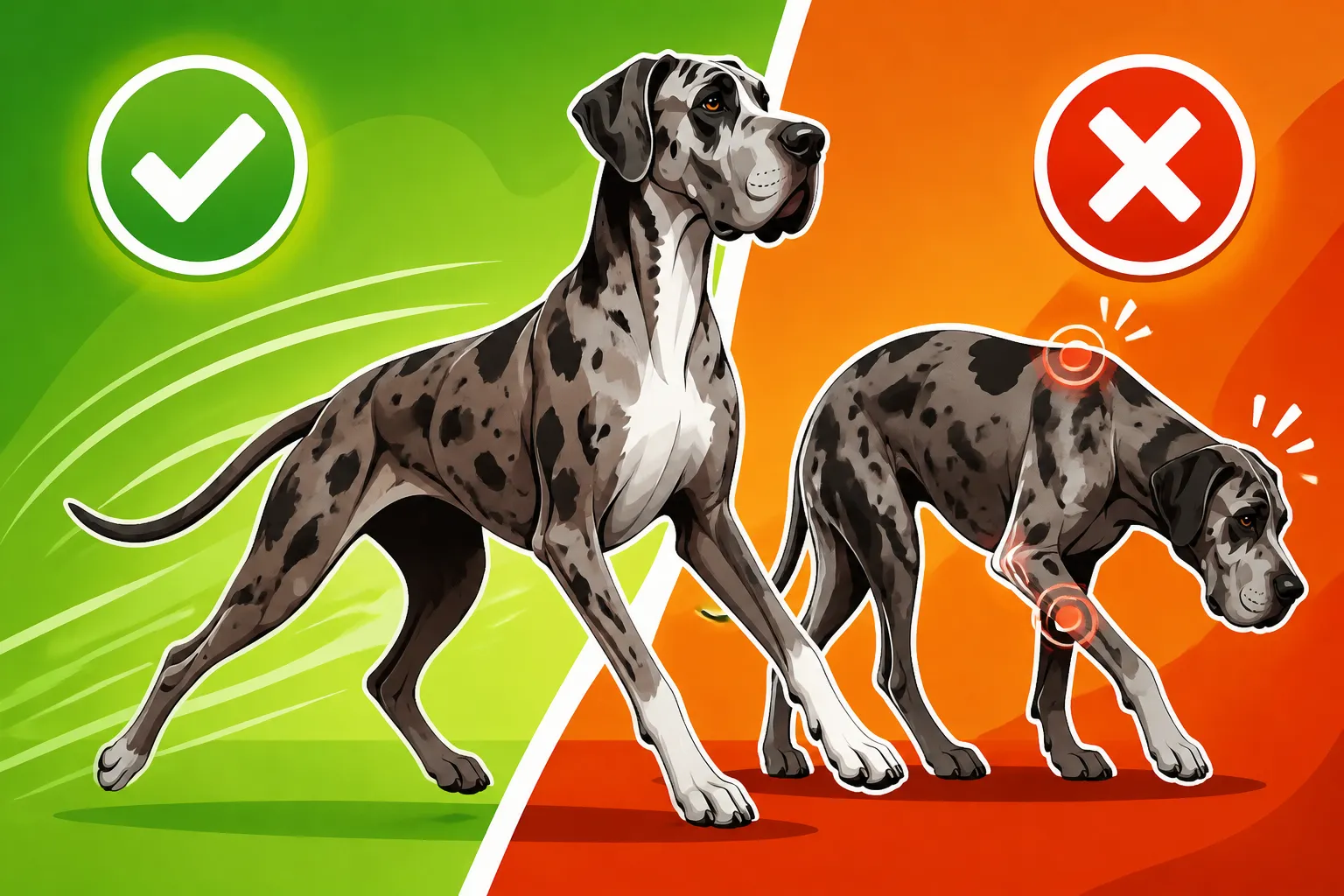
Imagine watching a Great Dane in an open field, ears flying (whether cropped or natural!), moving at a trot. Their back remains level and firm, their head held proudly. The front legs reach out with purpose, extending forward without any hackneyed action or stiff lift, while the powerful hindquarters drive smoothly from behind. Each step should be long and fluid, taking up a significant amount of ground. There’s no wasted energy, no awkward hitch or stiff shuffle. Their movement should feel like poetry in motion, a testament to their athletic build, despite their formidable size. This isn’t just aesthetic; it’s a reflection of a healthy, sound structure. When a Dane moves well, it means their joints are articulating properly, their muscles are strong and balanced, and their spine is flexible. The Great Dane the Show Ring Is Looking For outlines some of these physical ideals.
The Role of Conformation and Angulation
The ability to move effortlessly is deeply rooted in a Great Dane's conformation – essentially, the way their body is put together. Proper angulation in both the front and rear assembly is crucial. This refers to the angles formed by their bones at the shoulders, elbows, hips, and knees. If these angles are too straight or too exaggerated, it can compromise their range of motion and lead to a less efficient, more labored gait. Think of it like a perfectly engineered machine: every part needs to be in its correct place and proportion for optimal performance. A well-angulated Dane will have a natural spring in their step, allowing for that long, ground-covering stride that is so characteristic of the breed. Their topline, from the shoulders to the tail, should also remain strong and level during movement, indicating good core strength and spinal health. Without these fundamental structural components, true effortless movement becomes incredibly difficult, if not impossible, to achieve or maintain long-term.
Navigating the Obstacles to Fluid Movement
While the ideal is beautiful, the reality for many Great Danes can involve various health and developmental challenges that interfere with their ability to move effortlessly. It’s a heartbreaking reality for owners, knowing their beloved giant might experience discomfort or difficulty. These issues can range from puppy growing pains to serious skeletal and neurological conditions that require careful management.
Growth-Related Issues in Puppies and Adolescents
The rapid growth rate of a Great Dane puppy is both a wonder and a worry. They grow from tiny pups to massive adolescents in a blink, and this accelerated development puts immense stress on their developing bones and joints. This is a crucial period where "effortless movement" can easily be compromised if not managed correctly.
-
Pannus (Pannosteitis) and Hypertrophic Osteodystrophy (HOD): These are inflammatory bone conditions commonly seen in fast-growing large breed puppies. Pannus, often called "growing pains," can cause shifting lameness, where the puppy might limp on one leg for a few days, then another. HOD is more severe, leading to swollen, painful joints, fever, and extreme reluctance to move. A puppy suffering from HOD might even struggle to stand or walk, a far cry from effortless movement. The pain can be intense, and it's often linked to inappropriate nutrition (too much protein or calcium) or excessive exercise during critical growth phases. This is why managing a Great Dane puppy's growth curve month by month is so important.
-
Osteochondritis Dissecans (OCD): This condition involves abnormal cartilage development, often in the shoulders, elbows, or hocks. A flap of cartilage can detach, causing pain, inflammation, and lameness. A Dane with OCD will often exhibit stiffness, particularly after rest, and a noticeable limp or reluctance to bear weight on the affected limb. This is far from fluid motion and can severely impact their activity levels. Catching these issues early is critical, but they can be tricky to diagnose as puppies mature so quickly.
Joint Disease and Degeneration
Beyond puppyhood, Great Danes are prone to several inherited and acquired joint diseases that can chip away at their ability to move freely and comfortably. The sheer weight they carry exacerbates any underlying issues.
-
Hip and Elbow Dysplasia: These are genetic conditions where the hip or elbow joints don't form properly, leading to looseness, instability, and eventually degenerative joint disease (arthritis). A Dane with hip dysplasia might exhibit a "bunny hop" gait, struggle to rise from a lying position, or show reluctance to jump or climb stairs. Elbow dysplasia can manifest as an outward rotation of the paw, limping, or a stiff, choppy gait. Over time, the pain and stiffness from arthritis make any movement effortful and painful. Early Great Dane Hip and Elbow Screening is paramount for responsible breeders.
-
Arthritis: While often a secondary complication of dysplasia or injury, arthritis can also develop simply due to age and wear and tear, especially in a giant breed. As cartilage breaks down and bone spurs form, joints become stiff, painful, and less flexible. An older Dane with arthritis will move slower, struggle on slippery surfaces, and may become less interested in walks or play. It’s a common challenge for owners of aging Danes, and a major factor in their overall quality of life. Arthritis in a Six-Year-Old Great Dane is a good resource for understanding this.
Neurological Conditions
Sometimes, impaired movement isn't about the joints themselves, but the signals sent to them from the brain and spinal cord. Neurological issues can dramatically alter a Great Dane's gait and coordination.
-
Wobbler Syndrome (Cervical Spondylomyelopathy): This is a serious condition common in Great Danes, where compression of the spinal cord in the neck causes an uncoordinated, wobbly gait, particularly in the hind limbs. Affected Danes might scuff their back nails, stumble frequently, or have difficulty maintaining balance. Their neck might appear stiff, and they may show signs of pain when looking up or down. Imagine trying to walk gracefully when your brain isn't quite communicating with your legs – that's the struggle of a Dane with Wobbler Syndrome. The Neck Condition That Trips a Great Dane Up delves into this challenging condition.
-
Degenerative Myelopathy (DM): Though less common than Wobbler Syndrome, DM is a progressive spinal cord disease that typically affects older dogs, leading to weakness and incoordination in the hind limbs. It's painless, but steadily worsens, eventually leading to paralysis. The early signs can be subtle, like a slight drag of a back paw or weakness when standing. This insidious progression makes maintaining effortless movement impossible as the disease advances.
Other Physical Challenges
Beyond the big joint and neurological issues, other factors can make moving comfortably a daily struggle for a Great Dane.
-
Weight Management: An overweight Great Dane is a Dane under immense strain. Every extra pound magnifies the stress on their joints, tendons, and ligaments. They become less agile, pant more easily, and are at a higher risk for all kinds of orthopedic problems. Their movement will appear heavy, labored, and far from effortless. Maintaining a lean body condition is one of the most proactive things an owner can do to protect their Dane’s mobility. Whether a Great Dane Puppy Should Be Kept Lean highlights the importance of this from a young age.
-
Muscle Weakness or Injury: Even a perfectly healthy Dane can suffer a muscle strain or sprain, which can temporarily (or sometimes chronically) impact their gait. Beyond acute injuries, general lack of muscle tone due to insufficient or inappropriate exercise can also make movement less efficient. Strong, well-developed muscles support the skeleton and allow for smooth, powerful motion. Conversely, weak muscles mean the joints take more impact.
-
Foot and Paw Issues: Simple things like overgrown nails can make walking uncomfortable, causing a Dane to shift their weight or develop an unnatural gait. Cracked paw pads, infections between the toes, or foreign objects embedded in the paw can also lead to limping and reluctance to move, making even a short stroll feel effortful.
Recognizing the Whispers: Signs of Impaired Movement
One of the greatest gifts we can give our Great Danes is our attentiveness. Because they are often stoic and want to please us, they might hide discomfort until it’s quite advanced. Learning to spot the subtle clues that their "effortless movement" isn't so effortless anymore can make all the difference in getting them the help they need sooner rather than later.
Early Warning Signs
Sometimes, the changes are so gradual you might not even notice them at first. But by being observant, you can pick up on these crucial indicators.
-
Subtle Changes in Gait: Instead of a smooth, flowing trot, you might notice a slight stiffness, especially after rest. Perhaps they take shorter steps, or their back legs seem to move a little closer together. Maybe they "bunny hop" when running – bringing both hind legs forward simultaneously – which can be a sign of hip discomfort. Or, conversely, they might seem to be taking excessively long, awkward strides to compensate for weakness elsewhere. Pay attention to how they walk both on and off-leash.
-
Reluctance to Perform Certain Actions: Your Dane might suddenly hesitate before jumping into the car, climbing stairs, or even getting onto their favorite couch. They might be slower to rise from a lying position, or seem to struggle to get comfortable when settling down. They might also become less enthusiastic about walks or play sessions they once loved. It’s not just "getting old" – it could be a sign of pain or discomfort.
-
Behavioral Shifts: Pain often manifests as behavioral changes. A previously friendly Dane might become withdrawn, grumpy, or even snap if touched in a sensitive area. They might seek more solitude or become clingy, seeking comfort. Licking or chewing at a particular joint or limb can also indicate discomfort. A Great Dane That Limps Without an Injury is a common scenario where these subtle changes might be the only initial clue.
More Obvious Indicators
As problems progress, the signs become harder to ignore, and at this point, immediate veterinary attention is usually warranted.
-
Overt Lameness or Limping: This is the most obvious sign. It could be a consistent limp, a "three-legged walk," or intermittent lameness that comes and goes. The severity can vary from a slight favoring of a limb to complete non-weight bearing. Note when the limping occurs – is it worse after exercise, or after rest? Does it improve throughout the day? This information is vital for your vet.
-
Stiffness, Particularly After Rest: Waking up after a nap or getting up in the morning often highlights joint pain. A Dane with arthritic joints or inflammation will be noticeably stiff, taking a few minutes to "warm up" before moving more fluidly. This stiffness tends to worsen with cold weather or prolonged inactivity.
-
Scuffed or Dragging Nails: If your Great Dane is consistently scuffing the tops of their back nails, it’s a strong indicator of a neurological issue like Wobbler Syndrome. This happens because they're not lifting their paws high enough, dragging them along the ground. Check their nails regularly; uneven wear or consistently rough tops are red flags. Scuffed Back Nails on a Great Dane is a specific symptom to watch for.
-
Swelling, Heat, or Pain on Touch: Visibly swollen joints, particularly the elbows, hips, or hocks, often indicate inflammation or fluid accumulation. If a joint feels warm to the touch or your Dane yelps or pulls away when you gently palpate an area, it's a clear sign of pain.
| Symptom | Potential Causes | When to Act |
|---|---|---|
| Shifting Lameness | Growing Pains (Pannus), Mild Sprain | If persistent for more than a day or recurs frequently |
| Reluctance to Jump/Climb | Hip/Elbow Dysplasia, Arthritis, General Stiffness | If it becomes a consistent pattern or worsens |
| "Bunny Hopping" | Hip Dysplasia, Pain in hindquarters | As soon as observed, especially if persistent |
| Scuffing Back Nails | Wobbler Syndrome, Degenerative Myelopathy | Immediately, as this often indicates neurological issues |
| Morning Stiffness | Arthritis, Joint Inflammation | If it lasts more than a few minutes or inhibits normal activity |
| Visible Swelling/Heat | HOD, OCD, Acute Injury, Infection | Immediately, often requires urgent vet attention |
| Sudden Limping (Non-weight) | Acute Injury (fracture, severe sprain), Severe HOD/OCD | Emergency vet visit, especially if unable to bear any weight |
| Behavioral Changes (Grumpy) | Chronic Pain, Discomfort | If sudden or uncharacteristic, consult vet to rule out pain-related causes |
| Reduced Play/Activity | Chronic Pain, Illness, Fatigue | If prolonged and not explained by other factors |
Nurturing Grace: Promoting and Maintaining Effortless Movement
The good news is there’s a lot we can do as Great Dane guardians to promote healthy, effortless movement throughout their lives. It starts from puppyhood and continues through their senior years, requiring a holistic approach that combines careful nutrition, appropriate exercise, diligent veterinary care, and a supportive home environment.
Nutrition: The Foundation of Soundness
What you put in your Great Dane’s bowl, especially during their critical growth phases, has a profound impact on their skeletal development. This is where the journey to effortless movement truly begins.
-
Large Breed Puppy Food is Non-Negotiable: Forget regular puppy food; Great Danes must be fed a high-quality large breed puppy formula specifically designed for giant breeds. These foods are formulated with carefully controlled calcium and phosphorus levels, and lower protein and fat, to promote slow, steady growth. Rapid growth, often fueled by standard puppy foods or supplements, is a major contributor to orthopedic diseases like HOD and OCD. Brands like Chewy often carry a wide selection of suitable large-breed puppy foods from various reputable manufacturers. Why Regular Puppy Food Hurts a Great Dane explains this in detail.
-
Controlled Growth, Not Maximal Growth: The goal isn't to make your Great Dane puppy grow as big as possible, as fast as possible. It's about letting them grow slowly and naturally. Keep them lean, so you can easily feel their ribs but not see them. This reduces stress on developing joints. Overfeeding a puppy is one of the quickest ways to encourage orthopedic problems. Feeding a Great Dane Puppy Slowly on Purpose is a concept every new Dane owner needs to embrace.
-
Appropriate Adult Diet: Once your Dane reaches maturity (around 18-24 months, depending on the individual), transition them to a high-quality adult large breed formula. Continue to monitor their weight closely, ensuring they stay lean. If your Dane is active, they might need more calories; if they're a couch potato, they'll need less. Discuss calorie intake and nutrient needs with your vet.
Exercise: Finding the Right Balance
Exercise is essential for building strong muscles and healthy joints, but for a Great Dane, it’s all about quality over quantity, especially when they're young.
-
Puppyhood: Gentle Play, Avoid Forced Exercise: During puppyhood (up to 18-24 months), structured, high-impact exercise is a huge no-no. Avoid long runs, excessive jumping, or repetitive activities like fetch for extended periods. Instead, focus on short, frequent, low-impact play sessions on soft surfaces. Free play in a secure yard is ideal, allowing them to self-regulate. Long walks on hard pavements should be limited. Exercise Limits While a Great Dane Is Still Growing offers specific guidelines.
-
Adulthood: Consistent, Moderate Activity: Once fully mature, Great Danes benefit from consistent, moderate exercise. Daily walks, gentle hikes, and controlled off-leash play are excellent. The goal is to build and maintain muscle tone, flexibility, and cardiovascular health without overstressing their joints. Swimming can be a fantastic low-impact exercise for Danes, especially if they have some joint stiffness. Remember, a fit Dane has strong supporting muscles which contribute to that effortless gait.
Veterinary Care and Early Intervention
Regular vet visits are critical, allowing for early detection and management of potential issues.
-
Routine Check-ups: Don’t skip those annual check-ups, even if your Dane seems perfectly healthy. Your vet can assess their gait, palpate joints, and catch subtle changes you might miss. They can also advise on appropriate nutrition and exercise based on your Dane’s age and condition.
-
Health Screening: If you got your Great Dane from a reputable breeder, they should have performed health screenings on the parents for conditions like hip and elbow dysplasia, as well as cardiac issues. However, problems can still arise. If you notice any signs of discomfort or lameness, don't hesitate to seek veterinary attention. Early diagnosis of conditions like OCD or Wobbler Syndrome can sometimes allow for more effective treatment options, whether surgical or conservative.
-
Supplements and Therapies: For Danes with joint issues or those entering their senior years, your vet might recommend joint supplements containing ingredients like glucosamine, chondroitin, and MSM. Fish oil (omega-3 fatty acids) can also help reduce inflammation. Physical therapy, hydrotherapy (underwater treadmill), and acupuncture are increasingly popular and effective options for improving mobility and reducing pain. Many pet pharmacies, including those found on platforms like Chewy, carry a variety of trusted joint supplements designed for large breeds.
A Supportive Home Environment
Your home environment can significantly impact your Great Dane’s mobility and comfort. Little changes can make a big difference.
-
Comfortable Bedding: Provide thick, orthopedic bedding to cushion their joints, especially their elbows and hips. Hard floors can create pressure points and worsen calluses or hygromas. Even if your Dane loves the cold tile, ensure they have a soft, supportive alternative available at all times. Bedding a Great Dane to Protect Its Elbows is a practical guide here.
-
Non-Slip Surfaces: Slippery floors (hardwood, tile) are a common hazard for Great Danes, especially as they age or if they have existing joint issues. Their large, powerful bodies can easily slip and cause injury. Place rugs or runners in high-traffic areas, especially where they get up or lie down.
-
Ramps or Steps: If your Dane struggles to get into the car or onto furniture, consider using ramps or sturdy steps. This reduces the impact on their joints and helps prevent further injury. Encouraging them to use these from a young age can make it a natural habit later on.
By being proactive, observant, and working closely with your veterinarian, you can greatly enhance your Great Dane's chances of moving gracefully and comfortably throughout their magnificent, albeit sometimes too short, life.
Disclaimer
This article is for general informational purposes only and does not constitute professional advice. Laws, prices and regulations vary by location and change over time. Consult a qualified professional for guidance on your specific situation.