Whether a Great Dane Needs an Eye Exam
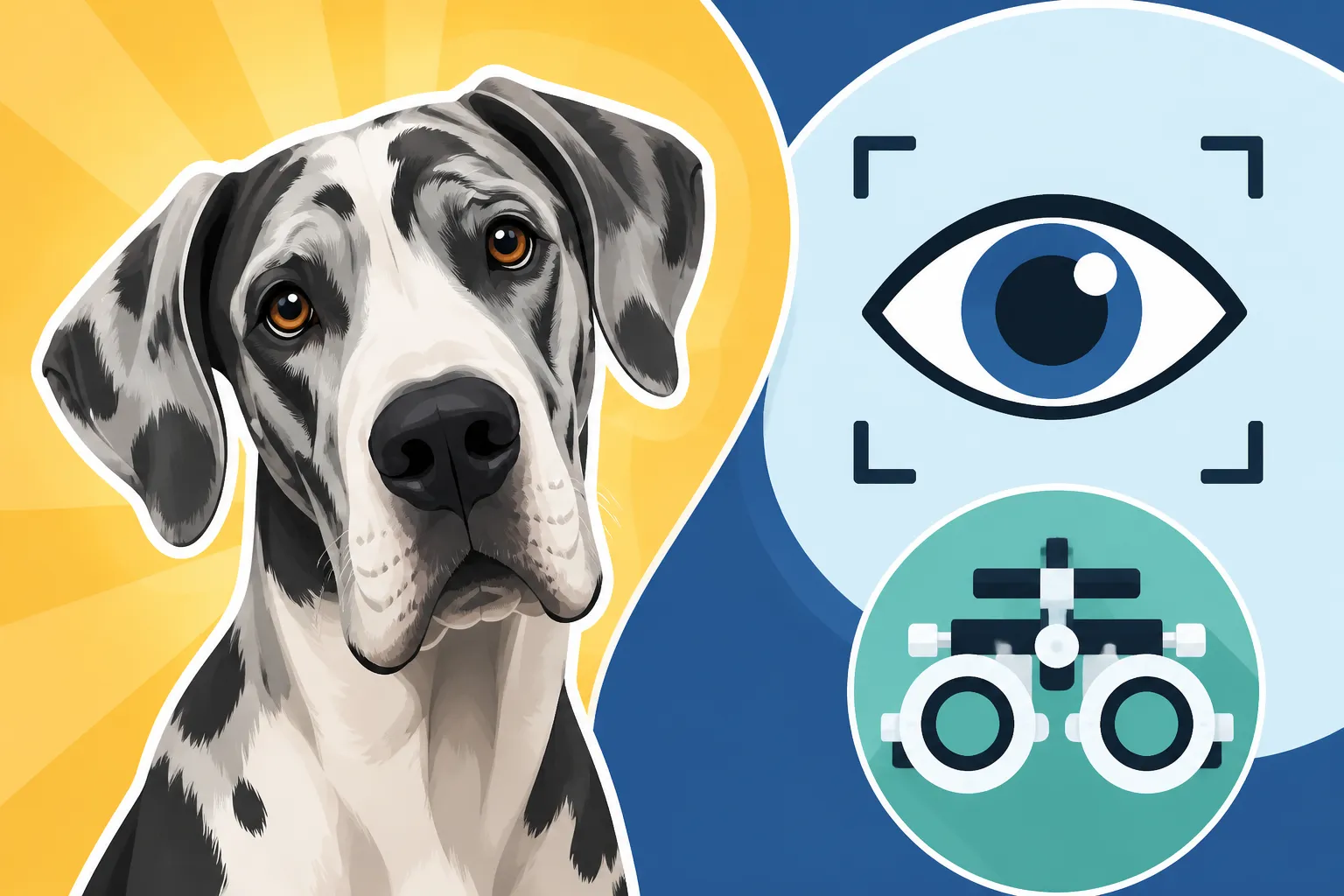
It’s a common thought we Great Dane parents have: our magnificent, gentle giants seem so robust, often lumbering around without a care in the world. But when it comes to their eyes, many wonder if a routine vet check-up is enough, or if these colossal canines genuinely need specialized eye exams. The truth is, while they might not show obvious signs, certain eye conditions can develop silently, and knowing what to look for and when to seek professional help can make all the difference for your Dane's long-term comfort and vision.
Understanding Why Great Danes Need Eye Care
While a Great Dane’s eyes might seem relatively small on their large head, they are certainly not exempt from a myriad of potential issues. Just like us, dogs can suffer from genetic predispositions, injuries, or age-related conditions that affect their vision and ocular health. For a breed as prone to various health challenges as the Great Dane, overlooking their eyes would be a disservice to their overall well-being. We want our big companions to enjoy their lives to the fullest, which means ensuring their eyes are as healthy as possible.
Inherited Eye Conditions Common in Great Danes
Unfortunately, Great Danes, like many purebred dogs, are genetically predisposed to specific eye conditions. It’s not about poor breeding in all cases, but rather a culmination of generations that can sometimes carry these traits. Being aware of these inherited issues is crucial for any Great Dane owner. One common concern is entropion, where the eyelid rolls inward, causing the eyelashes to rub against the cornea. This can be incredibly painful, leading to irritation, ulcers, and even vision impairment if left untreated. Imagine having a constant poke in your eye; that's what your Dane might be experiencing. On the flip side, ectropion is when the eyelid rolls outward, exposing the delicate conjunctiva. While not usually as immediately painful as entropion, it makes the eye more susceptible to dryness, dust, and infections, as it loses its natural protective barrier.
Another issue we sometimes see is cherry eye, technically called a prolapse of the nictitating membrane gland (the "third eyelid"). It appears as a red, swollen mass in the inner corner of the eye. While it looks alarming, it’s typically more of a cosmetic problem than a painful one, but it can lead to dryness and irritation if the gland isn't functioning properly. Then there's distichiasis, where extra eyelashes grow from the eyelid margin, often irritating the eye. These aren't just minor irritations; they can cause significant discomfort and damage over time. This is why when you're looking for a The Health Testing a Great Dane Breeder Owes You, good breeders will often have eye clearances for their breeding stock, attempting to minimize the passage of these inheritable traits.
Other Eye Concerns for Large Breed Dogs
Beyond genetics, the sheer size and physical characteristics of a Great Dane can make them vulnerable to other eye problems. Their large heads and sometimes loose facial skin can exacerbate certain conditions. For instance, corneal ulcers can result from trauma, foreign bodies, or even the constant rubbing from entropion or distichiasis. A Dane running through brush or bumping into furniture might easily scratch an eye. Due to their height, they’re also more susceptible to dust, debris, and even scratches from low-hanging branches or other dogs during play.
As our Great Danes age, they, like all dogs (and us!), become more prone to cataracts, a clouding of the lens that impairs vision, and glaucoma, a painful condition caused by increased pressure within the eye. Early detection of glaucoma is particularly vital as it can lead to irreversible blindness if not managed promptly. It's not uncommon for an aging Dane to start losing some of its keen eyesight, and conditions like these only accelerate that process. Understanding Caring for a Great Dane Past Six often includes heightened awareness of these age-related changes, including their vision.
What a Thorough Eye Exam Entails for Your Great Dane
So, what does a comprehensive eye exam for a Great Dane actually look like? It’s far more than just a quick peek into their eyes during a routine physical. A specialist, or even your general veterinarian with appropriate tools, will go beyond the surface to assess the entire ocular system.
The Initial Assessment and Ocular History
Every good eye exam starts with a detailed discussion of your Great Dane's history. Your vet will ask about any changes you've noticed in their vision, whether they seem to bump into things, have discharge, redness, or if they're rubbing their eyes more frequently. It's important to be honest and detailed, even if you think a symptom is minor. Sometimes, the smallest clue can lead to a significant diagnosis. For instance, a subtle change in tear production or a slight sensitivity to light could indicate an underlying issue.
Your vet will also observe how your Dane navigates the exam room, how they react to visual cues, and the overall appearance of their eyes. This initial observation gives a lot of insight before any instruments even come into play. They’ll be looking for signs of discomfort or pain, like excessive blinking, squinting, or a reluctance to open their eyes fully. Given how stoic some Great Danes can be, sometimes these subtle changes are all we get, so paying close attention to your dog’s normal behavior is key.
Specialized Diagnostic Tests and Equipment
Once the initial visual assessment is complete, a series of specialized tests will be performed. These are designed to evaluate different parts of the eye and detect conditions that might not be visible to the naked eye.
- Schirmer Tear Test: This simple test measures tear production. A small strip of filter paper is placed inside the lower eyelid for a minute. Low tear production, known as Keratoconjunctivitis Sicca (KCS) or "dry eye," is a painful condition that can lead to corneal damage and vision loss.
- Fluorescein Stain: A special orange dye is applied to the eye. If there's a corneal ulcer or abrasion, the dye will stick to the damaged area and glow under a blue light, making the injury visible. This is crucial for detecting those often painful scratches or deeper ulcers.
- Tonometry: This measures the intraocular pressure (IOP) of the eye. It's a quick and painless procedure where a special instrument gently touches the surface of the eye. High IOP is the hallmark of glaucoma, a serious condition that can rapidly lead to blindness, so early detection here is absolutely paramount.
- Ophthalmoscopy: Using an ophthalmoscope, the vet will examine the internal structures of the eye, including the retina, optic nerve, and lens. This helps detect cataracts, retinal diseases, or other abnormalities deep within the eye. This is where they might spot early signs of conditions like progressive retinal atrophy or other degenerative issues.
- Slit Lamp Examination: A slit lamp provides a magnified, three-dimensional view of the anterior segment of the eye (cornea, iris, lens), allowing for detailed examination of these structures. This helps diagnose conditions like uveitis (inflammation inside the eye) or subtle changes in the lens that might indicate a developing cataract.
These tests, while sounding intimidating, are typically well-tolerated by Great Danes, especially with patient handling and plenty of praise. They are essential for getting a complete picture of your dog’s eye health. And let's be realistic, vet bills for these specialized tests can add up. This is where having pet insurance, perhaps a provider like Healthy Paws, can be incredibly beneficial, helping to cushion the financial impact of diagnostic workups and treatments.
When Your Great Dane Needs an Eye Exam
So, when exactly should your magnificent Great Dane undergo these eye examinations? The answer isn't a one-size-fits-all, but rather a combination of routine care, proactive screening, and prompt attention to any noticeable changes. Being proactive can save your Dane discomfort and potentially their vision.
Regular Vet Visits and Baseline Eye Checks
Every Great Dane, regardless of age or apparent health, should have their eyes checked during their annual or bi-annual wellness exams. While these general check-ups aren't as exhaustive as a specialist ophthalmological exam, your primary veterinarian will always perform a basic visual inspection. They’ll look for obvious signs of redness, discharge, cloudiness, or any changes in the shape or size of the eyes. They’ll also check your Dane's menace response (blinking when an object approaches) and pupillary light reflexes.
Establishing a baseline of your Dane's eye health early on is incredibly useful. This way, if any subtle changes occur over time, your vet has previous notes to compare against, making it easier to spot deviations. These regular checks are the first line of defense, and it’s important not to skip them, especially as your Great Dane ages. After all, Great Dane Vet Costs Year by Year are a part of responsible ownership, and preventative care can often save more expensive emergency treatments down the line.
Specific Symptoms and Urgent Care
This is where paying close attention to your Great Dane truly matters. If you notice any of the following symptoms, it's time to call your vet right away, and possibly even seek emergency care, depending on the severity. Eye issues can deteriorate quickly:
- Redness or Inflammation: This can indicate infection, irritation, allergies, or more serious underlying conditions like uveitis or glaucoma.
- Excessive Tearing or Discharge: While a little clear discharge can be normal, thick, colored (yellow/green), or excessive watery discharge is a red flag.
- Squinting, Blinking, or Rubbing: These are clear signs of pain or irritation. Your Dane is trying to alleviate discomfort.
- Cloudiness or Change in Eye Color: A blueish haze, white spots, or a general cloudiness can indicate cataracts, corneal edema, or other serious problems.
- Swelling Around the Eye: This could be from an allergic reaction, infection, or trauma.
- Bulging or Sunken Eye: A bulging eye can be a sign of severe glaucoma or a mass behind the eye, while a sunken eye could indicate dehydration or pain.
- Vision Loss: Your Dane might bump into furniture, be hesitant to go up/down stairs, or struggle to find treats. Don’t assume it’s just them being clumsy; it could be vision impairment.
- Cherry Eye Appearance: That distinctive red lump in the corner of the eye requires veterinary attention.
- Lids Rolling In or Out: As mentioned before, entropion or ectropion needs to be addressed to prevent corneal damage.
If your Dane displays these signs, don't wait. Timely intervention can prevent permanent damage or blindness. For severe cases, your vet might recommend a referral to a veterinary ophthalmologist for specialized treatment. This is another area where a robust pet insurance plan can ease the burden, as Insuring a Great Dane Against Bloat and Heart Bills should also cover unexpected specialist visits for conditions like these.
Screening for Breeding and Proactive Health
For Great Danes intended for breeding, eye exams are not just recommended, they are essential. Reputable breeders will have their dogs screened by a board-certified veterinary ophthalmologist to certify them free of inheritable eye diseases before breeding. This usually involves examination and certification by the Orthopedic Foundation for Animals (OFA) through their Companion Animal Eye Registry (CAER) program. This proactive screening helps reduce the incidence of genetic eye conditions in future generations, safeguarding the health of the breed.
Even if your Great Dane isn't part of a breeding program, some owners choose to have proactive specialist eye exams, especially if there's a family history of certain eye conditions or if they simply want the most thorough health picture possible. This might be done when they are young, around 1-2 years old, to establish a very detailed baseline. Knowing the health status of your Dane's eyes from a young age can help you plan for their care throughout their life, ensuring you're prepared for any challenges that might arise.
Here's a quick overview of common Great Dane eye issues and when to seek care:
| Condition | Description | Common Symptoms | When to Seek Vet Care |
|---|---|---|---|
| Entropion | Eyelid rolls inward, lashes rub cornea. | Squinting, excessive tearing, redness, corneal ulcers. | Immediately upon noticing symptoms. Often needs surgery. |
| Ectropion | Eyelid rolls outward, exposing conjunctiva. | Redness, chronic infections, dryness, discharge. | If chronic irritation or frequent infections occur. |
| Cherry Eye | Prolapse of the third eyelid gland. | Red, fleshy mass in inner corner of eye. | Upon appearance, to assess severity and prevent drying. |
| Distichiasis | Extra eyelashes grow from eyelid margin. | Eye irritation, tearing, corneal abrasions. | If symptoms cause discomfort or corneal damage. |
| Corneal Ulcers | Open sore on the surface of the eye. | Squinting, pain, tearing, cloudiness, sensitivity to light. | Immediately, can worsen rapidly. |
| Cataracts | Clouding of the eye lens. | Gradual vision loss, cloudy appearance in pupil. | When vision seems affected or cloudy appearance noted. |
| Glaucoma | Increased pressure within the eye. | Pain, redness, dilated pupil, cloudy cornea, bulging eye. | Emergency! Can cause rapid, irreversible blindness. |
| Progressive Retinal Atrophy (PRA) | Degeneration of retinal cells leading to blindness. | Night blindness, eventually complete vision loss. | When night vision issues are observed. |
Recognizing and Managing Eye Issues at Home
While specialist eye exams are crucial, a huge part of your Great Dane's eye health lies in your daily vigilance and proactive home care. You are their first line of defense against discomfort and potential problems.
Daily Observation and Simple Cleaning
Get into the habit of briefly checking your Great Dane's eyes daily. This doesn't have to be an elaborate ritual, just a quick look as you're petting them or feeding them. Look for clear, bright eyes, with no excessive tearing, redness, or discharge. Their pupils should be equal in size, and their eyelids should sit normally. Pay attention to how they respond to light and how they navigate familiar spaces. Are they hesitant? Do they bump into things they usually don't? Even something as simple as a minor scratch on their back paw nails could indicate a problem with A Great Dane That Stumbles on Its Back Legs, potentially related to vision issues.
If you notice any crusting or minor discharge, gently wipe it away with a soft, damp cloth or a specialized dog eye wipe. Always wipe away from the eye, towards the nose, and use a fresh part of the cloth for each eye to prevent cross-contamination. Avoid using human eye drops or solutions unless specifically instructed by your vet, as many can be harmful to dogs. A good habit is to use clean, cool water or a saline solution designed for canine eyes if you need to flush out a speck of dust.
Environmental Factors and Protective Measures
Your Great Dane's environment plays a significant role in their eye health. Keep their living and sleeping areas clean to minimize dust and allergens. Be mindful of strong cleaning chemicals or aerosol sprays in areas where your Dane spends a lot of time, as these can irritate their eyes and respiratory system.
If your Dane loves to stick its head out the car window, consider dog goggles. While they might look silly, they protect against wind, dust, and flying debris that can cause corneal abrasions. When walking in wooded areas or places with tall grasses, be extra vigilant for thorns or seeds that could get into their eyes. Even at home, try to keep low-hanging plants or sharp furniture corners clear of high-traffic areas where your playful giant might accidentally injure itself. For dogs prone to conditions like dry eye or chronic irritation, ensuring proper humidity in your home can also be helpful.
When to Seek Professional Advice
The moment you suspect anything is off with your Great Dane's eyes, even if it seems minor, contact your veterinarian. It’s always better to be overly cautious when it comes to eye health, as issues can escalate quickly and lead to permanent damage if not addressed promptly. Don't try to self-diagnose or treat with home remedies. Your vet can accurately diagnose the problem and prescribe the appropriate treatment, whether it’s medicated eye drops, oral medication, or a referral to a veterinary ophthalmologist for more specialized care.
Remember, eye pain is excruciating, and our stoic Great Danes might not always vocalize their discomfort clearly. Squinting, rubbing, or a change in behavior are usually the biggest indicators. If your Great Dane seems unusually withdrawn, or if A Great Dane That Hides Behind Its Owner more often than usual, it could be a sign of pain, including from an eye issue. A prompt professional assessment is always the safest course of action to ensure your beloved companion remains comfortable and healthy.
Disclaimer
This article is intended for informational purposes only and does not constitute medical advice. Always consult with a qualified veterinarian for any health concerns or before making any decisions about your Great Dane's medical care.