Whether a Great Dane Fits a Normal Budget
It’s a common misconception that Great Danes are low-maintenance because they're often described as "gentle giants" who love to lounge. The truth is, while they might not demand constant, high-energy exercise, owning a Great Dane comes with a unique set of financial realities that can significantly strain a "normal" budget. This guide will walk you through the true costs of bringing one of these magnificent dogs into your life, from initial purchase to senior care, so you can make an informed decision about whether you're truly prepared for the commitment.
The Initial Sticker Shock: Bringing Home Your Great Dane
Getting a Great Dane puppy or even adopting an adult dog is just the first financial hurdle. Unlike smaller breeds, everything associated with a Great Dane is simply more. Their sheer size dictates higher prices for almost everything they need.
Puppy Purchase Price: What to Expect from Reputable Breeders
If you're dreaming of a Great Dane puppy, the price tag from a reputable, health-testing breeder can be a significant upfront cost. We’re not talking about a few hundred dollars; you should realistically expect to pay anywhere from $1,500 to $3,000, and sometimes even more, depending on the lineage, location, and specific breeder. This might seem steep, but remember, this price reflects the immense investment a responsible breeder makes in their dogs. They're spending money on genetic health testing for both parents – checks for issues like hip and elbow dysplasia, heart conditions like DCM, and eye problems – ensuring you get the healthiest puppy possible. They also provide proper nutrition for the dam and puppies, early socialization, and initial veterinary care like vaccinations and deworming. Skimping here often means paying far more down the line in vet bills. For more on what to look for, check out What a Great Dane Breeder Who Screens Hearts Charges.
Don't be tempted by ads for "bargain" Great Dane puppies under a thousand dollars, especially those without any cardiac paperwork or health clearances for the parents. These puppies are often from irresponsible backyard breeders or puppy mills who cut corners, leading to dogs with significant health or temperament issues that will cost you exponentially more in vet bills and training efforts over their lifetime. A healthy, well-adjusted Great Dane puppy is an investment, not a cheap impulse buy.
Adoption Fees and Rescue Danes: A Different Path
For many, adopting a Great Dane from a rescue organization is a wonderful alternative. While you won't face the same high purchase price as from a breeder, adoption fees typically range from $250 to $600. These fees help the rescue cover the costs of spaying or neutering, vaccinations, microchipping, and any other veterinary care the dog received while in their care. Many rescue Danes come with a clean bill of health and have been assessed for temperament, offering a clearer picture of the dog you're bringing home.
Rescue organizations often have rigorous application processes to ensure their Danes go to appropriate homes, and they are excellent resources for understanding the breed's needs. Sometimes, you might even find a rescue Great Dane that has already been preventatively tacked, meaning it’s had a gastropexy surgery to reduce the risk of bloat, which is a huge bonus considering the cost of that procedure. Remember, even with a lower adoption fee, the ongoing costs of owning a giant breed remain the same.
The Initial Haul: Supplies to Get Started
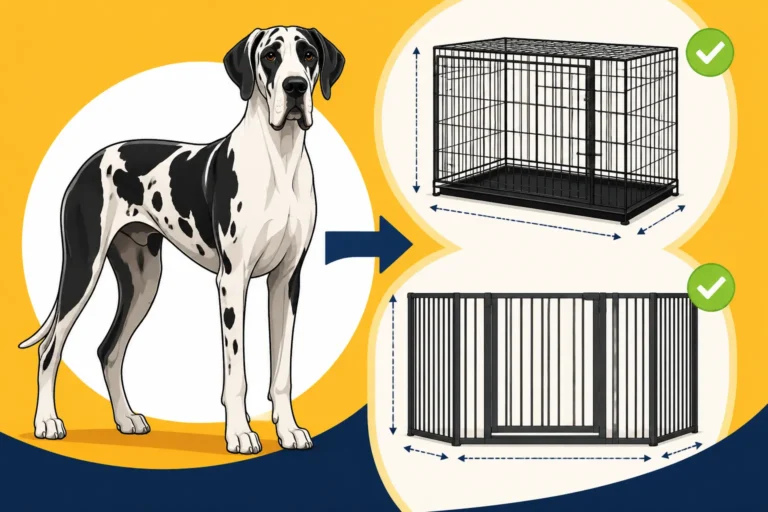
Before your Great Dane even sets a paw in your home, you'll need to stock up on supplies, and this is where their size really starts to impact your wallet. Everything from a collar to a bed needs to be significantly larger and more robust. A giant-breed crate that a grown Great Dane can comfortably stand and turn around in can easily run you $150-$300. Then there are food and water bowls; forget the tiny stainless steel ones, you'll need large, heavy-duty bowls, often with a stand, which can be another $50-$100.
Add in a sturdy leash and harness (a Great Dane pulling on a flimsy leash is no fun), durable chew toys (because they'll decimate lesser toys in minutes), and of course, a bed. A comfortable, supportive orthopedic bed for a Great Dane can cost $100-$300 or more, and trust me, they need it for their joints. Don't forget puppy pads, grooming tools, and initial food. You can easily spend $500-$1000 on initial supplies alone. For a detailed list of what you'll need, consider reading The Kit a Great Dane Puppy Needs First.
The Daily Grind: Food, Supplies, and Ongoing Care
Once your Great Dane is home, the initial expenses fade into the regular rhythm of ongoing costs. This is where many prospective owners underestimate the financial commitment.
The Never-Ending Food Bowl: Great Dane Appetite
Let's talk about food, because this is often the single largest ongoing expense for a Great Dane owner. These dogs are big, and they eat a lot – typically 6 to 10 cups of high-quality kibble per day for an adult, sometimes more for active individuals. If you choose a premium kibble designed for large breeds (which is crucial for their slow growth and joint health), a large bag might last only a week or two. That means you're buying multiple bags a month.
We're talking about monthly food bills easily ranging from $100 to $300, depending on the brand and type of food. If you opt for fresh or raw food diets, which many Great Dane owners prefer for health reasons, that cost can skyrocket to $400-$600 or even more per month. Companies like Ollie offer fresh, human-grade food, but at Great Dane volumes, the subscription costs are significantly higher than for a smaller dog. It's not just the quantity; it's the quality that matters, especially for a giant breed prone to joint issues and certain heart conditions. Ignoring appropriate nutrition can lead to expensive health problems later. To get a handle on this, check out Monthly Food Spending on a Great Dane.
Flea, Tick, and Heartworm Prevention: Sized for Giants
Preventative medications are non-negotiable for a Great Dane's health, and again, their size dictates higher prices. Flea and tick prevention, whether topical or oral, is dosed by weight. For a dog that can easily tip the scales at 120-180 pounds, you're always in the highest weight band, which means the most expensive dose. Expect to pay $20-$40 per month for flea/tick prevention.
Heartworm medication is equally vital and also dosed by weight. A monthly chew for a Great Dane can cost $20-$40, adding up to several hundred dollars annually. You also need yearly heartworm tests, which are an additional vet expense. These seemingly small monthly costs add up quickly, and skipping them is a dangerous gamble, risking far more expensive treatments if your dog contracts one of these preventable diseases. For more on this, specifically for the larger weight ranges, you might find Heartworm Tablets for the Heaviest Weight Band helpful.
Grooming Essentials: More Than Just a Brush
While Great Danes have short coats that don't require professional grooming like a poodle, they still have grooming needs that contribute to the budget. They shed a lot, all year round, so you'll need effective de-shedding tools. Bathing a 150-pound dog in your home tub is a monumental task, often requiring professional assistance or a trip to a self-service dog wash, which comes with its own fees.
Nail trims are another big one. A Great Dane's nails are thick and strong, and letting them get too long can cause pain, gait issues, and even joint damage. Many owners opt for professional nail trims, which can be $15-$30 a visit, every 4-6 weeks. Then there's ear cleaning (especially for those beautiful, floppy ears), dental care (brushing their huge teeth or professional cleanings under anesthesia), and specialized shampoos for sensitive skin. Don't forget the drool rags! While a Great Dane isn't the sloppiest breed, they do drool, especially after drinking, and you'll go through a lot of towels.
Unexpected Vet Bills: The Reality of Great Dane Health
This is arguably the most significant financial consideration for any Great Dane owner. While all dogs need veterinary care, Great Danes are unfortunately predisposed to several serious, expensive health conditions.
Routine Veterinary Visits and Vaccinations
Regular check-ups are essential for any dog, but for a Great Dane, even routine visits can incur higher costs. Many vets charge based on weight for certain medications or services, or for the sheer amount of time it takes to examine such a large animal. Puppy vaccinations, annual boosters, and routine fecal and heartworm tests are standard. Getting a healthy Great Dane puppy through its first year of shots, deworming, and a spay/neuter surgery can easily cost $800-$1,500.
Beyond puppyhood, annual wellness exams are crucial. Vets will often pay close attention to heart sounds for signs of Dilated Cardiomyopathy (DCM) and examine their joints. Bloodwork, especially as they age, to check kidney and liver function, will also be more expensive due to their size.
Addressing Great Dane Specific Health Concerns
Here's where the Great Dane budget can quickly spiral. They are prone to a range of serious health conditions, many of which require extensive, costly interventions.
- Bloat (Gastric Dilatation-Volvulus – GDV): This is the single biggest killer of Great Danes and a terrifying emergency. The stomach fills with gas and can twist, cutting off blood supply. This requires immediate, life-saving surgery, which can cost anywhere from $3,000 to $10,000 or more, depending on the severity and location. Many owners opt for a preventative gastropexy (stomach tacking) during spay/neuter surgery or as a standalone procedure to drastically reduce the risk of torsion. The cost for a preventative gastropexy can range from $400 to $2,000, which is a fraction of the emergency surgery. You can learn more by reading The Price of a Preventive Great Dane Gastropexy.
- Dilated Cardiomyopathy (DCM): This heart muscle disease is prevalent in Great Danes. Diagnosis often involves costly cardiac workups, including echocardiograms and Holter monitoring, which can run several hundred to over a thousand dollars per evaluation. Management involves lifelong medication, which, again, is dosed by weight. Drugs like Pimobendan for a Great Dane are not cheap. For instance, a month's supply could cost $100-$300+. You'll need to screen your Great Dane's heart regularly.
- Wobbler Syndrome (Cervical Spondylomyelopathy): A neurological condition affecting the neck, Wobblers can cause instability and pain. Diagnosis often requires expensive imaging like MRIs or CT scans ($1,500-$4,000+) and treatment can range from medication and physical therapy to highly complex and expensive surgery ($5,000-$10,000+).
- Bone Cancer (Osteosarcoma): Sadly common in giant breeds, bone cancer often leads to amputation and chemotherapy, with costs easily reaching $5,000-$15,000 for a full treatment protocol.
- Joint Issues: Despite careful breeding, hip and elbow dysplasia can still occur. Treatments range from long-term pain management and supplements to costly surgeries like total hip replacement, which can be $4,000-$7,000 per hip. Even basic arthritis management in an older Dane will involve ongoing medication.
The emotional and financial toll of these conditions cannot be overstated. It's not a matter of if your Great Dane will have a significant health issue, but when.
Emergency Situations: When Every Minute Counts
Beyond breed-specific conditions, general emergencies can happen to any dog, and for a Great Dane, they always cost more. A simple laceration requiring stitches will be more expensive because of the larger area, more suture material, and higher sedation doses. If your Dane eats something it shouldn't, an emergency endoscopy or surgery will reflect the increased risk and resources required for a giant patient.
An overnight stay at an emergency vet, perhaps due to a sudden illness or injury, will easily be in the hundreds to thousands of dollars, even without surgery. Great Danes take up more space, require more staff, and their medications are more costly. If your Great Dane experiences bloat, every minute counts, and the emergency vet bill will be a stark reality. To understand the immediate costs of this critical situation, read The Overnight Bill When a Great Dane Bloats.
Insurance: A Lifeline for Giant Breeds
Given the significant health risks and associated costs, pet insurance isn't just a nice-to-have for a Great Dane; it's practically a necessity.
Understanding Pet Insurance for a Great Dane
Pet insurance for a Great Dane is typically more expensive than for smaller breeds, and with good reason. Insurers know the breed's predispositions to conditions like bloat and DCM, which are notoriously expensive to treat. While premiums will vary based on your location, the dog's age, and the specific coverage you choose, expect to pay anywhere from $70 to $150 or even more per month for a comprehensive policy.
It's crucial to enroll your Great Dane in pet insurance as early as possible, ideally as a puppy. This helps ensure that conditions aren't deemed "pre-existing" before your policy kicks in. Insurers like Healthy Paws are popular choices and offer various plans, but always read the fine print about waiting periods, coverage limits, and what's excluded. Enrolling your Great Dane before anything happens is paramount to mitigating future costs; learn more about this by clicking here: Enrolling a Great Dane Before Anything Happens.
Navigating Premiums and Deductibles
When choosing a policy, you'll encounter deductibles, reimbursement percentages, and annual limits. A higher deductible will mean lower monthly premiums, but you'll pay more out-of-pocket before insurance starts to cover costs. Reimbursement percentages (e.g., 70%, 80%, 90%) determine how much of the vet bill the insurance company will pay after your deductible is met. Annual limits cap the total amount the insurer will pay out in a year.
For a Great Dane, it's often wise to choose a lower deductible and a higher reimbursement percentage, even if it means a higher monthly premium. A single emergency surgery for bloat can easily hit a $10,000 bill, and having 80-90% of that covered after a $250 deductible makes a world of difference compared to 70% coverage after a $1,000 deductible. Understanding Premiums Quoted on a Great Dane can help you make an informed decision.
What Pet Insurance Can (and Can't) Cover
Most comprehensive pet insurance plans cover accidents, illnesses, emergency care, surgery, hospitalization, and often prescription medications. Some plans offer "wellness riders" for an additional fee that can help with routine care costs like annual exams, vaccinations, and dental cleanings, though these usually don't save you much money.
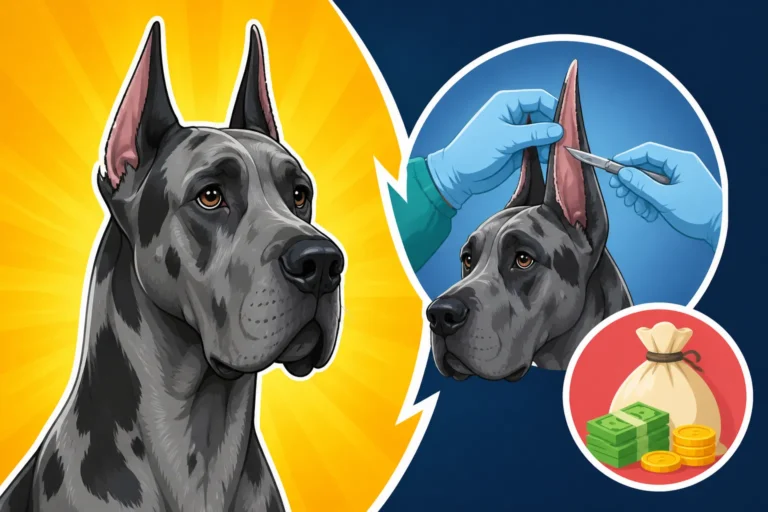
What insurance typically doesn't cover are pre-existing conditions (which is why early enrollment is key), elective procedures (like ear cropping, if you choose that route), and sometimes certain hereditary conditions if not specifically addressed in the policy. It's vital to know your policy inside and out to avoid nasty surprises when you're already stressed about a sick dog. While pet insurance doesn't eliminate all costs, it provides a crucial safety net for the catastrophic bills that are sadly common with Great Danes.
Life's Necessities: Training, Boarding, and Home Adjustments
Beyond health and food, Great Danes require specific investments in training, care when you're away, and even changes to your living space.
The Critical Need for Early Training
Training a Great Dane isn't optional; it's absolutely essential for safety and livability. A full-grown Great Dane that jumps on guests, pulls on the leash, or counter-surfs is not just annoying, it's a danger due to their sheer size and strength. Early socialization and consistent positive reinforcement training are key. Puppy classes, which typically run $150-$300 for a course, are highly recommended.
Beyond basic obedience, many owners find it beneficial to invest in private training sessions or specialized classes for leash manners or impulse control. Trainers comfortable with giant breeds are invaluable but come at a cost, often $75-$200 per hour. The investment in good training during their formative years will save you immense frustration (and potentially damaged property or strained relationships) down the line. It's truly a cost that pays dividends. To understand the importance of early training, you might want to read Paying to Train a Great Dane Early.
Finding Boarding and Daycare for a Giant
When you go on vacation or need a place for your Dane during the day, finding suitable care can be more challenging and expensive than for a smaller dog. Not all boarding kennels or daycares are equipped to handle dogs of Great Dane size, both in terms of space and staff comfort. Those that are often charge a premium.
Standard boarding rates might be $40-$60 per night for a large dog, but for a Great Dane, you could be looking at $60-$100+ per night, especially for facilities with extra-large runs or specialized staff. Daycare costs can range from $30-$60 per day. Finding a pet sitter who is comfortable with and capable of handling a giant breed might also come with a higher price tag. Always vet these facilities thoroughly, ensuring they have appropriate space, experienced staff, and good protocols for large dogs. For more details on this, see Boarding a Great Dane.
Home Accommodations: Making Space for Your Dane
Your home itself might need adjustments to accommodate a Great Dane. They need plenty of space to stretch out, not necessarily a huge yard (though that's a bonus), but ample indoor room. Consider:
- Furniture: Your sofa might become their sofa. You'll need durable furniture that can withstand their size and occasional "Dane zoomies."
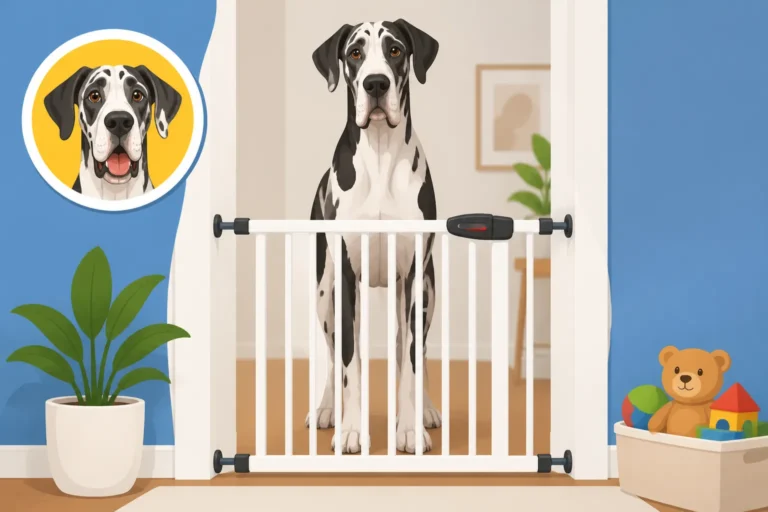
- Flooring: Hardwood floors can be slippery and tough on their joints. You might need to invest in rugs or runners to provide traction and cushion.
- Car: Not every car can comfortably fit a full-grown Great Dane, especially for longer trips. If you don't already have a large SUV or minivan, this could be a future consideration. You might also need a ramp for older Danes.
- Fencing: A Great Dane can easily step over a standard 4-foot fence. If you have a yard, a secure 6-foot fence is often recommended, which is a significant investment.
Even small items, like buying extra-large dog beds from places like Chewy because your Dane wears them out quickly, add up. These aren't necessarily monthly costs, but they are expenses that occur regularly throughout your Dane's life.
The Long-Term View: Senior Care and End-of-Life Costs
The heartbreaking reality of Great Dane ownership is their tragically short lifespan, typically 7-10 years. This means you reach their senior years relatively quickly, and those years often come with increased financial demands.
The Unique Needs of an Aging Great Dane
As a Great Dane ages, their veterinary care needs intensify. They are more prone to arthritis, which requires ongoing pain medication, joint supplements, and potentially regular injections or physical therapy. Monitoring for heart conditions becomes even more critical. They might need more frequent vet visits, specialized diets for senior dogs, and medications for kidney, liver, or thyroid issues.
Simply put, a senior Great Dane often becomes a "medical management" case, and these costs accumulate quickly. Their comfort and quality of life become paramount, which often means prioritizing treatments and support even when the bills are high. For those caring for an older Great Dane, Caring for a Great Dane Past Six offers valuable insights.
Mobility Challenges and Support
A large, aging Great Dane often faces significant mobility challenges. Getting up from a lying position, navigating stairs, or even just walking can become difficult. This might necessitate purchasing slings or harnesses to help support their weight, ramps for cars or steps, and even specialized mobility carts in severe cases. These aids, designed for giant breeds, are not inexpensive.
You might also need to adjust your home environment further, moving beds to ground level, blocking off stairs, or installing non-slip mats. Physical therapy or hydrotherapy can also be beneficial but are additional costs to consider. The goal is to keep them as comfortable and mobile as possible for as long as possible.
Final Goodbyes and Aftercare
The hardest part of owning a Great Dane, or any beloved pet, is saying goodbye. Even this comes with a cost. Euthanasia services, whether at a vet clinic or in-home (which offers more comfort but is typically more expensive), can range from $150 to $500+. Following this, you'll need to decide on cremation or burial.
For a Great Dane, cremation costs are higher due to their weight, often ranging from $300 to $700 for individual cremation, with options for urns and memorial items adding to that. Burial, if you have the space or choose a pet cemetery, also incurs fees. These are costs no one wants to think about, but they are a very real part of the Great Dane ownership journey.
Conclusion: So, Does a Great Dane Fit a Normal Budget?
The honest answer is: probably not. While "normal budget" is subjective, the sheer scale of expenses associated with Great Danes – from the initial purchase and never-ending food bills to preventative medications, specialized equipment, and the almost inevitable high veterinary costs – far exceeds that of smaller or even medium-sized dogs.
Great Danes are magnificent companions, but they are a luxury breed in terms of financial commitment. They require owners who are not only prepared for the love and loyalty they offer but also for the significant financial investment in their health, well-being, and specialized needs. It's not just about affording the puppy; it's about affording the life of a giant breed, with all its joys and, unfortunately, its often heart-wrenching financial demands. Before bringing a Great Dane into your home, it's crucial to have a robust emergency fund or excellent pet insurance, and a realistic understanding that "normal" costs will be magnified exponentially.
Disclaimer
This article is intended for informational purposes only and does not constitute professional veterinary advice. Always consult with a qualified veterinarian for any health concerns or before making any decisions about your pet's care. Costs mentioned are estimates and can vary significantly based on location, specific service providers, and individual circumstances.