Treat Costs for a Great Dane
If you've ever stood in the pet store aisle, treat bag in hand, and done the quick mental math for how many of those tiny morsels your massive Great Dane will actually need, you've probably felt a twinge of panic. It's no secret that these gentle giants have appetites to match their impressive stature, and what seems like a reasonable treat budget for a smaller dog can quickly escalate into a substantial monthly expense for a Dane owner. This guide is here to shed light on the true costs of treating your Great Dane, explore the different kinds of snacks that fill their bowls, and offer practical strategies to keep those treat bills manageable without ever skimping on your beloved companion's happiness or health.
Understanding the Great Dane Appetite: Why Treats Are a Big Deal
Owning a Great Dane means recalibrating your understanding of "large" in pretty much every aspect of life, and treats are no exception. What might be a generous, satisfying chew for a Labrador often disappears in seconds with a Great Dane, barely registering as a blip on their radar. This isn't just about their impressive size; it's about their needs, their training, and their overall well-being.
The Sheer Volume Challenge
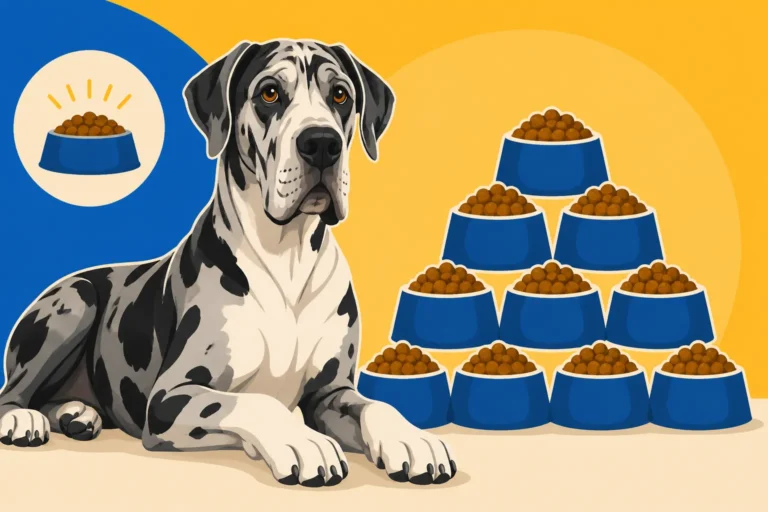
Let's be honest, those little bags of training treats designed for smaller breeds are adorable, but for a Great Dane, they're more of a cruel joke than a viable option. When you're trying to reinforce good behavior during a training session, you can go through a shocking quantity of treats. Imagine trying to teach a young, enthusiastic Dane to 'settle' when visitors arrive, or to walk politely on a leash without pulling your arm off. Each successful repetition often warrants a reward, and if your reward is minuscule, your Dane might not even register it as a motivator.
The sheer volume needed means you're buying bags that are typically much larger, and often at a higher price point, than what you'd pick up for a smaller dog. This isn't just for training, either. Recreational chews and boredom busters also need to be appropriately sized to be safe and effective. A tiny bone meant for a terrier could be a choking hazard or, at best, a single-gulp snack for a Dane. Owners quickly learn that everything, including treats, comes in "Dane-sized" portions, which naturally carries a "Dane-sized" price tag.
Not Just About Hunger: Training and Enrichment
Treats for a Great Dane aren't solely about satisfying hunger, especially when you consider that Feeding a Great Dane That Eats Ten Cups a Day already accounts for their main caloric intake. Instead, treats are vital tools for training, enrichment, and bonding. From their puppy days, when you're working on basic manners and house-training, to their adult years, when you might be reinforcing calm behavior or teaching a new trick, treats are your primary currency.
The right treat can turn a challenging training session into a rewarding experience for both of you. High-value treats, for example, are indispensable for getting your Dane's attention in distracting environments or for tackling more complex commands like Teaching a Great Dane to Leave Food Alone. Beyond training, treats offer mental stimulation through puzzle toys, help with dental hygiene, and provide a healthy outlet for natural chewing instincts. They're an investment in your dog's behavior, health, and your relationship, not just a casual snack.
Decoding the Treat Aisle: Types and Their True Costs
The world of dog treats is vast and varied, ranging from simple biscuits to elaborate dental chews and gourmet jerky. For Great Dane owners, understanding these categories and their specific cost implications is crucial for smart budgeting.
Training Treats: High Value, High Turnover
Training treats are designed to be small, soft, and palatable, often given in rapid succession during training sessions. Because you'll be doling these out frequently, the cost can add up quickly. Think about how many little bits you'd need for even a 15-minute training session. For a Great Dane puppy, who might need many short sessions throughout the day, those costs can accumulate faster than you think, especially when you're still working on core commands as described in What a Great Dane Puppy Course Runs.
Many popular training treats, while excellent, come in smaller bags. When you're dealing with a Great Dane, you'll find yourself needing to buy several bags at once, or seeking out larger, more economical options. Brands like Zuke's Mini Naturals or Pet Botanics Training Rewards are often popular choices, but consider buying them in bulk from retailers like Chewy to get a better per-ounce price. Alternatively, some owners opt to cut up their own high-value treats, like boiled chicken breast or cheese sticks, into tiny pieces. While this saves money on the treat itself, it does add to your prep time.
Dental Chews and Health-Focused Options
Maintaining your Great Dane's oral hygiene is critical, and dental chews can play a role in this, alongside regular brushing. However, these aren't your average treats; they're often formulated with ingredients to reduce plaque and tartar. The downside? Dental Chews Big Enough for a Great Dane are significantly larger and, consequently, more expensive than those for smaller breeds. You might also find yourself needing to provide them more regularly than a basic biscuit.
Beyond dental health, there are treats formulated with specific health benefits in mind, such as joint support or skin and coat health. These often contain ingredients like glucosamine, chondroitin, or omega fatty acids. While they can be beneficial, they also tend to come with a higher price tag. It's a balance between preventative care and budget, but investing in good dental and health-focused treats might save you bigger vet bills down the line. Remember, a healthy weight, which can be monitored by Reading Ribs on a Great Dane, also contributes to overall joint health, making smart treat choices even more important.
Recreational Chews and Long-Lasting Delights
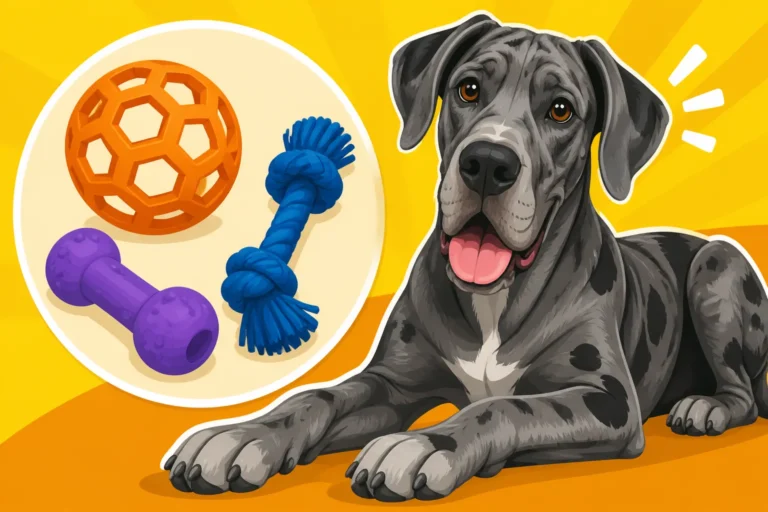
Sometimes, you just need something to keep your Great Dane occupied for more than thirty seconds. This is where recreational chews come in. These include things like bully sticks, natural bones, antlers, or durable synthetic chews. They offer mental stimulation, help satisfy natural chewing instincts, and can prevent destructive behaviors around the house. However, for a Great Dane, these need to be substantial. A small bully stick is gone in a flash, and a fragile bone can splinter, posing a hazard.
You'll need to seek out jumbo or extra-large sizes, which means a higher initial cost per item. While they might last longer than a training treat, a particularly enthusiastic chewer can still go through even the toughest chew fairly quickly. It's wise to shop around and look for sales on these items. Some owners swear by subscription boxes that deliver a curated selection of durable chews, which can sometimes offer better value than individual purchases. Just ensure that whatever you choose is truly Treats Sized for a Great Dane to ensure safety and longevity.
Strategies for Managing Great Dane Treat Costs
The good news is that managing treat costs for your Great Dane doesn't mean you have to deprive them. With a few smart strategies, you can keep your budget in check while ensuring your big dog still gets plenty of rewarding snacks.
Bulk Buying and Subscription Services
For items you know your Great Dane goes through quickly, like training treats or even larger bags of dental chews, buying in bulk is almost always the most cost-effective option. Think about purchasing the largest bags available from online retailers like Chewy, which often offer competitive pricing and auto-ship discounts. The upfront cost might be higher, but the per-unit price will be significantly lower, saving you money in the long run.
Subscription services can also be a game-changer. Many pet supply companies offer monthly boxes that can include a variety of treats, toys, and chews. While not always the cheapest option for every item, they can introduce you to new, high-quality products and often provide good value, especially if they allow customization based on your dog's size and chewing habits. Just ensure you're actually saving money compared to buying individual items, and that the quality of treats meets your standards for your Dane's health.
DIY and Human-Grade Options
You'd be surprised how many delicious and healthy treats you can make right in your own kitchen for a fraction of the cost of store-bought alternatives. Simple ingredients like pumpkin puree, peanut butter (xylitol-free!), oats, or even plain yogurt can be combined to make tasty, Dane-approved cookies or frozen treats. Cutting up cooked chicken, carrots, or apples also provides excellent, healthy options for training or everyday rewards.
For those looking for high-quality, potentially human-grade options, some companies specialize in fresh, customized dog food and treats. While these can be pricier than traditional kibble or mass-produced treats, they often offer superior nutritional value and fewer questionable ingredients. Brands like Ollie, for instance, focus on fresh, human-grade ingredients that can sometimes translate into healthier, more satisfying treats for your Dane. Plus, knowing exactly what's going into your dog's mouth offers peace of mind.
Prioritizing Health for Long-Term Savings
Ultimately, one of the best ways to manage treat costs is to prioritize your Great Dane's overall health. This means choosing treats that contribute to their well-being rather than just being empty calories. Opt for treats with wholesome ingredients, avoid excessive sugar or artificial additives, and be mindful of calorie counts, especially if you're working to ensure Whether a Great Dane Puppy Should Be Kept Lean. Overfeeding, even with healthy treats, can lead to weight gain, which puts undue stress on their joints and overall health.
By investing in good quality, appropriate treats and using them judiciously as part of a balanced diet, you can help prevent future health issues that would undoubtedly be far more expensive than any treat bill. Regular vet check-ups and preventative care are paramount, and while pet insurance providers like Healthy Paws can help with unexpected large vet bills, smart daily choices, including treat selection, can minimize the chances of those emergencies in the first place. Think of smart treat choices as an investment in your Dane's longevity and quality of life.
Beyond the Price Tag: The Value of Appropriate Treats
While the financial aspect of Great Dane treats is a reality all owners face, it's crucial to remember that their value extends far beyond their monetary cost. Treats are powerful tools for communication, motivation, and bonding.
Strengthening the Bond and Training Success
Using treats effectively in training is one of the most rewarding parts of owning a Great Dane. These dogs are intelligent and eager to please, and positive reinforcement with treats makes learning fun and builds a stronger bond between you. Imagine the satisfaction of successfully teaching your Dane to stay calmly while the doorbell rings, or to come reliably when called at the dog park. Each of those moments is reinforced by a carefully chosen treat, making the interaction a positive one.
Moreover, treats are essential for socialization. When introducing your Great Dane to new people, places, or other animals, high-value treats can create positive associations, helping them to feel more comfortable and confident. This investment in their behavior and confidence pays dividends in a well-adjusted, happy companion who is a joy to live with and take out in the world. As part of your Year One With a Great Dane Priced Out budget, allocating funds for training treats is non-negotiable for success.
Preventative Care through Smart Choices
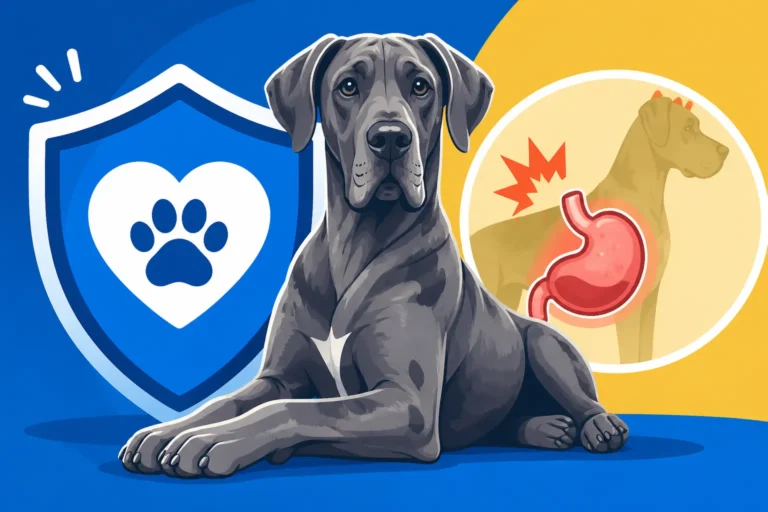
The right treats can actually contribute significantly to your Great Dane's preventative health care. We've touched on dental chews, which can help scrape away plaque and freshen breath, potentially reducing the need for costly professional dental cleanings under anesthesia later on. But beyond that, treats can deliver important supplements. For example, some treats are fortified with joint-supporting ingredients like glucosamine and chondroitin, which can be particularly beneficial for a breed prone to orthopedic issues.
Choosing treats that are lower in calories or specifically formulated for sensitive stomachs can also play a role in maintaining optimal health. By being mindful of what you're feeding, you're not just offering a tasty snack; you're actively supporting their physical well-being, potentially heading off problems before they start. This proactive approach to health means fewer emergency vet visits and a happier, healthier Dane for longer, aligning with the goal of Building a Fund Before a Great Dane Needs It for overall care.
| Treat Type | Primary Purpose | Great Dane Considerations | General Cost Implication |
|---|---|---|---|
| Training Treats | Reinforcement, quick reward | Small, soft, high turnover, large quantity needed | Moderate to High (due to volume) |
| Dental Chews | Oral hygiene, plaque control | Must be large and durable, specific ingredients | High |
| Recreational Chews | Chewing outlet, boredom buster | Jumbo size, extreme durability, safety for large jaws | Moderate to High (per item) |
| Health-Focused Treats | Supplement delivery (joints, skin) | Specific ingredients, often higher quality | High |
| DIY/Human-Grade | Training, general reward, healthy | Customizable, fresh ingredients, prep time | Low to Moderate (ingredients) |
No matter how you look at it, treats are an integral part of life with a Great Dane. While the costs might seem daunting at first, with thoughtful planning and smart choices, you can absolutely provide your big dog with all the delicious, beneficial snacks they deserve without breaking the bank. It's about being informed, being proactive, and remembering that every treat, whether store-bought or homemade, is an opportunity to strengthen your bond and support their magnificent presence in your life.
Disclaimer
This article is for general informational purposes only and does not constitute professional advice. Laws, prices and regulations vary by location and change over time. Consult a qualified professional for guidance on your specific situation.