Living With a Great Dane That Leans on You
One of the most endearing, yet sometimes challenging, aspects of owning a Great Dane is their tendency to lean. It’s a giant gesture of affection, a weighty hug that can pin you to a wall or subtly demand your full attention. While it feels incredibly sweet and special, a hundred-plus-pound dog leaning into your space can also be inconvenient, a trip hazard, or even a bit overwhelming for guests. This guide will explore the fascinating reasons behind this quintessential Great Dane behavior and provide practical, empathetic strategies to manage it effectively, ensuring both you and your gentle giant enjoy your shared space.
Why Your Great Dane Leans: Unpacking the Behavior
The "Great Dane Lean" is almost as famous as the breed itself. It's not just a cute quirk; it's a complex behavior rooted in their history, temperament, and even their physical needs. Understanding why your colossal canine leans into you is the first step toward appreciating and managing this unique form of affection. It's often misunderstood as a simple bid for attention, but there's usually a lot more going on beneath that sleek coat.
The 'Velcro Dog' Tendency
Great Danes are often described as "Velcro dogs," and for good reason. They crave companionship and physical closeness with their people. Unlike some breeds that are content to patrol the perimeter or nap in another room, many Danes want to be right there, in the thick of whatever you're doing. This isn't just about being in the same room; it's about being in contact. Leaning is a natural extension of this desire for constant physical connection. Imagine a small dog curling up on your lap; a Great Dane, due to their sheer size, expresses a similar need for proximity by pressing their substantial weight against you. It's their way of saying, "I'm here, I'm with you, and I love you." This deep need for connection means they often follow you from room to room, just to have the chance to lean or lie near you. It’s part of The Gentle Great Dane Temperament and Its Limits – they are often affectionate to a fault.
Seeking Comfort and Security
For such imposing dogs, Great Danes can be surprisingly sensitive and prone to seeking comfort. A lean can be their way of finding reassurance, especially in new or slightly stressful situations. Think about a crowded vet waiting room, a busy park, or even just a noisy gathering at your home. When your Dane leans into your leg, they might be drawing comfort from your presence, literally pressing into your calm energy. It’s a tactile way for them to feel secure, to remind themselves that their trusted human is right there. This behavior can be especially pronounced in puppies or newly adopted Danes who are still building confidence. They’re using you as an anchor in a potentially overwhelming world. In essence, you become their literal comfort blanket, a solid, reassuring presence to lean on.
A Giant's Way of Asking for Attention
While not the only reason, asking for attention is certainly a significant factor in why Great Danes lean. They are intelligent and quickly learn that a gentle (or not-so-gentle) lean often elicits a response – a pat, a scratch, a word of affirmation, or even just acknowledging their presence. If you're absorbed in a book, working on your computer, or chatting with a friend, a persistent lean can be an effective way for your Dane to break through and remind you they exist and deserve some love. It’s a polite nudge, a silent plea for interaction that’s hard to ignore given their size. They’ve perfected the art of the subtle-yet-unmissable demand for affection, knowing that you’re much more likely to respond to a physical presence than a quiet whine from across the room.
The Gentle Giant Stereotype and Leaning
The term "gentle giant" is almost synonymous with the Great Dane, capturing their majestic appearance combined with their often sweet, loving disposition. This stereotype plays a significant role in how we perceive and interact with their leaning behavior. It suggests a certain level of awareness and tenderness, but also sometimes masks the sheer physical force behind their affectionate gestures. It's a balance we, as Dane owners, learn to navigate every day.
Great Danes and Their Perceived Awareness of Size
One of the enduring questions about Great Danes is whether they truly understand how big they are. When a Dane leans on you, it often feels like they're completely oblivious to their own impressive stature. They might try to sit on your lap, nudge a delicate object with their massive head, or simply drape themselves over you as if they were a miniature poodle. This perceived lack of self-awareness is often what makes the lean both charming and occasionally challenging.
However, it's not that they don't understand size; it's more that their world revolves around you. They know they are big enough to reach the counter or look you in the eye, but when it comes to expressing affection, they often default to the behaviors of smaller, more manageable dogs. The lean is a perfect example: it’s an attempt to be close, to initiate contact, without fully comprehending the impact their 150 pounds might have on your balance or personal space. They want to be close, and in their mind, leaning is simply getting as close as possible without actually sitting on you (though some will try that too!). This often leads to amusing situations, like a Dane pressing against your legs while you're trying to chop vegetables, completely unfazed by the potential chaos. It’s worth pondering Whether a Great Dane Understands Its Own Size as you navigate daily life.
How Leaning Builds Connection and Trust
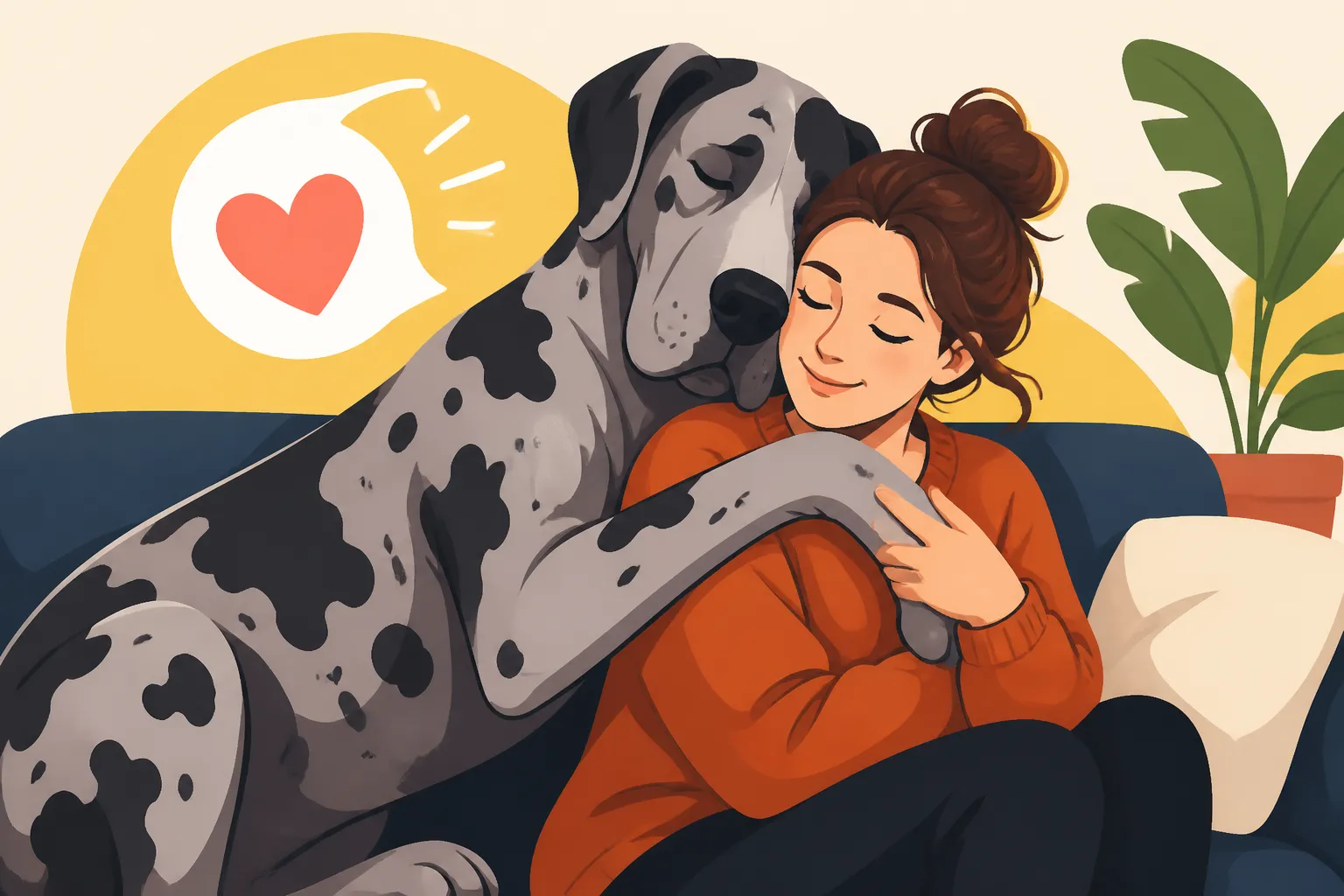
Beyond simply seeking attention, leaning is a profound way Great Danes forge and strengthen their bond with their owners. When your Dane leans into you, they are demonstrating a deep level of trust and comfort. They are placing their full weight and vulnerability into your space, a clear sign that they feel safe and secure in your presence. This act of leaning is an intimate form of communication, a silent dialogue that reinforces the unique relationship between a Dane and their human.
For owners, accepting the lean, even when it’s a bit inconvenient, reinforces this trust. It tells your dog that you are a reliable source of comfort and security. This reciprocal exchange strengthens the emotional connection, transforming the simple act of leaning into a powerful ritual of bonding. It's a testament to the special bond that forms between a Great Dane and their family, a bond often characterized by unwavering loyalty and a deep emotional understanding.
When Leaning Becomes Overwhelming for Owners
While the lean is often a sweet gesture, there are times when it can become genuinely overwhelming or problematic. Imagine trying to navigate a crowded sidewalk with a Great Dane leaning heavily into you, forcing you off balance. Or consider having a visitor who is nervous around large dogs, only to have your Dane enthusiastically lean against them. The sheer size and strength of a Great Dane mean that even an affectionate lean can easily knock over children, elderly family members, or individuals who are not steady on their feet.
It can also be physically demanding for owners, especially if your Dane is prone to leaning constantly or at inappropriate times. You might find yourself bracing for impact every time you stand still, or struggling to maintain your footing during walks. This isn't about rejecting their affection, but rather about setting boundaries that ensure safety and comfort for everyone involved. It’s about finding a respectful balance, so their love doesn't inadvertently lead to accidents or discomfort. This is why Stopping a Great Dane Body Slamming and other physical behaviors is so important early on.
Distinguishing Leaning from Other Behaviors
It's crucial to differentiate a friendly lean from other behaviors that might look similar but carry different meanings. Sometimes, what appears to be a typical Great Dane lean might actually be a subtle (or not-so-subtle) indicator of anxiety, fear, or even a physical ailment. Being able to read these nuances is key to understanding your dog better and responding appropriately.
Leaning Versus Pushing or Body Slamming
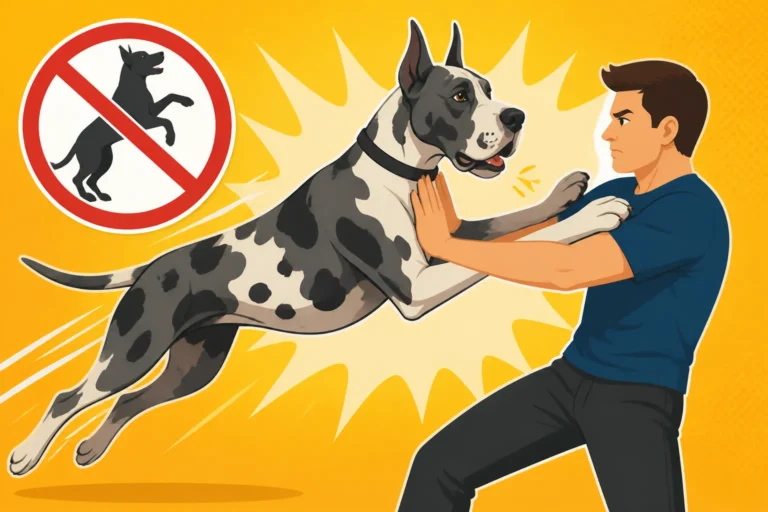
There's a fine line between a gentle lean and an assertive push or a full-on body slam, especially with a dog of this magnitude. A lean is typically a slow, deliberate application of weight, a comfortable press into your side. It's often accompanied by a relaxed posture, perhaps a soft gaze, and a desire to remain stationary. A push or body slam, however, tends to be more abrupt, forceful, and often involves motion.
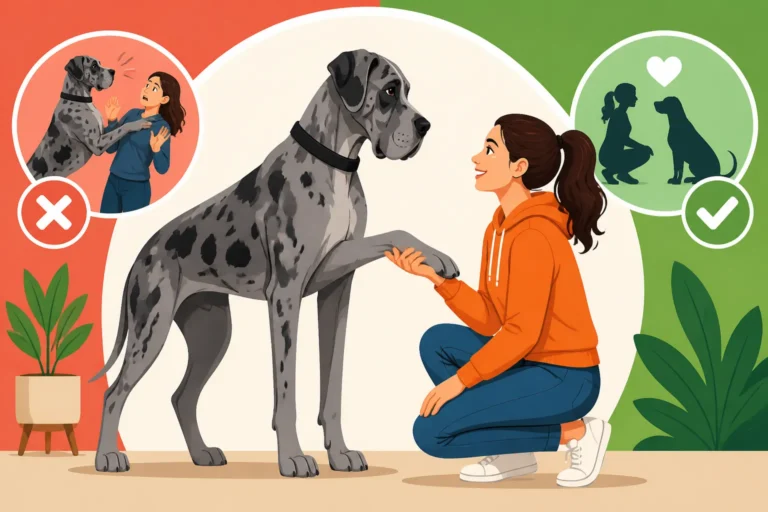
A push might be a Dane trying to get you to move, to gain access to a space, or to herd you in a certain direction. A body slam, often seen during enthusiastic greetings, is usually playful but can be dangerous, literally knocking a person off their feet. While a lean signifies connection, a push can indicate a lack of boundaries or a dog trying to control the interaction. Understanding the difference is vital for effective training and ensuring safety, particularly around Great Danes With Children and Small Dogs. If your Dane's "lean" feels more like a shove, it's time to work on polite greetings and impulse control.
Leaning as a Sign of Anxiety or Fear
Sometimes, a lean isn't just about comfort or affection; it can be a clear signal that your Great Dane is feeling anxious or fearful. In these cases, the lean might be more intense, almost desperate. The dog's body language might also show other signs of stress: a tucked tail, flattened ears, yawning, lip-licking, or avoidance of eye contact. They might press themselves so tightly against you that they become rigid, seeking reassurance from your solid presence.
If you notice your Dane leaning excessively or with an unusual intensity in specific situations – like during thunderstorms, fireworks, or when unfamiliar people are present – it’s worth considering if fear or anxiety is the underlying cause. In such cases, your role shifts from simply accepting affection to providing calm reassurance and potentially working on desensitization or counter-conditioning to help them cope with their triggers. Sometimes, A Great Dane That Is Anxious Rather Than Gentle might display excessive leaning.
When Leaning Signals a Physical Need
While less common, an insistent lean could sometimes hint at a physical need or discomfort. If your Great Dane is usually independent but suddenly starts leaning heavily and persistently, it's worth a closer look. Are they trying to brace themselves? Are they seeking support for a wobbly joint or a sore muscle? A dog in pain might lean into you for physical stability or comfort, much like a person might lean on a wall when feeling faint.
Observe their overall demeanor. Are they limping? Reluctant to move? Whining? Exhibiting any other signs of illness or injury? If the leaning is new, unusual, or accompanied by other concerning symptoms, a trip to the vet is always a good idea. It’s rare, but sometimes their physical affection can be a silent plea for help, especially as they get older and may experience Arthritis in a Six-Year-Old Great Dane. Always rule out physical discomfort, particularly if the behavior change is sudden.
| Behavior Type | Description | Typical Body Language | Owner's Best Response |
|---|---|---|---|
| Affectionate Lean | Slow, deliberate application of weight; seeking physical closeness. | Relaxed posture, soft eyes, perhaps a gentle nudge with head. | Acknowledge with gentle petting, soft words, or redirect politely. |
| Attention-Seeking Lean | Persistent, often escalating lean when owner is otherwise engaged. | Focused on owner, may subtly increase pressure, sometimes whines. | Give brief, calm attention, then redirect or ask for a different behavior. |
| Anxiety/Fear Lean | Intense, sometimes rigid pressing against owner; seeking reassurance. | Tucked tail, flattened ears, wide eyes, panting, lip-licking, yawning. | Provide calm reassurance, remove from trigger if possible, assess for anxiety management. |
| Push/Body Slam | Abrupt, forceful movement, often to gain space or initiate play. | Enthusiastic, forward motion; may involve jumping or nudging aggressively. | Immediately interrupt, redirect to appropriate greeting behavior, reinforce boundaries. |
| Pain/Discomfort Lean | New, persistent leaning, especially when standing or moving. | Reluctance to move, limping, tenderness, guarding a body part. | Observe for other symptoms, consult a veterinarian immediately. |
Managing the Leaning Habit in Different Scenarios
While a Great Dane's lean is often a sign of love, it's not always appropriate or safe. Managing this behavior effectively means setting clear boundaries and teaching your dog alternative ways to express affection or seek comfort. This isn't about stifling their personality but about guiding them towards polite interactions in various real-world situations.
Leaning on Guests and Strangers
This is perhaps the most common scenario where a Great Dane's lean becomes problematic. A giant dog pressing against an unfamiliar person can be intimidating, even if the dog means no harm. For someone who isn't used to a dog of this size, a lean can feel like an invasion of personal space or even a threat, leading to fear or discomfort.
To manage this, proactive training is key. When guests arrive, teach your Dane to greet them politely, ideally by sitting calmly or going to a designated "place." You can use a verbal cue like "off" or "no lean" combined with gentle physical redirection. Encourage guests to ignore the leaning behavior and only give attention when your Dane is calm and respectful of their space. If your Dane is particularly persistent, a leash can be a helpful tool for managing their proximity to visitors. Have your Dane on a leash when guests first come in, and practice having them sit or lie down calmly a few feet away. Reward them for maintaining that distance. Getting a Great Dane to Greet Without Standing Up is an important related skill to work on.
Leaning During Walks or in Public
Walking a Great Dane is already a significant feat of strength and coordination. Add a persistent lean into the mix, and it can become a wrestling match. When your Dane leans on you during a walk, it often means they are either seeking reassurance, trying to dictate direction, or simply not understanding personal space boundaries while moving. This can lead to you losing balance, stumbling, or being pulled into traffic.
Focus on teaching a loose-leash walk and reinforcing the "heel" command. Use a sturdy harness that provides good control, like those from a reliable brand found on Amazon, which can help distribute pressure and give you more leverage without putting strain on your dog's neck. When your Dane starts to lean, use a firm but gentle correction with the leash, pulling them back into their correct position beside you, and immediately reward them for walking nicely. Practice walking in a straight line, making turns, and stopping, always expecting them to maintain a small amount of personal space. If they lean, stop walking until they adjust their position. Consistency is paramount here. Getting them used to their Harnesses and Leads for a Great Dane from an early age helps.
Leaning on Furniture or in Tight Spaces
Great Danes have a knack for making themselves comfortable anywhere, often by taking up an entire sofa or squeezing into the tightest spots right beside you. While cuddling on the sofa is lovely, a full-body lean can push you right off or make sitting uncomfortable. Similarly, in tight hallways or doorways, a leaning Dane can create a literal roadblock.
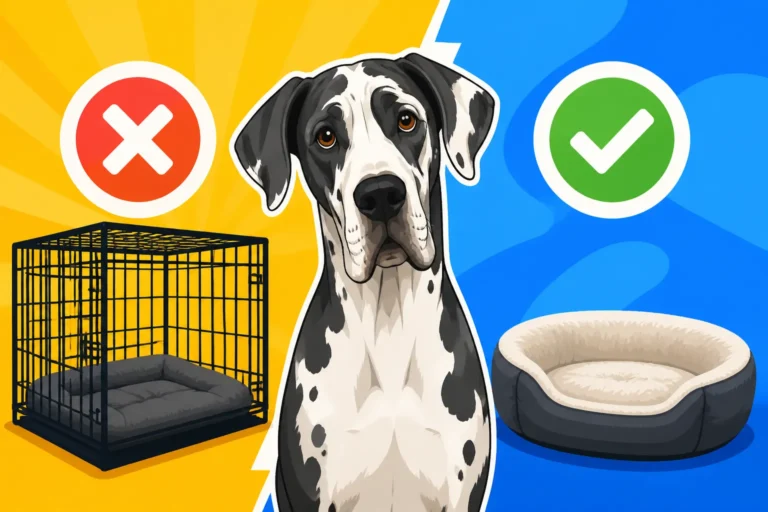
Establishing boundaries for furniture access is important. If you don't want them leaning on you on the sofa, teach them a specific spot on their own bed or a floor cushion. Reward them for staying there. For tight spaces, teach a "move" or "step back" cue. When they lean in a doorway, gently guide them back with your hand and use the cue. Once they create space, reward them. Providing a huge, comfortable orthopedic bed nearby (perhaps with a sturdy bolster they can lean against) can give them an alternative, appropriate place to get cozy without overwhelming your space. Consistency in reinforcing these boundaries will help them understand when and where leaning is acceptable.
Training Your Great Dane to Respect Personal Space
The good news is that Great Danes are highly trainable, and with patience and consistency, you can teach them to respect personal space without dampening their affectionate spirit. The key is to communicate clearly what you do want them to do, rather than just punishing what you don't. This involves positive reinforcement, redirection, and establishing consistent boundaries. The Manners a Great Dane Needs Before It Grows cannot be overstated.
Teaching an Alternative 'Place' or 'Settle' Command
One of the most effective strategies for managing leaning is to teach your Great Dane a solid "place" or "settle" command. This means having them go to a specific spot – a dog bed, a mat, or a designated corner – and remain there until released. This provides them with an alternative, acceptable behavior when they want to be close but are otherwise infringing on your space or a guest’s.
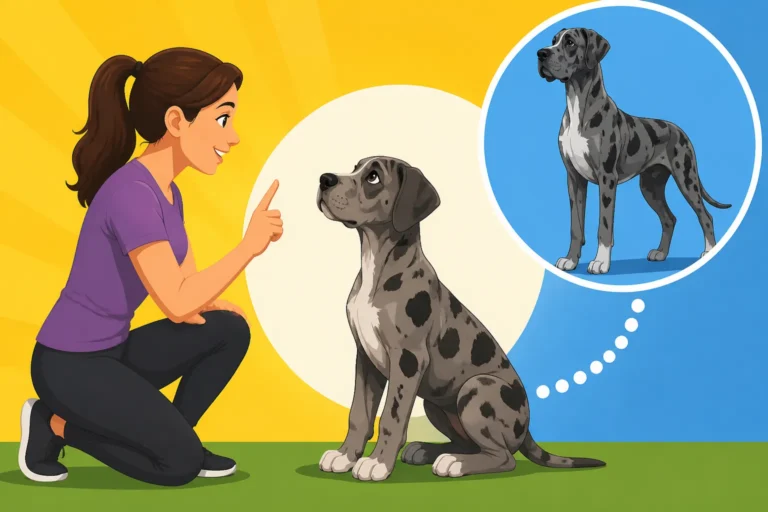
Start by luring your Dane to their designated spot with a treat. As soon as they are on it, say "place" or "settle" and reward them. Gradually increase the duration they stay there, always rewarding calm behavior. When a guest arrives, or you're busy, direct your Dane to their "place." They still get to be in the same room, but they learn to respect physical boundaries. The more comfortable and rewarding you make their "place," the more likely they are to choose it voluntarily. Many owners find online training programs, such as those offered by BAXTER & Bella, provide excellent step-by-step guidance for teaching these foundational commands effectively. This skill is vital for a giant breed. Teaching a Great Dane a Place to Settle will make your life so much easier.
Using Body Language and Blocking Techniques
Dogs are incredibly adept at reading human body language. You can use yours to communicate boundaries around leaning. When your Dane starts to lean, turn your body slightly away, effectively blocking their access. Take a step forward, gently nudging them off balance without being aggressive. This communicates that your space is currently unavailable for leaning. Avoid making eye contact or speaking to them during this redirection, as any attention (even negative) can reinforce the behavior.
Once they disengage and create a small amount of space, then you can offer a calm, verbal praise or a gentle pat. This teaches them that politeness earns affection, not demanding contact. You can also use a hand signal, like holding your hand out flat to indicate "stop" or "stay back," combined with your body block. The goal is to make leaning unrewarding and personal space rewarding.
Consistency and Positive Reinforcement
As with all training, consistency is the bedrock of success. Every family member needs to be on the same page about how to respond to leaning. If one person allows it and another redirects, your Dane will become confused and the behavior will be harder to change. Decide on your household rules: when is leaning acceptable (e.g., cuddle time on the floor) and when is it not (e.g., when you're cooking, when guests are over).
Use positive reinforcement heavily. When your Dane chooses not to lean, or responds quickly to a "no lean" cue, reward them enthusiastically. This could be a small, high-value treat, verbal praise, or a gentle scratch behind the ears. The more you reward the desired behavior, the more likely they are to offer it. Remember, it takes many repetitions for a Great Dane to fully grasp a new concept, especially one that goes against their natural inclination to be a Velcro dog. Patience is key to shaping A Great Dane That Presses Against Your Legs into a polite companion.
Tools and Aids for Managing a Leaning Great Dane
Sometimes, even with consistent training, a Great Dane's sheer size and enthusiasm require a little extra help. Various tools and aids can make managing their leaning behavior easier and safer for everyone involved. These aren't substitutes for training but rather complementary supports that help reinforce good manners and maintain control.
Harnesses and Leashes for Control
For managing leaning on walks or in public, a well-fitting, sturdy harness is invaluable. A front-clip harness, in particular, can be very effective because when your dog pulls or leans, it redirects their momentum sideways, making it harder for them to pull you off balance. This gives you more control over their body and helps guide them back into a polite walking position. Look for brands on Amazon that offer robust hardware and adjustable straps to ensure a snug, comfortable fit for your giant breed.
Pair the harness with a durable, non-retractable leash of appropriate length (typically 6 feet). A strong leash gives you the leverage needed to gently correct a lean or pull. Avoid thin, flimsy leashes that could snap or cut into your hands if your Dane decides to put their full weight into a lean. Remember, the goal isn't to constantly pull your dog but to have the means to safely guide them when needed, reinforcing good walking etiquette and teaching them that their leaning behavior will not get them where they want to go.
Beds and Boundaries to Define Space
To help your Great Dane understand when and where leaning is appropriate, strategically placed beds and physical barriers can be incredibly helpful. Invest in one or more extra-large, comfortable orthopedic beds. These provide an appealing alternative to leaning on you, especially if they’re placed in rooms where you spend a lot of time. Teach your Dane to go to their bed on command, making it their personal sanctuary.
Baby gates or exercise pens, sized for a giant breed, can also be useful for creating temporary boundaries. For instance, if you're cooking in the kitchen and don't want your Dane leaning against the counters or your legs, a gate can keep them in an adjacent space where they can still see you but aren't physically in the way. Crates and Gates Sized for a Great Dane are an important consideration for many aspects of Dane ownership. These tools aren't about isolating your dog but about clearly defining zones of interaction and teaching them impulse control in different areas of the home.
Engaging Toys and Mental Stimulation
Sometimes, leaning can be a symptom of boredom or a lack of mental stimulation. A Great Dane, despite their calm demeanor indoors, still needs outlets for their energy and intelligence. If your Dane isn't getting enough physical exercise or mental challenges, they might resort to leaning as a way to engage with you or burn off pent-up energy.
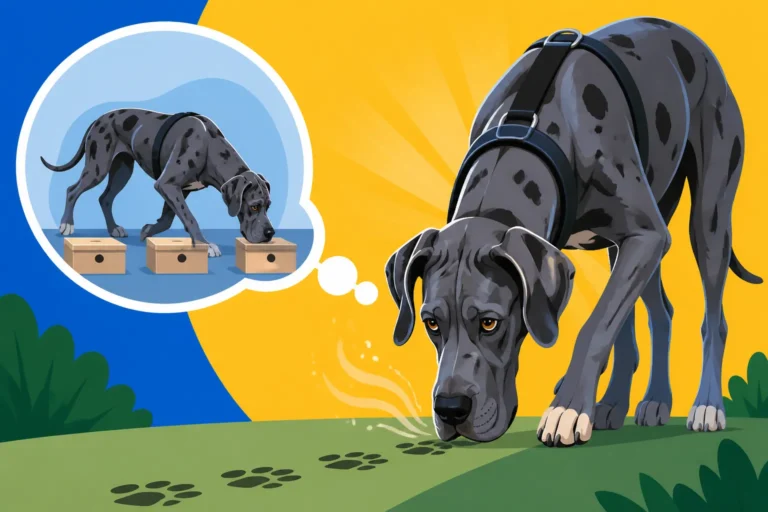
Provide a variety of durable, appropriately sized toys that can withstand a Great Dane's chewing power. Puzzle feeders, sniff mats, and interactive toys can keep their minds engaged and redirect their attention away from simply leaning on you. Regular play sessions, short training bursts throughout the day, and sufficient walks tailored to their growth stage (remembering Exercise Limits While a Great Dane Is Still Growing) can significantly reduce unwanted leaning behaviors driven by boredom. A mentally and physically satisfied Dane is often a more polite and less demanding companion.
The Emotional Bond of a Leaning Great Dane
Despite the practical challenges, the Great Dane lean remains one of the most heartwarming and unique expressions of affection. It's a reminder of the deep emotional connection these magnificent dogs form with their humans. While we work to manage the behavior for safety and comfort, it’s also important to acknowledge and cherish the profound bond it represents.
Interpreting Affection from Your Dane
When your Great Dane leans on you, it’s their way of saying, "I choose you. You are my person." It's an intimate act, a physical manifestation of their trust and devotion. For a breed that often lives a shorter lifespan than smaller dogs, these moments of profound connection become even more precious. It’s important to distinguish between a lean that demands attention versus one that simply expresses contentment and closeness.
When they lean with a soft gaze, a relaxed posture, and a gentle sigh, they’re not being pushy; they’re simply reveling in your presence. Learning to read these subtle cues helps you understand their emotional state and respond in a way that deepens your bond. This isn't just a dog seeking a scratch; it's a sentient being offering a piece of their heart, heavy though it may be.
Cherishing the Unique Connection
Living with a Great Dane means embracing their unique quirks, and the lean is certainly one of them. While you might train them not to lean on strangers or during walks, there are still plenty of opportunities to allow and even encourage this special form of affection in appropriate settings. Imagine snuggling on the floor with your Dane, their warm, heavy body pressed against yours – these are the moments that truly define Great Dane ownership.
These are the moments that forge unforgettable memories and reinforce why we fall in love with these gentle giants. It's a connection unlike any other, where a massive creature finds comfort and expresses love by simply existing in your space, body to body. It's a silent conversation of mutual affection and security, a unique privilege of being chosen by a Great Dane.
Balancing Cuddles with Good Manners
The goal of managing leaning isn't to eradicate it entirely, but to strike a healthy balance between indulging your Great Dane's affectionate nature and instilling good manners. You can teach your Dane that leaning is wonderful during designated cuddle times – say, when you're relaxing on the couch (and have braced yourself) or sitting on the floor watching a movie. But outside of those times, they need to respect personal space.
This balance allows you to enjoy the unique bond with your Dane while ensuring they are a polite and well-adjusted member of society. It means they can still express their love through a lean, but they learn when and where it's appropriate. It's about teaching them self-control and respect, ensuring their enormous heart doesn't inadvertently lead to enormous problems. Your Great Dane will still be your loving Velcro dog; they’ll just be a more considerate one.
Disclaimer
This article is for general informational purposes only and does not constitute professional advice. Laws, prices and regulations vary by location and change over time. Consult a qualified professional for guidance on your specific situation.