Whether a Head Halter Fits a Great Dane’s Muzzle
Wrestling with a Great Dane on a leash can feel like trying to steer a freight train with a piece of string. Their sheer size and strength mean that even a gentle lean or a sudden burst of enthusiasm can pull you right off your feet, making walks stressful instead of enjoyable. This guide dives deep into whether head halters are a viable solution for gaining control, how they work on a Great Dane's unique muzzle, and what you need to consider to make walks with your giant companion a pleasure again.
Understanding the Challenge of Walking a Great Dane
Anyone who has shared their life with a Great Dane knows the unique blend of immense love and immense power they possess. Walking one of these magnificent dogs is a full-body experience, often leading to a tug-of-war that leaves both you and your dog frustrated, or worse, at risk of injury. It's not about malice; it's simply about physics and a Great Dane's natural enthusiasm for the world.
The Sheer Power and Size
Let's be real: a full-grown Great Dane can easily weigh over 100 pounds, with some males tipping the scales at 150 pounds or more. That's a lot of dog, and a lot of momentum. When they decide to lunge after a squirrel, greet a friendly stranger with a sudden lurch, or simply pull because they're excited to sniff a new patch of grass, that force is directly transferred to you at the other end of the leash. It’s not uncommon to hear stories of owners being dragged, stumbling, or even sustaining injuries from an unexpected pull. You might feel like you're constantly bracing yourself, anticipating the next surge, rather than enjoying a peaceful stroll. This isn't just about strength; it's about the deep-seated frustration of feeling like you're not in control, even when your dog is otherwise perfectly behaved at home. For more on managing their power, read Handling a Great Dane That Outweighs You.
Limitations of Traditional Collars
Many Great Dane owners start with a standard flat collar, which works fine for many dogs. However, for a Great Dane determined to pull, a flat collar often becomes completely ineffective. It puts direct pressure on their trachea, leading to coughing, gagging, and potential damage to their throat and neck. It can also cause them to learn to "brace" against the pressure, making them pull even harder. You might find your Dane still pulling you down the street, gasping for breath, while you're still being dragged along.
Then there are choke chains or prong collars. While some trainers advocate for them as a last resort, they come with their own set of concerns, especially for a breed as large and powerful as a Great Dane. Misuse can lead to severe injury, and they often work by inflicting discomfort or pain, which isn't the positive, trust-building relationship we want with our dogs. Plus, many owners feel uncomfortable using tools that rely on physical correction rather than positive reinforcement. The goal should be to teach your Great Dane good leash manners, not just to physically overpower them. You want your dog to choose to walk nicely, not merely to avoid pain.
What Exactly Is a Head Halter and How Does It Work?
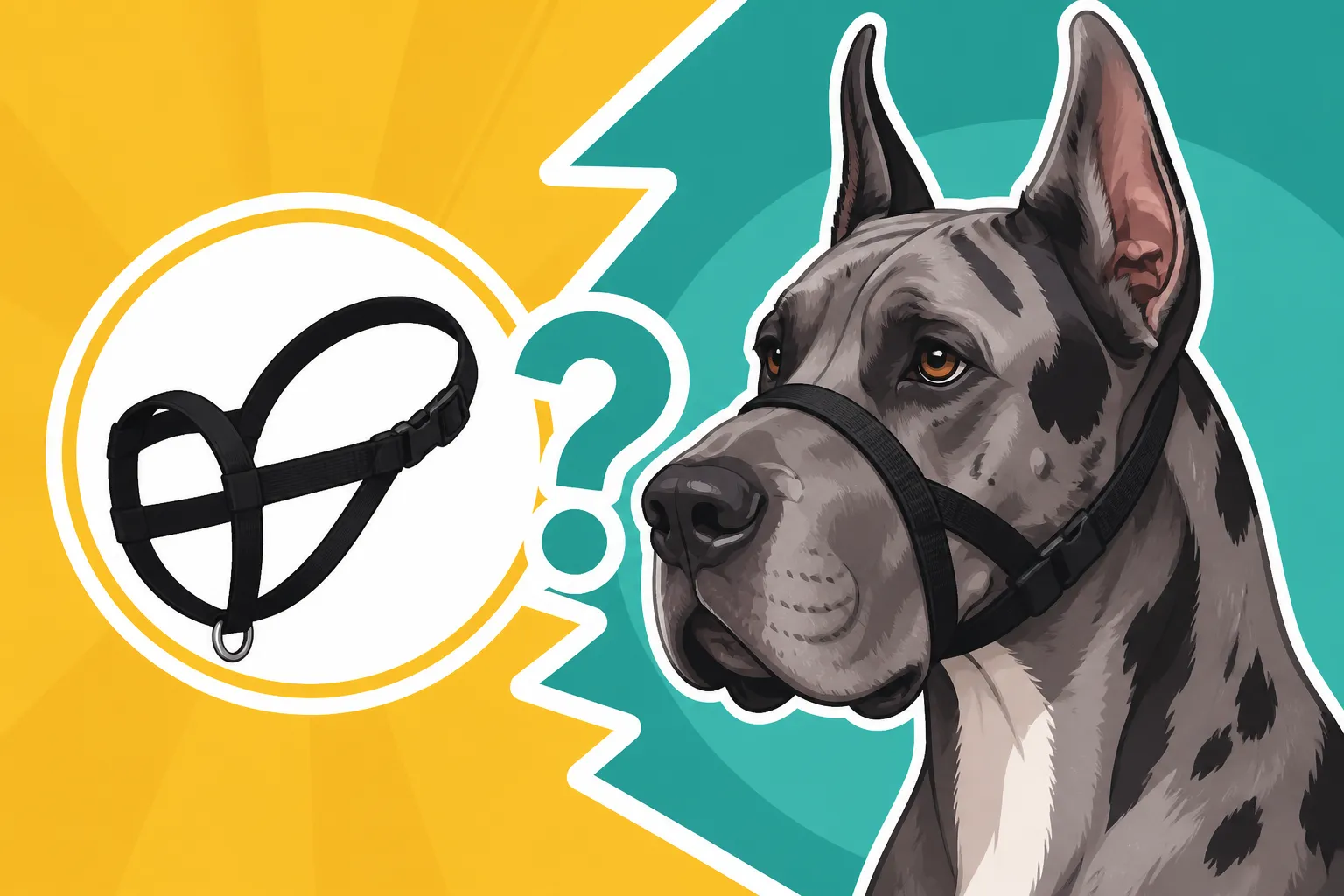
When traditional collars fail to provide the control needed for a powerful Great Dane, many owners start looking for alternatives. This is where the head halter often enters the conversation. It's a tool that, while sometimes mistaken for a muzzle, works on a completely different principle to gently guide your dog rather than restrict their mouth.
The Mechanics of a Head Halter
A head halter, sometimes called a head collar or gentle leader, is designed to give you more control over your dog's head, and by extension, their body. It typically consists of two loops: one that goes around your dog's muzzle and rests high on the bridge of their nose, and another that goes behind their ears, securing the halter in place. The leash then attaches to a ring located underneath the muzzle, usually around the chin area.
The genius of a head halter lies in its mechanics, which are very similar to how a halter works on a horse. When your Great Dane pulls forward, the leash attachment point under their chin gently redirects their head downwards and to the side. This subtle redirection makes it difficult for them to pull with their full body weight. Think about it: it's incredibly hard to pull in one direction when your head is being turned in another. It’s not about causing pain, but about leverage. It changes their center of gravity and their ability to put their shoulder into the pull, making it much easier for you to guide them. It gives you immediate control over their nose and thus, their focus. If they try to pull, their head turns, and that interrupts the pulling behavior.
Benefits for Giant Breeds Like Great Danes
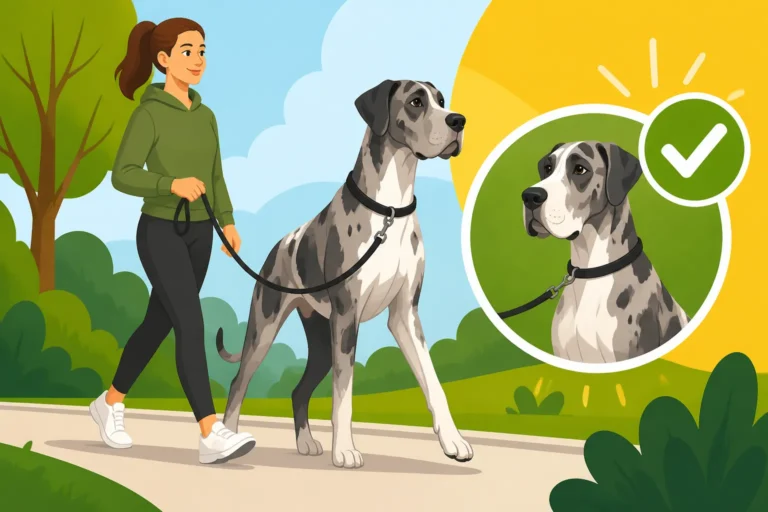
For owners of Great Danes, the benefits of a head halter can be truly transformative. The primary advantage is improved control. Instead of feeling like you're water-skiing behind your dog, you can actually guide them with minimal effort. A gentle tug on the leash can turn their head, effectively stopping a lunge or redirecting their attention away from a distraction. This means you can finally walk your Great Dane without constant anxiety about their pulling, or about accidentally knocking over a child or an elderly person.
Reduced pulling is another massive plus. Many owners report an immediate and dramatic reduction in pulling behavior once their Great Dane is properly fitted with and accustomed to a head halter. Because the leverage is so effective, your dog quickly learns that pulling is unproductive. This isn't just about making walks easier for you; it's also about making them more enjoyable and safer for your Great Dane. Less pulling means less strain on their neck and throat, especially if they have underlying conditions that might make tracheal pressure dangerous. It also means you can more easily communicate with your dog during walks, reinforcing good behaviors and gently correcting others. It’s a tool that allows for clearer communication, leading to a more harmonious walking experience. For teaching proper leash skills, check out Getting a Great Dane to Walk on a Loose Leash.
Fitting a Head Halter to a Great Dane's Unique Muzzle
The question isn't just if a head halter works, but if it fits a Great Dane's distinct facial structure. Great Danes have specific needs, and finding the right size and type is absolutely crucial for both effectiveness and your dog's comfort.
The Great Dane Muzzle: Long, Lean, and Specific
Great Danes possess a regal, elegant head with a long, deep, and relatively lean muzzle. It's not as broad or blocky as, say, a Mastiff's, nor as fine and narrow as a sighthound's. This unique shape means that many "standard" head halters, designed for more common dog breeds, might not fit a Great Dane comfortably or securely.
A poorly fitting head halter can cause a host of problems. If it's too loose, it can slip off the muzzle, especially during a vigorous shake or a determined pull. If it's too tight or the wrong shape, it can rub and chafe their sensitive skin, particularly around the eyes or the corners of the mouth. This discomfort can quickly lead to your Great Dane resenting the halter, making training an uphill battle. You might notice them pawing at their face, trying to rub the halter off, or simply refusing to walk. The key is to find a halter that accommodates the length and depth of their muzzle without being baggy or restrictive. It needs to sit snugly but not tightly, allowing full panting and drinking, and most importantly, not sliding up into their eyes or getting too close to their nostrils.
Key Considerations for Sizing and Material
When selecting a head halter for your Great Dane, precise measurements are your best friend. Don't just guess based on weight or general breed size. You'll typically need to measure the circumference of your Great Dane's muzzle (just below their eyes, where the halter's nose loop will sit) and the circumference of their neck (behind the ears). Compare these measurements carefully with the manufacturer's sizing chart. Remember, a Great Dane might fall into the "extra-large" or even "giant" category, but within those categories, there's still a wide range of muzzle shapes.
Consider these factors:
- Adjustability: Look for halters with multiple adjustment points – one for the muzzle loop and one for the neck strap – to ensure a custom-like fit. This flexibility is vital for a breed with such specific proportions.
- Padding: Some head halters come with fleece or neoprene padding on the nose loop or neck strap. This can significantly improve comfort and reduce rubbing, especially for dogs with sensitive skin or short coats.
- Material Strength: Given a Great Dane's power, choose a halter made from durable nylon webbing and strong, reliable buckles and D-rings.
- Design: Some designs feature a more open muzzle loop, while others are more enclosed. An open design can be better for allowing full panting, which is crucial for a large dog, particularly in warmer weather.
Many brands offer various sizes, and you might find that while one brand's "XL" is too small, another's "Giant" or "XXL" fits perfectly. Websites like Amazon can be great for comparing different brands and reading reviews from other large dog owners. Sometimes, it's worth trying a couple of different options to see which one truly offers the best fit for your individual Dane. And remember, a good fit means it stays put without digging in, allows full range of motion for eating and drinking, and doesn't interfere with their eyes or breathing. For more on harnesses and collars, check out Harnesses and Collars That Control a Great Dane.
Here's a quick comparison of features to look for:
| Feature | Ideal for Great Danes | Why it Matters |
|---|---|---|
| Sizing | XL, XXL, or "Giant" specific sizes with detailed measurement charts | Ensures proper fit for long, lean muzzle and large head circumference |
| Adjustability | Multiple, easily adjustable straps for muzzle and neck | Allows for a custom fit to prevent slipping or chafing |
| Padding | Fleece, neoprene, or soft fabric lining on nose and neck straps | Prevents rubbing and increases comfort, especially for sensitive skin |
| Material | Heavy-duty nylon webbing with strong, reinforced stitching | Withstands the strength of a Great Dane; ensures durability |
| Attachment Ring | Durable metal ring located under the chin | Provides effective leverage for redirection and control |
| Brand Reputation | Brands known for large breed or training-specific products (e.g., BAXTER & Bella for training advice on using these tools) | Often indicates better design and material quality for big dogs |
The Adjustment Period and Proper Introduction
Even the best-fitting head halter isn't a magic bullet; it requires a proper introduction. Many dogs, not just Great Danes, initially react to a head halter as if you've strapped a strange object to their face – which, to them, you have! They might paw at it, try to rub it off, or even resist moving. This is completely normal and should be anticipated. Forcing your Great Dane to wear it without a positive introduction will only create a negative association.
Here's how to introduce it gently:
- Positive Association: Start by simply showing your Dane the halter and immediately giving them a high-value treat. Repeat this several times.
- Brief Wear: Gradually work up to slipping the muzzle loop over their nose for just a second or two, immediately followed by a treat and praise. Don't even buckle it at first. The goal is for them to see the halter as a signal for good things.
- Short Sessions: Once they tolerate the muzzle loop, start buckling the neck strap for very short periods (a minute or two) while distracting them with treats, a favorite toy, or a short play session. Take it off before they get frustrated.
- Gradual Increase: Slowly increase the duration they wear the halter, always pairing it with positive experiences like meal times, training sessions, or short walks in the yard.
- Leash Attachment: Once they're comfortable wearing it, attach the leash and practice walking in a low-distraction environment. Use treats and praise liberally for loose-leash walking.
Patience is paramount. Some Great Danes will adjust within days, while others may take a few weeks. Never use the head halter for punishment. It should always be associated with positive experiences and a tool for gentle guidance. If you're struggling, a professional trainer can provide hands-on guidance. Consider consulting resources from experienced trainers like those found through BAXTER & Bella for their expertise in positive reinforcement techniques. Remember, your Great Dane must feel comfortable and safe with the tool for it to be effective. Getting them used to handling their face and muzzle early on can also help; read Getting a Great Dane Puppy Used to Handling for more tips.
Potential Drawbacks and Alternatives
While head halters can be incredibly effective, they aren't without their considerations, and they certainly aren't the only solution available for teaching a Great Dane to walk nicely. Understanding these aspects helps you make the most informed decision for your specific dog.
Common Concerns and Misconceptions
One of the most frequent concerns people have about head halters is that they look like a muzzle. This can sometimes lead to uncomfortable questions from strangers or even misconceptions that your Great Dane is aggressive. It's a valid social hurdle, and something to be aware of. While it's true the design covers the muzzle, a head halter specifically allows the dog to open their mouth fully to pant, drink, and take treats, which is entirely different from a traditional basket muzzle designed to prevent biting. If you're concerned about public perception, you might practice a quick elevator pitch explaining it's a "gentle leader for walking" rather than a muzzle.
Another concern is discomfort or rubbing. As discussed, a poorly fitted halter can certainly cause this, leading to skin irritation, especially on a Great Dane's sensitive nose or behind their ears. This highlights the absolute necessity of accurate measurement, proper adjustment, and choosing a quality halter with good padding. If you see any signs of rubbing, redness, or hair loss, reassess the fit immediately. It might mean adjusting the straps, trying a different size, or even a different brand or style of halter. Remember that while a head halter helps with pulling, it's not a substitute for teaching your dog good manners. For basic obedience that needs to be instilled early, check out What a Great Dane Must Know by Six Months.
When a Head Halter Might Not Be the Best Choice
While head halters are fantastic for many Great Danes, they aren't a universal solution. There are times when they might not be the best choice:
- Facial Sensitivities or Injuries: If your Great Dane has a chronic skin condition on their muzzle, an injury, or is particularly sensitive to anything touching their face, a head halter might cause undue stress or discomfort.
- Insufficient Introduction: If you're unwilling or unable to commit to the slow, positive introduction process, a head halter will likely become a source of frustration for both you and your dog. Forcing it will only create resistance.
- Extreme Fear/Anxiety: For some highly anxious or fearful dogs, anything that restricts their head can exacerbate their fear, even if introduced gently. In these cases, working with a veterinary behaviorist might be necessary before introducing new tools.
- Improper Use: A head halter is a training aid, not a brute force tool. If an owner pulls on it roughly or uses it to yank their dog around, it can still cause neck strain or aversion, defeating its purpose of gentle guidance. For more on appropriate training methods, see Why Physical Corrections Fail on a Great Dane.
Exploring Other Leash Control Options
If a head halter doesn't feel right for your Great Dane or your situation, there are other effective tools and training strategies to consider:
- Front-Clip Harnesses: These harnesses attach the leash to a ring located on your dog's chest, rather than their back. When your Great Dane pulls, they are gently redirected to the side, similar to a head halter, making it harder for them to pull forward with full force. Many owners find these to be a great compromise, offering control without anything on the face. They can be very effective for managing mild to moderate pulling in a Great Dane. To learn more about this option, read Whether a Front-Clip Harness Slows a Great Dane. Just like head halters, proper fitting is key to prevent chafing under the armpits.
- Body Harnesses (Back-Clip): While comfortable, back-clip harnesses often encourage pulling in powerful breeds like Great Danes, as it allows them to lean into the harness and use their full body weight. They're excellent for dogs that already walk nicely or for protecting the neck, but less ideal for active pullers.
- Professional Training: No matter what tool you use, hands-on guidance from a certified professional dog trainer can be invaluable. They can help you implement positive reinforcement techniques, teach your Great Dane impulse control, and provide personalized advice on leash manners. A trainer can assess your Great Dane's specific needs and help you find the most suitable equipment and training approach. Finding a trainer with experience with giant breeds is essential; look for one who understands the unique challenges and strengths of a Great Dane. For finding the right expert, refer to Finding a Trainer Comfortable With a Great Dane.
- Longer Leashes with Management: Sometimes, the environment itself can be the problem. If your Great Dane is overstimulated on walks, try walking in quieter areas or at different times of day. Using a longer, but still safe and rated leash, can give them more freedom to explore without feeling constantly restrained, which can sometimes reduce pulling. Make sure your leash is rated for their size and strength; learn more in Leashes Rated for a Great Dane.
Ultimately, the best solution is often a combination of the right equipment, consistent positive reinforcement training, and patience. Whether it's a head halter, a front-clip harness, or dedicated obedience training, the goal is to foster a positive, cooperative relationship with your Great Dane, making every walk a joyful experience for both of you. The Manners a Great Dane Needs Before It Grows is a great resource to help you establish a strong foundation.
Disclaimer
This article is for general informational purposes only and does not constitute professional advice. Laws, prices and regulations vary by location and change over time. Consult a qualified professional for guidance on your specific situation.