Teaching a Great Dane to Heel Beside You
Walking a Great Dane can sometimes feel like you're attached to a freight train, especially when they decide a squirrel or an interesting smell on the other side of the street is an immediate priority. It’s frustrating and even physically demanding to have your arm yanked out of its socket, making what should be an enjoyable stroll feel like a constant battle. This guide is here to walk you through the practical, empathetic steps to teach your powerful companion to walk calmly and courteously beside you.
Understanding Why Great Danes Pull So Much
It's easy to get frustrated when your Great Dane is dragging you down the sidewalk, but understanding why they pull is the first step to resolving the issue. They aren't doing it to be malicious; they're simply being dogs, and their sheer size amplifies every natural canine instinct.
Natural Canine Instincts and Their Impact
Dogs, by nature, are explorers. Their world is primarily scent-based, and every new smell is an invitation to investigate. When your Great Dane catches a whiff of something intriguing, their natural instinct is to follow that scent trail immediately. Their powerful bodies are built for covering ground quickly, and the concept of a leash, or matching your pace, is completely unnatural to them. They don't inherently understand that the leash is a communication tool; to them, it's just something that restricts their forward movement. When they feel resistance, many dogs instinctively pull against it, a basic opposition reflex. For a dog that can easily outweigh a person, this becomes a significant safety concern.
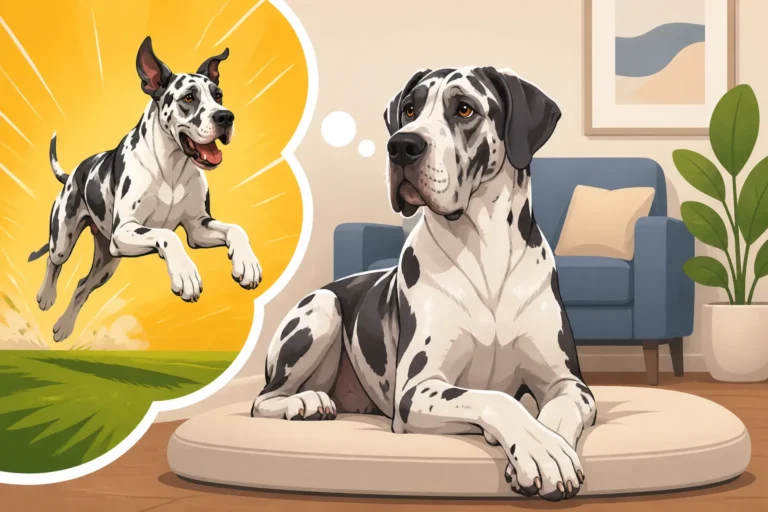
Furthermore, Great Danes are often full of youthful exuberance, especially as puppies and adolescents. Everything is new and exciting, and they want to greet every person and dog they see, or simply bound through the environment. Their large stride means they cover ground much faster than a human at a casual pace, so even a relaxed walk for them might feel like a frantic rush to you. Without proper guidance, they'll always choose to move at their own pace and direction, which rarely aligns with yours. It’s important to remember that they aren't trying to challenge you; they're just responding to their environment and their own powerful physiology.
The Problem of Size and Strength
Let's be real: a Great Dane can easily weigh over a hundred pounds, and many males push well past 150. That's a lot of dog. When a dog of that size decides to pull, it’s not just an inconvenience; it can be dangerous. You could easily lose your balance, be pulled into traffic, or injure yourself. I’ve known owners who’ve suffered dislocated shoulders or nasty falls because their Dane suddenly lunged. The stakes are much higher with a giant breed, which means that early and consistent training in The Manners a Great Dane Needs Before It Grows is not just about polite behavior, it's about safety for both of you.
This immense strength means that training methods that might work for smaller breeds, like simply muscling through the pulling, are often ineffective or even harmful with a Great Dane. You simply cannot out-pull a determined Dane without risking injury to yourself or your dog. Therefore, relying on force or constant tension on the leash is not only unhelpful but can also damage your dog's neck or lead to learned helplessness. Instead, we need to focus on teaching them what to do rather than constantly correcting what they are doing wrong, especially given their impressive power.
Essential Tools and Equipment for Heeling Success
Choosing the right equipment is absolutely crucial when teaching a Great Dane to heel. Their size and strength mean that not all tools are created equal, and some traditional options might actually make pulling worse or even cause injury. We're looking for tools that provide control without causing pain or fear, allowing for clear communication between you and your dog.
The Right Leash and Collar Options
Forget about a standard flat collar for active leash training with a young, powerful Great Dane. While they're fine for ID tags and basic walks once manners are established, they offer very little control when a large dog decides to surge forward. The pressure around their neck can also be uncomfortable or even damaging to their trachea if they're constantly pulling.
For effective heeling, I strongly recommend either a front-clip harness or a head halter.
- Front-Clip Harness: This type of harness clips at your dog's chest, rather than on their back. When your Great Dane pulls, the leash redirects their momentum to the side, gently turning their body back towards you. This makes it very difficult for them to get leverage and pull straight ahead. It's much safer for their neck and provides significant control with minimal effort from you. You can find many robust, comfortable front-clip harness options on Amazon, designed to handle the size and strength of a Great Dane. Look for brands known for durability. Many owners find that Whether a Front-Clip Harness Slows a Great Dane is a revelation for their walks.
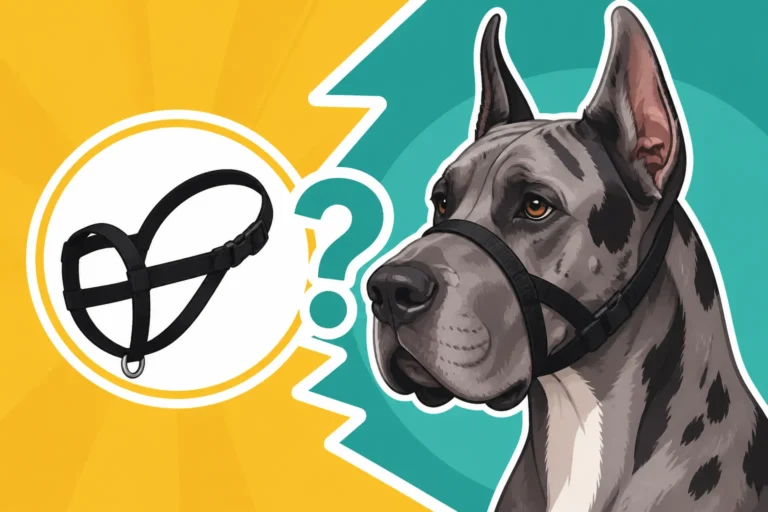
- Head Halter: Also known as a "gentle leader," a head halter fits over your dog's muzzle and clips under their chin, similar to a horse's halter. It gives you control over your dog's head, and where the head goes, the body often follows. If your Dane tries to pull, their head is gently turned to the side, making it uncomfortable to move forward with force. This is an incredibly effective tool for giant breeds and can make a huge difference in control. It requires careful introduction to ensure your dog is comfortable wearing it. For more insights, check out Whether a Head Halter Fits a Great Dane's Muzzle.
Here's a quick comparison of popular leash tools for Great Danes:
| Tool Type | Pros | Cons | Best Use for Great Danes |
|---|---|---|---|
| Flat Collar | Basic ID holder, comfortable for well-trained dogs | No control against pulling, can injure neck if pulled hard | Established heel, quick potty breaks, ID tag holder |
| Martingale Collar | Prevents slipping off, provides gentle tightening | Still places pressure on neck, less control than harness | Dogs prone to slipping collars, moderate pullers |
| Front-Clip Harness | Redirects pulling, no neck pressure, good control | Can sometimes rub sensitive areas, dog might chew | Primary training tool for pulling, general walks |
| Head Halter | Excellent control over head/direction, minimal force | Requires careful introduction, some dogs dislike | Strong pullers, dogs needing precise directional control |
Training Treats and Motivation
High-value treats are your secret weapon when teaching a Great Dane to heel. What's "high-value"? It's something truly irresistible to your dog – not just their everyday kibble. Think small pieces of cooked chicken, cheese, hot dogs, or commercially available soft, smelly training treats. The smellier and tastier, the better!
The sheer size of a Great Dane means you'll need a good quantity of treats during training sessions, especially in the beginning. Keep them small enough that your dog can swallow them quickly without breaking stride. The goal is rapid reward, not a long chewing session. Having a treat pouch that you can easily access is also a must. This keeps your hands free and allows for immediate reinforcement the moment your Dane is in the correct position. Don't underestimate the power of positive reinforcement; a tasty reward delivered at the exact right moment tells your dog, "Yes! That's exactly what I want you to do!"
In addition to treats, praise and verbal encouragement are vital. A cheerful "Yes!" or "Good heel!" can be very motivating. Some Great Danes are also highly motivated by toys, so a favorite squeaky ball or tug toy can also be incorporated as a reward, especially for shorter bursts of heeling practice. The key is to find what truly excites your individual Dane and use that to your advantage.
Step-by-Step Guide to Teaching the Heel Command
Teaching a Great Dane to heel isn't about physical force; it's about clear communication, consistency, and positive reinforcement. Remember, you're teaching a dog the size of a small pony to walk politely beside you, so patience is key.
Starting in a Low-Distraction Environment
Begin your heeling training in an environment where your Great Dane can focus solely on you, without the overwhelming smells, sights, and sounds of the outside world. Your living room, a quiet hallway, or a securely fenced backyard are ideal starting points. The fewer distractions, the easier it will be for your dog to understand what you're asking of them.
- Leash Up: Put on your chosen training tool (front-clip harness or head halter) and attach a standard 6-foot leash.
- Lure to Position: With your Great Dane on your left side (this is the traditional heeling side, but you can choose either), hold a high-value treat in your left hand, right at your dog's nose level. Lure them into the "heel" position, which is their shoulder aligned with your leg.
- Take a Step: As your dog moves into position, take one step forward, keeping the treat at their nose. The moment they take that step with you, praise them ("Yes!" or "Good!") and immediately give them the treat.
- Repeat and Build: Take another step, lure, praise, and treat. Gradually increase to two steps, then three, always rewarding the moment your dog is in the correct position beside you. Keep these initial sessions very short – just a few minutes – to avoid overwhelming your dog. It's better to end on a high note, leaving them wanting more.
Adding Movement and the "Heel" Cue
Once your Great Dane is consistently taking a few steps in position in a quiet environment, it's time to introduce the verbal cue and more continuous movement.
- Verbal Cue First: Before you start moving, say your "Heel" cue clearly and calmly. Then, immediately follow with the lure and take a step.
- Rewarding Position, Not Just Movement: As you walk, continue to hold the treat ready. The moment your dog's shoulder is aligned with your leg, praise and treat. Don't wait until they've walked ten perfect steps; reward frequently and consistently, especially in the beginning. Think of it as a continuous stream of reinforcement for staying in the right spot.
- Varying Rewards: You don't have to treat every single step once they start getting it. Instead, start to vary your reinforcement. Sometimes treat after one step, sometimes after three, sometimes after five. This builds anticipation and makes them work harder. You can also incorporate real-life rewards, such as saying "Heel!" to get through a doorway, and the reward is going through the doorway.
- Practice Turns and Stops: Practice stopping and restarting. When you stop, your Dane should stop beside you. When you turn, they should adjust their body to maintain the heel position. Use the lure initially to guide them through these movements, always rewarding success. For example, if you make a right turn, use the treat to keep them tight to your side. If you stop, hold the treat at their nose to encourage them to stay put.
Gradually Introducing Distractions
This is often the hardest part for Great Dane owners, as A Great Dane That Pulls You Off Your Feet often occurs when a big distraction appears. Once your Great Dane is performing well in a quiet area, it's time to slowly introduce real-world challenges. This process should be very gradual, always setting your dog up for success.
- Mild Distractions: Start with very mild distractions. This might mean moving your training to a slightly busier room in your house, or a quiet part of your backyard if there's a bird chirping in the distance. Work on maintaining the heel with these minor interruptions, always reverting to a higher reward frequency if your dog struggles.
- Controlled Outdoor Environments: Progress to a quiet street or park during off-peak hours when there are minimal other dogs or people. The first time you step outside, your Great Dane might forget everything they learned. That's okay! Be patient, lower your expectations, and go back to rewarding every single step they take in the correct position.
- Increasing Difficulty: Gradually introduce more challenging scenarios:
- Walking past a parked car.
- Walking past a person sitting on a bench.
- Walking past another dog from a safe distance.
- Walking in a moderately busy park.
- Practicing around the house while a family member walks by.
Remember to always start at a distance where your dog can succeed, and slowly decrease the distance to the distraction as they improve. If they start pulling, stop walking immediately. Don't move forward until the leash loosens and they look back at you, even for a second. This teaches them that pulling gets them nowhere, while a loose leash gets them to move forward.
- Generalization: Practice heeling in as many different locations and situations as possible. This helps your Great Dane understand that "heel" means the same thing everywhere, not just in your living room. Consider joining an online training program, such as those offered by BAXTER & Bella, which often provide structured lessons and support for working through these stages of distraction management. This can be especially helpful if you feel stuck or need professional guidance on specific challenges.
Common Challenges and Troubleshooting for Great Dane Heeling
Even with the best intentions and the right tools, training a Great Dane to heel will come with its unique set of challenges. Their size, strength, and strong personalities mean you'll need a resilient approach.
When Your Great Dane Just Won't Focus
It's a common scenario: you step outside, and your Great Dane suddenly develops selective hearing. All the careful training from your living room seems to evaporate the moment a new smell or sight appears. The key here is to understand that your dog isn't being stubborn; they're simply over-stimulated, and their natural instincts are overriding their training.
- Re-evaluate Your Environment: If your Dane is consistently unable to focus, you've likely progressed too quickly to a distracting environment. Go back to a quieter space, or increase the distance from the distraction. Can they heel perfectly for five minutes in your backyard? Then that's where you need to be for a few more sessions.
- Increase Treat Value: Is your dog turning up their nose at your usual training treats? Step it up! Sometimes, the distraction of the outside world simply isn't outweighed by a boring piece of kibble. Try cooked chicken, liverwurst, or string cheese.
- Engagement Games: Before you even start walking, spend a minute or two playing a quick game of "find it" with treats on the ground near you, or a short tug session. This helps your dog connect with you and get into a focused mindset before the walk begins. You want them to want to pay attention to you.
- Short, Frequent Sessions: Instead of one long, frustrating walk, aim for multiple very short training sessions throughout the day. A five-minute session where your Dane focuses perfectly is far more beneficial than a 30-minute battle where you both end up stressed.
Dealing with Sudden Lunges or Pulling
The dreaded lunge! One minute you're walking along, the next your Great Dane spots a rabbit, another dog, or a person, and boom – you're fighting to stay upright. This isn't just a nuisance; it's genuinely dangerous given their power.
- The "Tree" Technique: The absolute best thing you can do when your Great Dane lunges or pulls is to stop moving immediately. Become a "tree." Plant your feet and do not take another step forward until the leash goes slack, even if it's just for a second, and your dog looks back at you. The moment they release tension, even slightly, click (if you use a clicker) or praise, and then continue walking. This teaches them that pulling gets them nowhere, but a loose leash earns forward movement. Consistency is paramount here – every single time they pull, you stop.
- Pre-emptive Action: Learn to read your dog's body language. Do they tense up when they see another dog approaching? Do they start sniffing the air intensely before a lunge? If you anticipate a lunge, use your "Heel" cue and your high-value treat to redirect their attention to you before they react to the distraction. Get their eyes on you, reward, and guide them past the trigger.
- Desensitization and Counter-Conditioning: For specific triggers (like other dogs), you'll need a more structured approach. Find a distance where your Great Dane notices the trigger but doesn't react. At that distance, continually reward them for calm behavior. Slowly, over many sessions, decrease the distance, always staying below their reaction threshold. The goal is to change their emotional response from "I need to lunge!" to "Oh, another dog! Time to look at my human for a treat!" This process is detailed in resources like A Great Dane That Lunges at Other Dogs.
- Professional Help: If you're struggling with severe pulling or lunging, especially if it feels aggressive, don't hesitate to seek help from a certified professional dog trainer. They can provide personalized guidance and help you implement strategies that are safe and effective for your specific Great Dane. Finding Trainer Rates for a Great Dane That Pulls can give you an idea of the investment, but it's often worth every penny for peace of mind and safe walks.
Maintaining Motivation and Consistency
Great Danes are intelligent, but like all dogs, they thrive on routine and clear expectations. Consistency from you is the backbone of successful heeling training.
- Everyone on Board: If multiple people walk your Great Dane, everyone needs to use the same commands, the same techniques, and the same rewards. Inconsistency will confuse your dog and slow down progress. Hold a family meeting and decide on your training protocols.
- Keep it Fun: Training shouldn't be a chore for either of you. Keep sessions short, positive, and end on a good note. If you're feeling frustrated, take a break. Your dog can pick up on your mood, and tension won't help the training process.
- Don't Rush the Process: Great Danes, especially while still growing and maturing, need time. Why Waiting Until a Great Dane Is Grown Is Too Late is a critical point, but even if you start early, don't expect instant perfection. Celebrate small victories – that one moment of a loose leash, that one successful pass by a distraction. It's a journey, not a sprint. Remember to consider How Much a Growing Great Dane Should Walk as well, ensuring your training sessions don't over-exert their developing joints.
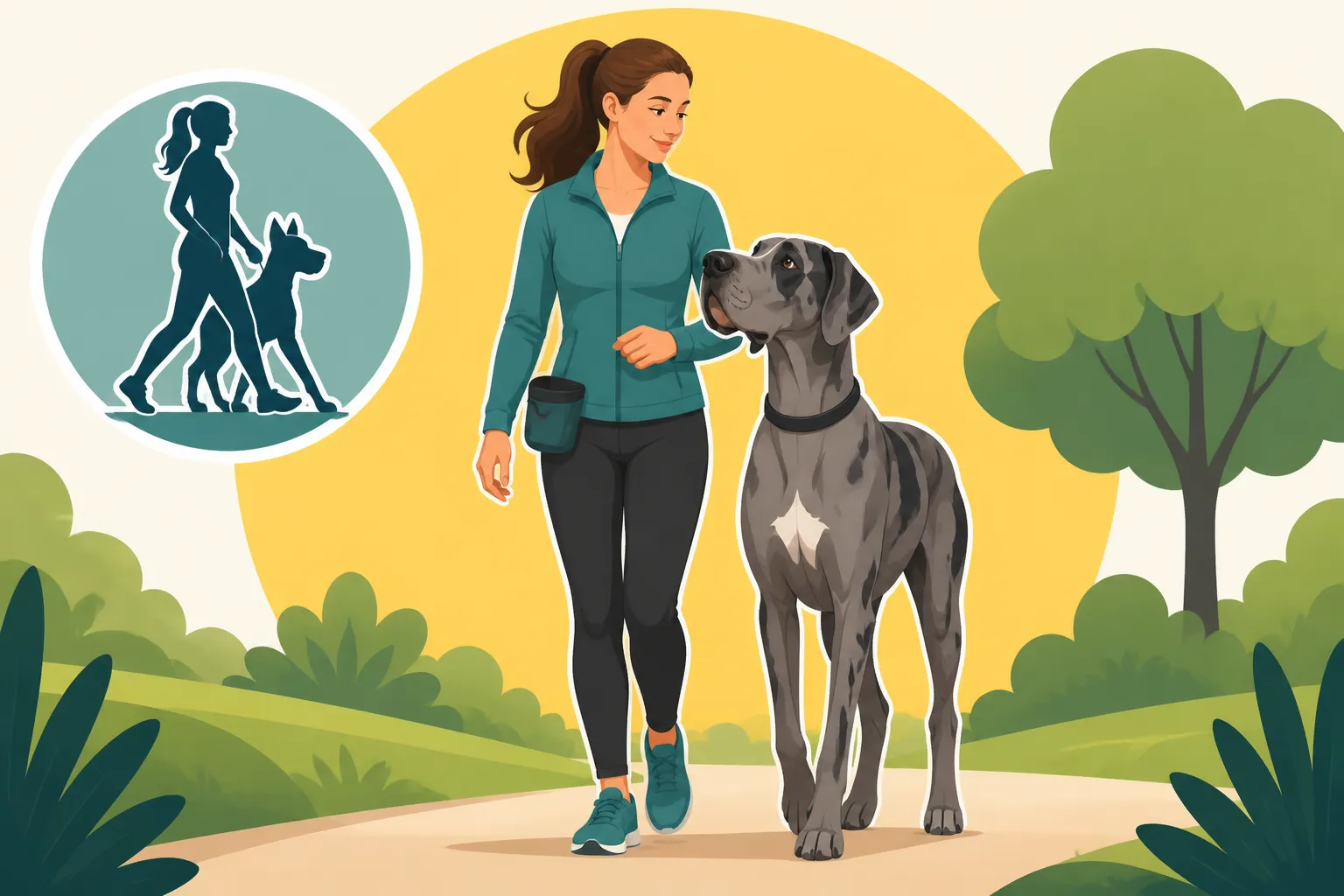
Teaching your Great Dane to heel takes dedication, but the reward of a calm, enjoyable walk together is immeasurable. You'll build a stronger bond and ensure both of you can safely enjoy the world outside your door.
Disclaimer
This article is for general informational purposes only and does not constitute professional advice. Laws, prices and regulations vary by location and change over time. Consult a qualified professional for guidance on your specific situation.