Great Danes and Small Dogs Playing Together
Bringing a majestic Great Dane into a home that already cherishes a pint-sized pup can feel like managing a gentle giant in a china shop. The sheer difference in size often sparks anxiety about accidental injury, leaving many wondering if safe, joyful cohabitation and play are even possible. This guide aims to ease those worries by exploring how to successfully integrate Great Danes and small dogs, focusing on supervised play and harmonious living for all, ensuring both canine companions thrive.
The Gentle Giant Paradox: Great Danes and Their Temperament
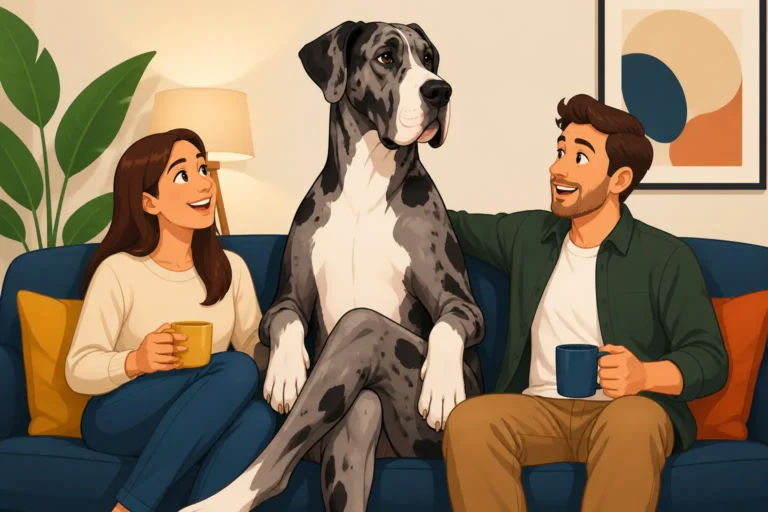
Great Danes are renowned for their "gentle giant" demeanor, a nickname they've earned through their typically calm, patient, and affectionate nature. They often seem acutely aware of their immense size, especially around humans and smaller animals they've grown up with. However, this inherent gentleness doesn't erase the physical realities of owning a dog that can weigh over 150 pounds and stand taller than most people on its hind legs. Understanding their natural tendencies and potential challenges is the first step in fostering safe interactions with smaller dogs.
Innate Gentleness Versus Accidental Bumps
It’s true that many Great Danes are incredibly tolerant and gentle. You’ll often see videos of them carefully interacting with kittens or tiny puppies, seeming to instinctively pull their punches, so to speak. This isn't just wishful thinking on the part of owners; it's a genuine characteristic for many individuals within the breed. They often move with a surprising grace for their size when they are actively trying to be careful. However, even the most well-meaning Dane can have an accidental moment. A sudden turn, an excited head toss, or a clumsy stumble can easily send a smaller dog sprawling, potentially causing injury. It’s not malice, it’s simply physics.
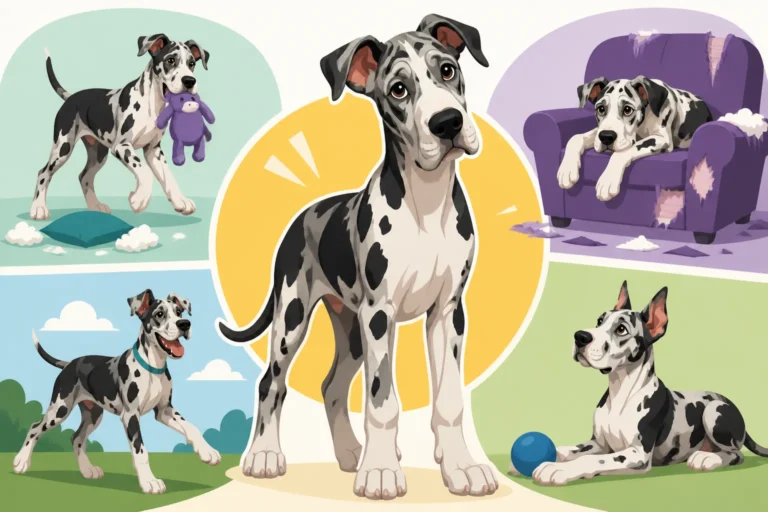
Moreover, their sheer power can be overwhelming even when they're not intending to play rough. A happy tail wag from a full-grown Great Dane can clear a coffee table in a single sweep, and imagine what that same tail could do to a small dog standing too close. Their enthusiasm can manifest as exuberance, especially in younger, still-growing Danes, who haven't quite mastered their massive bodies. This is why it's so important to remember that while the intent is gentle, the impact can still be significant if not managed. Learning The Gentle Great Dane Temperament and Its Limits is crucial for all owners.
The Role of Socialization in Temperament Development
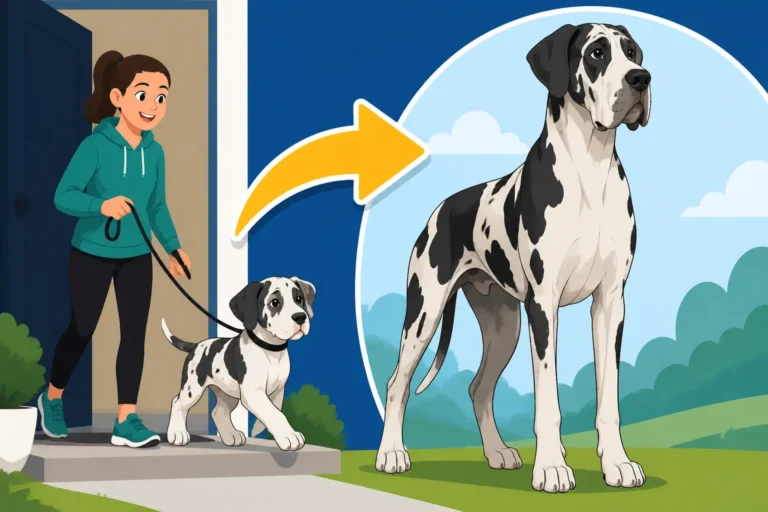
While a gentle nature is often characteristic, it's not a given. Like any dog breed, a Great Dane's temperament is heavily influenced by early socialization and training. A well-socialized Great Dane puppy, exposed positively and safely to various sights, sounds, people, and other dogs (including small ones) from a young age, is far more likely to develop into a confident, calm, and well-adjusted adult. Without proper socialization, even a breed known for its gentleness can become fearful, anxious, or even reactive, which greatly increases the risk of negative interactions, regardless of size.
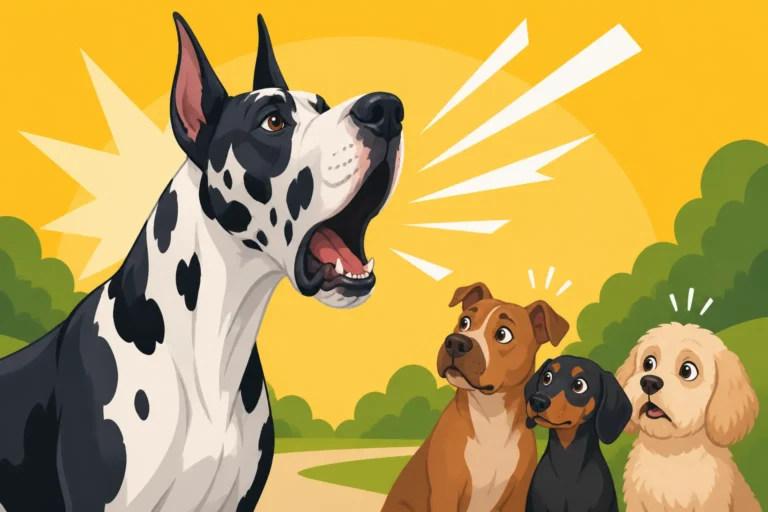
Think of it this way: a confident Great Dane is less likely to feel threatened by a tiny, yappy terrier and more likely to ignore or gently investigate it. An anxious or poorly socialized Dane, however, might react defensively to a small dog's frantic energy or high-pitched barks. Therefore, investing in Socializing a Great Dane Puppy Early is paramount, not just for their own well-being, but for the safety and comfort of any smaller dogs they might encounter, whether in your home or out in the world. Puppy classes can be a fantastic resource for this, teaching them appropriate interactions in a controlled setting.
Navigating the Size Difference: Risks and Responsibilities
The obvious elephant in the room (or rather, the Great Dane in the living room) when pairing a large dog with a small one is the vast size difference. This isn't merely an aesthetic contrast; it introduces genuine risks that demand vigilant management and responsible ownership. Understanding these risks isn't about fostering fear, but about empowering you to create the safest possible environment for all your dogs.
Identifying Potential Dangers During Play
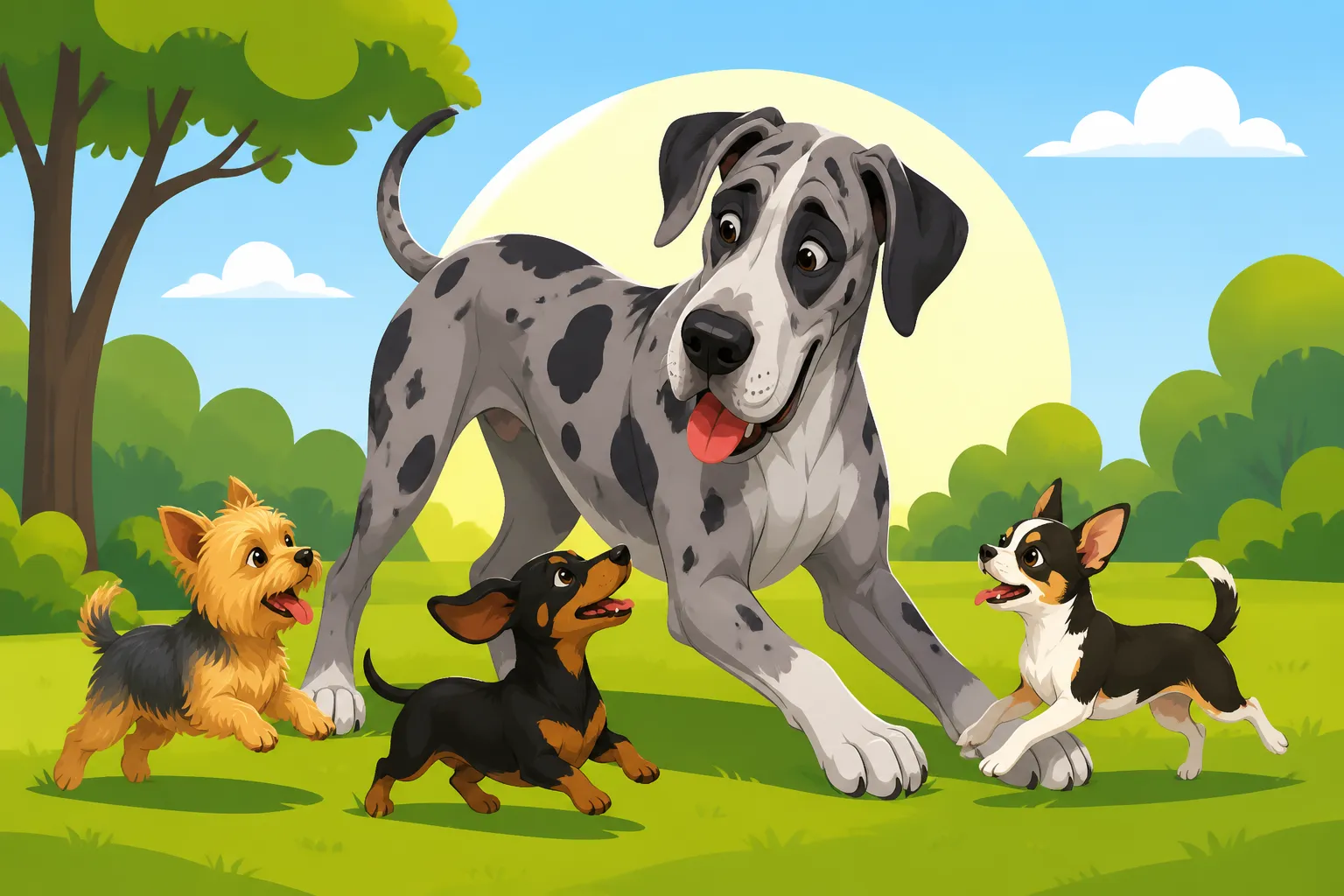
Even with the best intentions, play between a Great Dane and a small dog carries inherent risks. A Dane's larger skull, heavier paws, and broader body can unintentionally cause injury. A simple headbutt during enthusiastic wrestling could be a minor annoyance for another large dog, but a serious concussion for a Chihuahua. A playful pounce that seems soft to the Dane could easily crush a small dog. Their play styles are often different too; Great Danes might enjoy full-body contact, pushing, and chasing, while small dogs might prefer quick nips, darting, and less physically demanding games.
Furthermore, a Great Dane's mouth is designed to hold large prey, and while they may never intend to bite a small dog, even a playful grab can result in severe punctures or crushing injuries due to their sheer jaw strength. It's a sobering thought, but one that responsible owners must consider. This is why Whether a Great Dane Hurts a Small Dog by Accident is a very real concern, and why supervision is not just a suggestion, but a necessity during any shared activity, especially in the early stages of their relationship. We have to be their guardians, constantly assessing the energy and interaction levels.
The Critical Role of Constant Supervision
Given these risks, constant, active supervision is non-negotiable when a Great Dane and a small dog are together, especially during play. This doesn't mean just being in the same room scrolling through your phone; it means actively observing their interactions, reading body language, and being ready to intervene at a moment's notice. Look for signs of stress in either dog: flattened ears, lip licking, yawning, stiff body language, or a smaller dog repeatedly trying to disengage.
Supervision allows you to redirect overly enthusiastic play, create necessary breaks, and prevent situations from escalating. This might mean using verbal cues like "easy" or "gentle," or physically separating them with a "break" command. Heavy-duty baby gates, readily available on Amazon, can be invaluable tools for creating controlled environments, allowing dogs to see and smell each other without direct physical interaction during initial phases or when you need a moment without direct supervision. Remember, it's about setting them up for success, not just hoping for the best.
Mastering Safe Introductions and Supervised Play
Successfully integrating a Great Dane and a small dog isn't about luck; it's about a strategic, patient approach to introductions and a commitment to structured, supervised playtime. Rushing these steps can lead to stress, fear, and potentially dangerous situations for both dogs. Building a foundation of trust and respect takes time, consistency, and a keen understanding of canine behavior.
Controlled First Meetings
The very first meeting between a Great Dane and a small dog should always be managed with extreme care. Think neutral territory if possible, or at least a controlled, quiet space in your home. Both dogs should be on leashes, handled by calm, confident individuals. Avoid chaotic, high-energy greetings. Instead, aim for brief, positive exposures. Allow them to sniff each other, perhaps through a baby gate or from a distance, with plenty of positive reinforcement for calm behavior. Keep these initial sessions short and sweet, ending on a positive note before either dog becomes overwhelmed.
It's often helpful to allow them to spend time in separate, but adjacent, areas of the house. This allows them to become accustomed to each other's scent and sounds without the pressure of direct interaction. Gradually increase proximity, always ensuring escape routes and safe spaces are available for the smaller dog. Remember, the goal is to build comfort and curiosity, not force a friendship. Some dogs become best friends instantly, others might take weeks or even months to simply tolerate each other's presence. There is no set timeline, so be patient.
Teaching Appropriate Play Behavior
Once initial introductions are successful, the next step is teaching both dogs how to play together safely. This largely falls on us, the owners, to set the rules and expectations. For the Great Dane, this means reinforcing gentle behavior. Use toys that are large enough not to be a choking hazard for the Dane, but not so large or hard that they could injure the small dog if accidentally dropped or thrown. Interactive toys, like puzzle feeders or soft tug ropes, can encourage shared engagement without direct physical contact initially.
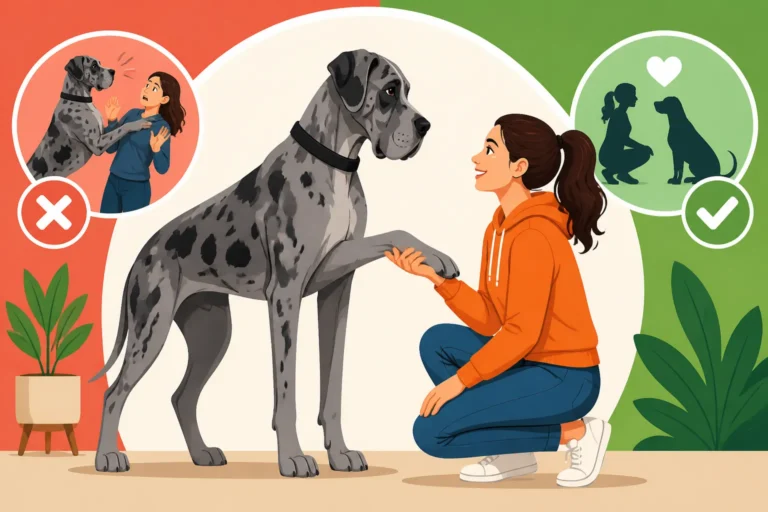
If a Great Dane tends to play too rough, intervene immediately with a calm interruption. Use commands like "off," "gentle," or "easy," and reward them heavily when they respond appropriately. Consider enrolling in advanced obedience classes, such as those offered virtually by BAXTER & Bella, which can help reinforce critical commands like "leave it" or "stay" that are invaluable for managing play dynamics. Their programs often focus on practical applications in real-life home settings, which is exactly what you need when you're dealing with such a size disparity. Remember that Why Great Dane Training Cannot Wait is vital, especially when living with smaller companions.
Structured Play Sessions and Knowing When to Stop
All play sessions between a Great Dane and a small dog should be structured and limited. Start with very short intervals, maybe just a few minutes, and gradually increase duration as both dogs demonstrate consistent, safe behavior. Always have an end-point in mind, stopping before either dog becomes over-stimulated or fatigued. Look for signs that play is becoming too intense: the Great Dane ignoring the small dog's signals to stop, the small dog repeatedly trying to escape, or excessive vocalization from either side.
A great way to manage this is to use a "reset" command. If play gets too wild, call both dogs to separate "place" mats, like those you might find with sturdy, washable covers on Amazon. Teaching a Great Dane a Place to Settle is an excellent way to calm them down and encourage independent relaxation, giving them a moment to de-escalate before re-engaging, or ending the session altogether. This teaches them that play is a privilege that can be paused or stopped if boundaries are crossed, helping them learn self-control.
Here's a quick guide to toy selection for mixed-size play:
| Toy Type | Great Dane Suitability | Small Dog Suitability | Combined Play Potential |
|---|---|---|---|
| Soft Plush | Usually too small, easily destroyed, choking hazard. | Great for cuddling, gentle chewing, fetch. | Low. Dane might rip apart, small dog could get tangled. |
| Hard Rubber Ball | Excellent for fetch, chewing, durable. | Good for fetch, chasing, some gentle chewing. | Medium. Ensure size is safe for both (too big for small to choke, too small for Dane to swallow). |
| Rope Tug Toy | Strong enough for vigorous tugging. | Smaller versions for light tugging. | Low. Dane's strength can injure small dog during tug. |
| Interactive Feeder | Large, durable puzzles for mental stimulation. | Smaller, lighter puzzles for mental engagement. | High. Encourages independent, calm engagement side-by-side. |
| Large Chew Bone | Durable, appropriate for strong chewers. | Can be too hard, heavy, or cause dental issues. | Low. Best given separately to avoid resource guarding. |
Cultivating Harmony: Long-Term Strategies for Mixed-Size Homes
Living harmoniously with dogs of vastly different sizes is an ongoing journey that requires commitment to management, continued training, and a deep understanding of each dog's individual needs and personalities. It’s not just about surviving, but about creating an environment where both your Great Dane and your smaller companion can truly thrive, feeling safe and cherished.
Ensuring Separate Safe Spaces
Even in the most integrated households, it's absolutely vital for each dog to have its own sanctuary. This means a crate, a designated bed in a quiet corner, or even an entire room where they can retreat without interruption. For a small dog, this might be a raised bed or a crate elevated out of a Great Dane's casual reach, ensuring they have an escape from over-enthusiastic greetings or clumsy movements. This also applies when the Great Dane needs its own quiet time, perhaps after a long walk or when settling down for a nap.
These safe spaces are crucial for preventing stress and allowing downtime. It ensures that neither dog feels constantly on guard or overwhelmed by the other's presence. Using gates or playpens to partition areas of your home can facilitate this, providing visual and physical separation when needed. This is particularly important during feeding times to prevent resource guarding, and when you can’t actively supervise, like when you leave the house or overnight. Remember that Crates and Gates Sized for a Great Dane are designed for this exact purpose, offering robust solutions.
Continued Training and Management
The work doesn't stop once your dogs are introduced. Lifelong training and consistent management are the bedrock of a successful multi-dog household. This means regularly practicing obedience commands with both dogs, individually and together. Reinforce "sit," "stay," "leave it," and "come" often. For your Great Dane, specific commands like "gentle" or "place" become even more critical when a smaller dog is around. Continuing education, even if it's just refreshing skills with virtual resources like BAXTER & Bella's training videos, keeps everyone sharp.
Management also involves actively preventing situations where problems could arise. This means leashing both dogs when guests arrive if the Dane tends to get overly excited. It means always supervising meal times and preventing resource guarding over toys or sleeping spots. It means understanding that sometimes, the best way for them to coexist peacefully is to engage in separate activities or have dedicated one-on-one time with you. Your goal is to be a proactive leader, anticipating potential issues before they become actual problems, which is part of What Great Dane Owners Wish They Had Taught Sooner.
Understanding Individual Personalities and Needs
Ultimately, successful cohabitation hinges on recognizing and respecting the unique personalities and needs of each dog. Is your small dog naturally confident or more timid? Does your Great Dane have a particularly clumsy streak, or are they incredibly self-aware? Some small dogs might actually instigate play with the Dane, while others might prefer to be left alone. Similarly, some Danes might genuinely enjoy a gentle romp with a small dog, while others might simply tolerate their presence.
Observing their interactions without projecting human emotions onto them is key. Does one dog consistently try to avoid the other? Does one show signs of stress or fear? Be honest with yourself about their comfort levels. If genuine friendship doesn't blossom, that's okay. The goal is respectful coexistence and safety, not necessarily best friends forever. Providing separate enrichment, walks, and cuddle times ensures that each dog feels seen, loved, and secure in their home, regardless of their bond with the other canine resident. A Great Dane That Is Anxious Rather Than Gentle might need extra support to ensure they don't accidentally intimidate a smaller housemate.
Disclaimer
This article is for general informational purposes only and does not constitute professional advice. Laws, prices and regulations vary by location and change over time. Consult a qualified professional for guidance on your specific situation.