Whether a Great Dane Chases Cats
The question of whether a Great Dane will chase cats is one that weighs heavily on the minds of many prospective and current Dane owners, and it's a completely valid concern. You're bringing a giant breed, often bred with a history of hunting, into a home where a much smaller, faster, and often skittish creature lives. The potential for conflict, or even accidental injury, is very real, and navigating these introductions successfully requires understanding your Dane's natural instincts, implementing smart training, and setting up your home for success. This guide will walk you through everything you need to know about Great Danes and their feline housemates.
Understanding the Great Dane's Natural Instincts Toward Cats
It’s easy to look at a Great Dane lounging on the couch, all gentle and cuddly, and forget their ancestral roots. They are, after all, still dogs, and dogs possess instincts that, while tempered by domestication, can surface in unexpected ways.
The Prey Drive Spectrum in Great Danes
Believe it or not, Great Danes weren't originally bred to be the sofa-snoozing gentle giants we adore today. Their lineage traces back to formidable "boar hounds," powerful dogs used to hunt large, dangerous game like wild boar. This means that, deep within their DNA, Great Danes do possess a degree of prey drive. Now, don't panic – this doesn't automatically mean your Dane will view your tabby as a miniature boar to be tracked and caught! However, it does mean that the instinct to chase something small and fast is present in varying degrees among individuals.
Some Great Danes might have a very low prey drive, hardly noticing a squirrel in the yard, while others might become intensely focused on any critter that moves quickly. This spectrum is why you can't make a blanket statement about all Danes. A dog might exhibit this drive by chasing after a ball with relentless enthusiasm, or by intently following a rabbit that hops across the lawn. The challenge lies in managing this natural inclination when it comes to your beloved cat, whose sudden movements can inadvertently trigger that chase response. It's not usually malicious; it's often a deeply ingrained, almost automatic reaction to movement.
Size Disparity and Perceived Threat
This is where the Great Dane's impressive size really comes into play. Even if your Dane has no intention of harming your cat, their sheer mass and power mean that a playful chase or an accidental bump can have serious consequences for a much smaller, more delicate feline. Imagine a toddler trying to "play" with a delicate antique vase; they don't mean to break it, but their lack of understanding of their own strength can lead to disaster. It's similar with a Great Dane and a cat.
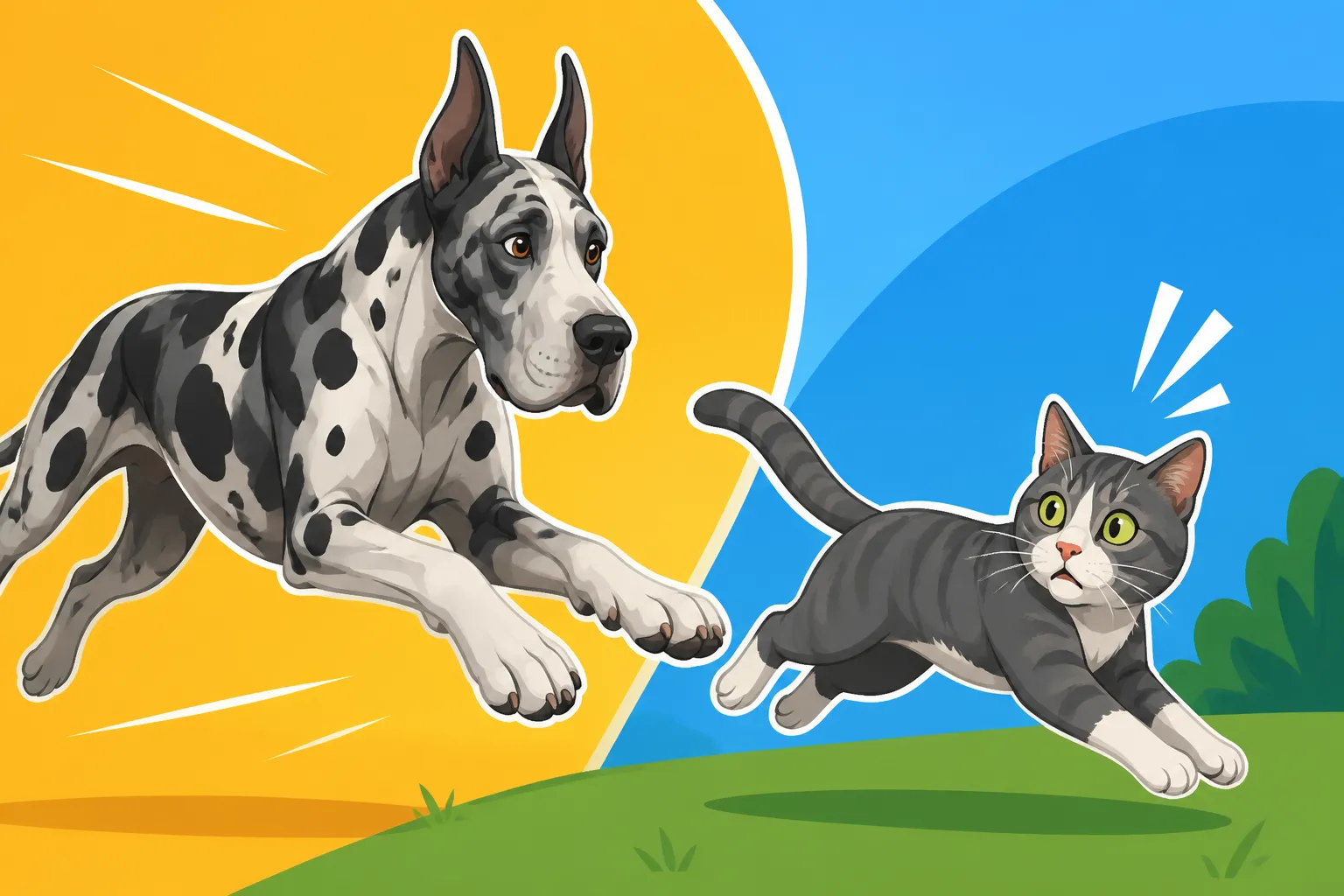
A cat’s natural defense mechanisms—hissing, swatting, running—can also be misinterpreted by a dog. To a cat, running away is self-preservation. To a dog with a developing prey drive, a fleeing animal can simply intensify the urge to pursue. What starts as a playful, if clumsy, chase can quickly escalate if the cat feels cornered or threatened, leading to fear and stress for both animals. It's a delicate balance, and understanding that the Dane's "play" can be the cat's terror is key to managing their interactions. This is why supervision and controlled introductions are absolutely non-negotiable, especially in the early stages.
Training and Socialization for Great Danes and Cats
Successful cohabitation between a Great Dane and a cat isn't just about hoping for the best; it's about intentional training and proactive socialization. Without these crucial steps, you're leaving too much to chance, and that can be a recipe for stress, or worse, for both your pets.
Early Introduction and Supervised Interactions
The golden rule for integrating Great Danes and cats is early, positive, and controlled introductions. If you’re bringing a Great Dane puppy into a home with an existing cat, you have a fantastic window of opportunity. Puppies are generally more adaptable and impressionable, and a young Great Dane puppy's experiences with a cat will heavily influence their adult behavior. Start slow. Keep your Great Dane puppy on a leash during initial interactions, even if they seem calm. This allows you to gently correct any unwanted behaviors, like lunging or excessive curiosity, and prevent a chase from ever starting.
Make sure your cat always has an escape route—a cat tree, a high shelf, or another room they can easily access without being blocked by the much larger dog. These sessions should be short, positive, and always supervised. Reward your Dane for calm behavior around the cat with treats and praise. The goal is for your Dane to associate the cat's presence with good things, not with excitement or chase. Conversely, ensure your cat has positive experiences too, and isn't constantly stressed by the puppy's presence. Remember, Socializing a Great Dane Puppy Early is vital for all aspects of their behavior, including how they interact with other household pets. A single negative or scary encounter for either animal can create a lasting fear or aggression issue that is much harder to undo.
A fantastic resource for puppy training, especially when tackling early socialization and manners, can be found through structured online programs like BAXTER & Bella. They offer comprehensive guides that help you lay the groundwork for a well-behaved dog, which is paramount when introducing them to other pets in the home.
Impulse Control and "Leave It" Commands
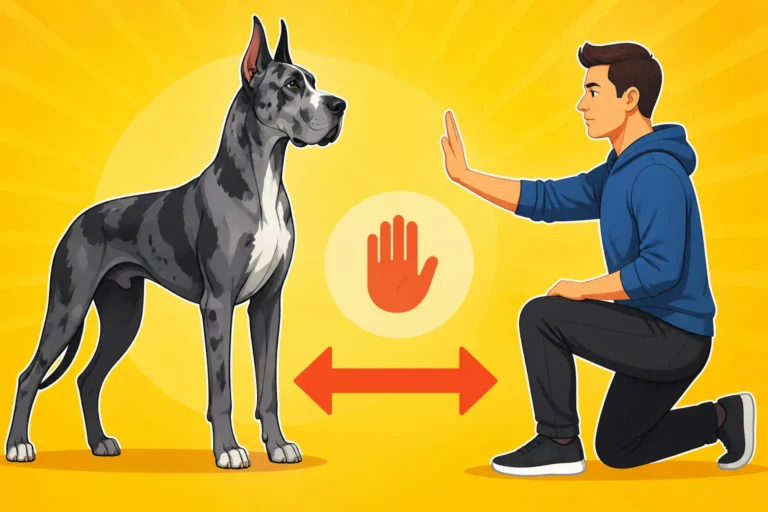
The single most important command you can teach your Great Dane when living with a cat is "leave it." This command is about impulse control, teaching your dog to disengage from something tempting. Imagine your cat zipping across the living room floor. Your Great Dane's natural instinct might be to give chase. A rock-solid "leave it" can literally be a lifesaver. Start practicing this command in low-distraction environments, using treats or toys that your Dane finds mildly interesting. Once they consistently understand "leave it" with these items, gradually increase the distraction.
You might place a toy on the ground and tell them "leave it" as you walk by, rewarding them for ignoring it. Eventually, you'll need to work up to using the cat as the "distraction," but only when you're confident in your Dane's ability to respond. This means having your Dane on a leash, with the cat at a safe distance, and practicing the command, rewarding calm observation, not interaction. Consistency is key here. Every time your Great Dane successfully leaves the cat alone, even if just for a moment, reinforce that behavior with praise and a high-value treat. Mastering The Manners a Great Dane Needs Before It Grows includes these crucial impulse control commands. This diligent training will pay dividends in preventing unwanted chases and establishing a peaceful household.
Creating Safe Zones for Cats
No matter how well-trained your Great Dane is, your cat needs to feel safe and have areas where they can completely escape from the dog. This isn't just about preventing physical harm; it's about reducing stress for your feline companion. Cats are territorial and enjoy vertical spaces, and providing these exclusive zones will give them much-needed peace of mind.
Think about tall cat trees, wall-mounted shelves, or even rooms where the Great Dane is not allowed. Baby gates are fantastic for this purpose, but they need to be the kind that a Great Dane cannot simply step over or easily push down. You can often find options on Amazon that are extra tall or extra wide to accommodate a giant breed. Position them strategically to allow the cat to slip underneath or through a small opening, while blocking the Dane. This also applies to feeding areas. Feeding your cat on a high counter, a shelf, or in a separate room ensures they can eat without feeling threatened or having their food stolen by a hungry Dane. Great Danes are notorious for counter-surfing, so teaching them A Great Dane That Takes Dinner Off the Table and Why a Great Dane Steals Food Off Counters is important not just for human food, but for cat food safety too.
Managing a Multi-Pet Household with a Great Dane and Cats
Once you've laid the groundwork with training and early socialization, ongoing management is crucial for maintaining a peaceful multi-pet home. It’s not just about stopping bad behaviors; it’s about fostering an environment where both your Great Dane and your cats can thrive.
Establishing Clear Boundaries
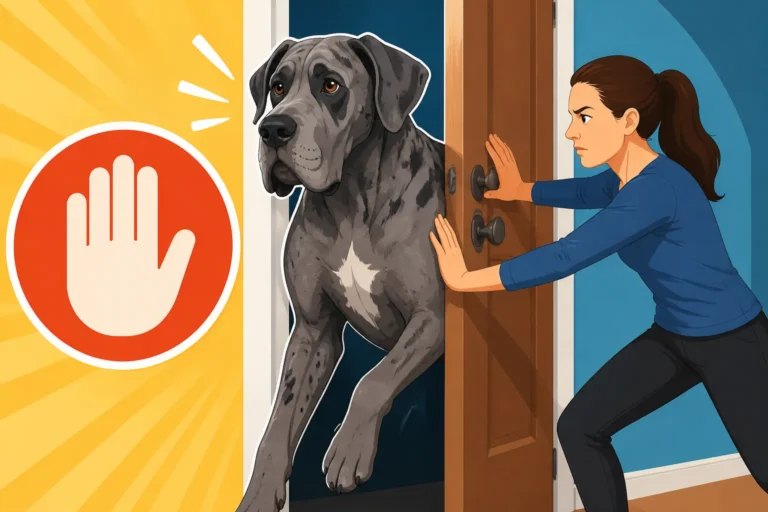
Setting clear boundaries for your Great Dane is paramount in a mixed-species household. This isn't about punishment; it's about teaching your Dane where they are allowed and, more importantly, where they are not. For instance, specific rooms can be designated as "cat-only" zones, even if just temporarily, to give your feline friends a break. You might use baby gates that are robust enough that Baby Gates a Great Dane Cannot Step Over to block doorways, allowing the cat free passage while keeping the Dane out. These gates are easily found on platforms like Amazon, often with extensions for wider openings.
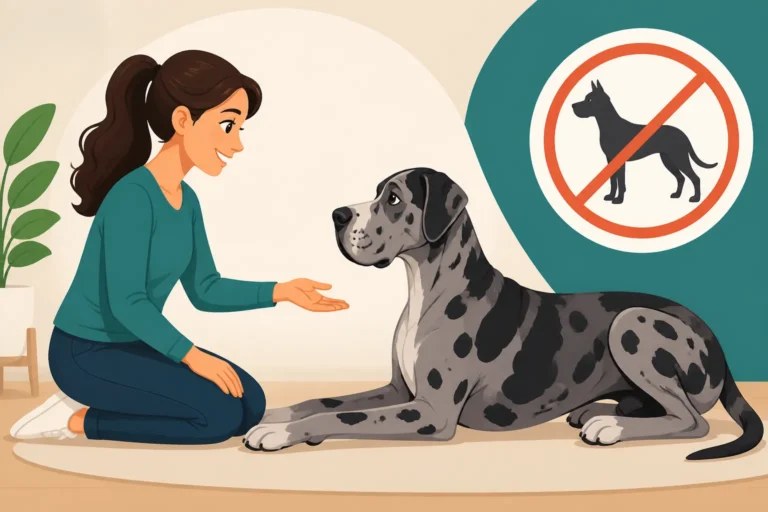
Another effective strategy is teaching your Dane a "place" command. This involves sending your dog to a designated bed or mat and having them stay there calmly, even when there are distractions like a cat walking by. This provides an excellent management tool, allowing you to control your Dane’s location and prevent impulsive chasing. Consistency is everything here. Every family member needs to enforce these boundaries consistently, so your Great Dane understands what’s expected of them at all times. This commitment to clear rules helps everyone, furry and human, live together more harmoniously.
Exercise and Mental Stimulation for the Great Dane
A bored Great Dane with pent-up energy is much more likely to seek out their own entertainment—and that entertainment can often involve chasing the cat. Regular, appropriate exercise and plenty of mental stimulation are non-negotiable for a well-behaved Great Dane in any household, but especially one with cats. Exercise doesn't just mean physical activity; it also means engaging their minds.
Daily walks, tailored to their age and physical development, are essential. Remember to be mindful of Exercise Limits While a Great Dane Is Still Growing as over-exercising a growing Dane can be detrimental to their joints. Even for adults, understand How Much a Growing Great Dane Should Walk to ensure they are adequately tired. Beyond physical exertion, incorporate mental games. Puzzle feeders, scent work, and regular short training sessions where you practice commands or teach new tricks can burn just as much energy as a long walk. A Great Dane whose needs are met physically and mentally is generally calmer, more settled, and far less likely to become fixated on the cat as a source of amusement. This holistic approach to their well-being is a cornerstone of preventing unwanted chase behaviors.
Recognizing and Addressing Warning Signs
Learning to read your Great Dane’s body language is critical for intervening before a chase or an unwanted interaction even begins. Dogs often give subtle cues before they act. Look for signs like a stiff body, a low head carriage, a fixed stare on the cat, creeping movements, or even a soft growl. These are all indications that your Dane might be shifting from calm coexistence to a heightened state of interest or prey drive.
When you observe these warning signs, immediate, calm intervention is necessary. This might mean verbally redirecting your Dane with a "leave it" command, luring them away with a treat, or quietly separating the animals into different rooms. The key is to interrupt the behavior before it escalates, preventing both physical harm and the reinforcement of an unwanted habit. If your Dane continually struggles to disengage or shows increasing intensity towards the cat despite your best efforts, it might be time to seek guidance from a professional dog trainer or a veterinary behaviorist. They can offer tailored strategies and help you assess whether the dynamic is truly manageable or if further steps need to be considered for everyone's safety and well-being.
When Integration Isn't Possible: Long-Term Solutions
While many Great Danes and cats can learn to coexist peacefully with proper training and management, it's important to acknowledge that sometimes, despite your best efforts, true harmony isn't achievable. In these situations, prioritizing the safety and well-being of all pets is paramount.
Realistic Expectations and Safety First
It’s incredibly tough to admit when a situation isn't working out, especially when you've invested so much time and love. However, holding onto unrealistic expectations can lead to chronic stress for both your Great Dane and your cat, and even potential injury. A dog that consistently fixates on, chases, or shows signs of aggression towards a cat, despite consistent training and management, is a serious concern. Conversely, a cat living in constant fear will suffer from chronic stress, which can lead to behavioral problems or health issues.
Your primary responsibility as a pet owner is to ensure the safety and quality of life for all animals under your care. If you find yourself constantly mediating conflicts, if either animal is visibly stressed, or if there's been an incident where the cat was injured (even accidentally), it's crucial to step back and re-evaluate. Sometimes, the most empathetic choice, as heartbreaking as it might be, is to explore alternative living arrangements for one of the pets. This is not a failure on your part, but a courageous decision to put their well-being first.
Permanent Separation Strategies
If full integration isn't possible, but rehoming isn't an option you're ready to consider, permanent separation within the home can be a viable, albeit demanding, solution. This means structuring your living space and daily routine so that the Great Dane and the cat are never unsupervised together and often occupy different areas. This might involve setting up "shift" schedules where one pet has free roam while the other is confined, or designating specific parts of the house for each animal with physical barriers in place.
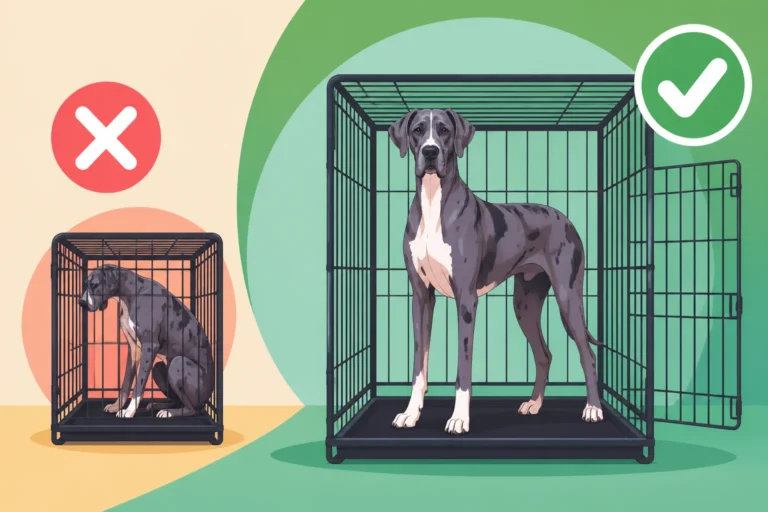
Crates can become an invaluable tool in these scenarios. Investing in Choosing a Crate a Great Dane Can Stand In and ensuring it's comfortable can provide a safe, personal space for your Dane when you can't actively supervise interactions. Similarly, robust Crates and Gates Sized for a Great Dane can be used to divide rooms or create safe havens for your cat. This approach requires significant dedication and careful planning to ensure both animals still receive adequate attention, exercise, and enrichment. It also means being vigilant about securing doors, gates, and ensuring no accidental encounters occur. While challenging, living with permanently separated pets allows both to stay in your home and still enjoy a good quality of life, even if their interactions are limited or non-existent.
| Consideration | Early Great Dane Puppy Introduction (Ideal) | Introducing Great Dane to Adult Cat (Moderate Challenge) | Introducing Great Dane with High Prey Drive to Any Cat (High Challenge) |
|---|---|---|---|
| Dane's Age | 8-16 weeks (puppy) | Adult Great Dane (any age) | Any age, if prey drive is strong |
| Cat's Temperament | Confident, dog-savvy cat preferred, but adaptable cat can work. | Confident, dog-savvy cat is crucial. | Extremely tolerant, highly confident cat, or none. |
| Primary Approach | Positive socialization, exposure, impulse control training. | Slow, controlled introductions, strict management, boundary setting. | Strict, permanent separation; potentially no direct interaction. |
| Key Training Focus | "Leave it," "recall," calm manners around cat. | "Leave it," "place," boundary training, rewarding calm disinterest. | Advanced impulse control, management of drive, focus on redirection. |
| Home Modifications | Cat escape routes, high perches, separate feeding areas. | Extensive cat-safe zones, baby gates, secure feeding areas, vertical spaces. | Dedicated separate living spaces, crates, secure barriers. |
| Supervision Level | Constant supervision initially, gradually decreasing with trust. | Very high, consistent supervision indefinitely. | No unsupervised time together, ever. |
| Potential Risks | Accidental puppy play too rough, cat scratching puppy. | Stress for cat, accidental injury from Dane's size, chase behaviors. | Severe injury to cat, chronic stress for both pets, potential aggression. |
| Likelihood of Success | High with consistent effort. | Moderate to good, requires significant owner commitment. | Low for integration; higher for managed, separate coexistence. |
Disclaimer
This article is for general informational purposes only and does not constitute professional advice. Laws, prices and regulations vary by location and change over time. Consult a qualified professional for guidance on your specific situation.