A Great Dane That Fears the Groomer
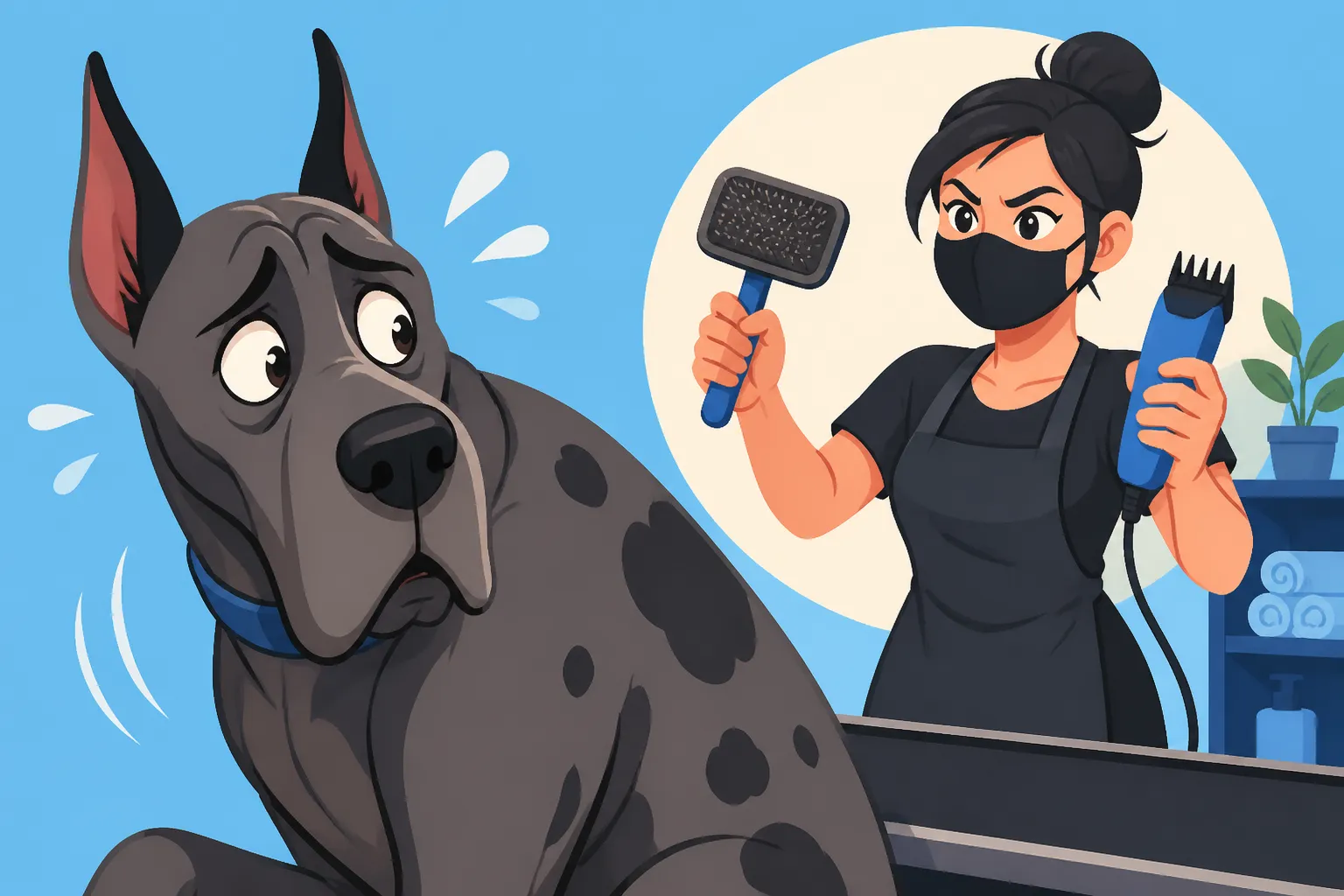
It’s incredibly disheartening when your magnificent Great Dane, a true gentle giant, turns into a quivering mess at the mere sight of nail clippers or the sound of running water in the tub. You love your dog, and you certainly don't want to cause them distress, but regular grooming is essential for their health and hygiene. This guide is here to walk you through understanding why your Great Dane might be so afraid of grooming and, more importantly, how you can help them become more comfortable, making the whole experience less stressful for everyone involved.
Why Your Great Dane Might Be Afraid of Grooming
The sheer size of a Great Dane means everything is amplified – their reactions, their strength, and their potential for fear. What might be a minor inconvenience for a smaller dog can become an epic struggle for a Dane, making grooming a dreaded event for both owner and dog. It's not about being "stubborn" or "naughty"; often, it stems from deep-seated fear or past negative experiences.
The Impact of Early Experiences and Lack of Socialization
Just like people, dogs form strong impressions from their early experiences. If a Great Dane puppy had a startling or painful encounter with grooming, such as a quicked nail or an uncomfortable bath, that memory can stick. For such a sensitive breed, one bad experience can create a lasting aversion. This is especially true if they weren't exposed to grooming tools and handling in a positive way during their critical socialization period. A lack of early, gentle exposure to having their paws touched, ears cleaned, or brushes run over their body can leave them unprepared and terrified when these tasks become necessary later on. Think about how important it is for a young Great Dane to get used to being handled generally; grooming is just one facet of that. Getting a Great Dane Puppy Used to Handling is a crucial step in preventing these fears.
Furthermore, some Great Danes are naturally more reserved or anxious. A new environment, strange smells, or unfamiliar people in a grooming salon can be overwhelming for them, especially if they haven't been adequately socialized to various sights and sounds as a youngster. Their size, while impressive, doesn't always translate to bravery, and often, it just means their fear has a bigger, stronger outlet.
Sensory Overload and Physical Discomfort
Grooming involves a barrage of sensory input that can be genuinely unpleasant for a sensitive dog. The whirring sound of clippers, the loud rush of water, the unfamiliar feeling of shampoo, the sensation of brushing on sensitive skin – all of these can contribute to sensory overload. Imagine being a huge dog, already feeling vulnerable, and then having loud, vibrating tools used all over your body. It's a lot to process.
Beyond the sensory aspect, physical discomfort can play a huge role. Perhaps they have an underlying joint issue that makes standing for long periods painful, or a skin irritation that makes brushing uncomfortable. For a dog prone to issues like Great Dane Hips, Elbows and Growing Joints, being manipulated or held in certain positions could be genuinely painful, triggering fear responses that are entirely rational from their perspective. Even the temperature of the water during a bath or the slippery surface of a tub can cause anxiety. They might struggle to maintain balance, leading to a frantic attempt to escape, which can then be misread as aggression when it's really panic.
Creating a Positive Grooming Experience at Home
Helping your Great Dane overcome their fear of grooming starts with a patient, consistent, and positive approach, often beginning in the comfort of your own home. The goal is to change their emotional association with grooming from scary to pleasant.
Desensitization and Counter-Conditioning
This is the cornerstone of helping a fearful Great Dane. Desensitization means gradually exposing your dog to the grooming stimulus (e.g., clippers, brush, water) at such a low intensity that they don't react negatively. Counter-conditioning means pairing that low-intensity stimulus with something your dog absolutely loves, like high-value treats or gentle praise, to create a positive association.
Here’s a basic breakdown for a typical grooming task like nail trims:
- Introduce the Tool Visually: Start by simply having the clippers or grinder (a nail grinder might be less intimidating than clippers for some Danes) in the room. Don't touch your dog with it. Just let them see it. When they are calm, reward them with a treat. Repeat this several times a day for a few days. You can find effective, quiet grinders on sites like Amazon.
- Proximity and Sound: Next, place the tool on the floor near your dog. If it's a grinder, turn it on for a second or two, far away from them, and immediately turn it off. Reward calm behavior. Gradually decrease the distance and increase the duration of the sound, always pairing it with treats.
- Touch and Reward: Once they are comfortable with the sound and presence, gently touch the inactive tool to their paw, then immediately give a treat. Work up to touching the active (but still not on the nail) grinder to their paw for a split second, then treat.
- Actual Grooming – One Step at a Time: Finally, attempt one single nail, or just the very tip of one nail. Immediately reward heavily. If they show any signs of stress, stop, take a break, and go back a step. The process is slow, but it's vital for building trust. For many Great Danes, especially those who hate nail trims, Trimming Nails on a Great Dane That Outweighs You offers more detailed strategies.
This method can be applied to bathing, brushing, or any other grooming task. Keep sessions very short – just a few minutes – and always end on a positive note. Never force your Dane or punish them for showing fear; this will only make the fear worse.
Essential Tools and Comfort Measures
Having the right tools designed for giant breeds and creating a comfortable environment can make a world of difference.
- Non-slip surfaces: For baths, a non-slip mat in the tub or shower is non-negotiable. A Great Dane feeling unsteady on slick surfaces will panic.
- High-quality brushes: Invest in brushes that are gentle but effective for their short, dense coat. A soft bristle brush for general brushing and a rubber curry brush can work wonders during baths. Many good options for large dogs are available on Amazon.
- Quiet clippers/grinders: If possible, find nail clippers or grinders known for being quieter. The less noise, the less startling.
- Warm water and gentle shampoo: Ensure bath water is a comfortable temperature, not too hot or too cold. Use shampoos specifically formulated for dogs, preferably tearless for facial washing. For a full guide on bathing a Great Dane at home, refer to Bathing a Great Dane at Home.
- Plenty of treats: High-value treats are your best friend. Small, soft, smelly treats work best for rapid rewarding.
- Supportive bedding: After a bath or a long grooming session, having a comfortable, supportive bed for your Dane to relax on can help them associate the end of grooming with comfort.
Consider enlisting the help of an online training platform, such as BAXTER & Bella, which often provides guidance on desensitization and positive reinforcement techniques that can be adapted for grooming fear. Their structured approach can be incredibly helpful for owners needing step-by-step instructions.
Working with a Professional Groomer
Sometimes, despite your best efforts at home, certain grooming tasks might still be too challenging for you and your fearful Great Dane. That's when a professional groomer can be invaluable, but choosing the right one is critical.
Finding a Fear-Free Groomer
Not all groomers are created equal, especially when it comes to handling giant breeds or fearful dogs. Look for groomers who explicitly advertise "fear-free" or "low-stress" grooming techniques. These professionals are trained to recognize signs of stress in dogs and adjust their approach accordingly.
Here's what to look for:
- Experience with large breeds: Ask specifically about their experience with Great Danes or other giant breeds. They should understand the physical challenges and temperamental nuances of these dogs.
- Patience and Empathy: A good groomer for a fearful Dane will prioritize patience over speed. They should be willing to take breaks, work slowly, and use positive reinforcement.
- Positive Reinforcement Focus: Inquire about their methods. Do they use treats, praise, and gentle handling? Do they avoid force or scolding?
- Limited Restraint: While some restraint might be necessary for safety, an ideal groomer will minimize physical restraint, opting for cooperative care techniques.
- Clean and Calm Environment: Visit the salon. Is it chaotic and noisy, or calm and clean? A busy, loud environment will only heighten a fearful Dane's anxiety.
- Trial Visits: A truly fear-free groomer might suggest "happy visits" where your Dane comes in just to sniff around, get treats, and meet the staff without any actual grooming taking place.
Don't be afraid to interview several groomers. This is your dog's comfort and safety at stake, and a good professional will welcome your questions. You might even consider asking your vet for recommendations, especially if your Dane has specific health concerns like those discussed in Great Dane Hips, Elbows and Growing Joints that could impact grooming comfort.
Preparing Your Dane for the Groomer's Visit
Even with the best groomer, a little preparation from your end can go a long way.
- Continue Home Desensitization: Keep up your positive reinforcement sessions at home, even for tasks the groomer will handle. The more comfortable your Dane is with any form of grooming, the better.
- Practice Handling: Ensure your Dane is comfortable with being touched all over, especially their paws, ears, and muzzle. This familiarity makes the groomer's job much easier. Teaching a Great Dane to Have Its Feet Handled is vital for nail trims, for example.
- Exercise Beforehand: A tired dog is often a calmer dog. Take your Great Dane for a good walk or engage in some mentally stimulating play before their grooming appointment. Just be mindful of Exercise Limits While a Great Dane Is Still Growing for puppies.
- Communicate Everything: Be completely transparent with your groomer about your Dane's fears, triggers, and any previous negative experiences. Share what works and what doesn't work at home. The more information they have, the better equipped they are to help.
- Consider Sedation (Veterinary Supervised): In extreme cases of fear or aggression stemming from fear, discuss with your veterinarian whether mild, vet-prescribed sedation might be appropriate for grooming appointments. This is usually a last resort, but it can sometimes break the cycle of intense fear and allow a positive experience to occur under a controlled state. Remember that Anesthesia Risk in a Great Dane is a consideration even for mild sedation, so it should always be done under veterinary guidance.
Addressing Specific Grooming Challenges
Some grooming tasks present unique hurdles for Great Danes and their owners due to their size and specific breed traits. Let's tackle a few common ones.
Nail Trims: The Big Dread
Nail trims are arguably one of the most feared grooming tasks for many dog owners, and for good reason. A quicked nail is painful, memorable, and can set back progress significantly. For a Great Dane, their large, often black nails can make it hard to see the quick, and their sheer strength makes holding them still a monumental task.
- Grinders vs. Clippers: Many owners find a dremel-style nail grinder less intimidating for their Dane than traditional clippers. The buzzing sound is still a factor, but there's no sharp "snip" that can be startling. Desensitize your dog to the sound and vibration meticulously.
- Frequent, Short Sessions: Instead of one long, stressful session every few weeks, aim for very short, frequent sessions. Even just grinding one nail a day, followed by a jackpot of treats, can keep nails in check and build positive associations.
- "The Peanut Butter Lick Trick": Smear a good dollop of peanut butter (xylitol-free!) on a LickiMat or a sturdy surface they can't easily dislodge. While they're engrossed in licking, you can often get a few nails done. This diverts their attention and creates a positive experience.
- Professional Help: If home attempts consistently lead to high stress, a vet tech or professional groomer skilled in fear-free techniques can often help. They might have specialized tools or a technique that works for your dog.
Bathing the Goliath
Bathing a Great Dane is less like washing a dog and more like washing a pony. Their size means they barely fit in most home tubs, and the process can be messy and intimidating.
- Walk-in Shower or Outdoor Setup: If you have a walk-in shower with a handheld sprayer, this can be a godsend. Otherwise, an outdoor setup during warm weather with a hose sprayer can be effective. Always use warm water.
- Non-Slip Surfaces are Key: As mentioned, a rubber mat is vital. A slippery surface can cause falls, injury, and increased panic.
- Lick Distraction: Again, a LickiMat with peanut butter or cream cheese stuck to the shower wall or tub can be an excellent distraction. Some dogs also find being wrapped in a towel for warmth immediately after the bath very comforting.
- Pre-Bath Brush: A thorough brush before the bath helps loosen dead hair and prevents matting (though Great Danes don't typically mat, it helps with shedding). Great Dane Grooming on a Very Large Short Coat covers more about this.
- Make it Playful: If your Dane enjoys water, turn it into a game. If they're fearful, focus on calm, reassuring praise. Speak in a gentle, low tone.
| Grooming Task | Common Fears/Challenges for Great Danes | Positive Reinforcement Strategies |
|---|---|---|
| Nail Trims | Pain from quicking, loud noise/vibration, being held still | Gradual desensitization to tool, short daily sessions, lick mats, high-value treats |
| Bathing | Slippery surfaces, loud water, being wet, confinement | Non-slip mats, walk-in shower/outdoor setup, warm water, lick distraction, calm praise |
| Brushing | Discomfort from tugging, unfamiliar tool sensation, skin sensitivity | Soft brushes, gentle strokes, pairing with petting, treats, quiet environment |
| Ear Cleaning | Discomfort in ears, unfamiliar sensation of liquid, being held | Gentle handling of ears, introduce cotton ball/wipe first, positive association with ear touch |
| Teeth Brushing | Unfamiliar taste/sensation, mouth sensitivity, restraint | Introduce finger brushing first, flavored toothpaste, short sessions, follow with play |
Ears and Teeth: Often Overlooked but Critical
Many owners focus on the bigger grooming tasks, but ear and dental care are crucial for a Great Dane's overall health and comfort. Ear Cleaning on a Cropped or Natural Great Dane explains the process in detail.
- Ears: Gently touching your Dane's ears regularly, even when not cleaning them, can build tolerance. When cleaning, use a veterinarian-approved cleaner and cotton balls, never cotton swabs that can push debris deeper. Reward immediately after a quick wipe.
- Teeth: Introducing a dog-specific toothbrush and toothpaste (never human toothpaste!) slowly can help. Start by letting them lick the paste off your finger, then gently rub your finger along their gums, eventually graduating to a brush. Make it a routine, even if just for a minute or two, and always follow with a favorite toy or treat. It's an often-asked question: Whether a Great Dane's Teeth Get Brushed at All, and the answer is yes, absolutely!
Remember, consistency is key. A little bit of positive grooming exposure every day or every few days will yield far better results than infrequent, stressful marathon sessions. Your Great Dane trusts you, and with patience and understanding, you can turn grooming from a scary ordeal into a manageable, even pleasant, part of their life.
Disclaimer
This article is for general informational purposes only and does not constitute professional advice. Laws, prices and regulations vary by location and change over time. Consult a qualified professional for guidance on your specific situation.