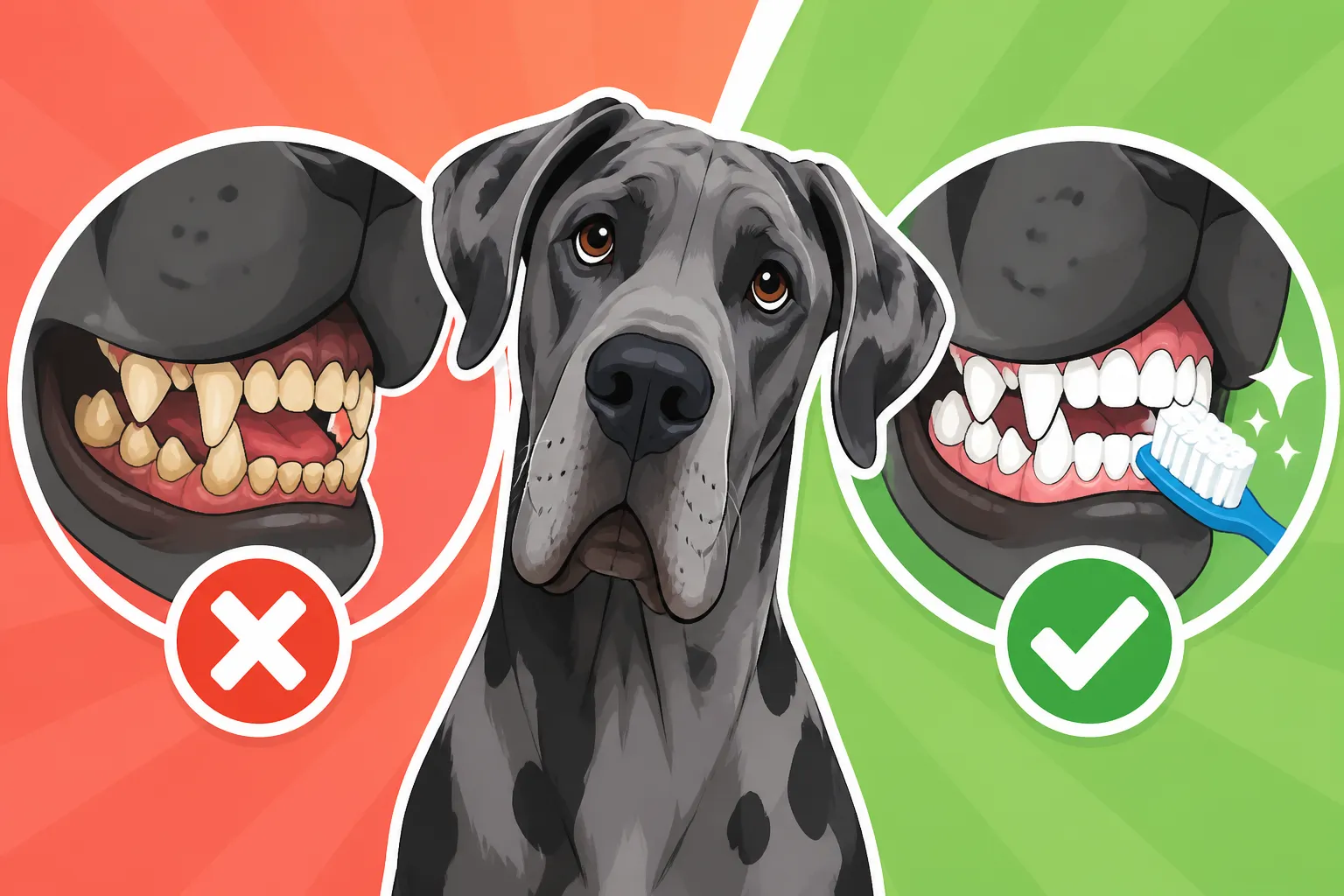
Whether a Great Dane’s Teeth Get Brushed at All
It’s easy to get caught up in the sheer scale of Great Dane care – the massive food bills, the looming specter of bloat, the constant training to ensure your gentle giant doesn't accidentally knock over a small child. With so much on our plates (literally, when you consider their food volume!), dental health often falls by the wayside, becoming an afterthought or something we assume their large mouths can just handle. But neglecting those magnificent choppers can lead to serious health problems down the line, so let's dig into whether a Great Dane's teeth actually need brushing.
The Silent Threat: Why Great Dane Dental Health Matters More Than You Think
When you think about your Great Dane's health, you might immediately picture their heart, their joints, or that ever-present worry about bloat. But their oral health is a critical, often overlooked, piece of the puzzle that can significantly impact their overall well-being and even shorten their already precious years. Ignoring those pearly whites isn't just about bad breath; it's about safeguarding their entire system.
Beyond Bad Breath: The Systemic Impact of Dental Disease
Many of us just associate a dog's bad breath with, well, being a dog. But that foul odor, known as halitosis, is often the first symptom of periodontal disease, a progressive inflammation and infection of the tissues surrounding the teeth. This isn't just an unsightly or smelly problem confined to the mouth. The bacteria thriving in your Great Dane's diseased gums and teeth don't stay put; they can enter the bloodstream.
Once these bacteria are circulating, they can travel to major organs, causing inflammation and infection far from the oral cavity. Think about the strain this puts on your Dane's system. Organs like the kidneys, liver, and especially the heart can suffer damage from this constant bacterial assault. For a breed already predisposed to serious conditions like The Heart Muscle Disease Great Danes Are Prone To, adding the burden of systemic infection from dental disease is a risk no owner should take. It can exacerbate existing conditions or even initiate new ones, ultimately impacting their quality of life and potentially shortening Why a Great Dane Only Lives Seven to Ten Years. Every effort we make to maintain their health, including their dental health, contributes to them living their fullest, happiest lives.
Anatomy of a Giant Mouth: Unique Challenges for Great Danes
A Great Dane's mouth is, naturally, gigantic. This means they have large teeth, some of which are quite impressive in size. While a large mouth might seem like it has more room for cleaning, it also presents unique challenges. The sheer number and size of their teeth mean more surface area for plaque and tartar to accumulate. Those big molars in the back are particularly susceptible, as they do most of the grinding and can be difficult to reach effectively without proper tools and technique. You’ll definitely want to pay attention to Plaque on a Great Dane's Back Molars.
Furthermore, Great Danes often have prominent jowls and folds of skin around their mouths. These can trap food particles and moisture, creating a warm, damp environment that is an ideal breeding ground for bacteria. This predisposition to trapping debris can accelerate the development of plaque and tartar, making regular cleaning even more crucial. It's a bit of a double-edged sword: a majestic mouth that's also a high-maintenance area.
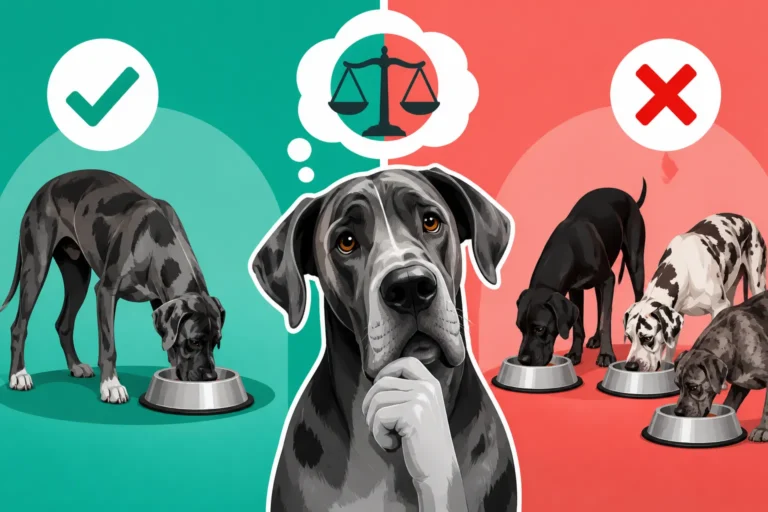
The Great Debate: To Brush or Not to Brush a Giant's Teeth?
The thought of brushing a Great Dane's teeth often elicits groans or laughter from fellow giant breed owners. It’s certainly not the same as a tiny terrier! The sheer size, combined with the often-underestimated strength of a Dane, can make the task seem utterly impossible, leading many to wonder if it's truly worth the struggle.
The Ideal Scenario: Daily Brushing and Why It's Often a Struggle
In a perfect world, daily tooth brushing is the gold standard for canine dental hygiene, just as it is for humans. Regular mechanical scrubbing removes plaque before it hardens into tartar, preventing the progression of periodontal disease. For a Great Dane, this ideal scenario means consistently engaging with their enormous mouth, ensuring every tooth gets attention.
However, let's be realistic. Daily brushing can be incredibly challenging. First, there's the sheer physical size and strength of a Great Dane. Convincing a 120-180 pound dog to sit still and allow you to manipulate their mouth, especially when they'd rather be doing literally anything else, requires patience, consistency, and sometimes a bit of creative wrestling. You might find yourself needing both hands just to hold their jowl up! Many owners find themselves giving up after a few frustrating attempts, feeling overwhelmed and defeated. It's easy to assume your Dane just won't tolerate it, leading to a cycle of neglect that only makes future attempts harder.
Practical Realities: When Daily Brushing Isn't Possible
While daily brushing is ideal, let's face it: life happens. Maybe you have a busy schedule, or your Dane is particularly resistant, or perhaps you're just not physically able to manage it every single day. The good news is that while daily is best, not all hope is lost if you can't hit that mark. The crucial takeaway is that some consistent dental care is always better than no dental care.
If daily brushing isn't feasible, don't throw in the towel completely. Aim for every other day, or even a few times a week. The key is consistency and making it a routine, however infrequent, rather than a sporadic, stressful event. This might mean relying more heavily on supplementary methods (which we'll discuss shortly) or being extra diligent with professional cleanings. The goal is to minimize plaque buildup as much as possible, acknowledging that a perfect routine might not be realistic for every Great Dane owner. The reality is, even a few times a week can make a significant difference over their lifetime.
Brushing Basics: Making Tooth Brushing a Positive Experience for Your Great Dane
So, you've decided to tackle the challenge, at least a few times a week. Excellent! The trick isn't brute force; it's gentle, positive reinforcement, turning a potentially intimidating task into a bonding experience. Starting early is best, but even older Danes can learn new tricks if you're patient.
Gathering Your Tools: What You'll Need for a Great Dane Mouth
Before you even think about approaching your Great Dane with a toothbrush, make sure you have the right equipment. Using human toothpaste is a big no-no, as it contains fluoride and other ingredients that can be toxic to dogs if swallowed.
You'll need:
- Dog-Specific Toothpaste: These come in appealing flavors like chicken, beef, or peanut butter, which can make the experience much more pleasant for your Dane. The enzymes in many dog toothpastes also help break down plaque. You can find a good variety on sites like Chewy or Amazon, often from brands recommended by veterinarians.
- A Large Dog Toothbrush: Forget those tiny brushes meant for smaller breeds. You'll need something substantial. Options include:
- Finger brushes: These slip over your finger and are great for starting out, allowing you to feel your way around their mouth.
- Long-handled toothbrushes: Designed for larger mouths, these have angled heads and longer handles to help you reach those big back molars. Many come with multiple head sizes.
- Double-headed toothbrushes: These brushes have two heads set at an angle to clean both the outside and inside surfaces of the teeth simultaneously.
- High-Value Treats: Crucial for positive reinforcement. Think small, delicious, and easy to give quickly.
- A Comfortable Spot: Choose a quiet, calm area where your Dane feels relaxed, perhaps on their favorite bed or leaning against you.
The Step-by-Step Approach: Training Your Dane to Accept Brushing
This isn't a race; it's a marathon. Patience is your most powerful tool. The goal is to build positive associations, not create a wrestling match.
- Start with Touch: Begin by simply touching your Great Dane's muzzle and lips gently for a few seconds, then praise and give a treat. Repeat this several times a day for a few days until they're completely comfortable with it. This is similar to the patience required for Teaching a Great Dane to Have Its Feet Handled, where slow, calm interactions build trust.
- Introduce the Paste: Let your Dane taste a tiny bit of the dog toothpaste from your finger. If they like it, great! If not, try a different flavor. The taste itself can be a powerful motivator.
- Finger Brush Introduction: Once they're okay with their mouth being handled, put a small amount of toothpaste on a finger brush or a piece of gauze wrapped around your finger. Gently rub it along the outside of their upper canine teeth and then the molars. Just a few seconds, then lavish praise and a treat. Build up the duration over days or weeks.
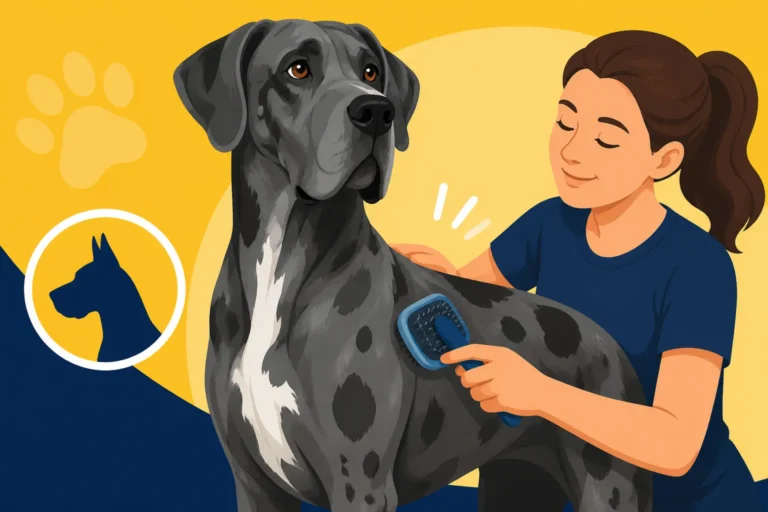
- Graduating to the Toothbrush: When they're comfortable with your finger, introduce the actual toothbrush with paste. Start with the front teeth, then slowly work your way to the side and back teeth. Again, short sessions are key. Aim for 30-60 seconds, praising and rewarding throughout. Don't worry about getting every tooth perfectly at first; consistency over perfection.
Techniques for Success: Getting to Those Back Molars
Reaching all the way to the back of a Great Dane's mouth can feel like an expedition. These powerful teeth are essential for chewing and are prime real estate for plaque buildup.
- Lift the Lip: Gently lift your Dane's upper lip to expose the outer surfaces of their teeth and gums. This is where most plaque accumulates.
- Angle the Brush: Hold the toothbrush at a 45-degree angle to the gumline, using small, circular motions. Don't scrub too hard; gentle pressure is enough to disrupt plaque.
- Focus on the Outside: While ideally you'd brush all surfaces, if you can only get to one, prioritize the outside surfaces of the upper and lower teeth. The tongue naturally helps clean the inner surfaces of the lower teeth.
- Reward System: Make it clear that this is a positive experience. After each brushing session, even a short one, follow up with a favorite treat, a game, or lots of cuddles. This reinforces the idea that dental care is nothing to fear and can even lead to good things. Your Great Dane will associate the toothbrush with positive outcomes, making future sessions easier.
Beyond the Brush: Supplementary Dental Care for Great Danes
Even with the best intentions, daily brushing might not always happen, or it might not be enough on its own. Thankfully, there are several supplementary dental care options that can help keep your Great Dane's mouth healthier between brushings or professional cleanings. Remember, these are generally aids, not replacements, but they certainly play a crucial role in a comprehensive dental hygiene plan.
Dental Chews and Toys: More Than Just Playtime
One of the easiest ways to engage your Great Dane in dental care is through something they already love: chewing! Many products are specifically designed to help reduce plaque and tartar through mechanical action or special ingredients.
- Veterinary Dental Chews: Look for dental chews that have been scientifically proven to reduce plaque and tartar, often indicated by a veterinary dental health seal. These aren't just glorified treats; they have a specific texture and sometimes ingredients that help scrub teeth and inhibit bacterial growth. Ensure you choose chews that are appropriately sized and tough enough for a Great Dane's powerful jaws (you'll want Treats Sized for a Great Dane that won't disappear in two seconds!), but not so hard they risk fracturing teeth. Brands often recommended by vets can be found on Chewy or Amazon.
- Dental Chew Toys: Certain toys are designed with nubs, ridges, or textures that can help clean teeth as your dog chews on them. While they won't clean as effectively as a toothbrush, they can help dislodge food particles and stimulate gums. Always supervise your Dane with new chew toys to ensure they don't break off pieces that could be swallowed.
- Caution with Bones: While raw bones can offer dental benefits, there's significant debate and risk involved, especially for large, powerful chewers. Cooked bones are an absolute no-go due to splintering. Even raw bones can cause fractured teeth, blockages, or internal injuries. If considering bones, always consult with your vet about safe options and supervision.
Water Additives and Oral Rinses: A Little Extra Help
For Great Danes who are particularly averse to having their mouths handled, or as an added layer of protection, water additives and oral rinses can be beneficial.
- Dental Water Additives: These are liquids you add to your Great Dane's drinking water daily. They typically contain ingredients that help inhibit bacterial growth, break down plaque, and freshen breath. The beauty of these is their ease of use; your dog simply drinks the water. They are a passive form of dental care, but can contribute to overall oral health.
- Oral Rinses/Sprays: These are applied directly to your dog's teeth and gums. They often contain antiseptic ingredients that reduce bacteria. While more involved than a water additive, they can be a good option if you can manage to spray them into your Dane's mouth a few times a week, even without brushing.
It's crucial to understand that these products are supplements. They won't remove existing tartar or cure advanced periodontal disease. Think of them as helping to slow down the process, buying you more time between brushings or professional cleanings.
Specially Formulated Dental Diets
Did you know there are dog foods specifically engineered to help clean teeth? These prescription or over-the-counter dental diets are designed with unique kibble shapes, sizes, and textures that effectively scrub the tooth surface as your Great Dane crunches.
- Kibble Design: The pieces are often larger and have a fibrous texture that doesn't crumble easily, encouraging the tooth to penetrate the kibble, providing a gentle scraping action. This helps reduce plaque and tartar accumulation on the tooth surface.
- Ingredients: Some dental diets also contain ingredients that help prevent plaque mineralization, further slowing tartar formation.
- Integration with Feeding Routine: If your Great Dane is on a diet of Feeding an Adult Great Dane Six to Ten Cups a day, incorporating a dental diet can be a seamless way to add a layer of oral care without extra effort on your part. Always consult with your veterinarian before switching your dog's food, especially to ensure it meets all their nutritional needs, considering their rapid growth and giant breed requirements.
Professional Dental Care: The Cornerstone of Great Dane Oral Health
No matter how diligently you brush or how many dental chews your Great Dane gnaws through, professional dental care from your veterinarian is absolutely indispensable. It's the ultimate weapon against the insidious progression of dental disease.
The Annual Dental Check-up: What to Expect at the Vet
Just like humans need regular dental check-ups, so do our Great Danes. Ideally, your vet should examine your Dane's mouth at every annual wellness visit. This is part of The Yearly Checkup a Great Dane Needs. During this examination, the vet will be looking for a variety of issues:
- Plaque and Tartar Accumulation: Assessing the buildup on the tooth surfaces.
- Gingivitis: Inflammation of the gums, indicated by redness, swelling, or bleeding.
- Periodontal Pockets: Spaces between the gums and teeth where bacteria can hide and cause infection.
- Broken or Chipped Teeth: Common in chewers, these can be painful and lead to infection.
- Missing Teeth: Can indicate severe periodontal disease in the past.
- Oral Masses or Growths: Checking for any abnormal tissue.
Your vet will grade the severity of any dental disease and recommend appropriate action, which often includes a professional dental cleaning under anesthesia. Don't wait until you notice a problem like extreme bad breath or difficulty eating; by then, the issue is often advanced.
Anesthesia and Dental Cleanings: Addressing Great Dane Concerns
The phrase "anesthesia" often makes Great Dane owners nervous, and rightly so. There are legitimate concerns about anesthetic risk in giant breeds, and the cost associated with sedating such a large animal for any procedure, including dentistry, is significantly higher. You've probably heard about Anesthesia Risk in a Great Dane and Why Anesthesia Costs More for a Great Dane. It’s a valid worry, and it’s why many owners put off crucial procedures.
However, it's vital to understand why anesthesia is necessary for a thorough dental cleaning and that modern veterinary anesthesia is much safer than it once was, especially when proper protocols are followed for giant breeds.
- Thorough Cleaning: Just like your dentist, a vet needs to clean below the gumline, where much of the damaging bacteria and plaque accumulate. This is impossible on a conscious, moving dog, especially one the size of a Great Dane.
- Scaling and Polishing: Specialized ultrasonic scalers are used to remove hardened tartar, and then the teeth are polished to smooth out any microscopic etches that could attract new plaque.
- Extractions and Treatments: If a tooth is diseased, fractured, or causing pain, it needs to be extracted or treated, which requires the dog to be completely still and pain-free.
- Dental X-rays: A significant portion of dental disease lies hidden beneath the gumline. Dental X-rays, taken while your dog is under anesthesia, are crucial for identifying issues like bone loss, abscesses, or unerupted teeth that wouldn't be visible during a conscious exam.
To mitigate risks, your vet will perform Pre-Surgery Bloodwork on a Great Dane to ensure their organs are functioning properly and can handle the anesthesia. They will also implement advanced monitoring during the procedure, including ECG, blood pressure, and oxygen saturation. While there's always a risk with any medical procedure, the health benefits of addressing severe dental disease often far outweigh the anesthetic risks, especially when those risks are managed professionally.
Long-Term Benefits: Investing in Your Dane's Smile and Lifespan
Thinking about the long-term impact of dental care on your Great Dane's life might just be the motivation you need. Investing in regular home care and professional cleanings isn't just about sparkling teeth; it's about adding quality and potentially even quantity to their lives.
When you manage dental disease, you're not just preventing bad breath; you're preventing chronic pain, systemic infections, and the associated damage to vital organs. A Great Dane free from oral pain will eat better, play more, and simply feel better overall. Given that Why a Great Dane Only Lives Seven to Ten Years, every year, every month, every day counts. Ensuring they are comfortable and healthy means they can enjoy their shorter lives to the fullest. Dental health is truly a foundational element of overall health, contributing to their vitality and happiness throughout their magnificent, albeit brief, journey with you.
| Dental Care Method | Pros | Cons | Effectiveness for Great Danes (Generally) |
|---|---|---|---|
| Daily Brushing | Most effective at preventing plaque/tartar. | Requires consistent effort, patience; can be challenging with large, resistant dogs. | High (if done consistently and correctly) |
| Dental Chews/Treats | Enjoyable for dogs; easy to administer; some vet-approved options. | Variable effectiveness; not a substitute for brushing; must be appropriately sized/textured. | Moderate (supplemental, not standalone) |
| Water Additives/Rinses | Easy to use; passive care; helps reduce bacteria and freshen breath. | Limited effect on existing tartar; mainly preventative; not a substitute for brushing. | Low to Moderate (best as a supplement) |
| Dental Diets | Effortless once incorporated into feeding; cleans teeth during meals. | Requires vet consultation; may not suit all dogs' dietary needs; not as effective as brushing. | Moderate (good ongoing preventative) |
| Professional Cleaning | Deep cleaning below gumline; addresses hidden issues; essential for health. | Requires general anesthesia (risks for Great Danes); higher cost; requires vet visit. | High (critical for comprehensive care) |
Disclaimer
This article is for general informational purposes only and does not constitute professional advice. Laws, prices and regulations vary by location and change over time. Consult a qualified professional for guidance on your specific situation.