Trimming Nails on a Great Dane That Outweighs You
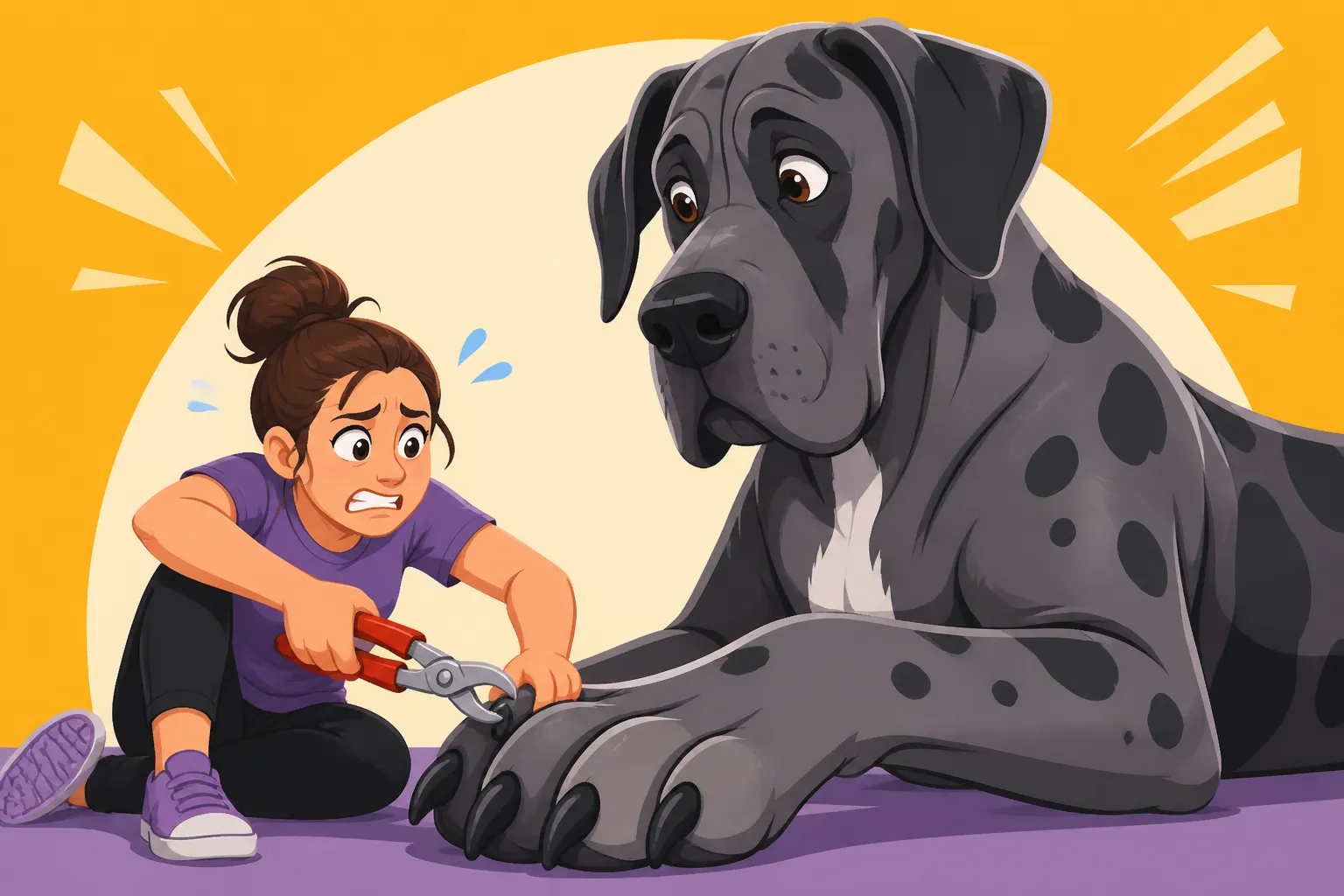
Okay, let's talk about Great Dane nails. It's one of those tasks that can feel absolutely overwhelming when you're facing a dog that easily outweighs you and has paws the size of your hand. Getting those thick, strong nails trimmed regularly is vital for their comfort and long-term health, but it often becomes a wrestling match that leaves everyone stressed. This guide is here to walk you through everything you need to know, from choosing the right tools to building positive associations, so you can manage your giant companion's nail care with confidence and less drama.
The Unique Challenge of Great Dane Nail Care
Anyone who shares their life with a Great Dane knows that "large" doesn't quite cover it. They're magnificent, but their sheer size and strength can turn routine tasks into Herculean efforts. Nail trimming is definitely one of those. It’s not just about aesthetics; ignoring those nails can lead to a cascade of problems that impact their mobility and overall well-being.
Why Great Dane Nails Are So Intimidating
It's not just in your head—Great Dane nails are more challenging. Their nails are thick, often dark, making the quick (the sensitive part containing nerves and blood vessels) incredibly hard to see. If you've ever accidentally clipped too far, you know the guilt, the blood, and the subsequent battle of wills to get them to trust you again. Many Danes also have a low tolerance for having their paws handled, especially if they weren't properly desensitized as puppies. Imagine trying to hold down a hundred-plus-pound dog who is convinced you're trying to perform some sort of medieval torture on their foot. Their strength, combined with their instinctive aversion, makes the process daunting. Plus, the sheer leverage they have with their long legs means they can easily pull away or brace themselves, making it almost impossible to get a good angle.
The Health Risks of Overgrown Nails
Long nails aren't just an inconvenience; they're a serious health hazard for a Great Dane. When nails get too long, they push up against the ground, forcing the paw to splay and placing unnatural pressure on the toe joints. Over time, this can lead to permanent structural changes in their feet and toes, causing pain and even arthritis. It's like walking around in shoes that are too small, constantly pushing your toes back. This discomfort can then radiate up their legs, affecting their pasterns, wrists, and even their shoulders and hips. You might notice your Dane walking with a peculiar gait, hesitant to run or jump, or even stumbling more often. Nail Length and How a Great Dane Stands is a great resource to understand this better. It’s a silent, slow creep of discomfort that we, as their guardians, have the power to prevent.
Beyond the joint issues, excessively long nails can also snag on carpets, furniture, or outdoor debris, leading to painful tears or even avulsions where the entire nail is ripped off. Imagine the sheer force of a galloping Great Dane catching a nail – it’s not pretty, and it's incredibly painful for them, often requiring a vet visit, antibiotics, and significant recovery time. A dog this large needs stable footing, and long nails reduce their traction, especially on smooth surfaces like hardwood or tile, making them more prone to slipping and potentially injuring their already vulnerable joints. Think about how important Great Dane Hips, Elbows and Growing Joints are and how easily long nails can exacerbate existing or create new problems.
Why Regular Trimming is Non-Negotiable
Given these risks, it becomes clear that regular nail trimming isn't just a nicety; it's a fundamental part of responsible Great Dane care. It prevents pain, maintains proper paw structure, and reduces the risk of serious injury. Think of it as preventative maintenance for their entire musculoskeletal system. The goal is to keep the quick recessed as far back as possible, which requires frequent, small trims rather than infrequent, dramatic ones. Every time you trim a tiny bit of nail, the quick recedes slightly, making future trims easier and safer.
Establishing a consistent routine from a young age is paramount. Even if your Dane protests now, understanding the long-term benefits for their health should be your driving force. It might feel like a battle every time, but remember that you're doing it out of love and necessity. A Great Dane with well-maintained nails is a happier, more comfortable, and safer Great Dane, ready to lean on you without accidentally gouging your leg or slipping on the kitchen floor. It's an investment in their quality of life, extending their comfort for as long as possible.
Essential Tools for the Job
You wouldn't try to build a house with a toy hammer, and you shouldn't try to trim a Great Dane's nails with flimsy clippers. The right tools make a world of difference, not just in effectiveness but also in reducing stress for both you and your giant companion. Investing in quality equipment is a small price to pay for successful, safer nail care.
Types of Nail Clippers for Giant Breeds
When it comes to clippers, you typically have two main styles: scissor-style (often called "Resco" or "pliers" style) and guillotine-style. For a Great Dane, the scissor-style clippers, which resemble a pair of heavy-duty pliers with a sharp cutting edge, are generally recommended. They offer more leverage and are less likely to crush the nail than guillotine clippers, which can struggle with the sheer thickness of a Dane's nails. Brands like Safari or Millers Forge make robust, large-sized scissor clippers that can handle the job.
Alternatively, many Great Dane owners find immense success with nail grinders (often rotary tools like a Dremel). Grinders allow you to file down the nail slowly, giving you much more control and reducing the risk of hitting the quick. This slow, steady removal can also be less intimidating for dogs who are sensitive to the "snip" sensation of clippers. Grinders also help to smooth out any rough edges, which clippers can sometimes leave behind. For a huge dog, the gradual approach of a grinder can often be the less stressful option, especially if they've had bad experiences with clippers in the past. It does, however, require patience and getting your dog used to the sound and vibration. Grinding a Great Dane Nail Thicker Than a Pencil goes into great detail about this specific challenge.
Choosing the Right Size and Strength for a Great Dane
This isn't a job for small, delicate clippers. You need tools designed for large, thick nails. Look for clippers with sharp, strong blades that can cut cleanly without splintering the nail. Durability is key; cheap clippers will dull quickly, making the job harder and more painful for your dog. Ergonomics also matter for you: choose clippers with comfortable, non-slip handles that fit well in your hand, allowing for a firm grip and precise control. After all, you're wielding a tool near a powerful, potentially anxious animal, and you don't want it slipping.
For grinders, opt for a model with adjustable speeds and sufficient power to tackle thick nails without bogging down. Cordless models offer more flexibility, but ensure the battery life is adequate for a full pawicure, which can take a while with a Great Dane! You'll also want to make sure it comes with various grit sanding bands or easily replaceable heads. Many pet supply retailers like Chewy or Amazon offer a range of heavy-duty clippers and grinders specifically designed for large breeds. Read reviews from other large dog owners to gauge effectiveness and durability.
The Importance of Styptic Powder and Other First Aid
Accidents happen, even to the most careful owners. Hitting the quick can be painful and lead to bleeding, which is why styptic powder is an absolute non-negotiable item to have on hand every single time you attempt a nail trim. This powder contains agents that constrict blood vessels and help clot the blood quickly, stopping the bleeding and alleviating some of the stress for both you and your Dane. Just a small pinch applied directly to the bleeding quick with gentle pressure is usually enough.
Beyond styptic powder, consider having some basic paw first aid supplies nearby. Clean gauze or cotton balls can help apply pressure. A soothing, antiseptic spray for minor nicks (not on the quick itself) can also be useful. And, of course, a generous supply of high-value treats to reward calm behavior and help your Dane associate nail trims with positive experiences, even if a minor mishap occurs. The goal is to be prepared, because even a single bad experience can set back weeks or months of positive training.
Building Positive Associations with Nail Trims
For a dog as sensitive and strong as a Great Dane, force is rarely the answer. Building trust and positive associations around nail trimming is crucial for long-term success. It takes time, patience, and a whole lot of delicious treats, but it's an investment that pays off in a calmer, less stressful experience for everyone involved.
Starting Early with Puppies
The absolute best time to start is when your Great Dane is a tiny puppy. Their nails are small, their bodies are manageable, and they haven't yet developed any negative associations. Start by simply touching their paws gently, praising them, and immediately offering a high-value treat. Do this several times a day, gradually increasing the intensity: touching each toe, spreading their pads, and gently squeezing each nail. Make it a game, not a chore. The Manners a Great Dane Needs Before It Grows emphasizes the importance of early training for everything, and nail trims are no exception.
Once they're comfortable with paw handling, introduce the clippers or grinder. Don't even use them yet! Just show them the tool, let them sniff it, and offer a treat. Then, gently touch the tool to their paw without actually clipping or grinding, followed by another treat. If using a grinder, turn it on away from them at first, letting them hear the sound, then turn it off and give a treat. Gradually move the running grinder closer, building up to touching a nail for just a second. The key is to go at their pace, stopping before they show signs of stress and always ending on a positive note, even if it's just one tiny step forward. Consistency is vital here; short, frequent sessions are far more effective than long, infrequent ones.
Counter-Conditioning for Anxious Adults
If you have an adult Great Dane who already dreads nail trims, you'll need a different approach: counter-conditioning. This means changing their emotional response from fear to something more neutral or even positive. It's a slow process that requires immense patience. Start exactly where you would with a puppy: simply touching their paws, praising, and giving a truly irresistible treat. This might be cooked chicken, cheese, or special training treats you only use for this purpose.
The goal is to pair every step of the process with something wonderful. If they tolerate you touching a paw, treat. If they tolerate the clippers being in the room, treat. If they tolerate the sound of the grinder from a distance, treat. Gradually, slowly, build up to actual trimming. You might only get one nail done in a session, or even just one toe. That's okay! Celebrate every small victory. If they show signs of stress (pulling away, panting, yawning, lip-licking), stop, reset, and go back to an easier step. Never force them. Force only creates more fear and resistance. Some owners find Getting a Great Dane to Lie Down for Nail Trims to be a helpful starting point, as a relaxed position can aid the process.
Enlisting Help: A Two-Person Job
For many Great Dane owners, especially with an anxious or resistant dog, nail trimming is simply not a one-person job. Don't be ashamed to ask for help! Having a second person can make the process significantly safer and less stressful. One person can focus entirely on gently holding the Dane, offering continuous high-value treats, and providing calm reassurance. This allows the other person to concentrate on the actual trimming or grinding, ensuring precision and speed.
The person on "distraction duty" should be constantly feeding treats or engaging the Dane with a LickiMat spread with peanut butter or a Kong toy. This keeps their mind occupied and helps to override the negative sensations of the trim. It's often easier if the person holding and distracting is someone the dog trusts implicitly, while the trimmer can be someone they're less familiar with, so any potential negative associations are minimized with the primary caregiver. This teamwork approach dramatically increases the chances of a successful, low-stress nail trim.
The Step-by-Step Trimming Process
Once you've got the right tools and your Great Dane is starting to tolerate the idea, it's time for the actual trim. This process requires a calm demeanor, good lighting, and a clear understanding of what you're doing to avoid pain and keep everyone safe.
Setting Up for Success
Before you even think about picking up the clippers or grinder, prepare your environment. Choose a quiet, well-lit area where your Dane feels comfortable and you have enough space to maneuver around their large frame. A non-slip surface is essential—think a bath mat or rug if you're on hardwood, so they feel secure and don't slip while you're working on their paws. Have all your tools laid out: clippers/grinder, styptic powder, and plenty of high-value treats within easy reach. You don't want to be fumbling around for supplies mid-trim.
Consider your positioning. For many Great Danes, working on their nails while they are lying down can be easier than trying to get them to stand still. If they're lying on their side, you can access all four paws more comfortably. Some dogs tolerate being seated or standing while you work, but ensure you have full control over their paw and body. If you have a partner, decide beforehand who will hold and who will trim, and communicate clearly throughout the process. The goal is to create an efficient, stress-free "assembly line" of sorts.
Locating the Quick and the Safe Zone
This is perhaps the most critical part of nail trimming, especially with dark-nailed Great Danes. The quick is a vein and nerve bundle that runs through the center of each nail. Cutting into it is painful and causes bleeding. On light-colored nails, the quick appears as a pinkish area visible through the translucent nail. On dark nails, it's much harder to see.
Here's a trick for dark nails: look at the underside of the nail. As the nail grows, the very tip often starts to become dry and flaky, and you might see a small, darker, almost circular core at the center of the cut surface if you take off a tiny bit at a time. This dark circle indicates you're getting close to the quick. The safest bet is to trim small, almost paper-thin slivers off the very tip of the nail, pausing after each tiny snip to check the cut surface. You want to see white or grey powder for grinding, or a solid, dry, dark tip for clipping. The moment you see a black dot appear, or a slightly pinkish center, stop! You're right at the edge of the quick. Erring on the side of caution is always better than cutting too much. Whether a Great Dane Feels Pain Differently highlights their general sensitivity, making quicking an especially unpleasant experience.
Techniques for Clipping and Grinding
For Clipping:
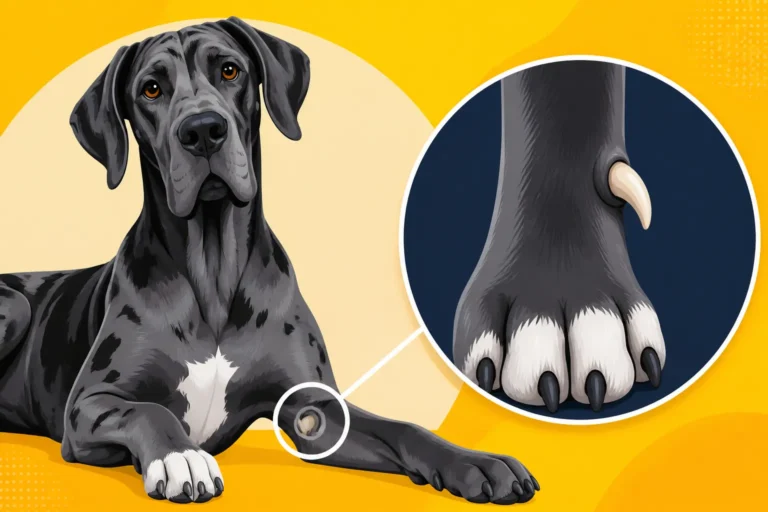
Hold your Dane's paw firmly but gently. Isolate the nail you're working on, ensuring no fur is in the way. Position the clippers at a 45-degree angle, with the cutting edge slightly below the quick. Make a swift, clean cut. Avoid trying to take off too much at once. If your Dane has very long nails, you'll need to do several small cuts over weeks to gradually push the quick back. Always aim for a straight, clean cut, not a jagged one. Don't forget the dewclaws (the "thumb" nail on the inside of their leg) – these don't touch the ground and can curl into the paw pad if neglected.
For Grinding:
Turn the grinder on before you touch it to the nail, allowing your Dane to get used to the sound. Hold the paw firmly and push any fur away from the nail. Touch the grinder to the very tip of the nail, using short bursts of 2-3 seconds, working your way around the tip of the nail to shape it. The friction of grinding can generate heat, so keep moving from nail to nail to prevent discomfort. Grind in the direction of nail growth, from the top of the nail down. Aim for a smooth, rounded edge that doesn't catch on anything. Just like with clipping, if the quick is visible, grind just up to that point. If it's dark, look for the small, dark dot at the center of the cut surface, indicating you're near the quick. Remember, small, frequent sessions are best.
| Nail Trimming Method | Pros | Cons | Ideal For |
|---|---|---|---|
| Clippers | Quick and efficient; no noise or vibration | Risk of quicking if not careful; can splinter nails; difficult for very thick nails; can be scary | Dogs tolerant of paw handling; quick trims; maintenance of already short nails |
| Grinders | Precise control; gradual removal; less risk of quicking; smooth finish; good for thick nails | Slower process; noise and vibration can be a deterrent; heat build-up; requires desensitization | Anxious dogs; dark-nailed Danes; pushing back the quick; very thick nails |
Dealing with a Resistant Great Dane
Let's be real, many Great Danes aren't exactly thrilled about having their nails trimmed. Their size combined with their stubbornness or fear can make the whole endeavor feel impossible. But giving up isn't an option, so understanding and addressing their resistance is key.
Understanding Fear and Anxiety
When your Great Dane fights you on nail trims, it's almost always rooted in fear, not malice. They might have had a bad experience in the past (hitting the quick is incredibly painful!), or they simply haven't been properly desensitized to the process. Their body language will tell you a lot: yawning, lip-licking, turning their head away, panting, trembling, pulling their paw back, or even trying to bite are all signs of stress. Ignoring these signals only escalates their anxiety and makes future sessions even harder.
It's vital to remember that their massive size means their fear response is amplified. A frightened Great Dane can injure themselves or you accidentally in their attempt to escape. Respecting their fear, even if you don't fully understand it, is the first step. Forcing them into a situation where they are terrified will erode trust and can lead to more deeply ingrained behavioral issues. Focus on creating a sense of safety and predictability rather than trying to overpower them. Building Confidence in a Nervous Great Dane applies to many situations, including nail trims.
Strategies for Gentle Restraint
If your Dane is resistant, sometimes a gentle, controlled restraint is necessary, especially if their nails are dangerously long. However, "gentle" is the operative word. Never use force or pain. The goal is to safely immobilize the paw, not to scare or hurt them. This is where a second person often becomes indispensable. One person can provide a comforting hug or snuggle, speaking in a calm, soothing voice, while offering a constant stream of treats. This person acts as an anchor of security.
The other person can then carefully position themselves to access the paw. Sometimes, simply sitting on the floor with your Dane between your legs (facing away from you) can provide enough gentle containment without feeling overly restrictive. A soft muzzle might be considered as a safety precaution if your Dane is prone to snapping, but it should never be used as punishment or without prior positive conditioning. The aim is to create a secure, comfortable "cocoon" that minimizes their ability to struggle, allowing for quick, efficient work. Always release them immediately after the trim, with praise and more treats, reinforcing that the scary part is over. Trimming Nails a Great Dane Will Not Give You is a difficult situation many owners face.
When Professional Help is Necessary
There's absolutely no shame in admitting you need professional help. Sometimes, a Great Dane's fear or aggression around nail trims is simply too much for an owner to manage safely, or their nails are so overgrown that it requires expert intervention. Veterinarians and professional groomers have specialized training and tools, and often a different environment can help.
Your vet might recommend a sedative for particularly anxious dogs to make the process completely stress-free for your Dane. While this isn't an ideal long-term solution, it can be a necessary step to get dangerously long nails under control and prevent further injury, or to reset negative associations. Many groomers also specialize in giant breeds and have dedicated space and techniques to handle them. They might use a hydraulic grooming table or have a team to ensure safety. Don't let pride or perceived failure stop you from seeking professional help; it's an act of love and responsibility to ensure your Great Dane gets the care they need, even if you can't provide it yourself. Remember, Whether a Great Dane Even Fits on a Vet Table can be a real concern, so calling ahead to discuss their setup is a good idea.
Maintaining Nail Health Between Trims
Trimming isn't a one-and-done event; it's an ongoing commitment to your Great Dane's health and comfort. What you do (or don't do) between trims plays a huge role in keeping their nails in tip-top shape and preventing issues.
Frequency of Trimming
For most Great Danes, nails should be trimmed every 2-4 weeks. The exact frequency depends on how quickly their nails grow and how much natural wear they get. Dogs that walk frequently on hard surfaces like concrete or asphalt might wear down their nails more naturally than those who spend most of their time on grass or carpet. However, even with regular walks on hard ground, a Great Dane's nails rarely wear down enough to eliminate the need for trimming entirely.
A good rule of thumb is that if you can hear your Great Dane's nails clicking on the floor when they walk, they're too long. Ideally, when your Dane is standing naturally, their nails should not touch the ground. If you're consistently trimming small amounts every couple of weeks, you'll find the quick naturally recedes, making the process easier and less stressful over time. This consistent, little-and-often approach is far superior to trying to manage overgrown nails with infrequent, drastic trims.
Examining Paws and Pads Regularly
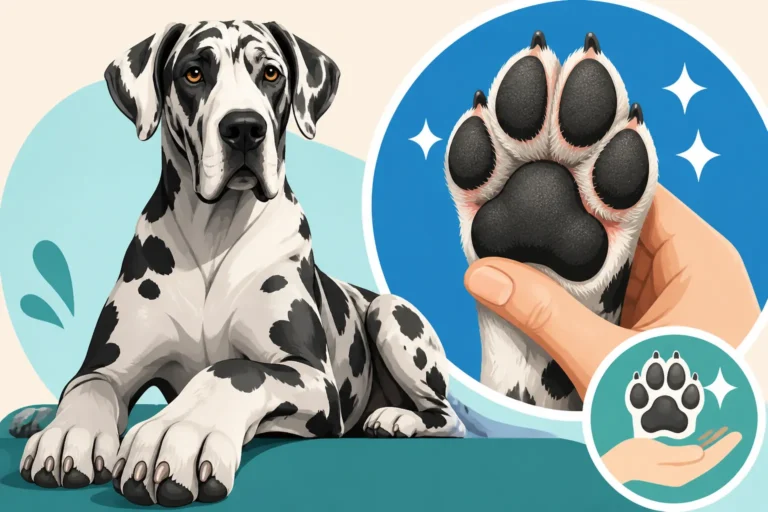
Nail trimming sessions are a perfect opportunity to perform a quick "paw inspection." Great Danes, with their large, active paws, are prone to various issues that can go unnoticed if you're not routinely checking. Take a moment to examine the pads for any cuts, abrasions, splinters, or foreign objects. Look between their toes for redness, swelling, or matted fur, which can indicate irritation, infection, or interdigital cysts. Foot and Pad Care for a Great Dane provides even more detail on this often-overlooked area.
Check their joints and toes for any swelling or tenderness. Regular handling of their paws, even outside of trim time, helps them become more accustomed to the sensation and can alert you to potential problems early on. Early detection of issues like yeast infections, broken nails, or cysts can save your Dane a lot of discomfort and prevent minor problems from escalating into major health concerns. It's a simple habit that significantly contributes to their overall wellness.
Alternative Methods for Wear
While direct trimming or grinding is usually necessary, you can encourage some natural wear to help extend the time between professional trims. Regular walks on varied, hard surfaces can help. Concrete, asphalt, and even some paved hiking trails can act like natural sandpaper on your Dane's nails. However, be mindful not to overdo it, especially in hot weather, as these surfaces can be too harsh on paw pads.
Another creative approach some owners use is a "scratch board" or "scratch pad." This is essentially a piece of wood covered in sandpaper or emery cloth, angled slightly. You train your Great Dane to scratch at the board, using treats as motivation, effectively filing down their front nails themselves. This can be a fantastic option for dogs who are very resistant to having their front paws handled or to the sound of a grinder. It turns nail care into a fun game rather than a stressful event. Just ensure the board is sturdy and large enough to withstand a Great Dane's enthusiasm! While these methods can help, they rarely eliminate the need for occasional direct intervention, especially for dewclaws or rear nails that don't get as much natural wear.
Common Mistakes and How to Avoid Them
Even with the best intentions, it's easy to fall into common traps when trimming a Great Dane's nails. Knowing what to avoid can save you headaches, heartache, and unnecessary stress for your giant companion.
Rushing the Process
One of the biggest mistakes is trying to get it over with as quickly as possible, especially if your Dane is resistant. Rushing often leads to mistakes, like cutting the quick, which then amplifies your dog's fear and makes future trims even harder. A Great Dane can sense your tension and haste, which only feeds into their own anxiety. Nail trimming should be a calm, methodical process, not a race.
Instead of rushing, schedule the trim when you have ample time and are feeling relaxed. If you only have five minutes, focus on one paw, or even just one nail, and call it a success. Short, positive sessions are far more effective than long, stressful ones. If you're using a grinder, rushing can also cause the tool to heat up too much, burning your dog's nail and making them even more averse. Patience isn't just a virtue here; it's a necessity for successful Great Dane nail care. Trying to push through their resistance often backfires dramatically.
Ignoring the Dewclaws
It's easy to overlook the dewclaws, those nails typically found on the inner side of your Dane's front legs (and sometimes rear, though less common). Unlike the other nails, dewclaws don't touch the ground and therefore don't get any natural wear. This means they are particularly prone to growing excessively long, curling around, and potentially growing into the paw pad. This can be incredibly painful and lead to infection.
Make a conscious effort to inspect and trim the dewclaws every time you work on your Dane's nails. Because they don't wear down, they often need more frequent attention than the other nails. A curved dewclaw can snag on things, causing tears, or simply make it uncomfortable for your Dane to walk. Incorporating dewclaw care into your routine ensures that this often-forgotten digit doesn't become a source of pain or injury for your beloved giant.
Using the Wrong Equipment
Trying to make do with inadequate tools is a recipe for disaster. Using small, dull clippers on a Great Dane's thick nails won't result in a clean cut; it will crush and splinter the nail, causing pain and making your dog hate the process even more. Similarly, using a grinder that's underpowered or too loud can be ineffective and frightening.
Always invest in high-quality, large-breed appropriate clippers or a robust nail grinder. Think of it this way: if a tool isn't comfortable or effective for you to use, it's certainly not going to be a pleasant experience for your Great Dane. Regularly clean and sharpen clippers (if possible) or replace dull blades. Ensure your grinder's sanding bands are effective and not worn down. Good tools facilitate good technique and a more positive experience for both ends of the leash. You can find durable clippers and grinders on sites like Chewy or Amazon, often with reviews from other large dog owners.
Long-Term Nail Care Philosophy
Nail care for a Great Dane isn't just about the physical act of trimming; it's about establishing a philosophy of consistency, patience, and positive reinforcement that integrates into their overall well-being. It’s a marathon, not a sprint, and your approach can make all the difference in your Dane's comfort and trust.
Consistency is Key
The most powerful tool in your Great Dane nail care arsenal is consistency. Regular, frequent trims—even if they're just tiny nips or quick grinding sessions—are far more effective and less stressful than letting nails get overgrown and then attempting a heroic, dreaded battle. Consistency helps to keep the quick recessed, making each subsequent trim easier. It also helps your dog habituate to the process, making it a predictable part of their routine rather than a terrifying, random event.
Establishing a consistent schedule, whether it's every two weeks or monthly, helps both you and your Dane. They learn what to expect, and you stay on top of their nail growth before it becomes a problem. Think of it like brushing your teeth – you don't do it once a month; you do it regularly to maintain health. The same principle applies to your Great Dane's nails. Over time, that consistency builds muscle memory for both of you, making the process faster and smoother.
Patience and Positive Reinforcement
Great Danes are incredibly sensitive and intelligent. They pick up on your emotions, and they respond best to kindness and patience. Forcing them into an uncomfortable or frightening situation will only create a negative association that can take months, if not years, to undo. If a session isn't going well, it's always better to stop, try again later, or even just focus on one nail.
Lavish praise, gentle handling, and high-value treats are your secret weapons. Every step, no matter how small, deserves recognition. If they tolerate a paw being held, treat! If they don't pull away when the clippers are shown, treat! Make nail time "treat time," ensuring the positive outweighs any discomfort. This slow, deliberate approach, filled with reassurance and rewards, builds trust. It teaches your Great Dane that while nail trims might not be their favorite activity, they can trust you to be gentle, to listen to their cues, and that good things happen when it's over.
Integrating Nail Care into Overall Wellness
Finally, view nail care as an integral part of your Great Dane's holistic wellness routine. Just like feeding them a balanced diet, providing adequate exercise, and regular vet check-ups, proper nail maintenance contributes significantly to their overall health, comfort, and longevity. Overgrown nails can lead to pain, gait issues, and even systemic problems if they affect their posture and joint health.
By proactively managing their nails, you're preventing discomfort and potential veterinary bills down the line. It's a testament to your commitment as a responsible Great Dane owner. Make it a regular, calm, and positive experience, and your giant companion will thank you with steady steps and happy paws for years to come.
Disclaimer
This article is for general informational purposes only and does not constitute professional advice. Laws, prices and regulations vary by location and change over time. Consult a qualified professional for guidance on your specific situation.