Whether a Great Dane Can Be a Therapy Dog
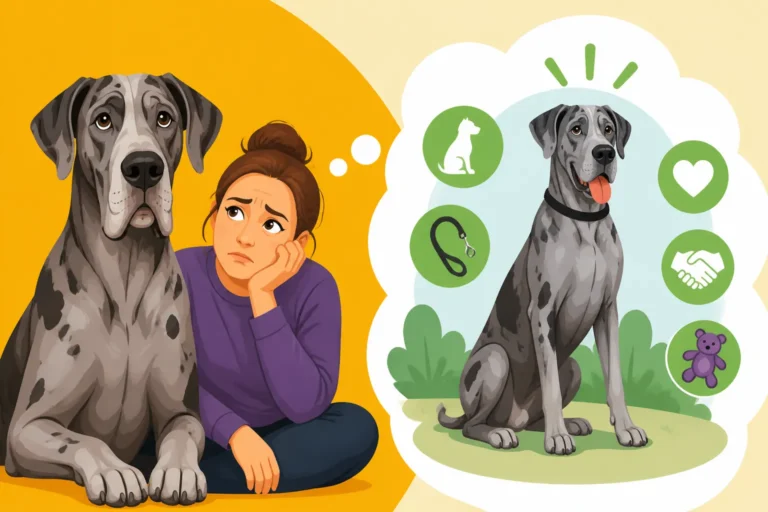
It's such a common dream for Great Dane owners: you look at your enormous, loving companion, perhaps leaning gently against you, and you just know they have a special way of connecting with people. Many wonder if that inherent sweetness and imposing yet comforting presence could be channeled into something truly meaningful, like becoming a therapy dog. While the idea of your gentle giant bringing smiles and comfort to those in need is incredibly appealing, the journey isn't always straightforward. This guide aims to demystify what it truly means for a Great Dane to be a therapy dog, outlining the temperament, training, and commitment required to make that heartwarming vision a reality.
Understanding the Role of a Therapy Dog
When we talk about therapy dogs, it’s easy to picture a friendly dog visiting a hospital or a nursing home, getting pats and bringing joy. And while that's certainly part of it, the role is far more structured and demanding than many initially realize. A therapy dog isn't just a well-behaved pet; they are a working animal with a specific job, and that job involves maintaining composure and focus in often unpredictable environments. They need to be ambassadors of calm and comfort, sometimes for people who are experiencing significant distress or are vulnerable.
What Separates a Therapy Dog From Other Working Dogs?
It's crucial to understand that a therapy dog is distinctly different from a service dog or an emotional support animal, even though all three bring comfort to humans. A service dog, like a guide dog for the blind or a mobility assistance dog, is individually trained to perform specific tasks directly for a person with a disability. They have public access rights under laws like the Americans with Disabilities Act, meaning they can go almost anywhere with their handler. Your Great Dane would be considered a service dog if it was specifically trained to help you, the owner, with a disability.
An emotional support animal (ESA), on the other hand, provides comfort and companionship to its owner, mitigating symptoms of an emotional or psychological disability. ESAs do not require specialized training for tasks and do not have the same public access rights as service dogs. They primarily offer their support through their presence.
A therapy dog is in a unique category. They typically work with a handler (often their owner) to provide comfort and affection to many different people in various settings such as hospitals, schools, nursing homes, disaster areas, or even courtrooms. They don't have the same public access rights as service dogs and are only allowed in facilities where they have been specifically invited and credentialed by a therapy dog organization. The focus is outward-facing, helping others, rather than primarily supporting their owner. This distinction means the temperament and training expectations for a therapy dog are very specific and often quite rigorous.
The Temperament Requirements for a Therapy Dog
Imagine your Great Dane encountering a child who pulls its ear a little too hard, or a senior citizen in a wheelchair whose foot accidentally bumps its leg. Picture a bustling hospital waiting room with alarms, strange smells, and people moving quickly, or a classroom full of excited, noisy kids. A therapy dog must not only tolerate these situations but genuinely enjoy them, remaining calm, patient, and friendly throughout.
The core temperament requirements revolve around unwavering stability, gentleness, and responsiveness. They must be unflappable, with absolutely no history of aggression or fear-biting. Loud noises, unfamiliar equipment, sudden movements, and even awkward handling should not faze them. A therapy dog needs to love people, not just their family, but all people, from infants to the elderly, from those who move slowly to those who are unpredictable. They need to be comfortable with strangers touching them in unusual ways, accepting hugs, pats, and even clumsy interactions without a flicker of concern. The Gentle Great Dane Temperament and Its Limits explores how their inherent calm nature can be a huge asset here, but it's not a given for every Dane. Patience, a desire to please, and the ability to recover quickly from any startling event are paramount.
Why Great Danes are Naturally Suited (and Sometimes Not) for Therapy Work
It's no secret that Great Danes are often referred to as "gentle giants," and for good reason. Their impressive size combined with their typically sweet, affectionate, and calm disposition makes them seem like ideal candidates for therapy work. However, their sheer scale also presents unique challenges that need careful consideration and proactive training.
The "Gentle Giant" Reputation: Where It Comes From and What It Means
The "gentle giant" moniker for Great Danes isn't just a catchy phrase; it reflects a genuine aspect of their breed character. Historically, these dogs were bred to be noble and courageous, capable of guarding, but equally important was their ability to be trusted family companions. This has led to a breed that, when well-bred and properly socialized, often displays incredible patience, tolerance, and an almost inherent understanding of how to be careful around smaller, more fragile beings. You'll often see a massive Dane delicately taking a treat from a child's hand or carefully navigating a crowded living room without bumping into anyone. They typically thrive on human companionship and are known for their affectionate nature, often wanting to be right by their person, or even on their lap, despite their size! This innate desire for connection and their generally placid demeanor are huge advantages in a therapy setting, where their very presence can be profoundly comforting.
Size as Both an Advantage and a Challenge
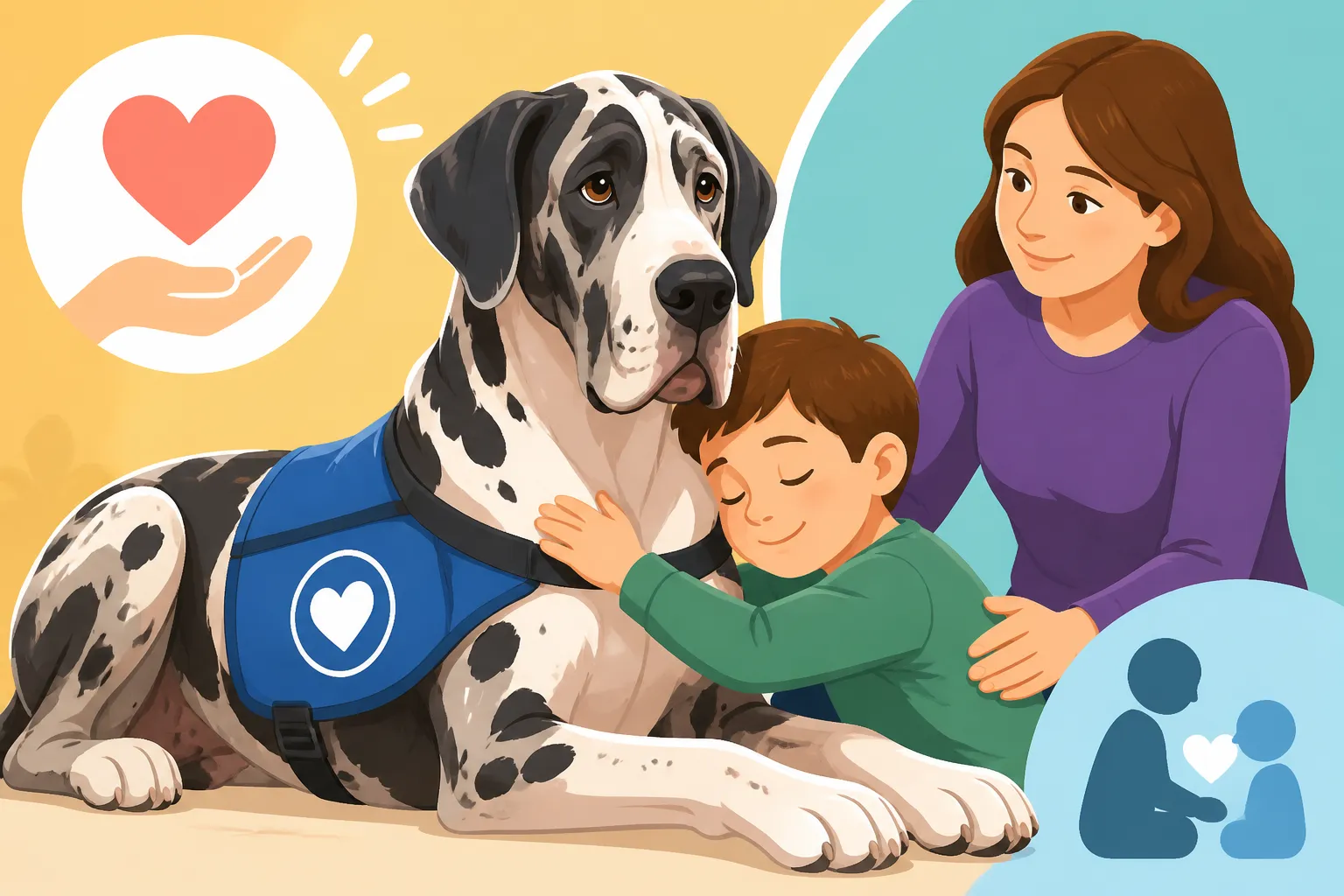
A Great Dane's size is undeniably their most striking feature, and it can be a double-edged sword in therapy work. On the advantageous side, their imposing stature can be incredibly reassuring. For many, a Great Dane represents strength, protection, and a calming, solid presence. Lying next to a large, warm dog can be deeply soothing for someone in distress. Their height also means they can easily rest their head on a hospital bed or a wheelchair, making them accessible to individuals who might struggle to reach a smaller dog on the floor. Their long bodies offer ample surface area for multiple people to pet them simultaneously, which is great for group interactions.
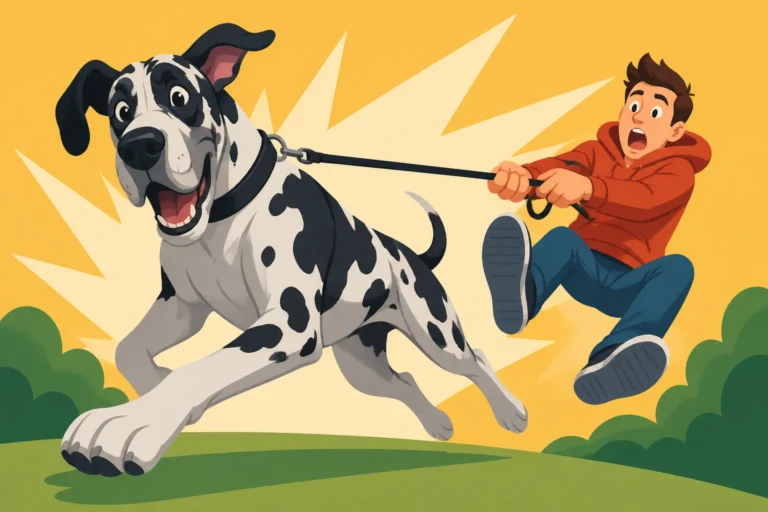
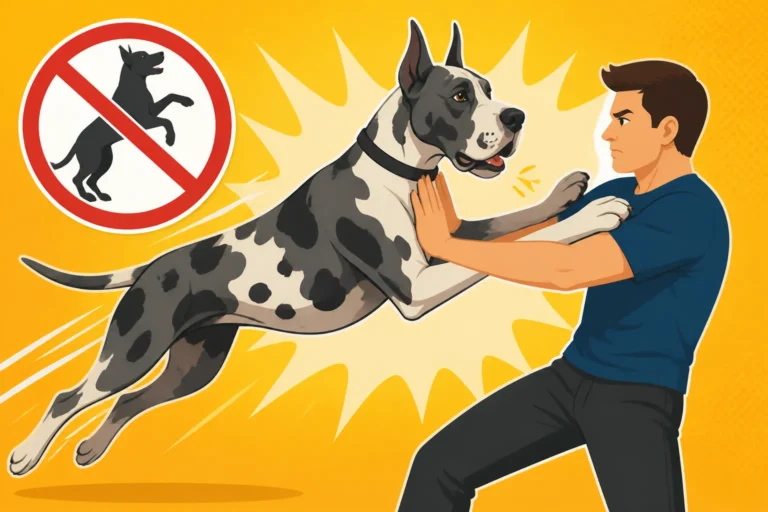
However, their size also brings significant challenges. A playful leap or an enthusiastic lean from a Great Dane, no matter how well-intentioned, can easily knock over an elderly person, a child, or someone with mobility issues. Stopping a Great Dane Jumping Up on People and A Great Dane That Puts Paws on Shoulders are skills that must be absolutely perfected. Even a gentle tail wag can be powerful enough to clear a coffee table in a waiting room or accidentally hit someone in the face. Managing their physical presence in tight spaces, around medical equipment, or amidst vulnerable populations requires meticulous training and constant vigilance from the handler. Getting into and out of vehicles, navigating elevators, and maneuvering around hospital beds are all practical considerations that need to be addressed. It means their handler must be equally skilled at managing their movements in every scenario.
Potential Temperament Nuances to Consider
While generally gentle, not every Great Dane is cut out for therapy work, and even the best-bred Danes can have individual quirks. Some Great Danes can be naturally reserved or shy, especially around new people or in unfamiliar environments. A therapy dog must be outgoing and eager to interact, not merely tolerate it. A shy Dane might retreat, pant excessively, or show subtle signs of stress that would detract from their ability to offer comfort. Building Confidence in a Nervous Great Dane is crucial if you suspect your dog leans this way, but true therapy work requires a dog that genuinely enjoys being the center of attention in varying circumstances.
Another nuance is their sensitivity. Great Danes are often very attuned to their owners' emotions, and some can be quite sensitive to stress or tension in their environment. In a therapy setting, where they might encounter people in pain, fear, or sadness, a sensitive Dane might absorb these emotions, becoming stressed themselves rather than remaining a steady anchor of calm. They also need to be completely comfortable with all sorts of touching, including potentially clumsy pats or unintentional tugs, which might occur with children or individuals with motor skill challenges. Any sign of fear, discomfort, or defensiveness under pressure is a disqualifier for therapy work. It’s a job that requires not just friendliness, but also an incredible emotional resilience.
| Therapy Dog Trait | Description | Great Dane Alignment (Generally) |
|---|---|---|
| Calmness & Stability | Unflappable, unreactive to sudden noises, movements, or unusual sights/smells. | High: Often possess natural composure. |
| Friendliness & Affection | Genuinely enjoys interacting with all strangers, seeking out attention in a gentle manner. | High: Typically very people-oriented and affectionate. |
| Tolerance to Touch | Accepts all forms of touch, including clumsy, unexpected, or extended petting, without fear or irritation. | Moderate to High: Most are tolerant, but requires specific desensitization to awkward handling. |
| Reliable Obedience | Consistently responds to basic commands (sit, stay, down, leave it) in distracting environments. | Moderate: Intelligent but needs consistent, early, and advanced training to solidify commands under pressure. The Manners a Great Dane Needs Before It Grows is non-negotiable. |
| Size Awareness | Understands its own body in space, avoiding bumping or knocking into people or objects. | Low to Moderate (Challenge): Requires intense training and handler vigilance due to large size. Whether a Great Dane Understands Its Own Size is a key training hurdle. |
| Emotional Resilience | Able to remain emotionally balanced when exposed to sadness, distress, or unusual human behavior. | Moderate: Can be empathetic, but needs to be resilient enough not to absorb human emotions to its own detriment. |
| Comfort with Equipment | Unfazed by medical devices, wheelchairs, walkers, IV poles, and other unfamiliar objects. | Moderate: Requires specific, positive exposure and desensitization. |
Training Your Great Dane for Therapy Work
The dream of having a therapy Great Dane is wonderful, but it absolutely hinges on dedicated, consistent training. This isn't just about teaching "sit" and "stay" in your living room; it's about building a rock-solid foundation of manners, confidence, and obedience that will hold up under extreme distraction and unusual circumstances. The training journey for a therapy dog is comprehensive and requires a significant investment of time and effort from you, the handler.
Foundation Training: Obedience and Manners
Before you even think about specialized therapy dog classes, your Great Dane needs to be a stellar citizen in everyday life. This means impeccable basic obedience. Commands like "sit," "stay," "down," "come," and "leave it" must be proofed repeatedly in increasingly distracting environments. Imagine a bustling park or a busy shopping center. Your Great Dane needs to reliably perform these commands there, not just at home. They need to walk politely on a leash without pulling, even if a squirrel runs by or another dog barks. Great Dane Leash Manners at a Hundred and Fifty Pounds is a critical skill, as an uncontrolled Dane of that size is a liability.
Beyond commands, excellent manners are paramount. This includes not jumping on people, even in excitement, and certainly not leaning too heavily or body-slamming, which are common Great Dane traits that must be managed. Stopping a Great Dane Jumping Up on People is a prime example of a behavior that needs early and consistent intervention. They should accept handling calmly, including having their paws, ears, and mouth touched, which is important for vet visits and unexpected interactions. Getting a Great Dane Puppy Used to Handling can prevent issues later on.
One excellent way to build this foundation is through positive reinforcement training, perhaps starting with a program like BAXTER & Bella, which offers comprehensive online resources for puppy and dog training. Their structured approach can guide you through each stage, focusing on manners and obedience from an early age, which is absolutely essential for a giant breed.
Specialized Therapy Dog Training and Certifications
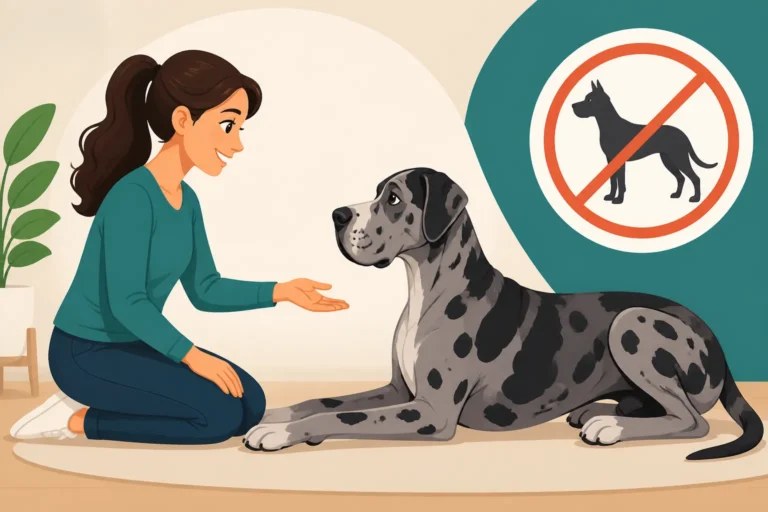
Once your Great Dane has a solid foundation of obedience and manners, you'll need to seek out specialized therapy dog training. Many organizations offer classes specifically designed to prepare dogs and their handlers for the unique challenges of therapy work. These classes focus on behaviors like:
- "Meet and Greet": Practicing gentle interactions with strangers, including those using mobility aids.
- Distraction Proofing: Working around loud noises, sudden movements, dropped items, and other dogs or animals.
- "Leave It": Ensuring the dog can ignore food, medication, or interesting objects on the floor.
- "Stay" and "Down" for Extended Periods: Essential for calm presence in a room.
- Acceptance of Medical Equipment: Introducing them to wheelchairs, crutches, walkers, and hospital beds in a positive way.
These courses often culminate in an evaluation by the therapy dog organization. Passing this evaluation is the first step toward official certification. It’s not just about the dog; the handler's ability to read their dog's body language, advocate for their dog's comfort, and maintain control in all situations is equally important. Finding a Trainer Comfortable With a Great Dane is vital, as not all trainers are experienced with giant breeds.
Exposure and Desensitization to Diverse Environments
Beyond formal classes, much of a therapy dog's training comes from broad, positive exposure to as many different sights, sounds, smells, and people as possible, starting from puppyhood. Think about environments that mimic therapy settings: quiet libraries, bustling hardware stores, noisy playgrounds (from a distance), and even the waiting room of your vet (if approved). The goal is for your Great Dane to see these as normal, non-threatening parts of life, rather than surprising or frightening new experiences.
For instance, taking your Great Dane to a pet-friendly outdoor mall where they can observe many different kinds of people, including those using mobility scooters or carrying unusual bags, is excellent practice. Exposing them to children of different ages, provided these interactions are supervised and positive, can build their comfort level. Socializing a Great Dane Puppy Early is perhaps one of the most important things you can do to lay this groundwork. The more positive experiences they have in varied settings, the more confident and stable they will be when faced with the novel environments of therapy work. You might even find some specialized gear, like extra-durable leashes or harnesses for better control in public, on sites like Amazon, which can aid in these exposure trips.
The Process of Becoming a Certified Therapy Dog Team
So, you've got a Great Dane with a wonderful temperament, and you've invested heavily in their foundation training and specialized therapy dog preparation. What's next? The final step is navigating the formal certification process to become a recognized therapy dog team. This involves selecting an organization, passing their specific evaluation, and understanding the ongoing commitment required.
Finding a Reputable Therapy Dog Organization
This is arguably the most critical step once your Great Dane is ready. There are several reputable national and regional therapy dog organizations, such as Therapy Dogs International (TDI), Pet Partners, and Alliance of Therapy Dogs. Each organization has its own specific requirements, testing protocols, and training programs, so it's essential to research them thoroughly to find one that aligns with your values and your Great Dane's capabilities.
Look for organizations that:
- Have clear guidelines and standards for dog temperament and handler skills.
- Provide insurance coverage for you and your dog during therapy visits.
- Offer support, resources, and continuing education for their teams.
- Have a good reputation within the community and with the facilities they serve.
- Are transparent about their testing process and what is expected of both dog and handler.
Don't be afraid to reach out to local chapters or affiliated facilities to ask questions about their experiences. It’s important to understand the typical environments they visit and if your Great Dane's size would be a good fit or present too many logistical hurdles for the types of places that specific organization usually serves.
The Evaluation Process: What to Expect
The evaluation is designed to assess your Great Dane's temperament, obedience, and your ability as a handler to manage them in a variety of simulated therapy scenarios. It's not about perfection, but about demonstrating consistent control, appropriate behavior, and a genuine enjoyment of the interaction.
During the evaluation, you can expect tests that include:
- Basic Obedience: Walking on a loose leash, sitting, staying, coming when called, and performing a "down."
- Acceptance of Strangers: Your Great Dane will be approached by several unfamiliar people, some of whom may be dressed unusually or use mobility aids. They must remain friendly and calm.
- Acceptance of Paws and Handling: A stranger might gently inspect your dog's paws, ears, and mouth, simulating interactions they might have in a therapy setting.
- Reaction to Distractions: This could involve loud noises (like dropping metal objects or a sudden shout), sudden movements, or encountering other dogs. The dog should not react fearfully or aggressively, but remain composed.
- Supervised Separation: Some tests involve the handler leaving the dog with a friendly stranger for a short period to see how the dog copes.
- Leaving Food/Objects: Demonstrating the "leave it" command with tempting treats or interesting objects on the floor.
Remember, the evaluators are looking for a dog that is consistently calm, confident, and genuinely enjoys interacting with people. A Great Dane that tries to hide, growls, snaps, or panics will not pass. It’s a test of true temperament under pressure, so thorough preparation is key.
Ongoing Requirements and Practical Considerations
Becoming a certified therapy dog team isn't a one-time event; it's an ongoing commitment. Most organizations require regular re-certification, typically every one to two years, to ensure that the dog's temperament and health are still suitable for the work. This also ensures that the handler's skills remain sharp.
Beyond re-certification, there are practical considerations for ongoing therapy work with a Great Dane:
- Health: Your Great Dane must be in excellent health. Regular veterinary check-ups are essential, and they must be up-to-date on all vaccinations and parasite prevention. Any signs of pain or discomfort could make them irritable and unsuitable for visits. Caring for a Great Dane Past Six often involves more vet visits, which would need to be factored in as they age.
- Grooming: Maintaining good hygiene is crucial, especially when visiting healthcare facilities. Your Great Dane needs to be clean, well-groomed, and free of strong odors.
- Transportation: How will you safely and comfortably transport your Great Dane to and from facilities? Their size can make this a logistical challenge, requiring a large vehicle and possibly a ramp or special crate.
- Handler Stamina: Therapy visits can be physically and emotionally demanding. You, as the handler, need to be able to manage your large dog, advocate for them, and stay engaged and positive throughout the visit.
- Respecting Your Dog's Limits: Even the most dedicated therapy dog needs breaks. Learn to recognize the signs that your Great Dane is getting tired or stressed, and always be willing to end a visit early if needed. Their well-being comes first.
Embarking on the journey to certify your Great Dane as a therapy dog is a profound commitment, but for those special Danes and their dedicated owners who succeed, the rewards of bringing joy and comfort to countless lives are immeasurable.
Disclaimer
This article is for general informational purposes only and does not constitute professional advice. Laws, prices and regulations vary by location and change over time. Consult a qualified professional for guidance on your specific situation.