A Great Dane That Coughs at Night
Hearing your beloved Great Dane cough repeatedly through the night can be incredibly unsettling and downright scary. It's often more than just a minor irritation; for a giant breed prone to certain serious health conditions, a nighttime cough can be a flashing red light that something significant is going on. This guide will delve into the various reasons your big dog might be coughing when they should be peacefully sleeping, what signs to look for, and how you can work with your vet to get them the right diagnosis and treatment.
Why Night Coughing Is a Red Flag for Great Danes
It's easy to dismiss a cough, especially if your dog seems otherwise fine during the day. But for a Great Dane, a cough, particularly one that surfaces or worsens at night, needs your immediate attention. Their sheer size and specific genetic predispositions mean that what might be a minor issue in a smaller dog can rapidly escalate or indicate a more serious underlying problem in a Dane. We often think of coughing as a simple respiratory issue, but for these gentle giants, it can be a symptom of something much deeper, affecting their heart or even their overall well-being.
The Impact of Size on Health Symptoms
A Great Dane’s large stature isn't just about their impressive presence; it directly influences their physiology and how certain health conditions manifest. Their organs, while proportionally large, are still susceptible to the same issues as smaller dogs, but with added challenges. For instance, their massive chests, while majestic, can also create more space for issues like bloat or complicate respiratory diagnostics. When a Great Dane coughs, the force and sound can be alarming, and the potential for structural or systemic issues to be at play is much higher simply due to the sheer scale of their body.
Consider the strain on their cardiovascular system. A dog that can weigh over 100 pounds puts a tremendous workload on its heart. If that heart isn't functioning optimally, fluid can back up, leading to congestion that often worsens when the dog lies down at night. This is a classic scenario where The Heart Muscle Disease Great Danes Are Prone To becomes a critical concern. Their size also means medication dosages are larger, recovery times might differ, and even routine procedures carry a different level of logistical challenge.
Genetic Predispositions That Affect Coughing
Great Danes, unfortunately, are genetically predisposed to several health conditions that can present with coughing, especially at night. One of the most prominent is Dilated Cardiomyopathy (DCM), a devastating heart condition where the heart chambers enlarge and struggle to pump blood effectively. As the disease progresses, fluid can accumulate in the lungs (pulmonary edema), and this often becomes more noticeable when the dog is recumbent, leading to that tell-tale nighttime cough.
Beyond heart issues, their deep chests can sometimes make them prone to certain respiratory infections or conditions that might be exacerbated by gravity or environmental factors while sleeping. While not specific to Great Danes, any breed can suffer from kennel cough or bronchitis, but the combination with potential cardiac issues makes a nighttime cough in a Dane a multi-layered diagnostic puzzle that warrants thorough investigation. It's not about being overly paranoid; it's about being proactively responsible for a breed that silently carries some significant health risks.
Common Medical Reasons Your Great Dane Coughs at Night
When your Great Dane starts coughing after dark, it’s not just disruptive; it’s a symptom that demands your full attention. There are several common medical culprits that often show their true colors more prominently once the lights go out and your dog settles down for the night. Understanding these can help you describe the symptoms accurately to your veterinarian, which is the first crucial step toward effective treatment.
Cardiac Issues and Congestive Heart Failure
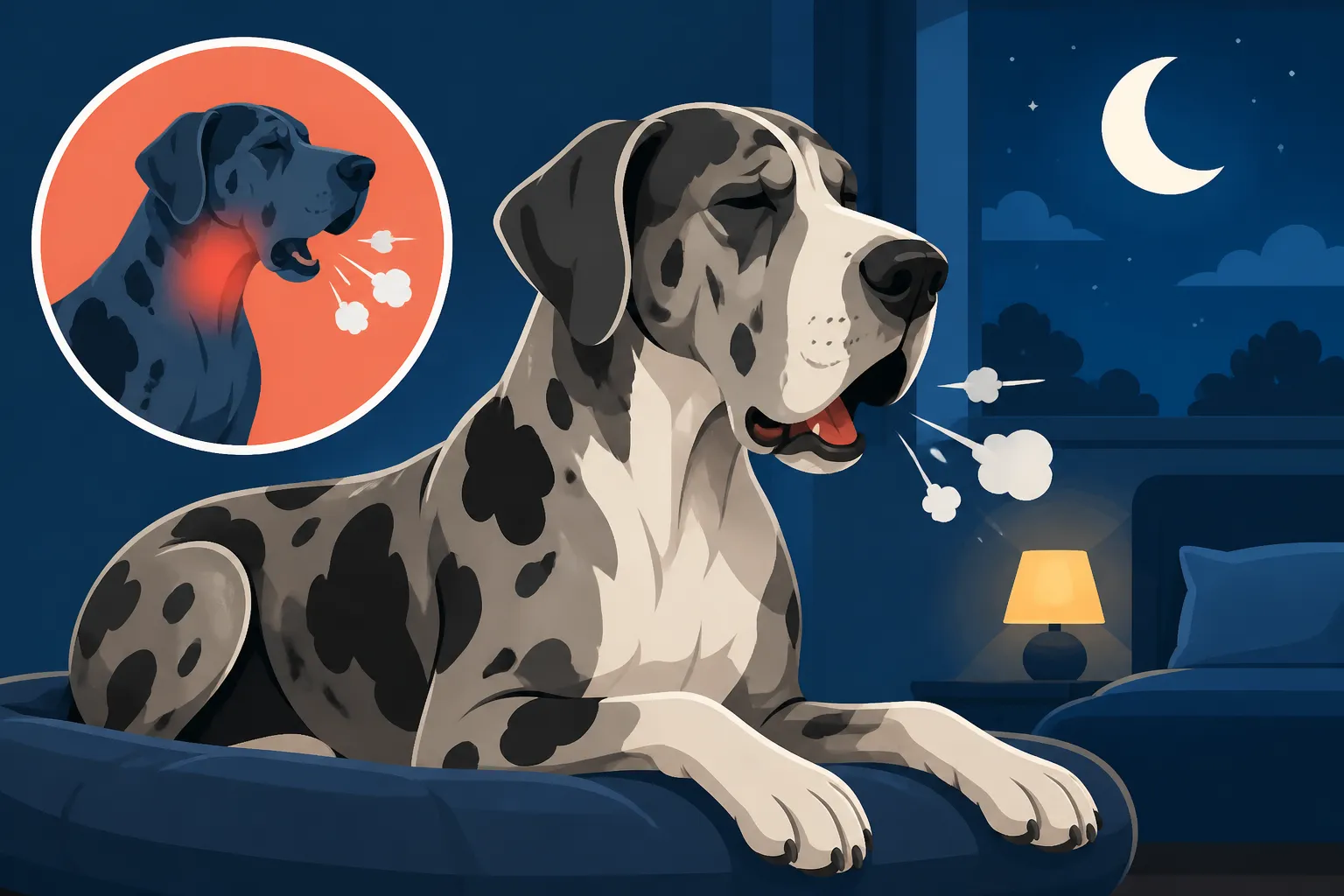
This is arguably the most critical concern for Great Dane owners when a nighttime cough begins. Great Danes have a high predisposition to Dilated Cardiomyopathy (DCM), where the heart muscle weakens and becomes enlarged, losing its ability to pump blood efficiently. As the heart struggles, blood can back up, leading to fluid accumulation in and around the lungs, known as pulmonary edema. This fluid buildup is often exacerbated when a dog lies down, as gravity no longer helps drain fluids, causing a characteristic wet, gurgling cough that can be particularly severe at night.
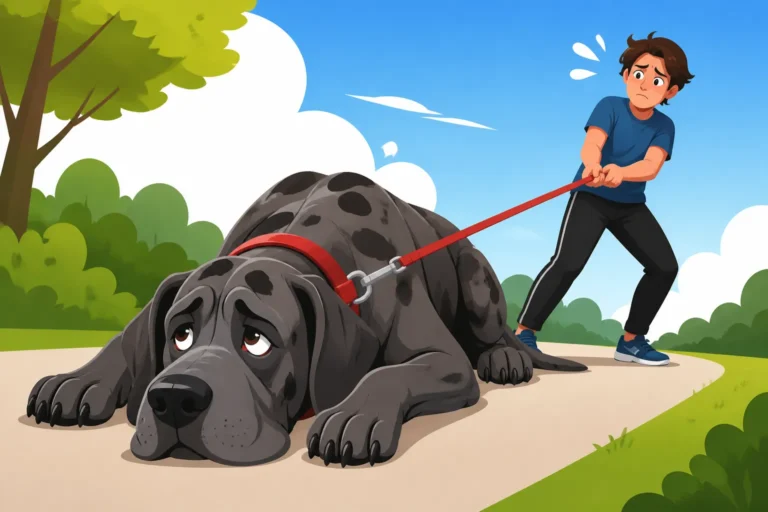
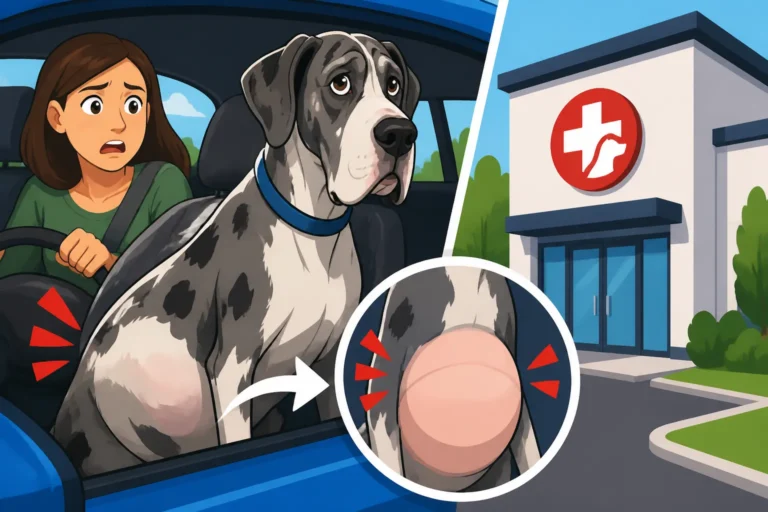
If you notice your Great Dane coughing at night, especially if it sounds wet, muffled, or if they seem restless, struggling to find a comfortable position, it's absolutely imperative to consider their heart. Other subtle Early Heart Signs in a Great Dane can include lethargy, decreased exercise tolerance (they might not be able to do A Great Dane That Cannot Finish a Walk they once enjoyed), or even a distended belly due to fluid buildup. A veterinarian will likely recommend diagnostics such as chest X-rays to look for fluid in the lungs and an echocardiogram to assess heart function. Without timely intervention, congestive heart failure can sadly progress quickly.
Respiratory Infections and Allergies
While cardiac issues are a primary concern, don't rule out more common respiratory problems. Just like us, dogs can catch colds, kennel cough, or develop bronchitis. Kennel cough, a highly contagious upper respiratory infection, often presents as a dry, hacking cough, sometimes described as sounding like a goose honk. While it can occur at any time, irritation from lying down can sometimes trigger a bout of coughing. It might be accompanied by nasal discharge, sneezing, or mild lethargy.
Allergies can also play a role. Environmental allergens like pollen, dust mites (especially prevalent indoors where dogs sleep), or even certain cleaning products can irritate your Great Dane's airways, leading to a cough that might seem worse at night when they're exposed to these triggers in their bedding or resting areas. This type of cough is often dry and might be accompanied by itchy skin or watery eyes. Distinguishing between a simple infection, allergies, and something more serious like a cardiac cough requires a vet's expertise. Your vet might suggest antihistamines or environmental changes if allergies are suspected, or antibiotics if a bacterial infection is diagnosed.
Gastrointestinal Reflux (GERD)
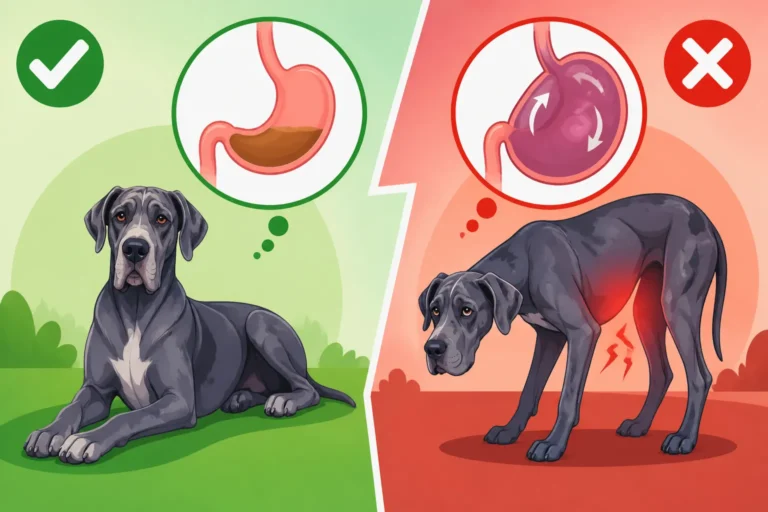
It might seem counterintuitive, but issues originating in the digestive system can absolutely cause a nighttime cough. Gastroesophageal Reflux Disease (GERD), essentially heartburn in dogs, occurs when stomach acid flows back up into the esophagus. This acid can irritate the throat and cause a cough, often mistaken for a respiratory problem. This reflux can be particularly noticeable at night when your Great Dane is lying down, as stomach contents can more easily flow upwards against gravity.
Dogs with GERD might exhibit a wet or gurgling cough, excessive licking of the air or objects, swallowing repeatedly, or even vomiting bile. They might also show discomfort when lying down or waking up with a sore throat. Factors like eating too close to bedtime, certain foods, or even stress can exacerbate reflux. If your vet suspects GERD, they might recommend dietary changes, smaller more frequent meals, elevating your dog's head during sleep, or medications to reduce stomach acid.
Diagnosing the Cause of Your Great Dane's Nighttime Cough
When your Great Dane is coughing through the night, the urgency to find out why is palpable. A proper diagnosis is paramount, and it’s a partnership between you and your veterinarian. Coming prepared with observations and information can significantly streamline the diagnostic process.
What to Tell Your Veterinarian
Before your appointment, take detailed notes. When did the coughing start? Is it dry or wet? Does it sound like a honk or a gurgle? How often does it happen, and for how long? Does anything seem to trigger it or make it better? Is your Great Dane restless, struggling to breathe, or showing any other symptoms like changes in appetite, energy levels, or weight loss? Any other changes at home – new cleaners, new food, recent exposure to other dogs?
Your vet will start with a thorough physical examination, listening carefully to your Great Dane's heart and lungs. They'll also check their gums for color, feel their pulse, and generally assess their overall condition. Don't be surprised if they ask about your Great Dane's entire health history, including vaccinations, diet, and any previous health issues. If you have pet insurance like Healthy Paws, it's a good time to mention it, as diagnostics for a Great Dane can add up quickly, and a comprehensive plan can help with coverage for unexpected illnesses.
Key Diagnostic Tests
Once your vet has a good understanding of the symptoms, they'll likely recommend a series of diagnostic tests.
Chest X-rays (Radiographs): These are crucial for visualizing the lungs and heart. X-rays can show fluid accumulation in the lungs (indicative of heart failure or pneumonia), changes in lung tissue (bronchitis, allergies), or an enlarged heart silhouette. For a giant breed, getting clear, diagnostic X-rays might require specific positioning.
Echocardiogram: If heart disease is suspected based on X-rays or physical exam, an echocardiogram is the gold standard. This ultrasound of the heart allows a veterinary cardiologist to visualize the heart's structure, measure chamber sizes, assess valve function, and evaluate blood flow. This test is vital for diagnosing DCM and determining its severity. Learning What a Cardiologist Measures in a Great Dane Heart can give you a better understanding of the details they are looking for.
Bloodwork: A complete blood count (CBC) and biochemistry panel can provide a broad overview of your Great Dane's health, checking for infection, inflammation, organ function, and electrolyte imbalances. While not directly diagnosing the cough's cause, it helps rule out systemic illnesses and assess overall health before treatment.
Tracheal Wash/Bronchoscopy: In some cases, if respiratory infection or inflammatory lung disease is suspected and other tests are inconclusive, your vet might recommend a tracheal wash to collect fluid from the airways for analysis. A bronchoscopy, involving a small camera, can directly visualize the airways but is a more invasive procedure, usually performed by a specialist.
Here’s a quick overview of common causes and their typical diagnostic paths:
| Cause of Night Cough | Typical Symptoms | Common Diagnostics | Urgency (Great Dane) |
|---|---|---|---|
| DCM/CHF | Wet cough, difficulty breathing, restlessness, lethargy, distended belly | Chest X-rays, Echocardiogram, Blood Pressure, ECG (Holter) | HIGH |
| Kennel Cough | Dry, hacking cough (goose honk), nasal discharge, sneezing | Physical exam, history, sometimes culture/PCR | Moderate |
| Bronchitis | Chronic dry or wet cough, wheezing, exercise intolerance | Chest X-rays, Tracheal wash/bronchoscopy, history | Moderate |
| GERD | Wet cough, excessive licking, swallowing, regurgitation, discomfort | Response to acid reducers, Endoscopy (rarely needed) | Low-Moderate |
| Allergies | Dry cough, itchy skin, watery eyes, sneezing | History, elimination trials, response to antihistamines | Low |
| Pneumonia | Wet cough, fever, lethargy, poor appetite, labored breathing | Chest X-rays, Bloodwork, Tracheal wash | HIGH |
Remember, getting a definitive diagnosis is key. Rushing to treat symptoms without knowing the cause can delay effective treatment for serious conditions like congestive heart failure.
Managing and Treating a Great Dane's Night Cough
Once your veterinarian has pinpointed the cause of your Great Dane's nighttime cough, the real work of management and treatment begins. This often involves a multi-faceted approach combining medication, environmental adjustments, and careful monitoring at home. Given the potential severity of some conditions in Great Danes, adherence to the treatment plan is critical.
Medical Interventions and Medications
Treatment will, of course, be tailored to the specific diagnosis.
For cardiac issues like DCM or congestive heart failure, your Great Dane will likely be prescribed a regimen of heart medications. These can include diuretics (like Furosemide) to remove excess fluid from the lungs, ACE inhibitors (like Enalapril or Benazepril) to help relax blood vessels and reduce the heart's workload, and positive inotropes (like Pimobendan) to improve the heart's pumping ability. You'll need to be diligent about administering these Medication for a Great Dane With DCM exactly as prescribed, and regular follow-up appointments, including re-checks of How a Great Dane Heart Enlarges and lung fluid levels, will be essential. This is where having pet insurance through providers like Healthy Paws can be a lifesaver, as these medications and ongoing veterinary care can be quite costly over the long term, impacting your Great Dane Vet Costs Year by Year.
If a respiratory infection like kennel cough or bronchitis is the culprit, your vet might prescribe antibiotics if a bacterial component is suspected, cough suppressants to alleviate discomfort, and sometimes bronchodilators to open airways. Rest and a humid environment can also aid recovery. For allergies, antihistamines, corticosteroids, or even allergy shots might be recommended, along with identifying and reducing exposure to allergens.
For GERD, treatment often starts with diet modification (low-fat, easily digestible food), smaller, more frequent meals, and potentially antacids or proton pump inhibitors to reduce stomach acid. Elevating your Great Dane's head while sleeping, using a specially designed bed wedge, can also help gravity keep stomach contents down. Avoid feeding too close to bedtime.
Environmental Adjustments and Home Care
Beyond medication, there's a lot you can do at home to support your Great Dane and potentially alleviate their nighttime coughing.
Comfortable Bedding: Ensuring your Great Dane has a comfortable, supportive bed can make a big difference. For a dog with heart or respiratory issues, finding a position that allows them to breathe easiest is paramount. Orthopedic beds provide excellent joint support, which can encourage more restful sleep and reduce overall stress on their body. Some dogs with breathing difficulties prefer to sleep with their head slightly elevated.
Humidity and Air Quality: If the cough is dry or irritative, increasing the humidity in your home, especially in their sleeping area, can be beneficial. A cool-mist humidifier can help moisten airways. Conversely, if allergies are suspected, ensure good air circulation and consider an air purifier to reduce dust and pollen. Regularly cleaning their bedding is also crucial to minimize dust mites and other allergens.
Stress Reduction: A calm and predictable environment can significantly benefit a Great Dane dealing with a chronic health issue. Stress can exacerbate many conditions, including heart disease and GERD. Maintain a consistent routine, provide plenty of quiet resting spots, and ensure they feel secure. This might mean making sure they have their own dedicated space, perhaps even a large Crates and Gates Sized for a Great Dane if they are crate trained and find it comforting.
Hydration: Always ensure your Great Dane has access to fresh, clean water. Good hydration can help keep airways moist and mucus thinner, making it easier to clear.
Monitoring: Continue to monitor your Great Dane's coughing patterns, severity, and any accompanying symptoms. Keep a log if necessary. This ongoing observation provides valuable feedback for your veterinarian, allowing them to adjust the treatment plan as needed. You are your Great Dane's most important advocate, and your vigilance can make all the difference in their quality of life.
Disclaimer
The information provided in this article is for educational purposes only and is not intended to be a substitute for professional veterinary advice, diagnosis, or treatment. Always seek the advice of your veterinarian or other qualified animal health provider with any questions you may have regarding a medical condition.