Calluses on a Great Dane’s Elbows and Hocks
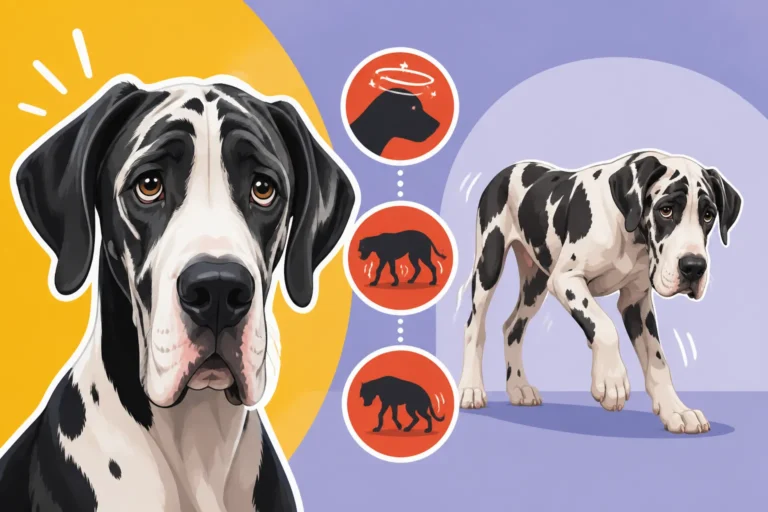
It’s a sight familiar to many Great Dane parents: those tough, thickened patches of skin that develop on your gentle giant’s elbows and hocks. While they might seem like just a cosmetic issue, these calluses are a direct result of pressure and friction on areas that bear a lot of weight when your big dog lies down. This guide will explore exactly why these calluses form, how you can prevent them, and the best ways to manage them to ensure your Great Dane stays comfortable and healthy.
Understanding Why Great Danes Develop Calluses
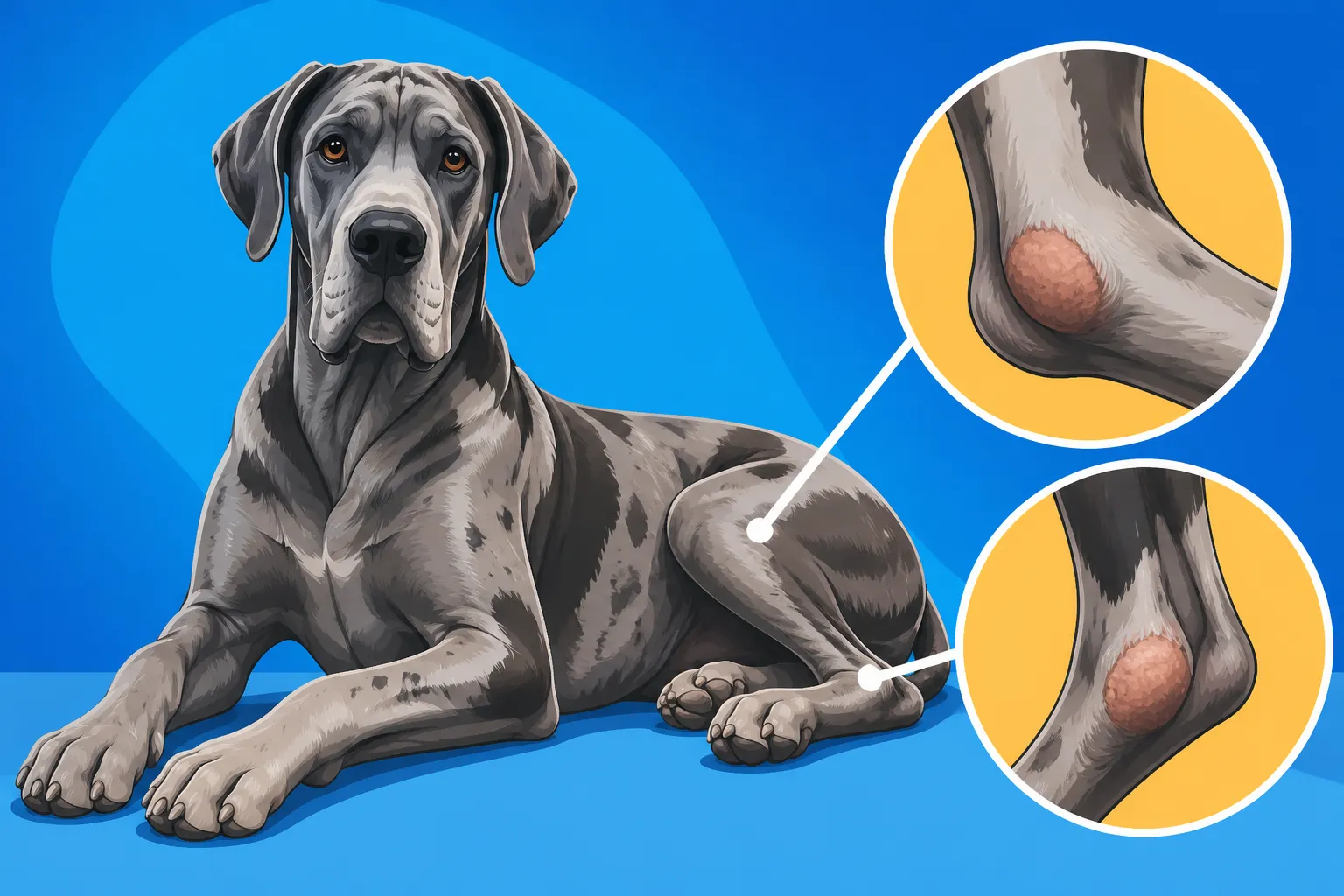
Great Danes are magnificent, large-boned dogs, and their sheer size, combined with certain behaviors, makes them particularly prone to developing calluses. It’s not a reflection of poor care, but rather an almost inevitable consequence of their anatomy and how they interact with their environment. These thick, leathery patches, often found on the elbows and hocks, are the body's natural defense mechanism, a protective measure against repeated trauma to the skin.
The Mechanics of Pressure and Friction
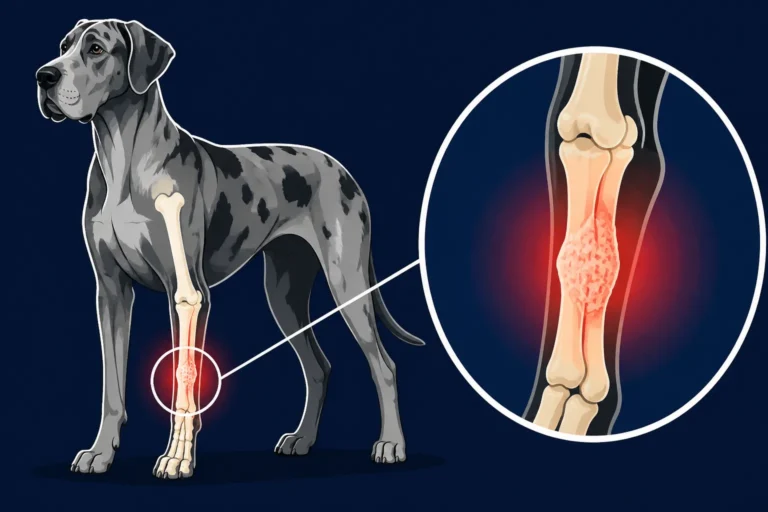
Imagine leaning your elbow on a hard surface for hours every day. Over time, your skin would likely thicken and toughen in response to that constant pressure. The same principle applies to our Great Danes, but on a much larger scale. When a Great Dane lies down, especially on hard surfaces like tile, concrete, or even thin carpet, their bony prominences – particularly the elbows (olecranon) and hocks (tarsal joints) – bear the brunt of their significant body weight.
This repeated impact and the subsequent friction as they shift and get up creates micro-traumas to the skin and underlying tissues. The body, in its wisdom, responds by producing more skin cells and thickening the outer layer (epidermis) to protect these vulnerable areas. Initially, you might notice the hair thinning or disappearing from these spots, revealing a darker patch of skin. Over time, without intervention, this skin becomes rougher, drier, and can even crack, creating an entry point for bacteria and potential infection. It’s a classic case of the body trying to help, but sometimes overdoing it, leading to an issue that can become quite uncomfortable for your dog.
How a Great Dane's Weight Contributes
Let's be real, a Great Dane isn't just a big dog; they're a massive dog. Adult males can easily weigh 140 to 170 pounds, with some even pushing past 200 pounds. Females, while typically smaller, are still substantial at 110 to 140 pounds. This incredible weight, distributed over a relatively small surface area when they lie down, means immense pressure on those bony spots. A smaller dog, even one that prefers hard surfaces, simply doesn't exert the same force on their joints and skin.
This heavy impact is why preventing and managing calluses is so crucial for Great Danes. The greater the weight, the more pronounced and severe the calluses tend to be. This is particularly true for older Great Danes or those who might be a little heavier than their ideal body condition, as their joints already face extra strain. You might also notice that the calluses seem to worsen or appear more quickly if your Dane has a favorite spot on a less-than-ideal surface, or if they're particularly fond of "splooting" (lying flat on their belly with legs splayed), which exposes those elbow and hock areas directly to the ground. Understanding that this is an almost inherent challenge for the breed helps us approach prevention and management with the right mindset.
Preventing Calluses Before They Start
When it comes to Great Danes and calluses, an ounce of prevention is truly worth a pound of cure. Once those thick, dry patches form, they can be stubborn to get rid of completely. The best strategy is to address the environmental factors and daily habits that contribute to their formation, ideally starting when your Great Dane is still a puppy. Early intervention can make a world of difference in keeping their skin supple and healthy throughout their life.
The Importance of Proper Bedding
This is, hands down, the single most critical factor in preventing calluses. Your Great Dane needs a truly supportive, thick, and well-cushioned bed that consistently protects their bony joints from hard surfaces. Forget those flimsy, fiber-filled beds that flatten out after a week; they offer virtually no protection for a dog of this size. Think of it this way: if you can feel the floor through the bed with your hand, your Great Dane certainly can too.
The ideal bedding for a Great Dane should feature high-density orthopedic foam. Memory foam, often used in human mattresses, is an excellent choice because it conforms to your dog's body, distributing their weight evenly and alleviating pressure points on their elbows and hocks. Look for beds that are at least 4-6 inches thick, with some premium options offering even more substantial support. Brands like Big Barker and Molly Mutt are often recommended by Great Dane owners for their durability and orthopedic qualities, though other quality options exist. Ensure the bed is appropriately sized so your Dane can stretch out comfortably in all their favorite sleeping positions without parts of their body hanging off onto the hard floor. Consider having multiple beds throughout the house, especially in their most frequented napping spots, to encourage them to always choose a soft landing. You can learn more about Beds That Cushion a Great Dane's Joints for specific recommendations.
Here's a quick comparison of popular bedding options:
| Bedding Type | Pros | Cons | Ideal For |
|---|---|---|---|
| Orthopedic Foam | Excellent pressure relief, durable, supportive | Can be expensive, heavier, may retain heat | Preventing and managing calluses, senior Danes |
| Memory Foam | Conforms to body, superior comfort, durable | Can be expensive, retains heat, takes time to "fluff up" | Optimal comfort, joint support, existing calluses |
| Pillow/Fiber-Fill | Affordable, lightweight, easy to move | Flattens quickly, poor support for heavy dogs, offers little protection | Smaller breeds, temporary use for Great Danes |
| Elevated/Cot Beds | Good airflow, easy to clean, keeps dog off floor | Can be less comfortable on joints, some designs lack padding | Outdoor use, warm climates, can add thick pad for indoors |
It’s an investment, absolutely, but one that pays dividends in your Great Dane's long-term comfort and joint health. Plus, a comfortable bed might just keep them off your couch!
Environmental Considerations and Daily Habits
Beyond the bed, consider the overall environment where your Great Dane spends their time. Are there hard floors throughout your home? While aesthetically pleasing, tile, hardwood, and laminate can be brutal on a Great Dane’s elbows and hocks. Strategically placed Rugs and Runners for a Great Dane's Joints can provide much-needed cushioning in high-traffic areas or where your Dane tends to flop down for a quick nap. Even a simple bath mat can make a difference by the back door or near their food bowls if they often lie there.
Discourage your Great Dane from habitually lying on concrete patios, asphalt driveways, or even hard-packed dirt outside. If they love lounging outdoors, provide a sturdy, elevated cot bed with a thick pad or an outdoor dog bed specifically designed for comfort. This is particularly important during warmer months when the ground can get hot, and they might seek cooler spots, inadvertently worsening callus formation.
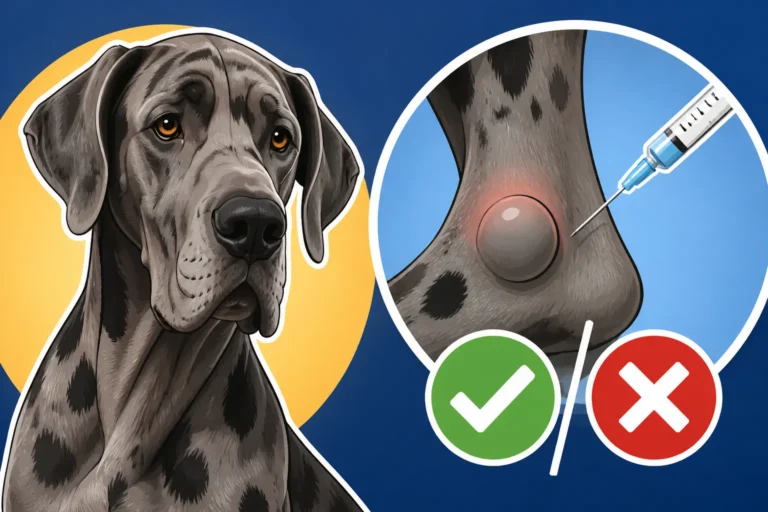
Regularly check your Great Dane's elbows and hocks, especially if they are growing or aging. Early detection of any thinning hair or slight thickening of the skin can prompt immediate adjustments to their sleeping arrangements or routine, preventing the callus from becoming more severe. You might also notice these calluses alongside other issues like Elbow Hygromas on a Great Dane, which are fluid-filled sacs that can develop due to repeated trauma. If you catch these issues early, managing them becomes much simpler.
Additionally, maintain a healthy weight for your Great Dane. Extra pounds mean extra pressure on their joints and, consequently, their bony prominences. Discuss an appropriate diet and exercise regimen with your vet, especially if you notice your Dane is carrying a bit too much weight. A lean body condition not only reduces the risk of calluses but also supports overall joint health, preventing issues like Great Dane Hips, Elbows and Growing Joints from worsening prematurely.
Managing Existing Calluses and Preventing Worsening
So, you’ve noticed those calluses have already started to form, or perhaps your rescue Great Dane came with a few well-established patches. Don't despair! While complete eradication might be difficult, you can absolutely manage them, keep them supple, prevent them from cracking, and improve your dog's overall comfort. The goal is to soften the thickened skin and create a protective barrier, preventing further irritation and potential infection.
Moisturizing and Protecting the Skin
Once a callus has formed, the skin in that area is dry, tough, and lacks elasticity. This makes it prone to cracking, which can be painful and lead to infections. The first line of defense is consistent moisturizing. Look for thick, emollient balms or creams specifically formulated for dog calluses. These often contain ingredients like shea butter, coconut oil, beeswax, vitamin E, or lanolin. Some effective options often found in pet stores include Musher's Secret, Bag Balm, or various paw balms. Avoid human lotions that might contain fragrances or other chemicals not suitable for canine skin, especially since your dog will inevitably lick the area.
Apply the balm liberally to the callused areas 2-3 times a day. Gently massage it in to help it absorb and to stimulate circulation. Consistency is key here; a sporadic application won't yield the same results. For particularly stubborn or thick calluses, you might consider asking your vet about a product containing urea or salicylic acid, which can help gently exfoliate and soften the toughened skin, but these should only be used under veterinary guidance to avoid irritation.
Beyond moisturizing, physical protection is crucial. For elbow calluses, you can find specially designed elbow sleeves or pads. These are typically made of soft, breathable material with a padded insert that goes over the callus. They help reduce friction and absorb impact when your Great Dane lies down, giving the skin a chance to heal and soften. Brands like Remedy+Recovery or specific orthopedic suppliers offer these. Ensure the sleeve fits snugly enough to stay in place but isn't so tight that it restricts circulation or causes chafing. Many Great Danes adapt well to wearing these, especially if introduced gradually with positive reinforcement. Keeping the area protected is also vital in preventing Skin Problems Where a Great Dane Lies Down.
When to Seek Veterinary Advice
While many calluses are a cosmetic nuisance and can be managed at home, there are definite times when a trip to the vet is absolutely necessary. Never underestimate the potential for complications, especially with a large breed like a Great Dane.
You should contact your veterinarian immediately if you notice any of the following:
- Redness or Swelling: These are classic signs of inflammation or infection.
- Pus or Discharge: This indicates a bacterial infection, requiring antibiotics and possibly a thorough cleaning by a vet.
- Bleeding: Cracked calluses can bleed, which is not only painful but also opens the door to infection.
- Lameness or Pain: If your Great Dane starts limping, favoring a leg, or showing signs of pain when the callus is touched, it means the issue is more than superficial. This could indicate a deep infection, an underlying joint problem, or even a hygroma that has become infected.
- Excessive Licking or Chewing: This self-trauma can quickly worsen the callus, introduce bacteria, and prevent healing.
- Rapid Growth or Change: While calluses develop slowly, any sudden change in size, texture, or color warrants a vet visit to rule out other skin conditions or tumors.
Your vet can properly diagnose the issue, rule out secondary infections or other conditions, and prescribe appropriate medications like topical or oral antibiotics, anti-inflammatory drugs, or medicated ointments. They can also offer professional cleaning and debridement of severely thickened or infected calluses. Don't hesitate to consult your vet; early intervention can prevent minor callus issues from escalating into serious, painful, and expensive problems. For instance, issues like Arthritis in a Six-Year-Old Great Dane could make them more reluctant to move, increasing the time they spend lying down and potentially worsening calluses. Remember that investing in pet insurance, such as through a provider like Healthy Paws, can be incredibly helpful for covering unexpected vet bills related to such health concerns.
Your vet might also suggest certain dietary supplements, especially those focused on skin and coat health, such as omega-3 fatty acids, though it's important to discuss appropriate dosages for a Great Dane's size. Consistent grooming practices, even Grooming a Great Dane Lying Down if they have mobility issues, can also help you regularly inspect their skin.
Ultimately, managing calluses on your Great Dane requires a proactive approach, a comfortable environment, and vigilance. By providing soft, supportive bedding, maintaining a healthy weight, and keeping those areas moisturized and protected, you can ensure your big companion remains happy and healthy for years to come.
Disclaimer
Please remember that the information provided in this guide is for general informational purposes only and is not a substitute for professional veterinary advice. Always consult with a qualified veterinarian for any health concerns or before making any decisions related to your Great Dane's health and treatment.