Putting Weight on a Thin Great Dane
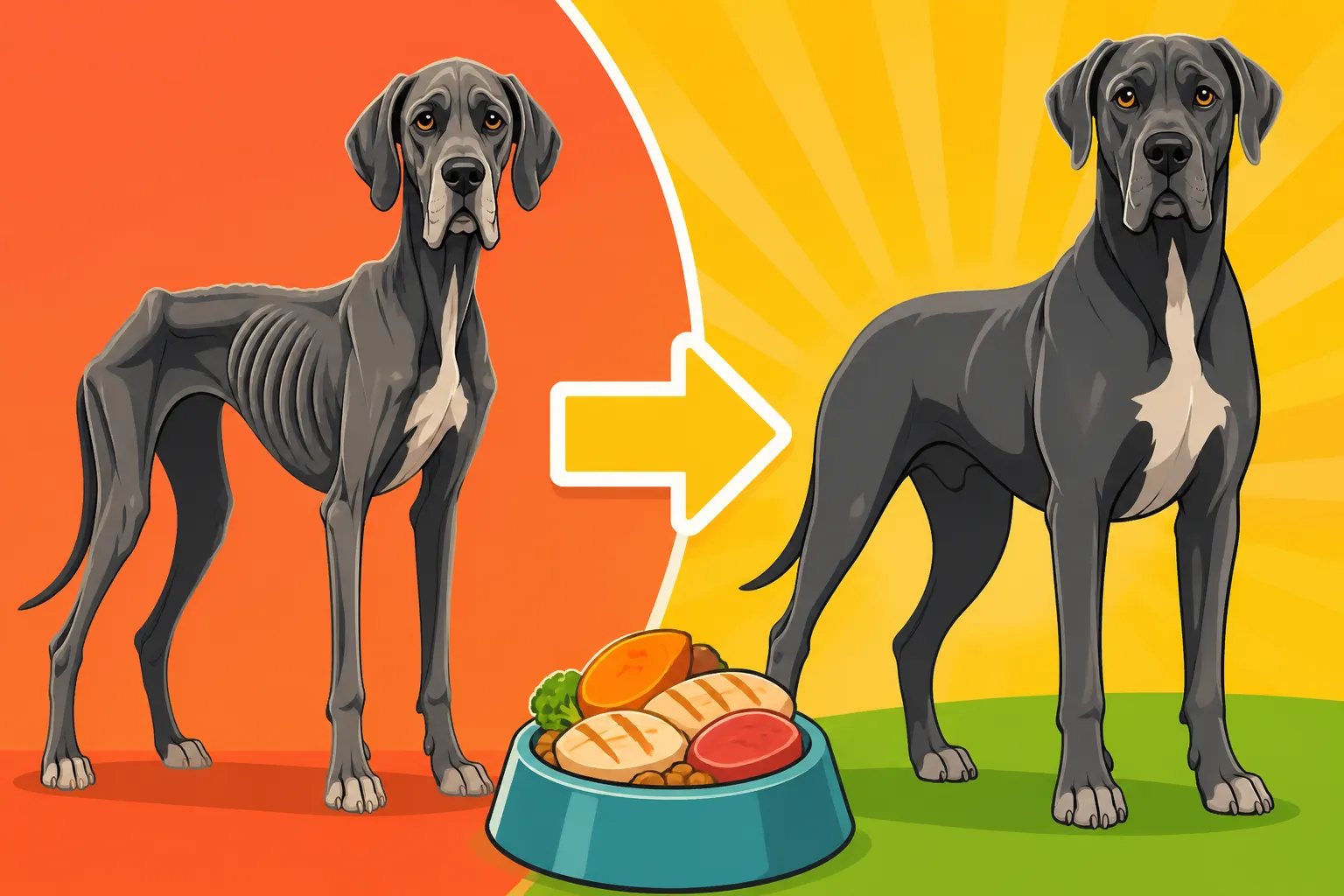
It's incredibly worrying to see your magnificent Great Dane looking a bit too lean, their ribs more prominent than they should be, or their hips jutting out. As a breed renowned for their impressive size, a Great Dane that's underweight can signal a myriad of issues, from simple dietary needs not being met to underlying health concerns that require immediate attention. This comprehensive guide will walk you through the essential steps to safely and effectively help your thin Great Dane regain a healthy weight, focusing on veterinary assessment, nutritional adjustments, and supportive care.
Understanding Why Your Great Dane Might Be Too Thin
When your Great Dane starts looking underweight, your first thought might be to just feed them more. While increasing calories is often part of the solution, it’s absolutely crucial to understand why they might be losing or failing to gain weight in the first place. Their sheer size means their bodies are working hard constantly, and even a minor issue can have a significant impact.
The Importance of a Veterinary Check-Up First
Before you make any drastic changes to their diet, the very first, non-negotiable step is a comprehensive visit to your veterinarian. I cannot stress this enough. Attempting to "fatten up" a dog that has an underlying medical condition could mask symptoms, delay proper diagnosis, or even exacerbate their health issues. Your vet needs to rule out the serious stuff first. This is especially true for a breed like the Great Dane, which is prone to several significant health challenges.
During this visit, your vet will perform a thorough physical examination, checking their teeth, gums, coat, skin, and feeling their abdomen. They'll likely recommend blood work to check organ function, thyroid levels, and for any signs of infection or inflammation. A fecal test is also essential to check for parasites, which can silently steal nutrients from your Dane, leading to weight loss despite adequate food intake. The Yearly Checkup a Great Dane Needs is vital, and even more so when weight loss is a concern. Don't skip this step – it's the foundation of getting your beloved giant back to a healthy state.
Common Medical Reasons for Weight Loss in Great Danes
Great Danes, unfortunately, are predisposed to certain health conditions that can manifest as weight loss or an inability to gain weight. Being aware of these can help you have an informed conversation with your vet.
One common culprit is parasites. While often associated with puppies, adult dogs can still pick up worms, and a heavy parasitic load can quickly lead to a thin appearance, a dull coat, and sometimes a pot-bellied look. Even if your Dane is on regular deworming, a fresh fecal sample can catch resistant strains or types of parasites not covered by routine medication.
Thyroid issues, specifically hypothyroidism, can also play a role, though it often leads to weight gain in many breeds. However, in some cases, an improperly functioning thyroid can disrupt metabolism in unpredictable ways. Your vet can perform The Thyroid Test a Slow Great Dane Needs to check if this is a factor.
More serious conditions like chronic kidney disease, liver disease, or even certain cancers can cause progressive weight loss. Inflammatory Bowel Disease (IBD) can also prevent nutrient absorption, no matter how much your Dane eats. For a breed like the Great Dane, heart conditions, particularly Dilated Cardiomyopathy (DCM), can also lead to weight loss in advanced stages, as their body struggles to maintain proper function. The Heart Muscle Disease Great Danes Are Prone To is a serious concern for many Dane owners, and its progression can certainly impact overall body condition. If a Great Dane is truly struggling to keep weight on without an obvious dietary reason, a full workup is imperative to catch these things early.
Crafting a Nutrition Plan for Healthy Weight Gain
Once your vet has given your Great Dane a clean bill of health, or addressed any underlying medical issues, it’s time to focus on nutrition. Simply dumping more food into their bowl isn't always the answer. We need a strategy that prioritizes nutrient-dense, high-quality calories.
Selecting the Right Food for Calorie Density
For a Great Dane, "the right food" is usually one formulated for large breed adults, or in some cases, large breed puppies, depending on their age and specific needs, if they're still growing. However, when putting on weight, you might need to look beyond the standard large breed adult formula. You want a food that is calorie-dense without being excessively high in protein or fat, which can upset their digestion. The goal isn't just more calories, but efficient calories.
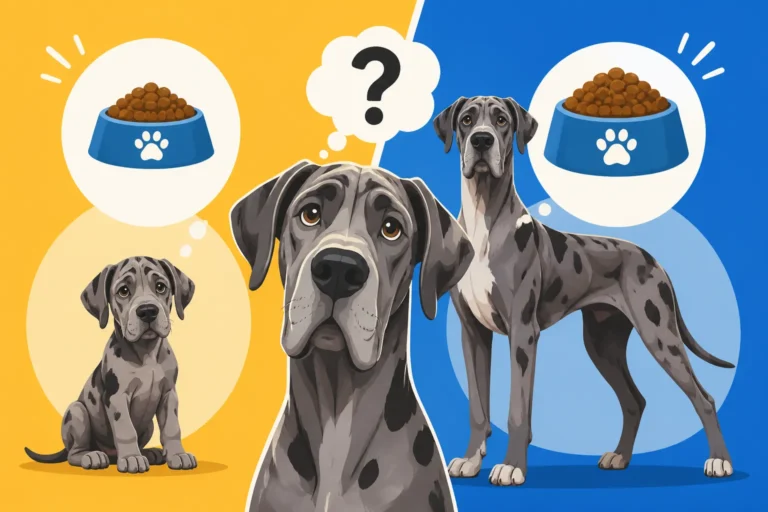
Look for a high-quality kibble that lists meat (like chicken, beef, or lamb) as the first ingredient. Foods with a slightly higher fat content can be beneficial for adding calories. Some owners find success with "all life stages" formulas that are also appropriate for large breed puppies, as these tend to be more calorie-dense. Be cautious with regular puppy food, as it can be too rich and lead to rapid growth, which is detrimental to a Great Dane's developing joints. Why Regular Puppy Food Hurts a Great Dane is an important read on this topic.
Consider exploring options from reputable brands known for quality ingredients. Sometimes, a limited ingredient diet might be beneficial if your Dane has sensitivities. For some, incorporating fresh food options from companies like Ollie can provide highly palatable and nutrient-rich calories that might be easier for a sensitive stomach to digest. Just remember, any food change should be done gradually over 7-10 days to avoid digestive upset. You can often find a wide variety of suitable foods on platforms like Chewy, making it easy to compare nutritional profiles and reviews.
Smart Supplementation to Aid Weight Gain
Supplements can be a useful tool, but they should always complement a solid diet, not replace it. And, as always, discuss any supplementation with your vet first.
Healthy Fats: Adding healthy fats is one of the most straightforward ways to boost calorie intake. Fish oil (like salmon oil) is a fantastic source of Omega-3 fatty acids, which not only provide calories but also support skin, coat, and joint health. Coconut oil is another popular choice; it's calorie-dense and many dogs enjoy the taste. Start with small amounts and gradually increase to avoid digestive upset. A tablespoon or two per meal can make a big difference for a Great Dane.
Digestive Enzymes and Probiotics: If your Great Dane is having trouble absorbing nutrients, even with a good diet, digestive enzymes or probiotics might help. These can aid in breaking down food and supporting a healthy gut microbiome, ensuring they get the most out of every meal. This is particularly helpful if they've had a history of giardia or other gut upsets.
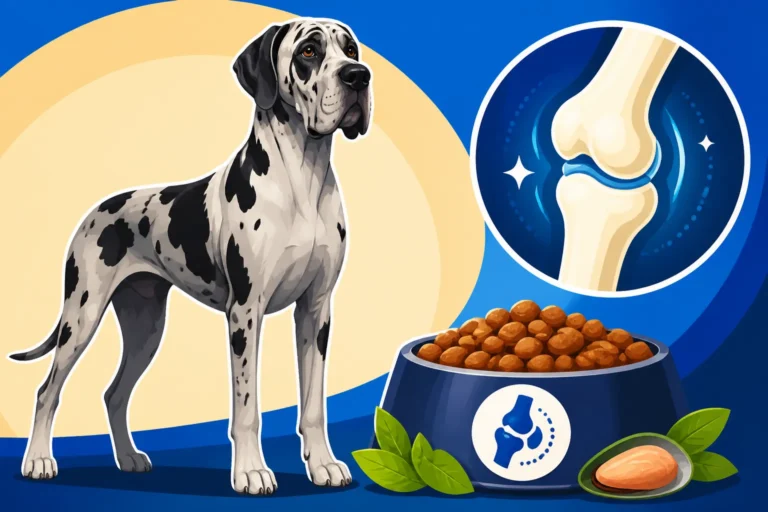
Weight Gain Supplements: There are specific weight gain supplements formulated for dogs, often containing concentrated fats, proteins, and vitamins. While these can be effective, they should be used under veterinary guidance. Always check the ingredients and ensure they are appropriate for a large breed to avoid accidental imbalances that could harm bone development in younger Danes. Whether Joint Supplements Reach a Great Dane's Dose is a pertinent question, as supplements must be given in appropriate amounts for their massive size.
The Role of Meal Frequency and Portion Control
When dealing with a thin Great Dane, it’s rarely about feeding one massive meal. Their unique physiology, particularly their deep chest, makes them prone to bloat (gastric dilatation-volvulus), a life-threatening condition where the stomach twists. The Lifetime Bloat Risk in a Great Dane is something every owner must understand. Feeding multiple smaller meals throughout the day, rather than one or two large ones, is a key strategy to help them gain weight safely while minimizing bloat risk.
Aim for 3-4 meals a day. This allows for better digestion and absorption of nutrients, prevents them from gorging themselves, and keeps their metabolism running steadily. While you're aiming for weight gain, still ensure proper portion control at each meal, just spread out more frequently. Splitting a Great Dane's Meals in Two is a good start, but for weight gain, even more meals can be beneficial.
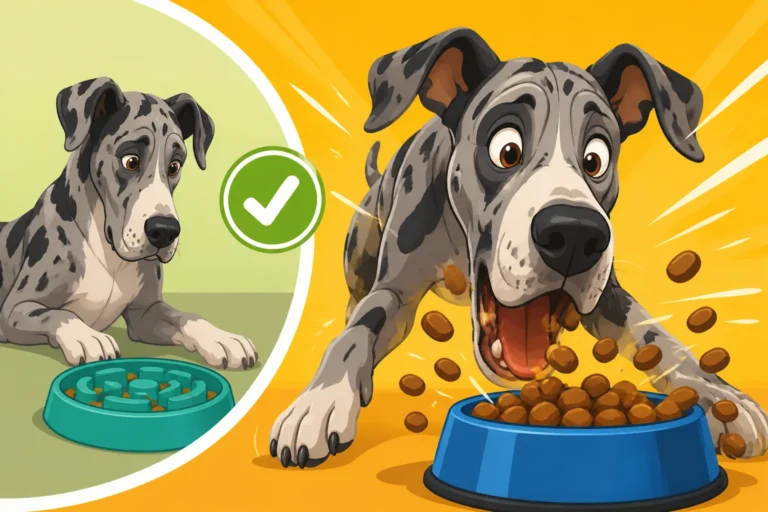
Monitoring their stool is also crucial. If you're increasing food intake, watch for loose stools or diarrhea, which indicates their digestive system can't handle the amount or richness of the food. If this happens, dial back slightly and re-introduce increases more slowly. Slow feeders, available on platforms like Amazon or Chewy, can also help Slowing Down a Great Dane That Bolts Food, which can reduce the risk of bloat and improve digestion.
Optimizing Environment and Routine for Weight Recovery
Beyond diet, your Great Dane's environment and daily routine play a significant role in their ability to gain and maintain a healthy weight. Stress, inadequate rest, and improper exercise can all hinder progress.
Minimizing Stress and Maximizing Comfort
A stressed or anxious Great Dane can burn through calories faster than a calm one, and stress can also affect appetite and digestion. Think about what might be causing your Dane stress. Is there a new pet? Changes in the household routine? Loud noises? Ensuring they have a consistent, predictable routine can go a long way.
Create a calm, safe space where your Dane can retreat and relax. This might be a cozy corner with their bed, or a large crate where they feel secure. Good quality, supportive bedding is essential for Great Danes, especially when they are already a bit thin, as they have less natural padding. Orthopedic beds can provide cushioning for their joints and pressure points, making rest more comfortable and allowing their bodies to focus energy on repair and growth, rather than compensating for discomfort. Bedding That Prevents Great Dane Hygromas is often key to their overall comfort.
Adequate sleep is also incredibly important for recovery and growth. Great Danes need a lot of rest, sometimes up to 14-18 hours a day for adults. Ensure they have uninterrupted periods of deep sleep in a quiet, undisturbed area.
Balancing Exercise with Rest for Optimal Gain
While exercise is vital for a Great Dane's overall health, too much, especially strenuous exercise, can hinder weight gain. When you're trying to put weight on a thin dog, you want their body to use calories for growth and energy storage, not just burning them off immediately.
During the weight gain phase, consider modifying their exercise routine. Instead of long, intense runs or highly active play sessions, opt for shorter, more controlled walks. Focus on gentle activities that encourage muscle tone without overtaxing their system. Exercise Limits While a Great Dane Is Still Growing is particularly important for young Danes, but even adults need careful consideration if they are underweight. Avoid high-impact activities like jumping or prolonged running on hard surfaces.
A good rule of thumb is to allow for moderate, consistent exercise that keeps them stimulated and prevents muscle atrophy, but doesn't deplete their calorie reserves excessively. This means about 30-60 minutes of gentle walking spread across the day, perhaps two or three times. Encourage mental stimulation with puzzle toys or training sessions, which burn calories less intensely than physical exertion. Wearing Out a Great Dane Without Wrecking Its Joints is always a priority, but especially so when they are trying to put on weight.
Monitoring Progress and Long-Term Weight Management
Putting weight on a Great Dane isn't an overnight process. It requires patience, consistency, and careful monitoring to ensure they're gaining weight healthily and not excessively.
How to Accurately Track Your Dane's Weight
Regularly tracking your Great Dane's weight and body condition score is critical. You can't just go by how they look in pictures or by how heavy they feel.
Weighing: If you have access to a large animal scale (often at your vet's office or some larger pet supply stores), weigh your Dane consistently, perhaps once a week or every two weeks. Note the time of day and whether they’ve eaten recently for consistency. This gives you objective data on their progress.
Body Condition Score (BCS): This is arguably more important than just the number on the scale. The BCS is a hands-on assessment. You should be able to feel their ribs easily, but not see them prominently. Their waist should be evident when viewed from above, and there should be an abdominal tuck when viewed from the side.
Here’s a simple guide for assessing BCS:
| Feature | Underweight (BCS 1-2) | Ideal Weight (BCS 4-5) | Overweight (BCS 7-9) |
|---|---|---|---|
| Ribs | Easily visible, no fat cover, sharp to the touch | Easily felt with slight fat cover, not visible | Difficult to feel, covered in thick fat |
| Spine & Hips | Easily visible and palpable, no fat cover | Palpable with slight fat cover, not visible | Difficult to feel, covered in thick fat |
| Waist | Very pronounced tuck from above and side | Clearly discernable tuck | Little to no waist, broad back |
| Abdominal Tuck | Extreme tuck | Apparent abdominal tuck | No tuck, abdomen may sag |
| Muscle Mass | Obvious loss of muscle mass | Good muscle mass | May have good muscle mass, but covered by fat |
You're aiming for that "easily felt with slight fat cover" sweet spot. If you're unsure, ask your vet to demonstrate how to correctly assess your Great Dane's Reading Ribs on a Great Dane and overall body condition. Take photos every few weeks to visually track changes, as it can be hard to notice gradual improvements day-to-day.
Recognizing When You've Reached a Healthy Weight
Knowing when to stop "power feeding" is just as important as starting. Once your Great Dane has reached an ideal body condition score – meaning you can feel their ribs easily without seeing them, they have a discernible waist, and good muscle mass – it's time to transition to a maintenance diet.
This usually means adjusting their food quantity down slightly from the weight-gain phase. You might find they no longer need supplemental fats, or perhaps a lower calorie-dense food is appropriate. Continue to monitor their weight and BCS every few weeks, and make small adjustments as needed. Factors like age, activity level, and whether they've been spayed or neutered can all impact their caloric needs. Adjusting Food After a Great Dane Is Neutered can be a significant dietary change point.
The goal is to maintain that healthy weight for the long term, supporting their joints, heart, and overall well-being. Patience and consistent attention to their diet and health are the hallmarks of a good Great Dane owner. Remember, a healthy, happy Great Dane isn't necessarily the heaviest one, but the one with optimal body condition and energy.
Disclaimer
This article is for general informational purposes only and does not constitute professional advice. Laws, prices and regulations vary by location and change over time. Consult a qualified professional for guidance on your specific situation.