Sore Skin Under a Great Dane’s Lip
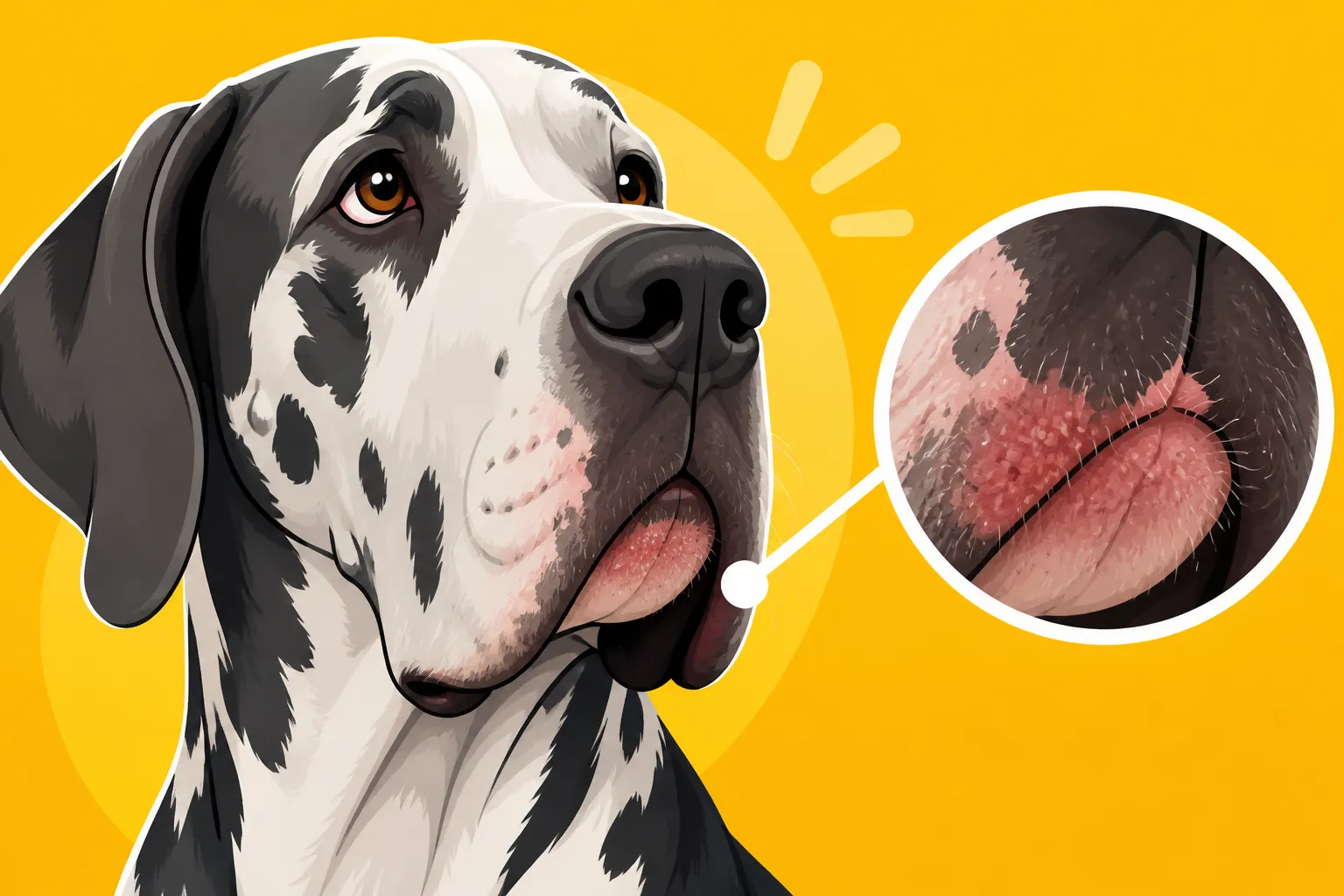
It's an all too common sight for Great Dane parents: that tell-tale redness, sometimes even a moist, unpleasant-smelling patch, hiding just under those magnificent, pendulous lips. You love their expressive jowls, but boy, can they be a breeding ground for irritation! This guide is here to walk you through exactly why your gentle giant might be developing sore skin under their lip, what you can do to prevent it, and how to tackle it if it's already a problem. We'll cover everything from simple cleaning routines to understanding when it's time to call in the vet, helping you keep your Dane's handsome face happy and healthy.
Understanding Why Great Danes Get Sore Lips
That big, beautiful Great Dane head, with its distinctive jowls and often droopy lips, is part of what makes them so undeniably charming. But these very features, which we adore, are also what predispose them to developing uncomfortable, sore skin underneath. It’s not just a superficial issue; it’s a design flaw, if you will, that requires diligent attention.
The Anatomy of a Great Dane's Mouth and Jowls
Great Danes are blessed with what we call "pendulous" lips – lips that hang down quite a bit, forming natural folds and pockets. Think of it like a series of soft, fleshy draperies around their mouth. These folds aren't just for show; they trap all sorts of things. Unlike many breeds with tighter, cleaner mouths, a Dane's jowls create a warm, moist, and often dark environment.
Within these deep folds, particularly where the upper lip drapes over the lower lip, there's reduced airflow. This lack of ventilation means moisture doesn't evaporate easily. Any stray food, water, or even just their own saliva can sit there, creating a damp little microclimate. It's like having perpetually wet skin between your toes, but on your dog's face. This constant moisture is the perfect invitation for bacteria and yeast to set up shop, leading to inflammation and infection, commonly known as lip fold dermatitis.
Common Culprits: Food, Water, and Saliva
The biggest offenders for sore Great Dane lips are the very things they need to survive: food and water.
- Food Debris: Great Danes eat a lot – sometimes ten cups a day or more – and they aren't always the tidiest eaters. Bits of kibble, crumbs from treats, or wet food residue can easily get packed into those lip folds. Once trapped, these organic materials start to break down, becoming a feast for opportunistic bacteria and yeast that thrive in moist conditions. It's not just the mess, it's the decomposition that causes the real trouble.
- Water Overload: Oh, the sheer volume of water a Great Dane can drink! And bless their hearts, they often aren't delicate drinkers. After a good gulp, water tends to run down the sides of their mouth, accumulating in those same lip folds. This means their lips are almost constantly damp, especially for Danes who drink frequently throughout the day. This persistent wetness softens the skin, making it more vulnerable to irritation and breaking down its natural protective barrier.
- Saliva as an Irritant: Great Danes are known for their majestic drool, particularly after drinking or when they're excited. This saliva, while natural, can be quite irritating to delicate skin if it's allowed to sit and ferment in the warm, moist folds. Saliva contains enzymes that can contribute to skin breakdown, and it provides a nutrient-rich medium for bacterial or yeast overgrowth. You might notice a particularly foul odor emanating from the area, which is a classic sign of yeast (often described as smelling like stale bread or corn chips) or bacterial infection.
Environmental Factors and Irritants
Beyond what goes into their mouths, what they interact with in their environment can also play a significant role in causing or exacerbating lip irritation.
- Rough Surfaces and Friction: Think about how often your Great Dane might rest their chin on the edge of their food bowl, on hard floors, or against rough bedding. Constant rubbing against abrasive surfaces can cause mild friction burns or wear away the top layer of skin, making it more susceptible to irritation and infection. Even something as simple as a tight collar rubbing against the jowls can contribute, although this is less common for the underside of the lip specifically.
- Chemical Irritants: Sometimes, the problem isn't internal, but external. Household cleaning products, certain types of mulch or plants in the yard, or even residues left on toys can come into contact with your Dane's sensitive lip area. If they lick or chew on something that has an irritant, it can cause a contact dermatitis reaction, leading to redness, itching, and soreness. It's always a good idea to ensure any cleaning products used at Dane-nose height are pet-safe and thoroughly rinsed.
- Allergies: While less common directly under the lip than in other areas, environmental or food allergies can also manifest as generalized skin irritation, making the lip folds more prone to secondary infections. If your Dane seems excessively itchy, licks their paws, or has chronic ear infections in addition to lip issues, allergies might be a factor to discuss with your vet.
Preventing Sore Lips: A Proactive Approach
Once you understand why those lip folds get sore, the path to prevention becomes much clearer. It's all about managing moisture, minimizing debris, and protecting that delicate skin. Trust me, an ounce of prevention is worth a pound of cure, especially when dealing with a Great Dane who might not be thrilled about having their sore mouth poked and prodded.
The Importance of Daily Cleaning and Drying
This is perhaps the single most crucial step in preventing lip fold dermatitis. Consistency is key.
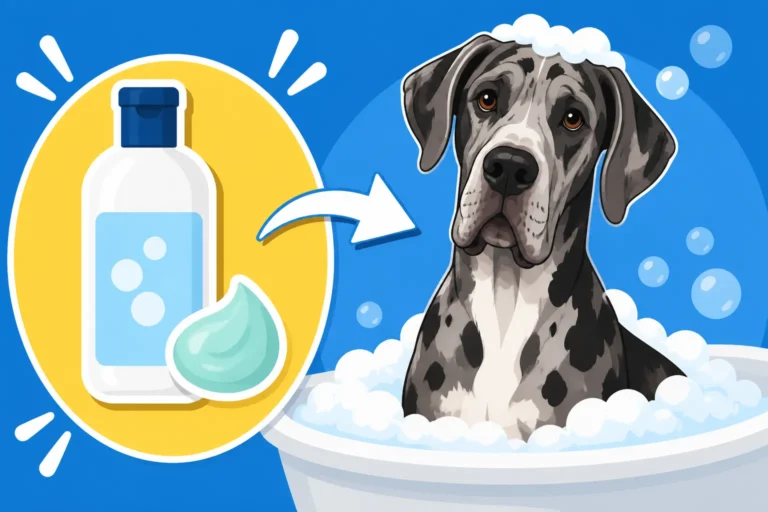
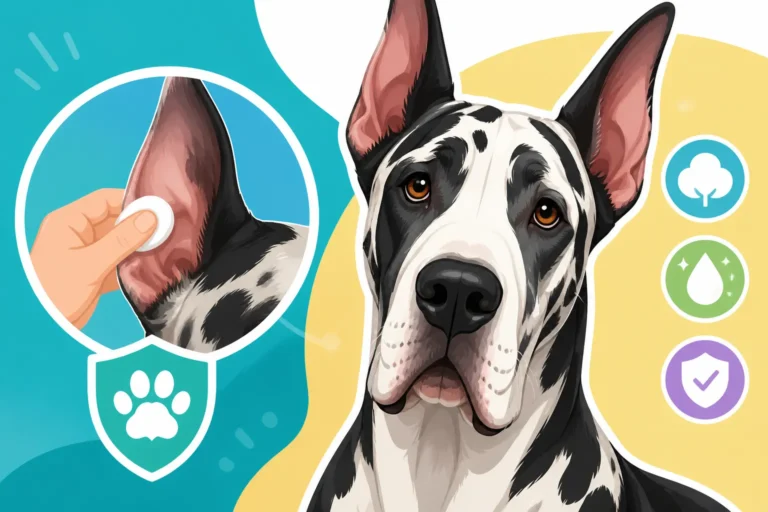
- Routine Cleaning: Make it a habit to gently clean the folds under your Great Dane's lips at least once a day, and ideally after every meal and large drink. You can use a soft, damp cloth, a gentle pet-specific wipe (like those containing chlorhexidine for mild antiseptic action, available easily on sites like Amazon or Chewy), or even just a cotton ball soaked in lukewarm water. Gently pull back their upper lip to expose the folds and wipe away any trapped food, slobber, or debris.
- Thorough Drying is Non-Negotiable: After cleaning, always follow up with thorough drying. Use a clean, dry, soft cloth, a piece of paper towel, or even a fan on a low, cool setting. The goal is to make the area completely dry. Remember, moisture is the enemy here. If you skip this step, you're essentially creating the perfect moist environment you just tried to clean.
- Starting Early: If you have a Great Dane puppy, start this routine early. Get them used to having their face and mouth handled. Reward them with treats and praise. This will make future cleanings, and any necessary vet examinations, much easier. You can find more tips on getting them used to handling in Teaching a Great Dane to Have Its Feet Handled, which can be applied to mouth handling too.
Choosing the Right Bowls and Feeding Practices
What and how your Great Dane eats and drinks can directly impact lip fold hygiene.
- Bowl Material Matters: Avoid plastic bowls! Plastic is notorious for harboring bacteria, getting scratched easily, and can even cause contact dermatitis in some sensitive dogs. Stainless steel is always the best choice—it's non-porous, easy to clean, and doesn't scratch. Ceramic bowls can also be good, but make sure they are heavy-duty and chip-free. No matter the material, clean bowls thoroughly after every meal.
- Raised Bowls and Slobber: There's a lot of debate around raised bowls and bloat risk for Great Danes, which you can read more about in The Raised Bowl Argument for Great Danes. However, from a lip-fold perspective, some owners find that raised bowls can slightly reduce the amount of water that dribbles down the jowls, as the dog doesn't have to lean down as far. Experiment to see if it makes a difference for your individual Dane. Regardless of height, consider using heavy, tip-proof bowls.
- Strategic Hydration: Place water bowls strategically. Maybe have a designated "splash zone" with easy-to-clean flooring. Keep a "slobber rag" or two handy by the water bowl and the door for quick wipe-ups. Many Great Dane owners find themselves wiping jowls frequently. Wiping a Great Dane's Jowls goes into more detail on how to manage this daily reality.
- Food Consistency and Presentation: If your Great Dane is a particularly messy eater, consider slightly moistened kibble or a fresh food option like those offered by Ollie. Sometimes a different food consistency can reduce the amount that gets stuck in the folds. For wet food, ensure it's not too sticky or crumbly.
| Bowl Material | Pros | Cons | Lip Fold Dermatitis Impact |
|---|---|---|---|
| Stainless Steel | Easy to clean, non-porous, durable, hygienic | Can be noisy if dog nudges it | Excellent for hygiene, reduces bacterial buildup |
| Ceramic | Heavy, attractive, relatively easy to clean | Can chip or break, heavier to move | Good if unchipped, but chips can harbor bacteria |
| Plastic | Lightweight, inexpensive | Scratches easily, harbors bacteria, retains odors, potential allergens | Poor choice, encourages bacterial growth and irritation |
| Slow Feeder | Slows eating, can reduce gulping | Can be harder to clean if intricate | Can reduce food mess, but ensure easy to clean crevices |
Managing Moisture and Providing Skin Protection
Even with the best cleaning routine, some Great Danes are just prodigious droolers. Here’s how to add extra layers of protection.
- Slobber Rags & Towels: This isn't just a suggestion; it's a way of life for Great Dane owners! Keep a stack of dedicated "slobber rags" (small towels, old t-shirts, microfiber cloths) in strategic locations around the house. What Great Dane Owners Keep by the Door will tell you exactly where they're most useful. A quick wipe after every drink or enthusiastic greeting can make a huge difference in keeping those jowls dry.
- Pet-Safe Barrier Creams: For Danes prone to chronic irritation, a thin layer of a veterinarian-approved, pet-safe barrier cream or balm can act as a protective shield. These creams often contain zinc oxide or other soothing agents that repel moisture and reduce friction. Always consult your vet before applying anything new to your dog's skin, especially in an area they can lick.
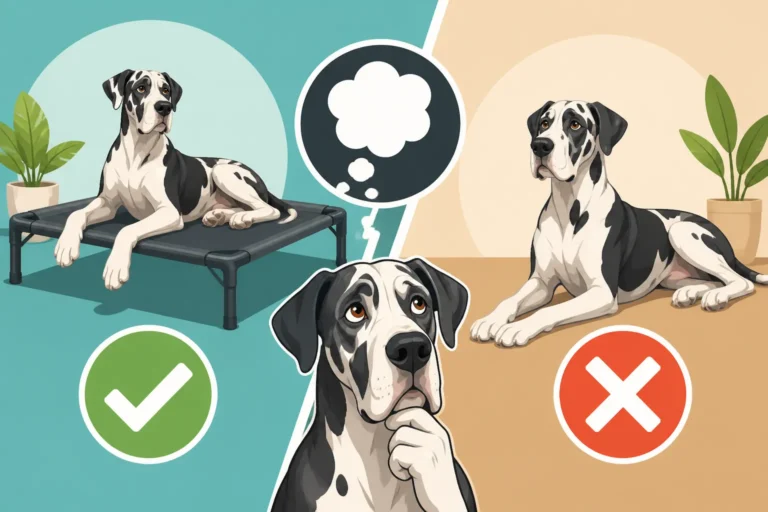
- Comfortable Bedding: While not directly related to lip folds, overall skin health is important. Ensure your Great Dane has soft, clean, and comfortable bedding. This prevents pressure sores and keeps their skin in good condition, making them less susceptible to general irritation. Look for orthopedic beds on Chewy or Amazon that offer ample cushioning and are easy to clean. You can learn more about protecting those sensitive spots in Bedding That Prevents Great Dane Hygromas.
Treating Existing Lip Fold Dermatitis and Soreness
Despite your best efforts, sometimes those lip folds still become irritated or, worse, infected. It happens! The key is to address it quickly and effectively to prevent it from escalating into a more serious issue that can cause significant discomfort for your gentle giant.
Recognizing the Signs and When to See the Vet
Early detection is crucial. Don't wait until the problem is severe.
- What to Look For: Pay close attention during your daily cleanings. Mild irritation might just be slight redness. However, as it progresses, you might see:
- Increased Redness and Swelling: The skin inside the folds appears inflamed.
- Foul Odor: This is a hallmark sign of bacterial or yeast infection. It can range from yeasty (like stale bread or corn chips) to distinctly putrid.
- Moisture or Discharge: The area might be perpetually damp, or you could see yellowish, greenish, or brown discharge.
- Pain or Sensitivity: Your Dane might shy away when you try to touch their mouth, whimper, or even snap if the pain is severe. They might rub their face on furniture or their paws.
- Reluctance to Eat or Chew: If the pain is significant, they might be hesitant to eat, especially dry kibble, or stop chewing on their favorite toys.
- When to Call the Vet Immediately: If you notice a foul odor, discharge, significant swelling, pain, or if the irritation isn't resolving with diligent cleaning within a day or two, it's time to call your veterinarian. These are signs that a bacterial or yeast infection has likely taken hold, and your dog will need professional medical intervention. Left untreated, these infections can spread and become much harder to clear. Remember, Great Danes have a The Short Expensive Life of a Great Dane and investing in their health proactively is always better than reacting to emergencies.
At-Home Care for Mild Irritation
For very mild redness, before a full-blown infection sets in, you can try some gentle at-home remedies, always with caution.
- Diligent Cleaning and Drying: Re-emphasizing this because it's paramount. Clean the area with a mild antiseptic wipe (e.g., chlorhexidine wipes available at pet stores or Amazon) or a dilute povidone-iodine solution (mixed until it looks like weak tea) followed by thorough drying multiple times a day. The goal is to reduce the microbial load and eliminate moisture.
- Topical Soothing Agents (Vet-Approved): After drying, you might apply a thin layer of a veterinarian-recommended soothing cream or balm. Products designed for hot spots or minor skin irritations, often containing ingredients like calendula or allantoin, can help. Never use human products containing zinc oxide without vet approval, as some can be toxic if ingested in large quantities, and dogs will lick. Similarly, be cautious with natural remedies like coconut oil or aloe vera; while they might be soothing, they can also contribute to moisture and bacterial growth if not managed carefully.
- Prevent Licking: If your Great Dane is constantly licking or rubbing the area, an Elizabethan collar (the cone of shame) might be necessary short-term to allow the skin to heal and prevent further self-trauma. Licking just adds more moisture and potentially more bacteria.
- Monitor Closely: Even with at-home care, monitor the area very closely. If there's no improvement within 24-48 hours, or if it worsens, it's definitely time for a vet visit.
Veterinary Treatments for Infection and Inflammation
If a full-blown infection has developed, your vet will be able to properly diagnose and treat it.
- Professional Cleaning and Examination: Your vet will likely thoroughly clean the affected area, possibly clipping hair if necessary, to get a clear view and remove all debris. In some cases, if the pain is severe or the dog is uncooperative, light sedation may be needed for a thorough examination and cleaning. Sedation Costs on a Great Dane can be an unexpected part of the bill.
- Medications for Infection:
- Topical Treatments: The vet will often prescribe a topical ointment or cream containing antibiotics, antifungals, or a combination of both, depending on whether bacteria, yeast, or both are present. You'll likely need to apply this several times a day.
- Oral Medications: For more severe or deep-seated infections, or if your Great Dane has other concurrent skin issues, oral antibiotics or antifungals may be prescribed. The dosage will be specifically tailored to your Great Dane's significant weight, as Why Drugs Cost More at Great Dane Weight outlines.
- Anti-inflammatories: If the skin is very inflamed and painful, the vet might also prescribe a short course of anti-inflammatory medication to help reduce swelling and discomfort, allowing the healing process to begin more effectively.
- Addressing Underlying Causes: Your vet might also want to investigate if there's an underlying cause exacerbating the issue, such as allergies. They may discuss dietary changes, allergy testing, or other management strategies.
- Surgical Intervention (Rare): In extremely rare, chronic, and severe cases of lip fold dermatitis where conservative medical management consistently fails, surgical resection of the skin folds (cheiloplasty) might be considered. This removes the deep folds that trap moisture. However, this is a last resort and often reserved for very pronounced or severely affected folds that cause constant, debilitating infections. Anesthesia for a Great Dane carries unique considerations, as explored in Anesthesia Risk in a Great Dane.
By understanding the unique challenges of a Great Dane's jowls and implementing consistent preventative and responsive care, you can help keep your beloved companion comfortable and free from sore lip issues. It takes dedication, but seeing their happy, healthy face is absolutely worth it.
Disclaimer
This article is for general informational purposes only and does not constitute professional advice. Laws, prices and regulations vary by location and change over time. Consult a qualified professional for guidance on your specific situation.