What a Great Dane Hip Grade Actually Means
Great Dane hip grades reveal joint stability, explaining how developmental orthopedic disease impacts giant breed health and mobility.
Know what to watch for.
Breed-specific conditions, screening and DNA tests, what surgery actually costs, and the daily habits that stretch a healthy lifespan.
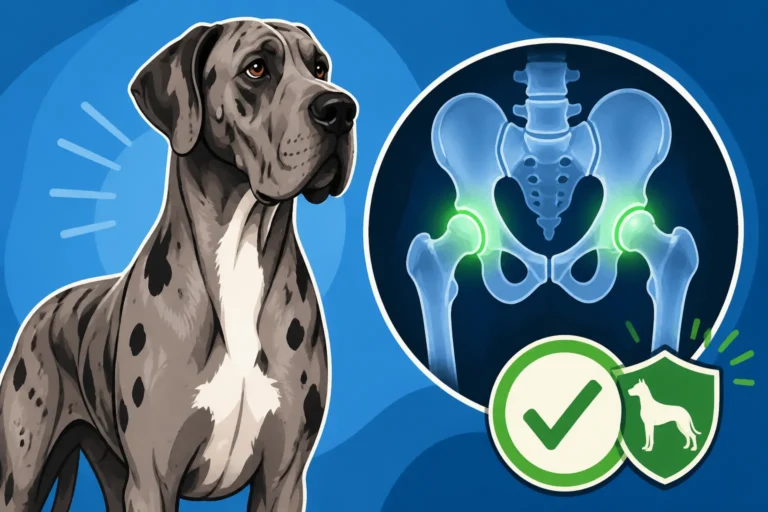
Great Dane hip grades reveal joint stability, explaining how developmental orthopedic disease impacts giant breed health and mobility.
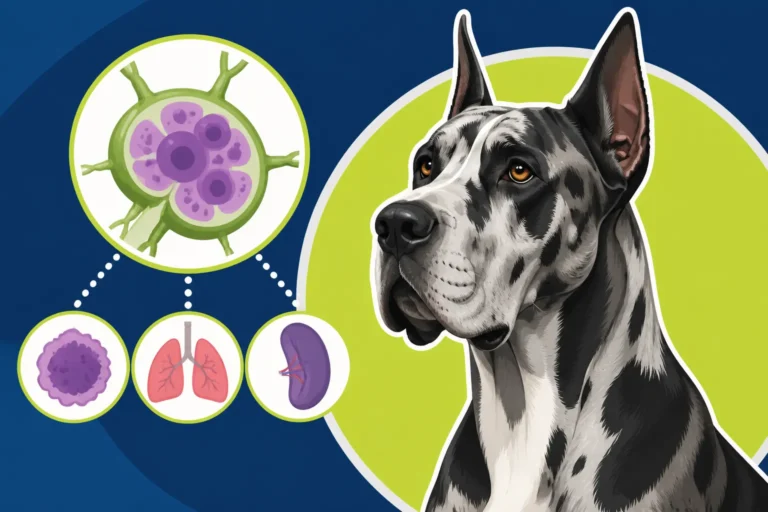
Lymphoma and osteosarcoma in Great Danes, explaining symptoms, diagnosis, genetic predispositions, and available treatment paths for owners.

Assessing a Great Dane mobility, eating habits, and daily comfort helps owners decide whether to continue medical treatment.
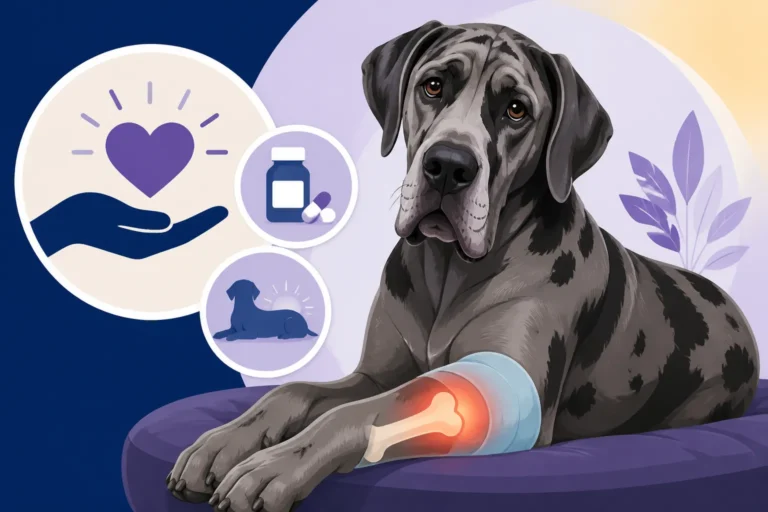
Great Dane osteosarcoma pain relief options help manage bone cancer discomfort and improve the quality of life for giant breeds.

Limb amputation for osteosarcoma removes primary tumor pain and provides extra time and comfort for Great Danes facing bone cancer.

Great Dane leg amputation physics, weight distribution, and joint stress for a 150 pound dog coping on three limbs.
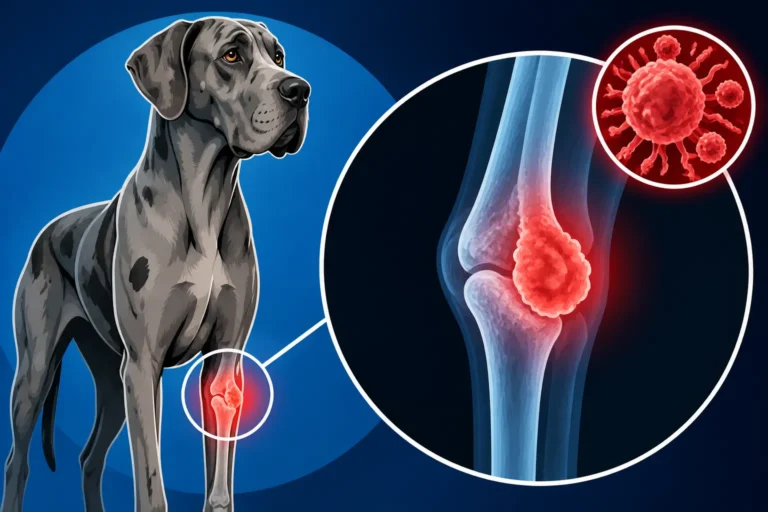
X-rays showing osteosarcoma in Great Danes help veterinarians diagnose bone cancer after a dog develops leg swelling and lameness.
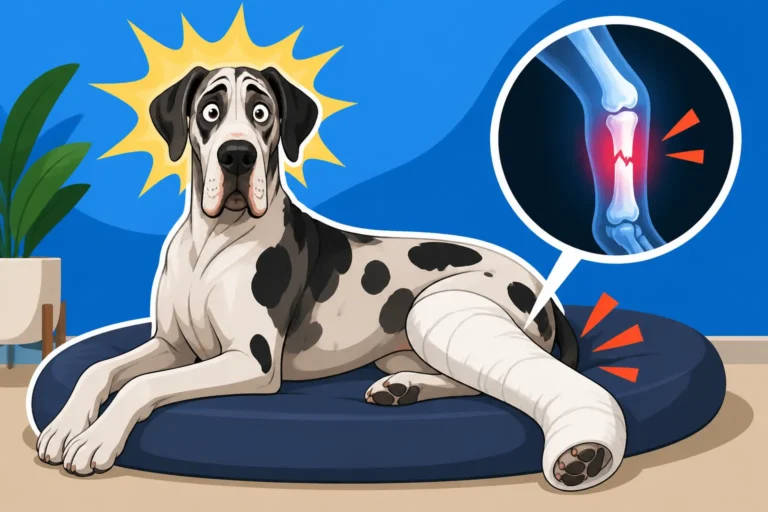
Pathological fractures in Great Danes explain why giant dogs break bones without suffering any obvious external trauma or heavy impacts.
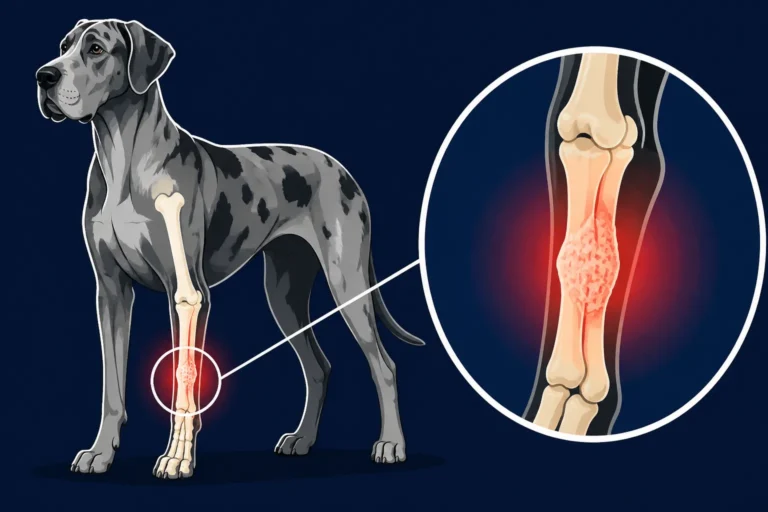
Great Dane osteosarcoma develops on the forelegs, with about 75 percent of limb tumors appearing near the shoulder or above the wrist.
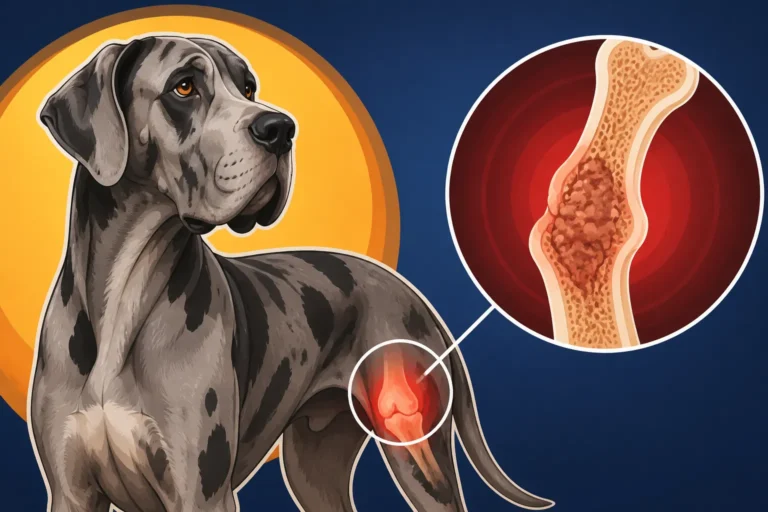
Great Dane bone cancer typically strikes dogs between seven and ten years old, presenting warning signs like subtle lameness.