What a Bargain Great Dane Really Costs Later
It’s incredibly tempting to look for a "deal" when bringing a magnificent Great Dane into your life. You see a low price, a puppy available without a long wait, and your heart races with excitement. But that initial saving, as appealing as it seems, often conceals a mountain of future expenses and heartache. This guide is here to unmask the true, long-term costs of a bargain Great Dane, helping you understand why that initial low price tag might be the most expensive decision you ever make.
The Allure of a Low Price Tag and Its Deceptive Promise
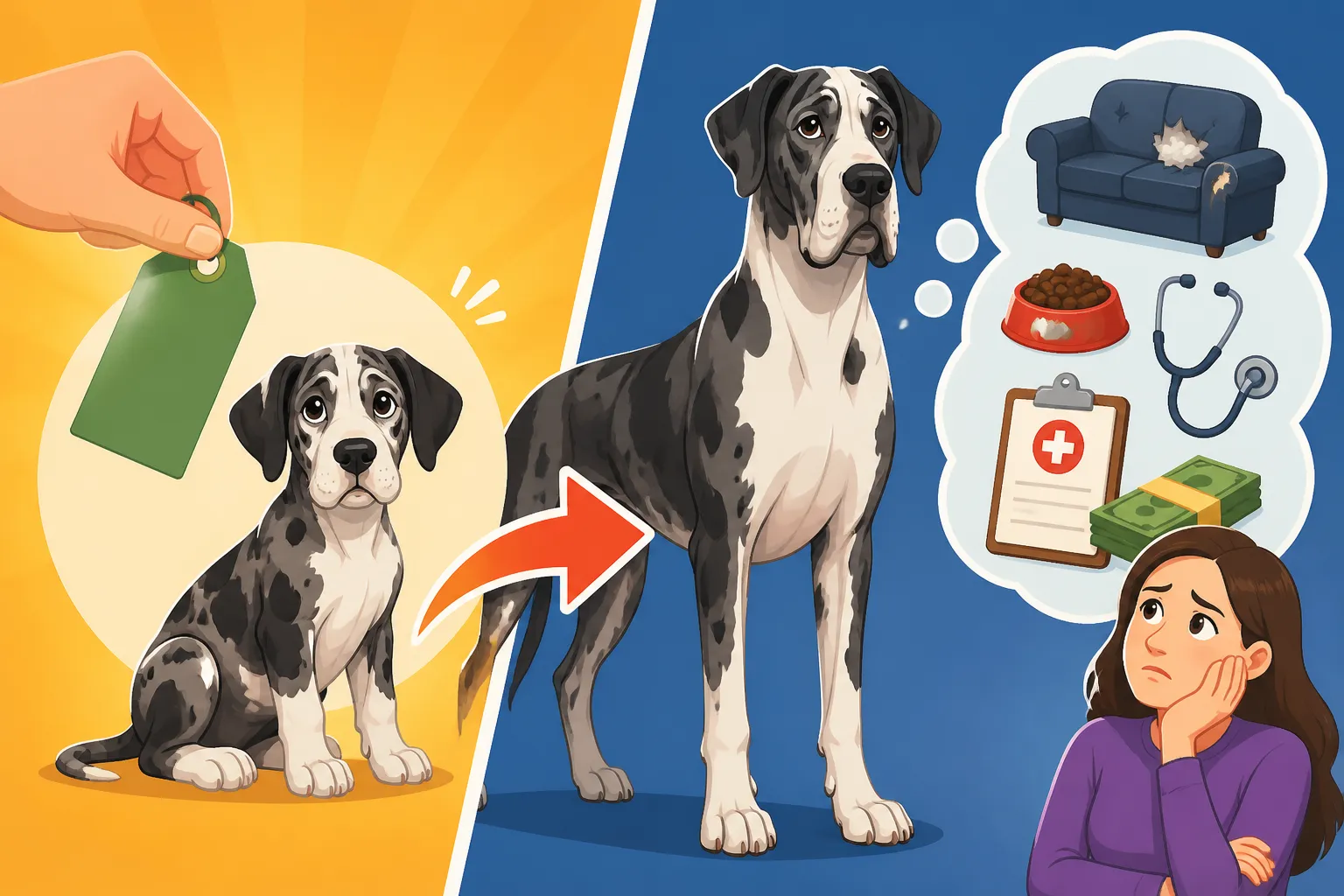
When you're eager to welcome a Great Dane, seeing an advertisement for a puppy priced significantly lower than average can feel like hitting the jackpot. You might think you're being smart, saving money upfront, or perhaps you're simply unaware of what a responsible breeder actually invests in their litters. However, a dramatically reduced price for a Great Dane puppy is almost always a flashing red light, indicating corners have been cut in critical areas that directly impact the dog's future health and your wallet.
Where "Bargain" Puppies Come From
Often, these more "affordable" Great Danes originate from what are commonly referred to as backyard breeders or, even worse, commercial puppy mills. These individuals or operations are primarily motivated by profit, not by the health, temperament, or welfare of the animals they produce. They skip crucial steps that responsible breeders view as non-negotiable. This means parents haven't undergone genetic health screenings, puppies receive minimal veterinary care, and the environment they're raised in often lacks proper socialization. The breeder may offer A Great Dane Puppy Priced Under a Thousand, making them seem accessible, but this financial shortcut has significant implications.
Imagine a scenario: you find a Great Dane puppy online for $800 when others are priced at $2,500. The seller is vague about the parents' history, perhaps mentioning they're "just pets" and didn't bother with fancy health tests. You meet the puppy in a hurry, it's cute and bouncy, and you take it home. What you've bypassed is the rigorous health testing for conditions like Dilated Cardiomyopathy (DCM), hip and elbow dysplasia, and thyroid issues—all common in Great Danes. A responsible breeder invests thousands into these tests for their breeding stock, ensuring they're not passing on debilitating genetic diseases. This initial saving on the puppy means you're almost certainly inheriting a higher risk of massive veterinary bills later.
The Hidden Health Debt You Inherit
A responsible Great Dane breeder meticulously screens their adult dogs for hereditary conditions before ever considering breeding them. They perform cardiac clearances, hip and elbow evaluations through organizations like OFA (Orthopedic Foundation for Animals), and sometimes even genetic panels for other breed-specific issues. This process is expensive, time-consuming, and vital for producing healthy offspring.
When you purchase a bargain Great Dane, it’s highly improbable that any of this vital health testing has been performed. This means your new puppy comes with an elevated risk of developing serious and incredibly expensive health problems down the line. You might save a thousand or two upfront, but you could easily face tens of thousands in vet bills over their lifetime for conditions that could have been avoided or at least predicted through proper breeding practices. This isn't just about money; it's about the potential for immense heartbreak and suffering for your beloved pet.
Unpacking the Elephant in the Room: Great Dane Health Expenses
Great Danes are prone to several severe health conditions, and their sheer size means treatments for these issues come with significantly higher price tags than for smaller breeds. A cheap puppy from questionable origins dramatically increases the likelihood you'll encounter these devastating and costly medical challenges.
Genetic Predispositions and Their Price Tags
Great Danes are unfortunately predisposed to a range of serious genetic health issues. These aren't minor ailments; they can be life-threatening and require extensive, specialized veterinary care.
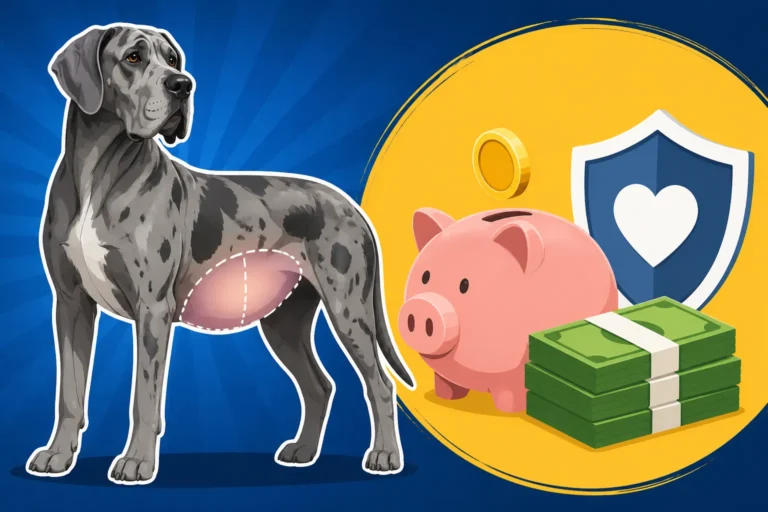
One of the most terrifying is Gastric Dilatation and Volvulus (GDV), commonly known as bloat. This condition causes the stomach to twist, trapping gas and cutting off blood supply. It's a rapidly progressing emergency that requires immediate surgery, and even with prompt treatment, it carries a significant mortality rate. The surgery alone, if your Dane is lucky enough to survive, can easily cost anywhere from $3,000 to $10,000 or more, especially if complications arise. Knowing The Night a Great Dane Bloats and What It Costs is crucial. A bargain Great Dane doesn't mean a lower risk of bloat; in fact, a stressed upbringing or improper early nutrition could even exacerbate risk factors.
Then there's Dilated Cardiomyopathy (DCM), a devastating heart condition where the heart muscle becomes thin and weak, leading to an enlarged heart and eventually heart failure. This is often genetic in Great Danes. Treatment involves costly medications and frequent cardiology check-ups, which can extend for years, but ultimately it's a progressive disease. Learning about The Heart Muscle Disease Great Danes Are Prone To reveals a grim reality for many Dane owners. Similarly, Bone Cancer in a Great Dane, particularly osteosarcoma, is aggressive and heartbreaking. Treatment options like amputation and chemotherapy are extremely expensive and only buy time, not a cure.
Orthopedic issues like hip and elbow dysplasia, as detailed in Great Dane Hips, Elbows and Growing Joints, are also prevalent. While responsible breeders screen for these, a bargain Dane is a roll of the dice. Corrective surgeries or lifelong pain management for these conditions can cost thousands, not to mention the impact on your dog's quality of life.
The Reality of Emergency Vet Care for a Giant Breed
Beyond specific genetic predispositions, simply dealing with a giant breed in a veterinary emergency magnifies every single bill. Everything from anesthesia to medication dosages, surgical supplies, and even the size of the recovery kennel, scales up with your dog's weight. Why Every Great Dane Bill Is Bigger is a constant theme in Dane ownership.
Consider a fractured leg from an unexpected accident. For a small terrier, it might be a few thousand dollars. For a 150-pound Great Dane, the bone plates and screws need to be larger and stronger, the anesthetic dose is massive, and recovery requires more extensive support. You're easily looking at $8,000 to $15,000. Even routine procedures, like a spay or neuter, are more expensive for a Great Dane because of the increased time, materials, and anesthetic risk associated with their size.
And let's not forget diagnostic imaging. An X-ray machine needs to be powerful enough to penetrate their large bodies, and specialized equipment like MRI or CT scans, if needed, become astronomical. The actual handling of a large dog, which often requires multiple staff members, also adds to the cost.
Proactive Health Management: The Investment That Pays Off
This is where planning and smart choices can make a huge difference. Investing in pet insurance is almost a non-negotiable for Great Dane owners. Companies like Healthy Paws understand the financial burden of unexpected veterinary care, especially for breeds prone to specific conditions. Enrolling your Great Dane when they are young, before any health issues manifest, means that future conditions like bloat, DCM, or cancer can be covered.
Pet insurance doesn't eliminate all costs, but it can provide critical financial relief when faced with a $5,000 or $10,000 emergency bill, covering a large percentage after your deductible. This makes Insuring a Great Dane Against Bloat and Heart Bills an incredibly wise investment. While it adds a monthly premium, it's a small price to pay for peace of mind compared to the potential financial catastrophe of an uninsured major health event. Responsible breeders often encourage or even require new owners to secure pet insurance, demonstrating their commitment to the dog's lifelong well-being.
The Day-to-Day Realities: Everything Else Costs More
It's not just the veterinary bills that escalate with a Great Dane. Their sheer size dictates higher costs for nearly every aspect of daily care, from what they eat to where they sleep and how you transport them.
Feeding a Giant Appetite
Let's face it, a Great Dane eats a lot. If you’re cutting corners on the initial purchase, are you truly prepared for Feeding a Great Dane That Eats Ten Cups a Day? This isn't an exaggeration; many adult Great Danes consume between 6 to 10 cups of high-quality kibble daily, and some even more, depending on their activity level and metabolism.
If you opt for a bargain Great Dane that might have a sensitive stomach or other underlying health issues due to poor breeding, you might find yourself needing specialized or prescription diets, which are even more expensive. A 30-pound bag of premium dog food, which might last a medium-sized dog a month, could be gone in two weeks for a Great Dane. Even shopping at bulk retailers like Chewy will still result in a substantial monthly food bill. For owners who prefer fresh or raw diets, companies like Ollie can provide excellent nutrition, but the cost for Great Dane volumes is significantly higher. The type and quality of food are crucial, especially for growing giant breed puppies, as improper nutrition can lead to further orthopedic problems.
Gear, Supplies, and Home Adjustments
Your bargain puppy will quickly outgrow standard-sized everything. This means you'll be constantly upgrading supplies, and each upgrade costs more due to the sheer size and durability required.
- Beds: A Great Dane needs an orthopedic bed that provides proper joint support, especially as they age. These aren't cheap futons; Orthopedic Beds a Great Dane Needs can run from $200 to $500 or more, and you might need several throughout their lifetime. Standard pet store beds simply won't cut it, offering little support and quickly flattening under their weight.
- Crates: A crate large enough for a full-grown Great Dane (often 54 inches or larger) is a significant investment, easily costing $200-$400. This is not the type of crate you can pick up on a whim.
- Leashes and Harnesses: You need heavy-duty equipment designed to safely manage a 100-180 pound dog. A cheap leash can snap, and a flimsy harness can fail, putting your dog and others at risk.
- Toys: Great Danes have powerful jaws. Toys need to be durable and large enough to prevent choking hazards. Chew toys can be expensive and may not last long.
- Vehicles: A Great Dane needs significant space in your car. Many owners find themselves needing larger SUVs or even vans to comfortably and safely transport their Danes, another indirect cost.
- Household Items: Great Danes can reach counters, easily knocking over items or consuming things they shouldn't. You might need to invest in baby gates, secure cabinets, or re-think your kitchen layout.
Training, Boarding, and Professional Services
Training is not optional for a Great Dane. A large, untrained dog can be a danger to itself and others. While you might save on the initial purchase, you'll pay more for training, especially if you have to correct bad habits.
- Training: Finding a trainer experienced with giant breeds who uses positive reinforcement methods is crucial. Classes or private sessions for a Great Dane can be more expensive, as they require specialized knowledge and handling. A well-bred Dane from a good breeder often comes with a solid foundation and confidence, making training easier. A bargain Dane, potentially from a chaotic environment, might require more intensive and costly behavioral intervention.
- Boarding and Pet Sitting: Many standard kennels aren't equipped to handle giant breeds, either due to space constraints or staff experience. Finding suitable boarding or a pet sitter comfortable with a Great Dane will often come with a premium price.
- Grooming: While their short coats seem low-maintenance, bathing a Great Dane at home can be a logistical challenge. Professional groomers may charge more for their size, even for basic services like nail trims or baths.
Here's a snapshot of how those costs can add up:
| Cost Category | "Bargain" Great Dane (Potential Long-Term) | Responsibly Bred Great Dane (Expected Long-Term) |
|---|---|---|
| Initial Purchase | $500 – $1,500 (Low, but hides future costs) | $2,000 – $3,500 (Higher, invests in health) |
| Emergency Vet (e.g., Bloat, DCM) | $5,000 – $15,000+ (High risk, critical for life) | $2,000 – $10,000+ (Lower risk, but still possible) |
| Chronic Health Mgmt. (Per Year) | $1,000 – $5,000+ (Medication, special diets) | $300 – $1,500 (Preventative, supplements) |
| Food (Per Year) | $1,000 – $2,000 (Often lower quality, less suitable) | $1,200 – $2,500 (Higher quality, tailored) |
| Pet Insurance (Monthly) | $80 – $150 (Essential to offset high risk) | $80 – $150 (Protection against unknowns) |
| Quality Orthopedic Bed | $100 – $300 (May need frequent replacement) | $200 – $500 (Durable, lasts longer) |
| Training/Behavior | $500 – $2,000+ (Often reactive behavior fixes) | $300 – $800 (Proactive, easier to train) |
| Other Supplies (Toys, Leashes) | $200 – $500 (Needs frequent replacement) | $300 – $800 (Durable, lasting quality) |
| Estimated Total for First 8 Years | $18,000 – $45,000+ (minimum) | $10,000 – $30,000+ (approximate) |
| Note: These are estimates and can vary widely based on individual dog health, location, and lifestyle choices. |
The True Investment: Time, Effort, and Emotional Well-being
Beyond the financial spreadsheet, there's a profound non-monetary cost associated with choosing a bargain Great Dane. The time, emotional energy, and sheer effort required to manage a dog with health or behavioral issues can far outweigh any initial savings.
The Lifetime of Care and Commitment
Great Danes, even healthy ones, demand a significant time commitment. From daily exercise appropriate for their age and joint health (think about Growth Disorders in a Great Dane Puppy and how early exercise affects them) to mental stimulation and extensive socialization, they thrive on interaction. When you bring home a bargain Dane, you might find yourself dedicating even more time to managing the unforeseen. This could mean endless vet visits, administering complex medication schedules, or working through behavioral issues stemming from a poor start in life. The average The Seven to Ten Year Great Dane Lifespan may be shorter if health is compromised, making every moment precious but potentially shadowed by illness.
This commitment extends to simple things like cleaning up after them. Great Danes drool, track in dirt, and shed, even with their short coats. Their size means more mess to clean, more slobber to wipe from your walls, and bigger accidents to manage during potty training. These are the small, everyday The Great Dane Bills Nobody Mentions that add up in terms of time and effort.
The Emotional Toll of Unforeseen Challenges
Perhaps the most significant cost of a bargain Great Dane is the emotional toll. Watching your beloved companion suffer from preventable genetic conditions like DCM or bone cancer is heartbreaking. The stress of managing chronic pain, multiple surgeries, or dealing with behavioral problems like anxiety or fear-aggression (which can be a result of poor socialization or genetics) can be immense. Owners often feel a deep sense of guilt or regret, wishing they had made a different choice from the outset.
The bond with a Great Dane is profound; they truly become a gentle giant member of your family. To see that bond strained by constant worry, financial stress, and the dog's discomfort is a heavy burden. It impacts not just the dog, but every person in the household.
The Priceless Value of a Responsible Breeder
Choosing a reputable breeder, though seemingly more expensive upfront, is truly an investment in your Great Dane's future health and well-being, and consequently, your own peace of mind. Responsible breeders prioritize genetics, temperament, and health above all else. They understand The Health Testing a Great Dane Breeder Owes You and readily provide documentation of health clearances for both parents. They offer ongoing support, serving as a mentor and resource throughout your dog's life.
When you invest in a puppy from a responsible breeder, you're not just buying a dog; you're buying a meticulously planned lineage, a foundation of good health, and a support system that understands the breed inside and out. This proactive approach significantly reduces the likelihood of encountering the devastating and expensive health and behavioral issues that often plague bargain Great Danes. While no living creature comes with a guarantee, a responsible breeder gives you the best possible start and invaluable peace of mind, making the true value far outweigh the initial monetary difference.
Disclaimer
This article is intended for informational purposes only and does not constitute veterinary advice. Always consult with a qualified veterinarian for any health concerns or before making decisions about your Great Dane's care. Costs mentioned are estimates and can vary widely based on location, veterinary practice, and individual circumstances.