Taurine and Great Dane Heart Health
It's incredibly worrying when you think about your beloved Great Dane and their heart health. These gentle giants, despite their formidable size, are prone to certain cardiac conditions that can cut their already too-short lives even shorter. Among the many considerations for keeping their hearts strong, the nutrient taurine has emerged as a crucial topic, especially given recent discussions in the veterinary community. This guide will walk you through what taurine is, why it's so important for your Great Dane's ticker, and what steps you can take to support their heart health.
Unpacking Taurine's Role in Your Great Dane's Heart Health
Great Danes are undeniably majestic, but owning one comes with the profound responsibility of understanding their unique health challenges. One of the most prevalent and heartbreaking issues we often face with these magnificent dogs is Dilated Cardiomyopathy, or DCM. This condition, where the heart muscle thins and weakens, leading to an enlarged heart and inefficient pumping, can be devastating. For a long time, DCM was largely considered a genetic problem in Great Danes, but increasingly, we're learning about other factors, with taurine playing a surprisingly significant role.
What is Taurine and Why is it Essential for Canines?
Taurine isn't your typical protein-building amino acid, but it's absolutely vital for several bodily functions in canines, particularly for healthy vision, digestion, immune system function, and, critically, normal heart muscle function. Unlike most other amino acids, which are incorporated into proteins, taurine exists in tissues and free fluids, where it plays a key role in membrane stabilization and calcium modulation within cells. Think of it as a quiet workhorse, essential for the electrical and contractile functions of the heart.
While most dog breeds can synthesize taurine from other amino acids like methionine and cysteine, Great Danes, along with a few other giant breeds, seem to have a higher dietary requirement or a less efficient synthesis pathway. This makes them particularly susceptible to taurine deficiency if their diet isn't providing enough of it. Without sufficient taurine, the heart muscle cells can't function properly, leading to the weakening and enlargement that characterizes DCM. It’s a bit like a car engine trying to run on an insufficient amount of a critical lubricant – it might run for a while, but eventually, it will break down.
Great Danes and the Predisposition to Heart Issues
The link between Great Danes and heart disease, particularly DCM, is well-established. It’s unfortunately The Heart Muscle Disease Great Danes Are Prone To that many Great Dane owners are intimately familiar with. While genetics certainly play a significant role, the dietary connection, specifically concerning taurine, has added another layer of complexity to prevention and management. It's not uncommon for a perfectly healthy-looking Great Dane to suddenly start showing signs of cardiac distress, and discovering a taurine deficiency can be a crucial piece of the puzzle.
When a Great Dane's heart muscle begins to fail due to DCM, it struggles to pump blood effectively to the rest of the body. This inefficiency causes the heart to work harder, eventually leading to How a Great Dane Heart Enlarges as it tries to compensate. The chambers stretch and become thinner, making it even harder to move blood. It's a vicious cycle that can quickly progress if not identified and addressed. This is why paying close attention to their diet and overall health is paramount for these sensitive, big-hearted dogs.
The Connection Between Diet, Taurine Levels, and DCM
The world of dog nutrition can feel like a minefield, with so many opinions and trends swirling around. For Great Dane owners, this complexity took a serious turn with the discussions linking certain diets to Dilated Cardiomyopathy, often with taurine deficiency as a key player. It’s a topic that has caused a lot of understandable anxiety and confusion for those of us trying our best for our big dogs.
The Grain-Free Diet Controversy and Taurine Deficiency
A few years ago, the veterinary community and dog owners alike were rocked by an investigation by the FDA into a potential link between certain "boutique," "grain-free," and "exotic ingredient" (BEG) diets and cases of DCM in breeds not typically predisposed to it, as well as an increase in cases in breeds like Great Danes. The initial theory was that grain-free diets, often rich in legumes like peas, lentils, and potatoes, might interfere with taurine absorption or synthesis in some dogs. This created a lot of concern about Whether Grain-Free Food Reaches a Great Dane's Heart in a way that truly supports its health.
What we learned is that while not all grain-free diets were problematic, and not all dogs on these diets developed DCM, there was a clear correlation in some cases. It highlighted that simply removing grains doesn't automatically make a food healthier. The balance of ingredients, how they interact, and the bioavailability of critical nutrients like taurine are incredibly complex. It’s not just about what's in the food, but how a particular dog processes it. For a Great Dane, whose system might already be less efficient at taurine synthesis, these dietary choices became even more critical. Many vets now recommend a thorough discussion about diet with your dog's veterinarian, particularly for breeds susceptible to DCM, ensuring you choose a diet that's been extensively tested and formulated by veterinary nutritionists.
Recognizing the Signs of Potential Heart Trouble
Nobody wants to imagine their vibrant Great Dane slowing down, but being aware of the subtle indicators of heart trouble can make all the difference in catching and managing DCM early. These signs can sometimes be mistaken for aging or simply a lazy day, but for a Great Dane, they warrant immediate veterinary attention.
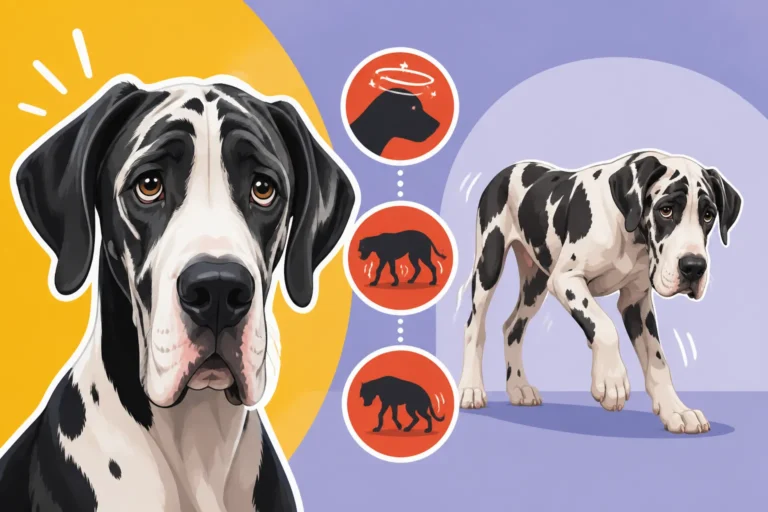
Keep a close eye out for Early Heart Signs in a Great Dane such as a persistent cough, especially at night or when resting. This isn't just a minor irritation; it can be a sign of fluid accumulation in the lungs, a common consequence of heart failure. You might also notice that your otherwise energetic pup suddenly seems to be A Great Dane That Cannot Finish a Walk, showing decreased stamina or reluctance to play as vigorously as before. They might seem more tired than usual, sleeping more, or just generally having less energy.
Another alarming sign is Fainting in a Great Dane. If your dog collapses, even for a brief moment, it’s a critical red flag that blood flow to the brain is being compromised due to poor heart function. Other symptoms can include difficulty breathing, a swollen abdomen due to fluid buildup, or even unexplained weight loss. If you observe any of these changes, even if they seem minor, don't wait. A prompt visit to your vet or an emergency clinic is essential for evaluation. Early diagnosis of DCM, especially when linked to taurine deficiency, can often lead to a much more positive outcome with appropriate intervention.
Proactive Steps: Ensuring Optimal Taurine and Heart Support
As Great Dane owners, we often live with the looming concern of health issues, but knowing there are proactive steps we can take brings immense peace of mind. When it comes to heart health and taurine, being informed and working closely with your vet are your best tools.
Sourcing Taurine Through Food and Strategic Supplementation
The first line of defense for ensuring adequate taurine levels in your Great Dane is their diet. Taurine is naturally abundant in animal-based protein sources, particularly muscle meat, heart, liver, and seafood like fish and shellfish. If your Great Dane is on a commercial kibble, it's vital to choose a reputable brand that adheres to stringent quality control and nutritional standards, and ideally, has undergone feeding trials. Look for brands that have a board-certified veterinary nutritionist on staff and a long track record of safety.
Discussing your Great Dane's diet with your vet is crucial, especially if you're feeding a diet outside of the traditional mainstream, or if you're considering a grain-free option. They can help you evaluate if the food is appropriate and balanced for a giant breed like a Great Dane. In some cases, even with a seemingly appropriate diet, a Great Dane might still be low on taurine due to individual metabolic differences. This is where strategic supplementation comes into play. Your vet might recommend adding a taurine supplement to their diet. It's important never to supplement without veterinary guidance, as proper dosing is key. A typical starting point for supplementation might involve a specific daily dose, usually given in divided amounts, and then re-evaluating taurine levels after a few months.
Remember, a high-quality diet forms the foundation of good health. While supplementation can be helpful, it's not a substitute for a well-formulated, nutritious diet that provides a wide array of essential nutrients.
Monitoring Heart Health and Taurine Levels
Staying on top of your Great Dane's heart health involves more than just watching for symptoms at home. Regular veterinary check-ups are non-negotiable, and for a breed with such a high predisposition to heart disease, they are even more critical. Your vet will perform routine physical exams, listening to their heart for murmurs or abnormal rhythms.
Beyond the annual exam, specific screenings are highly recommended. These might include Screening a Great Dane's Heart Each Year with an echocardiogram (an ultrasound of the heart) to visualize the heart's structure and function, and possibly an ECG (electrocardiogram) to check electrical activity. For a thorough cardiac workup, your vet may recommend consulting with a veterinary cardiologist. They can perform specialized tests, including What a Cardiologist Measures in a Great Dane Heart and using Holter Monitoring for a Great Dane Heart, a portable device that records heart activity over 24-48 hours, which can detect intermittent arrhythmias not caught during a brief office visit.
If a taurine deficiency is suspected, a blood test can measure taurine levels. This test typically involves a simple blood draw and can provide clear answers. If levels are low, supplementation can be initiated, and follow-up tests will be done to ensure the levels are normalizing. These diagnostic procedures and potential treatments can be costly, which is why many Great Dane owners find pet insurance, like a policy from Healthy Paws, to be an invaluable investment. Knowing you have support for unexpected vet bills, including specialist consultations and expensive diagnostics, can make a huge difference in being able to provide the best care for your Great Dane's heart. Healthy Paws, for instance, often covers a wide range of conditions, and understanding your policy before a crisis hits is always a good idea. Having that peace of mind means you can focus on your dog's health rather than the financial strain.
Beyond Taurine: A Holistic Approach to Great Dane Cardiac Care
While taurine is a crucial piece of the Great Dane heart health puzzle, it's part of a larger picture. Truly comprehensive cardiac care involves a multi-faceted approach that looks at your dog's entire lifestyle and all available diagnostic and management tools. Ignoring any single aspect can undermine your best efforts to keep their heart strong.
Comprehensive Cardiac Screening and Early Intervention
For Great Danes, "prevention is better than cure" isn't just a saying; it's a lifeline. Because DCM can progress silently for a long time before overt symptoms appear, proactive screening is incredibly important. Many breeders perform health testing on their breeding dogs, but for a new puppy or an adult Great Dane, establishing a baseline and monitoring regularly is your responsibility.
A crucial part of this is knowing When a Great Dane Should Have Its First Echo. Often, a baseline echocardiogram is recommended for Great Danes between one and three years of age, and then repeated annually or as advised by a cardiologist. This non-invasive test allows the vet to literally see inside the heart, checking for chamber size, muscle thickness, and how effectively blood is flowing. This baseline allows for comparison in future years, making it easier to spot subtle changes that could indicate the onset of DCM. Beyond the echo, your vet might also run blood tests that check for cardiac biomarkers, which can indicate stress or damage to the heart muscle. Early detection through these screenings means that if an issue like DCM is identified, treatment can begin much sooner, potentially slowing the progression of the disease and improving your dog's quality of life. The cost of these screenings can add up, making a pet insurance plan from a provider like Healthy Paws a practical consideration for Great Dane owners.
The Impact of Overall Lifestyle and Management
Beyond specific nutritional interventions like taurine supplementation, your Great Dane's overall lifestyle significantly impacts their heart health. Maintaining a healthy weight is paramount. Obesity puts extra strain on the heart, forcing it to work harder than it should. Your vet can help you determine the ideal weight for your individual Great Dane and guide you on appropriate feeding amounts and types of food. Remember, keeping a Great Dane lean, especially during their growth phases, can also protect their joints.
Exercise is also key, but it needs to be appropriate for a giant breed prone to joint and heart issues. While they are large, intense, prolonged exercise might not always be best. Moderate, consistent walks and play sessions are usually ideal. Avoid extreme exertion, especially in hot weather. Stress can also play a role in overall health, so creating a calm, stable environment for your Great Dane is beneficial.
If your Great Dane is diagnosed with DCM, whether taurine-related or not, medical management becomes essential. This often involves medication tailored to support heart function, reduce fluid buildup, and manage irregular heart rhythms. Your vet will discuss options like Medication for a Great Dane With DCM, which can include diuretics to reduce fluid, ACE inhibitors to relax blood vessels, and other heart-specific drugs like pimobendan. These medications are often given for the remainder of the dog's life and require careful monitoring and regular veterinary follow-ups. Again, the ongoing costs of medication and frequent vet visits are where a robust pet insurance plan can really make a difference, helping you manage these expenses. Healthy Paws, known for its comprehensive coverage, can be a valuable partner in ensuring your Great Dane receives the consistent care they need throughout their life.
| Factor | Role in Great Dane Heart Health | Key Action Points |
|---|---|---|
| Taurine | Essential for heart muscle function | Ensure high-quality, meat-rich diet; discuss supplementation with vet |
| Diet Quality | Provides essential nutrients, impacts absorption | Choose reputable brands with veterinary nutritionist input |
| Regular Vet Check-ups | Early detection of subtle issues | Annual exams, physicals, heart auscultation |
| Cardiac Screening | Visualizes heart structure and function | Baseline echocardiogram, annual repeats, Holter monitoring |
| Weight Management | Reduces strain on the heart | Maintain lean body condition, regular vet assessments |
| Appropriate Exercise | Strengthens heart without overexertion | Moderate, consistent activity; avoid extreme heat/intensity |
| Stress Reduction | Contributes to overall well-being | Provide a calm home environment, consistent routine |
Disclaimer
The information provided in this article is for educational purposes only and is not intended to be a substitute for professional veterinary advice, diagnosis, or treatment. Always seek the advice of your veterinarian or other qualified animal health provider with any questions you may have regarding a medical condition.