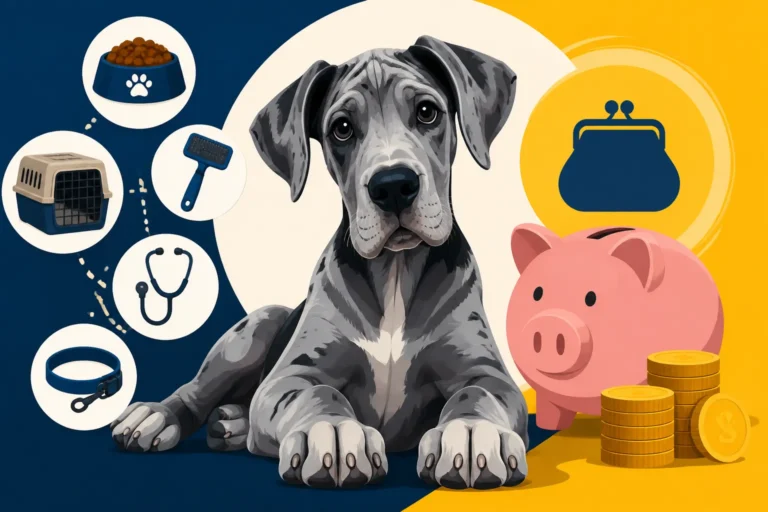
Why Harlequin Great Danes Cost More
The moment you start dreaming of welcoming a majestic Harlequin Great Dane into your home, you're probably already bracing for the substantial cost. It's a common initial sticker shock for many prospective owners: these beautifully patterned giants often carry a price tag significantly higher than their fawn, black, or blue counterparts. This guide dives deep into the specific factors that contribute to why Harlequin Great Danes cost more, helping you understand the genetic complexities, the commitment of ethical breeders, and ultimately, the true value behind that steeper initial investment.
Understanding the Allure of the Harlequin Great Dane
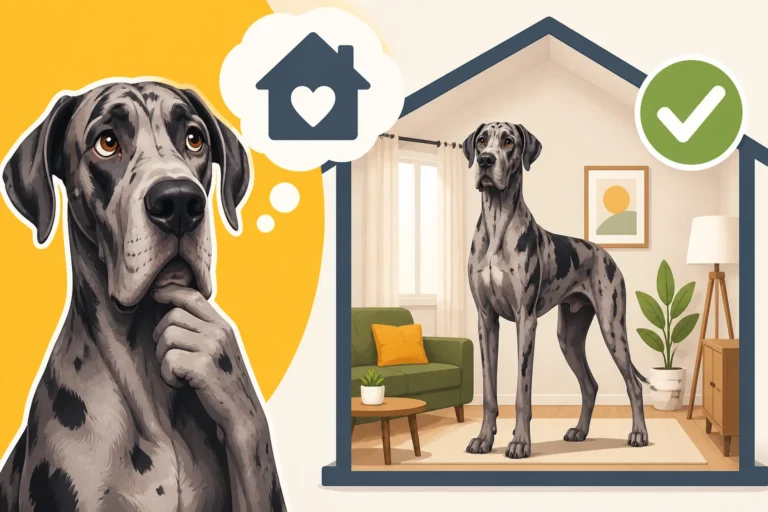
There's something undeniably captivating about a Harlequin Great Dane. Their striking, unique coat pattern makes them instantly recognizable and highly sought after. But this beauty comes with a complex genetic backstory that directly impacts their price.
The Distinctive Harlequin Pattern and Breed Standard
The Harlequin pattern is truly a work of art, featuring a pure white base color with irregular, torn black patches distributed over the body. Think of it like pieces of a torn black cloth scattered over a pristine white canvas – no two Harlequins are exactly alike, which adds to their allure. The Great Dane breed standard describes the ideal Harlequin as having these distinct black patches, preferably with a white neck, and often a black nose and eye rims. This striking contrast and the rarity of achieving the "perfect" pattern contribute significantly to demand. People often fall in love with the dramatic appearance of these dogs, envisioning them as living sculptures in their homes, a status that drives their desirability in the market. This aesthetic appeal isn't just a matter of personal preference; it's a recognized and celebrated part of the breed's diverse palette.
The visual impact is profound, making Harlequins stand out in a crowd, at dog shows, and even in family photos. This uniqueness, however, is a double-edged sword when it comes to breeding. Achieving the desired balance of white and black, with defined patches rather than blotches or an excess of white, requires a deep understanding of genetics and a bit of luck. Breeders who consistently produce well-marked Harlequins are few, and their expertise is reflected in the price of their puppies. This makes finding a truly show-quality or even well-marked pet-quality Harlequin a challenge, further escalating its perceived and actual value.
The Complex Genetics Behind the Harlequin Coat
The Harlequin coat isn't just a random mix of colors; it's the result of a very specific and intricate genetic interplay involving several genes. The primary player here is the merle gene (M/m), which dilutes black pigment to a mottled gray and lightens parts of the coat. For a Harlequin to exist, a dog must inherit at least one copy of the merle gene. However, the Harlequin modifier gene (H/h) must also be present to interact with the merle gene, changing the diluted merle areas into pure white patches and intensifying the remaining black areas into distinct, solid patches. It's a fascinating, but tricky, genetic dance.
This genetic combination is precarious. Breeding two merle-patterned Great Danes together, known as "double merle" breeding, carries significant risks. While it might seem intuitive to breed two merles to get more merles or Harlequins, the reality is far more somber. Double merles often face severe health issues, including deafness, blindness, and other eye abnormalities, such as underdeveloped eyes or even missing eyes. This is why ethical breeders will never intentionally breed two merle Danes. Instead, a Harlequin is typically bred to a non-merle black or mantle Dane. This careful pairing is essential to minimize the risk of producing double merle puppies and the associated health problems, while still striving for the elusive Harlequin pattern. The necessity of this precise, cautious genetic management adds layers of complexity and cost to responsible Harlequin breeding. Understanding Why two Merle Great Danes should not be bred is crucial for anyone considering this color.
The Challenges and Costs of Ethical Harlequin Breeding
Beyond the general expenses of breeding any Great Dane, producing Harlequins ethically introduces a unique set of challenges that directly drive up their price. These aren't just cosmetic concerns; they involve significant health and ethical considerations.
The Difficulties in Producing "Correct" Harlequin Markings
One of the biggest hurdles for Harlequin breeders is the sheer unpredictability of coat patterns, even when carefully planned genetic pairings are made. It's simply not a guarantee that a litter from a Harlequin parent will yield many, or even any, perfectly marked Harlequin puppies. A single litter might include:
- Harlequins with desirable markings: These are the puppies everyone wants, and they are typically very few.
- "Mismarked" Harlequins: These puppies might have too much black, too much white, or patches that are too small, too large, or too scattered, making them fall short of the breed standard for show quality. They are still beautiful and healthy pets, but not ideal for the show ring.
- Merles: These dogs have the diluted, mottled grey patches without the clear white background of a Harlequin. While striking in their own right, they are not Harlequins and are often sold at a different price point.
- Blacks, Mantles, or even Fawn: Depending on the genetic background of the parents, a litter can also produce solid black, mantle (black with white markings similar to a tuxedo), or even fawn puppies.
The reality is that a breeder might only get one or two truly "correct" Harlequin puppies out of a litter of eight or ten. The investment of time, resources, and care is spread across the entire litter, but only a fraction of the puppies command the premium Harlequin price. This means that the cost of breeding, whelping, and raising the entire litter effectively falls onto those few highly sought-after Harlequin puppies. This inherent inefficiency in production makes each desirable Harlequin puppy a much more valuable commodity. It's a testament to a breeder's dedication and patience when they consistently produce beautiful, healthy Harlequins.
Health Risks Associated with Merle Genetics
The same merle gene that creates the stunning Harlequin pattern also carries the potential for significant health issues, especially when involved in irresponsible breeding practices. As mentioned, the risks increase dramatically with double merle pairings, but even a single copy of the merle gene needs careful consideration. Ethical Harlequin breeders are acutely aware of these potential pitfalls and take proactive measures, which, of course, adds to their operational costs.
The most common health concerns linked to the merle gene affect hearing and vision. Puppies can be born completely or partially deaf, especially if they have large areas of white around their ears. Similarly, ocular defects ranging from microphthalmia (abnormally small eyes), colobomas (defects in the iris), or even complete anophthalmia (missing eyes) can occur. These conditions require veterinary assessment and sometimes specialized care. For example, understanding Why a White Great Dane Is Often Deaf is paramount for breeders to ensure proper screening and placement of puppies.
A responsible breeder will take every precaution to identify these issues early. This includes brainstem auditory evoked response (BAER) testing for hearing and comprehensive ophthalmological exams by a veterinary eye specialist for vision. These tests are not inexpensive and are typically performed on every puppy in a litter that carries the merle gene, whether they are destined to be a Harlequin, merle, or even an unexpectedly patterned pup. The expense of these specialized health screenings is a significant factor in the higher price of a well-bred Harlequin, as it ensures that buyers are getting a healthy puppy, or at the very least, are fully informed of any existing conditions. These health clearances are part of the critical due diligence that goes into safeguarding the future health of these beautiful dogs.
The Investment in a Reputable Harlequin Breeder
When you're looking at a higher price tag for a Harlequin Great Dane, a significant portion of that cost reflects the immense investment a reputable breeder makes. This isn't just about the pretty spots; it's about the decades of dedication to the breed's health and genetic integrity.
Extensive Health Testing and Screening
Ethical Great Dane breeders, regardless of color, understand that health testing is non-negotiable. For a breed prone to serious conditions like hip and elbow dysplasia, cardiac disease (especially dilated cardiomyopathy or DCM), and certain cancers, comprehensive screening is essential. This means parents undergo evaluations such as:
- Orthopedic Foundation for Animals (OFA) or PennHIP evaluations: To screen for hip and elbow dysplasia. These require sedation and specific X-rays, often performed by a specialist.
- Cardiac exams: Annual echocardiograms performed by a board-certified veterinary cardiologist to screen for DCM. This is a critical step for Great Danes, as heart disease is a leading cause of death.
- Thyroid panels: To check for autoimmune thyroiditis.
- Eye exams: By a veterinary ophthalmologist to rule out inherited eye diseases.
For Harlequin breeders, these standard tests are just the beginning. Given the specific risks associated with the merle gene, additional tests are crucial:
- BAER testing: To assess hearing in all puppies, particularly those with significant white markings around the ears.
- Ophthalmological examinations: Early and thorough eye exams for all merle-patterned puppies to detect any congenital defects related to the merle gene.
Each of these tests costs hundreds, sometimes thousands, of dollars per dog, and they are often repeated over a dog's breeding career. A breeder aiming for the optimal genetic pairing might travel long distances or even import semen, adding further expenses. This extensive health screening is a huge investment, but it's what differentiates a responsible breeder from a backyard operation, ensuring they are not contributing to the propagation of genetic diseases. Knowing The Health Testing a Great Dane Breeder Owes You is vital for prospective owners. When you see a breeder provide comprehensive health clearances for their breeding stock, you know that a significant part of their higher price is directly tied to this crucial preventative work.
Careful Selection of Breeding Stock and Pedigree Research
A reputable Harlequin breeder's work extends far beyond basic health tests. They are essentially geneticists and historians, meticulously researching pedigrees to understand the genetic strengths and weaknesses of potential mates. This isn't about simply finding two dogs of the right color; it's about making informed decisions to improve the breed with each generation. This involves:
- Deep Pedigree Analysis: Breeders study multiple generations, looking for longevity, consistent health, good temperament, and adherence to the breed standard in terms of structure and type. They want to know the health outcomes of siblings, parents, and grandparents.
- Temperament Assessment: A well-bred Great Dane should have a stable, gentle temperament. Breeders carefully evaluate the disposition of their breeding dogs and look for similar traits in potential mates. This helps ensure that the puppies inherit the desired "gentle giant" nature.
- Conformation and Structure: While Harlequins are prized for their color, good structure is paramount for a giant breed. Breeders select dogs with correct bone structure, movement, and overall conformation to minimize the risk of orthopedic problems and ensure the dog can live a comfortable, active life.
- Traveling for Studs/Dams: Sometimes the best genetic match isn't local. A breeder might invest in transporting their dam to a top stud dog halfway across the country, or even use frozen semen from a champion or health-proven sire, which involves considerable shipping and artificial insemination costs.
This exhaustive selection process is a time-consuming and expensive endeavor, but it's what ensures the quality of the puppies. It weeds out undesirable traits and aims to produce dogs that are not only beautiful but also healthy and sound in mind and body. The price of a Harlequin from such a breeder reflects this profound commitment to selective breeding and the long-term health of the breed. It also helps you avoid pitfalls like Great Dane Ads With No Cardiac Paperwork, which are a huge red flag.
Overhead Costs and Responsible Puppy Rearing
Raising a litter of Great Dane puppies, especially Harlequins, is an intensive, round-the-clock commitment that goes well beyond feeding and basic cleaning. The sheer size of the breed means everything is bigger, more expensive, and more demanding, and these costs are factored into the final price of the puppy.
Comprehensive Prenatal and Postnatal Care
From conception to the day the puppies go to their new homes, the dam and her litter require extensive, specialized care that incurs significant costs. This isn't just a casual affair; it's a meticulously managed process to ensure the best possible outcome for all.
Prenatal Care:
Before a breeding even happens, a responsible breeder ensures the prospective dam is in peak health. This includes regular veterinary check-ups, updated vaccinations, and a high-quality diet. Once pregnant, the dam will have several prenatal vet visits to monitor her health and the development of the puppies. This might involve ultrasounds or X-rays to confirm pregnancy, estimate litter size, and ensure proper fetal development. These veterinary services, which are already higher for giant breeds due to larger medication doses and anesthesia requirements, quickly add up. A Great Dane dam eats a specialized, nutrient-dense diet throughout her pregnancy and lactation, which, considering she's feeding multiple growing giants, is a substantial expense.
Postnatal Care:
The birth itself can be complex for Great Danes, sometimes requiring veterinary assistance or even an emergency C-section, which can be thousands of dollars. After delivery, the dam and her newborns need constant supervision. The breeder ensures the dam is recovering well and that all puppies are nursing effectively. Any signs of trouble, such as a weak puppy or an infection in the dam, warrant immediate veterinary intervention. For example, Why Anesthesia Costs More for a Great Dane impacts every vet procedure, from diagnostics to emergency surgeries, making unexpected complications very costly.
The sheer volume of food consumed by a lactating Great Dane dam is staggering. She needs a diet rich in calories and nutrients to support milk production for her large litter. This isn't just about buying a bigger bag of kibble; it often means feeding specialized, high-performance formulas or supplementing with fresh, nutrient-dense foods. This meticulous care during both pregnancy and lactation is a critical, yet often unseen, cost built into the price of each puppy.
Early Socialization and Vet Care for Harlequin Puppies
Once the puppies arrive, the work intensifies. Each Harlequin puppy, along with its littermates, receives comprehensive, individualized care and socialization, which is particularly important for this giant breed.
Early Veterinary Care:
Every puppy in the litter receives its first veterinary check-ups within days of birth. This includes a full physical exam to check for any congenital issues, especially those common in merle-patterned Danes like hearing and vision deficits. They receive regular deworming treatments, their first rounds of vaccinations, and often a microchip before they leave for their new homes. These vet visits, vaccinations, and preventatives, multiplied by a litter of 8-10 puppies, represent a significant financial outlay. Ensuring that What a Great Dane Puppy's Shot Course Costs is covered is just one aspect of these initial expenses.
Socialization and Enrichment:
A responsible breeder dedicates countless hours to socializing the puppies. This involves daily handling, exposure to various sights and sounds, and interaction with different people. For a Great Dane, early socialization is crucial for developing a confident, well-adjusted temperament, given their immense size as adults. They are introduced to different textures, toys, and environments. Breeders also begin early potty training and crate exposure, making the transition to a new home much smoother. This foundational work during the critical developmental window helps prevent behavioral issues later on, making the puppy a much more manageable and enjoyable companion.
Specialized Care for Unique Needs:
For Harlequins, this care can become even more specialized. If a puppy is identified as deaf or vision-impaired, the breeder takes extra steps to ensure it develops properly, using hand signals and tactile cues. This requires additional time, expertise, and dedication. Moreover, the breeder invests in appropriate nutrition, often starting with specialized large-breed puppy food that supports slow, steady growth to protect developing joints. Managing Great Dane Puppy Food Bills to Eighteen Months is a continuous, large expense for new owners, but the initial foundation is laid by the breeder. These early investments in health, socialization, and specialized care are fundamental to producing well-adjusted, robust Great Dane puppies and contribute substantially to their final cost.
The Value Proposition: Why the Higher Price is Justified
When you’re looking at the price tag of a Harlequin Great Dane from a reputable breeder, it’s easy to focus on the immediate financial outlay. However, that higher price isn't just about the rare coat pattern; it's a significant investment in a healthier, happier, and more predictable future with your giant companion.
The Long-Term Benefits of a Well-Bred Harlequin
Choosing an ethically bred Harlequin pays dividends throughout the dog's life, far outweighing the initial savings you might get from a cheaper, unethically bred puppy. This is truly where the value proposition shines through.
- Reduced Risk of Genetic Health Issues: The extensive health testing and careful genetic pairing discussed earlier mean that a well-bred Harlequin comes with a significantly lower risk of inherited diseases like hip and elbow dysplasia, heart conditions, and the specific merle-related issues such as deafness and blindness. While no breeder can guarantee a dog will never have health problems, responsible breeding drastically minimizes the odds of devastating and expensive conditions. This can literally save you thousands of dollars in emergency vet bills, specialized treatments, and lifelong medications down the road. For instance, avoiding preventable issues can help manage overall costs, as The Seven to Ten Year Great Dane Lifespan is already tragically short and expensive.
- Predictable Temperament and Behavior: A reputable breeder prioritizes temperament. They breed from stable, confident, and gentle parents, and they provide crucial early socialization for the puppies. This means you’re far more likely to get a Great Dane with the characteristic “gentle giant” demeanor that the breed is famous for. You reduce the chances of encountering significant behavioral problems, anxiety, or aggression, which can require costly professional training or even lead to heartbreaking rehoming situations.
- Ongoing Breeder Support and Mentorship: A good breeder doesn't just sell you a puppy and disappear. They become a lifelong resource. They'll be there to answer your questions about health, training, nutrition (like navigating what kind of food to choose from places like Chewy or Ollie), and behavior throughout your dog's life. This invaluable support can be a lifesaver, especially for first-time Great Dane owners who might feel overwhelmed by the sheer size and unique needs of the breed. This mentorship itself has immense value that's impossible to quantify in dollars. Furthermore, being able to confidently review Reading a Great Dane Puppy's Health Papers means you understand the health promises being made.
- Ethical Peace of Mind: Knowing your Harlequin came from a breeder who put the health and welfare of their dogs first, who didn't contribute to the suffering of double merles, and who invested heavily in preventative care provides immense peace of mind. You're supporting ethical practices and helping to improve the breed, not contributing to its degradation.
Comparing Harlequin Costs to Other Great Dane Colors
It's important to frame the "extra" cost of a Harlequin within the broader context of Great Dane ownership. All Great Danes, regardless of color, are inherently expensive dogs to own due to their size and breed-specific health challenges.
Let's break down some common Great Dane expenses:
- Initial Purchase Price: While Harlequins are often at the top end, even fawn or black Great Danes from reputable breeders typically range from $1,500 to $3,000. Harlequins can easily start at $2,500 and go upwards of $4,000 or more, especially for show-quality lines or those from highly sought-after genetic pairings. The premium is often directly attributable to the difficulty in breeding for the correct pattern and the added health screenings required. This is why a guide on What a Great Dane Breeder Who Screens Hearts Charges is relevant to understanding any Great Dane's price, not just Harlequins.
- Food: A Great Dane can eat 6-10 cups of high-quality food per day, leading to monthly bills of $100-$200 or more. Whether you're buying large bags of kibble from Chewy or opting for fresh food subscriptions like Ollie, Monthly Food Spending on a Great Dane is a constant, significant expense.
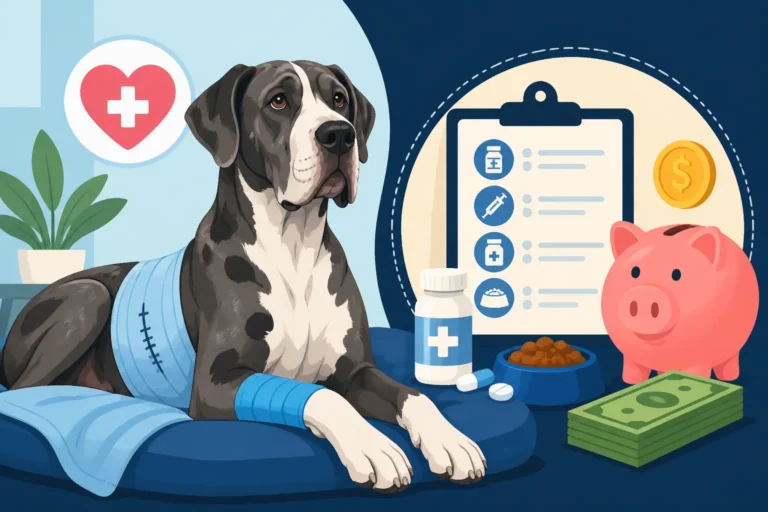
- Veterinary Care: Routine vet visits, vaccinations, and preventatives (heartworm, flea/tick) are all dosed by weight, making them more expensive for a giant dog. Then there are potential emergencies or chronic health conditions common to the breed, such as bloat or DCM. Pet insurance, from providers like Healthy Paws, is often recommended, as Insuring a Great Dane Against Bloat and Heart Bills can save thousands in the event of a crisis.
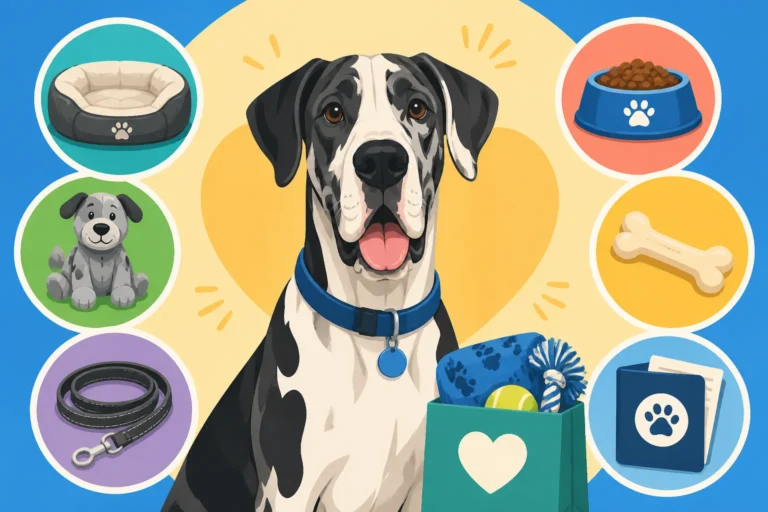
- Supplies: Everything from crates, beds, and toys to collars and leashes must be heavy-duty and giant-sized, costing more than for a smaller dog.
- Training: Given their size, early and consistent training is essential. Professional classes or in-home trainers can be another significant investment.
The table below illustrates how costs can vary, with Harlequins consistently on the higher end due to their specific breeding complexities. While all Great Danes require a substantial financial commitment, the premium for a Harlequin reflects the additional layers of genetic challenge, specialized health testing, and the sheer unpredictability involved in ethically bringing those stunning patterns into the world.
Navigating the Market and Avoiding Pitfalls
The higher demand and price for Harlequin Great Danes, unfortunately, attract unscrupulous breeders looking to make a quick profit. It’s crucial for prospective owners to be vigilant and informed to avoid supporting unethical practices that can lead to heartbreak and immense financial burden down the line.
Recognizing Unethical or Backyard Breeders
Falling for a "bargain" Harlequin can often mean buying into a future of expensive vet bills, behavioral problems, and profound sadness. Here are critical red flags to watch out for that indicate an unethical or backyard breeder:
- No Health Testing or Incomplete Records: This is the biggest warning sign. If a breeder cannot provide verifiable health clearances (OFA/PennHIP for hips/elbows, cardiologist reports for heart, eye exams, BAER testing for Harlequins/merles) for both parents, walk away. They might claim their dogs are "healthy" because they see no obvious issues, but genetic diseases are often silent until they manifest in offspring or later in life. Be especially wary of Great Dane Ads With No Cardiac Paperwork, as heart health is paramount for the breed.
- Multiple Breeds or Constantly Available Puppies: Breeders who always have puppies available or breed many different types of dogs are often in it for profit, not passion. Responsible breeding takes immense time and resources, meaning litters are infrequent and carefully planned.
- Lack of a Written Contract and Health Guarantee: A reputable breeder will provide a comprehensive contract that outlines health guarantees, spay/neuter clauses (for pet-quality puppies), and what happens if the puppy needs to be returned.
- No Interest in Your Living Situation: A good breeder wants to ensure their puppies go to suitable, loving homes. They will ask questions about your lifestyle, experience, home environment, and intentions for the dog. If they just want your money without vetting you, that's a problem.
- Unwillingness to Let You Meet the Dam (Mother Dog): The dam's temperament, health, and living conditions are crucial indicators of the puppies' future. If the breeder makes excuses for why you can't meet her, be suspicious.
- Dirty or Unsafe Environment: Puppies should be raised in a clean, stimulating, and safe environment. Unsanitary conditions or inadequate housing are immediate red flags for neglect.
- Price is "Too Good to Be True": A Harlequin Great Dane for significantly less than the going rate is a huge warning. Remember, What a Bargain Great Dane Really Costs Later is often thousands more in vet bills. The costs associated with ethical breeding are substantial, and a low price usually means corners have been cut, often at the expense of the puppies' health and welfare.
Resources for Finding a Reputable Harlequin Breeder
Finding an ethical Harlequin breeder requires patience and diligence, but it’s worth every effort. These resources can help guide your search:
- The Great Dane Club of America (GDCA): This is the national parent club for the breed in the U.S. Their website has a breeder directory and provides invaluable information on health testing, the breed standard, and responsible ownership. Look for breeders who are members and adhere to their code of ethics.
- Regional Great Dane Clubs: Most states or regions have local Great Dane clubs affiliated with the GDCA. These clubs often have their own breeder referral lists and are excellent places to network with experienced owners and breeders.
- Dog Shows and Conformation Events: Attending dog shows allows you to see Great Danes in person, observe their temperaments, and meet breeders. It's a fantastic way to learn about different lines and make connections. Many breeders advertise their litters or future plans at these events.
- Veterinary Referrals: Your veterinarian, especially one familiar with giant breeds, might be able to recommend reputable breeders in your area or state.
- Word of Mouth and Recommendations: Speak to other Great Dane owners. Their experiences with breeders can offer valuable insights.
- Online Platforms with Due Diligence: While sites like Chewy don't directly sell pets, they offer a vast array of pet products. However, for finding a reputable breeder, platforms that prioritize ethical practices are key. Always prioritize direct communication and extensive vetting of the breeder, regardless of where you initially find them.
When you connect with a potential breeder, be prepared to ask many questions about their breeding philosophy, health testing protocols, socialization practices, and the history of their lines. A good breeder will welcome your questions and be eager to share information. They will also likely have a waiting list, especially for highly desired Harlequin puppies. This waiting period is a good sign, indicating careful planning rather than mass production. Don't rush the process; the right Harlequin Great Dane from the right breeder is an investment in a wonderful companion for years to come.
| Factor | Typical Great Dane Cost Range (Non-Harlequin) | Harlequin Great Dane Cost Range (Ethical Breeder) | Key Justification for Harlequin Premium |
|---|---|---|---|
| Initial Purchase Price | $1,500 – $3,000 | $2,500 – $4,000+ | Rarity and difficulty in producing "correct" markings, specific merle-gene health testing (BAER, eye exams) |
| Health Testing (Parents) | $1,000 – $3,000+ (per dog) | $1,500 – $4,000+ (per dog) | Additional specialized merle-related tests (BAER, ophthalmologist exams) on all merle-patterned puppies in a litter. |
| Breeding & Whelping Expenses | $500 – $2,000+ (per litter) | $750 – $2,500+ (per litter) | Potential for more complicated pregnancies/deliveries, higher veterinary involvement due to genetic complexities. |
| Puppy Vet Care (Pre-Sale) | $300 – $600 (per puppy) | $400 – $800+ (per puppy) | Includes BAER and specialized eye exams for all merle-patterned puppies. |
| Lifetime Food Costs | $8,000 – $15,000+ (over 7-10 years) | $8,000 – $15,000+ (over 7-10 years) | Consistent across all Great Danes, but emphasizing the overall high cost of ownership. |
| Lifetime Vet Costs (non-emergency) | $5,000 – $10,000+ (over 7-10 years) | $5,000 – $10,000+ (over 7-10 years) | Potentially lower emergency costs due to proactive breeder health screening. |
| Pet Insurance Premiums | $50 – $150/month | $50 – $150/month | Premiums can be higher if breed-specific conditions are not covered by wellness plans, but less likely to decline claims with proper breeder documentation. |
| Overall Value | Healthy, well-socialized dog | Potentially healthier, rarer, uniquely patterned dog with extensive pre-screening. | Reduced risk of costly merle-related health issues, expert guidance on specific needs. |
Disclaimer
This article is for general informational purposes only and does not constitute professional advice. Laws, prices and regulations vary by location and change over time. Consult a qualified professional for guidance on your specific situation.