What a Great Dane Costs Before It Turns One
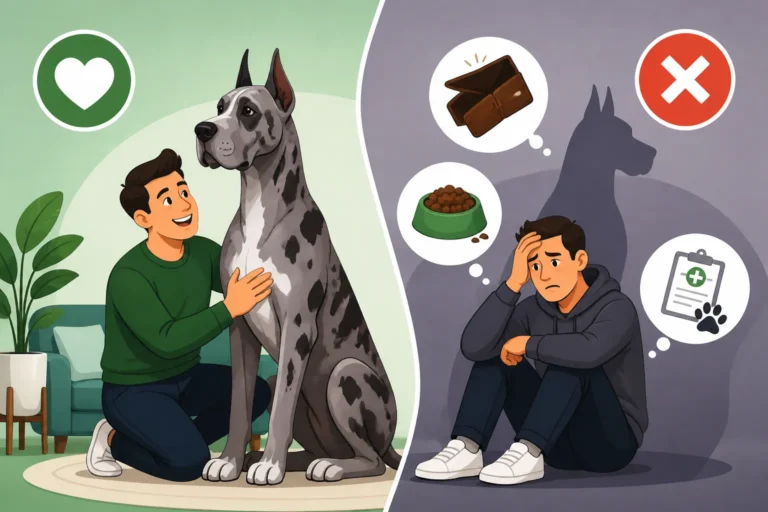
Bringing home a Great Dane puppy is an incredibly exciting adventure, but many new owners quickly realize that the initial costs extend far beyond the purchase price. The sheer scale of a Great Dane means everything from food to vet care to basic supplies comes with a supersized price tag, making the first year a significant financial commitment. This guide aims to meticulously break down the various expenses you can anticipate before your gentle giant even celebrates its first birthday, helping you prepare for the realities of Great Dane ownership.
The Initial Investment: Bringing Home Your Giant Puppy
The moment you decide to bring a Great Dane puppy into your life, you're looking at more than just a cute face and big paws. There's a considerable upfront investment involved, and understanding these costs from the outset is crucial for responsible ownership. This isn't just about paying for the puppy itself, but also equipping your home to welcome a creature that will grow to be truly enormous in a surprisingly short amount of time.
Purchase Price: More Than Just a Number
The price tag on a Great Dane puppy can vary widely, and it's essential to understand what factors contribute to that figure. A well-bred puppy from a reputable breeder who prioritizes health, temperament, and genetic screening will naturally command a higher price than one from a backyard breeder or a puppy mill. These breeders invest heavily in health testing the parents for conditions like hip and elbow dysplasia, cardiac issues, and thyroid problems, and they provide excellent care for the dam and her litter. They're not just selling a puppy; they're offering the result of years of dedication to the breed.
When you're looking at a lower-priced puppy, it's often a red flag. While the initial saving might seem attractive, these puppies often come with unknown genetic histories, potentially leading to devastating and expensive health issues down the line. It’s tempting to cut corners, especially when the total cost of ownership is already intimidating, but remember that a healthy start is paramount for such a specialized breed. Always ask to see health clearances for both parents and be prepared for what it means to invest in a puppy from a responsible program. For a deeper dive into what you can expect, you might want to read The Fifteen Hundred to Three Thousand Great Dane.
Think of it this way: the purchase price isn't just about acquiring a dog; it's an investment in the likelihood of a healthier, happier life for your future companion. A reputable breeder's prices reflect their commitment to minimizing potential genetic issues, which can save you untold heartache and veterinary bills in the long run. They'll also be a lifelong resource, providing support and advice as your puppy grows. This early financial decision lays the groundwork for everything that follows in your Great Dane's first formative year. If you find yourself looking at offers that seem too good to be true, it's worth considering What a Bargain Great Dane Really Costs Later before making a commitment.
Essential Supplies for a Growing Dane
Once you've secured your puppy, the next wave of costs hits you in the form of supplies, and with a Great Dane, nothing is small. You're not buying a typical "small dog" starter kit. You need a colossal crate, substantial bedding, enormous food and water bowls, and toys that can withstand the chewing power of a rapidly growing giant breed. These items need to be durable, safe, and appropriately sized from day one, often requiring upgrades as your puppy quickly outgrows its initial gear.
For example, a crate for an adult Great Dane can take up a significant portion of a room, and the cost reflects its size and construction quality. You'll likely need to start with a large or extra-large puppy crate, but don't be surprised if you're upgrading to a gigantic adult-sized model before your puppy is even six months old. Bedding needs to be thick, supportive, and chew-resistant, to protect those growing joints from hard floors and stand up to playful nibbling. Many owners find themselves replacing beds multiple times in the first year due to wear and tear, or because the puppy simply outgrows it. Online retailers like Chewy offer a vast selection of jumbo-sized options, but even with competitive pricing, the sheer volume of material required makes these items pricey.
Beyond the big-ticket items, consider leashes, collars, ID tags, grooming tools, and cleaning supplies. A standard leash and collar might suffice for a tiny pup, but within months, you'll need heavy-duty equipment designed to handle a dog that could soon outweigh you. Grooming essentials like large brushes, dog-specific shampoos, and nail clippers or grinders are also necessary, even for their short coats. And let's not forget the inevitable puppy accidents – cleaning solutions for giant-sized messes are a must-have. To get a better handle on what you’ll need from day one, check out The Kit a Great Dane Puppy Needs First.
Adoption Fees: A Different Path to Greatness
Choosing to adopt a Great Dane, perhaps from a breed-specific rescue, presents a different financial pathway, but it's important to recognize that it's still a significant investment. Adoption fees are typically lower than breeder purchase prices, but they cover a crucial range of services that often include initial veterinary care, spaying or neutering, microchipping, and sometimes even training or rehabilitation. These fees help offset the rescue organization's costs for housing, feeding, and providing medical attention to the dogs in their care, many of whom come with pre-existing conditions or unknown histories.
While the fee itself might be less, it’s vital to understand that a rescued Great Dane, especially a puppy, will still need all the same supplies and ongoing care as a breeder-purchased dog. Sometimes, a rescue puppy might come with a hidden health challenge or behavioral need that the rescue has begun to address, but which will require continued effort and expense on your part. For instance, a rescue might have already started vaccinations or deworming, saving you some initial vet bills, but their specific diet or training needs might be ongoing.
Adopting a Great Dane is a profoundly rewarding experience, offering a second chance to a dog in need. However, it's not necessarily a "cheaper" option in the long run. The adoption fee is just the starting point, and you still need to budget for everything else a growing Great Dane requires. Rescue organizations often have rigorous screening processes to ensure potential owners are prepared for the financial and time commitments involved, underscoring that while the acquisition method differs, the responsibilities and costs remain substantial.
Early Veterinary Care: Keeping Your Great Dane Healthy
The first year of a Great Dane's life is a whirlwind of growth, and with that rapid development comes a critical need for consistent, comprehensive veterinary care. These initial months are foundational for their long-term health, establishing their immune system and addressing potential developmental issues. Ignoring or delaying crucial vet visits and procedures can lead to far greater health and financial problems down the road, making this one of the most significant cost categories in their first year.
Puppy Vaccinations and Preventative Care
Your Great Dane puppy will require a series of vaccinations during its first few months to build immunity against common and often deadly diseases like distemper, parvovirus, hepatitis, and rabies. This isn't a one-and-done visit; it's a course of injections, usually every few weeks, until they're old enough for their full immunity to kick in. Each visit involves not just the vaccine itself but also a physical examination, where the vet checks their growth, listens to their heart, and generally ensures they're developing normally.
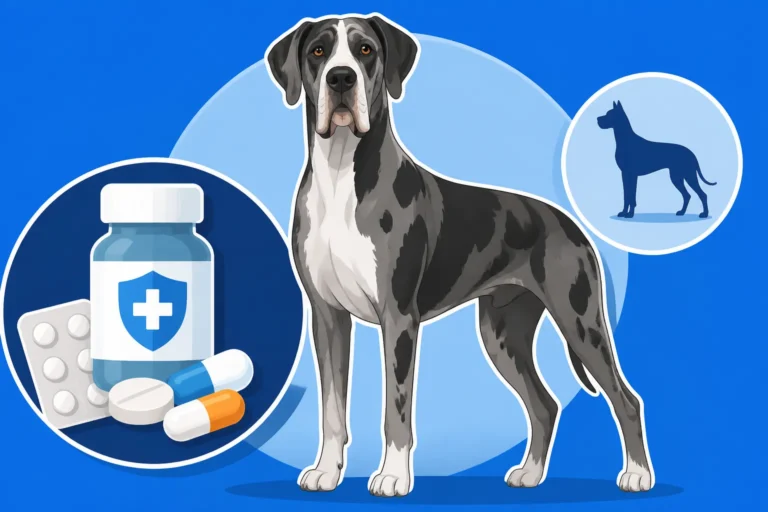
Beyond vaccinations, preventative care for a Great Dane puppy also includes regular deworming treatments, as puppies are prone to various internal parasites. Additionally, year-round flea, tick, and heartworm prevention are absolutely essential, especially for a large breed that spends time outdoors. The dosage for these medications is based on weight, so as your Great Dane rapidly packs on pounds, the cost of these preventatives will increase significantly. Keeping up with this schedule is non-negotiable for their health, and you’ll find that the cumulative cost of these routine visits and medications really adds up over the course of the first year. For a detailed look at what these initial appointments might entail, consider reading What a Great Dane Puppy's Shot Course Costs.
It’s easy to feel overwhelmed by the frequency of vet visits and the ongoing need for preventative medications, but each one is a vital step in safeguarding your Great Dane's health during this vulnerable growth period. Think of it as investing in a robust foundation for their future well-being. A healthy puppy is less likely to incur emergency vet bills, and maintaining a strict preventative schedule is key to achieving that.
Spaying or Neutering: A Big Decision, a Big Bill
One of the most significant veterinary expenses in your Great Dane's first year will likely be spaying or neutering, unless you have specific plans for breeding and have discussed this with your breeder. This procedure is typically performed between six months and a year of age, though recommendations for giant breeds often lean towards waiting longer to allow for more complete growth and development, which can impact joint health. However, delaying means managing an intact dog for a longer period, with all the behavioral challenges and potential risks that entails.
Because Great Danes are, well, great, the cost of this surgery is considerably higher than for smaller dogs. Anesthesia dosage is directly proportional to weight, and a giant breed requires more medication, more monitoring, and often more specialized equipment to ensure their safety. The surgery itself might take longer, and the recovery period needs careful management to prevent complications. You'll need to discuss the optimal timing for this procedure with your veterinarian, weighing the benefits of waiting for growth against the risks of intact hormones.
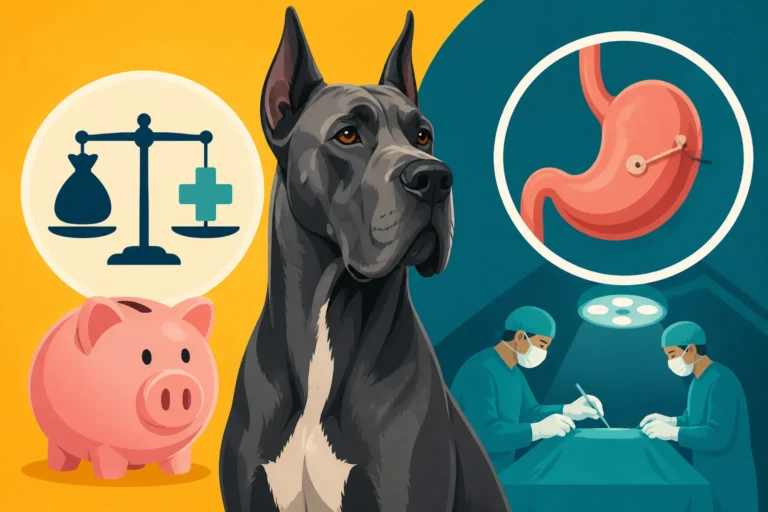
It's also worth noting that some owners choose to combine spaying or neutering with a prophylactic gastropexy, which is a surgery to tack the stomach to the abdominal wall to prevent bloat (Gastric Dilatation-Volvulus). While adding to the initial surgical cost, a gastropexy can potentially save a Great Dane's life and significantly reduce emergency veterinary bills down the line. This combined procedure is a common and often recommended option for Great Danes, but it's an additional expense that needs to be factored into the first year's budget.
Emergency Fund and Pet Insurance Considerations
No matter how diligent you are with preventative care, accidents and illnesses can strike, and with a Great Dane, emergency vet visits are notoriously expensive. Their size alone means higher costs for diagnostics, medication, anesthesia, and any necessary surgical interventions. Setting aside an emergency fund specifically for your dog is always a wise decision, but for a Great Dane, it's practically essential. Even a minor injury requiring X-rays and pain medication can quickly run up a substantial bill.
This is where pet insurance becomes a real lifesaver for many Great Dane owners. Enrolling your puppy early, before any pre-existing conditions can be noted, is critical. Companies like Healthy Paws are popular choices, and while premiums for a Great Dane will be higher than for a smaller breed due to their predisposition to certain conditions (like bloat and dilated cardiomyopathy), the peace of mind and potential financial relief in a crisis are invaluable. Imagine your Great Dane puppy swallows something it shouldn't, or develops a sudden, severe lameness – without insurance, these events can cause significant financial strain.
It's crucial to research different plans and understand what they cover, including deductibles, reimbursement percentages, and annual limits. Pet insurance is designed to help you afford the best possible care when your dog needs it most, preventing you from having to make heartbreaking decisions based purely on cost. While it's an ongoing monthly expense, it's an investment in your ability to protect your Great Dane from the unknown. For more on this, you can check out Enrolling a Great Dane Before Anything Happens.
Fueling a Growing Giant: Food and Nutrition
Feeding a Great Dane is an experience unlike feeding almost any other dog. They are not only huge, but they grow at an astonishing rate, requiring a specific type of diet to support their massive bone and muscle development without promoting too-rapid growth, which can lead to serious skeletal problems. This means their food bill alone will be one of the most substantial ongoing expenses in their first year.
Specialized Diet for Giant Breed Puppies
Great Dane puppies absolutely need a high-quality, large-breed or giant-breed specific puppy food. This isn't just a marketing gimmick; these formulas are carefully balanced with lower protein, calcium, and phosphorus levels than regular puppy foods. The goal is to encourage slow, steady growth, rather than rapid weight gain, which can stress developing joints and contribute to orthopedic issues like osteochondritis dissecans (OCD) or hypertrophic osteodystrophy (HOD). Many standard puppy foods are too calorie-dense and have calcium levels that are too high for a Great Dane puppy's unique needs.
The sheer volume of food a Great Dane puppy consumes is astounding. What might seem like a large bag of kibble for a medium-sized dog will be gone in a week or less with a growing Dane. You'll be buying enormous bags of food frequently, and the cost per bag, even of high-quality kibble, can add up quickly. Some owners opt for fresh-prepared or raw diets, and while these can offer excellent nutrition, the cost at Great Dane volumes can be truly staggering. Brands like Ollie offer fresh food delivery, which is fantastic for quality, but the portion sizes required for a growing giant breed make it a premium choice.
It's tempting to try and save money by buying cheaper, lower-quality food, but this is a false economy for a Great Dane. Poor nutrition during their critical growth phase can have lifelong negative consequences for their health and ultimately lead to more expensive vet bills. Investing in the right food from the start is one of the most important things you can do for your puppy's skeletal and overall health. For more on this, please read Why Great Dane Puppy Food Is Different and Why a Great Dane Puppy Should Grow Slowly. The Monthly Food Spending on a Great Dane article offers further insight into what you can expect in terms of ongoing costs.
Treats and Supplements for Healthy Development
Beyond their regular meals, Great Dane puppies will also require treats and potentially certain supplements. Treats are invaluable for training and positive reinforcement, especially when teaching a huge dog good manners from a young age. However, just like their food, these treats need to be appropriately sized and healthy. Small, crumbly treats won't cut it for a Dane; you'll need larger, more substantial options, and you'll go through them quickly during intensive training sessions.
Some veterinarians or breeders might recommend specific supplements, particularly joint support formulas, for rapidly growing giant breeds. While a good quality large-breed puppy food should ideally provide balanced nutrition, sometimes additional support for joints, skin, or immune health is advised. It's crucial to discuss any supplements with your vet to ensure they are necessary and dosed correctly for a Great Dane, as over-supplementation, particularly with calcium, can be detrimental to their growing bones. Always opt for veterinary-approved products to avoid unnecessary or harmful ingredients.
Chewy, for instance, offers a wide range of giant-breed-specific treats and supplements, making it easier to find appropriate products. However, the cost of these items, purchased regularly, adds another layer to your overall monthly expenses. Remember, every little bit adds up when you're dealing with a dog of this magnitude, and maintaining a budget for both essential food and training rewards is important.
Water Intake and Hydration Needs
While it might not seem like a direct "cost" in the same way as food or vet bills, a Great Dane's water intake has practical implications for your home and utility bill, and requires consideration in your budget. Great Danes drink a phenomenal amount of water, crucial for their health and digestion. This means you'll need multiple large water bowls throughout your home, constantly kept clean and refilled.
The more water they drink, the more quickly they will need to go outside for potty breaks, especially as puppies. This might mean more trips out, potentially leading to more wear and tear on your yard, or if you live in a city, more bags for waste disposal. You might also notice a slight uptick in your water bill, as you're constantly refilling bowls and washing them. More importantly, proper hydration is vital for their organ function and overall well-being, especially with a dry kibble diet.
Investing in a high-quality water filtration system or ensuring you have access to clean, fresh water is important. Some owners even opt for large, filtered water fountains designed for multiple pets, which can encourage drinking but also come with an initial cost and filter replacement expenses. While seemingly minor, the logistics of keeping a giant breed adequately hydrated are part of the hidden costs of their care, especially in their first year of rapid growth.
Training and Socialization: Shaping Your Gentle Giant
A Great Dane isn't just a dog; it's a force of nature. Their size demands impeccable manners and robust training from day one. What might be a minor inconvenience with a smaller dog – a little jump, a bit of pulling on the leash – becomes a serious safety hazard with a 100+ pound Great Dane. Therefore, investing in proper training and early socialization isn't just a suggestion; it's an absolute necessity during their first year.
Puppy Classes and Professional Guidance
Starting with puppy classes is crucial for a Great Dane. These classes provide a controlled environment for socialization with other dogs and people, helping your puppy learn appropriate interaction skills before they become too large to handle easily. More importantly, they teach you, the owner, how to effectively communicate with and train your giant breed. Basic obedience commands like sit, stay, come, and leash manners are non-negotiable for a Great Dane. Without them, even the most well-intentioned dog can accidentally knock over a child or drag an adult down the street.
Professional trainers specializing in large breeds can be an invaluable resource. While the cost of private sessions or specialized classes can be higher than general obedience courses, the investment pays dividends in a well-behaved, manageable adult dog. They can help address specific Great Dane behaviors, such as their tendency to lean, counter-surf, or become overly enthusiastic in greetings. Learning how to properly use a front-clip harness or a head halter, and understanding the nuances of positive reinforcement with a dog of this size, are skills best learned from an expert.
Delaying training until your Great Dane is fully grown is a recipe for disaster. At six months old, they might already weigh over 80-100 pounds, and trying to teach an adolescent giant foundational manners at that point is significantly harder. The sooner you start, the easier and more effective the training will be, preventing a lifetime of challenges. For a comprehensive look at the importance of early training, consider The Manners a Great Dane Needs Before It Grows and What a Great Dane Puppy Course Runs.
Socialization Beyond the Home
Beyond formal classes, intentional socialization is a continuous, crucial expense (in time and sometimes money) during your Great Dane's first year. Exposing your puppy to a wide variety of sights, sounds, people, and safe environments helps them develop into a confident, well-adjusted adult. This means taking them to pet-friendly stores, parks (after full vaccination), and on car rides, always ensuring positive experiences. The goal is to make them comfortable and calm in different situations, rather than fearful or overly excitable.
Think about the costs associated with this. Gas for trips to new places, the occasional coffee or treat bought during a "socialization outing," and potentially entry fees to dog-friendly events. It might also mean investing in a sturdy car harness or crate large enough for safe travel, or even a ramp to help them get into and out of vehicles as they grow. While these aren't direct "training" costs, they are an essential part of shaping a well-rounded Great Dane.
Poorly socialized Great Danes can develop anxiety, fear aggression, or reactivity, which can be incredibly challenging and expensive to manage later on, requiring specialized behavioral training or even veterinary intervention. The time and effort you put into broad socialization in their first year are just as important as formal training, laying the groundwork for a dog that is a joy to take out in public and interact with.
Toys and Mental Enrichment
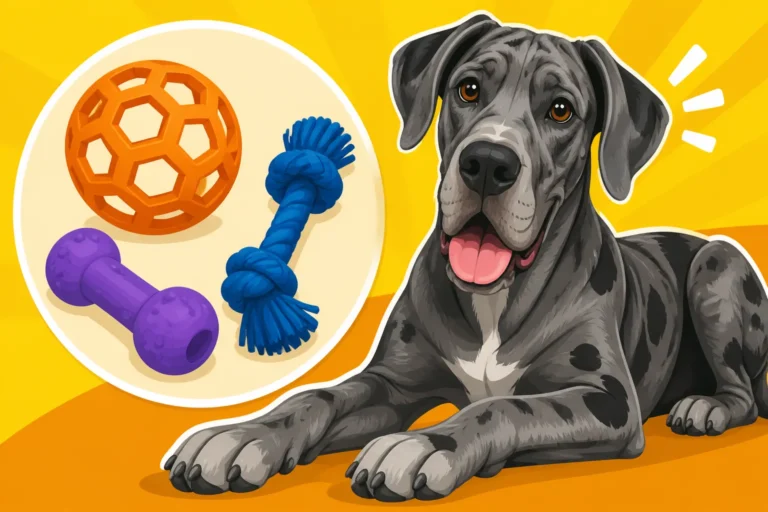
Great Danes, even as puppies, need substantial mental and physical enrichment to prevent boredom and destructive behaviors. Because of their size, their toys need to be incredibly durable. Small or flimsy toys will be destroyed in minutes and can even pose a choking hazard. You'll find yourself buying "XL" or "Giant" rated chew toys, puzzle feeders, and ropes, often at a premium price. And even these will likely need frequent replacement as they get worn down by powerful jaws.
Consider toys that promote mental stimulation, such as puzzle feeders or treat-dispensing toys. These can help tire out a Great Dane puppy's mind when physical exercise needs to be limited to protect their growing joints. Chewing is a natural and necessary behavior for puppies, and providing appropriate, safe outlets for it is crucial. This often means rotating toys to keep them interesting and finding products that truly stand up to heavy use.
The cost of toys might seem minor compared to food or vet bills, but it's an ongoing expense in their first year. A bored Great Dane puppy can be a destructive Great Dane puppy, leading to chewed furniture, ruined shoes, and other household damage that far exceeds the cost of a durable toy. Investing in a variety of robust, engaging toys is part of managing their natural puppy energy and helping them grow into well-adjusted adults.
Great Dane First Year Cost Overview
To give you a clearer picture of the financial landscape of owning a Great Dane puppy through its first year, here's a general overview of the categories we've discussed. Remember, these are broad estimates, and actual costs will vary greatly based on your location, your choices, and your individual dog's needs.
| Cost Category | Initial Outlay (Approx.) | Ongoing Monthly (Approx.) | Notes |
|---|---|---|---|
| Puppy Acquisition | $1,500 – $3,000 | $0 | Breeder purchase or rescue adoption fee. Rescues usually lower initial. |
| Initial Supplies | $500 – $1,000 | $50 – $150 | Crate, bed, bowls, leash, collar, grooming tools, initial toys. Ongoing for replacements, larger sizes. |
| Vet Care (Routine) | $300 – $800 | $30 – $80 | Puppy shots, deworming, vet visits. Ongoing for flea/tick/heartworm meds. |
| Spay/Neuter Surgery | $500 – $1,500 | $0 | Higher end if combined with gastropexy. Occurs once in the first year. |
| Food & Treats | $100 – $200 | $150 – $300 | Large breed puppy formula, high volume. Treats for training. |
| Pet Insurance | $0 – $50 | $50 – $100 | Monthly premiums, higher for Great Danes. Deductible may apply. |
| Training Classes | $200 – $500 | $0 – $100 | Puppy classes, basic obedience. Private sessions or advanced classes extra. |
| Emergency Fund | Recommended $1,000+ | $0 (Savings) | For unforeseen medical issues, especially critical for giant breeds. |
This table highlights that while some costs are a one-time hit, many are recurring monthly expenses that build up throughout the year. The total for the first year easily ranges from several thousands to well over ten thousand dollars, depending on all the factors discussed. Planning for these expenses upfront is the best way to ensure you can provide your Great Dane puppy with everything it needs for a healthy and happy start in life.
Disclaimer
This article is for general informational purposes only and does not constitute professional advice. Laws, prices and regulations vary by location and change over time. Consult a qualified professional for guidance on your specific situation.